

P1738 on 2021 Mazda CX-9: Automatic Transaxle Malfunction Explained
On a 2021 Mazda CX-9, code P1738 indicates an internal transmission malfunction, almost always caused by contaminated fluid that makes internal oil pressure switches stick. A Mazda Technical Service Bulletin (TSB #05-002-23) outlines a specific repair involving replacing these switches (Part No. FZ01-21-2J0 for switch B) and possibly reprogramming the transmission module. This is a known issue across many Mazda models with the SKYACTIV-Drive transmission.
- P1738 on a 2021 CX-9 is a known issue with a specific fix outlined in Mazda TSB #05-002-23.
- The most likely cause is not a catastrophic transmission failure, but rather two small, internal oil pressure switches that are sticking.
- This is not a DIY-friendly repair. It requires dropping the transmission pan and should be performed by a qualified technician.
- Do not immediately agree to a full transmission replacement without first investigating the repair outlined in the TSB, as it is a much less expensive solution.
What's Unique About the 2021-2021 Mazda CX-9
The SKYACTIV-Drive 6-speed automatic transmission (model FW6A-EL) in the 2021 CX-9 is susceptible to this specific issue. Mazda has acknowledged the problem through multiple Technical Service Bulletins, including TSB #05-002-23 which directly covers the 2021 model year. The bulletins state that fine metallic debris from normal wear can contaminate the transmission fluid, causing sensitive oil pressure switches within the control valve body to stick. This known issue triggers P1738 and a cascade of related fault codes. The official Mazda diagnostic procedure for an isolated P1738 may suggest a full transaxle replacement, but the presence of the TSB provides a much more specific and common repair path.
Diagnostic Flowchart
Tap your situation to follow the diagnostic path that matches what you're seeing on this vehicle.
Symptoms You May Notice
- Check Engine Light illuminated
- Automatic Transaxle (AT) warning light illuminated
- Harsh or erratic shifting
- Transmission getting stuck in one gear (fail-safe mode)
- Manual shift mode may be inhibited
- Surging at low speeds or during during acceleration
- Complete transmission replacement. While some service manuals suggest this as a default for an isolated P1738, the presence of a specific TSB for the 2021 CX-9 indicates a much more common and less expensive repair path involving the pressure switches.
Most Likely Causes
- Sticking Internal Oil Pressure Switches 🔴 High Probability → Shop Engine Oil Pressure Switch Mazda TSB #05-002-23 explicitly identifies this as the primary cause for the 2021 CX-9. Contamination in the automatic transmission fluid (ATF) causes the oil pressure switches (A and/or B) on the control valve body to stick temporarily or permanently.
How to confirm: A professional technician will scan for all related DTCs listed in the TSB (e.g., P0842, P0847, P0872, P0877, P0780). The diagnosis is confirmed by following the specific repair procedure outlined in TSB #05-002-23, which for a 2021 model, directs the technician to replace the switches.
Typical fix: Replace both oil pressure switches (A and B) 🎬 Watch: Step-by-step guide to removing the oil pressure switches. located on the internal control valve body. This also involves draining the fluid, removing the transmission pan, replacing the switches, and refilling with genuine Mazda ATF FZ fluid. One of the switches is part number FZ01-21-2J0 (Switch B).
Est. part cost: $100-$300 - Outdated Transmission Control Module (TCM) Software 🟡 Medium Probability → Shop Transmission Assembly Mazda's own TSBs for this issue often recommend a software update as a potential first step in the repair process for older models. The updated logic may be more tolerant of minor pressure fluctuations that could trigger the code. For 2019+ models, the TSB often directs to replace the parts directly.
How to confirm: A Mazda dealership or qualified shop with a Mazda Diagnostic and Repair System (MDARS) or equivalent tool can check the current software version against the latest available calibration file listed in the TSB.
Typical fix: Reprogram the TCM to the latest software version. If the code returns, or if the TSB for the specific vehicle year directs it, the mechanical cause (sticking switches) must be addressed.
Est. part cost: $0
Rare But Worth Checking
- Faulty Control Valve Body: → Shop Transmission Valve Body In some cases, the contamination may be severe, or the passages within the valve body itself may be damaged. If replacing the pressure switches doesn't resolve the issue, the entire valve body assembly might need replacement. Some TSBs for older models recommended this as the primary fix.
- Low or Degraded Automatic Transmission Fluid (ATF): → Shop Transmission Assembly While contamination is the direct cause of the sticking switches, an extremely low fluid level can cause a wide range of hydraulic pressure problems that could also trigger a general malfunction code like P1738. The TSB notes that if there is a large amount of foreign material in the pan, the oil strainer should also be replaced. 🎬 See how to change your transmission fluid and filter.
Diagnosis Steps
- Verify the concern and scan the TCM for all stored DTCs. Note if P1738 is present with any of the codes listed in TSB #05-002-23 (P0842, P0847, P0872, P0877, P0780).
- Check the Automatic Transmission Fluid (ATF) level and condition. The fluid should be at the correct level and not appear burnt or excessively dirty.
- Consult Mazda TSB #05-002-23. For a 2021 CX-9, the bulletin directs the technician to proceed directly to 'Oil Pressure Switch Replacement'.
- If directed by a different TSB or diagnostic procedure, check if the TCM software is up to date using a dealership-level scan tool. Reprogram if necessary.
- If the code persists or as directed by the TSB, proceed with the internal repair. This involves removing the transmission pan, accessing the control valve body, and replacing both oil pressure switches (A and B).
- Inspect the bottom of the oil pan for excessive metallic debris. If a large amount is found, the oil strainer (Part # FZ01-21-500) should also be replaced.
- Reassemble the transmission with a new pan gasket and refill with the correct type and amount of genuine Mazda ATF FZ fluid.
- Perform the 'Initial Learning' procedure for the transmission as specified by Mazda's service information to ensure proper shifting after the repair. 🎬 Watch: How to perform the transmission initial learning procedure.
- Clear all DTCs and perform a test drive to verify the repair.
Parts You'll Likely Need
- Automatic Transmission Oil Pressure Switch Kit (A & B)
(OEM #FZ01-21-2J0 (This is for Switch 'B', a kit may have a different number))— This is the most common point of failure according to Mazda's own Technical Service Bulletins for this exact code and vehicle.
Trusted brands: Mazda (OEM)
OEM price range: $75-$110 per switch
Aftermarket price range: $50-$80 - Automatic Transmission Fluid (ATF FZ)
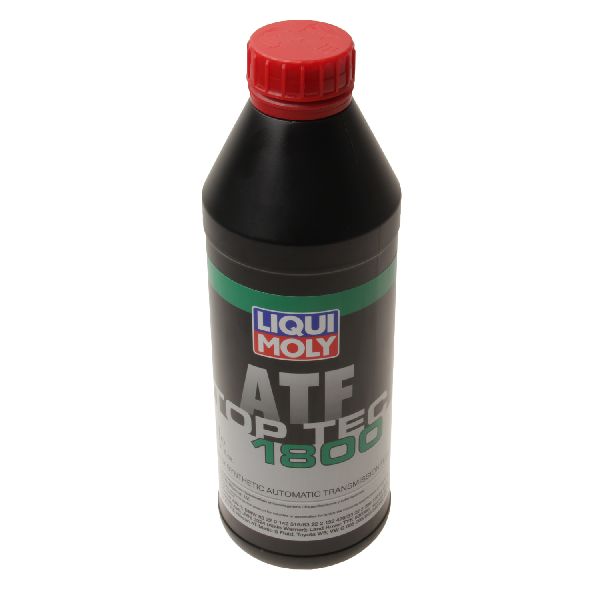
(OEM #0000-FZ-113E-01)— The transmission fluid must be drained to perform the repair and should be replaced with new, genuine fluid to prevent further contamination.
Trusted brands: Mazda (OEM)
OEM price range: $15-$25 per quart - Automatic Transmission Pan Gasket
(OEM #FW6A-21-51Y (example, verify for specific VIN))— The gasket should always be replaced when the transmission pan is removed to prevent leaks. Some applications use sealant instead of a pre-formed gasket.
Trusted brands: Mazda (OEM), Fel-Pro
OEM price range: $30-$50
Aftermarket price range: $20-$40
Related Codes That Often Appear With This One
- P0780 — Stands for 'Gear Shifting Malfunction' and is often stored with P1738 because the sticking pressure switches prevent the TCM from controlling shifts correctly.
- P0842 / P0847 — These codes directly relate to Oil Pressure Switch 'B' or 'A' being stuck on or having a circuit fault. Their presence strongly corroborates the diagnosis of a sticking switch.
- P0872 / P0877 — These codes also relate to the oil pressure switches being stuck on. P1738 is often set when the TCM sees an illogical combination of these switch faults.
Technical Service Bulletins (TSBs) & Recalls
- 05-002-23: CHECK ENGINE LIGHT AND A/T WARNING LIGHT ON WITH DTC P0842 / P0847 / P0872 / P0877 / P0780 / P1738. This is the primary document outlining the cause and repair for the 2021 CX-9.
- 05-004/19: An earlier version of the TSB covering models up to 2019 with the same issue and repair procedure.
- 05-001-21-3826: A similar TSB for the 2020 CX-5, demonstrating how widespread the issue is across the SKYACTIV platform.
Platform-Specific Known Issues
- Mazda has issued Technical Service Bulletin #05-002-23, which directly applies to the 2021 CX-9 and describes the issue of P1738 (and related codes) being caused by sticking oil pressure switches due to fluid contamination.
- A separate TSB for the 2021 CX-9 exists for excessive oil consumption related to valve stem seals, which is an unrelated engine issue but is something owners of this model year should be aware of.
Mechanic-Grade Diagnostic Values
- Oil Pressure Switch Continuity — expected: The switch is typically normally closed, showing continuity (near 0 ohms) between its pins when the engine is off (no pressure). When the engine runs and pressure is applied, the circuit should open (infinite resistance).. Failure: A switch that is stuck will not change its electrical state when pressure is applied or removed. However, the TSBs indicate a mechanical sticking issue, so replacement is often done without electrical testing if related codes are present.
- Transmission Fluid Temperature for 'Initial Learning' — expected: 60°C to 110°C (140°F to 230°F). Failure: The 'Initial Learning' procedure will abort or fail to initiate if the transmission fluid temperature is outside of this range.
Hidden / Shadow Codes Worth Checking
- P1738:00: The ':00' is a Failure Type Code (FTC) indicating a general 'Component Failure'. Mazda's diagnostic manual states this means the 'malfunction location cannot be determined based on combination of gear ratio malfunction and oil pressure switch pattern malfunction', reinforcing that it's a non-specific internal fault. (see via Professional scan tools like Mazda's MDARS (Mazda Diagnostic and Repair System) or advanced aftermarket tools will display the full DTC with the FTC. Basic OBD-II readers may only show 'P1738'.)
Scan Tool Commands That Help
- Mazda M-MDS / MDARS or equivalent: Initial Learning — This procedure must be performed after replacing the oil pressure switches or the entire valve body. It clears old learned clutch engagement values and forces the TCM to relearn the response time of the new components, ensuring smooth shifting. The procedure involves a specific sequence of shifter movements and holding the brake pedal.
- Mazda M-MDS / MDARS: Module Reprogramming — Used to update the TCM to the latest software calibration. For this issue, TSBs for some model years recommend this as a first step before replacing parts, as the updated logic may be more tolerant of minor pressure fluctuations that trigger P1738.
Wiring & Ground Locations
- Transmission Control Module (TCM) — On the 2021 CX-9, the TCM is mounted directly on top of the transmission case, located under the air filter housing and battery tray.. While P1738 is almost always an internal transmission issue, a loose connector or corrosion at the main TCM harness could theoretically cause communication issues. A user on a forum noted fluid seepage around this connector on a 2020 model, indicating the seal can be a point of interest.
- Oil Pressure Switch Connectors — Inside the transmission, on the control valve body. They are only accessible after removing the transmission oil pan.. These are the direct connectors for the components that fail. The switches themselves are the problem, not typically the wiring to them, but they must be disconnected and reconnected during replacement.
OEM Part Supersession History
FZA1-21-2J0→FZ01-21-2J0— Part number update/revision by the manufacturer.
Heads up: FZ01-21-2J0 is the current replacement for the pressure switch 'B'. Using the older part number is not advised.
Helpful Videos



We Have This Part in Stock

The information in this article is provided for general reference and educational purposes only. Vehicle specifications, procedures, and part compatibility can vary by production date, trim level, and region. Always consult your vehicle's factory service manual and verify part numbers before purchasing or performing repairs. Safety-critical components such as airbags, seat belts, and braking systems should be installed by a qualified professional.
- Mazda CX-9:
- 🧭 Diagnostic Flowchart
- 🎬 Helpful Videos
- 🛍️ Shop This Part
- What's Unique About the 2021-2021 Mazda CX-9
- Symptoms You May Notice
- Most Likely Causes
- Rare But Worth Checking
- Diagnosis Steps
- Parts You'll Likely Need
- Related Codes That Often Appear With This One
- Technical Service Bulletins (TSBs) & Recalls
- Platform-Specific Known Issues
- Mechanic-Grade Diagnostic Values
- Hidden / Shadow Codes Worth Checking
- Scan Tool Commands That Help
- Wiring & Ground Locations
- OEM Part Supersession History
- 🎟️ Get 5% Off