

P1776 on 2013 Ram 3500: Solenoid Switch Valve Causes and Fixes
On a 2013 Ram 3500 with the 68RFE transmission, code P1776 almost always points to a faulty transmission solenoid block (solenoid pack). This component controls hydraulic pressure for shifting, and its failure can cause the truck to enter 'limp mode,' stuck in a single gear. The solenoid switch valve (SSV) within the valve body is the specific point of failure. Expect to pay between $350 and $650 for a replacement solenoid pack, with labor adding several hundred dollars to the total.
- P1776 on a 2013 Ram 3500 means a transmission valve is stuck in the Low/Reverse position.
- The most frequent cause is a failed transmission solenoid block, which is a known issue on the 68RFE transmission.
- Symptoms typically include the truck going into 'limp mode,' harsh shifting, and an illuminated Check Engine Light.
- Before replacing expensive parts, check the transmission fluid level and condition, and ask a dealer if any software updates are available for your truck.
- This is not a simple DIY fix for beginners; it involves working inside the transmission and is best left to an experienced mechanic or transmission specialist.
What's Unique About the 2013-2013 Ram 3500
The 2013 Ram 3500, particularly models equipped with the 6.7L Cummins diesel engine, uses the Chrysler-built 68RFE automatic transmission. This transmission is known for having issues with its solenoid block and the valve body it bolts to. The Solenoid Switch Valve (SSV) and its bore within the valve body can wear over time from heat and contamination, causing the valve to stick or leak pressure. This wear is a common failure point across the RFE transmission family (45RFE, 545RFE, 68RFE). While the code points to a single valve, the entire solenoid block is the most commonly replaced part, though specialized valve body repair is also an option.
Diagnostic Flowchart
Tap your situation to follow the diagnostic path that matches what you're seeing on this vehicle.
Generation note: This issue is not specific to the 2013 model year. The 68RFE transmission was used in Ram 2500/3500 trucks from 2007.5 onwards, and this P1776 fault is common across many of those years due to the shared transmission architecture.
Symptoms You May Notice
- Check Engine Light is on
- Vehicle enters 'limp mode' (stuck in one gear, typically 4th)
- Harsh or delayed shifting
- Inability to shift into certain gears
- Transmission slipping
- Torque converter clutch fails to engage or lock up
- Feels like it's locking up or dragging in reverse
- Replacing only the transmission range sensor without checking for other causes.
- Rebuilding the entire transmission when only the solenoid block or a worn valve body bore is at fault.
- Replacing the solenoid pack when the actual issue is a worn bore in the valve body, leading to a repeat failure.
Most Likely Causes
- Defective Transmission Solenoid Block 🔴 High Probability → Shop Transmission Assembly The solenoid pack in the 68RFE transmission is a well-documented failure point due to heat, vibration, and internal wear over time, leading to electrical faults or sticking internal components.
How to confirm: After confirming fluid level/condition and ruling out software issues, this is the most likely cause. It is often replaced as the primary fix without extensive testing, as testing individual solenoids can be difficult. Resistance for the L/R solenoid should be around 1.3 Ohms.
Typical fix: Replace the entire solenoid block assembly. This is a single unit that bolts to the valve body.
Est. part cost: $350 - $650 - Sticking/Worn Solenoid Switch Valve (SSV) in Valve Body 🟡 Medium Probability → Shop Transmission Valve Body Debris, varnish, or simple mechanical wear can cause the SSV bore in the aluminum valve body to wear out. This allows the valve to get cocked, stick, or leak pressure, triggering the P1776 code even if the solenoid pack is good.
How to confirm: This requires removing and disassembling the valve body for inspection by a transmission specialist. The valve should move freely in its bore. Vacuum testing the bore is the definitive diagnostic method.
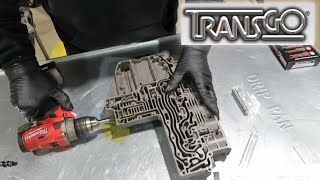
Typical fix: The valve body may need to be professionally cleaned. More commonly, the worn valve bore is reamed out and an oversized valve kit (from brands like Sonnax or TransGo) is installed to restore hydraulic integrity. In severe cases, the entire valve body is replaced.
Est. part cost: $50 (Sonnax kit) - $1200 (new valve body) - Low or Contaminated Transmission Fluid 🟡 Medium Probability → Shop Transmission Assembly
How to confirm: Check the transmission fluid level and condition. Fluid should be at the correct level, red in color (ATF+4), and not smell burnt. Dark, metallic, or sludgy fluid indicates internal wear and can cause valves to stick.
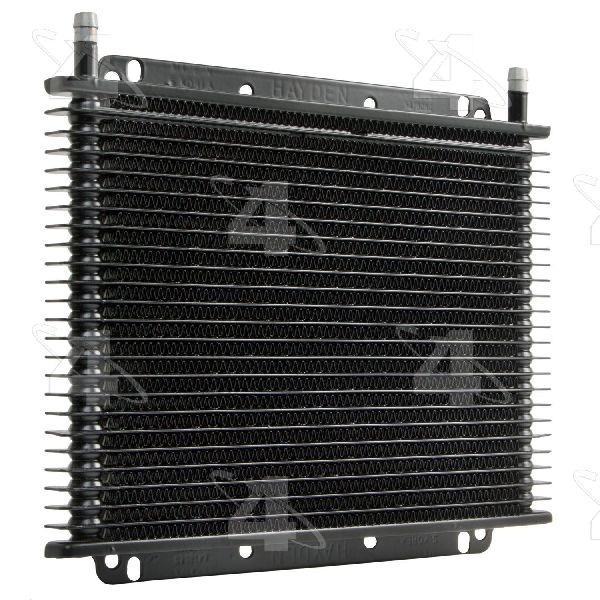
Typical fix: Perform a transmission fluid and filter change (the 68RFE has two filters, a pan filter and a spin-on cooler line filter). If fluid is heavily contaminated, it often signals a deeper mechanical problem that a fluid change alone won't fix.
Est. part cost: $100 - $200 - Outdated Powertrain/Transmission Control Module (PCM/TCM) Software ⚪ Low Probability → Shop Transmission Assembly Multiple TSBs for this model year list P1776 among codes that can be addressed by software improvements. The update can change the diagnostic sensitivity from a one-trip fault to a two-trip fault, preventing the code from setting due to a momentary glitch. [Bulletin #18-091-16]
How to confirm: A dealership or qualified shop with a wiTECH scan tool can check if the vehicle's software is up to date by checking against the latest available calibration files from FCA.
Typical fix: Flash the PCM/TCM with the latest software version. This typically costs one hour of shop labor.
Est. part cost: $100 - $250
Rare But Worth Checking
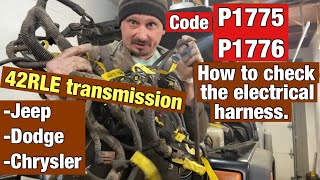
- Wiring Harness Issue: A short to ground or open circuit in the wiring between the PCM and the transmission solenoid connector can trigger this code. The harness in the driver's side wheel well area is sometimes susceptible to damage from road debris or tire rub.
- Misadjusted Shifter Cable: If the shifter cable is out of adjustment, the transmission range sensor (TRS) might send a conflicting signal to the computer, causing the code to set. This is less common but worth checking as it's a simple adjustment.
Diagnosis Steps
- Check the transmission fluid level and condition. Top off or change if necessary.
- Use a quality OBD-II scanner to check for any other related codes and review freeze frame data.
- Check for available software updates for the PCM/TCM by contacting a dealership, as recommended by multiple TSBs. This is a crucial first step before replacing parts. [Bulletin #18-091-16]
- Inspect the transmission's main electrical connector (a large, round connector on the driver's side) and the associated wiring harness for any visible damage, corrosion, or loose connections.
- Check the shifter cable adjustment to ensure the manual valve is correctly aligned with the gear selector position.
- If the above steps do not resolve the issue, the next step is to drop the transmission oil pan to access the internal components.
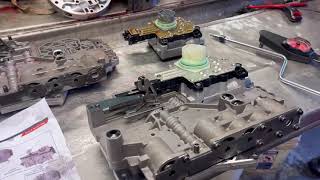
- Remove the valve body and replace the solenoid block. This is the most common fix. Inspect the old solenoid's connector pins for damage.
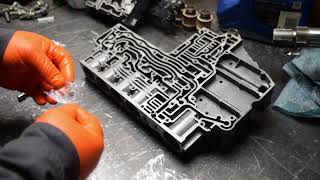
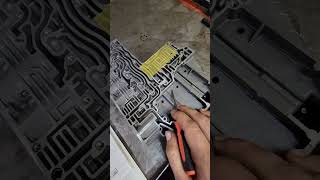
- While the valve body is removed, inspect the Solenoid Switch Valve bore for any signs of debris, scoring, or wear. A transmission shop can perform a vacuum test on the bore to confirm its integrity.
Parts You'll Likely Need
- Transmission Solenoid Block
(OEM #68002342AG)— This is the most common failure point for code P1776 on the 68RFE transmission. The original part number 68002342AD has been superseded multiple times (AE, AF) with the latest being 68002342AG, indicating revisions to improve reliability.
Trusted brands: Mopar, ATS Diesel, Dorman (Remanufactured), Standard Motor Products
OEM price range: $450 - $650
Aftermarket price range: $275 - $500 - Oversized Solenoid Switch Valve Kit — If the valve body bore is worn, simply replacing the solenoid pack will not fix the issue. This kit allows a machine shop to repair the valve body instead of replacing it. Requires special tools to ream the bore.
Trusted brands: Sonnax 92835-31K, TransGo RFE-SV453-NT
OEM price range: N/A
Aftermarket price range: $50 - $100
Related Codes That Often Appear With This One
- P1775 — This code, 'Solenoid Switch Valve Latched In TCC Position,' is the sister code to P1776 and points to the same solenoid switch valve assembly, just stuck in the opposite position. [Bulletin #18-091-16]
- P0871 — This code relates to Overdrive Pressure Switch Rationality. A sticking SSV can cause pressure bleed-over into other circuits, triggering this code.
- P0934 / P0935 — These codes relate to the line pressure sensor circuit and often appear with other transmission electrical faults. They are also mentioned in the same software update TSBs as P1776. [Bulletin #18-057-15 REV A]
- U0100 — 'Lost Communication With ECM/PCM.' This indicates a broader communication issue on the vehicle's data network that can be triggered by or accompany the transmission fault. [Bulletin #18-030-14 REV. B]
Technical Service Bulletins (TSBs) & Recalls
- 18-091-16: Mentions P1776 in a list of codes that can be addressed by software improvements, specifically changing it from a one-trip to a two-trip fault.
- 18-057-15 REV A: Also lists P1776 with other transmission and communication codes related to software updates.
- 18-030-14 REV. B: Includes P1776 in a list of diagnostic trouble codes related to electrical and communication issues that may be fixed with a software reflash.
Platform-Specific Known Issues
- The 68RFE transmission used in these trucks is known for solenoid block failures that can cause a variety of shifting problems and diagnostic codes, including P1776.
- Several Technical Service Bulletins (TSBs) have been issued by Ram that include P1776 as a code that may be resolved with a powertrain software update. TSB 18-091-16 specifically changes the fault from a one-trip to a two-trip MIL, making it less sensitive to intermittent glitches. [Bulletin #18-091-16]
- Wear of the Solenoid Switch Valve (SSV) bore in the valve body is a common root cause. Aftermarket companies like
Mechanic-Grade Diagnostic Values
- L/R Solenoid Coil Resistance — expected: 1.3 Ohms (@ room temperature). Failure: Significantly higher resistance, or an open (infinite) or shorted (near zero) reading.
- Valve Body to Transmission Case Bolts Torque — expected: 105 in-lbs (12 Nm). Failure: Incorrect torque can cause leaks or damage to the valve body or case.
- Solenoid Pack to Valve Body Bolts Torque — expected: 53-55 in-lbs. Failure: Uneven or incorrect torque can lead to hydraulic cross-leaks between the solenoid pack and valve body.
- Transmission Oil Pan Bolts Torque — expected: 105 in-lbs. Failure: Over-torquing can strip the case threads; under-torquing can cause leaks.
- Solenoid Switch Valve Bore Vacuum Test — expected: Holds a minimum of 16 in-Hg. Failure: A reading below 16 in-Hg indicates excessive wear in the valve bore, causing hydraulic leaks.
Scan Tool Commands That Help
- wiTECH, AlfaOBD, JScan: Quick Learn Procedure — This function must be performed after replacing the valve body or solenoid pack. It resets the transmission's adaptive memory for clutch fill volumes, ensuring proper shift quality and preventing damage.
- wiTECH: Solenoid Actuation Test — A technician can use this bidirectional command to individually command each solenoid on and off to check for response. This can help isolate a single faulty solenoid within the pack, though the entire pack is usually replaced regardless.
- wiTECH or advanced scan tool: View Live Line Pressure Data (Commanded vs. Actual) — To diagnose hydraulic issues. A significant discrepancy between what the TCM is commanding for line pressure and what the sensor is actually reading can point to internal leaks (like a worn SSV bore) or a failing pressure regulator valve.
Wiring & Ground Locations
- Transmission Solenoid Connector (C1) — Large, round, 23-pin connector on the driver's side of the transmission case.. This is the main electrical interface for the entire solenoid pack. The L/R Solenoid is controlled via Pin 2 (Control) and Pin 10 (Transmission Control Relay Output/Power). Checking for voltage and continuity at these pins is a key electrical diagnostic step.
- G106 — Left rear of the engine compartment, on the chassis.. This is a primary ground point for the engine and powertrain harness. A poor connection here can cause erratic behavior and communication faults for the PCM/TCM, potentially triggering false codes.
- TCM Grounds — The TCM itself relies on multiple ground pins in its connector (pins 37, 39, 51, 57 in some applications) for proper operation.. An internal failure in the TCM can cause high resistance on a sensor ground circuit, such as the one for the line pressure sensor, leading to various transmission codes even if the main chassis grounds are good.
Real Owner Repair Stories
- Cumminsforum.com user (2013 Ram 2500 6.7L Cummins with 68RFE) — Truck went into limp mode, stuck in 4th gear. Check engine light on with code P1776.
❌ Tried (didn't work) Checked fluid level and condition (was okay)., Cleared codes, but the code returned immediately upon shifting out of Park.
✅ What actually fixed it Replaced the transmission solenoid pack (Mopar part). After replacement and a fluid/filter change, the code was cleared and did not return. The truck resumed normal shifting.
OEM Part Supersession History
68002342AA→68002342AB, 68002342AC, 68002342AD, 68002342AE, 68002342AF, and finally 68002342AG.— Multiple revisions were released by Mopar to improve the reliability and address common failure modes of the solenoid pack across the RFE transmission family.
Heads up: While all versions may physically connect, it is critical to use the latest 'AG' revision for repairs to benefit from the most recent improvements. Using an older superseded part (e.g., from old stock or a salvage yard) may lead to a premature repeat failure.
Helpful Videos
We Have This Part in Stock

The information in this article is provided for general reference and educational purposes only. Vehicle specifications, procedures, and part compatibility can vary by production date, trim level, and region. Always consult your vehicle's factory service manual and verify part numbers before purchasing or performing repairs. Safety-critical components such as airbags, seat belts, and braking systems should be installed by a qualified professional.
- Ram 3500:
- 🧭 Diagnostic Flowchart
- 🎬 Helpful Videos
- 🛍️ Shop This Part
- What's Unique About the 2013-2013 Ram 3500
- Symptoms You May Notice
- Most Likely Causes
- Rare But Worth Checking
- Diagnosis Steps
- Parts You'll Likely Need
- Related Codes That Often Appear With This One
- Technical Service Bulletins (TSBs) & Recalls
- Platform-Specific Known Issues
- Mechanic-Grade Diagnostic Values
- Scan Tool Commands That Help
- Wiring & Ground Locations
- Real Owner Repair Stories
- OEM Part Supersession History
- 🎟️ Get 5% Off