

P1776 on 2003-2004 Saturn Ion with CVT: Definition Unknown and What to Do
The code P1776 does not have a confirmed definition for the 2003-2004 Saturn Ion with the VTi CVT transmission. It is almost universally associated with Chrysler/Dodge vehicles and is likely an error. Re-scan with a high-quality tool and check for other transmission codes.
- STOP: Do not attempt to diagnose or repair P1776 on a Saturn Ion based on information found online; it is almost certainly for a different manufacturer (Chrysler/Dodge).
- The code is not defined for your vehicle. Its appearance is most likely a scan tool error.
- Have the vehicle re-scanned with a professional, GM-specific tool to find the true trouble codes.
- The VTi transmission in your car is extremely sensitive and failure-prone. Do not drive the vehicle, and ensure only the correct, specific CVT fluid (GM P/N 22689212) is ever used.
- This is not a DIY-friendly repair. Diagnosis requires specialized tools and knowledge of this specific problematic transmission.
What's Unique About the 2003-2004 Saturn Ion
The 2003-2004 Saturn Ion coupes used a unique and notoriously problematic continuously variable transmission (CVT) known as the VTi or VT25-E. Unlike the conventional automatic transmissions in Chrysler vehicles where P1776 is common, the VTi CVT uses a system of pulleys and a steel belt. The components and logic described in the common P1776 definition, such as a solenoid switch valve for a low/reverse gear, do not exist in the same way on this transmission. Therefore, applying the Chrysler/Dodge diagnosis to this vehicle would be incorrect and lead to replacing the wrong parts. GM discontinued the VTi CVT in 2005 due to widespread durability issues.
Symptoms You May Notice
- Check Engine Light is on
- Transmission may enter a 'limp mode' with reduced power, sometimes limiting speed to 20 mph.
- Sudden loss of forward or reverse gear engagement.
- Inability to accelerate properly or feeling like the transmission is slipping.
- Flashing 'D' or other transmission-related warning light on the dash
- Audible grinding or whining noise from the transmission.
- Speedometer dropping to zero while the car is still moving, often accompanied by a 'POWER STR' message on the odometer display.
- Replacing the transmission valve body or solenoid pack. This is the correct fix for a Chrysler vehicle with this code, but it is completely incorrect for a Saturn Ion CVT. These parts are not the cause and do not function in the same way.
Most Likely Causes
- Scan Tool Error or Misinterpretation 🔴 High Probability Generic OBD-II scanners can sometimes misinterpret manufacturer-specific codes (P1xxx) from one brand as another, especially for less common vehicle configurations like the Ion CVT.
How to confirm: Scan the vehicle again using a different, higher-quality scan tool, preferably one with specific software for GM vehicles (like a Tech 2 or equivalent). See if the code reappears or if other, more plausible codes are present. The absence of any forum discussions online specifically linking P1776 to an Ion strongly supports the scan tool error theory.
Typical fix: Confirm the correct trouble codes before proceeding with any diagnosis.
Est. part cost: $0 - Generic Transmission Control Module (TCM) Fault 🟡 Medium Probability → Shop Transmission Assembly The VTi transmission and its control module were known for reliability issues. A general internal failure of the TCM could potentially broadcast an unusual or incorrect code. Forum discussions on Saturns show that TCM failures can cause a wide array of strange electrical symptoms, including communication loss codes.
How to confirm: A professional will need to use a GM-specific scan tool to attempt to communicate directly with the TCM. If communication fails or diagnostic tests on the module fail, it is suspect. This is often seen with codes like U0101 (Lost Communication with TCM) or other U-codes. Checking for solid power and ground connections at the TCM is a critical first step.
Typical fix: Replacement of the Transmission Control Module, which requires programming to the vehicle's VIN.
Est. part cost: $150-$400
Rare But Worth Checking
- Internal CVT Failure:
Diagnosis Steps
- Confirm the code. Re-scan the vehicle with a professional-grade scan tool capable of reading GM-specific transmission codes. Do not trust a generic, low-cost reader for this issue.
- If P1776 disappears and other codes (like P0700 or specific CVT codes like P0841, P1758, P1882) appear, diagnose those codes instead.
- If P1776 persists, treat it as a general, undefined transmission fault and focus on symptoms.
- Check transmission fluid level and condition. The VTi CVT is extremely sensitive to the type and level of fluid. Incorrect fluid (anything other than the specified GM CVT fluid) can cause severe issues. The correct fluid is GM P/N 22688912 (DEX-CVT). Do not use standard ATF or Dexron.
- Inspect wiring and connectors going to the transmission and the Transmission Control Module (TCM) for any visible damage, corrosion, or loose connections. Check for proper power and ground at the TCM connector.
- Given the uncertainty and the transmission's reputation, seek professional help from a transmission specialist familiar with GM vehicles and CVTs. They will have the appropriate diagnostic tools to interrogate the TCM directly and check line pressures.
- Consult GM Technical Service Bulletin #05-07-30-004, which addresses intermittent 'no movement' conditions and may be related to the root cause, even if the code is different.
Parts You'll Likely Need
- Professional Diagnosis — Because the code is undefined for this vehicle, the most important first step is paying for a proper diagnosis with the right equipment to avoid wasting money on incorrect parts.
OEM price range: $100-$250 - Transmission Control Module (TCM)
(OEM #24235776, 24234503)— If a scan tool error is ruled out, a faulty TCM is the next most likely cause for bizarre electrical behavior and incorrect trouble codes.
Trusted brands: GM Genuine, ACDelco
OEM price range: $175-$300
Aftermarket price range: $80-$200 (Remanufactured/Programmed)
Related Codes That Often Appear With This One
- P0700 — This is a generic 'Transmission Control System Malfunction' code. It simply means the Transmission Control Module (TCM) has stored a fault and has requested the main engine computer (ECM) to turn on the Check Engine Light. P0700 will almost always be present with any specific transmission code like P1776.
- U0101 — This code means 'Lost Communication With Transmission Control Module.' If the TCM has an internal failure or a wiring issue, other modules in the car may set this code, which could explain why an incorrect or strange P-code is being reported.
Technical Service Bulletins (TSBs) & Recalls
- TSB #05-07-30-004: Addresses intermittent no movement in drive or reverse, grinding/whining noises, and codes P0841, P1758, or P1882. The cause is an internal fluid leak leading to low pressure. The fix involves replacing the transaxle case cover, torque converter, and potentially the oil cooler lines.
Platform-Specific Known Issues
- The VT25-E VTi transmission was used for only two model years (2003-2004) in the Ion before being replaced by a conventional automatic due to extremely poor reliability and common failures.
- These transmissions are highly prone to failure of the internal steel belt, pulleys, and bearings, often resulting in a total loss of movement.
- Using any fluid other than the specific GM CVT fluid (Part No. 22688912) can quickly destroy the transmission. Standard ATF or Dexron fluids are not compatible and will cause damage.
- A class-action lawsuit was filed against GM regarding the VTi transmission due to the high failure rates.
- GM issued TSB #05-07-30-004 for these transmissions, addressing intermittent no-movement conditions caused by internal fluid leaks, requiring replacement of the case cover and torque converter.
Mechanic-Grade Diagnostic Values
- TCM Power and Ground Pin Voltages (Key On) — expected: Pin 31 (Ignition 1 Voltage): ~12V. Pin 32 (Battery Positive Voltage): ~12V. Pin 49 (Ground): 0V, with less than 0.1 Ohm resistance to chassis ground.. Failure: Voltage significantly below 12V on power pins, or any voltage reading above 0V on the ground pin, indicates a wiring or power supply issue. A technician in a video noted reading an erroneous 6V on an ignition feed, which was traced to a bad ground.
- VT25-E Main Line Pressure - Stall Test — expected: Drive: ~185 PSI. Reverse: ~200+ PSI. These are general estimates from a generic test; official Saturn specs are not readily available.. Failure: Significantly lower pressure in either gear indicates internal hydraulic leaks, a failing pump, or a clogged filter, all common issues with the VT25-E.
Scan Tool Commands That Help
- GM Tech 2: Transmission Data Display — To view live data from transmission sensors (input/output speed, fluid temperature) to see if they are providing plausible readings. This is a primary step before condemning any hardware.
- GM Tech 2: Reset Transmission Adaptives / Relearn TCM — After replacing a transmission, TCM, or major component. This clears the learned shift/pressure values and forces the TCM to relearn, which is critical for proper operation. GM issued bulletins requiring this procedure for other transmission issues on the Ion.
- High-End Scan Tool: TCM Reset / Clear Adaptive Memory — Can be used after a fluid change or minor repair to see if it resolves erratic behavior by resetting the module to its base settings.
Wiring & Ground Locations
- TCM Location — Under the hood, in the engine compartment, located in front of the underhood fuse box, next to the PCM.. Physical access is required to test power, ground, and communication wires directly at the module's connector, which is the primary diagnostic step when a communication error (like a ghost code) is suspected.
- G105 — On the lower left rear of the engine, above the starter motor. For the 2.4L engine, it is near the starter on the front of the transmission case.. This is a primary powertrain ground point. A loose or corroded G105 can cause a host of electrical issues, including erratic module behavior and communication faults that could lead to incorrect trouble codes.
- G107 — Located on the left rear corner of the cylinder head.. This is another critical engine ground. Poor grounding here can affect sensor readings and module stability, contributing to the electrical chaos that might produce a P1776.
- Braided Ground Strap — Connects the valve cover to the engine block on the exhaust side, often near the #4 coil pack.. This strap is crucial for grounding the cylinder head and associated sensors. It is known to become brittle and break. A failed strap can lead to floating grounds and unpredictable electronic behavior in the PCM and TCM.
Real Owner Repair Stories
- Pine Hollow Auto Diagnostics (YouTube) (Saturn Ion (year not specified, but similar platform)) — No communication with TCM, power steering warning ('POWER STR'), speedometer and odometer not working, incorrect shifting.
❌ Tried (didn't work) Previous shops replaced the entire EVAP system and the ignition switch based on other codes, which did not fix the communication issue.
✅ What actually fixed it The technician found the TCM was not properly grounded. Probing the case of the TCM showed it was not grounded, while the nearby PCM was. He ran a new, dedicated ground wire directly to the TCM body, which restored communication and fixed all related symptoms.
OEM Part Supersession History
24234503, 24226248, 24226960→24235776— Likely an internal revision by GM to address reliability issues or component changes.
Heads up: When ordering a TCM, it is critical to match the part number or have the seller program the replacement module to the vehicle's VIN. Using an incompatible module, even if it physically fits, will result in a no-start condition or improper transmission function.
Model Year Variations Within This Range
- 2003 vs 2004: For 2004, Saturn recalibrated the electric power steering and upgraded some interior materials. While no specific changes to the VT25-E transmission itself are documented between the two years, it's possible minor software updates for the TCM were rolled out. However, both years are known for the same fundamental reliability problems.
Diagnostic Flowchart
Other Known Issues on This Vehicle
Issues unrelated to this code that are worth knowing about as an owner of this generation:
- Faulty Ignition Switch 🔴 High — Extremely common across all 2003-2007 Ions. The switch can move out of the 'Run' position if bumped or with a heavy keychain, shutting off the engine and disabling airbags. (Ref: NHTSA Recall #14V047000 (also referenced as GM recall 14063).)
- Sudden Loss of Electric Power Steering (EPS) 🔴 High — Very common on 2004-2007 models. The EPS motor can fail suddenly, making the vehicle very difficult to steer at low speeds. (Ref: NHTSA Recall #14V153000 (also referenced as GM recall N140115 or bulletin 14115).)
- Key Can Be Removed While Not in Park 🔴 High — Common issue affecting 2003-2007 models, creating a rollaway risk. (Ref: NHTSA Recall #14V171000.)
- Ignition Module/Coil Failure 🟠 Medium — A frequent cause of Check Engine Lights, misfires, and rough running conditions on the 2.2L L61 engine.
- Fuel Pump Module Fuel Leak 🔴 High — A plastic supply or return port on the fuel pump module can crack, leading to a fuel leak. (Ref: NHTSA Recall #12V459000.)
- Faulty Turn Signal/Daytime Running Lamp Operation 🟡 Low — Commonly reported issue where the front turn signal/DRL bulb loses contact with the socket, causing it to stop working. (Ref: NHTSA Recall #04V547000.)
Used vs. New Parts: Buying Guide for This Vehicle
When a used part is the smart pick: A used Transmission Control Module (TCM) can be a cost-effective option if it comes from a reputable seller who guarantees it is functional and offers programming to your vehicle's VIN. Given the high failure rate of the entire transmission, buying a complete used VT25-E transmission is extremely risky and generally not recommended.
Donor-vehicle mileage cap: roughly under 80000 miles for the part to have meaningful remaining life.
What to inspect on the donor part:
- For a TCM: Ask for confirmation it was tested and is programmable. Check seller reviews extensively.
- For a whole transmission: Avoid. If you must, look for a donor vehicle with the lowest possible mileage and proof of maintenance. Check the fluid color and smell if possible; it should be a greenish color and not smell burnt.
- Check for any external damage to the transmission case or connectors.
OEM-only on this vehicle (don't cheap out):
- Transmission Control Module (TCM): While remanufactured units are common, they should be based on an original GM core and programmed with OEM software. Avoid unbranded, new 'clones'.
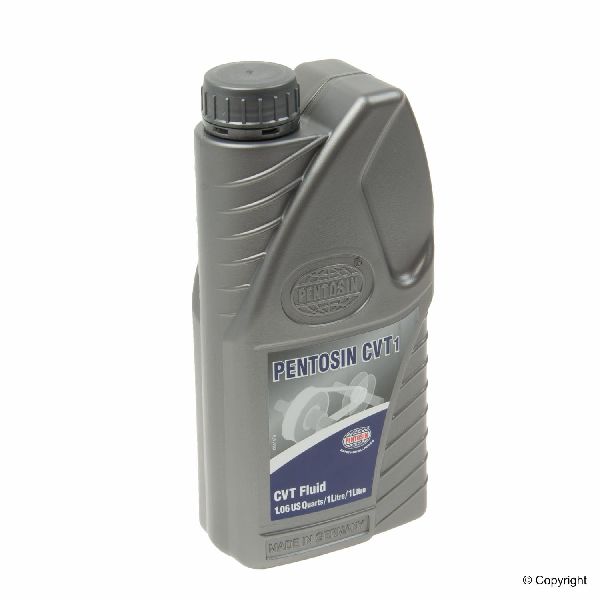
- CVT Fluid: Only use the specified GM DEX-CVT fluid (P/N 22688912). Using any other type of ATF or CVT fluid will cause rapid failure.
Aftermarket brands forum-validated for this vehicle:
- For a replacement TCM, companies that specialize in 'Plug & Play' remanufactured modules with VIN programming have positive feedback on sites like eBay.
Brands owners have reported issues with on this vehicle:
- Any unverified, low-cost used transmission from a private seller or a junkyard with no warranty or history is a major gamble.
Real Owner Stories
Aggregated from forums and TSBs cited above. Mileages and costs reflect what owners reported in those sources.
2005 Saturn Ion
Symptoms: Bizarre electrical symptoms including the speedometer dropping to zero and a 'POWER STR' message appearing on the odometer display, accompanied by multiple transmission codes.
What fixed it: The issue was determined to be a faulty Transmission Control Module (TCM) or a problem with its wiring and ground connections.
Source hint: saturnfans.com - A thread titled 'Tcm ?' from 2022
2003-2004 Saturn Ion VTi
Symptoms: Intermittent no movement in drive or reverse, sometimes accompanied by grinding or whining noises from the transmission.
What fixed it: The official GM fix involves replacing the transaxle case cover, torque converter, and potentially the oil cooler lines to resolve an internal fluid leak.
Source hint: TSB #05-07-30-004
2004 Saturn Ion
Symptoms: The vehicle entered a 'limp home' mode and was unable to be driven faster than 20 mph.
What fixed it: This symptom was identified as a classic sign of a severe transmission fault on this platform, requiring professional diagnosis.
Source hint: cartalk.com - A 2018 thread '2004 Saturn Ion Transmission problems'
Related OBD-II Codes
Frequently Asked Questions
What is the correct transmission fluid for my 2003 Saturn Ion with the VTi CVT?
My Ion suddenly won't move in Drive or Reverse and makes a grinding noise. Is there a known issue for this?
My speedometer just dropped to zero while driving and the odometer says 'POWER STR'. What could cause this?
My mechanic's scanner shows P1776, but he says it's not a valid code for a GM vehicle. Is his scanner broken?
I heard this VTi transmission was unreliable. Is that true?
Besides the transmission, are there any major safety recalls for my 2004 Ion?
We Have This Part in Stock

The information in this article is provided for general reference and educational purposes only. Vehicle specifications, procedures, and part compatibility can vary by production date, trim level, and region. Always consult your vehicle's factory service manual and verify part numbers before purchasing or performing repairs. Safety-critical components such as airbags, seat belts, and braking systems should be installed by a qualified professional.
- Saturn Ion:
- 🧭 Diagnostic Flowchart
- 🛍️ Shop This Part
- What's Unique About the 2003-2004 Saturn Ion
- Symptoms You May Notice
- Most Likely Causes
- Rare But Worth Checking
- Diagnosis Steps
- Parts You'll Likely Need
- Related Codes That Often Appear With This One
- Technical Service Bulletins (TSBs) & Recalls
- Platform-Specific Known Issues
- Mechanic-Grade Diagnostic Values
- Scan Tool Commands That Help
- Wiring & Ground Locations
- Real Owner Repair Stories
- OEM Part Supersession History
- Model Year Variations Within This Range
- Other Known Issues on This Vehicle
- Used vs. New Parts: Buying Guide for This Vehicle
- Real Owner Stories
- 2005 Saturn Ion
- 2003-2004 Saturn Ion VTi
- 2004 Saturn Ion
- Related OBD-II Codes
- Frequently Asked Questions
- 🎟️ Get 5% Off