

P1778 on 2019 Ram 1500: Input-Turbine Speed Sensor Fault Causes & Fixes
On a 2019 Ram 1500, P1778 is most often caused by a software glitch. The primary fix is a transmission software update performed by a dealer, as outlined in TSB 21-011-20 and 21-009-20. If that doesn't resolve it, the input speed sensor, which is integrated into the internal valve body, may have failed, requiring a more complex repair.
- For a 2019 Ram 1500, P1778 is an Input Speed Sensor code, NOT a stepper motor code.
- Always start diagnosis by checking if TSB 21-011-20 applies and having the transmission software updated by a dealer.
- This is not a simple DIY fix. The software update requires proprietary tools, and sensor replacement requires internal transmission work.
- Ignoring this code can lead to poor drivability and may cause additional stress and wear on the transmission.
What's Unique About the 2019-2019 Ram 1500
It is critical to ignore generic online definitions for this code. Many sources incorrectly define P1778 as a "Stepper Motor" issue, which is common for Nissan vehicles with CVT transmissions. On the 2019 Ram 1500 with its 8-speed ZF automatic (specifically the 8HP75 with sales codes DFR or DFV), this code is definitively linked to the input speed sensor. A key characteristic for this platform is that the problem is frequently not the sensor itself, but a software anomaly that can be corrected by a dealer-installed update, as documented by Ram in Technical Service Bulletins 21-011-20 (for 5.7L eTorque engines, sales code EZL) and 21-009-20 (for 5.7L non-eTorque engines, sales code EZH).
Diagnostic Flowchart
Tap your situation to follow the diagnostic path that matches what you're seeing on this vehicle.
Symptoms You May Notice
- Check Engine Light is on
- "Service Transmission" message on the dashboard
- Erratic or harsh gear shifts
- Transmission may feel like it's slipping
- Vehicle may get stuck in a single gear (limp mode)
- Malfunction Indicator Lamp (MIL) for the Electronic Stability Control (ESC) may also illuminate
- Replacing the entire transmission when only a software update or valve body was needed.
- Confusing the input speed sensor with the output speed sensor, which serves a different function.
- Assuming the problem is a 'stepper motor' based on incorrect, generic code definitions found online for Nissan vehicles.
Most Likely Causes
- Powertrain/Transmission Control Module Software Glitch 🔴 High Probability → Shop Transmission Assembly Manufacturer TSBs #21-011-20 and #21-009-20 explicitly list this code as being resolved by a software update, indicating a known logic issue in the original programming for 2019 models with the 8HP75 transmission.
How to confirm: A Ram dealer or a shop with a subscription to OEM data (like DealerCONNECT) can check if the vehicle's software is outdated by its VIN and if the TSB applies.
Typical fix: Reprogramming the Transmission Control Module (TCM) with the latest software version using a wiTECH scan tool.
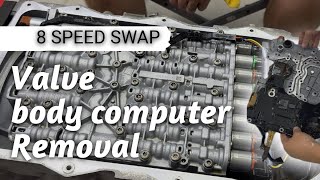
Est. part cost: $0 (Service) - Failed Input/Turbine Speed Sensor 🟡 Medium Probability The speed sensors on the ZF 8-speed transmission are integrated into the conductor plate on the mechatronics unit (valve body). They are exposed to constant heat and fluid, and can fail electronically. Mopar does not sell the sensor separately; the entire valve body assembly must be replaced.
How to confirm: If a software update does not fix the issue, a technician must perform diagnostic tests on the sensor itself. This requires accessing the valve body inside the transmission after removing the oil pan.
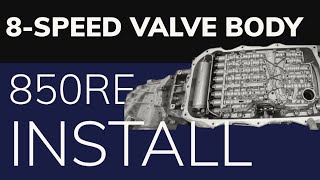
Typical fix: Replace the entire mechatronics/valve body unit. This is a significant repair that includes draining fluid, removing the pan, replacing the unit, and refilling with the correct fluid 🎬 Watch: Step-by-step guide for installing the new valve body unit. (ZF Lifeguard 8 or equivalent).
Est. part cost: $400-$650 (for the valve body assembly) - Wiring Harness or Connector Issue ⚪ Low Probability While less common, the main transmission wiring harness connector can become loose, or wires can be damaged from road debris or improper service. The internal harness on the valve body could also be a point of failure.
How to confirm: Visually inspect the main wiring harness going to the transmission. Check for damage and ensure the main connector is secure. A multimeter can be used to check for continuity from the TCM to the transmission connector.
Typical fix: Repair the damaged section of the wiring harness or clean/re-seat the connector.
Est. part cost: $5-$50
Rare But Worth Checking
- Low or Contaminated Transmission Fluid: → Shop Transmission Assembly Extremely low or dirty fluid can cause a variety of shifting issues and hydraulic pressure problems that could potentially be misinterpreted by the TCM and trigger speed sensor codes. Always check fluid level and condition as a baseline.
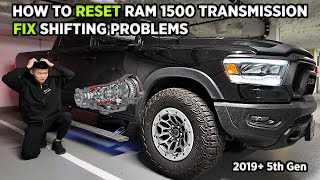
- Low Battery Voltage: Some owners have reported that a weak or dying battery can cause a variety of electronic issues, including forcing the transmission into limp mode and illuminating stability control lights. 🎬 Watch: How to reset your transmission to fix shifting issues. The complex electronics on modern Rams are sensitive to system voltage.
- Failing Transmission Control Module (TCM): → Shop Transmission Assembly This is very rare. The TCM itself (the computer part of the mechatronics unit) could be faulty, but all other potential causes, especially software and the sensor itself, should be ruled out first.
Diagnosis Steps
- Check for Technical Service Bulletins (TSBs): The first step is to verify if TSB #21-011-20 (for eTorque) or #21-009-20 (for non-eTorque) applies to your vehicle's VIN. This is the most likely solution.
- Check Battery Health: Before proceeding, ensure the vehicle's battery is fully charged and healthy. Low voltage can cause unpredictable electronic faults on these trucks.
- Perform Software Update: If a TSB is applicable, have a Ram dealer or qualified shop reprogram the TCM to the latest software version. This typically costs between $150 and $450 if out of warranty. Clear the codes and test drive.
- Check Transmission Fluid: If the code returns, check the transmission fluid level and condition. Ensure it is at the correct level and not burnt or contaminated.
- Inspect Wiring: Thoroughly inspect the transmission wiring harness and the main electrical connector for any signs of damage, corrosion, or looseness.
- Diagnose the Mechatronics Unit: If all the above steps fail, the sensor integrated into the mechatronics unit is the likely culprit. This requires a technician to drop the transmission pan and test the internal electronics.
- Replace Mechatronics/Valve Body: If the sensor/unit is confirmed to be faulty, it must be replaced. This involves significant labor.
Parts You'll Likely Need
- TCM Software Update — This is a service, not a part, but it's the most common fix documented in TSBs 21-011-20 and 21-009-20 to correct logic errors causing the code.
OEM price range: $150-$450 (Labor, based on owner reports)
Aftermarket price range: N/A (Requires OEM tools) - Transmission Mechatronics Unit (Valve Body) — If the software update does not work, the integrated sensor has likely failed. Mopar does not service the sensor individually, requiring replacement of the entire valve body assembly.
Trusted brands: Mopar, ZF
OEM price range: $400-$650
Aftermarket price range: $350-$550 - Transmission Pan Gasket and Fluid — These are required for replacing the internal mechatronics unit. The pan must be removed, and the fluid must be drained and refilled.
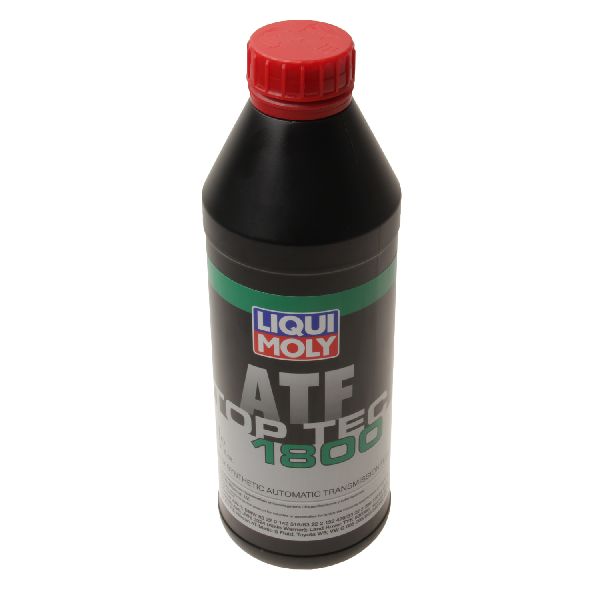
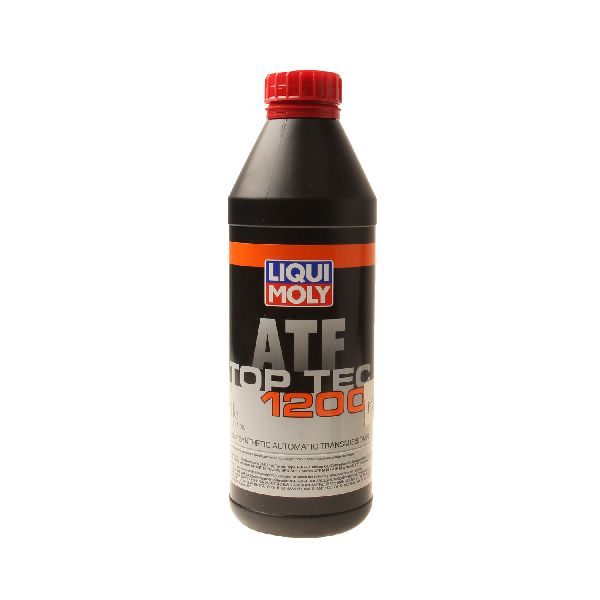
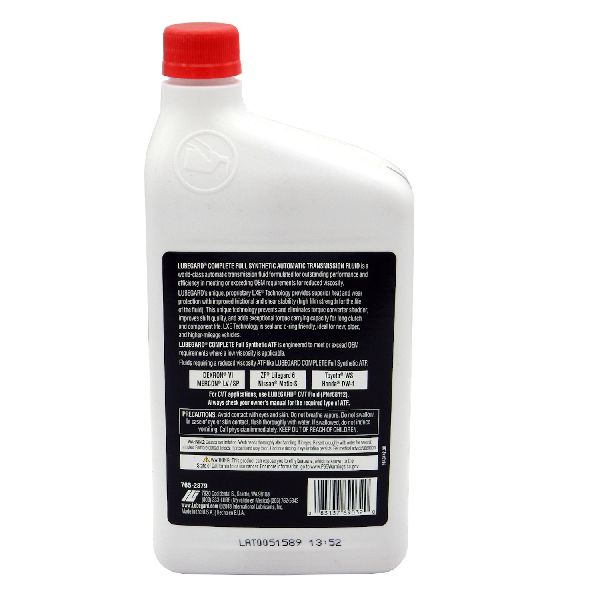
Trusted brands: Mopar, ZF Lifeguard 8, Valvoline ATF for ZF8HP
OEM price range: $150-$250 (Fluid and Gasket)
Aftermarket price range: $100-$180
Related Codes That Often Appear With This One
- P0730 — Incorrect Gear Ratio. This code often accompanies speed sensor codes because if the computer has an inaccurate speed reading, it will detect a mismatch between the expected and actual gear ratios.
- P077D — Output Shaft Speed Sensor Circuit High. This code is mentioned in the same TSB as P1778 and relates to the other main transmission speed sensor, indicating a potential systemic software issue affecting speed sensor logic.
- P177F — Output Shaft Speed Sensor Out Of Range High. Similar to P077D, this code is also listed in TSB 21-011-20 and points towards a software-related fault involving transmission speed readings.
- P0716 — Input Shaft Speed Sensor 1 Performance. Also listed in the relevant TSBs, this code points directly to a performance issue with the same sensor, reinforcing the software logic or sensor failure diagnosis.
Technical Service Bulletins (TSBs) & Recalls
- 21-011-20 - Flash: Transmission Control Module (TCM) Updates. For 2019 DT Ram 1500 with 5.7L eTorque (EZL). Lists P1778 as a code resolved by a software flash.
- 21-009-20 - Flash: Transmission Control Module (TCM) Updates. For 2019 DT Ram 1500 with 5.7L non-eTorque (EZH). Also lists P1778 as a code resolved by a software flash.
Platform-Specific Known Issues
- A known software issue addressed by TSBs #21-011-20 and #21-009-20 is the most common cause for this code on the 2019 Ram 1500.
- Unlike older Ram transmissions where speed sensors were often external and easy to replace, the sensor on the 8-speed automatic is internal to the valve body, making replacement a much more labor-intensive job.
- These trucks are highly sensitive to battery voltage. A weak battery can cause a cascade of seemingly unrelated electronic faults, including transmission limp mode.
Mechanic-Grade Diagnostic Values
- Wiring Harness Continuity — expected: Less than 1.0 Ohm. Failure: A reading of OL (Open Loop) or resistance significantly higher than 1.0 Ohm indicates a break or high resistance in the wire between the TCM and the transmission connector.
- Input Speed Sensor Type — expected: Hall Effect Sensor (G182). Failure: This sensor type cannot be accurately tested for resistance with a multimeter. It must be tested for a square wave signal with an oscilloscope.
Scan Tool Commands That Help
- wiTECH Diagnostic Application: Reprogram the ECM/TCM — This is the primary fix for P1778 as per TSBs 21-011-20 and 21-009-20. During the flash process, a battery charger must be used to ensure voltage does not drop below 13.2 volts or exceed 13.5 volts. The wiTECH software must be at the latest release before starting.
Wiring & Ground Locations
- Main Transmission Connector — On the left (driver's) side of the transmission housing.. This is the primary external connection point for the internal mechatronics unit, which houses the input speed sensor. Checking this connector for corrosion, damage, or a loose connection is a key diagnostic step before assuming an internal failure.
- Chassis Grounds — General grounding locations can be found underhood, behind interior trim panels on the driver's side, and on the driver's side of the rear frame.. Poor grounds can cause erratic behavior in electronic modules like the TCM, potentially leading to false sensor codes. Verifying main body and powertrain grounds are clean and tight is a good practice when diagnosing any electronic fault.
Real Owner Repair Stories
- RamForum.com user 'Reese324' (2016 Ram 1500 Big Horn (4th Gen with ZF 8-speed)) — Check engine light came on, followed by multiple random warnings ('service shifter,' 'do not put into park'), and the transmission became stuck in first gear (limp mode).
❌ Tried (didn't work) A dealership initially replaced the gear shifter, which did not solve the problem as the symptoms returned two weeks later.
✅ What actually fixed it A second dealership diagnosed that the valve body in the transmission had shorted out. They replaced the entire valve body assembly, which resolved the issue. The repair was covered under the powertrain warranty.
Helpful Videos
We Have This Part in Stock


The information in this article is provided for general reference and educational purposes only. Vehicle specifications, procedures, and part compatibility can vary by production date, trim level, and region. Always consult your vehicle's factory service manual and verify part numbers before purchasing or performing repairs. Safety-critical components such as airbags, seat belts, and braking systems should be installed by a qualified professional.
- Ram 1500:
- 🧭 Diagnostic Flowchart
- 🎬 Helpful Videos
- 🛍️ Shop This Part
- What's Unique About the 2019-2019 Ram 1500
- Symptoms You May Notice
- Most Likely Causes
- Rare But Worth Checking
- Diagnosis Steps
- Parts You'll Likely Need
- Related Codes That Often Appear With This One
- Technical Service Bulletins (TSBs) & Recalls
- Platform-Specific Known Issues
- Mechanic-Grade Diagnostic Values
- Scan Tool Commands That Help
- Wiring & Ground Locations
- Real Owner Repair Stories
- 🎟️ Get 5% Off