

OBD-II Code P1789: Transmission Control Circuit Malfunction
What P1789 means, why it triggers, and how to fix it
- P1789 is a manufacturer-specific code, meaning its definition and repair procedure change entirely depending on your vehicle's brand.
- The most frequent cause is an electrical short in a transmission pressure control solenoid or its wiring harness.
- Driving with an active P1789 code forces the transmission into a 30-mph limp mode and causes over $3,500 in internal clutch damage if ignored.
- On 2020-2024 C8 Corvettes, this code indicates a critical park sensor failure that prevents the engine from shutting off and requires a dealer-level transmission replacement.
What Does P1789 Mean?

P1789 is a manufacturer-specific code, meaning its definition changes based on your car's make. It most commonly signals an electrical short circuit in a transmission pressure control solenoid. On other vehicles, it points to a faulty park/neutral position switch, a park lock sensor, or an engine idle control system error.
Technical definition: Because P1789 is a manufacturer-specific code, there is no single universal SAE/ISO definition. The meaning varies by brand: * **Ford/Lincoln/Mercury:** Pressure Control Solenoid 'B' Circuit Shorted * **Chevrolet (C8 Corvette):** Transmission Park Lock Actuator Position Fault * **Mazda:** Park/Neutral Position (PNP) Switch Input Circuit Malfunction or Transmission Fluid Pressure (TFP) Control Solenoid / 3-2T/CCS Circuit Shorted * **Chrysler/Dodge/Jeep:** 2-4/OD Hydraulic Pressure Switch Circuit * **Dodge (some models):** Lost Communication With Body Control Module (BCM) * **Nissan:** Transmission Fluid Pressure Switch 'A' Fault * **Volkswagen/Audi:** Idle Speed Intervention Circuit Error Message From Engine Control * **Honda:** Pressure Control Solenoid 'B' Short Circuit * **Jaguar:** Ignition Supply Malfunction
Can I Drive With P1789?
Yes, But With Caution. You can usually drive, but continued operation is highly discouraged. The transmission often shifts harshly or gets stuck in a 30-mph limp mode. Ignoring the issue turns a $300 solenoid repair into a $3,500 internal transmission rebuild. On the C8 Corvette, the vehicle fails to start or shut down, requiring an immediate tow.
Common Causes


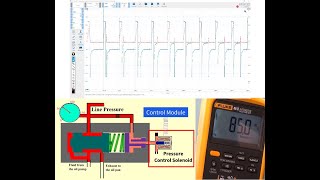
- Failed Pressure Control Solenoid (Very Common) — The solenoid fails internally, creating a short circuit. 🎬 Watch: How to test and diagnose transmission pressure control solenoids. This electro-mechanical valve controls the flow of transmission fluid to manage gear shifts.
- Damaged or Shorted Wiring Harness (Very Common) — Wires leading to a transmission sensor or solenoid fray, melt, or pinch, causing a short circuit. This happens when wires rub against the chassis, transmission mounts, or suffer from battery acid leaks.
- Failed Internal Transmission Harness (Common) — The flexible ribbon-style wiring harness inside the transmission oil pan becomes brittle and corroded from heat and fluid exposure, causing shorts between circuits. This triggers multiple solenoid codes simultaneously.
- Corroded Electrical Connector (Common) — The electrical plug connecting to the solenoid or sensor corrodes from moisture or has its pins pushed out of place, creating a short or dead connection.
- Low or Contaminated Transmission Fluid (Common) — Old, dirty, or low fluid forces solenoids to work harder, overheat, and fail. Debris in the fluid contaminates sensors and causes incorrect readings.
- Faulty Park/Neutral Position (PNP) Switch (Less Common) — On makes like Mazda, this code points to the switch that tells the car's computer if it is in Park or Neutral. A failure here prevents the engine from starting.
- Poor Ground Connection (Less Common) — A loose, corroded, or broken ground strap for the transmission or TCM causes severe electrical issues, including solenoid circuit codes. A corroded G151 ground is a known cause on Hondas. 🎬 Watch: Locate the pressure control solenoid B on a Honda.
- Failed 5-Volt Reference Circuit (Rare) — On advanced transmissions like the C8 Corvette's DCT, multiple sensors share a 5-volt reference circuit from the TCM. A short in this circuit triggers P1789 alongside other communication codes.
- Faulty Transmission Control Module (TCM) (Rare) — The computer controlling the transmission fails, sending incorrect signals or misinterpreting correct ones. This is the absolute last part to suspect after verifying all wiring and components.
Symptoms

- Transmission Stuck in 'Limp Mode' — The transmission defaults to a single gear (usually 2nd or 3rd) to prevent further damage, severely limiting your speed to around 30 mph.
- Harsh, Erratic, or Delayed Shifting — Gears engage with a hard clunk, shift at the wrong times, or slip entirely between gears.
- Engine Will Not Start or Shut Off — If the code relates to a PNP switch or a park sensor fault (like the C8 Corvette), the vehicle refuses to crank. Conversely, it fails to power down completely, leading to a dead battery.
- Loss of Reverse Gear — A failed solenoid or circuit responsible for the reverse gear leaves the vehicle unable to back up.
- Reduced Fuel Efficiency — When the transmission fails to shift efficiently or gets stuck in a lower gear, the engine runs at higher RPMs, causing a severe drop in fuel economy.
- Check Engine Light On (also visible on scanner) — The vehicle's computer illuminates the malfunction indicator lamp on the dashboard to alert you of the fault.
Diagnostic Flowchart
Tap your situation to follow the diagnostic path that matches what you're seeing on this code.
Common Fixes & Costs
- Replace Pressure Control Solenoid — Parts: $50-$200, Labor: $200-$500, ~2.5 hr book time (Intermediate)
- Repair Damaged Wiring Harness — Parts: $10-$50, Labor: $150-$600, ~3 hr book time (Intermediate)
- Replace Solenoid Pack (Chrysler/Dodge/Jeep) — Parts: $150-$400, Labor: $150-$350, ~2 hr book time (Intermediate)
- Replace Park/Neutral Position Switch — Parts: $30-$160, Labor: $90-$150, ~1 hr book time (DIY)
- Transmission Fluid and Filter Service — Parts: $50-$120, Labor: $125-$250, ~1.5 hr book time (DIY)
Used vs. New Parts: Buying Guide
When a used part is worth it: For electronic components like solenoids and sensors, buying new is strongly recommended due to high failure rates. A used part is a gamble with an unknown history. A used part is only a last resort for an older, low-value vehicle where new part costs are prohibitive.
Donor-vehicle mileage cap: roughly under 60000 miles for the part to have meaningful remaining life.
Donor quality checklist:
- Verify the donor vehicle's mileage and reason for being salvaged.
- Match part numbers exactly; slight variations are incompatible.
- Avoid parts from vehicles with known transmission issues or flood damage.
Decision logic:
- If The part is an electronic solenoid or sensor → Buy new. The labor cost to replace a failed used part negates any initial savings.
- If Vehicle is over 10 years old and the budget is extremely tight → A used part is a high-risk option but serves as a temporary fix.
- If The part is a simple external switch (like a PNP switch) → A used part from a low-mileage vehicle is acceptable.
Warranty tradeoff: Used parts come with a 30-90 day warranty covering only the part, not labor. New aftermarket parts offer a 1-year to limited lifetime warranty. OEM parts offer a 1-2 year warranty.
Worst-case if a used part fails: $300-800 if a used internal part fails after installation, requiring repeat labor costs plus a new part.
What Happens If You Wait — Timeline
- 0-2 weeks: Check Engine Light illuminates with code P1789. You notice an occasional harsh shift or slight delay in engagement. (MPG impact: 0-3%% · Added cost: $0)
- 2 weeks - 3 months: Shifting becomes noticeably erratic and harsh. The transmission enters 'limp mode' intermittently, getting stuck in 2nd or 3rd gear. The shorted circuit forces the solenoid to work improperly, stressing internal clutches. (MPG impact: 5-15% (due to limp mode)% · Added cost: $50-200 in wasted fuel and minor clutch wear.)
- 3-6 months: Sustained improper fluid pressure from the faulty solenoid circuit causes significant wear on clutch packs and bands. The transmission begins to slip, and the fluid becomes burnt and full of debris. (MPG impact: 10-20%% · Added cost: $800 - $2,000 (Requires valve body replacement or partial rebuild).)
- 6+ months: Catastrophic failure. Widespread contamination from burnt clutches destroys other solenoids, clogs the valve body, and damages the torque converter. The transmission stops working entirely. (MPG impact: N/A (Vehicle is undrivable)% · Added cost: $3,500 - $8,000+ (Full transmission rebuild or replacement required).)
Cost of Not Fixing It
- 0-1 month: Decrease in fuel economy (5-15%), harsh shifting, and potential to be stuck in limp mode. (Added cost: Negligible, besides increased fuel cost.)
- 1-6 months: Increased internal wear on clutches and bands from harsh shifting. Transmission overheats due to improper fluid pressure regulation, leading to fluid breakdown. (Added cost: $500 - $1,500 (Requires valve body replacement or minor rebuild).)
- 6+ months: Catastrophic internal transmission failure. The initial shorted solenoid issue cascades, destroying clutches and the torque converter. (Added cost: $3,500 - $8,000+)
Diagnosis Steps
- Scan for All Codes and Freeze Frame Data
Use an OBD-II scanner to read codes from the Transmission Control Module (TCM). Record all codes and freeze frame data. Do not clear the codes, as this history is vital for diagnosis, especially on newer vehicles like the C8 Corvette.
Tools: OBD-II Scanner (Beginner) - Check Transmission Fluid
Check the transmission fluid level and condition using the dipstick. Low, dark, or burnt-smelling fluid indicates a need for service and is a primary root cause of solenoid overheating.
Tools: Rag (Beginner) - Visually Inspect Wiring and Connectors
Inspect the wiring harness going to the transmission. Search for chafing, melting, or corrosion on the connectors for the pressure control solenoids. Check common chafe points near the battery tray or transmission mounts.
Tools: Flashlight (Intermediate) - Perform a 'Wiggle Test'
With a multimeter connected to the circuit, gently manipulate the wiring harness along its entire length from the component to the TCM. If the multimeter reading flickers, you have found the precise location of an intermittent short or break.
Tools: Multimeter (Advanced) - Test Component Resistance (Quantitative)
Disconnect the component's electrical connector. Use a multimeter set to Ohms (Ω) to measure internal resistance. A reading of less than 1 ohm indicates a direct short. Compare the reading to the manufacturer's specification (e.g., Ford TCC solenoids require 12-25 Ohms).
Tools: Multimeter, Vehicle-Specific Repair Manual (Advanced) - Test the Circuit for Shorts (Quantitative)
With the component and TCM unplugged, check the wiring. Test for continuity between the signal wire at the component connector and a clean chassis ground. The reading must be OL (Over Limit); any continuity indicates a short to ground.
Tools: Multimeter, Vehicle-Specific Wiring Diagram (Advanced) - Monitor Live PID Data (Quantitative)
Use a professional scan tool to monitor relevant Parameter IDs (PIDs). For a pressure control solenoid, monitor the command state and circuit voltage. When commanded 'On', voltage drops to near zero. If it stays high, you have an open circuit or a bad driver.
Tools: Advanced Bi-Directional Scan Tool (Advanced) - Test the Transmission Control Module (TCM)
If the component and wiring test perfectly, check the driver circuit within the TCM. A continuous voltage on the control pin even when the solenoid is not commanded indicates a shorted driver inside the module.
Tools: Advanced Scan Tool, Oscilloscope (Advanced)
When This Code Triggers (Freeze-Frame Conditions)
- Engine Coolant Temp: 170-210°F (The fault is detected when the engine is at normal operating temperature.)
- RPM: 1500-3000 (The code sets during steady cruising or light acceleration when the transmission commands a shift.)
- Vehicle Speed: 30-60 mph (Triggered at city or highway speeds when a gear change is commanded by the TCM.)
- Transmission Fluid Temperature: 150-220°F (The TCM actively monitors circuits once the fluid is warm enough for normal operation.)
Related Codes
- P1788 — The direct counterpart to P1789, indicating an 'Open Circuit' in the same component. P1789 (short) means unwanted connection and excessive current. P1788 (open) means a broken wire and no current flow.
- P0755 — A generic code for Shift Solenoid 'B' Malfunction. P1789 is the specific code indicating the malfunction is a short circuit. Diagnosis must focus on finding the short.
- P0705 — Indicates a fault in the Transmission Range Sensor Circuit (PNP Switch). On makes like Mazda, P1789 also relates to the PNP switch. If both are present, check the wiring between the PNP switch and the TCM.
- P0700 — A general Transmission Control System Malfunction code. It tells you the TCM has stored a more specific code (like P1789). Always scan the TCM to find the underlying problem.
Climate & Environmental Factors
- Cold Weather: Extremely cold temperatures cause transmission fluid to thicken, putting severe strain on solenoids and causing erratic behavior until the vehicle warms up. It also makes old wiring insulation brittle and prone to cracking.
- High Humidity / Salt Belt Regions: Moisture and road salt aggressively corrode external wiring harnesses, connectors, and ground points. This corrosion increases electrical resistance and causes the intermittent shorts that trigger P1789.
- High Heat: High ambient temperatures and heavy towing increase transmission operating temperatures. This heat accelerates fluid breakdown and causes solenoid coils to overheat and short out internally.
How to Talk to a Mechanic About This Code
Say this: "I have a P1789 transmission code and I'm experiencing [mention specific symptom, e.g., 'harsh shifting' or 'limp mode']. I'd like to schedule a diagnostic that starts with testing the specific component and circuit related to that code for my [car make/model], not just a fluid change or a rebuild quote."
This signals to the shop that you expect a proper electrical diagnosis (testing wires, solenoids) before they recommend an expensive part replacement. It focuses their attention on finding the root cause.
Avoid saying:
- 'My transmission is acting weird, can you fix it?'
- 'My check engine light is on, just do whatever it takes.'
- 'I think I need a new transmission.'
Questions to ask before authorizing the repair:
- Did you test the resistance of the specific solenoid and was it in or out of spec?
- Did you test the wiring harness for a short to ground or power?
- Can you show me the failed part or the multimeter test results?
- If multiple parts are recommended, why isn't a single electrical fault (like a bad ground or connector) the cause?
- What is the warranty on this specific repair, including both parts and labor?
Where to Take It: Dealer vs Independent vs Chain
- Dealer:
Required for C8 Corvettes. Recommended for other vehicles still under warranty or with complex, model-specific TSBs.
Best for: Vehicles still under powertrain warranty (especially C8 Corvettes)., Complex, manufacturer-specific issues requiring proprietary tools and information.
Downsides: Highest labor rates., Defaults to replacing large assemblies (entire transmission) when a smaller component repair is possible on older vehicles. (Typical cost: +50% vs. baseline) - Independent Shop:
Best fit for most common vehicles. A transmission-focused independent shop is ideal for accurate diagnosis of solenoid and wiring issues on out-of-warranty cars.
Best for: Out-of-warranty vehicles with common P1789 causes (Ford, Honda, Chrysler solenoids/wiring)., Shops specializing in transmission or automotive electrical work.
Downsides: Quality and expertise vary greatly; vet shops by looking for ASE certifications., Lacks expensive, dealer-level tools for the newest vehicles. (Typical cost: +0% vs. baseline) - Chain Shop:
AVOID for P1789 diagnosis. The risk of an incorrect diagnosis (e.g., recommending a transmission rebuild for a simple wiring short) is very high.
Best for: Basic maintenance like fluid changes.
Downsides: Technician skill varies dramatically; high pressure to upsell leads to misdiagnosis., Lacks the in-depth diagnostic tools and experience for complex electrical faults like P1789. (Typical cost: -10% vs. baseline)
When to Walk Away From the Repair
If the estimated repair cost exceeds 50% of the car's private-party market value, strongly consider selling the car as-is or trading it in.
- Car worth $12000, fix is $600: Fix it. The repair cost is only 5% of the vehicle's value and is a smart investment.
- Car worth $4000, fix is $2200: Walk away. The repair cost is 55% of the car's value. It does not make financial sense to proceed.
- Car worth $75000, fix is $8000: Fix it. While expensive, the repair for this C8 Corvette is only 11% of the car's value and is necessary to maintain its worth.
What Scan Tool You Need for This Code
Minimum: A scanner that reads manufacturer-specific transmission codes and displays live data for the Transmission Control Module (TCM).
A basic $20 code reader only shows a generic P0700 'Transmission Fault' code, not the specific P1789. It cannot display the live solenoid command status or sensor data needed to find out if the problem is a wire, a sensor, or an internal component.
Budget: BlueDriver Pro Scan Tool (~$100) — Reads manufacturer-specific transmission codes (like P1789) and displays live data streams, allowing you to monitor solenoid states and sensor voltages from your phone.
Mid-range: Foxwell NT510 Elite (~$180) — Offers deep, brand-specific diagnostics. Provides bi-directional control to command individual shift solenoids on and off, letting you hear them click and confirm mechanical function without disassembly.
Professional: Autel MaxiCOM MK808S / MK808Z-TS (~$500) — Provides full bi-directional control for active tests, performs advanced functions like transmission adaptation resets after a repair, and offers comprehensive OEM-level diagnostics for nearly all makes.
Rent vs buy: For P1789, free rental scanners from auto parts stores are too basic. To diagnose this yourself, buy a scanner with live data capabilities. A mid-range bi-directional tool is the best value for a serious DIYer.
How to Clear the Code After You Fix It
- Use an OBD-II scan tool to clear the diagnostic trouble code (DTC).
- Perform a complete drive cycle to allow the vehicle's readiness monitors to run.
- Rescan the system to ensure the code does not return.
Drive cycle (~20 minutes): A generic drive cycle includes a cold start, idling for 3 minutes, 10 minutes of steady highway driving (55 mph), and 10 minutes of stop-and-go city driving.
Readiness monitors affected: Comprehensive Component Monitor (CCM), Transmission-related monitors
Before emissions retest: drive at least 100 miles to fully set monitors.
Watch out for:
- Disconnecting the battery clears the code but resets all readiness monitors, causing an automatic emissions test failure.
- The code returns immediately if the underlying electrical or mechanical fault is not repaired.
- Failing to drive long enough under the right conditions leaves monitors in a 'Not Ready' state.
Will This Fail Emissions / State Inspection?
Yes — this code typically fails an OBD-II emissions inspection.
- California: An active P1789 code causes an automatic smog check failure. After repair, readiness monitors must be 'Ready', requiring 50-100 miles of driving.
- New York: The NYS DMV emissions inspection includes an OBD-II scan. An illuminated Check Engine Light for a P1789 code results in an automatic failure.
- Texas: In emissions-testing counties, an active P1789 code fails the OBD-II inspection. Clearing the code right before the test results in a 'Not Ready' failure.
Most Commonly Affected Vehicles
- Chevrolet Corvette (C8) (2020-2024) — A critical fault with the park position sensor, often due to internal debris. Prevents the car from starting or shutting off. Diagnosis requires a dealer scan tool per TSB 23-NA-176 and results in transmission replacement.
- Ford Focus, F-150, Fusion (2000-2019) — Points to a short in Pressure Control Solenoid 'B'. On 2012-2014 Focus models, check for wiring harness chafing near the intake manifold. On 2017-2019 F-150s, this relates to valve body issues.
- Mazda 3, 6, CX-7 (2004-2015) — Relates to a fault in the Park/Neutral Position (PNP) switch circuit, causing no-start issues. Some models define it as a 3-2T/CCS circuit short.
- Chrysler/Dodge/Jeep Various models with A604/41TE transmissions (1995-2012) — The code relates to the 2-4/Overdrive hydraulic pressure switch circuit within the solenoid pack. Replacing the entire solenoid pack is the standard fix.
- Nissan Altima, Maxima, Murano (2003-2015) — Indicates a fault with the Transmission Fluid Pressure Switch 'A'. This is a standalone issue or a symptom of broader CVT failure.
- Volkswagen Jetta, Golf, Beetle (1999-2010) — Triggered by a failed internal transmission ribbon harness, causing multiple solenoid circuit faults simultaneously. Also check for harness corrosion under the battery tray.
- Honda Accord, Odyssey (1998-2007) — Points to a short in Pressure Control Solenoid 'B'. Check for corroded ground connections (G151) on the transmission case, which cause this and other solenoid codes.
- Kia / Hyundai Optima, Sonata, Sorento, Elantra (2010-2019) — Appears alongside other solenoid codes due to failures in the internal wiring harness or solenoid pack on their 6-speed (A6MF) and 8-speed (A8LF) automatic transmissions.
Manufacturer-Specific Notes

- Chevrolet (Corvette C8): This critical code leaves you stranded. The cause is metallic debris on an internal park sensor. Diagnosis requires a dealer scan tool to read the park lock actuator position (target: ~4.5mm, fault: >5.0mm) per TSB 23-NA-176. The fix frequently requires a full transmission replacement. Do not clear the codes.
- General Motors (Other Models): On models like the Chevrolet Malibu and Colorado, P1789 is part of a larger group of codes caused by the engine wiring harness chafing against a transmission mount bracket. TSB 19-NA-171 addresses this specific issue.
- Ford: Ford's definition is a short in the 'B' pressure control solenoid. Diagnosis focuses on testing the solenoid and its wiring. Some cheap scanners incorrectly define P1789 on Fords as a wheel speed sensor fault; always verify with a secondary source.
- Chrysler/Dodge/Jeep (41TE/A604): This code points to a pressure switch problem within the solenoid pack. The entire solenoid pack is replaced rather than an individual switch. The job is accessible from the front of the transmission without removing it.
Real Owner Stories
2021 C8 Corvette at 19K miles
Car displayed a 'Service Transmission' message and refused to start. The owner reported no prior shifting issues before the complete failure.
What they tried:
- The car was towed to a dealer. Initial diagnosis pointed to a P1789 code, indicating the transmission could not determine its gear position.
Outcome: The dealer followed GM's procedure for this code and installed a complete new transmission assembly under warranty. The repair took three days.
Lesson: On a C8 Corvette, P1789 is a critical internal fault requiring dealer-level diagnostics. It frequently results in a full transmission replacement, as internal components are not serviced separately.
1995 Ford F-150 with harsh shifting
The truck shifted harshly. A transmission shop diagnosed a faulty Engine Control Module (ECM) without pulling specific codes.
What they tried:
- The owner replaced the ECM with a used eBay unit, which worsened the shifting problems and caused a loss of overdrive.
Outcome: Forum members advised performing a proper Key On Engine Off (KOEO) diagnostic test. The actual issue was a specific pressure control solenoid, not the computer.
Lesson: Never replace expensive control modules based on a guess. A P1789 on a Ford points to a specific, testable component. Always scan for codes before buying parts.
2012 Chrysler Town & Country with limp mode
Vehicle intermittently went into 'limp mode' and threw a P1789 code, pointing to the 2-4/OD hydraulic pressure switch circuit.
What they tried:
- The owner tried a transmission fluid and filter change, which failed to solve the problem.
Outcome: The issue was resolved by replacing the entire transmission solenoid pack (Mopar 5140429AA). On the A604/41TE transmission, the pressure switches are integrated into this pack.
Lesson: On Chrysler/Dodge vehicles, P1789 points directly to the solenoid pack. While fluid service is good maintenance, it rarely fixes a persistent electrical fault code.
How to Prevent This Code From Triggering
- Perform regular transmission fluid and filter changes (Every 30,000-60,000 miles, or per manufacturer's schedule) — Clean fluid prevents the buildup of clutch material and metallic debris that clogs solenoid passages and causes them to overheat. It ensures proper hydraulic pressure and cooling.
- Inspect and clean transmission electrical connectors and grounds (Annually, especially in salt-belt regions) — Corrosion on connectors and ground straps increases electrical resistance, causing erratic solenoid operation and triggering circuit codes. Cleaning contacts and applying dielectric grease prevents moisture intrusion.
- Install protective wire loom or conduit on vulnerable harness sections (Once, during other maintenance) — Shorts are caused by wires rubbing against sharp metal edges on the engine or chassis. Adding protective sleeving in high-vibration areas prevents chafing and insulation breakdown.
- Maintain a healthy battery and charging system (Ongoing) — Modern transmissions rely on stable voltage. A weak battery or faulty alternator provides inconsistent power to the TCM, leading to incorrect operation and premature failure of electronic components.
- Avoid aggressive driving and excessive heat (Daily habit) — Harsh acceleration and heavy towing generate excessive heat, which breaks down fluid and burns out solenoid coils. Smooth driving and using an auxiliary cooler significantly extend transmission life.
Frequently Asked Questions
Is P1789 a serious code?
Yes, treat it as highly serious. Ignoring it leads to severe transmission damage, unpredictable shifting, or leaves you stranded. Fix it immediately to prevent a minor electrical issue from destroying internal clutches.
Can low transmission fluid cause a P1789 code?
Yes. Low fluid causes the transmission to overheat and solenoids to malfunction, triggering a short circuit code. Checking the fluid level and condition is the first diagnostic step.
How much does it cost to fix P1789?
Costs range from $150 for a simple fluid service to $700 for a solenoid replacement. Repairing a damaged wire costs $150 to $600. In severe cases like the C8 Corvette, a full transmission replacement exceeds $8,000.
What's the difference between a short circuit (P1789) and an open circuit (P1788)?
A short circuit (P1789) means electricity takes an unintended path, causing excessive current flow. An open circuit (P1788) means a broken wire stops current entirely. Both disable the component but require different multimeter tests to diagnose.
My scanner shows multiple transmission codes with P1789. Are all the parts bad?
No. Multiple circuit codes appearing simultaneously usually point to a single point of failure. This is typically a loose main connector, a damaged wiring harness section, or a shared ground fault.
Can I fix P1789 myself?
DIY feasibility depends entirely on the root cause. Changing fluid or an external switch is beginner-friendly, while replacing an internal solenoid requires intermediate skills. Complex wiring shorts or C8 Corvette issues require professional diagnostics.
Will clearing the code fix the problem?
No. Clearing the code only turns off the check engine light temporarily. The electrical or mechanical fault remains, and the code returns immediately. On newer vehicles, clearing the code erases vital diagnostic history.
What are the most common misdiagnosis mistakes for P1789?
A major mistake is replacing the battery on a C8 Corvette because the car won't shut off; the dead battery is a symptom, not the cause. Another error is replacing multiple solenoids instead of finding the single electrical fault in a shared ground or connector.
Can a bad ground cause transmission problems?
Absolutely. Transmission solenoids and sensors require a solid ground connection to complete their circuits. A corroded or broken ground strap creates electrical chaos, causing erratic shifting and triggering codes like P1789.
What does 'short to ground' mean?
A 'short to ground' occurs when a power wire accidentally touches the vehicle's metal frame. This creates a shortcut for electricity, bypassing the intended component. The resulting current surge triggers a fault code like P1789.
Key Takeaways
- P1789 is a manufacturer-specific code, meaning its definition and repair procedure change entirely depending on your vehicle's brand.
- The most frequent cause is an electrical short in a transmission pressure control solenoid or its wiring harness.
- Driving with an active P1789 code forces the transmission into a 30-mph limp mode and causes over $3,500 in internal clutch damage if ignored.
- On 2020-2024 C8 Corvettes, this code indicates a critical park sensor failure that prevents the engine from shutting off and requires a dealer-level transmission replacement.
Helpful Videos




Shop the Parts Behind P1789
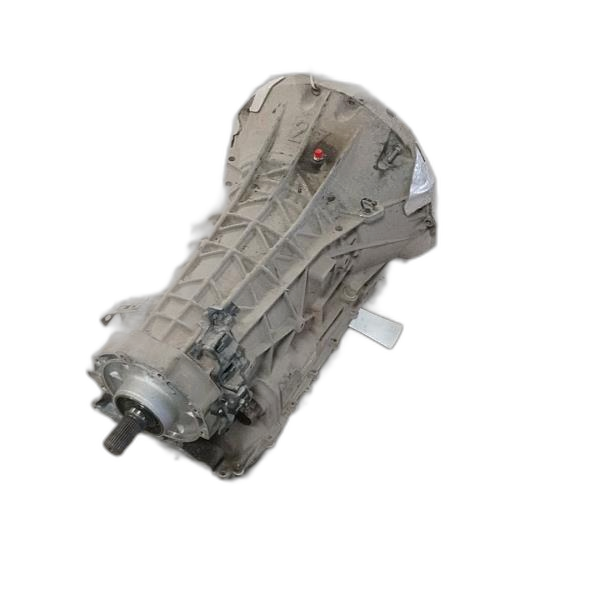
Below are the parts most often responsible for code P1789, ranked by how frequently each one is the actual culprit (per the diagnosis above). Tap any to see what we have for your vehicle.



The information in this article is provided for general reference and educational purposes only. Vehicle specifications, procedures, and part compatibility can vary by production date, trim level, and region. Always consult your vehicle's factory service manual and verify part numbers before purchasing or performing repairs. Safety-critical components such as airbags, seat belts, and braking systems should be installed by a qualified professional.
- 🧭 Diagnostic Flowchart
- 🎬 Helpful Videos
- 🛍️ Shop This Part
- What Does P1789 Mean?
- Can I Drive With P1789?
- Common Causes
- Symptoms
- Common Fixes & Costs
- Used vs. New Parts: Buying Guide
- What Happens If You Wait — Timeline
- Cost of Not Fixing It
- Diagnosis Steps
- When This Code Triggers (Freeze-Frame Conditions)
- Related Codes
- Climate & Environmental Factors
- How to Talk to a Mechanic About This Code
- Where to Take It: Dealer vs Independent vs Chain
- When to Walk Away From the Repair
- What Scan Tool You Need for This Code
- How to Clear the Code After You Fix It
- Will This Fail Emissions / State Inspection?
- Most Commonly Affected Vehicles
- Manufacturer-Specific Notes
- Real Owner Stories
- 2021 C8 Corvette at 19K miles
- 1995 Ford F-150 with harsh shifting
- 2012 Chrysler Town & Country with limp mode
- How to Prevent This Code From Triggering
- Frequently Asked Questions
- Is P1789 a serious code?
- Can low transmission fluid cause a P1789 code?
- How much does it cost to fix P1789?
- What's the difference between a short circuit (P1789) and an open circuit (P1788)?
- My scanner shows multiple transmission codes with P1789. Are all the parts bad?
- Can I fix P1789 myself?
- Will clearing the code fix the problem?
- What are the most common misdiagnosis mistakes for P1789?
- Can a bad ground cause transmission problems?
- What does 'short to ground' mean?
- Key Takeaways
- 🎟️ Get 5% Off