

OBD-II Code P1805: A Manufacturer-Specific Labyrinth
What P1805 means, why it triggers, and how to fix it across different brands
- Code P1805 has drastically different meanings depending on the manufacturer: verify your specific vehicle's definition before buying any parts.
- On Nissan and Infiniti vehicles, P1805 indicates a failed brake light switch 90% of the time, requiring a $15-$45 replacement part to restore brake lights and shifting.
- For Hyundai and Kia models, P1805 signals an immobilizer fault that prevents the engine from starting, requiring professional key reprogramming or antenna coil replacement.
- Do not confuse the P1805 diagnostic code with Kia's 'PI1805' service campaign for knock sensors; they are completely unrelated issues.
- On Mitsubishi TC-SST transmissions, P1805 warns of a shift fork sensor power failure that causes severe internal damage costing upwards of $4,000 if ignored.
What Does P1805 Mean?
P1805 is a manufacturer-specific code with wildly different definitions depending on your vehicle's make. For most Nissan and Infiniti vehicles, it indicates a 'Stop Lamp Switch Circuit Malfunction,' meaning the Engine Control Module (ECM) is not receiving a valid signal from the brake pedal switch. This signal is critical for operating brake lights, deactivating cruise control, and shifting out of Park. For other brands, this code points to completely different systems: an anti-theft immobilizer error on a Hyundai, a 4-wheel drive system fault on a Ford, or a transmission communication error on a Mitsubishi.
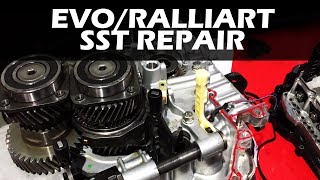
Technical definition: P1805 is a manufacturer-specific powertrain code. On Nissan and Infiniti vehicles, it is defined as 'Stop Lamp Switch Circuit Malfunction' or 'Brake Pedal Position (BPP) Switch Circuit Malfunction,' indicating a fault in the brake light switch circuit. For Ford, it is 'Transmission 4-Wheel Drive High Indicator Open Circuit.' For Hyundai, it is 'Immobilizer EEPROM Error' or 'ABS LF SLA Solenoid' overcurrent. For Mitsubishi models with the TC-SST, it points to a 'Shift Fork Position Sensor Power Supply Voltage High 🎬 Watch: Understanding Mitsubishi SST sensor issues and transmission faults.' issue. Always verify the code's exact meaning for your year, make, and model.
Can I Drive With P1805?
No — Do Not Drive. The answer depends entirely on the vehicle. For Nissan and Infiniti, this code means your brake lights are likely not working, which is extremely dangerous and illegal. For Hyundai and Kia, it means the car will not start at all, leaving you stranded. For Ford, while the vehicle is drivable, your 4WD system status is unknown. Due to the high safety risks of brake failure or being stranded, do not drive the vehicle until the specific system is diagnosed.
Common Causes
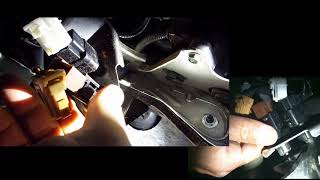
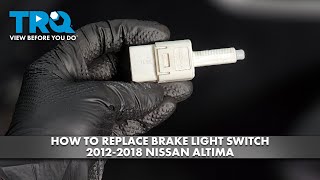
- Faulty Brake Light Switch (Nissan/Infiniti) (Very Common) — On Nissan and Infiniti models, this is the primary cause. The switch is a small mechanical part above the brake pedal whose internal contacts wear out, get stuck, or break over time 🎬 Watch: How to replace the brake light switch on a Nissan., preventing it from sending a signal.
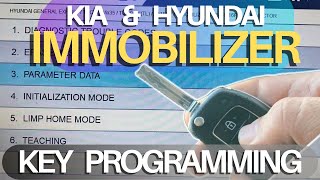
- Immobilizer System Fault (Hyundai/Kia) (Very Common) — On many Hyundai and Kia vehicles, P1805 indicates a memory (EEPROM) or communication error within the anti-theft immobilizer system. This prevents the system from recognizing the key transponder, resulting in a crank-no-start condition. 🎬 See how to program keys and reset the Hyundai/Kia immobilizer.
- Misadjusted Brake Light Switch (Common) — The brake switch must be installed at the exact correct distance from the brake pedal arm. If it is too far or too close, it fails to activate and deactivate at the right times, triggering a fault.
- Blown Fuse or Fusible Link (Common) — A blown fuse in the stop lamp, 4WD, or immobilizer circuit causes this code. On some vehicles, a fusible link (a larger, higher-amp fuse) is the culprit.
- Wiring or Connector Damage (Common) — Wires leading to the brake switch, 4WD indicator, or immobilizer module are often frayed, shorted, or corroded. Connectors in the driver's footwell frequently become loose or filled with debris.
- Failing 4WD Indicator Light (Ford) (Less Common) — On Ford vehicles, this code specifically points to an open circuit for the 4WD High indicator light in the instrument cluster. The issue is usually the bulb itself, the socket, or the wiring to the cluster.
- Low Battery Voltage (Less Common) — A weak battery causes a host of seemingly unrelated electronic issues. Low voltage forces modules to malfunction and set communication or performance codes, including P1805 on sensitive immobilizer systems.
- Faulty Control Module (Rare) — In rare cases, the control module responsible for interpreting the signal (Engine Control Module, Body Control Module, or Transmission Control ECU on a Mitsubishi) fails internally.
Symptoms
- Brake lights do not work — The most critical symptom for Nissan/Infiniti vehicles. The brake lights fail to illuminate when the brake pedal is pressed.
- Engine will not start (crank-no-start) — The primary symptom for Hyundai/Kia vehicles where P1805 relates to the immobilizer. The engine turns over but will not fire, and the immobilizer warning light flashes.
- Unable to shift out of Park — Automatic vehicles require a signal from the brake switch to release the shift interlock. Without the signal, the shifter remains stuck in Park.
- Check Engine Light is on — The ECM detects a fault and stores the P1805 code, illuminating the warning light on the dashboard.
- Cruise control will not engage — As a safety measure, the cruise control system disables itself if the ECM cannot reliably detect brake pedal operation.
- 4WD system indicator light malfunction — On applicable Ford models, the '4WD HIGH' light on the dashboard fails to illuminate when the system is engaged.
Diagnostic Flowchart
Tap your situation to follow the diagnostic path that matches what you're seeing on this code.
Common Fixes & Costs
- Replace the Brake Light Switch — Parts: $15-$45, Labor: $75-$140, ~0.8 hr book time (DIY)
- Adjust Brake Light Switch Position — Parts: $0, Labor: $50-$100, ~0.5 hr book time (DIY)
- Reprogram or Replace Immobilizer Module/Key — Parts: $50-$700, Labor: $150-$400, ~1.5 hr book time (Advanced)
- Replace Blown Fuse — Parts: $1-$5, Labor: $0, ~0.1 hr book time (DIY)
- Repair Damaged Wiring or Connector — Parts: $5-$25, Labor: $125-$400, ~2.5 hr book time (Intermediate)
Used vs. New Parts: Buying Guide
When a used part is worth it: For the most common fix (Nissan brake light switch), buying used is never recommended as the new part is inexpensive ($15-$45) and a wear item. For a Hyundai immobilizer module, a used part from a salvage yard is a viable option if it is professionally programmed to your vehicle's specifications.
Donor-vehicle mileage cap: roughly under 60000 miles for the part to have meaningful remaining life.
Donor quality checklist:
- For electronic modules, match the part number exactly.
- Verify the used module can be reprogrammed; some are 'locked' to the original vehicle's VIN.
- For mechanical switches, avoid parts from high-mileage or rust-belt vehicles.
Decision logic:
- If The part is a brake light switch → Always buy new. The cost savings of a used switch are negligible compared to the risk of premature failure.
- If The part is an immobilizer module AND you have access to a qualified locksmith/dealer with programming tools → A used module offers significant savings, but factor in the cost of programming ($150-$400).
- If The part is electronic and the vehicle will not start without it → Favor new OEM or a reputable remanufactured part to avoid the risk of being stranded by a faulty used component.
Warranty tradeoff: Used parts typically have a 30-90 day warranty, if any. New aftermarket parts offer a 1-year to limited lifetime warranty. New OEM parts carry a 1-year/12,000-mile warranty.
Worst-case if a used part fails: $300-$600 if a used electronic module fails after installation, requiring repeat labor for diagnosis, removal, and programming of another replacement part.
What Happens If You Wait — Timeline
- 0-2 weeks: For Nissan: Intermittent brake light failure or cruise control dropping out. For Hyundai: Intermittent crank-no-start, may work on the second or third try. For Mitsubishi: 'Service Transmission' light appears intermittently. (Added cost: $0)
- 2 weeks - 2 months: For Nissan: Brake lights fail completely or stay on, draining the battery. Unable to shift out of Park. For Hyundai: Vehicle fails to start more frequently. For Mitsubishi: Transmission shifts harshly or refuses to go into certain gears. (Added cost: $150 (towing and diagnostics) to $500 (battery replacement, missed work))
- 2-6 months: For Nissan: Continued driving with no brake lights leads to a high risk of an accident. For Hyundai: The issue is a hard failure; the car will not start at all. For Mitsubishi: The faulty sensor reading causes the transmission's computer to make bad shifts, causing premature wear on clutches. (Added cost: $500 - $2,500 (Accident deductible, fines, or initial transmission damage))
- 6+ months: For Mitsubishi (TC-SST): Continued operation with a sensor fault leads to catastrophic failure of the mechatronics unit or mechanical components, requiring a complete transmission rebuild. (Added cost: $4,000 - $8,000+)
Cost of Not Fixing It
- Immediate: For Nissan/Infiniti: Brake lights fail to work, creating a severe risk of a rear-end collision. For Hyundai/Kia: Vehicle fails to start, leaving you stranded. (Added cost: $0 (Stranded) to $10,000+ (Accident/Injury))
- 1-3 Months: For Nissan/Infiniti: If the switch fails 'on', it drains the battery. Continued driving with non-functional brake lights leads to traffic citations and fines. (Added cost: $150 (New Battery) to $500+ (Fines))
- 6+ Months: For Mitsubishi (TC-SST): Ignoring a sensor power supply issue leads to severe internal transmission damage, requiring a transmission rebuild or replacement. (Added cost: $4000-$8000+)
Diagnosis Steps
- CRITICAL: Identify the Code's Meaning for Your Vehicle
Before touching any tools, use the VIN and a reliable repair database to determine what P1805 means for your specific make, model, and year. Diagnosing a Nissan brake switch when you have a Hyundai immobilizer problem guarantees failure.
Tools: OBD-II scanner, Vehicle-specific repair database (Beginner) - Verify the Primary Symptoms
Once you know the affected system, verify the symptoms. For a brake light issue, have a helper check the lights. For an immobilizer issue, note if the security light flashes during the no-start condition. For a 4WD light issue, engage the system and watch the dash.
Tools: A helper (Beginner) - Check Relevant Fuses
Consult the owner's manual to locate the fuse boxes. Inspect the fuses labeled 'Stop Lamp,' 'Immo,' '4WD,' or the relevant system. A blown fuse is a simple fix but indicates a deeper short circuit if it blows again immediately.
Tools: Owner's manual, Fuse puller or needle-nose pliers (Beginner) - Visually Inspect the Component and Wiring
Inspect the component associated with your code (brake switch above the pedal, immobilizer antenna ring around the ignition). Look for physical damage, loose connectors, or frayed wiring. Pay close attention to harnesses in the driver's footwell.
Tools: Flashlight, Inspection mirror (Beginner) - Test the Brake Light Switch (Nissan/Infiniti)
Disconnect the brake light switch connector. Use a multimeter set to continuity. With the plunger NOT pressed, there must be continuity between terminals 1 and 2. With the plunger pressed, there must be continuity between terminals 3 and 4, and no continuity between 1 and 2.
Tools: Multimeter, Basic hand tools, Repair manual for pinout (Intermediate) - Test Hyundai Immobilizer Antenna Coil
If a Hyundai P1805 is present with a no-start, test the immobilizer antenna coil around the ignition cylinder. Disconnect the coil connector. Using a multimeter set to Ohms, measure the resistance between the coil's terminals. The specification is typically 14-16 Ohms. An open circuit (OL) indicates a failed coil.
Tools: Multimeter, Trim removal tools (Advanced) - Test for Power and Ground at the Connector
With the ignition on, use a multimeter to check for voltage at the component's connector. One pin must have 12V power. Another must have a solid ground (less than 0.1V when connected to the battery positive). No power points to a blown fuse or broken wire upstream.
Tools: Multimeter, Vehicle wiring diagram (Intermediate) - Perform a Voltage Drop Test
For suspected wiring issues on a brake light circuit, connect the multimeter in parallel with the load (one lead on the power pin at the fuse box, the other on the power pin at the switch connector). Activate the circuit. A reading above 0.5 volts indicates excessive resistance in the wire.
Tools: Multimeter with long leads (Advanced) - Check CAN Bus Resistance
If P1805 is defined as a communication error, check network integrity. Turn the ignition OFF and disconnect the battery. Measure resistance between Pin 6 (CAN High) and Pin 14 (CAN Low) at the OBD-II port. A healthy network reads 60 Ohms. 120 Ohms indicates a break; 0 Ohms indicates a short.
Tools: Multimeter (Advanced) - Check CAN Bus Voltages
With the ignition ON, measure voltages at the OBD-II port. CAN High (Pin 6) should be between 2.5V and 3.5V, and CAN Low (Pin 14) should be between 1.5V and 2.5V. Significant deviation points to a faulty transceiver on a network module or a wiring short.
Tools: Multimeter, Oscilloscope (recommended) (Advanced)
When This Code Triggers (Freeze-Frame Conditions)
- Stop Light Switch: OFF (Fault triggered when the ECU expects to see a signal from the brake pedal press but does not, or vice-versa.)
- Vehicle Speed: 0-70 mph (The fault logs under various conditions, from being stationary (unable to shift from park) to cruising (cruise control malfunction).)
- Engine RPM: 0-3000 RPM (For immobilizer issues (Hyundai), RPM is 0 or crank speed. For brake switch issues (Nissan), it occurs at any RPM.)
- Engine Coolant Temp: Any (This fault is typically not dependent on engine temperature, though extreme cold affects battery voltage and switch plastics.)
Related Codes
- P0504 — Brake Switch A/B Correlation. This code is set when the ECM receives conflicting signals from a dual-circuit brake switch. It often appears alongside P1805 on Nissan vehicles, pointing strongly to a faulty switch.
- P0703 — Brake Switch B Circuit Malfunction. This is a generic code for the same circuit that P1805 refers to on a Nissan. If you see both, the brake switch circuit is definitively the problem area.
- U1000 — CAN Communication Circuit Error. If this code appears with P1805, it suggests a broader network problem. The ECM is not receiving the signal because of a communication breakdown, not a faulty component.
- P1693 — Immobilizer Transponder Error. On a Hyundai or Kia, seeing this code along with P1805 confirms the no-start issue is related to the anti-theft system's inability to authenticate the key.
Climate & Environmental Factors
- Cold Weather: Extremely cold temperatures make the plastic components of a brake light switch brittle and prone to breaking. Low temperatures also severely reduce a weak battery's voltage, triggering immobilizer fault codes during cranking.
- High Humidity / Water Intrusion: Moisture accelerates corrosion on wiring connectors and fuse box terminals. This affects the brake light switch connector in the footwell, leading to high resistance or short circuits.
- Contamination: On some Nissan models, silicone grease used in nearby components vaporizes and contaminates the internal contacts of the brake light switch, causing oxidation and intermittent failure.
How to Talk to a Mechanic About This Code
Say this: "I have a [Your Car's Make] with a P1805 code. I understand for this car, it points to the [brake light switch circuit/immobilizer system/TC-SST transmission]. I'd like to schedule a diagnostic specifically for that system."
This immediately signals to the shop that you have done your research and know the code is manufacturer-specific. It focuses their diagnostic efforts on the most probable cause, saving them time and saving you money by preventing a broad, unnecessary diagnostic search.
Avoid saying:
- 'Just fix whatever's wrong'
- 'My check engine light is on, can you look at it?'
- 'I think it's the...' (Don't guess, state the code and the system it relates to on your car.)
Questions to ask before authorizing the repair:
- For Nissan: Did you test the brake light switch with a multimeter and check the plastic stopper pad on the pedal arm?
- For Hyundai: Did you test the immobilizer antenna coil and try reprogramming the existing keys before recommending a new module?
- For Mitsubishi: What specific tests confirmed the fault is internal to the TC-SST transmission?
- Will you provide me with the old parts that are replaced?
- What is the warranty on this specific repair, covering both parts and labor?
Where to Take It: Dealer vs Independent vs Chain
- Dealer:
Required for complex Hyundai immobilizer or Mitsubishi transmission issues; overkill for a simple Nissan brake switch.
Best for: Vehicles under warranty, Complex immobilizer programming (Hyundai), Specialized transmission repairs (Mitsubishi TC-SST)
Downsides: Highest labor rates, May prefer to replace entire assemblies rather than repair internal components. (Typical cost: +50% vs. baseline) - Independent Shop:
Best choice for Nissan/Ford P1805 issues. A good option for initial diagnosis on a Hyundai, but may need to refer out for programming.
Best for: Common, well-known fixes like the Nissan brake light switch or Ford indicator light., Out-of-warranty vehicles where cost is a major factor.
Downsides: Quality and diagnostic capabilities vary widely. Vet shops based on reviews and ASE certifications., May lack the expensive, specialized tools for immobilizer programming or TC-SST transmission work. (Typical cost: +0% vs. baseline) - Chain Shop:
AVOID for P1805 diagnosis. The risk of misdiagnosis is very high due to the code's multiple meanings. A chain shop might replace a brake switch on a Hyundai that won't start, wasting your money.
Best for: Simple parts replacement like a fuse or battery.
Downsides: High pressure to upsell unnecessary services., Technician skill is highly variable; may lack experience with manufacturer-specific codes and misdiagnose the issue. (Typical cost: -10% vs. baseline)
When to Walk Away From the Repair
If the estimated repair cost exceeds 40-50% of the car's private-party value, it is time to consider selling or trading it in.
- Car worth $3500, fix is $180: Fix it. A Nissan brake switch repair is a minor cost relative to the car's value.
- Car worth $6000, fix is $1100: Fix it. A Hyundai immobilizer module replacement is expensive but is well below the 50% threshold.
- Car worth $8000, fix is $4500: Walk away. A Mitsubishi TC-SST transmission repair at over 55% of the car's value is not a sound investment. The risk of other major failures is too high.
What Scan Tool You Need for This Code
Minimum: A basic OBD-II code reader that pulls powertrain codes (P-codes). For this specific code, a multimeter is more important for diagnosis than a fancy scanner for the most common (Nissan) cause.
A basic $20 reader is sufficient for a Nissan P1805, as it just confirms the code before you manually test the switch. However, for a Hyundai or Mitsubishi, a basic reader is useless beyond telling you the code. It cannot access the immobilizer or transmission control modules to see the specific data needed for a real diagnosis.
Budget: BlueDriver Pro (~$120) — Reads the P1805 code and provides access to a database of verified fixes, which is helpful for confirming the likely cause on your specific vehicle. Can read live data, but may not access the specific manufacturer modules needed for Hyundai/Mitsubishi.
Mid-range: Foxwell NT510 Elite (~$180) — Excellent choice for this code. It offers manufacturer-specific diagnostics, allowing you to read codes and live data from the immobilizer (IMMO) and transmission control modules. It has some bidirectional controls for testing but limited programming capabilities.
Professional: Autel MaxiIM IM508S (~$500-700) — This is the correct tool for a Hyundai/Kia immobilizer problem. It performs deep diagnostics on the IMMO system and has the professional key programming functions required to add new keys, reprogram modules, and resolve the no-start issue.
Rent vs buy: For a one-time Nissan fix, a free scanner rental from an auto parts store is sufficient to read the code. For diagnosing a Hyundai or Mitsubishi, buy a mid-range tool like the Foxwell. For FIXING a Hyundai immobilizer issue, you must go to a professional with a dedicated programming tool.
How to Clear the Code After You Fix It
- Use an OBD-II scan tool to clear the code.
- Perform a drive cycle to allow readiness monitors to reset.
- Verify the fix by checking for the absence of pending or active codes.
Drive cycle (~30 minutes): A generic drive cycle includes a cold start (sit for 8+ hours), 2-3 minutes of idling, 10 minutes of steady highway driving (55-60 mph), 5 minutes of coasting/deceleration, and 15 minutes of mixed stop-and-go city driving.
Readiness monitors affected: Comprehensive Component Monitor, EVAP System Monitor
Before emissions retest: drive at least 100 miles to fully set monitors.
Watch out for:
- Clearing the code without performing a drive cycle leaves readiness monitors as 'Not Ready', causing an automatic emissions test failure.
- The code returns immediately if the underlying mechanical or electrical fault has not been properly repaired.
Will This Fail Emissions / State Inspection?
Yes — this code typically fails an OBD-II emissions inspection.
- California: An active Check Engine Light is an automatic failure. After repair, a full drive cycle must be completed to set readiness monitors. Driving 100-200 miles is often required before re-testing.
- New York: The NYS inspection includes an OBD-II scan. A P1805 code and illuminated Check Engine Light result in an automatic failure.
- Texas: In counties requiring emissions testing, an illuminated Check Engine Light is an automatic failure. In safety-only counties, non-functional brake lights will fail the safety portion.
Most Commonly Affected Vehicles
- Nissan Pathfinder (2003-2012) — Frequently cited for P1805 related to the stop lamp switch. The switch is a highly common failure item.
- Nissan Frontier (2005-2019) — Service manuals specifically outline the P1805 diagnostic procedure for the brake switch on this platform.
- Nissan X-Trail, Qashqai, Tiida (2002-2014) — These popular models are highly susceptible to brake light switch failures causing the P1805 code.
- Infiniti G35, FX35 (2002-2014) — Sharing parts and electronics with Nissan, many Infiniti models use the exact same failure-prone brake light switch.
- Hyundai Elantra, Santa Fe (2001-2015) — On these models, P1805 almost always points to an 'Immobilizer EEPROM Error,' causing a classic crank-no-start symptom.
- Ford Explorer, Ranger, F-150 (1995-2010) — On many 4WD Ford trucks and SUVs from this era, P1805 indicates a fault in the '4WD High' indicator light circuit, not a brake or engine issue.
- Mitsubishi Lancer Ralliart, Evolution X (2008-2015) — For models with the TC-SST dual-clutch transmission, P1805 indicates a high voltage supply to a shift fork position sensor, requiring specialized transmission repair.
Manufacturer-Specific Notes
- Nissan / Infiniti: This is the most common home for P1805, where it almost always means 'Stop Lamp Switch Circuit'. The switch itself is the culprit over 90% of the time. A recall was issued for 2016-2019 Sentra models for this exact issue.
- Ford: For Ford, P1805 typically means 'Transmission 4-Wheel Drive High Indicator Open Circuit.' The problem is strictly in the instrument cluster lighting, not the 4WD system's mechanical function.
- Hyundai: P1805 has multiple, unrelated meanings. It is usually an 'Immobilizer EEPROM Error' causing a no-start, but on different models, it indicates an 'ABS LF SLA Solenoid' overcurrent fault within the ABS actuator.
- Kia: CRITICAL DISTINCTION: Kia has a Product Improvement Campaign numbered 'PI1805' for a knock sensor software update on 2019 models. This is a TSB number, NOT a diagnostic trouble code. The actual DTC related to this campaign is P1326.
- Toyota: On some models like the Hilux, P1805 indicates a 'Communication (between EFI ECU and Transmission ECU) Circuit Malfunction,' pointing to a data network problem rather than a simple component failure.
- Mitsubishi: On Lancer Ralliart and Evo X models with the TC-SST automatic transmission, P1805 points to a power supply issue for the shift fork position sensors, which is a complex and expensive internal transmission fault.
Real Owner Stories
2011 Nissan Maxima with 110K miles - Easy Fix
Car wouldn't start, and the dash showed a 'press brake pedal' icon even though the pedal was fully depressed. The brake lights were also not working.
What they tried:
- Initially thought it was a dead battery, but jump-starting didn't work.
- Searched online forums for 'Nissan won't start press brake' and found multiple mentions of the brake light switch.
Outcome: Owner replaced the brake light switch in their driveway using basic tools. The part cost $30. After replacement and proper adjustment, the car started immediately and the brake lights functioned correctly.
Lesson: For a Nissan with push-button start, if the car won't start and the brake lights are out, the brake light switch is the most likely culprit and is an inexpensive, straightforward DIY fix.
2013 Hyundai Elantra with intermittent crank-no-start - Misdiagnosis Story
Car would crank but fail to start intermittently over several weeks. Sometimes it would start after multiple attempts or after letting it sit.
What they tried:
- Replaced the battery, but the problem continued.
- A mechanic suggested a fuel injection service and spark plug replacement, which did not solve the problem.
Outcome: The car finally threw a P1693 (Immobilizer Transponder Error) along with the P1805. The issue was a faulty immobilizer antenna coil around the ignition switch failing to read the key chip. Replacing the antenna coil and reprogramming the keys resolved the issue.
Lesson: On a Hyundai, an intermittent crank-no-start with P1805 strongly points to the anti-theft system. Do not waste money on battery or fuel system parts until the immobilizer system is properly diagnosed.
2010 Mitsubishi Lancer Ralliart - Unusual/Severe Cause
While driving, the 'SST Service Required' light came on the dash, the transmission became clunky, and it would not shift properly.
What they tried:
- Owner scanned the codes and found P1805, defined for this car as 'Shift fork position sensor 1 and 2 system (Power supply voltage high range out)'.
- Checked transmission fluid levels, which seemed normal.
Outcome: A specialist diagnosed a failing shift fork position sensor magnet inside the transmission. The magnet detached from the shift fork, causing the sensor to receive no signal. This required transmission disassembly to repair, costing over $1,500.
Lesson: On a Mitsubishi with the TC-SST transmission, P1805 is a serious internal transmission fault code. It is not a DIY fix, and ignoring it leads to complete transmission failure.
How to Prevent This Code From Triggering
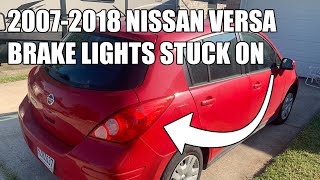
- Periodically Inspect Brake Pedal Stopper Pad (Every 30,000 miles or 2 years) — On many Nissan models, a small plastic stopper on the brake pedal arm physically presses the switch. These stoppers become brittle and disintegrate, leaving the brake lights stuck on and draining the battery. Finding pieces of colored plastic on your floor mat is a key warning sign.
- Clean and Protect Battery Terminals and Ground Straps (Annually) — Corroded battery terminals create low voltage conditions. Sensitive electronics like an immobilizer module malfunction and set codes like P1805 during engine cranking when system voltage is at its lowest.
- Keep Keys Dry and Avoid Drops (Daily habit) — For Hyundai/Kia immobilizer issues, the transponder chip in the key fob is fragile. Dropping the key damages the chip, preventing the car from recognizing it and triggering a P1805 no-start condition.
- Inspect Driver's Footwell Wiring (During interior cleaning) — Wiring for the brake light switch runs through the driver's footwell. This harness is susceptible to being kicked or damaged by wet shoes, causing intermittent shorts leading to a P1805 fault.
- Perform TC-SST Fluid and Filter Changes (Mitsubishi) (Every 30,000 miles) — Clean fluid is essential for the health of the internal mechatronics unit. Neglecting fluid changes accelerates wear on internal components, increasing the likelihood of sensor failures that trigger P1805.
Frequently Asked Questions
Why is it critical to know my car's make before diagnosing P1805?
Because the meaning of P1805 varies dramatically by brand. On a Nissan, it indicates a brake light failure; on a Hyundai, it signals an anti-theft system lockout. Diagnosing the wrong system based on a generic definition wastes significant time and money.
My car won't start and I have a P1805 code. What's wrong?
If you drive a Hyundai or Kia, this combination points to a fault in the immobilizer (anti-theft) system where the car's computer cannot verify your key's transponder chip. This is not a simple DIY fix. It requires professional diagnostic tools to reprogram keys or replace the immobilizer module.
I have a Kia and the dealer mentioned 'PI1805'. Is that the same as the P1805 code?
No, 'PI1805' is the number for a Kia Product Improvement campaign related to a knock sensor software update on certain 2019 models. It is a service bulletin number, not a diagnostic fault code. The actual fault code associated with that knock sensor issue is P1326.
I replaced the brake light switch on my Nissan, but P1805 came back. What now?
If a new switch doesn't fix it, first re-check the 'Stop Lamp' fuse and ensure the new switch is adjusted correctly. Next, inspect the connector for bent or corroded pins. Finally, test for a break or short in the wiring between the switch and the ECM using a voltage drop test.
How much does it cost to fix P1805?
A blown fuse costs under $5, while a professional brake light switch replacement on a Nissan typically costs $90 to $180. Wiring repairs range from $125 to over $400 depending on the damage. An immobilizer repair on a Hyundai ranges from a $200 reprogramming fee to over $1,000 for module replacement.
Can a weak battery cause code P1805?
Yes, low system voltage during cranking or operation causes various electronic modules to malfunction and set unrelated codes. For definitions of P1805 involving control module communication or internal errors, a weak battery is often a contributing factor or the root cause.
How do I clear the P1805 code after repair?
The most reliable method is to use an OBD-II scanner to erase the diagnostic trouble codes from the ECM's memory. Disconnecting the vehicle's battery for 15-20 minutes clears the code on older vehicles, but this also resets systems like your radio and trip computer.
Key Takeaways
- Code P1805 has drastically different meanings depending on the manufacturer: verify your specific vehicle's definition before buying any parts.
- On Nissan and Infiniti vehicles, P1805 indicates a failed brake light switch 90% of the time, requiring a $15-$45 replacement part to restore brake lights and shifting.
- For Hyundai and Kia models, P1805 signals an immobilizer fault that prevents the engine from starting, requiring professional key reprogramming or antenna coil replacement.
- Do not confuse the P1805 diagnostic code with Kia's 'PI1805' service campaign for knock sensors; they are completely unrelated issues.
- On Mitsubishi TC-SST transmissions, P1805 warns of a shift fork sensor power failure that causes severe internal damage costing upwards of $4,000 if ignored.
Helpful Videos
Shop the Parts Behind P1805
Below are the parts most often responsible for code P1805, ranked by how frequently each one is the actual culprit (per the diagnosis above). Tap any to see what we have for your vehicle.



The information in this article is provided for general reference and educational purposes only. Vehicle specifications, procedures, and part compatibility can vary by production date, trim level, and region. Always consult your vehicle's factory service manual and verify part numbers before purchasing or performing repairs. Safety-critical components such as airbags, seat belts, and braking systems should be installed by a qualified professional.
- 🧭 Diagnostic Flowchart
- 🎬 Helpful Videos
- 🛍️ Shop This Part
- What Does P1805 Mean?
- Can I Drive With P1805?
- Common Causes
- Symptoms
- Common Fixes & Costs
- Used vs. New Parts: Buying Guide
- What Happens If You Wait — Timeline
- Cost of Not Fixing It
- Diagnosis Steps
- When This Code Triggers (Freeze-Frame Conditions)
- Related Codes
- Climate & Environmental Factors
- How to Talk to a Mechanic About This Code
- Where to Take It: Dealer vs Independent vs Chain
- When to Walk Away From the Repair
- What Scan Tool You Need for This Code
- How to Clear the Code After You Fix It
- Will This Fail Emissions / State Inspection?
- Most Commonly Affected Vehicles
- Manufacturer-Specific Notes
- Real Owner Stories
- 2011 Nissan Maxima with 110K miles - Easy Fix
- 2013 Hyundai Elantra with intermittent crank-no-start - Misdiagnosis Story
- 2010 Mitsubishi Lancer Ralliart - Unusual/Severe Cause
- How to Prevent This Code From Triggering
- Frequently Asked Questions
- Why is it critical to know my car's make before diagnosing P1805?
- My car won't start and I have a P1805 code. What's wrong?
- I have a Kia and the dealer mentioned 'PI1805'. Is that the same as the P1805 code?
- I replaced the brake light switch on my Nissan, but P1805 came back. What now?
- How much does it cost to fix P1805?
- Can a weak battery cause code P1805?
- How do I clear the P1805 code after repair?
- Key Takeaways
- 🎟️ Get 5% Off