

Ultimate Guide to OBD-II Code P1814: A Comprehensive Diagnostic Manual
Beyond the Basics: What P1814 REALLY Means for Your Vehicle and How to Fix It Right the First Time
- Identify your vehicle's specific P1814 definition immediately, as this manufacturer-specific code means 'Torque Converter Overstressed' on a GM but points to a 'Wait Detection Switch' on a Nissan.
- Test the wiring harness for continuity and 12V power before replacing any parts, as corroded connectors cause over 40% of these electrical faults.
- Stop driving if you experience harsh shifting or limp mode; continuing to drive with a slipping torque converter turns a $300 sensor repair into a $3,500 transmission rebuild.
- Perform a TCM adaptive learning reset using a mid-range OBD-II scanner after replacing any transmission component to restore proper shift timing and clear the code permanently.
What Does P1814 Mean?

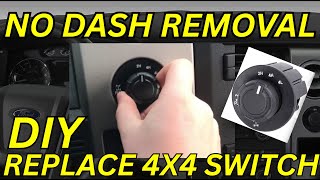
P1814 is a manufacturer-specific diagnostic trouble code (DTC), meaning its definition changes based on your vehicle's make. It indicates the Transmission Control Module (TCM) or Powertrain Control Module (PCM) detected an electrical fault or performance issue within the transmission or drivetrain control systems. For Nissan and Infiniti, it points to a fault in the 'Wait Detection Switch' circuit for the 4WD system. For General Motors (GM), it signifies 'Torque Converter Overstressed'. On Volkswagen and Audi, it indicates 'Pressure Control Valve 1 (N215) Open/Short to Ground'. For Ford, it relates to a '4WD Mode Select Switch' short circuit. 🎬 Watch: Easy DIY fix for the Ford 4x4 select switch. The TCM logs this code when the signal from the specified component falls outside its expected range or is logically incorrect.
Technical definition: The official SAE/ISO definition for P1814 varies by manufacturer. Common technical definitions include: 'Torque Converter Overstressed' (GM), 'Transmission 4-Wheel Drive Mode Select Short Circuit To Battery' (Ford), 'Wait Detection Switch Circuit Malfunction' (Nissan/Infiniti), and 'Pressure Control Valve 1 (N215) Open/Short to Ground' (VW/Audi). For some BMW models, it indicates an electrical fault with the 'Transmission Output Shaft Speed Sensor'. The code sets when the control module detects voltage, resistance, or signal frequency outside predefined thresholds.
Can I Drive With P1814?

Yes, But With Caution. Driving is possible for short distances, but not recommended. Depending on the manufacturer definition, you will experience harsh shifting, limp mode, or a disabled 4WD system. Continuing to drive with a torque converter or pressure control issue causes rapid clutch wear, turning a $300 sensor repair into a $3,500+ transmission rebuild. An overstressed torque converter generates excessive heat, sending metal debris throughout the transmission and destroying the valve body. Limit driving strictly to reaching a repair shop.
Common Causes

- Faulty Sensor, Switch, or Solenoid (Very Common) — This is the most frequent culprit. Depending on the vehicle, this is a failed 4WD position switch (Nissan), a bad transmission pressure control solenoid (VW/Audi), or a malfunctioning transmission fluid pressure (TFP) switch assembly (GM). These components fail due to internal wear, electrical shorts, or prolonged exposure to heat.
- Damaged Wiring, Corroded Connectors, or Poor Grounds (Common) — Wiring harnesses for transmission and transfer case components are exposed to road debris, moisture, and extreme temperatures. This leads to frayed wires, short circuits, open circuits, and corroded connector pins. A loose or broken ground strap also causes unstable voltage references and erratic signals.
- Low, Burnt, or Contaminated Transmission Fluid (Common) — On vehicles where P1814 relates to hydraulic pressure (GM, VW/Audi), incorrect fluid levels or burnt fluid causes solenoids to operate erratically, clutches to slip, and the torque converter to overheat. Metal shavings in the fluid clog solenoid screens and valve body passages.
- Water Intrusion in Connectors or Transfer Case (Less Common) — On Nissan 4WD trucks, water gets past a failed prop-shaft oil seal, enters the transfer case, and destroys internal position switches. For VW/Audi models, water leaks into the cabin and corrodes the 16-pin main connector to the mechatronics unit or damages the TCM.
- Internal Valve Body Wear (Less Common) — On higher mileage vehicles, particularly GM models with the 4L60E, the valve body wears out. Worn bores for regulator valves cause pressure leaks that the TFP switch detects, leading to codes like P1810 and P1814 even if the switch itself is functional.
- Faulty Transmission Control Module (TCM) or Software Glitch (Rare) — A failed TCM or a software logic error is the least likely cause. Manufacturers occasionally issue Technical Service Bulletins (TSBs) with software updates to correct overly sensitive parameters. Consider this only after exhaustively ruling out wiring, fluid, and the component itself.
Symptoms
- Check Engine Light or Service 4WD Light On — The Malfunction Indicator Lamp (MIL) illuminates. On 4WD models, a dedicated 'Service 4WD' light also illuminates or flashes.
- Harsh, Erratic, or Delayed Shifting — The transmission slams into gear, hesitates, or flares (engine RPMs rise between shifts). This is the primary symptom for GM and VW/Audi variants of the code.
- 4WD System Inoperative or Stuck — On Nissan and Ford models, you cannot switch between 2WD and 4WD, or the system gets stuck in one mode. The 4WD indicator light flashes continuously.
- Vehicle Enters 'Limp Mode' — To prevent further damage, the TCM locks the transmission into a single gear (usually 2nd or 3rd), severely limiting acceleration and vehicle speed.
- Engine Stalling When Coming to a Stop — If the fault relates to a stuck torque converter clutch (TCC) solenoid, the engine stalls when the vehicle stops because the converter remains locked.
- Transmission Overheating (also visible on scanner) — A slipping torque converter generates massive heat, raising the transmission fluid temperature and triggering an overheat warning light. This quickly degrades fluid and damages seals.
Diagnostic Flowchart
Tap your situation to follow the diagnostic path that matches what you're seeing on this code.
Common Fixes & Costs
- Replace Manufacturer-Specific Switch/Sensor (Nissan 4WD, Ford Dash Switch) — Parts: $40-$180, Labor: $100-$250, ~1.2 hr book time (Intermediate)
- Replace Transmission Fluid and Filter — Parts: $60-$150, Labor: $120-$250, ~1.5 hr book time (DIY)
- Replace Transmission Fluid Pressure (TFP) Switch Assembly (GM) — Parts: $50-$120, Labor: $250-$450, ~3.5 hr book time (Professional)
- Replace Transmission Pressure Control Solenoid (VW/Audi N215) — Parts: $100-$250, Labor: $300-$600, ~4.5 hr book time (Professional)
- Repair Damaged Wiring or Connector — Parts: $15-$60, Labor: $150-$400, ~2 hr book time (Intermediate)
- Replace Transmission Control Module (TCM) — Parts: $400-$1200, Labor: $150-$300, ~1.8 hr book time (Professional)
Used vs. New Parts: Buying Guide
When a used part is worth it: Buying used electronic components like sensors, solenoids, and switches is not recommended due to reliability concerns. It only makes sense for external dash switches on older, low-value vehicles where labor to replace it is minimal.
Donor-vehicle mileage cap: roughly under 50000 miles for the part to have meaningful remaining life.
Donor quality checklist:
- Verify the part number is an exact match.
- Avoid solenoids from transmissions that suffered catastrophic mechanical failure.
- Ask for a functional warranty (at least 30-90 days).
Decision logic:
- If The part is an internal solenoid, TFP switch, or position sensor → Buy new (OEM or quality aftermarket). The labor cost to access these parts is high, making it risky to use an unreliable used part.
- If The part is an external dash switch (e.g., Ford 4WD selector) → A used part is an acceptable low-cost option, as it is easy to access and replace.
- If The vehicle is high-mileage (>150k miles) and the repair is internal → Strongly favor a new part. Installing a used part with unknown history into a high-mileage transmission guarantees a repeat failure.
Warranty tradeoff: Used parts typically have a 30-day 'as-is' warranty. New aftermarket parts offer a 1-year to limited lifetime warranty. New OEM parts carry a 1-2 year warranty. The peace of mind of a new part outweighs the small initial savings.
Worst-case if a used part fails: $400 - $1500. If a used internal part fails, you pay for the labor all over again, plus the cost of another part.
What Happens If You Wait — Timeline
- 0-1 month: For pressure/converter faults: Intermittent symptoms appear, such as a slight shudder between 30-50 mph or a single harsh shift when cold. For switch faults: 4WD system fails to engage occasionally. (MPG impact: 0-5%% · Added cost: $0-75 in wasted fuel due to inefficient torque converter lockup.)
- 1-3 months: Symptoms become consistent. Shifts are frequently harsh or delayed. The torque converter slips more, generating excess heat. The transmission fluid starts to darken and degrade. (MPG impact: 5-10%% · Added cost: $200-400. The original solenoid/sensor issue is causing accelerated wear. The fluid is compromised.)
- 3-6 months: The vehicle enters limp mode. The torque converter clutch lining wears completely, or clutch packs burn out from low pressure. Burnt fluid circulates metal shavings through the system. (MPG impact: 10-20%% · Added cost: $1,200 - $2,500. The torque converter is destroyed, and contaminated fluid damages the valve body. A simple repair is no longer possible.)
- 6+ months: Catastrophic failure. The transmission stops engaging gears altogether. Widespread contamination destroys the valve body, oil pump, and planetary gear sets. (MPG impact: N/A (Vehicle undriveable)% · Added cost: $3,000 - $5,000+. Failure to address the initial fault results in a complete transmission rebuild or replacement.)
Cost of Not Fixing It
- 0-1 Month: For electrical switch issues (Nissan/Ford), the 4WD system is inoperative. For pressure/torque converter issues (GM/VW), you experience poor shift quality and a drop in fuel economy. (Added cost: Negligible to $50 (in lost fuel efficiency).)
- 1-6 Months: Ignoring a GM or VW pressure code is dangerous. Continued slipping generates excessive heat, degrading transmission fluid and damaging seals. Clutch packs burn out, requiring a more expensive repair. (Added cost: $800 - $1,800. A $500 solenoid fix escalates to needing a new torque converter and fluid flush due to contamination.)
- 6+ Months: Catastrophic transmission failure. The overheating torque converter sends metal debris throughout the transmission, destroying the valve body, oil pump, and planetary gearsets. The vehicle stops moving. (Added cost: $3,000 - $5,000+. The original sub-$1,000 repair becomes a full transmission rebuild or replacement.)
Diagnosis Steps

- Research the EXACT Definition for Your Vehicle
Use your vehicle's make, model, and year to find the specific meaning of P1814. This determines if you are diagnosing a Nissan 4WD switch, a GM pressure switch, a Ford mode selector, or a VW solenoid.
Tools: Internet Access, Vehicle Service Manual (Beginner) - Scan for Codes and Review Freeze Frame Data
Use an OBD-II scanner to confirm P1814 is active and check for related powertrain (P-), chassis (C-), or communication (U-) codes. Review freeze frame data to see engine RPM and vehicle speed at the exact moment the fault triggered.
Tools: OBD-II Scanner (Beginner) - Check Transmission Fluid Level and Condition
Check the transmission fluid with the engine running and in Park. The fluid must be at the correct level, appear pink/red, and not smell burnt. Dark, burnt-smelling fluid with metal particles indicates severe internal wear.
Tools: Rag, Gloves (Beginner) - Perform a Detailed Visual Inspection
Inspect the wiring harness and connectors associated with the component identified in Step 1. Look for chafed wires, heat damage, green corrosion inside connectors, and loose ground straps on the transmission case.
Tools: Flashlight, Inspection Mirror (Intermediate) - Analyze Live Sensor Data
Use an advanced scanner to view live TCM data. For Nissan, monitor the 'WAIT DETECT SW' status while shifting 4WD; it must change from ON to OFF. For GM, watch the TFP switch data report the gear selector position. Erratic data points to a sensor or wiring issue.
Tools: Advanced OBD-II Scanner with Live Data (Intermediate) - Test Component Power and Ground
With the component unplugged and the key on (engine off), use a multimeter to verify battery voltage (approx. 12V) on the power wire and a good ground (< 0.1V) on the ground wire. Lack of either points to a wiring or fuse issue.
Tools: Digital Multimeter (Intermediate) - Perform Circuit Integrity Tests
Disconnect the component and the TCM. Check for continuity on the signal wire between the component and TCM (< 1 ohm). Check for a short to ground (OL) and a short to power (OL).
Tools: Digital Multimeter, Wiring Diagram (Advanced) - Test Specific Component Resistance/Continuity
Test the component directly. For a Nissan switch, verify it shows continuity when closed and opens (OL) when the plunger is depressed. For a Ford dash switch, measure resistance across pins for each position against manual specs. For a VW N215 solenoid, measure internal resistance (typically 5-15 ohms).
Tools: Digital Multimeter, Service Manual (Advanced) - Inspect and Replace Internal Components
If external checks pass, the fault is internal. Drain the fluid and remove the transmission pan (GM/VW) or transfer case components (Nissan). Replace the suspected solenoid, TFP switch assembly, or transfer case switch. Use new gaskets and torque bolts to specification.
Tools: Socket Set, Torque Wrench, Drain Pan, Gasket Scraper (Advanced)
When This Code Triggers (Freeze-Frame Conditions)
- Engine Coolant Temp: 180-205°F (82-96°C) (The fault often occurs at full operating temperature, when transmission fluid is thinnest and electrical resistance is highest.)
- Engine RPM: 1500-2500 RPM (For GM 'Torque Converter Overstressed' codes, this triggers during steady-state cruising when the torque converter clutch is commanded to lock up.)
- Vehicle Speed: 35-55 mph (56-88 km/h) (Corresponds to highway cruising speeds where the transmission is in top gear and the torque converter clutch engages.)
- Throttle Position: 15-40% (The code sets under light to moderate acceleration or steady throttle, not during heavy acceleration or deceleration.)
Related Codes
- P1810 — On GM vehicles, P1810 ('TFP Manual Valve Position Switch Malfunction') is a direct companion to P1814. Seeing both codes together guarantees the Transmission Fluid Pressure (TFP) switch assembly inside the pan is faulty.
- P1817 — On Nissan vehicles, P1817 ('Shift-Advance Abnormal') appears with P1814. Having both codes strongly suggests a fault within the transfer case control system, either the switch pack or the shift actuator motor.
- P0741 — Means 'Torque Converter Clutch (TCC) Circuit Performance or Stuck Off.' On a GM vehicle with P1814, P0741 points directly to the TCC solenoid or its circuit as the root cause of the stress.
- C1118 — A chassis code seen with P1814 on 4WD vehicles, indicating an ABS or wheel speed sensor fault. If wheel speed data is missing, the TCM disables the 4WD system and sets P1814 as a secondary code.
Climate & Environmental Factors
- Road Salt (Winter Climates): Salt spray from de-iced roads acts as a powerful electrolyte that accelerates corrosion on wiring harnesses, connector pins, and ground straps. This corrosion causes high resistance or short circuits, directly triggering P1814 by interrupting the sensor signal.
- High Humidity / Water Exposure: Persistent moisture penetrates aged connector seals, corroding pins. On Nissan trucks, water intrusion from a failed seal is the primary cause of transfer case switch failure. On VW/Audi models, cabin water leaks damage the TCM.
- Extreme Cold: Extreme cold makes plastic components like wiring insulation and connectors brittle and susceptible to cracking, especially when disturbed during other repairs.
How to Talk to a Mechanic About This Code
Say this: "My [Vehicle Make, Model, Year] has a P1814 code and is experiencing [symptom, e.g., harsh shifting, 4WD light on]. I'd like to schedule a diagnostic appointment. Can you tell me your diagnostic fee, and does that fee get applied to the repair cost if I approve the work?"
This shows you identified the code and symptoms, focusing the conversation on diagnosis rather than open-ended exploration. Asking about the diagnostic fee structure upfront prevents surprises.
Avoid saying:
- 'My transmission is acting weird, can you fix it?' (Too vague, invites costly suggestions).
- 'I got a low quote from another shop, can you beat it?' (Leads to a race to the bottom on price and lower quality parts).
- 'Just do whatever it takes to fix it.' (Gives the shop a blank check).
Questions to ask before authorizing the repair:
- Can you show me the diagnostic readings (e.g., live data, resistance measurements) that confirm the failure?
- Is this repair done in-house, or is it sent out to a transmission specialist?
- What is the specific part number you are using, and is it OEM or aftermarket?
- What is the warranty on the parts and the labor for this specific repair?
- Does the quoted price include all costs, including new fluid, gaskets, and taxes?
Where to Take It: Dealer vs Independent vs Chain
- Dealer:
Recommended for VW/Audi/BMW versions of P1814 if you suspect a complex electrical or software issue and are willing to pay a premium for factory-trained technicians.
Best for: Vehicles under warranty, Complex electrical issues on newer or German vehicles (VW, Audi, BMW), When a specific Technical Service Bulletin (TSB) or software update is the known fix
Downsides: Highest labor rates, often 30-50% more than independent shops., Defaults to replacing large, expensive assemblies instead of smaller components. (Typical cost: +40% vs. baseline) - Independent Shop:
A good choice for most P1814 issues on common domestic and Asian vehicles. Ask if they handle internal transmission work themselves.
Best for: Out-of-warranty vehicles, Common, well-documented P1814 fixes (e.g., GM TFP switch, Ford dash switch)
Downsides: Quality and expertise vary greatly; must vet shops by reviews and ASE certifications., Lacks the latest manufacturer-specific diagnostic tools for brand-new models. (Typical cost: +0% vs. baseline) - Chain Shop:
AVOID for P1814 diagnosis and repair. The risk of misdiagnosis or inexperienced technicians working on a complex system is too high.
Best for: Basic fluid services.
Downsides: Technician skill and diagnostic capability are inconsistent., High pressure to upsell unnecessary transmission flushes., Lacks specialized knowledge for complex, manufacturer-specific codes. (Typical cost: -5% vs. baseline)
When to Walk Away From the Repair
If the estimated repair cost for the transmission exceeds 50% of the car's private-party market value, sell the car as-is or trade it in.
- Car worth $3500, fix is $2200: Walk away. The repair cost is over 60% of the vehicle's value. You will not recoup this cost.
- Car worth $15000, fix is $900: Fix it. The repair cost is only 6% of the vehicle's value and is a sound investment.
- Car worth $5000, fix is $2000: Borderline. The repair is 40% of the car's value. Get a second opinion and inspect the rest of the vehicle for upcoming major repairs.
What Scan Tool You Need for This Code
Minimum: A scanner that reads manufacturer-specific transmission codes and displays live data for the Transmission Control Module (TCM).
A basic $20 code reader only shows a 'P1xxx' code without a definition. For P1814, you must see the specific manufacturer definition and monitor live data from the suspect switch or solenoid to confirm the fault.
Budget: BlueDriver Pro (~$100) — Reads and clears manufacturer-specific transmission codes like P1814. Views and graphs live data from transmission sensors to see if a switch changes state.
Mid-range: Foxwell NT510 Elite (~$180) — Provides OE-level diagnostics for a specific car brand. Performs special functions like a 'transmission adaptation reset' or 'TCM relearn' after a repair, which is crucial for smooth shifting.
Professional: Autel MaxiCOM MK808S (~$450) — Offers comprehensive diagnostics across all vehicle systems. Performs active tests on solenoids and executes service functions like the TCM relearn procedure required by many manufacturers.
Rent vs buy: Auto parts stores offer free code scanning, but their tools rarely read manufacturer-specific codes or live data. Buying a mid-range scanner is a good investment, as fixing a transmission issue requires a relearn procedure that free loaner tools cannot perform.
How to Clear the Code After You Fix It
- Use an OBD-II scan tool to clear the P1814 code and related codes.
- Use the scan tool to perform a 'reset adaptive values' or 'clutch learn' function in the TCM menu.
- Perform a specific drive cycle to allow the TCM to relearn shift points and pressures.
Drive cycle (~20 minutes): 1) Cold start and idle for 2-5 minutes. 2) Drive gently, allowing shifts through all forward gears. 3) Drive at a steady highway speed (55 mph) for 5 minutes for torque converter lock-up. 4) Perform several slow coast-downs to a stop without braking. 5) Let the vehicle cool down completely.
Readiness monitors affected: Comprehensive Component Monitor, Transmission Control
Before emissions retest: drive at least 50 miles to fully set monitors.
Watch out for:
- Clearing the code does not fix the problem; it returns if the underlying fault isn't repaired.
- Skipping the TCM adaptive learn reset results in continued harsh shifting even after part replacement.
- Not completing the full drive cycle prevents readiness monitors from setting, failing emissions tests.
Will This Fail Emissions / State Inspection?
Yes — this code typically fails an OBD-II emissions inspection.
- California: An active P1814 code causes an automatic smog check failure. The Check Engine Light must be off, and readiness monitors must be 'Ready'.
- New York: The NYS DMV inspection includes an OBD-II scan. Any fault code illuminating the Check Engine Light results in a failed inspection.
- Texas: In counties requiring emissions testing, an active P1814 code causes a failure. Emissions testing remains mandatory in the 17 most populated counties.
Most Commonly Affected Vehicles
- Nissan Pathfinder, Navara, Xterra, Titan (2005-2015) — Extremely common issue from a faulty 'Wait Detection Switch' in the transfer case caused by water ingress from a failed rear propshaft seal. Replace all three transfer case switches, the seal, and the dust cover simultaneously.
- Chevrolet / GMC Silverado, Sierra, Tahoe, Suburban, Trailblazer (1998-2013) — On trucks with the 4L60E/4L65E, this code pairs with P1810 and points to a faulty Transmission Fluid Pressure (TFP) switch manifold. Replacing the TFP manifold and internal wiring harness fixes harsh 1-2 shifts.
- Volkswagen / Audi Passat, Jetta, A4, A6, TT (2002-2012) — Models with 02E (DSG) or 01V (CVT) transmissions log P1814 for a faulty N215 pressure control solenoid. Check the 16-pin connector at the transmission for corrosion before condemning the mechatronics unit.
- Ford F-150, Explorer, Expedition (2004-2012) — Points to a short-to-power in the circuit for the dash-mounted 4WD mode selection switch. Test the wiring for shorts before replacing the switch.
- Skoda Superb, Octavia (2001-2011) — Shares the VW/Audi powertrain; P1814 points to the N215 pressure control valve or its wiring. Water ingress into the passenger footwell causes TCM electrical problems.
- BMW 3 Series (E46), 5 Series (E39), X3 (E83), X5 (E53) (2000-2010) — P1814 points to an electrical fault with the transmission's output speed sensor or its circuit. Diagnosis involves checking the sensor's signal with an oscilloscope.
- Jeep Renegade, Cherokee (KL), Grand Cherokee (2014-2021) — P1814 is a secondary code related to communication errors between the TCM, ABS module, and 4WD control module. A faulty wheel speed sensor triggers this code.
- Opel / Vauxhall Astra, Vectra, Zafira (2002-2010) — On 'Easytronic' transmissions, P1814 is triggered by pressure control solenoids or wiring issues. Check for internal TCM faults, a known issue on these modules.
Manufacturer-Specific Notes
- Nissan: The primary cause is water ingress past the rear propshaft oil seal, contaminating the transfer case switches. The professional fix replaces all three transfer case position switches, the rear propshaft oil seal, and installs a modified dust cover (Part ADN17226) with drain holes.
- General Motors: The TFP switch manifold on the 4L60E/4L65E transmission is a notorious failure point. It is a plastic assembly that becomes brittle and develops internal leaks. Technicians always replace the internal wiring harness alongside it.
- Volkswagen/Audi: The N215 pressure control solenoid is located on the mechatronics unit. Before condemning this expensive unit, carefully inspect the main 16-pin round connector on the transmission case for corrosion or pushed-out pins, which mimics an internal solenoid fault.
- Ford: The dash-mounted 4x4 selector switch operates by sending different resistance values to the control module for each position. A technician uses a multimeter to measure the resistance at the switch's connector while turning the knob to verify its operation against service manual specifications.
Real Owner Stories
2007 Chevy Silverado with 4L60E, P1814 & P1810
Owner experienced harsh 1-2 shifting and a check engine light. A scan revealed codes P1814 (Torque Converter Overstressed) and P1810 (TFP Switch Malfunction).
What they tried:
- Based on the common failure pattern for the 4L60E transmission, the owner replaced the TFP manifold pressure switch located on the valve body.
Outcome: Replacing the TFP switch assembly and the internal wiring harness resolved the harsh shifting and cleared the codes.
Lesson: When specific codes appear together (like P1810 and P1814 on a GM), it points to a single, well-known failure point. Researching code combinations leads to a faster, more accurate diagnosis.
2008 VW Jetta with DSG Transmission and P1814
The PRNDS light flashed, the transmission intermittently went into neutral, and the car entered limp mode. The scan showed P1814 (Pressure Control Valve 1 N215 - Open or Short to Ground).
What they tried:
- The owner cleaned the main mechatronics connector, which was leaking fluid, but the problem persisted.
- They performed a DSG fluid and filter service, as contaminated fluid causes solenoid issues.
Outcome: A complete DSG fluid service fixed the issue. Fresh fluid restored proper hydraulic function, clearing the codes and avoiding an expensive mechatronics unit replacement.
Lesson: For hydraulic-related transmission codes, never underestimate a fluid service. Old, dirty fluid causes solenoids to stick and mimics a complete electrical failure.
2024 Nissan Frontier Pro-4X after transmission replacement
Shortly after a warranty transmission replacement, the owner tried to engage 4WD and received '4WD Malfunction' and 'ABS Malfunction' errors. Codes included P1814 and C1118.
What they tried:
- Forum members suggested checking the wiring connectors on the transfer case, speculating one was loose after the transmission reinstall.
Outcome: The dealer confirmed a plug on the transfer case was not fully seated. Correctly connecting it resolved all error codes.
Lesson: If a new fault appears immediately after a major repair, the cause is almost always related to the repair itself. Always re-check the work area for loose connectors or forgotten grounds.
How to Prevent This Code From Triggering
- Change transmission fluid at recommended intervals (Every 30,000-60,000 miles) — Clean fluid lubricates moving parts and cools solenoids and the torque converter. Degraded fluid causes sludge buildup, clogging solenoid passages and causing overheating.
- Use only OEM-specified transmission fluid (Every fluid change) — Manufacturer-specific fluids contain precise friction modifiers. Generic fluid harms seals, causes clutch shudder, and leads to solenoid failure.
- Apply dielectric grease to under-vehicle electrical connectors (Once, or during any related repair) — Moisture penetrates unsealed connectors, causing corrosion that creates shorts. Dielectric grease seals the connection, preventing the electrical faults that trigger P1814.
- Avoid aggressive driving and heavy towing beyond vehicle limits (Daily habit) — Hard acceleration places extreme stress on the torque converter and internal clutches, generating excess heat that accelerates fluid breakdown.
Frequently Asked Questions
Why does the definition of P1814 change for different cars?
Standardized OBD-II codes (P0xxx) are universal, but manufacturer-specific codes (P1xxx) are defined by automakers for their unique systems. This allows for detailed diagnostics but means P1814 points to vastly different components on a Ford versus a VW. Always look up the code for your specific make and model.
What is the most common misdiagnosis for P1814?
The most frequent error is replacing an expensive solenoid or sensor without testing the circuit first. A new part will not fix a problem caused by a broken wire, a corroded connector pin, or a bad ground. Testing the wiring with a multimeter saves hundreds of dollars.
Can I fix code P1814 myself?
A DIY fix is possible for external components like a Ford dash switch. However, if the cause is an internal transmission part like a GM TFP switch or a VW solenoid, the repair requires draining fluid and removing the valve body. This advanced repair is best left to professionals.
How much will it cost to fix P1814?
A DIY repair for a Ford 4WD dash switch costs under $100. A shop repair for a Nissan transfer case switch ranges from $200 to $450. Replacing a GM TFP switch or VW pressure solenoid at a shop typically costs $400 to $850, factoring in parts, fluid, and labor.
Do I need to perform a 'relearn' procedure after the fix?
Yes, for many modern vehicles, resetting the TCM's adaptive learning memory with a scan tool is a critical final step. The transmission then goes through a relearn phase to adjust shift timing. Skipping this results in continued poor shifting, making you believe the repair failed.
Will clearing the code make the problem go away?
No. Clearing the code only erases the fault from the module's memory temporarily. The moment the TCM runs its diagnostic self-test and detects the fault condition, the code returns. You must repair the underlying mechanical or electrical problem.
What is a TFP Switch on a GM transmission?
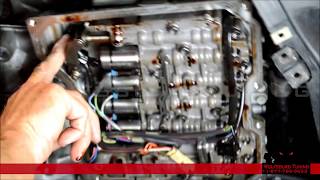
The Transmission Fluid Pressure (TFP) switch is an assembly bolted to the valve body inside the transmission pan. It contains multiple pressure switches that tell the TCM which gear the manual valve is in. It helps the TCM verify the driver's selection and detect hydraulic problems.
Can a bad battery cause a P1814 code?
A failing battery or alternator creates low system voltage, causing electronic modules to behave erratically. This sets false communication or circuit voltage codes. If you have multiple, seemingly unrelated electrical codes along with P1814, test the battery and charging system first.
Key Takeaways
- Identify your vehicle's specific P1814 definition immediately, as this manufacturer-specific code means 'Torque Converter Overstressed' on a GM but points to a 'Wait Detection Switch' on a Nissan.
- Test the wiring harness for continuity and 12V power before replacing any parts, as corroded connectors cause over 40% of these electrical faults.
- Stop driving if you experience harsh shifting or limp mode; continuing to drive with a slipping torque converter turns a $300 sensor repair into a $3,500 transmission rebuild.
- Perform a TCM adaptive learning reset using a mid-range OBD-II scanner after replacing any transmission component to restore proper shift timing and clear the code permanently.
Helpful Videos
![[EN] Nissan Navara D40 - Transfer switch fault diagnosis and replacement](https://img.youtube.com/vi/blXOquaY_dM/mqdefault.jpg)
Shop the Parts Behind P1814
Below are the parts most often responsible for code P1814, ranked by how frequently each one is the actual culprit (per the diagnosis above). Tap any to see what we have for your vehicle.


The information in this article is provided for general reference and educational purposes only. Vehicle specifications, procedures, and part compatibility can vary by production date, trim level, and region. Always consult your vehicle's factory service manual and verify part numbers before purchasing or performing repairs. Safety-critical components such as airbags, seat belts, and braking systems should be installed by a qualified professional.
- 🧭 Diagnostic Flowchart
- 🎬 Helpful Videos
- 🛍️ Shop This Part
- What Does P1814 Mean?
- Can I Drive With P1814?
- Common Causes
- Symptoms
- Common Fixes & Costs
- Used vs. New Parts: Buying Guide
- What Happens If You Wait — Timeline
- Cost of Not Fixing It
- Diagnosis Steps
- When This Code Triggers (Freeze-Frame Conditions)
- Related Codes
- Climate & Environmental Factors
- How to Talk to a Mechanic About This Code
- Where to Take It: Dealer vs Independent vs Chain
- When to Walk Away From the Repair
- What Scan Tool You Need for This Code
- How to Clear the Code After You Fix It
- Will This Fail Emissions / State Inspection?
- Most Commonly Affected Vehicles
- Manufacturer-Specific Notes
- Real Owner Stories
- 2007 Chevy Silverado with 4L60E, P1814 & P1810
- 2008 VW Jetta with DSG Transmission and P1814
- 2024 Nissan Frontier Pro-4X after transmission replacement
- How to Prevent This Code From Triggering
- Frequently Asked Questions
- Why does the definition of P1814 change for different cars?
- What is the most common misdiagnosis for P1814?
- Can I fix code P1814 myself?
- How much will it cost to fix P1814?
- Do I need to perform a 'relearn' procedure after the fix?
- Will clearing the code make the problem go away?
- What is a TFP Switch on a GM transmission?
- Can a bad battery cause a P1814 code?
- Key Takeaways
- 🎟️ Get 5% Off