

OBD-II Code P1826: A Manufacturer-Specific Guide to Causes, Symptoms, and Fixes
What P1826 means, why it triggers, and how to fix it on GM, Ford, Kia, Hyundai and more
- Verify your manufacturer's specific P1826 definition immediately, as it means a failed Internal Mode Switch on GM vehicles but a 4WD system fault on Ford, Kia, and Hyundai models.
- Stop driving GM vehicles with this code immediately to prevent the 230+ PSI fail-safe line pressure from cracking internal clutch drums and causing a $3,000 transmission rebuild.
- Look for a blank PRNDL dash display and violent shifting on GM trucks, or an illuminated AWD warning light on Korean SUVs, to confirm the primary symptom.
- Use a live-data OBD-II scanner to monitor the Transmission Control Module (TCM) PIDs, saving hundreds of dollars by pinpointing the exact failed sensor or relay before buying parts.
What Does P1826 Mean?
P1826 is a manufacturer-specific powertrain code that signals a critical fault, but its meaning varies dramatically by brand. For General Motors (GM) vehicles, it indicates 'Internal Mode Switch Circuit C High,' meaning the computer detects an impossible voltage reading from the gear selection sensor. For Ford, it points to a '4-Wheel Drive Low Clutch Relay Circuit To Battery' fault in the transfer case. For Kia and Hyundai, it signifies a 'Pressure Sensor for 4WD Supply Short to Ground' issue within the all-wheel-drive (AWD) system. In all cases, the computer receives a logically impossible signal, indicating a component or wiring failure.
Technical definition: The official SAE J2012 definition for P1826 is "Internal Mode Switch Circuit 'C' High." This indicates the Transmission Control Module (TCM) or Powertrain Control Module (PCM) detects a continuously high voltage signal (battery voltage) from the 'C' circuit of the internal mode switch when it should be low (0V). This state is unexpected when the module's calculations confirm the transmission is in a forward gear. However, many manufacturers use this code to denote specific faults, such as shorts to battery in 4WD system circuits or pressure sensor failures.
Can I Drive With P1826?
Yes, But With Caution. Driving is not recommended. On GM vehicles, this code triggers maximum transmission line pressure, causing extremely harsh shifts that destroy internal clutches and bands. The vehicle enters 'limp mode,' limiting speed to 35-50 mph 🎬 Watch: What limp mode means and how to fix it. and locking the transmission in a single gear. Continuing to drive turns a $300 sensor repair into a $3,000 transmission rebuild. Drive only as far as the nearest repair shop.
Common Causes
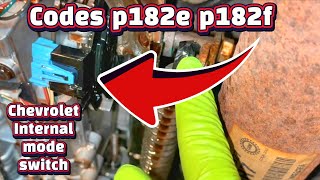
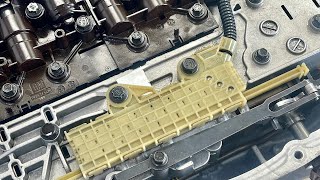
- Failed Internal Mode Switch (IMS) (Very Common) — This is the primary cause for GM vehicles. 🎬 Watch: A deep dive into troubleshooting the Internal Mode Switch. Located inside the transmission oil pan, the switch's plastic and metal contacts wear down from heat and constant movement, leading to erratic or continuously high voltage signals.
- Failed 4WD Actuator, Sensor, or Relay (Very Common) — On Ford, Kia, and Hyundai models, this is the top cause. It is a faulty pressure sensor in the AWD coupling (Kia/Hyundai) or a shorted relay or position sensor in the transfer case shift motor (Ford). 🎬 See how to diagnose and fix Ford 4WD system issues.
- Damaged or Corroded Wiring Harness (Common) — Wires leading to the transmission or transfer case are vulnerable to exhaust heat, chassis chafing, and moisture. A wire shorts to a power source, creating the 'high voltage' condition, or corrodes at the connector, causing high resistance.
- Low or Contaminated Transmission Fluid (Common) — Burnt, dirty, or low fluid causes overheating and erratic mechanical operation. This leads to component failures that indirectly trigger electrical fault codes like P1826.
- Misadjusted Shift Cable or Linkage (Less Common) — If the physical linkage from the shifter is bent or misaligned, the mode switch does not reach the correct physical position for the selected gear. The TCM detects this mismatch between the electronic signal and the expected gear ratio.
- Faulty Control Module (TCM, TCCM, or PCM) (Rare) — Internal circuit failure inside the main computer or transfer case control module causes it to misinterpret a valid signal from the sensor. Suspect this only after exhaustively ruling out wiring, relays, and sensors.
Symptoms
- Extremely Harsh or Banging Shifts — This is a classic symptom on GM vehicles. The TCM commands maximum line pressure as a fail-safe, causing the transmission to slam into gear with significant force.
- Transmission in 'Limp Mode' — The vehicle locks into a single gear (often 2nd or 3rd) with limited power and speed (under 50 mph) to prevent catastrophic damage.
- Incorrect or Blank Gear Indicator (PRNDL) Display — The dashboard display fails to show the correct gear, or the indicator goes out completely because the computer receives an invalid signal.
- Vehicle Will Not Crank or Start — If the internal mode switch fails to send a clear 'Park' or 'Neutral' signal to the computer, the vehicle's neutral safety feature prevents the engine from starting.
- 4WD/AWD Warning Light On & Loss of Function (also visible on scanner) — On Ford, Kia, and Hyundai models, a 'Service 4WD' light appears instead of the Check Engine Light, and the vehicle operates in 2WD only.
- Check Engine Light On (also visible on scanner) — The Malfunction Indicator Lamp (MIL) illuminates to alert the driver of a powertrain fault.
Diagnostic Flowchart
Tap your situation to follow the diagnostic path that matches what you're seeing on this code.
Common Fixes & Costs
- Replace Internal Mode Switch (IMS) — Parts: $50-$150, Labor: $200-$450, ~2.5 hr book time (Professional)
- Replace 4WD Coupling Actuator Motor or Pressure Sensor — Parts: $250-$700, Labor: $250-$500, ~3 hr book time (Professional)
- Replace Transfer Case Shift Motor or Relay — Parts: $50-$250, Labor: $100-$250, ~1.5 hr book time (Intermediate)
- Repair Damaged Wiring or Connectors — Parts: $20-$50, Labor: $150-$400, ~2 hr book time (Intermediate)
- Transmission Fluid and Filter Service — Parts: $60-$120, Labor: $120-$250, ~1 hr book time (DIY)
Used vs. New Parts: Buying Guide
When a used part is worth it: For external parts like a Ford transfer case shift motor or a complete Kia/Hyundai AWD coupling assembly, a used part from a low-mileage, accident-damaged vehicle is a cost-effective option. Never use a used part for internal transmission components like the GM Internal Mode Switch.
Donor-vehicle mileage cap: roughly under 60000 miles for the part to have meaningful remaining life.
Donor quality checklist:
- Verify the part number matches exactly; superseded numbers are not always compatible.
- Obtain the VIN of the donor vehicle to check its history and mileage.
- Inspect electrical connectors for corrosion or damage.
- For AWD couplings, ensure it was not removed from a vehicle with known drivetrain issues.
Decision logic:
- If The part is an internal transmission component (e.g., GM IMS) → Always buy new OEM or high-quality aftermarket. The labor to access it is too high to risk a used part failing.
- If The part is external (e.g., Ford Shift Motor) and the vehicle is over 120K miles → A low-mileage used part is a reasonable choice to save money, but accept that it has a shorter lifespan.
- If The vehicle is newer or has low mileage (<80K miles) → Buy a new OEM or reputable aftermarket part to maximize reliability and get a longer warranty.
Warranty tradeoff: Used parts typically come with a 30-90 day warranty covering the part only, not labor. New aftermarket parts offer a 1-year to limited lifetime warranty. New OEM parts carry a manufacturer warranty, typically 12 months.
Worst-case if a used part fails: $300-$600 if a used part fails after installation, primarily due to repeated labor costs.
What Happens If You Wait — Timeline
- 0-2 weeks: GM: Code sets, MIL on. Intermittent harsh shifts, especially when hot. Gear indicator flickers. Ford/Kia: AWD light on, system disabled. No other symptoms. (MPG impact: 0%% · Added cost: $0)
- 2 weeks - 2 months: GM: Harsh, banging shifts become constant on every gear change. The TCM is permanently in max line pressure mode. The PRNDL indicator is now permanently blank. (MPG impact: 0-1%% · Added cost: $0-$50 (Increased stress on mounts and U-joints))
- 2-6 months: GM: The constant, violent shifts cause mechanical damage. The 3-4 clutch pack wears excessively. The force causes hairline cracks in the input/output drums. The valve body sees accelerated wear from contaminated fluid. (MPG impact: 1-3%% · Added cost: $800-$1500 (The initial IMS repair is now insufficient; minor internal parts like a clutch pack or drum are now also required).)
- 6+ months: GM: Catastrophic failure. A drum cracks completely, or the 3-4 clutch pack burns out, sending shrapnel throughout the transmission. The vehicle loses all forward gears and requires towing. The original $500 sensor fix becomes a complete transmission rebuild. (MPG impact: N/A (Vehicle is likely undrivable)% · Added cost: $2500-$4500 (Cost of a rebuilt 4L60E/6L80E transmission plus labor).)
Cost of Not Fixing It
- Immediate: On GM vehicles, continued driving with harsh, banging shifts causes excessive wear on clutch packs, bands, and hard parts. On Ford/Kia/Hyundai, the 4WD/AWD system disables entirely. (Added cost: Negligible)
- 1-3 months: On GM vehicles, constant high-pressure shifts crack clutch drums or wear out clutch material, contaminating the fluid and destroying the valve body. This turns a sensor fix into a major internal repair. (Added cost: $800-$1500)
- 3+ months: Catastrophic transmission failure on GM vehicles becomes inevitable, requiring a complete rebuild or replacement. (Added cost: $2500-$5000)
Diagnosis Steps
- Verify the Code Definition and Scan for Other DTCs
Use an OBD-II scanner to confirm P1826 is present. Identify the manufacturer-specific definition. Check for other codes, especially P0700 (General Transmission Fault), P0705 (Transmission Range Sensor Circuit), or U-codes (communication errors).
Tools: OBD-II Scanner (Beginner) - Use a Scan Tool with Live Data
Monitor the live data stream from the IMS or 4WD sensors. For GM, monitor PIDs for 'TR Signal A', 'B', 'C', and 'P'. The state must change logically as you move the shifter. For Kia/Hyundai, monitor the 'AWD Pump Pressure Sensor' voltage.
Tools: Advanced Bi-Directional Scan Tool (Professional) - Check Transmission Fluid Level and Condition
With the vehicle at operating temperature and on a level surface, check the transmission fluid. It must be at the correct level, appear pink/red, and not smell burnt. Dark or burnt-smelling fluid indicates internal wear.
Tools: Rag (Beginner) - Inspect Shift Linkage and External Wiring
Visually inspect the shift cable from the shifter to the transmission for damage or misalignment. Trace the wiring harness to the transmission or transfer case. Look for burnt plastic, chafed wires, or green corrosion on connector pins.
Tools: Flashlight, Mirror (Intermediate) - Pro Tip (GM): Test the Internal Mode Switch Circuit
Locate the signal 'C' wire at the TCM connector. With the key on, engine off, backprobe the connector. The voltage must switch between near 0V and battery voltage as you move the shifter. If it stays high in a forward gear, the fault is the IMS or internal harness.
Tools: Multimeter, Vehicle-Specific Wiring Diagram, Backprobe Kit (Advanced) - Pro Tip (Ford): Test the 4WD Clutch Relay Circuit
Test the 4WD low clutch relay. A typical 5-pin relay has 60-100 ohms of resistance across the coil pins (85 and 86). There must be no continuity between the normally closed switch pin (87a) and the common pin (30) when energized.
Tools: Multimeter, Vehicle-Specific Wiring Diagram (Advanced) - Pro Tip (Kia/Hyundai): Test the 4WD Pressure Sensor
Disconnect the pressure sensor on the AWD coupling assembly. Measure the resistance between the sensor's pins. For 2011-2018 models: Pin 2 to 3 is 2.7k-4.1k Ω, Pin 1 to 3 is 1.9k-2.8k Ω, and Pin 1 to 2 is 1.7k-2.8k Ω. Readings outside this range indicate a faulty sensor.
Tools: Multimeter, 24mm Socket/Wrench (Advanced) - Check Battery Voltage and Ground Connections
Ensure the battery has a stable voltage (12.6V engine off, 13.7-14.7V engine running). Check the resistance between the transmission case and the negative battery terminal. A reading over 0.5 ohms indicates a poor ground connection.
Tools: Multimeter (Intermediate) - Advanced Test (GM): Check Internal Solenoid Resistance
At the transmission case connector, measure the resistance of internal components. For a 4L60E, the Pressure Control Solenoid (Pins C & D) is 3.5-8.0 Ohms. Shift Solenoids (Pins E to A, and E to B) are 20-40 Ohms each.
Tools: Multimeter, Transmission Connector Pinout Diagram (Advanced)
When This Code Triggers (Freeze-Frame Conditions)
- Engine Coolant Temp: 185-210°F (85-99°C) (The code sets when the engine is fully warmed up and the system runs in closed-loop.)
- Engine RPM: 1200-2500 RPM (Triggered during steady-state driving, such as cruising at a constant speed, rather than during hard acceleration.)
- Vehicle Speed: 30-60 mph (48-97 kph) (The fault registers at city or highway cruising speeds when the computer actively monitors gear ratio against sensor inputs.)
- Fuel System Status: Closed Loop (The fault occurs when the powertrain control module actively manages the air-fuel ratio based on sensor feedback.)
Related Codes
- P0700 — This is a general transmission fault code set by the ECM. It means the TCM has stored a specific fault code. P0700 is your cue to scan the TCM, where you find the more detailed code like P1826.
- P0705 — This code means 'Transmission Range Sensor Circuit Malfunction'. P1826 is a highly specific fault (Circuit 'C' stuck high), while P0705 indicates a general or irrational signal from the sensor assembly. They often appear together.
- P1825 — This code means 'Internal Mode Switch Invalid Range'. P1826 indicates a specific electrical fault (Circuit 'C' is stuck high), whereas P1825 indicates a logical fault where the combination of signals from circuits A, B, and C is nonsensical. They appear together when the switch fails.
- P1819 — This code means 'Internal Mode Switch – No Start/Wrong Range'. It is triggered by the same faulty switch but specifically relates to its neutral safety function, preventing the engine from starting.
Climate & Environmental Factors
- Road Salt / Humidity: In regions with winter road salt or high humidity, corrosion is a major contributor to P1826 failures. Saltwater acts as an electrolyte, accelerating the corrosion of wiring harnesses, connector pins, and ground straps located on the vehicle's undercarriage. This corrosion creates high resistance or short circuits, leading to the impossible voltage signals that trigger the code.
- Extreme Cold: Extreme cold causes old, brittle plastic on wiring harnesses and connectors to crack when flexed, allowing moisture to intrude. Fluid inside older sensors or switches thickens, causing sluggish mechanical movement that leads to a temporary mismatch between the physical and electronic position, triggering a code on startup.
How to Talk to a Mechanic About This Code
Say this: "I have a P1826 code on my [Your Vehicle's Make, e.g., Chevrolet Silverado]. I know this code means different things for different brands. For my [Make], I believe it points to the [Likely Cause, e.g., 'internal mode switch' for GM, '4WD relay circuit' for Ford, 'AWD coupling sensor' for Kia]. I'd like to schedule a diagnostic to confirm this specific part or circuit is the issue before we replace anything."
This signals to the shop that you are an informed customer. It directs them to the most probable cause, saving diagnostic time and preventing them from incorrectly replacing the wrong part (like a transmission range sensor on a Ford). It establishes you as a partner in the repair process, not just a blank check.
Avoid saying:
- 'My check engine light is on, can you just fix it?'
- 'I think it's the transmission, just do whatever it takes.'
- 'My friend said it's probably a sensor, can you just replace it?'
Questions to ask before authorizing the repair:
- Based on the code's meaning for my [Make], what specific diagnostic tests did you perform to confirm the failure? (e.g., 'Did you test the voltage on the IMS circuit C for my Chevy?', 'Did you test the 4WD relay for my Ford?')
- Is the failure in the component itself, or is it a wiring or connector issue?
- Can you provide a detailed breakdown of the costs for parts and labor?
- What is the warranty on both the replacement part and your labor?
- Can I see the old part after the repair is completed?
Where to Take It: Dealer vs Independent vs Chain
- Dealer:
A safe but expensive option. Best for Kia/Hyundai owners who need to reference a specific TSB, or for any owner whose vehicle is still under powertrain warranty.
Best for: Vehicles under warranty., Complex manufacturer-specific issues where access to proprietary software and TSBs (like Kia's TRA086) is critical., When you want a guaranteed correct diagnosis and are willing to pay a premium for it.
Downsides: Highest labor rates and part costs, often 40-50% more than independent shops., Defaults to replacing an entire assembly (e.g., Kia AWD coupling) when a smaller component is the fix. (Typical cost: +50% vs. baseline) - Independent Shop:
Best overall fit, IF you choose the right shop. For a GM, find a transmission specialist. For Ford or Kia/Hyundai, find a shop with strong electrical diagnostic reviews. Always call first and use the 'repair_order_language' to gauge their familiarity with the issue.
Best for: Out-of-warranty vehicles where cost is a major factor., Shops that specialize in transmissions (for GM repairs) or electrical diagnostics (for Ford/Kia/Hyundai)., Building a long-term relationship with a trusted mechanic.
Downsides: Quality and expertise vary widely. A general mechanic may not know the specific meaning of P1826 for your brand., Must vet the shop's reputation and ask if they are comfortable with transmission or complex electrical work. (Typical cost: +0% vs. baseline) - Chain Shop:
AVOID for this code. The risk of misdiagnosis is very high. They might correctly identify a simple Ford relay swap, but it is not worth the risk of them attempting a more complex repair they are not equipped for.
Best for: Simple, high-volume repairs like oil changes, tires, and brakes.
Downsides: Technician skill and diagnostic equipment are highly variable., High pressure to upsell services; misdiagnoses complex codes like P1826., Unlikely to perform an internal transmission repair (GM) or a complex AWD component swap (Kia/Hyundai). (Typical cost: -10% vs. baseline)
When to Walk Away From the Repair
If the total estimated repair cost exceeds 50% of your car's private-party market value, seriously consider not fixing it.
- Car worth $8000, fix is $600: Fix it. The repair cost is less than 10% of the vehicle's value, making it a clear and sensible investment.
- Car worth $4000, fix is $1200: Borderline. The repair is 30% of the car's value. Get a second opinion and consider the car's overall health before proceeding.
- Car worth $2500, fix is $3000: Walk away. The repair cost exceeds the vehicle's value. The P1826 was likely ignored, leading to catastrophic transmission failure.
What Scan Tool You Need for This Code
Minimum: A scanner that reads manufacturer-specific codes and views live data from the Transmission Control Module (TCM).
A basic $20 code reader only shows 'P1826', which is useless without knowing the manufacturer's definition. For a proper diagnosis, you MUST see the live data PIDs (Parameter IDs) to confirm the fault. For a GM, this means watching the 'TR Signal A/B/C/P' states change. For a Kia, it means reading the 'AWD Pump Pressure Sensor' voltage. A basic reader cannot do this.
Budget: BlueDriver Pro (~$100) — Connects to your smartphone and reads manufacturer-specific codes for GM, Ford, etc. Crucially, it displays live data, allowing you to graph sensor inputs and confirm if a circuit is stuck high or not responding.
Mid-range: Foxwell NT510 Elite (~$180) — This handheld unit comes pre-loaded with software for a specific manufacturer (e.g., GM). It provides OE-level access to read codes and live data from all modules, including the TCM and TCCM. It displays the specific transmission range sensor PIDs needed to diagnose the GM fault.
Professional: Autel MaxiCOM MK808BT (~$450) — A professional-level tablet scanner that offers full system diagnostics, live data graphing, and some bidirectional controls. It accesses the TCM and TCCM on nearly all makes to read the specific PIDs required for P1826 diagnosis and helps test relays and solenoids.
Rent vs buy: Rent for free from an auto parts store to confirm the code exists. However, their rental tools are often too basic for the live data diagnosis this code requires. For a DIY diagnosis of P1826, you must buy at least a budget-level scanner with manufacturer-specific live data capabilities.
How to Clear the Code After You Fix It
- Use an OBD-II scan tool to erase the diagnostic trouble codes.
- Reconnect the battery if it was disconnected for the repair.
- Perform a complete drive cycle to allow the vehicle's readiness monitors to run their self-tests.
Drive cycle (~20 minutes): A general drive cycle includes: 1) Cold start and idle for 2-3 minutes. 2) Drive at a steady speed between 55-60 mph for 5-7 minutes. 3) Decelerate without using the brake to 20 mph. 4) Accelerate again to 55 mph and hold for 5 minutes. 5) Come to a stop and idle for 1-2 minutes. Repeat this process once.
Readiness monitors affected: Comprehensive Component Monitor, Transmission
Before emissions retest: drive at least 50 miles to fully set monitors.
Watch out for:
- Clearing the code without fixing the underlying issue results in the code returning immediately.
- Disconnecting the battery clears codes but resets all readiness monitors to 'Not Ready', causing an automatic emissions test failure.
- Failing to drive long enough or under the correct conditions prevents the specific drive cycle from completing.
Will This Fail Emissions / State Inspection?
Yes — this code typically fails an OBD-II emissions inspection.
- California: An illuminated Check Engine Light results in an automatic smog check failure. After repairs, a full drive cycle must be completed to set all required readiness monitors before a re-test is possible.
- New York: The NYS DMV emissions inspection includes an OBD-II scan. Any powertrain fault code, including P1826, that illuminates the Malfunction Indicator Lamp (MIL) causes the vehicle to fail.
- Texas: In counties requiring emissions testing, an active P1826 code with the Check Engine Light on is an automatic failure. If too many readiness monitors are 'Not Ready' after clearing the code, the test also fails.
Most Commonly Affected Vehicles
- General Motors (Chevrolet, GMC, Cadillac) Silverado, Sierra, Tahoe, Suburban, Impala, Escalade with 4L60E, 4T65-E, 6L80/6L90 (2000-2021) — The internal mode switch (IMS) is a very common failure point on these automatic transmissions. The part is located inside the oil pan and is a known wear item.
- Ford F-150, Super Duty, Expedition, Explorer (1999-2020) — On Ford trucks, this code is almost always defined as 'Transmission 4-Wheel Drive Low Clutch Relay Circuit To Battery' and relates to the transfer case shift motor, its internal position sensor, or the control relay.
- Kia / Hyundai Sportage, Sorento, Tucson, Santa Fe (2011-2018) — On these AWD models, P1826 typically means 'Pressure Sensor for 4WD Supply Short to Ground'. Kia TSB TRA086 addresses this, recommending replacement of the pressure sensor or the entire 4WD coupling assembly.
- Holden Commodore (VE, VZ) (2004-2013) — Holden Commodores with GM automatic transmissions (like the 4L60E or 6L80) experience the same common failures of the internal mode switch (inhibitor switch).
- Pontiac G6, Grand Prix, GTO with 4T65-E, 4L60E (2004-2010) — These vehicles use GM transmissions that are well-known for IMS failures that trigger a P1826 code.
- Isuzu Ascender, i-Series Trucks (2003-2008) — These vehicles use GM powertrains (e.g., the 4L60E transmission) and are susceptible to the same Internal Mode Switch failures as their Chevrolet/GMC counterparts.
- Oldsmobile Alero, Intrigue with 4T65-E (1999-2004) — Similar to other GM vehicles with the 4T65-E, the IMS is a frequent cause of this code due to wear and tear.
- Nissan Pathfinder, Primastar (2001-2014) — On some models like the Pathfinder, the code points to 4WD system wiring issues or a faulty transfer fluid temperature sensor.
Manufacturer-Specific Notes
- General Motors: On most GM vehicles, this code immediately triggers maximum line pressure, causing violent, banging shifts. This is a deliberate fail-safe to ensure clutch packs fully engage despite the computer being 'blind' to the gear position.
- Ford/Lincoln/Mercury: The definition is almost always 'Transmission 4-Wheel Drive Low Clutch Relay Circuit To Battery.' Do not replace the transmission range sensor. The problem is in the transfer case system, usually the shift motor, its internal position sensor, or the control relay.
- Kia / Hyundai: The code points to the all-wheel-drive system, defined as 'Pressure Sensor for 4WD Supply Short to Ground'. Kia issued TSB TRA086 for Sportage and Sorento models, providing specific diagnostic steps for replacing the 4WD coupling's pressure sensor or actuator motor.
- Mitsubishi: On models with TC-SST transmissions (e.g., Lancer Evolution), P1826 is defined as 'Shift Fork Position Sensor 2 System (Voltage high range out),' a completely different component related to the dual-clutch mechanism.
- Volkswagen / Audi: These brands use a different code format. The similar-looking code '01826' refers to 'Sensor for Steering Angle (G85); Supply Voltage Terminal 30'. This is a chassis fault related to the steering system and is completely unrelated to the transmission.
Real Owner Stories
2009 Chevrolet Silverado 1500 at 140K miles
Check Engine Light came on, PRNDL gear indicator on the dash went blank, and the transmission started shifting extremely harshly, banging into every gear.
What they tried:
- Owner first checked transmission fluid, which was full and clean.
- A local shop read the codes and found P1826 and P0700.
- The shop correctly identified the cause as a failed Internal Mode Switch (IMS) inside the transmission.
Outcome: The shop dropped the transmission pan, replaced the IMS (ACDelco P/N 24229422), replaced the filter, and refilled with new fluid. Total cost was approximately $550. The harsh shifting was gone, and the code did not return.
Lesson: On a GM truck, the combination of a blank gear indicator and violent, banging shifts is a classic sign of a P1826 fault caused by the Internal Mode Switch. This is a known wear item and a common repair.
2016 Kia Sorento V6 at 85K miles
After a hard acceleration, the owner heard a 'bang' and the vehicle went into limp mode. After restarting, limp mode was gone, but the AWD system was no longer working, and the AWD warning light was on.
What they tried:
- The owner scanned the codes and found P1826, pointing to a 'Pressure Sensor for 4WD Supply' fault.
- Online forums and TSBs (like TRA086) suggested the issue was the AWD coupling's actuator motor or pressure sensor.
Outcome: The owner took the vehicle to a dealer who, citing TSB TRA086, diagnosed a failed actuator motor on the rear differential's AWD coupling. They replaced the actuator motor (P/N 47810-3B520). The repair restored AWD function and cleared the warning light. The cost was around $900.
Lesson: On Kia/Hyundai AWD vehicles, P1826 points to the AWD system, not the transmission's gear selector. A sudden loss of AWD after a loud noise points directly to the coupling actuator, a known issue covered by service bulletins.
2004 Ford F-150 4x4 at 165K miles
The 'Service 4x4' light was on, and the four-wheel drive would not engage. The owner pulled code P1826, which Ford defines as '4-Wheel Drive Low Clutch Relay Circuit To Battery'.
What they tried:
- The owner first suspected the transfer case shift motor and replaced it, but the code and problem remained.
- After more research, they found forum posts suggesting the problem was the much cheaper and simpler 4x4 relay module, located in the passenger-side kick panel.
- They also checked for corroded wiring and grounds, which is another common cause.
Outcome: The owner replaced the 4x4 relay module. This cleared the code and restored 4WD function. The part cost less than $50 and took only a few minutes to replace.
Lesson: For Ford P1826, do not immediately assume the most expensive part (the shift motor) is the cause. Always check the manufacturer-specific definition. A 'circuit fault' points to wiring, grounds, or a simple relay, which must be tested before replacing major components.
How to Prevent This Code From Triggering
- Perform regular transmission fluid and filter changes (GM) (Every 30,000-50,000 miles for severe service (towing, city driving).) — Heat is the enemy of the Internal Mode Switch. Old, degraded fluid loses its ability to cool, leading to overheating that makes the switch's plastic components brittle and causes electrical contacts to fail. Fresh fluid and a clean filter maintain proper cooling and hydraulic pressure.
- Install an auxiliary transmission cooler (GM) (Once, especially for vehicles used for towing or hauling.) — An external cooler provides a significant reduction in transmission operating temperature, often by 20-40°F. This drastically reduces heat-related wear on all internal components, including the IMS, solenoids, and clutch packs, extending the life of the entire transmission.
- Annually inspect and clean underbody wiring connectors (Once per year, especially before winter in salt-belt regions.) — Corrosion on the main transmission or transfer case connectors is a primary cause of circuit faults. Disconnecting, cleaning with electrical contact cleaner, and applying a thin layer of dielectric grease creates a weatherproof seal that prevents moisture and road salt from causing shorts or high resistance.
- Apply an undercoating rust-proofing spray (Once per year or as needed.) — Products like Waxoyl or Lanoguard create a waxy, water-repellent barrier over the transmission case, transfer case, wiring harnesses, and ground straps. This physically blocks road salt and moisture from reaching metal surfaces and electrical connections, preventing the corrosion that leads to circuit faults.
- Engage 4WD system periodically (Ford, Kia, Hyundai) (Once a month for a short distance.) — Actuating the transfer case shift motor (Ford) and AWD coupling (Kia/Hyundai) circulates lubricant and prevents the internal motors and mechanical parts from seizing due to inactivity. This ensures the components are free and ready to work when needed.
Frequently Asked Questions
What is the most common mistake when diagnosing P1826?
The biggest mistake is not knowing the manufacturer-specific definition. A technician wastes time and money replacing the transmission range sensor on a Ford F-150 or Kia Sorento when the actual problem is in the 4WD system. Always verify the code's meaning for your specific vehicle before buying parts.
Can I fix a P1826 code myself?
Experienced DIYers can easily replace a Ford 4WD relay or perform a transmission fluid service. However, replacing a GM internal mode switch or Kia AWD coupling sensor requires draining fluids and removing major drivetrain components. Stop DIYing and consult a transmission specialist if you lack the tools to safely drop a transmission pan or differential.
Why does my transmission bang into gear with a P1826 code?
On GM vehicles, when the TCM loses the signal from the internal mode switch, it cannot confirm the clutches are properly engaged. As a safety measure, it defaults to maximum hydraulic pressure to prevent clutch slippage, which would quickly burn out the transmission. This results in a harsh, banging shift.
Why is it called 'Circuit C High'?
The internal mode switch uses multiple circuits (labeled A, B, C, and P) to create a unique on/off voltage pattern for each gear. 'Circuit C High' means the computer sees constant high voltage (battery voltage) on that specific wire when the pattern for the current gear requires it to be low (0 volts). This impossible signal combination triggers the fault.
Will clearing the P1826 code fix the problem?
No. Clearing the code only erases the fault from the computer's memory. The underlying electrical or mechanical problem still exists. The code returns as soon as the computer runs its self-test, usually within a few minutes of driving.
My scanner shows P0705 and P1826. What's the difference?
P0705 is a general code for a 'Transmission Range Sensor Circuit Malfunction'. P1826 is a much more specific GM code indicating that 'Circuit C' within that sensor is stuck high. Seeing both strongly suggests the internal mode switch has failed or has a wiring issue related to that specific circuit.
How much does it cost to fix P1826?
Repair costs range from $170 for a simple Ford 4WD relay to $1,200 for a complete Kia AWD coupling assembly. Replacing a GM Internal Mode Switch typically costs $250 to $600 including parts and labor. Always diagnose the specific manufacturer fault before buying parts.
Key Takeaways
- Verify your manufacturer's specific P1826 definition immediately, as it means a failed Internal Mode Switch on GM vehicles but a 4WD system fault on Ford, Kia, and Hyundai models.
- Stop driving GM vehicles with this code immediately to prevent the 230+ PSI fail-safe line pressure from cracking internal clutch drums and causing a $3,000 transmission rebuild.
- Look for a blank PRNDL dash display and violent shifting on GM trucks, or an illuminated AWD warning light on Korean SUVs, to confirm the primary symptom.
- Use a live-data OBD-II scanner to monitor the Transmission Control Module (TCM) PIDs, saving hundreds of dollars by pinpointing the exact failed sensor or relay before buying parts.
Helpful Videos
Shop the Parts Behind P1826
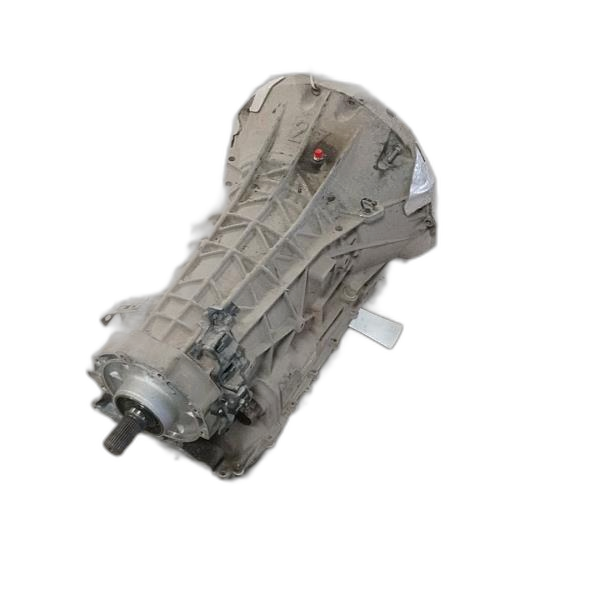
Below are the parts most often responsible for code P1826, ranked by how frequently each one is the actual culprit (per the diagnosis above). Tap any to see what we have for your vehicle.


The information in this article is provided for general reference and educational purposes only. Vehicle specifications, procedures, and part compatibility can vary by production date, trim level, and region. Always consult your vehicle's factory service manual and verify part numbers before purchasing or performing repairs. Safety-critical components such as airbags, seat belts, and braking systems should be installed by a qualified professional.
- 🧭 Diagnostic Flowchart
- 🎬 Helpful Videos
- 🛍️ Shop This Part
- What Does P1826 Mean?
- Can I Drive With P1826?
- Common Causes
- Symptoms
- Common Fixes & Costs
- Used vs. New Parts: Buying Guide
- What Happens If You Wait — Timeline
- Cost of Not Fixing It
- Diagnosis Steps
- When This Code Triggers (Freeze-Frame Conditions)
- Related Codes
- Climate & Environmental Factors
- How to Talk to a Mechanic About This Code
- Where to Take It: Dealer vs Independent vs Chain
- When to Walk Away From the Repair
- What Scan Tool You Need for This Code
- How to Clear the Code After You Fix It
- Will This Fail Emissions / State Inspection?
- Most Commonly Affected Vehicles
- Manufacturer-Specific Notes
- Real Owner Stories
- 2009 Chevrolet Silverado 1500 at 140K miles
- 2016 Kia Sorento V6 at 85K miles
- 2004 Ford F-150 4x4 at 165K miles
- How to Prevent This Code From Triggering
- Frequently Asked Questions
- What is the most common mistake when diagnosing P1826?
- Can I fix a P1826 code myself?
- Why does my transmission bang into gear with a P1826 code?
- Why is it called 'Circuit C High'?
- Will clearing the P1826 code fix the problem?
- My scanner shows P0705 and P1826. What's the difference?
- How much does it cost to fix P1826?
- Key Takeaways
- 🎟️ Get 5% Off