

OBD-II Code P1840: Comprehensive Guide to Transfer Case, Sensor & Solenoid Faults
What P1840 means, why it triggers, and how to fix it for Ford, VW, Honda, GM, and more
- P1840 is a manufacturer-specific code; on Ford trucks it indicates a transfer case shift motor failure, while on VWs it points to an internal DSG mechatronic solenoid.
- Do not drive more than 50 miles in limp mode; excessive transmission heat turns a $200 sensor replacement into a $3,000+ transmission rebuild.
- Always inspect the transfer case shift motor wiring connector for green corrosion before buying parts, as road salt frequently destroys this $30 pigtail on Ford and GM trucks.
- On 2016-2023 Honda CVT models, a blinking 'D' light with P1840 requires a dynamic drive test above 19 mph to confirm a faulty CVT speed sensor.
What Does P1840 Mean?
Code P1840 is a manufacturer-specific code indicating a fault in the 4WD system, a transmission sensor, or an internal transmission component. Because definitions vary by brand, diagnosis requires make-specific flowcharts. On trucks, it usually points to the transfer case; on sedans, it indicates an internal transmission solenoid or sensor failure.
Technical definition: As a manufacturer-specific code, P1840's SAE/ISO definition varies. Ford defines it as 'Transmission Transfer Case Shift Motor Short Circuit To Battery'. Honda defines it as 'CVT Speed Sensor Circuit Forward Rotation Range/Performance'. Volkswagen defines it as 'Pressure Control Solenoid 6 (N371) Short to B+' (VAG Code: 18248). Mercedes-Benz defines it as a 'PWM Solenoid valve 1/4 shift' fault.
Can I Drive With P1840?
Yes, But With Caution. You can drive short distances, but do not exceed 50 miles. Driving in limp mode causes excessive transmission heat, leading to internal damage that adds $2,000-$4,000 to the final repair bill. Address the issue immediately to prevent severe secondary damage.
Common Causes
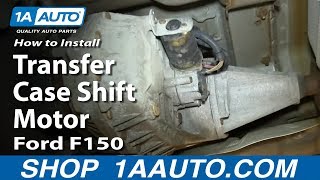
- Faulty Transfer Case Shift Motor or Sensor (Very Common) — The electric motor that shifts the vehicle into 4WD, or its internal position sensor, fails. This is the primary cause on Ford, GM, and Dodge 4WD trucks. 🎬 Watch: How to replace a Ford F-150 transfer case shift motor.
- Damaged or Corroded Wiring/Connectors (Common) — Exposed wiring and plugs for the transfer case or transmission suffer damage from road debris, moisture, and salt, causing short or open circuits.
- Faulty CVT Speed Sensor (Common) — On Honda Continuously Variable Transmissions (CVTs), a faulty speed sensor triggers P1840, causing erratic shifting and a blinking 'D' light.
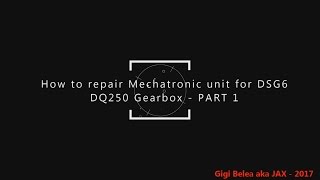
- Internal Mechatronic/Valve Body Failure (Common) — On VW DSG or Mercedes 722.7 transmissions, a failed pressure control solenoid inside the mechatronic unit 🎬 See this DIY guide for repairing a VW DSG mechatronic unit. prevents correct hydraulic pressure regulation.
- Faulty Transmission Range Sensor (TRS) (Common) — The neutral safety switch sends implausible gear selection signals (P, R, N, D) to the computer.
- Faulty Transfer Case Control Module (TCCM) (Less Common) — The dedicated 4WD computer fails due to water intrusion or internal electronic faults, common on 2009-2014 Ford F-150s.
- Contaminated Transmission Fluid (Less Common) — Dirty or degraded fluid causes erratic hydraulic valve operation. Subaru TSBs specifically link fluid contamination to P1840.
- Faulty Powertrain Control Module (PCM) (Rare) — The main engine computer fails. All other possibilities, especially wiring and component failures, must be exhaustively ruled out before condemning the PCM.
Symptoms
- Cannot Shift Into or Out of 4WD — The 4WD switch or lever fails to engage, leaving the vehicle stuck in 2WD or 4WD.
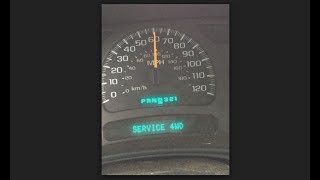
- 4WD or Service 4x4 Light On — The dedicated four-wheel-drive warning light illuminates. 🎬 Watch: A professional walkthrough for diagnosing Service 4WD system faults.
- Blinking Gear Indicator — The gear selector display (P, R, N, D) flashes continuously, signaling a transmission control fault.
- Harsh or Delayed Shifting — The transmission shifts roughly, slips, or locks into a single gear (limp mode).
- Check Engine Light On — The Malfunction Indicator Lamp (MIL) illuminates on the dashboard.
- Grinding or Clicking Noises (also visible on scanner) — Audible grinding from underneath the vehicle occurs when attempting to shift into 4WD.
- Implausible Sensor Data (scan-tool only — no driver-felt sign) — Live data on a scan tool shows incorrect gear position, speed sensor readings that don't match vehicle speed, or a transfer case position that doesn't match the commanded state.
Diagnostic Flowchart
Tap your situation to follow the diagnostic path that matches what you're seeing on this code.
Common Fixes & Costs
- Replace Transfer Case Shift Motor — Parts: $150-$350, Labor: $150-$250, ~1.0 hr book time (Intermediate)
- Repair Damaged Wiring or Connectors — Parts: $20-$50, Labor: $150-$300, ~1.5 hr book time (Intermediate)
- Replace CVT Speed Sensor — Parts: $50-$150, Labor: $150-$250, ~1.5 hr book time (Intermediate)
- Replace Transmission Valve Body Solenoid/Mechatronic Unit — Parts: $300-$1,500+, Labor: $400-$800, ~5.0 hr book time (Professional)
- Replace Transmission Range Sensor — Parts: $50-$250, Labor: $150-$300, ~2.0 hr book time (DIY)
- Replace Transfer Case Control Module (TCCM) — Parts: $200-$500, Labor: $100-$200, ~1.0 hr book time (Intermediate)
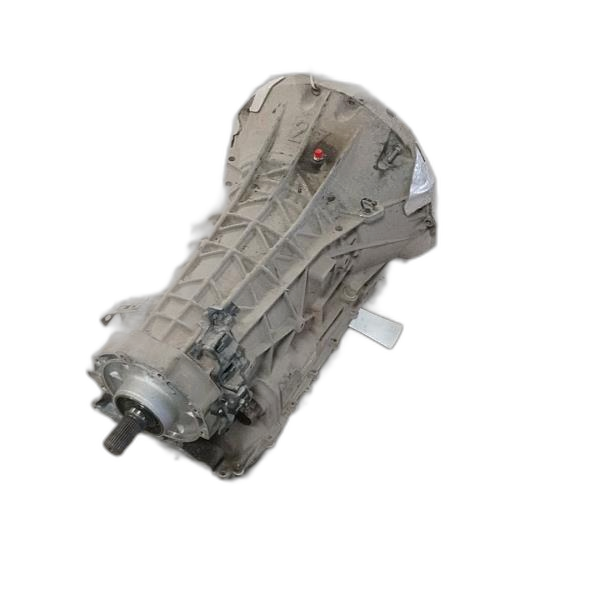
- Replace Transfer Case Assembly — Parts: $2,500+, Labor: $700-$1,000, ~7.0 hr book time (Professional)
Used vs. New Parts: Buying Guide
When a used part is worth it: For external parts like a transfer case shift motor, a used OEM part from a low-mileage (under 80k miles) vehicle is a cost-effective alternative to a new aftermarket part. It is especially viable for older, high-mileage trucks.
Donor-vehicle mileage cap: roughly under 80000 miles for the part to have meaningful remaining life.
Donor quality checklist:
- Verify the donor vehicle's mileage and ensure it was not scrapped due to a drivetrain-related failure.
- Inspect the part for corrosion, especially around electrical connectors.
- Match the part number exactly. Visual confirmation is key.
Decision logic:
- If The part is electronic and internal to the transmission, like a mechatronic unit or solenoid. → Buy new or professionally remanufactured. The risk of a used part failing is too high given the extensive labor required for installation.
- If The vehicle is over 150,000 miles and the budget is the primary concern. → A used transfer case motor is an acceptable risk, but understand it has a significantly shorter lifespan.
- If The part is a known high-failure item with a wear component (like the sensor plate in a shift motor). → Favor a new part (OEM or quality aftermarket) to get the latest design updates and a longer warranty.
Warranty tradeoff: Used parts from salvage yards typically come with a 30-90 day part-only warranty. New aftermarket parts carry a 1-year to limited lifetime warranty. Labor is never covered on a failed used part.
Worst-case if a used part fails: $300-$600 if a used part fails after installation, primarily due to repeated labor costs.
What Happens If You Wait — Timeline
- 0-1 month: Code sets and Check Engine/Service 4WD light illuminates. 4WD is disabled, but shifting is normal. No other perceived symptoms. (MPG impact: 0-2%% · Added cost: $0)
- 1-3 months: Intermittent harsh shifting, hesitation, or delayed gear engagement begins. On trucks, grinding is heard when attempting to shift 4WD. Transmission fluid overheats during long drives. (MPG impact: 3-8%% · Added cost: $50-$200 in wasted fuel and accelerated fluid degradation.)
- 3-6 months: Shifting problems become constant. Vehicle frequently enters 'limp mode,' getting stuck in 2nd or 3rd gear. Excessive heat causes permanent damage to transmission clutches and seals. (MPG impact: 10-20%% · Added cost: $800-$1,800 as damage spreads to the valve body or torque converter.)
- 6+ months: Catastrophic internal failure. Widespread damage to clutch packs and hard parts from bad fluid pressure and overheating. The transmission fails to engage any gear. (MPG impact: 20%+% · Added cost: $2,500-$5,000+ for a complete transmission rebuild or replacement.)
Cost of Not Fixing It
- 0-1 month: Inconvenience and loss of function. 4WD is unavailable, creating safety risks in poor weather. Shifting becomes harsh or erratic. (Added cost: Negligible)
- 1-6 months: Increased mechanical wear. Driving with harsh shifting or in 'limp mode' strains clutches, gears, and mounts. The transmission overheats, degrading fluid and accelerating internal wear. (Added cost: $200-$500 in potential fluid flush or minor component damage.)
- 6+ months: Catastrophic transmission damage. Prolonged operation in limp mode destroys clutches, the valve body, or the torque converter. This turns a $300 sensor repair into a $3,000+ transmission rebuild. (Added cost: $2,500-$5,000+)
Diagnosis Steps
- Read Codes & Research TSBs
Use an OBD-II scanner to confirm P1840. Immediately search for Technical Service Bulletins (TSBs) for your exact make and model to find manufacturer-specific diagnostic flowcharts.
Tools: OBD-II Scanner, Internet Access (Beginner) - Visual Inspection of Wiring
Inspect wiring harnesses and connectors at the transmission, transfer case, and TCCM. Look for chafed wires, loose pins, or green corrosion at the shift motor connector.
Tools: Flashlight, Safety Glasses, Inspection Mirror (Intermediate) - Pro Tip: Power Probe Test of Shift Motor Circuit (Ford/GM)
Unplug the shift motor. Connect a power probe or test light across the two large-gauge power wires on the harness side. Have an assistant operate the 4WD switch. Illumination confirms the TCCM and switch are sending the command.
Tools: Power Probe or Test Light, Wiring Diagram (Advanced) - Pro Tip: Dynamic Test with OEM Scan Tool (Honda)
Connect a Honda Diagnostic System (HDS). Drive safely above 19 mph for 5 seconds. Observe the 'Direction of secondary shaft rotation' PID. Any value other than 'Forward' confirms a faulty CVT speed sensor.
Tools: Honda Diagnostic System (HDS) or equivalent, Safe driving area (Advanced) - Pro Tip: Resistance Test of Solenoid (VW/Mercedes)
Test the N371 solenoid resistance at the mechatronic unit. A healthy solenoid reads 4-6 ohms. 0 ohms indicates a short circuit; OL indicates an open circuit.
Tools: Multimeter, Service Manual (Advanced) - Pro Tip: Resistance Test of Position Sensor (Ford/GM)
Measure resistance across the transfer case position sensor pins while manually turning the motor shaft. A jumpy reading or infinity (OL) indicates a failed internal contact plate.
Tools: Multimeter, Wiring Diagram (Advanced) - Check Transmission Fluid
Inspect fluid level and condition. Low or burnt fluid causes hydraulic issues. This is mandatory for Subarus, where fluid issues are a known P1840 trigger.
Tools: Rag, Dipstick (if applicable) (Beginner) - Test Sensor/Motor Circuit Voltages
Using a multimeter and a wiring diagram, check for proper reference voltage (5V or 12V) and ground at the suspect sensor or motor connector. An absence of voltage points to a wiring or module issue.
Tools: Multimeter, Vehicle-specific wiring diagram (Advanced) - Pro Tip: Manual Transfer Case Actuation Test
Remove the shift motor. Use pliers to manually turn the transfer case selector shaft. If it moves smoothly, the transfer case is fine and the motor is bad. If seized, the transfer case requires internal repair.
Tools: Wrench/Pliers, Basic Hand Tools (Advanced) - Pro Tip: Scope Test the Position/Speed Sensor Signal
Back-probe the signal wire at the sensor or control module with an oscilloscope. A good Hall-effect sensor produces a clean square wave. A noisy or flat-line signal confirms the sensor has failed.
Tools: Oscilloscope, Wiring Diagram (Professional) - Isolate the Faulty Module
If all wiring and components test good, swap the TCCM or PCM with a known-good unit. Note that replacement modules require dealer programming.
Tools: Advanced Scan Tool, Service Information (Professional)
When This Code Triggers (Freeze-Frame Conditions)
- Engine Coolant Temp: 180-210°F (The fault is most often detected when the vehicle is fully warmed up.)
- Vehicle Speed: 15-60 mph (Triggers during various conditions, from stop-and-go city driving to steady highway speeds, depending on the specific fault.)
- RPM: 1200-3000 (Occurs under moderate, steady throttle or during a gear change event.)
- Commanded Action: N/A (For 4WD systems, sets at the exact moment the driver attempts to switch between 2WD and 4WD.)
Related Codes
- P0705 — This code for 'Transmission Range Sensor Circuit Malfunction' is highly specific. If P1840 appears with P0705, the TRS is the primary suspect.
- P1846, P1849, P1853 — These are Ford-specific codes for 'Transmission Transfer Case Contact Plate Circuit Failure'. If you have these codes alongside P1840, the fault is in the shift motor's position sensor or the TCCM.
- U-codes (e.g., U0101, U3000) — Network codes take diagnostic priority. They suggest a systemic issue like a damaged wiring harness or a failed module that is causing P1840 as a secondary symptom.
- P0720 — A code for 'Output Speed Sensor Circuit Malfunction'. On Hondas, seeing P0720 alongside P1840 confirms the speed sensor or its circuit is the root cause.
Climate & Environmental Factors
- Corrosion (Rust Belt Regions): Vehicles operated in areas with heavy road salt use are highly susceptible to corrosion at the transfer case motor connector and related wiring. This corrosion creates high resistance or short circuits, and is a leading cause of P1840 on Ford and GM trucks.
- Extreme Cold: On some 4WD trucks, the transfer case fails to shift when temperatures drop below freezing. The grease inside the shift motor thickens, preventing movement. The problem often resolves itself after the vehicle is driven for 10-20 miles and the drivetrain warms up.
- Water Intrusion: The Transfer Case Control Module (TCCM) on some Ford trucks (notably 2009-2014 F-150) is located in an area prone to water intrusion from a leaking windshield or sunroof drains. A wet TCCM short-circuits, causing P1840.
How to Talk to a Mechanic About This Code
Say this: "I have a [Your Vehicle's Make, e.g., Ford F-150] with a P1840 code. I know this is a manufacturer-specific code. For my vehicle, it points to the [e.g., transfer case shift motor / VW DSG mechatronic solenoid / Honda CVT speed sensor]. I'd like to schedule a diagnostic to confirm this specific part is the failure before authorizing any repair."
This signals you've done your research and understand the code's specific meaning for your car. It directs the technician to the most likely cause, preventing a costly 'shotgun approach' of replacing unrelated parts.
Avoid saying:
- 'My check engine light is on, can you look at it?'
- 'My 4WD isn't working, just fix it.'
- 'The car is shifting funny, do whatever you think is best.'
Questions to ask before authorizing the repair:
- Did you confirm the specific failure? (e.g., 'Did you test for power at the shift motor harness?' or 'Did you perform the resistance test on the VW solenoid?')
- Is this the only possible cause, or could it be a wiring or module issue?
- Does this repair require any special programming or adaptation after the part is replaced?
- What is the warranty on the part and the labor for this specific repair?
Where to Take It: Dealer vs Independent vs Chain
- Dealer:
Recommended for VW, Mercedes, and Subaru cases, or if a Honda CVT warranty extension applies. For a common Ford shift motor, they are a safe but expensive option.
Best for: Vehicles under warranty (powertrain or extended), Complex manufacturer-specific issues (VW/Audi DSG, Mercedes, Subaru), Repairs requiring software updates or specific programming (TCM flashes)
Downsides: Highest labor rates, Often defaults to replacing entire expensive assemblies instead of smaller components. (Typical cost: +50% vs. baseline) - Independent Shop:
Best overall fit for the most common version of this code (Ford/GM transfer case motor). A well-vetted, brand-specialist indie is also a great choice for the more complex VW/Honda versions.
Best for: Out-of-warranty domestic trucks (Ford, GM) with the common transfer case motor issue., Shops that specialize in a specific make (e.g., a European auto specialist for the VW/Mercedes fault)., Cost-conscious owners of older vehicles.
Downsides: Quality and expertise vary greatly. Vet shops by reviews and ask if they have experience with your specific P1840 issue., May not have the expensive, dealer-level tools required for programming or complex adaptations. (Typical cost: +0% vs. baseline) - Chain Shop:
AVOID for P1840 diagnosis and repair. The risk of an incorrect diagnosis leading to expensive and unnecessary repairs is extremely high.
Best for: Simple, unrelated maintenance like oil changes or tires.
Downsides: High risk of misdiagnosis due to the code's complexity., Technicians often lack specialized transmission or brand-specific training., High pressure to upsell unnecessary services. (Typical cost: -10% vs. baseline)
When to Walk Away From the Repair
If the estimated repair cost for P1840 exceeds 50% of your car's private-party value, it's time to seriously consider selling the vehicle as-is or trading it in.
- Car worth $8000, fix is $700: Fix it. This is a 2011 Ford F-150 with a bad transfer case motor. The repair cost is less than 10% of the vehicle's value.
- Car worth $3500, fix is $2200: Walk away. This is a 2010 VW Jetta with a failed mechatronic unit. The repair cost is over 60% of the car's value.
- Car worth $15000, fix is $300: Fix it. This is a 2017 Honda CR-V with a faulty CVT speed sensor. The repair is minor and essential for the vehicle's operation.
What Scan Tool You Need for This Code
Minimum: A scanner that can read manufacturer-specific transmission codes and display live data from the Transmission Control Module (TCM).
A basic $20 code reader only shows the P1840 code, but it won't tell you the crucial manufacturer-specific definition. It cannot display the live sensor data needed to confirm the actual point of failure, leading you to waste money on incorrect parts.
Budget: BlueDriver Pro (~$100) — Reads enhanced transmission codes for most major brands and displays live data streams on your smartphone. This is enough to diagnose the common Ford shift motor or Honda speed sensor issues by watching the sensor values change in real-time.
Mid-range: Foxwell NT510 Elite / Autel MD808 Pro (~$150-350) — Offers deep manufacturer-specific diagnostics. For VW/Audi, they perform the critical 'Basic Settings' adaptation required after a mechatronic repair. For Ford/GM, they access the TCCM directly to test outputs.
Professional: Autel MaxiCOM MK808 / Launch X431 Series (~$500-1200) — Provides full bidirectional control to command modules and components directly (e.g., force the transfer case motor to shift). Offers OEM-level functions, coding, and guided diagnostics for all makes.
Rent vs buy: For a first-time code read, you can use AutoZone's free Fix Finder service. However, you cannot rent a scanner to take with you for live data diagnosis. Given the complexity of P1840, buying a capable scanner like the BlueDriver is a wise investment.
How to Clear the Code After You Fix It
- Reconnect battery if disconnected for the repair.
- Use a quality OBD-II scan tool to erase the diagnostic trouble codes.
- For VW/Audi DSG repairs, perform a 'Basic Settings' adaptation using a specialized scan tool like VCDS.
- Perform a complete drive cycle to allow readiness monitors to become 'Ready'.
Drive cycle (~30 minutes): A generic drive cycle includes a cold start (vehicle sits for 8+ hours), 2-3 minutes of idling, 10-15 minutes of steady highway driving (around 55 mph), followed by 10-15 minutes of stop-and-go city driving.
Readiness monitors affected: Comprehensive Component Monitor, Transmission
Before emissions retest: drive at least 50 miles to fully set monitors.
Watch out for:
- Disconnecting the battery clears the code but resets all readiness monitors to 'Not Ready', causing an automatic emissions test failure.
- The code returns immediately or within a few miles if the underlying mechanical or electrical fault remains.
- Forgetting to perform the required 'Basic Settings' on a VW/Audi DSG transmission after a mechatronic repair causes the code to return and the transmission to perform poorly.
Will This Fail Emissions / State Inspection?
Yes — this code typically fails an OBD-II emissions inspection.
- California: An illuminated Check Engine Light results in an automatic failure of the smog check. After repair, a full drive cycle must be completed to set the readiness monitors before a retest is possible.
- New York: The NYS inspection includes an OBD-II scan. Any fault code that illuminates the Check Engine Light, including P1840, causes the vehicle to fail the inspection.
- Texas: In counties requiring emissions testing, an illuminated Check Engine Light is an automatic failure. After clearing the code, you must complete a drive cycle, as having too many 'Not Ready' monitors also results in a failure.
Most Commonly Affected Vehicles
- Ford F-150, Expedition (2004-2018) — Extremely common issue with the transfer case shift motor and its wiring. 2009-2014 models are also known for TCCM failures due to water intrusion.
- Ford Explorer, Ranger (2002-2011) — Frequently experiences failures of the transfer case shift motor or the mode position sensor.
- Chevrolet / GMC Silverado / Sierra 1500 (1999-2007) — Often related to the transfer case encoder motor or the position sensor within the transfer case, causing a 'Service 4WD' message.
- Volkswagen Golf, Jetta, Passat (w/ DSG) (2006-2013) — On models with the DQ250 6-speed DSG, P1840 (VAG: 18248) points to a faulty Pressure Control Solenoid 6 (N371) inside the mechatronic unit.
- Honda Civic, Accord, CR-V (w/ CVT) (2016-2023) — On these CVT-equipped models, P1840 relates to a CVT speed sensor performance issue. Diagnosis involves specific drive cycles exceeding 19 mph for 5+ seconds.
- Nissan Titan / Armada (2004-2015) — On these models, P1840 points to issues with an internal transmission fluid pressure sensor or transfer case components.
- Mercedes-Benz A-Class (W168), B-Class (W245) (1998-2011) — For vehicles with the 722.7 5-speed automatic, P1840 indicates a defective PWM solenoid valve (Y3/7y1) for the 1-4 shift, located on the valve body.
- Subaru Legacy, Outback, Tribeca (2010-2013) — Defines P1840 as 'Transmission Fluid Pressure Sensor/Switch A Circuit'. TSBs suggest the cause is fluid contamination or a software glitch, fixed with a fluid flush or TCM reprogram.
Manufacturer-Specific Notes
- Ford: On many Ford trucks, this code is almost exclusively related to the transfer case shift motor, its internal position sensor, or the TCCM.
- Volkswagen: On models with the 6-speed DQ250 DSG gearbox, P1840 (VAG: 18248) points directly to a 'Pressure Control Solenoid 6 (N371) Short to B+' fault within the internal mechatronic unit.
- Honda: For modern Hondas with CVTs, P1840 points to a problem with the CVT speed sensor's performance, not a 4WD system. A blinking 'D' indicator is the primary symptom.
- Mercedes-Benz: On the 722.7 automatic transmission, P1840 indicates a faulty PWM solenoid (Y3/7y1) on the valve body, causing the transmission to enter limp mode with an 'F' on the dash display.
- Subaru: TSBs 11-118-12R and 16-90-12R2 address P1840 on some 5AT models. A transmission fluid flush or a TCM reprogram must be attempted before replacing the valve body.
- General Motors (GM): On GM trucks and SUVs, this code is linked to the transfer case encoder motor ring or the position sensor, causing 'Service 4WD' messages.
- Nissan: Nissan uses this code to indicate a problem with an internal transmission fluid pressure sensor, which is a different issue than the transfer case faults seen on other brands.
Real Owner Stories
2011 Ford F-150 at 125K miles - The Classic Shift Motor Failure
Owner noticed the 'Service 4x4' light came on. When trying to switch from 2H to 4H for the winter, nothing happened. The switch lit up, but there was no sound of the motor engaging.
What they tried:
- Checked the 4x4 system fuse, which was good.
- Scanned for codes and found P1840 - 'Transfer Case Shift Motor Short Circuit To Battery'.
- Visually inspected the wiring connector at the shift motor and found significant green corrosion from road salt.
Outcome: After cleaning the connector didn't work, the owner replaced the entire transfer case shift motor assembly. The new Dorman part cost $180. The repair took 90 minutes using basic hand tools. After installation, the 4WD system worked perfectly.
Lesson: On Ford trucks, P1840 almost always points to the shift motor or its wiring. Always inspect the connector for corrosion first, but be prepared to replace the motor assembly as the internal position sensor often fails.
2017 Honda CR-V at 85K miles - The Blinking 'D' Light Misdiagnosis
While driving normally, the 'D' on the gear shift indicator began to blink. The Check Engine Light also came on. The car seemed to drive and shift okay.
What they tried:
- A general mechanic scanned the code and found P1840 - 'CVT Speed Sensor Circuit Performance'.
- The mechanic suggested a major internal CVT issue and quoted over $3,000 for a transmission replacement.
- Owner sought a second opinion at a Honda specialist.
Outcome: The specialist checked live data and confirmed the CVT speed sensor was providing no signal. They replaced the faulty CVT speed sensor for $120 (part) and one hour of labor ($150). The total repair was under $300, and the blinking light did not return.
Lesson: A blinking 'D' light on a Honda is an electrical fault code for the transmission. Don't assume the worst. For P1840 on a modern Honda, the cause is very often a failed speed sensor, which is an inexpensive fix.
2010 VW Jetta with DSG at 110K miles - The Internal Solenoid Fault
Owner experienced increasingly harsh and jerky shifting, especially when downshifting. The car felt like it was being 'kicked' from behind when coming to a stop. The PRNDS indicator started flashing.
What they tried:
- An independent shop scanned the codes and found P1840 (VAG: 18248), defined as 'Pressure Control Solenoid 6 (N371) Short to B+'.
- The shop recommended a full mechatronic unit replacement, quoting over $2,500.
Outcome: The owner found a transmission specialist familiar with DSG repairs. The specialist confirmed the N371 solenoid had failed via a resistance test. They replaced just the faulty solenoid pack inside the transmission. The repair cost $1,200 for parts and labor, saving the owner over $1,300.
Lesson: On a VW with a DSG transmission, P1840 is a very specific code pointing to an internal solenoid failure. Seek out a specialist who can replace the individual solenoid pack rather than the entire expensive mechatronic unit.
How to Prevent This Code From Triggering
- Change Transfer Case Fluid (4WD Trucks) (Every 30,000-60,000 miles) — Removes metal shavings and old fluid, ensuring proper lubrication and cooling of the internal gears and chain. This prevents overheating and premature wear.
- Change Automatic/DSG Transmission Fluid & Filter (Every 40,000 miles for DSG; 60,000-100,000 for traditional automatics.) — Clean fluid is essential for the health of internal solenoids and the mechatronic/valve body. Contaminated fluid clogs solenoid passages, causing them to stick or burn out.
- Periodically Engage 4WD System (Once a month for a short distance) — Activates the shift motor and lubricates its internal gears and the transfer case linkage. This prevents the motor from seizing due to long periods of inactivity.
- Apply Dielectric Grease to Exposed Connectors (During other under-vehicle maintenance) — Protects electrical connections for the transfer case motor and transmission sensors from moisture and road salt. This prevents corrosion and short circuits.
- Avoid Aggressive Shifting and High-Load Driving (Daily driving habit) — Smooth driving habits reduce stress and heat on internal transmission components like solenoids and clutch packs.
Frequently Asked Questions
What is a transfer case shift motor?
It is a small electric motor on 4WD vehicles that physically shifts the transfer case gears to engage or disengage four-wheel drive when you press the button inside the cabin.
What are common misdiagnosis pitfalls for P1840?
The biggest pitfall is ignoring the manufacturer-specific definition. Replacing a transfer case motor on a VW is incorrect, as the code points to an internal mechatronic solenoid. Always check for TSBs before buying parts.
Can a bad battery cause code P1840?
Yes. A low battery causes low system voltage, leading to communication errors between modules that trigger P1840.
Why is my 'Service 4x4' light flashing?
A flashing light means the Transfer Case Control Module (TCCM) is attempting to make a shift but is not receiving the correct signal back from the position sensor. This indicates a fault with the motor, sensor, or wiring.
Can I fix P1840 myself?
DIY repair is possible for external components like a transfer case shift motor or a transmission range sensor. However, internal transmission parts like a VW valve body solenoid require specialized tools and programming. Stop DIY and go to a shop if the repair requires opening the transmission pan.
How much does it cost to fix P1840?
A wiring repair costs $150-$300. Replacing a transfer case shift motor typically costs $300-$600. A complex repair like replacing a VW mechatronic unit or a Mercedes valve body costs $1,200-$2,500.
Is P1840 a serious code?
Yes. While it won't leave you stranded immediately, it disables your 4WD system and forces the transmission into limp mode, which causes expensive secondary damage if ignored.
What is a TCCM?
TCCM stands for Transfer Case Control Module. It is the dedicated computer in 4WD vehicles that controls the shift motor to engage or disengage the four-wheel-drive system.
Key Takeaways
- P1840 is a manufacturer-specific code; on Ford trucks it indicates a transfer case shift motor failure, while on VWs it points to an internal DSG mechatronic solenoid.
- Do not drive more than 50 miles in limp mode; excessive transmission heat turns a $200 sensor replacement into a $3,000+ transmission rebuild.
- Always inspect the transfer case shift motor wiring connector for green corrosion before buying parts, as road salt frequently destroys this $30 pigtail on Ford and GM trucks.
- On 2016-2023 Honda CVT models, a blinking 'D' light with P1840 requires a dynamic drive test above 19 mph to confirm a faulty CVT speed sensor.
Helpful Videos

Shop the Parts Behind P1840
Below are the parts most often responsible for code P1840, ranked by how frequently each one is the actual culprit (per the diagnosis above). Tap any to see what we have for your vehicle.



The information in this article is provided for general reference and educational purposes only. Vehicle specifications, procedures, and part compatibility can vary by production date, trim level, and region. Always consult your vehicle's factory service manual and verify part numbers before purchasing or performing repairs. Safety-critical components such as airbags, seat belts, and braking systems should be installed by a qualified professional.
- 🧭 Diagnostic Flowchart
- 🎬 Helpful Videos
- 🛍️ Shop This Part
- What Does P1840 Mean?
- Can I Drive With P1840?
- Common Causes
- Symptoms
- Common Fixes & Costs
- Used vs. New Parts: Buying Guide
- What Happens If You Wait — Timeline
- Cost of Not Fixing It
- Diagnosis Steps
- When This Code Triggers (Freeze-Frame Conditions)
- Related Codes
- Climate & Environmental Factors
- How to Talk to a Mechanic About This Code
- Where to Take It: Dealer vs Independent vs Chain
- When to Walk Away From the Repair
- What Scan Tool You Need for This Code
- How to Clear the Code After You Fix It
- Will This Fail Emissions / State Inspection?
- Most Commonly Affected Vehicles
- Manufacturer-Specific Notes
- Real Owner Stories
- 2011 Ford F-150 at 125K miles - The Classic Shift Motor Failure
- 2017 Honda CR-V at 85K miles - The Blinking 'D' Light Misdiagnosis
- 2010 VW Jetta with DSG at 110K miles - The Internal Solenoid Fault
- How to Prevent This Code From Triggering
- Frequently Asked Questions
- What is a transfer case shift motor?
- What are common misdiagnosis pitfalls for P1840?
- Can a bad battery cause code P1840?
- Why is my 'Service 4x4' light flashing?
- Can I fix P1840 myself?
- How much does it cost to fix P1840?
- Is P1840 a serious code?
- What is a TCCM?
- Key Takeaways
- 🎟️ Get 5% Off