

OBD-II Code P1875: 4-Wheel Drive Low Switch Circuit Malfunction
What P1875 means, why it triggers, and how to fix it
- Always verify your vehicle's manufacturer before buying parts; P1875 means a $4,000 transmission fault on a GM, but a $150 electrical switch fault on a Ford.
- On 1996-2007 GM trucks, P1875 indicates a worn transmission valve body causing a harsh 1-2 shift, requiring a $550-$1,050 repair kit to fix.
- For Ford and Jeep vehicles, P1875 points to a failed 4WD selector switch, which you can definitively diagnose in 10 minutes using a $20 multimeter.
- Do not clear a P1875 code on a GM vehicle and continue driving; the underlying torque converter slip generates excessive heat that destroys transmission clutches within 3 to 12 months.
- On Mitsubishi and Subaru models, P1875 is frequently triggered by electrical interference on the CAN bus from improperly installed aftermarket stereos or remote starters.
What Does P1875 Mean?

P1875 is a manufacturer-specific code with several different meanings. For most Ford, Jeep, and Suzuki vehicles, it indicates the Powertrain Control Module (PCM) detected an electrical problem in the 4-Wheel Drive (4WD) low range switch circuit. On many General Motors vehicles, this code is triggered by a slipping component inside the transmission, causing a harsh 1-2 shift. On Mitsubishi, Subaru, and Mercedes-Benz vehicles, it points to entirely different systems like damper sensors, CAN bus communication errors, or emission test modes. For some Citroen and Peugeot models, it indicates a fault in the semi-automatic MMT gearbox.
Technical definition: The official SAE definition for P1875 is "Transmission Mechanical Transfer Case 4x4 Switch Circuit Malfunction" or "4WD Low Switch Circuit Electrical". This indicates the control module detected an open, short to ground, or short to power in the circuit for the switch that monitors 4WD Low engagement. Manufacturers have adapted this code for other purposes, such as indicating a 'Damper Speed Sensor' fault on a Mitsubishi, a 'CAN communication with ESP' error on a Mercedes-Benz, or a 'Gearbox Potentiometer #2 Error' on some European models.
Can I Drive With P1875?
Yes, But With Caution. You can drive with this code, but its meaning varies entirely by manufacturer. On GM vehicles, it causes harsh shifting that destroys transmission clutches if ignored, turning a $900 valve body repair into a $4,000 transmission rebuild. On Ford or Jeep, it simply disables your 4WD system. Diagnose the issue promptly to prevent escalating repair costs.
Common Causes

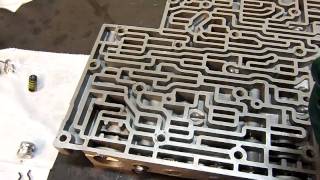
- Worn Torque Converter Clutch (TCC) Valve Bore in Transmission Valve Body (GM vehicles) (Very Common) — On GM transmissions like the 4L60E, the bore inside the valve body that houses the TCC regulator valve wears out. This causes a fluid leak, leading to torque converter slippage. The computer detects this slip and triggers code P1870 or P1875, commanding maximum line pressure, which results in a harsh 1-2 shift. 🎬 Watch: How to fix the TCC valve without removing the valve body.
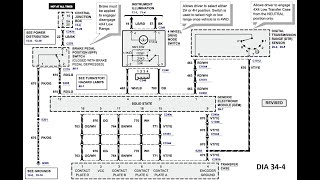
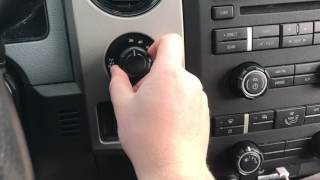
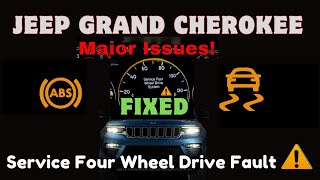
- Faulty 4WD Selector Switch (Ford/Jeep) (Common) — On Ford, Jeep, and other non-GM vehicles, the switch itself fails. The switch, located on the transfer case or dashboard, wears out, gets damaged, or suffers internal contact failure. 🎬 See this walkthrough on replacing and testing the Ford 4WD switch.
- Damaged Wiring or Corroded Connectors (Common) — The wiring harness going to the transfer case switch is exposed to the elements. Wires chafe, break, or short, and connectors fill with moisture and corrode, interrupting the signal. This is also a primary cause for unique faults on Subaru and Mitsubishi models.
- Faulty Shift Solenoid (Toyota/Peugeot/Citroen) (Common) — On platform-sharing models like the Toyota Aygo, Peugeot 107, and Citroen C1 with Multi-Mode Transmissions (MMT), P1875 points to a faulty shift solenoid that controls gear changes in the automated manual gearbox.
- Faulty Transfer Case Control Module (TCCM) (Less Common) — The TCCM controls the 4WD system. It fails internally due to issues like water intrusion in the passenger kick-panel area, sending incorrect signals or failing to recognize the switch position.
- Aftermarket Electrical Accessory Interference (Less Common) — On vehicles with sensitive CAN bus systems, like Mitsubishi and Subaru models, improperly installed aftermarket electronics (stereos, amplifiers, remote starters) cause voltage drops or electrical noise. This interference disrupts communication between modules, triggering a false P1875 code.
Symptoms

- Check Engine Light is On — The Malfunction Indicator Lamp (MIL) illuminates on your dashboard.
- Harsh 1-2 Shift (Primarily GM) — After the vehicle warms up, the shift from 1st to 2nd gear becomes very firm or bangs into gear. This happens because the computer detects internal slippage and increases transmission line pressure to protect the clutches.
- 4WD System Inoperative or 4x4 Light Flashing — You are unable to shift into or out of 4WD Low. The '4x4' or 'Service 4WD' light is on, off when it should be on, or flashing.
- 'F' in Instrument Cluster Display (Mercedes-Benz) — On affected Mercedes A-Class models, a letter 'F' appears on the gear display, and the transmission enters a limp-home mode, stuck in second gear.
- Incorrect or Erratic Gear Position Displayed — The gear indicator shows the wrong gear or behaves erratically, a common symptom on vehicles where P1875 relates to a gear position sensor or selector module.
Diagnostic Flowchart
Tap your situation to follow the diagnostic path that matches what you're seeing on this code.
Common Fixes & Costs
- Install a TCC Valve Repair Kit (GM) — Parts: $50-$150, Labor: $500-$900, ~4.5 hr book time (Professional)
- Replace the 4WD Selector Switch (Ford/Jeep) — Parts: $40-$150, Labor: $65-$180, ~1.0 hr book time (DIY)
- Replace the Transmission Valve Body (GM) — Parts: $300-$600, Labor: $500-$900, ~4.5 hr book time (Professional)
- Repair Damaged Wiring or Connectors — Parts: $10-$50, Labor: $150-$400, ~2.0 hr book time (Intermediate)
- Replace Shift Solenoid (Toyota/Peugeot/Citroen) — Parts: $80-$150, Labor: $200-$400, ~2.5 hr book time (Intermediate)
Used vs. New Parts: Buying Guide
When a used part is worth it: A used 4L60E valve body is rarely a good idea. The wear that causes P1875 is microscopic and cannot be seen. A used unit likely has the same problem or will develop it soon. A used part only makes sense if it is from a verified low-mileage vehicle scrapped for reasons unrelated to the powertrain.
Donor-vehicle mileage cap: roughly under 50000 miles for the part to have meaningful remaining life.
Donor quality checklist:
- Favor remanufactured valve bodies from reputable brands like Sonnax over used ones.
- A quality remanufactured unit is reamed and fitted with oversized valves to correct the original design flaw.
- Verify the part number exactly, as there are variations by year.
- Avoid parts from vehicles scrapped due to transmission failure.
Decision logic:
- If The problem is the GM TCC valve bore wear → Buy a remanufactured valve body with Sonnax updates or a valve/sleeve repair kit. Do not buy a standard used valve body.
- If The problem is a Ford 4WD switch → Buy a new OEM (Motorcraft) or quality aftermarket switch. Used switches are a gamble for a relatively low-cost part.
- If Vehicle is high mileage and budget is the top priority → A used part is a high-risk option; expect a significantly shorter lifespan and be prepared for it to fail.
Warranty tradeoff: Used parts typically have a 30-90 day warranty, which is not long enough for the failure to reappear. Remanufactured valve bodies often come with a 1-year to limited lifetime warranty.
Worst-case if a used part fails: $600-1200 if a used valve body fails after installation, requiring you to pay for labor a second time plus the cost of another part.
What Happens If You Wait — Timeline
- 0-2 months: Initial TCC valve bore wear begins. On a GM vehicle, you notice a slight, intermittent RPM flare of 100-200 RPM at highway speed as the TCC struggles to hold lockup. The Check Engine Light is not yet on. (MPG impact: 1-3%% · Added cost: $0-50 in wasted fuel)
- 2-6 months: The bore wear is significant enough that the computer detects the TCC slip (over 100 RPM) and sets code P1870 or P1875. The PCM commands maximum line pressure to compensate, causing a harsh 1-2 shift after the fluid warms up. (MPG impact: 5-10%% · Added cost: $50-200 in wasted fuel. The repair is still contained to a valve body fix ($550-$1050).)
- 6-12 months: Continued driving with high line pressure and a slipping TCC causes the torque converter clutch lining to burn up. This sends abrasive debris throughout the transmission fluid, contaminating solenoids and scoring other valve bores. Transmission overheating becomes more frequent. (MPG impact: 10-20%% · Added cost: $2000-$3500 (Now requires a new torque converter and a valve body replacement or transmission rebuild).)
- 12+ months: Catastrophic failure. The contaminated fluid and debris destroy the 3-4 clutch pack, pump, and other hard parts. The transmission has no forward gears or slips severely in all gears. A complete rebuild or replacement is the only option. (MPG impact: 20-50% (if drivable)% · Added cost: $4000-$8000 (Full transmission replacement/rebuild cost).)
Cost of Not Fixing It
- 0-3 months: On GM vehicles, continued driving with a harsh 1-2 shift causes excessive wear on transmission clutches and bands. Fuel economy decreases due to the torque converter failing to lock up. (Added cost: Negligible, but internal wear is accelerating.)
- 3-12 months: The torque converter clutch material completely burns out, contaminating the transmission fluid with abrasive debris. This leads to overheating and damage to solenoids and other valve body components. (Added cost: $2000-$3500)
- 12+ months: Catastrophic transmission failure. The contaminated fluid and debris destroy multiple hard parts (gears, drums, pump). The transmission requires a complete rebuild or replacement. (Added cost: $4000-$8000)
Diagnosis Steps

- Scan for Codes and Freeze Frame Data
Use an OBD-II scanner to confirm P1875 and look for related codes (e.g., P1870, P0741 on GM). Note the specific definition provided by the scan tool. Check the freeze frame data to see the exact vehicle speed and temperature when the code triggered.
Tools: OBD-II Scanner (Beginner) - Monitor TCC Slip Speed (GM Vehicles)
Using an advanced scan tool with live data, monitor the Torque Converter Clutch (TCC) slip speed PID while driving. When the TCC is commanded 'On' (typically in 3rd or 4th gear under light load), a healthy system shows a slip RPM of less than 50 RPM. Slip speeds consistently above 100 RPM confirm a hydraulic leak from the worn TCC valve bore.
Tools: Advanced OBD-II Scanner with Live Data (Intermediate) - Test the 4WD Switch Resistance (Ford/Jeep)
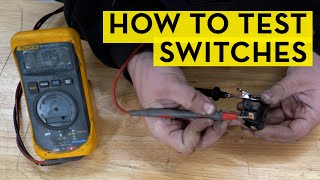
For trucks with an electronic switch, test the resistance across the center pins of the switch connector. Expected values for Ford are approximately: 3900 Ohms in 2H, 1100 Ohms in 4H, and 360 Ohms in 4L. A reading of 0 Ohms or 'OL' (Open Loop) in any position indicates a failed switch.
Tools: Multimeter, Vehicle-specific wiring diagram (Intermediate) - Inspect Wiring, Connectors, and Fuses
Visually inspect the wiring harness and connectors going to the transfer case, transmission, and related control modules. Look for damage, chafing against the frame, or corrosion in the connectors. Check all fuses related to the transmission and 4WD system.
Tools: Flashlight, Multimeter (Beginner) - Test Circuit Integrity and Reference Voltage
At the sensor/switch connector, use a multimeter to verify the 5.0V reference voltage (Vref) from the PCM/TCCM with the ignition on, engine off. A reading below 4.8V or no voltage indicates a wiring or control module problem. Gently wiggle the harness while monitoring the multimeter to locate intermittent shorts.
Tools: Multimeter, Back-probe pins, Wiring Diagram (Advanced) - Inspect the Valve Body (GM)
If TCC slip is confirmed via live data, remove the transmission pan and valve body. Visually inspect the TCC regulator valve bore for a noticeable ridge or wear where the valve slides. This wear is the root cause of the internal leak.
Tools: Socket Set, Drain Pan, Torque Wrench (Professional)
When This Code Triggers (Freeze-Frame Conditions)
- Transmission Fluid Temp: 160-220°F (Fully warmed up; the GM hydraulic leak issue is masked when the fluid is cold and thick.)
- Vehicle Speed: 45-60 mph (Steady highway cruising where the torque converter is commanded to lock.)
- RPM: 1500-2500 (Stable engine speed under light to moderate load.)
- TCC Slip Speed (GM): > 100 RPM (The computer commands the Torque Converter Clutch (TCC) on, but detects excessive slippage, triggering the fault.)
Related Codes
- P1870 — This is a GM-specific code for 'Transmission Component Slipping'. It is set for the exact same reason as P1875 on GMs: a worn TCC valve bore. P1870 is the direct code for the slip itself, while P1875 is set on some models as the PCM's reaction to the slip (commanding max line pressure).
- P0741 — This code means 'Torque Converter Clutch Circuit Performance or Stuck Off'. It often appears with P1875/P1870 on GM vehicles. P0741 points directly to the TCC's failure to lock. If the PCM commands the TCC 'On' but slip RPM remains high, it confirms the TCC is not locking, validating the P0741 code.
- P1810 — This GM code for 'Transmission Fluid Pressure (TFP) Valve Position Switch Circuit' is a close cousin to P1875. It is caused by debris from normal wear contaminating the TFP switch assembly inside the transmission, causing it to short out or stick. Like P1875, it points to an internal issue that causes harsh shifting.
- P0751 — This code is for 'Shift Solenoid 'A' Performance/Stuck Off'. It is confused with P1875 on GMs because both cause harsh shifts. A P0751 fault causes predictable issues in multiple gears regardless of temperature, whereas the P1875 harsh shift is exclusively the 1-2 shift and only occurs after the fluid warms up.
Climate & Environmental Factors
- Humidity and Water Exposure: For circuit-related faults (Ford/Jeep), water ingress into connectors on the transfer case or into the Transfer Case Control Module (TCCM) leads to corrosion, short circuits, and setting P1875. This is common in the Rust Belt or areas with frequent water crossings.
- Cold Weather: For the GM P1870/P1875 issue, cold weather masks the problem. The harsh 1-2 shift symptom typically only appears after the transmission fluid warms up (above 200°F) and thins out, allowing the hydraulic leak at the TCC valve to become significant.
- Hot Weather / Towing: For the GM issue, hot weather or heavy loads cause the transmission fluid to heat up faster, making the harsh 1-2 shift symptom appear sooner and more consistently. The underlying slippage generates significant heat, compounded by high ambient temperatures.
How to Talk to a Mechanic About This Code
Say this: "Be specific based on your vehicle. For a GM: "I have a P1875 code and a harsh 1-2 shift when warm. I'd like a diagnosis confirming TCC slip with a scan tool before we discuss repair options like a valve body kit." For a Ford/Jeep: "I have a P1875 and my 4WD isn't working. Can you test the selector switch and its wiring circuit for opens or shorts?""
This signals you've done research and directs the mechanic to the most likely cause, preventing them from wasting time (and your money) on incorrect diagnostic paths, like checking a 4WD switch on a GM or quoting a transmission rebuild for a Ford.
Avoid saying:
- 'My check engine light is on, can you look at it?'
- 'My truck is shifting hard.'
- 'Just fix whatever is wrong.'
Questions to ask before authorizing the repair:
- For GM: What was the measured TCC slip RPM on the live data scan during the test drive?
- For Ford/Jeep: Did you test the switch with a multimeter, and what were the resistance readings? Was the fault in the switch, the connector, or the harness?
- What is the warranty on both the parts and the labor for this specific repair?
- Will you provide me with a detailed, itemized estimate before any work begins?
Where to Take It: Dealer vs Independent vs Chain
- Dealer:
Recommended for under-warranty vehicles or complex non-GM/Ford electronic faults. Use with caution for out-of-warranty GM vehicles, as you may be quoted an unnecessarily expensive repair.
Best for: Vehicles still under a powertrain warranty., Complex manufacturer-specific quirks (e.g., Mercedes CAN bus issues, Subaru DCCD faults) where proprietary diagnostic tools are essential.
Downsides: Significantly higher labor rates (1.5-2x) than independent shops., May default to recommending a complete (and very expensive) transmission replacement for the GM issue, when a less costly valve body repair would suffice. (Typical cost: +50% vs. baseline) - Independent Shop:
Best overall choice. For GM vehicles, seek out an independent *transmission specialty* shop. For Ford/Jeep electrical issues, a trusted general independent mechanic is ideal.
Best for: Out-of-warranty vehicles where cost is a major factor., The GM P1875 valve body repair (at a transmission specialty shop)., The Ford/Jeep P1875 electrical circuit diagnosis and repair (at a general auto repair shop).
Downsides: Quality and expertise vary widely. You must find a shop with a good reputation. For the GM issue, a general mechanic may not have the expertise; a transmission specialist is required. (Typical cost: +0% vs. baseline) - Chain Shop:
AVOID. The complexity and vehicle-specific nature of P1875 make these shops a poor choice. The risk of misdiagnosis, unnecessary upselling, or an incorrect repair is very high.
Best for: Simple jobs like oil changes, tires, and brakes.
Downsides: Technician skill varies dramatically., High pressure to upsell services., Generally lack the specialized knowledge for internal transmission work (GM) or in-depth electrical diagnostics (Ford). They are very likely to misdiagnose this code or recommend a costly, outsourced transmission replacement. (Typical cost: -10% vs. baseline)
When to Walk Away From the Repair
If the estimated repair cost exceeds 50% of the car's private-party value (check Kelley Blue Book or Edmunds), it is often time to consider selling or trading in the vehicle.
- Car worth $8000, fix is $900: Fix it. A $900 valve body repair on an $8,000 GM truck is well below the threshold and prevents a future $4,000+ failure.
- Car worth $4000, fix is $400: Fix it. A $400 switch or wiring repair on a $4,000 Ford truck is a small investment to restore full functionality.
- Car worth $3000, fix is $4500: Walk away. The transmission has failed catastrophically from ignoring the initial GM symptoms. The repair cost is 150% of the car's value.
What Scan Tool You Need for This Code
Minimum: A scanner that can read manufacturer-specific live data, specifically the Torque Converter Clutch (TCC) Slip Speed PID for GM vehicles.
A basic $20 code reader only shows you the 'P1875' code, which is useless given its different meanings. It cannot display the live TCC slip data required to definitively diagnose the internal transmission problem on a GM vehicle, leading you to guess and waste money.
Budget: BAFX Products Wireless OBD2 Scanner / BlueDriver Pro (~$30) — When paired with a capable smartphone app (like Torque Pro for Android), these basic adapters access the necessary live data PIDs like TCC Slip RPM. This is the most affordable way to get the data needed for a GM diagnosis.
Mid-range: Foxwell NT510 Elite (~$150) — Comes pre-loaded with vehicle-specific software (e.g., for GM) that provides OE-level diagnostics. It reliably reads TCC slip, commands the TCC on/off for testing (bi-directional control), and accesses all transmission-related modules, making diagnosis much easier and more certain.
Professional: Autel MaxiCOM MK808 / Launch CRP919 (~$450-700) — These professional-grade tools offer full bidirectional control of all vehicle systems, extensive live data graphing, and access to all manufacturer-specific codes and data. They are essential for diagnosing the more obscure electronic causes on makes like Mercedes, Subaru, or Mitsubishi.
Rent vs buy: For a one-time diagnosis, many auto parts stores rent scanners for free with a deposit. However, you MUST verify that the rental unit can display live, manufacturer-specific transmission data (TCC Slip). If not, it's better to buy an affordable but capable scanner to avoid misdiagnosis.
How to Clear the Code After You Fix It
- Use an OBD-II scan tool to clear the diagnostic trouble code.
- Perform a complete drive cycle to ensure all readiness monitors have run.
- Check for any pending codes after the drive cycle.
Drive cycle (~20 minutes): Start the engine from a cold start (coolant temp below 122°F). Idle for 2-3 minutes with electrical loads on (A/C, rear defrost). Accelerate to 55 mph and hold a steady speed for 3-5 minutes. Let the vehicle coast down to 20 mph without using the brake. Accelerate to 55-60 mph and hold for another 5 minutes. Coast down again.
Readiness monitors affected: Catalyst Monitor, EVAP System Monitor, Oxygen Sensor Monitor
Before emissions retest: drive at least 50 miles to fully set monitors.
Watch out for:
- Clearing the code does not fix the underlying issue; the code returns immediately once fault conditions are met.
- Disconnecting the battery clears the code but resets all readiness monitors, requiring up to 100 miles of varied driving to complete.
- Failing to let the vehicle cool down to ambient temperature before starting the drive cycle prevents certain monitors from running.
Will This Fail Emissions / State Inspection?
Yes — this code typically fails an OBD-II emissions inspection.
- California: An illuminated Check Engine Light is an automatic failure. All required readiness monitors must be set to 'Ready'. After a repair, a specific drive cycle must be completed before re-testing.
- New York: The NYS DMV inspection includes an OBD-II scan. Any diagnostic trouble code that turns on the Check Engine Light results in an emissions test failure.
- Texas: In counties requiring emissions testing (like Harris, Dallas, Tarrant), an illuminated Check Engine Light is an automatic failure.
Most Commonly Affected Vehicles
- Chevrolet Silverado 1500/2500 (1996-2007) — Extremely common on models with the 4L60E or 4L80E transmission due to the TCC valve bore wear issue.
- GMC Sierra 1500/2500 (1996-2007) — Shares the same 4L60E/4L80E transmission platform as the Chevrolet Silverado, making it equally prone to the harsh 1-2 shift caused by valve body wear.
- Chevrolet Tahoe / Suburban / Blazer (1996-2007) — These SUVs use the 4L60E transmission and frequently exhibit the P1875 code with a harsh 1-2 shift symptom.
- Ford F-150 (1997-2014) — On these trucks, the code reliably points to a faulty 4WD selector switch on the dash or the transfer case position sensor. The 2010-2014 models with electronic locking differentials have a specific switch part number.
- Cadillac Escalade (1999-2006) — Equipped with the 4L60E/4L65E transmission, these vehicles suffer from the same TCC valve wear and subsequent harsh shifting as their Chevy and GMC counterparts.
- Mitsubishi Lancer, Outlander, RVR, Carisma (1997-2011) — On these models, P1875 indicates a 'Damper Speed Sensor System' fault or a 'Pressure Control Solenoid B' malfunction, not a 4WD issue.
- Subaru Impreza (WRX/STI) (2008-2014) — In Subarus, P1875 means 'Emission Rolls Test Active' or points to a circuit issue with the Driver Controlled Center Differential (DCCD). It is not a standard 4WD low switch fault.
- Mercedes-Benz A-Class (W168) (1998-2004) — For the A-Class, P1875 signifies 'CAN communication with ESP is disturbed,' usually caused by a faulty electronic gear selector module, resulting in limp mode and an 'F' on the dash.
- Toyota / Peugeot / Citroen Aygo / 107 / C1 (2005-2014) — These platform-sharing city cars use P1875 to indicate a fault with a shift solenoid in their Multi-Mode Transmission (MMT), a type of automated manual.
Manufacturer-Specific Notes

- General Motors (Chevrolet, GMC, Cadillac): The code name is misleading. P1875 on these vehicles is caused by internal transmission wear (TCC valve bore), not an electrical issue with the 4WD switch. The primary symptom is a harsh 1-2 shift after the transmission warms up. TSB 01-07-30-023B addresses this issue.
- Ford: On Ford trucks and SUVs, this code reliably points to a problem with the 4WD system's electrical circuit, most often a failed selector switch or the wiring connected to it. It is rarely an internal transmission fault.
- Mitsubishi: On many Mitsubishi models like the Lancer and Outlander, P1875 has nothing to do with 4WD. It typically means 'Damper Speed Sensor System (Poor performance)' or 'Pressure Control Solenoid B Malfunction', related to the automatic or dual-clutch (SST) transmission.
- Subaru: For Subaru, P1875 is not a 4WD low switch code. It means 'Emission Rolls Test Active' (a mode used for emissions testing) or indicates a circuit fault in the Driver Controlled Center Differential (DCCD) system on performance models like the WRX STI.
- Mercedes-Benz: On the W168 A-Class, P1875 indicates 'CAN communication with ESP is disturbed'. This is an electronic communication problem between the gear selector module and the stability control system, not a transfer case issue.
- Citroën/Peugeot: On models like the C1 and 107 with automated manual transmissions (MMT), P1875 points to a fault with a shift solenoid or actuator, causing shifting problems like dropping into neutral.
Real Owner Stories
2002 Chevrolet Trailblazer with 174k miles - GM TCC Slip
Owner noticed engine RPMs flaring up by 200-400 RPM at highway speeds (50-60 mph) after the torque converter was supposed to be locked. The problem was less noticeable at higher speeds (65+ mph). No check engine light was on yet, but the symptom was new.
Outcome: The issue was correctly identified as the classic TCC valve bore wear in the 4L60E valve body. This wear causes a pressure loss, leading to the TCC slipping.
Lesson: Even without a code, a noticeable surge or slip at cruising speed is a major warning sign of P1875/P1870 on a GM vehicle. Don't rely solely on a basic scan tool; the mechanical wear is already happening before the computer triggers the code.
Ford F-150 with no 4WD function - Misdiagnosis Avoided
The 4WD system was inoperative. The owner suspected a major issue with the transfer case or hubs.
Outcome: The multimeter test showed the switch was providing the correct resistance values for each position (approx. 3.9kΩ for 2H, 1.1kΩ for 4H, and 360Ω for 4L). This proved the switch was working perfectly, allowing them to focus on other potential causes like the transfer case motor, saving them from buying an unnecessary $150 switch.
Lesson: On a Ford, always test the 4WD switch with a multimeter before replacing it. It's a quick, definitive test that prevents you from wasting money on the wrong part.
2008 Mitsubishi Evo X SST - Unusual Electrical Cause
Car threw a P1875 'damper sensor irrational' code, causing the transmission service light to come on. The owner also experienced other strange electrical issues, like the transmission temp light and AFS service light coming on randomly.
Outcome: The problem was traced back to a poorly installed aftermarket Chinese head unit. The faulty wiring was causing electrical noise and communication errors on the CAN bus, which the transmission control unit interpreted as a sensor fault.
Lesson: On sensitive CAN bus vehicles like Mitsubishi and Subaru, P1875 is caused by electrical interference from aftermarket accessories. If you have a non-factory stereo, remote starter, or alarm, investigate its wiring before assuming a catastrophic transmission failure.
1998 Chevrolet Camaro - DIY Valve Body Kit Fix
The car developed a neck-snapping hard 1-2 shift after the transmission warmed up, a classic GM P1870/P1875 symptom. The TCC was also failing to lock consistently.
Outcome: The kit successfully fixed the problem. The harsh 1-2 shift disappeared, and the TCC lockup became firm and positive. The transmission remained healthy for years and many miles afterward.
Lesson: For the GM-specific P1875/P1870 issue, a valve body repair kit from a reputable brand like TransGo or Sonnax is a proven, cost-effective solution that prevents the need for a full transmission rebuild if caught early enough.
How to Prevent This Code From Triggering
- Perform regular transmission fluid and filter changes (GM) (Every 30,000-50,000 miles) — Clean fluid with fresh friction modifiers helps the torque converter clutch lock up efficiently, reducing the wear and tear on the TCC regulator valve that leads to P1875. It also removes abrasive particles that accelerate bore wear.
- Install an auxiliary transmission cooler (GM) (Once, especially if towing or in a hot climate) — Heat is the primary enemy of the 4L60E. Keeping the fluid temperature down prevents it from breaking down and helps maintain stable hydraulic pressure, reducing the likelihood of slippage and overheating that causes the code.
- Proactively install a valve body shift kit (GM) (During any transmission service or rebuild) — Kits like the TransGo SK-4L60E or Sonnax 77754-04K replace the weak original TCC valve with improved designs that resist wear. This is a permanent preventative fix for the root cause of P1875 on GM vehicles.
- Periodically clean and protect electrical connectors (Ford/Jeep) (Every 1-2 years or after off-roading) — The connectors for the 4WD switch and transfer case are exposed to the elements. Disconnecting them, cleaning the contacts with electrical cleaner, and applying dielectric grease prevents the corrosion and moisture intrusion that causes circuit faults.
- Exercise the 4WD system periodically (Ford/Jeep) (Once a month) — Regularly shifting through 2H, 4H, and 4L keeps the contacts on the selector switch and transfer case position sensor from building up corrosion or seizing. This ensures the electrical signals are sent correctly when needed.
Frequently Asked Questions
Why is it so important to know my vehicle's make for code P1875?
P1875 is a manufacturer-specific code with entirely different meanings across brands. On a GM, it indicates internal transmission wear, while on a Ford, it points to a simple electrical switch. Diagnosing this without knowing the make guarantees wasted money on incorrect parts.
What are the most common misdiagnosis mistakes for P1875?
The biggest mistake is taking the generic OBD-II definition literally for all vehicles. Mechanics often waste time replacing a perfectly good 4WD switch on a GM when the real problem is the transmission valve body. Conversely, intermittent electrical issues from aftermarket stereos on Mitsubishis are frequently misdiagnosed as catastrophic transmission failures.
Why does my truck bang into second gear when this code is on?
On GM vehicles, the computer detects the transmission slipping and commands maximum hydraulic pressure to prevent further clutch damage. This high line pressure causes the harsh, banging shift from first to second gear. Fixing the internal leak restores normal pressure and smooth shifting.
Could a weak battery or bad ground cause P1875?
Yes. On modern vehicles, low system voltage (below 12V) causes communication errors on the CAN bus or forces sensors to send irrational signals. Always ensure your battery, alternator, and main ground connections are healthy before starting complex diagnostics.
Can I fix P1875 myself?
Replacing a faulty 4WD selector switch on a Ford or Jeep is a straightforward DIY repair requiring basic hand tools. However, fixing the GM valve body issue requires dropping the transmission pan and modifying hydraulic components. Take GM vehicles to a transmission specialist if live data shows TCC slip exceeding 100 RPM.
Will clearing the code fix the problem?
No. Clearing the code only turns off the check engine light temporarily. The underlying mechanical wear or electrical short still exists, and the code returns as soon as the computer runs its diagnostic test.
My 4WD lights are off and the switch is unresponsive, is it P1875?
Yes, this is the classic presentation for Ford and Jeep vehicles. A dead switch and unlit 4WD indicators point to a loss of power or communication in the 4WD control circuit. Test the switch resistance with a multimeter to confirm it has failed before replacing it.
How much does it cost to fix code P1875?
Replacing a Ford 4WD switch costs between $105 and $330 for parts and labor. Repairing a GM valve body costs between $550 and $1,050 at a transmission shop. Ignoring the GM issue destroys the transmission, leading to a $4,000 to $8,000 rebuild.
Key Takeaways
- Always verify your vehicle's manufacturer before buying parts; P1875 means a $4,000 transmission fault on a GM, but a $150 electrical switch fault on a Ford.
- On 1996-2007 GM trucks, P1875 indicates a worn transmission valve body causing a harsh 1-2 shift, requiring a $550-$1,050 repair kit to fix.
- For Ford and Jeep vehicles, P1875 points to a failed 4WD selector switch, which you can definitively diagnose in 10 minutes using a $20 multimeter.
- Do not clear a P1875 code on a GM vehicle and continue driving; the underlying torque converter slip generates excessive heat that destroys transmission clutches within 3 to 12 months.
- On Mitsubishi and Subaru models, P1875 is frequently triggered by electrical interference on the CAN bus from improperly installed aftermarket stereos or remote starters.
Helpful Videos



Shop the Parts Behind P1875
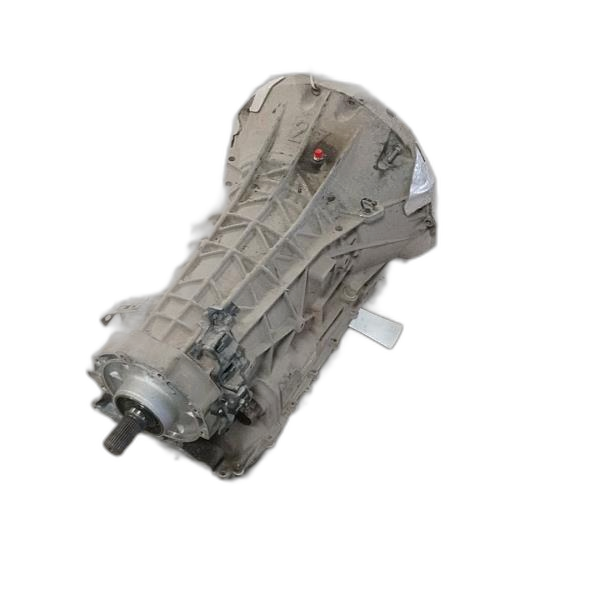
Below are the parts most often responsible for code P1875, ranked by how frequently each one is the actual culprit (per the diagnosis above). Tap any to see what we have for your vehicle.


The information in this article is provided for general reference and educational purposes only. Vehicle specifications, procedures, and part compatibility can vary by production date, trim level, and region. Always consult your vehicle's factory service manual and verify part numbers before purchasing or performing repairs. Safety-critical components such as airbags, seat belts, and braking systems should be installed by a qualified professional.
- 🧭 Diagnostic Flowchart
- 🎬 Helpful Videos
- 🛍️ Shop This Part
- What Does P1875 Mean?
- Can I Drive With P1875?
- Common Causes
- Symptoms
- Common Fixes & Costs
- Used vs. New Parts: Buying Guide
- What Happens If You Wait — Timeline
- Cost of Not Fixing It
- Diagnosis Steps
- When This Code Triggers (Freeze-Frame Conditions)
- Related Codes
- Climate & Environmental Factors
- How to Talk to a Mechanic About This Code
- Where to Take It: Dealer vs Independent vs Chain
- When to Walk Away From the Repair
- What Scan Tool You Need for This Code
- How to Clear the Code After You Fix It
- Will This Fail Emissions / State Inspection?
- Most Commonly Affected Vehicles
- Manufacturer-Specific Notes
- Real Owner Stories
- 2002 Chevrolet Trailblazer with 174k miles - GM TCC Slip
- Ford F-150 with no 4WD function - Misdiagnosis Avoided
- 2008 Mitsubishi Evo X SST - Unusual Electrical Cause
- 1998 Chevrolet Camaro - DIY Valve Body Kit Fix
- How to Prevent This Code From Triggering
- Frequently Asked Questions
- Why is it so important to know my vehicle's make for code P1875?
- What are the most common misdiagnosis mistakes for P1875?
- Why does my truck bang into second gear when this code is on?
- Could a weak battery or bad ground cause P1875?
- Can I fix P1875 myself?
- Will clearing the code fix the problem?
- My 4WD lights are off and the switch is unresponsive, is it P1875?
- How much does it cost to fix code P1875?
- Key Takeaways
- 🎟️ Get 5% Off