

OBD-II Code P1898: Transmission & 4WD System Fault Guide
The Ultimate Guide to P1898: What it means, why it triggers, and how to fix it for good.
- P1898 is a manufacturer-specific code that indicates a 4WD failure in Fords, a DSG clutch restriction in VWs, or a CVT valve fault in Hondas.
- Over 70% of P1898 triggers stem from electrical faults like a dead $50 shift solenoid or corroded wiring, not a complete transmission failure.
- Driving with an active P1898 code overheats internal clutches, escalating a $300 solenoid repair into a $5,000 complete transmission replacement.
- Basic $20 code readers cannot diagnose P1898; you must use a scanner capable of reading Transmission Control Module (TCM) data to pinpoint the exact failing component.
- Changing your CVT or DSG fluid every 30,000 to 40,000 miles is the single most effective way to prevent the hydraulic blockages that trigger P1898.
What Does P1898 Mean?
P1898 is a manufacturer-specific code; its definition changes between car brands. In Ford and Jeep vehicles, it signals a failure in the four-wheel drive (4WD) or transmission control system. The computer detected a failed command (like 'switch to 4WD') or received a bad sensor signal. For Volkswagen and Honda, it points to specific functional failures within advanced CVT or dual-clutch transmissions.
Technical definition: The SAE/ISO definition for P1898 varies by manufacturer. Common definitions include 'Transmission Transfer Case Counter Clockwise Shift Relay Circuit Failure' (Ford), 'TCC Solenoid Circuit Functional Fault' (Jeep), 'Clutch 1 Function Restriction' (VW/Audi), 'CVT Drive Pulley Pressure Control Valve Stuck ON' (Honda), or 'Manual Shift Mode Switch Circuit Failure' (GM). It universally indicates a functional or electrical fault detected by the Transmission Control Module (TCM).
Can I Drive With P1898?
Yes, But With Caution. You can drive, but it is a significant gamble. Your 4WD system will likely fail to engage, and shifting becomes harsh or unpredictable. For vehicles with DSG or CVT transmissions, the car enters a 'limp mode' capping speed and gear availability. Avoid highway speeds, heavy loads, and towing. Continuing to drive turns a minor $300 sensor issue into catastrophic transmission damage, such as a burnt-out clutch pack or destroyed mechatronic unit, costing up to $7,000.
Common Causes
- Failed Transmission Shift or TCC Solenoid (Very Common) — Electro-hydraulic valves control fluid flow to change gears and lock the torque converter. They fail electrically (open/short circuit) or mechanically (sticking). A single failed solenoid is the most frequent trigger for this code in Jeep and Chrysler products.
- Damaged or Corroded Wiring/Connectors (Very Common) — The wiring harness for the transmission or transfer case is exposed to extreme heat, moisture, and road debris. Wires chafe against the chassis, or connectors fill with water and corrode, causing short circuits or signal loss.
- Low or Dirty Transmission/Transfer Case Fluid (Common) — Fluid is the lifeblood of these components. Low fluid drops hydraulic pressure. Old, burnt, or contaminated fluid clogs narrow passages, causing solenoids and valves to stick.
- Failed Transfer Case Shift Motor or Position Sensor (Common) — On 4WD vehicles, the electric motor that physically shifts the transfer case burns out. The sensor reporting the transfer case's position back to the module also fails, creating a mismatch between the commanded and reported state.
- Failing Valve Body or Mechatronic Unit (Common) — On VW/Audi (DSG) or Honda/Nissan (CVT) vehicles, P1898 points to a fault within the complex electro-hydraulic command center of the gearbox. This involves internal solenoid, sensor, or pressure regulation failures.
- Electrical Interference (Less Common) — On specific vehicles (like the 1997 Jeep Cherokee), the transmission wiring harness routes too close to spark plug wires. Electrical noise (EMI) bleeds into the transmission wiring, causing the TCM to register a false P1898 code.
- Faulty Transmission Control Module (TCM) (Less Common) — The control module itself fails due to internal circuit board degradation. This is frequently misdiagnosed; always rule out wiring and solenoids before condemning the module.
- Internal Mechanical Failure (Rare) — A mechanical part inside the transfer case or transmission, like a gear, clutch pack, or bearing, strips or breaks. This is accompanied by loud grinding noises and a complete loss of movement.
Symptoms
- Harsh, Erratic, or Delayed Shifting — The automatic transmission slams into gear, hesitates before shifting, or slips between gears. You feel a noticeable clunk or jolt.
- Cannot Shift Into or Out of 4WD — The vehicle is stuck in 2WD, 4WD High, or 4WD Low, and the dashboard selector switch does nothing.
- Vehicle Enters 'Limp Mode' — The transmission defaults to a single gear (like 2nd or 3rd) to prevent further damage, resulting in poor acceleration and a low top speed.
- Stalling When Coming to a Stop — A faulty TCC solenoid fails to unlock the torque converter as you slow down, causing the engine to bog down and stall as if you forgot to press the clutch in a manual car.
- Grinding, Whirring, or Clicking Noises — Unusual noises from the transmission or transfer case area during shifts or 4WD engagement point to a mechanical or electrical actuator issue.
- Check Engine Light or Service 4WD Light is On (also visible on scanner) — This is the first and often only indicator the driver notices. A blinking gear indicator light also appears on some models.
- Torque Converter Not Locking Up (also visible on scanner) — At steady highway speeds, engine RPMs remain higher than usual. You lose the characteristic small drop in RPM that indicates the torque converter locked for fuel efficiency.
Diagnostic Flowchart
Tap your situation to follow the diagnostic path that matches what you're seeing on this code.
Common Fixes & Costs
- Replacing a Transmission Shift/TCC Solenoid
— Parts: $50-$200, Labor: $250-$700, ~3.5 hr book time
(Intermediate)
Jeep Cherokee (XJ) AW4: OEM Mopar 4617210 (Alt: Rostra 52-9002 (3-Solenoid Kit)) - Repairing Damaged Wiring or Connectors — Parts: $10-$50, Labor: $150-$400, ~2.5 hr book time (Intermediate)
- Transmission Fluid and Filter Change — Parts: $50-$120, Labor: $150-$350, ~1.2 hr book time (Beginner)
- Replacing the Transfer Case Shift Motor
— Parts: $150-$600, Labor: $150-$300, ~0.8 hr book time
(Intermediate)
Ford Explorer/F-Series (1998-2010): OEM Ford AL3Z-7G360-A (Alt: Dorman 600-802) - Replacing a CVT Valve Body
— Parts: $800-$1500, Labor: $500-$1000, ~6 hr book time
(Professional)
Honda Civic/Accord (2016+): OEM Honda 27000-5T0-A04 (Alt: Remanufactured units require programming.) - Replacing a VW/Audi DSG Mechatronic Unit
— Parts: $1500-$2500, Labor: $800-$1500, ~4 hr book time
(Professional)
VW/Audi (DQ200/DQ250 DSG): OEM VIN-specific. Must be ordered from a dealer. (Alt: Remanufactured OEM is the standard choice.) - Replacing the Transmission Control Module (TCM) — Parts: $300-$1000, Labor: $150-$300, ~2 hr book time (Intermediate)
Used vs. New Parts: Buying Guide
When a used part is worth it: For simple, external parts like a Transfer Case Shift Motor, a used OEM part from a low-mileage donor vehicle is cost-effective. For complex internal components like solenoids, valve bodies, or mechatronic units, a new or professionally remanufactured part is mandatory due to the high risk of premature failure.
Donor-vehicle mileage cap: roughly under 80000 miles for the part to have meaningful remaining life.
Donor quality checklist:
- Verify the donor vehicle was not scrapped for a transmission-related failure.
- Inspect electrical connectors for corrosion, bent pins, or heat damage.
- Match the part number exactly. Superseded numbers require additional programming.
Decision logic:
- If Part is a simple solenoid or external sensor and new aftermarket part is < $100 → Buy new aftermarket. The savings from a used part are minimal and not worth the risk.
- If Part is a complex assembly (Valve Body, Mechatronic Unit) → Favor a professionally remanufactured unit with a strong warranty. The risk of a used unit failing is too high.
- If Part is an external motor (e.g., Transfer Case Motor) and vehicle is high-mileage → A used part from a low-mileage donor is an acceptable budget-conscious choice.
Warranty tradeoff: Salvage yard parts offer a 30-90 day warranty on the part only. New aftermarket parts come with a 1-year to limited lifetime warranty. Remanufactured units from specialists carry a 1-year or longer warranty.
Worst-case if a used part fails: $500 - $1500 if a used internal part fails after installation, requiring you to pay for labor a second time.
What Happens If You Wait — Timeline
- 0-1 Month: Code sets. Symptoms are intermittent, like slight hesitation or a 1-2 MPG drop from the torque converter failing to lock up. (MPG impact: 0-5%% · Added cost: $0-50 in wasted fuel)
- 1-4 Months: Shifting becomes noticeably harsh. Slipping components generate excess heat, accelerating fluid breakdown and straining the valve body. (MPG impact: 5-15%% · Added cost: $200 - $500 (Requires full fluid flush and potential solenoid pack replacement))
- 4-8 Months: Burnt fluid clogs valve body passages. Vehicle enters limp mode intermittently. The initial minor problem has caused a complex hydraulic failure. (MPG impact: 15-25%% · Added cost: $1,200 - $2,800 (Escalates to full valve body or mechatronic unit replacement))
- 8+ Months: Catastrophic failure. Internal clutches burn out or the CVT belt snaps. The vehicle stops moving entirely and requires a full rebuild. (MPG impact: N/A (Vehicle likely undrivable)% · Added cost: $3,000 - $8,000+)
Cost of Not Fixing It
- 0-1 Month: Symptoms are an annoyance, such as harsh shifting, delayed engagement, or a 5-10% drop in fuel economy. The vehicle is drivable but unpredictable. (Added cost: Negligible, aside from minor increases in fuel consumption.)
- 1-6 Months: Continued driving causes excessive heat and friction from slipping clutches, leading to burnt fluid and accelerated wear. A simple solenoid fix escalates into a valve body or mechatronic unit repair. (Added cost: $1,200 - $2,800)
- 6+ Months: Catastrophic transmission failure. Internal clutches burn out entirely, leaving the vehicle immobile and requiring a tow. A complete transmission rebuild or replacement is required. (Added cost: $2,500 - $7,000+)
Diagnosis Steps
- Scan for All Powertrain Codes
Use an OBD-II scanner capable of reading Transmission Control Module (TCM) codes. P1898 often appears with a generic P0700 (TCM Fault) or communication codes (U-series). Document all codes and freeze frame data.
Tools: OBD-II Scanner (TCM/ABS compatible) (Beginner) - Check for Technical Service Bulletins (TSBs)
Search for TSBs related to P1898 for your specific vehicle. Manufacturers release bulletins for known issues, including software updates or specific wiring harness inspection points (e.g., GM TSB 08-07-30-021H).
Tools: Online Access (e.g., ALLDATA, NHTSA website) (Beginner) - Check Fluid Level and Condition
Inspect the transmission and transfer case fluid. Dark, burnt-smelling fluid with metallic particles indicates internal wear. Low fluid suggests a leak that must be repaired to restore hydraulic pressure.
Tools: Rag, Owner's Manual, Catch Pan (Beginner) - Perform a Detailed Visual Inspection
Thoroughly inspect the wiring harness and connectors going to the transmission, valve body, and transfer case. Look for chafed wires, melted plastic loom, and green corrosion inside connectors.
Tools: Flashlight, Safety Glasses, Inspection Mirror (Intermediate) - Test Solenoid Resistance (Non-CVT/DSG)
Test the resistance of the suspect solenoid using a multimeter. On a Jeep AW4, the TCC and shift solenoids should read between 11 and 15 ohms. A reading outside this range indicates a failed solenoid.
Tools: Multimeter, Vehicle Service Manual (for pinout diagrams) (Advanced) - Test Transfer Case Shift Motor (4WD)
Disconnect the shift motor and apply a 12V power source to the two large pins in the connector. The motor should actuate. Reversing polarity moves it in the opposite direction. If it does not move, it has failed.
Tools: 12V Power Source (Jumper Pack or Battery), Jumper Wires (Advanced) - Command Actuators with a Bi-Directional Scanner
Use a professional scanner to command the TCM to activate specific solenoids or the transfer case motor. If the component works via scanner but not via vehicle controls, the problem is the input switch or wiring.
Tools: Advanced Bi-Directional Scan Tool (Professional) - Test Sensor and Actuator Circuits
Check for correct voltage and ground at the relevant sensor or motor. This differentiates between a bad component, a broken wire, or a failed control module.
Tools: Multimeter, Vehicle Service Manual (Advanced) - Perform Manufacturer-Specific Drive Cycles
For 2016+ Honda Civics, accelerate to 37 mph in D, decelerate to a stop, then perform a wide-open throttle acceleration. If shifting is erratic, it confirms a failing pressure control valve in the CVT.
Tools: OBD-II Scanner (Advanced)
When This Code Triggers (Freeze-Frame Conditions)
- Engine Coolant Temp: 180-210°F (82-99°C) (The engine is fully warmed up and at normal operating temperature.)
- RPM: 1500-2500 RPM (During steady-state cruising or light acceleration when a gear shift or torque converter lock-up is commanded by the TCM.)
- Vehicle Speed: 35-55 mph (56-88 km/h) (The fault registers at city or highway speeds where the transmission actively shifts or attempts to lock the torque converter.)
- Engine Load: 25-60% (Under a moderate engine load where the transmission's hydraulic system must hold pressure and execute shifts correctly.)
Related Codes
- P0700 — P0700 is an informational code set by the ECM when the TCM stores a fault. It always appears alongside a specific transmission code like P1898. You need an advanced scanner to read past P0700.
- P0740 — Means 'Torque Converter Clutch Circuit Malfunction.' Highly related to the Jeep definition of P1898. If both are present, the fault is in the TCC solenoid, its wiring, or the brake switch.
- U0102 — Means 'Lost Communication With Transfer Case Control Module (TCCM).' Suggests the TCCM is losing power or has a poor connection, causing both a functional fault (P1898) and a communication loss.
- P0846 — Indicates a fault with the 'Transmission Fluid Pressure Sensor/Switch 'B' Circuit'. While P1898 relates to hydraulic issues, P0846 points directly to the pressure sensor's electrical circuit.
Climate & Environmental Factors
- Cold Weather: Extremely low temperatures (<32°F / 0°C) thicken transmission fluid, increasing hydraulic resistance. This causes delayed shifts, strains solenoids, and triggers functional faults like P1898. Metal and rubber seals also contract, leading to pressure loss.
- High Humidity / Water Exposure: Driving through deep water introduces moisture into transmission electrical connectors. This causes pin corrosion, high resistance, and intermittent signal loss, a primary cause of P1898.
How to Talk to a Mechanic About This Code
Say this: "I have a [Your Vehicle Make] with a P1898 code and [mention primary symptom]. I'd like to schedule a diagnostic. Based on my research for this specific vehicle, the issue is often related to the transfer case wiring or shift motor. Can you please start by testing those components before quoting a major repair?"
This signals you've done research specific to your vehicle, steering the mechanic toward the most likely, and often cheaper, failure points. It prevents them from immediately jumping to a worst-case scenario.
Avoid saying:
- 'My check engine light is on, can you just fix it?'
- 'The car is shifting funny, do I need a new transmission?'
- 'Just do whatever it takes to get it running right.'
Questions to ask before authorizing the repair:
- What specific tests did you perform to confirm this part has failed?
- What was the condition of the transmission fluid? Was it burnt or did it contain debris?
- Does the quoted price include all necessary related parts, fluids, and required computer relearn procedures?
- What is the warranty on both the parts and the labor for this repair?
Where to Take It: Dealer vs Independent vs Chain
- Dealer:
Best for: Vehicles under warranty., Complex, software-intensive repairs on modern transmissions (VW/Audi DSG, Honda/Nissan CVT)., Repairs covered by a known Technical Service Bulletin (TSB) or warranty extension.
Downsides: Highest labor rates, often 1.5-2x more than independent shops., Defaults to replacing large, expensive assemblies instead of repairing smaller components. (Typical cost: +50% vs. baseline) - Independent Shop:
Excellent choice for most P1898 causes, especially on domestic trucks, provided it is a reputable transmission specialist. For complex CVT/DSG issues, a brand-specific independent specialist is a good alternative to a dealer.
Best for: Out-of-warranty vehicles., Well-documented electrical or mechanical faults (e.g., Ford transfer case motor, Jeep solenoids)., Owners seeking a better price than the dealer.
Downsides: Quality varies greatly. A general mechanic lacks the specific tools for complex transmission work., Crucial to find a shop that specializes in transmissions, not just general auto repair. (Typical cost: +0% vs. baseline) - Chain Shop:
AVOID for diagnosis and repair. The risk of misdiagnosis or being sold an unnecessary and expensive rebuild is very high for a nuanced code like P1898.
Best for: Basic fluid changes if you are unable to DIY.
Downsides: High pressure to upsell, often recommending a full transmission rebuild for minor issues., Technician skill and experience with complex diagnostics are highly inconsistent., Known for the 'bait and switch' low-cost diagnostic that turns into an expensive disassembly. (Typical cost: -10% vs. baseline)
When to Walk Away From the Repair
If the estimated repair cost exceeds 40-50% of the car's private-party value, seriously consider selling the car as-is or for scrap.
- Car worth $3500, fix is $750: Fix it. The repair cost is well below the 50% threshold and significantly increases the car's value and usability.
- Car worth $8000, fix is $2800: Borderline. This is a significant percentage of the car's value. Get a second opinion and weigh the cost against a down payment on a more reliable vehicle.
- Car worth $4000, fix is $3500: Walk away. The repair cost is nearly the entire value of the car. You will not recoup this cost on resale.
What Scan Tool You Need for This Code
Minimum: A scanner that reads manufacturer-specific transmission codes (TCM). A basic engine-only code reader only shows P0700 and cannot see the underlying P1898 code.
A $20 reader only talks to the Engine Control Module (ECM). P1898 is stored in the Transmission Control Module (TCM). Without access to the TCM, you cannot properly diagnose the issue.
Budget: BlueDriver Pro Scan Tool (~$100) — Reads and clears transmission codes on many domestic and import vehicles, views freeze frame data, and graphs live sensor data. Great starting point for DIY diagnosis.
Mid-range: Foxwell NT530 or Autel MaxiCOM MK808 (~$170-500) — Offers bi-directional control, allowing you to command solenoids and motors to test their function directly. Performs special functions like transmission adaptation resets required after repairs.
Professional: Autel MaxiSys MS906 / Launch X431 Series (~$1200+) — Provides full, dealer-level diagnostics, including module coding and programming. Necessary for complex jobs like replacing a VW mechatronic unit.
Rent vs buy: Auto parts stores have loaner tool programs with scanners that read TCM codes, enough to confirm the fault. Buy your own if you need bi-directional controls for advanced testing.
How to Clear the Code After You Fix It
- Use an OBD-II scan tool to clear the fault codes from the TCM.
- Perform a complete drive cycle to allow the vehicle's computer to re-learn and verify the repair.
- Re-scan for codes to confirm the fix was successful.
Drive cycle (~30 minutes): A generic drive cycle includes a cold start, 3 minutes of idling, 15 minutes of mixed city driving, and 10 minutes of steady highway driving between 50-60 mph.
Readiness monitors affected: Comprehensive Component Monitor, Misfire Monitor, Catalyst Monitor, Oxygen Sensor Monitor
Before emissions retest: drive at least 100 miles to fully set monitors.
Watch out for:
- Clearing the code without performing the repair causes the light to return quickly.
- Taking the vehicle for an emissions test immediately after clearing the code results in a 'Not Ready' failure.
Will This Fail Emissions / State Inspection?
Yes — this code typically fails an OBD-II emissions inspection.
- California: An illuminated Check Engine Light due to P1898 is an automatic failure. All required OBD readiness monitors must be set to 'Ready' to pass.
- New York: A vehicle automatically fails the emissions inspection if the Check Engine Light is on. Clearing the code just before the test results in a failure due to 'Not Ready' monitors.
- Texas: In counties requiring an emissions test, an active P1898 code with the Check Engine Light on is an automatic failure.
Most Commonly Affected Vehicles
- Jeep Cherokee (XJ) (1997-2001) — Extremely common on the 1997 model with the AW4 transmission. Inspect the wiring harness near the #6 spark plug for electrical interference and check solenoid resistance (11-15 ohms) before replacing parts.
- Ford Explorer, F-Series, Ranger (1998-2016) — Typically points to a fault in the electronic shift-on-the-fly (ESOF) 4WD system, such as a bad shift motor, relay, or position sensor on the transfer case.
- Volkswagen/Audi Golf, Jetta, A3, TT (with DSG) (2008-2023) — On models with the 7-speed DQ200 DSG, P1898 means 'Clutch 1 Function Restriction'. This is almost always a fault within the mechatronic unit requiring specialist diagnosis.
- Honda Civic, Fit, Accord (with CVT) (2016-2021) — Indicates a 'Drive Pulley Pressure Control Valve Stuck ON'. This is caused by a failing valve body, dirty fluid, or a dead solenoid.
- Chevrolet/GMC Silverado, Sierra, Suburban, Tahoe (2007-2020) — Means a fault in the 'Manual Shift Mode Switch' circuit. Frequently seen with communication codes (U0102), pointing to a chafed wiring harness over the transmission case per TSB 08-07-30-021H.
- Dodge/Chrysler Grand Caravan, Town & Country, Ram 1500 (2008-2020) — Symptoms like stalling when stopping are caused by a faulty TCC solenoid. On 2018+ models, a Security Gateway Module (SGM) blocks diagnostics for aftermarket scan tools.
- Subaru Outback, Forester, Impreza (with CVT) (2012-2018) — Symptoms and causes mirror the Honda P1898 issue: a failing torque converter lock-up solenoid within the CVT valve body. Common on TR580 and TR690 transmissions.
- Nissan Rogue, Sentra, Altima (with CVT) (2013-2023) — Nissan CVTs suffer from valve body and pressure control solenoid issues that mirror P1898. Symptoms include shuddering, hesitation, and limp mode.
Manufacturer-Specific Notes
- Jeep: On the Cherokee XJ (1997-2001), the transmission wiring harness rubs against the #6 spark plug wire, causing electrical interference that triggers a false P1898. Relocating the harness fixes it permanently.
- Volkswagen/Audi: For cars with a 7-speed dry clutch DSG (DQ200), P1898 is almost always a mechatronic unit fault. Independent specialists repair these units for less than a dealer replacement. Check for VIN warranty extensions.
- General Motors (Chevrolet/GMC): Before replacing modules, always check for chafed wiring harnesses where they pass over the top of the transmission and bellhousing, a very common failure point noted in multiple TSBs.
- Honda: Honda extended the CVT warranty on some models (e.g., 2016-2020 HR-V) to 7 years or 150,000 miles for premature drive belt deterioration. Check with a dealer for VIN eligibility before paying out of pocket.
- Dodge/Chrysler/Jeep (Stellantis): On 2018+ vehicles, a Security Gateway Module (SGM) acts as a firewall, preventing standard OBD-II scanners from performing bi-directional commands or reading TCM codes. A bypass cable is required.
Real Owner Stories
1997 Jeep Cherokee XJ with P1898 & P0700
Check Engine Light appeared after 30 minutes of highway driving. No noticeable shifting problems, but the code returned immediately after clearing.
Outcome: The root cause was electrical interference. The transmission wiring harness was resting against the #6 spark plug wire. Moving the harness 2.5 inches away permanently solved the problem.
Lesson: On 1997 Jeep XJs, always check for wiring harness interference near the firewall and spark plugs before replacing expensive transmission components.
2015 Honda Civic CVT at 120K miles
Car developed a severe stutter and vibration when accelerating from a stop despite meticulous fluid maintenance.
Outcome: The transmission failed catastrophically on the way to the shop, with a loud 'pop' followed by a complete loss of movement. The replacement cost was over $8,000.
Lesson: Severe stuttering is a critical warning sign in CVTs. Continuing to drive, even for a short distance, leads to total mechanical failure.
Ford F-150 with 4WD Not Engaging
The 'Service 4WD' light was on, and the truck would not shift into 4WD. The owner suspected a transfer case shift motor failure.
Outcome: The test proved the motor was functional. The problem was traced to a corroded connector and a faulty 4WD dashboard switch. The repair cost under $100.
Lesson: For Ford 4WD issues, always test the shift motor directly before replacing it. The fault is often in cheaper surrounding components like switches or wiring.
How to Prevent This Code From Triggering
- Change Transmission Fluid at Recommended Intervals (CVT: 30-40k miles; DSG: 40k miles; Conventional Auto: 60k miles.) — Clean fluid prevents contamination that clogs solenoid screens and valve body passages. Always use the exact manufacturer-specified fluid.
- Protect Wiring Harnesses in High-Heat Areas (Once, or during other engine bay maintenance.) — Wiring near exhaust components melts or chafes over time. Use high-temperature cloth harness tape or split-loom tubing to add thermal and abrasion protection.
- Adopt Smooth Driving Habits (Daily habit.) — Avoiding aggressive starts and jerky stop-and-go driving reduces wear on CVT belts and DSG clutches, lowering heat buildup in the mechatronic unit.
- Allow Vehicle to Warm Up Briefly (Especially in cold weather (< 40°F / 4°C).) — Idling for 30-60 seconds before driving allows transmission fluid to warm up and circulate, reducing hydraulic pressure strain on seals and solenoids.
- Perform Regular Visual Inspections for Leaks (Every oil change.) — Fixing small fluid leaks prevents low fluid levels, which lead to overheating, poor lubrication, and hydraulic pressure drops that trigger P1898.
Frequently Asked Questions
Can I fix P1898 myself?
Simple fixes like repairing an accessible wire or changing fluid are possible for experienced DIYers. Most causes require getting under the vehicle for complex electrical testing or dropping the transmission pan. Repairs inside a CVT or DSG require a professional.
Will clearing the code make it go away?
Clearing the code turns the light off temporarily. The fault remains in the computer's memory. The light returns as soon as the TCM runs its self-test and detects the problem again.
How much does it cost to diagnose code P1898?
Most shops charge a diagnostic fee of $100 to $180. A specialist diagnosis for a complex system like a VW DSG costs between $150 and $250. This covers the advanced tools and expertise required.
What is a transmission mechatronic unit?
The mechatronic unit is the 'brain' of a modern dual-clutch transmission. It combines the TCM, sensors, and hydraulic solenoids into a single unit inside the transmission. It controls all gear shifts and clutch operations.
Can a bad battery cause transmission problems?
Yes, a weak battery provides insufficient voltage to the TCM during startup. This causes communication errors, false codes, and limp mode. Always ensure your battery and charging system are healthy before diagnosing electronic faults.
My scanner only shows P0700. How do I find the P1898 code?
P0700 is a generic code from the Engine Control Module (ECM) indicating the Transmission Control Module (TCM) has a fault. Basic code readers only talk to the ECM. You need an advanced scanner to communicate directly with the TCM and read the P1898 code.
Is a P1898 code serious?
Yes, it is moderately serious. It indicates a fault that leads to being stranded, unpredictable shifting, or entering a low-power limp mode. Ignoring it guarantees more expensive internal transmission repairs.
Key Takeaways
- P1898 is a manufacturer-specific code that indicates a 4WD failure in Fords, a DSG clutch restriction in VWs, or a CVT valve fault in Hondas.
- Over 70% of P1898 triggers stem from electrical faults like a dead $50 shift solenoid or corroded wiring, not a complete transmission failure.
- Driving with an active P1898 code overheats internal clutches, escalating a $300 solenoid repair into a $5,000 complete transmission replacement.
- Basic $20 code readers cannot diagnose P1898; you must use a scanner capable of reading Transmission Control Module (TCM) data to pinpoint the exact failing component.
- Changing your CVT or DSG fluid every 30,000 to 40,000 miles is the single most effective way to prevent the hydraulic blockages that trigger P1898.
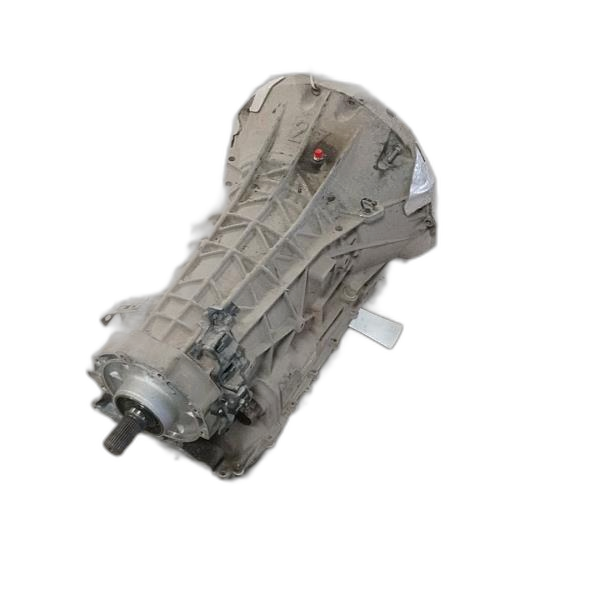
Shop the Parts Behind P1898
Below are the parts most often responsible for code P1898, ranked by how frequently each one is the actual culprit (per the diagnosis above). Tap any to see what we have for your vehicle.



The information in this article is provided for general reference and educational purposes only. Vehicle specifications, procedures, and part compatibility can vary by production date, trim level, and region. Always consult your vehicle's factory service manual and verify part numbers before purchasing or performing repairs. Safety-critical components such as airbags, seat belts, and braking systems should be installed by a qualified professional.
- 🧭 Diagnostic Flowchart
- 🛍️ Shop This Part
- What Does P1898 Mean?
- Can I Drive With P1898?
- Common Causes
- Symptoms
- Common Fixes & Costs
- Used vs. New Parts: Buying Guide
- What Happens If You Wait — Timeline
- Cost of Not Fixing It
- Diagnosis Steps
- When This Code Triggers (Freeze-Frame Conditions)
- Related Codes
- Climate & Environmental Factors
- How to Talk to a Mechanic About This Code
- Where to Take It: Dealer vs Independent vs Chain
- When to Walk Away From the Repair
- What Scan Tool You Need for This Code
- How to Clear the Code After You Fix It
- Will This Fail Emissions / State Inspection?
- Most Commonly Affected Vehicles
- Manufacturer-Specific Notes
- Real Owner Stories
- 1997 Jeep Cherokee XJ with P1898 & P0700
- 2015 Honda Civic CVT at 120K miles
- Ford F-150 with 4WD Not Engaging
- How to Prevent This Code From Triggering
- Frequently Asked Questions
- Can I fix P1898 myself?
- Will clearing the code make it go away?
- How much does it cost to diagnose code P1898?
- What is a transmission mechatronic unit?
- Can a bad battery cause transmission problems?
- My scanner only shows P0700. How do I find the P1898 code?
- Is a P1898 code serious?
- Key Takeaways
- 🎟️ Get 5% Off