

OBD-II Code P1960: Ultimate Guide to a Manufacturer-Specific Powertrain Fault
What P1960 Means, Why It Triggers, and Exactly How to Fix It
- P1960 is a manufacturer-specific code meaning a Ford transmission failure requires a completely different fix than a Kia AWD failure or a VW exhaust issue.
- The two most frequent triggers are a failing Transmission Control Module (TCM) on 2012-2018 Ford/Mazda automatics and a bad AWD coupling actuator on 2021-2023 Kia/Hyundai models.
- Search for Technical Service Bulletins (TSBs) before buying parts, as Kia (TRA108), GM (21-NA-106), and Ford (14M02) have issued specific, money-saving repair guides for this exact code.
- Stop driving if you experience harsh shifting; ignoring a faulty TCM quickly escalates a $500 module repair into a $3,000+ complete transmission rebuild.
- Test your battery and ground connections before replacing any expensive modules, as voltage drops below 12.4V frequently trigger false P1960 codes.
What Does P1960 Mean?
P1960 is a manufacturer-specific code, meaning its definition changes entirely based on your vehicle's make. Most commonly, it points to a transmission electronics failure, such as the Transmission Control Module (TCM) or clutch pedal position switch. For other manufacturers, it indicates a faulty All-Wheel Drive (AWD) coupling actuator, an A/C clutch relay circuit fault, or an exhaust gas temperature problem. Your car's computer has detected an incorrect signal, a performance issue, or a complete lack of communication from one of these manufacturer-designated systems.
Technical definition: The SAE/ISO J2012 standard reserves P1xxx codes for manufacturer-specific functions, meaning P1960 has no universal definition. Common definitions include 'Transmission Control Module (TCM) Circuit Performance' (Ford/Mazda), '4WD Bleeding Pressure Error' (Kia/Hyundai), 'Insufficient Clutch Pedal Position Switch Signal', or 'Exhaust Gas Temperature Control Limit Exceeded' (Volkswagen).
Can I Drive With P1960?
Yes, But With Caution. You can drive short distances, but it is strongly discouraged. Depending on the cause, you risk sudden harsh shifting, getting stuck in a single gear ('limp mode'), or a no-start condition. Continuing to drive with a TCM-related fault escalates mechanical damage, turning a sub-$1,000 module repair into a $3,000+ transmission rebuild. For Kia/Hyundai AWD faults, the vehicle defaults to 2WD, but ignoring the warning leads to complete failure of the coupling unit.
Common Causes
- Failing Transmission Control Module (TCM) (Very Common) — The TCM is the transmission's brain. On many Ford and Mazda models, it mounts directly to the transmission, where constant heat and vibration cause internal solder joints to crack and electronic components to fail, leading to erratic shifting and communication errors.
- Faulty All-Wheel Drive (AWD) Coupling Actuator (Very Common) — On 2021-2023 Kia and Hyundai models, this code (specifically P196000) is triggered by a faulty AWD coupling actuator. Per Kia TSB TRA108, abnormal wear of the internal motor brushes disables the AWD system and illuminates a warning light.
- Low Battery Voltage or Power Supply Issue (Common) — Control modules are highly sensitive to voltage drops. A weak battery, a failing alternator, or a poor ground connection provides inconsistent power, causing the module to malfunction and generate false P1960 codes.
- Damaged Wiring or Corroded Connectors (Common) — Wires leading to the TCM, clutch switch, or AWD module suffer damage from heat, vibration, or abrasion. Connectors corrode from moisture, creating high resistance and intermittent signals that trigger the code.
- Faulty Clutch Pedal Position Switch (Common) — This switch tells the computer when the clutch is pressed. It is a frequently used plastic part that wears out or breaks, preventing the engine from starting, disabling cruise control, or sending an erratic signal.
- Software Glitches / Need for Reprogramming (Less Common) — On certain 2020-2022 Chevrolet Corvettes, DTCs like P1967 and P1968 set falsely due to a software anomaly, requiring a TCM software update rather than a physical part replacement.
- Improper Diagnostic Procedure / Failure to Clear Memory (Less Common) — On General Motors vehicles, transmission-related DTCs fail to clear properly if the TCM does not fully 'go to sleep' after a reset. According to GM TSB 21-NA-106, this creates a false positive, making it seem like a fault is still present.
- Faulty A/C Clutch Relay (Rare) — On 2008-2018 Chrysler, Dodge, and Jeep vehicles, P1960 points to a problem in the A/C clutch relay control circuit. This is an electrical fault entirely unrelated to the transmission or powertrain.
Symptoms
- Check Engine Light is On — The ECU stores the P1960 code and illuminates the malfunction indicator lamp (MIL) to alert the driver.
- Harsh or Erratic Shifting — With a TCM-related fault, the transmission shifts abruptly, delays shifts, slams into gear, or gets stuck in one gear ('limp mode').
- AWD/4WD System Disabled or Warning Light On — For affected Kia and Hyundai vehicles, this code is accompanied by an AWD warning light, and the vehicle operates in two-wheel drive mode only.
- Engine Will Not Start or Cranks Intermittently — If the code relates to the clutch position switch on a manual transmission, the vehicle fails to recognize the clutch is depressed, preventing the starter from engaging.
- Loss of Power and Poor Fuel Economy — When the transmission fails to shift correctly, the engine operates outside its optimal RPM range, leading to sluggish acceleration and reduced fuel efficiency.
- Cruise Control Does Not Work — Vehicles use the clutch position switch as a safety interlock. If the switch fails, the cruise control system refuses to engage.
- Vehicle Starts Without Pressing the Clutch — A dangerous symptom where the clutch switch fails in the 'closed' position, allowing the engine to start while in gear and causing the vehicle to lurch unexpectedly.
Diagnostic Flowchart
Tap your situation to follow the diagnostic path that matches what you're seeing on this code.
Common Fixes & Costs
- Replace Transmission Control Module (TCM)
— Parts: $300-$750, Labor: $150-$300, ~1.5 hr book time
(Professional)
Ford Focus (2012-2018): OEM
Mazda 3 (2010-2011, 2.0L): OEM - Replace AWD Coupling Actuator
— Parts: $500-$750, Labor: $150-$300, ~1.2 hr book time
(Intermediate)
Kia/Hyundai (2021-2023 Sportage, Tucson, etc.): OEM - Replace Clutch Pedal Position Switch
— Parts: $20-$70, Labor: $80-$150, ~0.8 hr book time
(DIY)
Varies Greatly by Model: OEM - Repair or Clean Wiring/Connectors — Parts: $10-$50, Labor: $100-$400, ~2 hr book time (Intermediate)
- Replace Engine Control Module (ECM)
— Parts: $200-$800, Labor: $100-$300, ~1.2 hr book time
(Professional)
Toyota Corolla/Matrix (2005-2008): OEM
DIY vs Professional
- Replace Clutch Pedal Position Switch 🟢 Beginner
Tools: Basic hand tools (socket set, trim removal tools), flashlight. - Replace AWD Coupling Actuator (Kia/Hyundai) 🟢 Beginner
Tools: Jack and jack stands, socket set, torque wrench, fluid drain pan. - Repair or Clean Wiring/Connectors 🟢 Beginner
Tools: Multimeter, wiring diagrams, wire strippers, crimpers, heat shrink, soldering iron. - Replace Transmission Control Module (Ford/Mazda) 🟢 Beginner
Tools: Socket set, torque wrench, diagnostic scan tool capable of programming (e.g., FORScan).
Used vs. New Parts: Buying Guide
When a used part is worth it: For Ford/Mazda TCMs, buying a used module only makes sense if you verify it is the latest revised OEM part number (e.g., ending in -F or later for Ford Focus) from a low-mileage donor. A remanufacturing service for your original module is a more reliable choice as it avoids programming issues.
Donor-vehicle mileage cap: roughly under 60000 miles for the part to have meaningful remaining life.
Donor quality checklist:
- Verify the exact OEM part number; earlier revisions are guaranteed to fail.
- Ask for the donor vehicle's VIN to check its history.
- Avoid modules with any signs of corrosion, physical damage, or opened casings.
- For remanufactured units, choose reputable companies with long warranties.
Decision logic:
- If Vehicle is still under Ford's extended warranty (10yr/150k miles) → Get a new OEM part installed by the dealer for free.
- If Budget is the top priority and you have access to programming tools (like FORScan) → A verified, late-revision used OEM module is a viable risk.
- If Reliability is the top priority and you want to avoid programming headaches → Send your original TCM to a reputable remanufacturing service.
Warranty tradeoff: Used parts typically have a 30-90 day warranty. Aftermarket/remanufactured units range from 1-year to a lifetime warranty. New OEM parts carry a 2-year warranty if installed by a dealer.
Worst-case if a used part fails: $500-$1000 if a used or cheap remanufactured part fails, including the cost of a second replacement part plus repeated labor and towing fees.
What Happens If You Wait — Timeline
- 0-2 months: For TCM issues: Intermittent, subtle shudder during low-speed acceleration. No codes set yet, or code appears and disappears. For AWD issues: AWD light flashes on and then goes off. (MPG impact: 0-2%% · Added cost: $0)
- 2-6 months: For TCM issues: Shudder becomes consistent. Harsh or delayed shifts become noticeable. Check Engine Light with P1960 is permanently on. Vehicle enters 'limp mode' intermittently. For AWD issues: AWD warning light is on permanently. (MPG impact: 5-10%% · Added cost: $50-$150 in wasted fuel. Risk of being stranded.)
- 6-12 months: For TCM issues: Constant harsh, slamming shifts place extreme stress on mechanical parts. Clutch forks and synchronizers in the Ford DPS6 wear rapidly. For AWD issues: Continued driving causes further damage to the coupling internals. (MPG impact: 10-15%% · Added cost: $1,500 - $2,500. The initial electronic fault causes mechanical damage. Clutch packs and forks now need replacement.)
- 12+ months: For TCM issues: Catastrophic internal transmission failure. The repeated stress destroys clutches, bearings, and gears. The vehicle stops moving altogether. For AWD issues: The coupling unit completely seizes. (MPG impact: 15-25%% · Added cost: $3,000 - $6,000+. A full transmission rebuild or replacement is required.)
Cost of Not Fixing It
- 0-1 month: For TCM issues: Intermittent harsh shifting, 5-10% drop in fuel economy, and getting stuck in 'limp mode'. For AWD issues: Loss of all-wheel-drive capability. (Added cost: Negligible, but high risk of being stranded.)
- 1-6 months: For TCM issues: Increased stress on transmission clutches and internal mechanical parts due to repeated harsh shifts. This causes premature wear on clutch packs and shift forks in Ford's DPS6 transmission. (Added cost: $1,500 - $2,500 for clutch pack and fork replacement.)
- 6+ months: For TCM issues: Catastrophic internal transmission failure. The initial TCM fault cascades, destroying clutches, bearings, and gears, requiring a full transmission rebuild. (Added cost: $3,000 - $6,000 for a complete transmission rebuild or replacement.)
Diagnosis Steps
- Read the Code and Research its Specific Meaning
Use an OBD-II scanner to confirm P1960 is present. Your first and most critical step is to research the code's exact definition for your vehicle's make, model, and year. A P1960 on a Ford is completely different from a Kia or VW.
Tools: OBD-II Scanner (Beginner) - Check for Technical Service Bulletins (TSBs) and Recalls
Search online for TSBs or recalls related to P1960 for your vehicle. Manufacturers release bulletins for known issues (like Kia TSB TRA108 or GM TSB 21-NA-106) that provide a direct diagnostic path, saving significant time and money.
Tools: Internet Access (Beginner) - Inspect Battery, Fuses, and Grounds
Ensure the battery has a stable charge (12.4-12.6 volts engine off, ~14 volts engine on). Check all fuses related to the TCM, PCM, and AWD systems. Inspect and clean the main battery ground and any chassis-to-transmission ground straps. A poor ground is a frequent cause of electronic faults.
Tools: Multimeter, Fuse Puller, Wire Brush (Beginner) - Visually Inspect the Component and Wiring
Based on your research, locate the implicated component. For a clutch switch, look under the dashboard. For a Ford/Mazda TCM, inspect it on the side of the transmission. For a Kia/Hyundai AWD actuator, inspect it on the rear differential. Look for physical damage, fluid leaks, or chafed/melted/corroded wiring and connectors.
Tools: Flashlight, Jack and Jack Stands (Intermediate) - Pro Tip: Perform a TCM 'Tap Test' and Voltage Drop Test
For suspected intermittent TCM faults (common on Ford/Mazda), safely access the TCM connector. With the key on, engine off, gently tap on the TCM housing with the handle of a screwdriver. If this causes the fault to appear/disappear or triggers relays to click, it confirms internal cracked solder joints. Additionally, perform a voltage drop test on the TCM's main power and ground wires. A drop of more than 0.2 volts indicates high resistance.
Tools: Screwdriver, Multimeter, Wiring Diagram (Advanced) - Test the Kia/Hyundai AWD Actuator Motor
If you have a P196000 on a Kia/Hyundai, disconnect the actuator connector. Using a multimeter set to ohms, measure the resistance between the two motor pins. A reading of 'OL' (open loop) or extremely high resistance confirms a failed motor due to worn brushes, as noted in TSB TRA108.
Tools: Multimeter, Wiring Diagram (Advanced) - Test the Clutch Pedal Position (CPP) Switch Circuit
Disconnect the CPP switch connector. Use a multimeter set to Ohms (Ω) to test the switch itself: it should read 'OL' (Open Loop) unpressed, and under 1.0 Ohm when fully depressed. Next, check the vehicle-side harness for a 5V/12V reference voltage and a solid ground. Inconsistent readings indicate a bad switch or wiring.
Tools: Multimeter, Vehicle-Specific Wiring Diagram (Intermediate) - Clear Codes and Perform Relearn/Sleep Procedure
After any repair, clear the DTCs with a scanner. For GM vehicles, follow the specific 'sleep' procedure: turn the ignition off, remove the key fob to a location far from the vehicle, and wait at least 10 minutes before restarting. This ensures the module properly resets.
Tools: OBD-II Scanner (Beginner) - Advanced: Analyze TCM Live Data PIDs
Using an advanced scan tool, monitor live data PIDs related to the transmission. For a Ford DPS6, look for discrepancies between commanded gear and actual gear, erratic readings from input/output speed sensors (TSS/OSS), or high clutch slip values. If the TCM commands 3rd gear but the gear position PID shows 4th, it confirms an internal TCM or actuator fault.
Tools: Advanced Bi-Directional Scan Tool (Advanced) - Advanced: Analyze Sensor Signals with an Oscilloscope
For intermittent sensor issues like a faulty clutch switch or speed sensor, a multimeter is too slow to catch a quick dropout. Connect an oscilloscope to the sensor's signal wire and ground. A good clutch switch shows a clean, square wave as you press and release the pedal. Any 'fuzz' or dropouts on the waveform indicates a failing component.
Tools: Oscilloscope, Back-Probe Pins (Advanced)
When This Code Triggers (Freeze-Frame Conditions)
- Engine Coolant Temp: 180-210°F (The fault occurs when the vehicle is fully warmed up, as heat is a major factor in TCM failures.)
- Engine RPM: 1500-2500 RPM (Triggers during steady-state cruising or light acceleration when a shift is commanded but fails to execute properly.)
- Vehicle Speed: 25-55 mph (The code sets during city or highway driving when the transmission shifts between mid-range gears (e.g., 2-3 or 3-4 shifts).)
- Transmission Fluid Temperature: 170-200°F (The fault appears when the transmission and its electronics reach full operating temperature.)
Related Codes
- P0700 — P0700 is a generic 'request' code from the TCM asking the ECM to turn on the Check Engine Light. It confirms the fault is in the transmission system. P1960 is the specific, manufacturer-defined fault that the TCM has detected. P0700 is the messenger, P1960 is the message.
- U0100 — This means 'Lost Communication With ECM/PCM'. U0100 indicates the TCM is completely offline. P1960 means the TCM is online but has detected a performance fault. If you have U0100, the TCM itself, its fuse, or its power/ground circuit is the primary suspect.
- P0882 — This code means 'TCM Power Input Signal Low'. P0882 is a direct cause, while P1960 is the resulting effect. If the TCM receives low voltage, it cannot operate correctly and sets a performance code like P1960. Troubleshoot the power supply (battery, alternator, fuses, wiring) first.
- P1958 — On recent Kia/Hyundai AWD vehicles, P195800 ('4WD Torque Error') is a direct companion code to P196000 ('4WD Bleeding Pressure Error'). Both codes are addressed by TSB TRA108 and point to the same faulty AWD coupling actuator.
Climate & Environmental Factors
- Extreme Heat: This is the primary environmental factor for Ford and Mazda TCM failures. The module mounts on the transmission case, and prolonged exposure to high operating temperatures bakes the internal circuit board, causing solder joints to crack. Failures are highly concentrated in hotter climates.
- Thermal Cycling (Hot/Cold): Repeated expansion and contraction of the TCM's electronic components during hot-to-cold cycles stresses the solder joints, accelerating failure. A fault appears when the car is cold and disappears as the engine warms up and the cracked solder joint expands to make contact again.
- Humidity and Moisture: High humidity accelerates corrosion on external connectors and wiring harnesses for the TCM, AWD actuator, or clutch switch. This creates high resistance, voltage drops, and intermittent signals that trigger the P1960 code.
How to Talk to a Mechanic About This Code
Say this: "I have a P1960 code and need a diagnostic. If it's a Ford/Mazda, I'd like you to check for TCM-related TSBs and verify power and ground to the module before condemning it. If it's a 2021-2023 Kia/Hyundai, please reference TSB TRA108 regarding the AWD coupling actuator."
This signals you've done research on the specific, common failures for this code. It directs the technician to the most likely causes and TSBs, preventing them from starting a generic, time-consuming diagnostic that you pay for. It avoids an immediate upsell to a full transmission rebuild.
Avoid saying:
- 'My check engine light is on, can you look at it?'
- 'My transmission is acting weird.'
- 'Just fix whatever is wrong.'
Questions to ask before authorizing the repair:
- For a Ford/Mazda: Did you confirm the TCM has stable power and a good ground? Was a voltage drop test performed?
- For a Kia/Hyundai: Does the failure match the symptoms described in TSB TRA108?
- If you are recommending a TCM replacement, is programming required, and is that included in the quote?
- What is the warranty on the replacement part and the labor?
Where to Take It: Dealer vs Independent vs Chain
- Dealer:
Recommended. For the most common P1960 issues (Ford TCM, Kia AWD actuator), the repair is covered by a warranty or a specific TSB that dealers are best equipped to handle.
Best for: Vehicles under warranty (e.g., Ford's 14M02 TCM warranty or Kia's basic warranty)., Complex, manufacturer-specific issues requiring proprietary software and tools.
Downsides: Highest labor rates, often 1.5-2x an independent shop., Defaults to expensive, wholesale part replacement over targeted repairs. (Typical cost: +50% vs. baseline) - Independent Shop:
Viable with caution. An independent shop is great for simpler fixes like a clutch switch. For a TCM replacement, you MUST verify they have the tools and experience to program the new module to your car.
Best for: Out-of-warranty vehicles where cost is a major factor., Common repairs not requiring proprietary programming (e.g., clutch switch, wiring repair).
Downsides: Lacks expensive, brand-specific programming tools for TCM replacement., Quality and experience vary widely; choose a shop specializing in transmissions. (Typical cost: +0% vs. baseline) - Chain Shop:
AVOID. The complexity of P1960, with its multiple meanings and programming requirements, is far beyond the scope of most chain shops. There is a very high risk of misdiagnosis.
Best for: Simple, routine maintenance like oil changes or brake jobs.
Downsides: Technicians lack the specialized training for complex electronic diagnostics., High pressure to upsell and misdiagnose complex codes like P1960. (Typical cost: -10% vs. baseline)
When to Walk Away From the Repair
If the estimated repair cost exceeds 50% of the car's private-party value, it is time to seriously consider selling or trading it in.
- Car worth $4000, fix is $2000: Borderline. A $2,000 TCM replacement on a $4,000 Ford Focus is a tough call. Get a second opinion and consider selling as-is.
- Car worth $22000, fix is $900: Fix it. A $900 AWD actuator repair on a $22,000 Kia Sportage is well below the threshold and restores significant functionality.
- Car worth $3000, fix is $2200: Walk away. The repair cost is over 70% of the car's value. The money is better put toward a replacement vehicle.
What Scan Tool You Need for This Code
Minimum: A scanner that reads manufacturer-specific transmission codes (not just generic P0xxx codes). A basic $20 reader is not enough.
A generic reader only shows P0700 ('Transmission Control System Malfunction') without the specific P1960 code that identifies the actual problem. You need to see the manufacturer-specific codes to know if it's a Ford TCM or a Kia AWD part.
Budget: BlueDriver Pro (~$119) — Reads and clears enhanced codes (ABS, Airbag, Transmission) for a complete diagnostic picture. It views live data and freeze frame data, but it cannot perform programming or relearn procedures.
Mid-range: FORScan with OBDLink EX Adapter (~$150) — This is the go-to for advanced DIY repair on Ford vehicles. FORScan allows you to read all modules, run self-tests, and program a new TCM and perform the adaptive learning procedure.
Professional: Autel MaxiCOM MK808 / MK906 (~$500-1200) — These are professional-grade, bi-directional scan tools. They perform advanced functions like TCM programming, adaptive learning resets, and service fast learn procedures on a wide variety of makes.
Rent vs buy: For a one-time diagnosis to simply read the code, auto parts stores scan for free. However, if the fix requires programming or a relearn procedure, you must buy a capable tool like FORScan or take it to a shop with the right equipment.
How to Clear the Code After You Fix It
- Use an OBD-II scan tool to clear the P1960 code.
- For Ford/Mazda, perform a TCM adaptive learning relearn procedure using a bi-directional scan tool.
- For GM, follow the 'TCM Sleep' procedure by turning the vehicle off, removing the key fob, and waiting 10+ minutes before restarting.
Drive cycle (~30 minutes): After clearing the code, complete a drive cycle to reset readiness monitors. This involves: a cold start, idling for 2-3 minutes, 10-15 minutes of mixed city driving, and 5-10 minutes of steady highway-speed driving (55-65 mph).
Readiness monitors affected: Comprehensive Component Monitor, Transmission-specific monitors
Before emissions retest: drive at least 100 miles to fully set monitors.
Watch out for:
- Disconnecting the battery fails to clear the code from the TCM's permanent memory and resets all readiness monitors to 'Not Ready'.
- Failing to perform the vehicle-specific relearn procedure after a TCM replacement results in continued shifting problems.
- The code returns immediately if the underlying mechanical or electrical fault is not properly repaired.
Will This Fail Emissions / State Inspection?
Yes — this code typically fails an OBD-II emissions inspection.
- California: An illuminated Check Engine Light is an automatic failure. All required readiness monitors must be set to 'Ready'. Driving 100+ miles after a repair is necessary before attempting a re-test.
- New York: Vehicles model year 1996 and newer are subject to an OBD-II emissions inspection. An illuminated Malfunction Indicator Lamp (MIL) due to P1960 results in an automatic inspection failure.
- Texas: In counties requiring emissions testing, an active Check Engine Light is an automatic failure. You can have at most one readiness monitor 'Not Ready' to pass.
Most Commonly Affected Vehicles
- Ford Focus (2012-2018) — Extremely common for TCM failure due to the DPS6 transmission. Ford issued Customer Satisfaction Program 14M02, extending the warranty to 10 years/150,000 miles. The common replacement part is AE8Z-7Z369-F.
- Mazda 3, 5 (2006-2014) — Prone to TCM failure due to its mounting location on the hot transmission case, which bakes the electronics. This triggers codes U0100 or U0101 along with performance issues. Common part numbers include LF8M-18-9E1H.
- Kia / Hyundai Sportage, Sorento, K5, Tucson, Santa Fe (2021-2023) — Triggers code P196000 for '4WD Bleeding Pressure Error'. TSB TRA108 identifies the cause as a faulty AWD coupling actuator due to worn motor brushes. Requires replacement of the actuator assembly.
- Chevrolet Corvette (2020-2022) — This code appears with P1961, P1967, or P1968. GM issued service bulletin PIP5757B indicating the cause is a software anomaly in the TCM, fixed by a software update or a 'Service Fast Learn' procedure.
- Ford Fusion Hybrid (2013-2016) — On these models, the code relates to the starter/generator speed sensor or other faults within the complex HF35 eCVT hybrid transmission system.
- Volkswagen / Audi Golf, Passat, Jetta TDI (2007-2015) — On VW group vehicles, P1960 means 'Exhaust Gas Temperature Control, Bank 3: Upper Limit Exceeded,' pointing to an issue in the exhaust or emissions system, not the transmission.
- Toyota Corolla, Matrix (2005-2008) — A P1960 code links to a faulty ECM. These models were subject to safety recall 10V384000 for ECMs with internal cracks that cause harsh shifting, stalling, or a no-start condition.
- Chrysler / Dodge / Jeep 300, Charger, Grand Cherokee, others (2008-2018) — For many Stellantis vehicles, P1960 is defined as 'A/C Clutch Relay Control Circuit'. This is an electrical fault within the climate control system and does not affect powertrain operation.
Manufacturer-Specific Notes
- Ford/Mazda: The high failure rate of TCMs on 2012-2018 Focus and 2006-2014 Mazda 3/5 models is directly linked to the module's placement on the transmission case. This exposes it to intense heat and vibration, causing internal solder joints to crack over time.
- Kia/Hyundai: TSB TRA108 specifically addresses code P196000 on 2021-2023 AWD models. The cause is consistently identified as worn motor brushes inside the AWD coupling actuator, requiring replacement of the actuator assembly.
- General Motors (GM): Per TSB 21-NA-106, transmission codes reappear immediately after clearing if the TCM isn't allowed to 'sleep.' Turn the ignition off, remove the key fob far from the vehicle, and wait 10+ minutes before restarting to ensure the code clears properly.
- Toyota: On 2005-2008 Corolla and Matrix models, a P1960 code relates to a faulty ECM. Toyota issued Safety Recall 10V384000 because cracks on the ECM's internal circuit board cause stalling or harsh shifting.
- Volkswagen: For VW, P1960 is completely unrelated to the transmission. It indicates 'Exhaust Gas Temperature Control, 3rd Cylinder Bank: Upper Control Limit Exceeded,' pointing to an issue in the exhaust or emissions system.
- Chrysler/Dodge/Jeep: Unlike most other brands that use P1960 for powertrain issues, on many Stellantis products this code points to a fault in the 'A/C Clutch Relay Control Circuit', an entirely separate system.
Real Owner Stories
2014 Ford Focus at 48K miles
The TCM died on the highway. The owner noted the car had been shuddering and jerking at low speeds, but the onset was gradual and they assumed it was normal.
What they tried:
- The owner took the car to the dealership, which confirmed a faulty TCM.
Outcome: The TCM was replaced under warranty. After the replacement, the car drove much smoother. Other owners in a forum confirmed repeat failures are common.
Lesson: Gradual shuddering or jerking on a Ford Focus with a DPS6 transmission is a key symptom of impending TCM failure. Address these symptoms early and check your eligibility for Ford's extended warranty program.
2023 Kia Sportage Hybrid with AWD error
An 'AWD error' message appeared on the dash. The owner took it to a dealer, who was initially unable to diagnose the issue.
What they tried:
- The owner tried a different dealership. The second dealership pulled codes P196000 (AWD bleeding pressure error) and P195800 (AWD torque error).
Outcome: Based on the codes, the dealership identified a faulty viscous coupling unit (AWD coupler). The part was replaced under warranty, resolving the error.
Lesson: If an AWD error appears on a modern Kia/Hyundai, insist the dealer scans for specific codes like P196000. These codes directly point to a known issue with the AWD coupling actuator covered by TSB TRA108.
2007 Mazda 3 at ~60K miles with violent downshifts
While driving at 65mph, the automatic transmission violently downshifted from 5th to 3rd gear. It exhibited erratic shifting and a flashing 'AT' light.
What they tried:
- The owner took the car to a dealer, who misdiagnosed the problem and recommended a full transmission replacement for $4,000.
Outcome: Suspecting a misdiagnosis, the owner researched online and found the symptoms matched a common TCM failure. They purchased a new TCM for $300 and replaced it themselves, completely solving the problem.
Lesson: On older Mazda 3s, erratic shifting and a flashing AT light are classic signs of a heat-induced TCM failure, not a failed transmission. Replacing the TCM is a cost-effective fix that saves thousands compared to an unnecessary transmission rebuild.
2012 Ford Focus with multiple electrical issues
The car's TCM failed, but the dealership refused to run the diagnostic test for free, claiming a battery light was on and the voltage was too low to test the TCM.
What they tried:
- The owner verified with a multimeter that the alternator was working. The battery light was caused by a separate corroded connector. The owner sent screenshots of the correct voltage readings to the service advisor.
Outcome: Presented with evidence, the dealer confirmed the voltage was fine and the TCM failure was covered under warranty. The owner cited a specific Ford document to get a long-term rental car while the part was on backorder.
Lesson: When dealing with warranty claims for known issues, be persistent and informed. Document everything, check for TSBs, and challenge the service advisor's initial claims if you have proof.
How to Prevent This Code From Triggering
- Change transmission fluid every 30,000 miles (Every 30,000 miles) — For Ford's problematic DPS6, frequent fluid changes remove wear material that clogs the single magnet and damages sensitive synchronizers and actuators.
- Maintain a healthy battery and clean grounds (Annual check) — Control modules are extremely sensitive to low or fluctuating voltage. Regularly clean battery terminals and ensure the main chassis ground straps are free of corrosion to ensure a stable power supply.
- Relocate the TCM (Mazda 3) (During TCM replacement) — The primary cause of failure for Mazda 3 TCMs is overheating from being mounted on the transmission. Zip-tie the repaired module to the firewall brake lines to keep it away from the heat source.
- Avoid improper jump-starts (As needed) — Incorrect jump-starting procedures cause massive voltage spikes that permanently damage the ECU, TCM, and other sensitive electronics. Always follow the vehicle manufacturer's specific procedure.
- Allow a brief warm-up in cold weather (Daily habit in winter) — In temperatures below 40°F, transmission fluid is thick. Idling for 30-60 seconds allows the fluid to warm and thin, ensuring proper lubrication and preventing long-term wear.
Frequently Asked Questions
Can I fix a P1960 code myself?
It depends entirely on the cause. Replacing a clutch pedal position switch or Kia AWD actuator is a manageable DIY repair. However, replacing a faulty TCM requires professional programming and is best left to a shop.
What are common misdiagnosis pitfalls for P1960?
The biggest pitfall is failing to research the vehicle-specific meaning and replacing the wrong part. Another is replacing a Ford/Mazda TCM without checking for a simple bad ground or power supply issue first. For GM vehicles, failing to follow the proper TCM 'sleep' procedure after clearing codes creates false positives.
Can a weak battery cause a P1960 code?
Yes, absolutely. Control modules are highly sensitive to voltage drops. A weak battery or failing alternator provides inconsistent power, causing the module to malfunction and generate false P1960 codes.
Is it better to repair or replace a faulty TCM?
For common Ford and Mazda TCM failures, using a specialized remanufacturing service like Circuit Board Medics is often the best option. It costs a few hundred dollars, includes upgraded components, and avoids expensive dealer programming since it is your original unit.
My car is all-wheel drive and has a P1960. What does that mean?
On 2021-2023 Kia or Hyundai models, this code points to a faulty AWD coupling actuator on the rear differential, as outlined in TSB TRA108. The vehicle is safe to drive, but it defaults to 2-wheel drive until the actuator is replaced.
What happens if I ignore a P1960 code?
Ignoring the code is highly risky. Continued driving with a faulty TCM causes severe mechanical wear inside the transmission, escalating to a complete failure costing thousands. If it is an AWD system fault, you lose all-wheel-drive capability and risk seizing the coupling unit.
How much does it cost to fix a P1960 code?
Costs vary dramatically based on the manufacturer definition. A clutch switch replacement costs $100-$220, while a Kia AWD actuator replacement runs $650-$1,050. A Ford/Mazda TCM replacement ranges from $450 for a DIY remanufactured part to over $1,500 at a dealership.
Key Takeaways
- P1960 is a manufacturer-specific code meaning a Ford transmission failure requires a completely different fix than a Kia AWD failure or a VW exhaust issue.
- The two most frequent triggers are a failing Transmission Control Module (TCM) on 2012-2018 Ford/Mazda automatics and a bad AWD coupling actuator on 2021-2023 Kia/Hyundai models.
- Search for Technical Service Bulletins (TSBs) before buying parts, as Kia (TRA108), GM (21-NA-106), and Ford (14M02) have issued specific, money-saving repair guides for this exact code.
- Stop driving if you experience harsh shifting; ignoring a faulty TCM quickly escalates a $500 module repair into a $3,000+ complete transmission rebuild.
- Test your battery and ground connections before replacing any expensive modules, as voltage drops below 12.4V frequently trigger false P1960 codes.
Shop the Parts Behind P1960
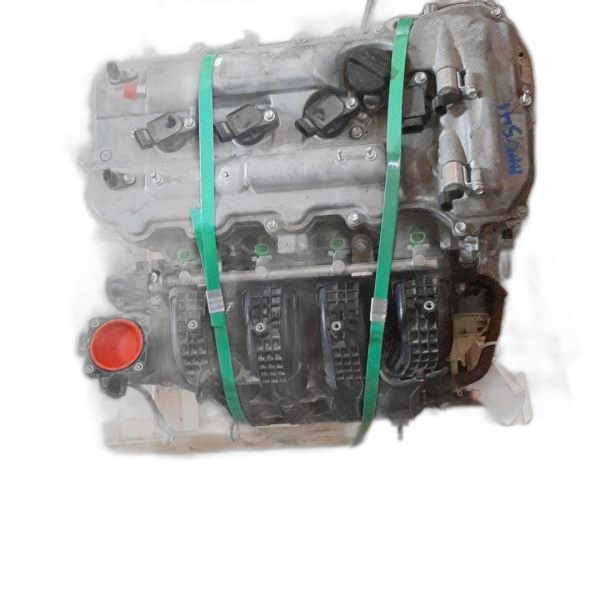
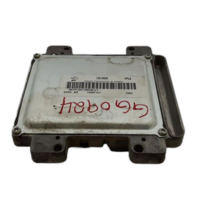
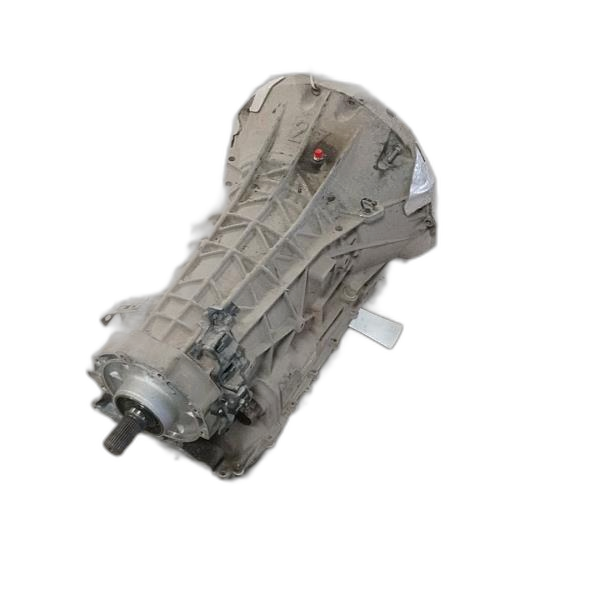
Below are the parts most often responsible for code P1960, ranked by how frequently each one is the actual culprit (per the diagnosis above). Tap any to see what we have for your vehicle.



The information in this article is provided for general reference and educational purposes only. Vehicle specifications, procedures, and part compatibility can vary by production date, trim level, and region. Always consult your vehicle's factory service manual and verify part numbers before purchasing or performing repairs. Safety-critical components such as airbags, seat belts, and braking systems should be installed by a qualified professional.
- 🧭 Diagnostic Flowchart
- 🛍️ Shop This Part
- What Does P1960 Mean?
- Can I Drive With P1960?
- Common Causes
- Symptoms
- Common Fixes & Costs
- DIY vs Professional
- Used vs. New Parts: Buying Guide
- What Happens If You Wait — Timeline
- Cost of Not Fixing It
- Diagnosis Steps
- When This Code Triggers (Freeze-Frame Conditions)
- Related Codes
- Climate & Environmental Factors
- How to Talk to a Mechanic About This Code
- Where to Take It: Dealer vs Independent vs Chain
- When to Walk Away From the Repair
- What Scan Tool You Need for This Code
- How to Clear the Code After You Fix It
- Will This Fail Emissions / State Inspection?
- Most Commonly Affected Vehicles
- Manufacturer-Specific Notes
- Real Owner Stories
- 2014 Ford Focus at 48K miles
- 2023 Kia Sportage Hybrid with AWD error
- 2007 Mazda 3 at ~60K miles with violent downshifts
- 2012 Ford Focus with multiple electrical issues
- How to Prevent This Code From Triggering
- Frequently Asked Questions
- Can I fix a P1960 code myself?
- What are common misdiagnosis pitfalls for P1960?
- Can a weak battery cause a P1960 code?
- Is it better to repair or replace a faulty TCM?
- My car is all-wheel drive and has a P1960. What does that mean?
- What happens if I ignore a P1960 code?
- How much does it cost to fix a P1960 code?
- Key Takeaways
- 🎟️ Get 5% Off