

P2008 on 2013-2016 Lincoln MKZ 3.7L: Intake Manifold Runner Control Circuit Fixes
The P2008 code on a Lincoln MKZ with the 3.7L V6 most often points to a failed Intake Manifold Runner Control (IMRC) solenoid or actuator. This is an electrical circuit code, so checking the wiring and connector for damage is the first step before replacing the part, which typically costs between $50 and $150. The solenoid is located on the intake manifold and is a common failure point across many Ford and Lincoln models with this engine.
- P2008 specifically points to an electrical circuit problem (an 'open' or break in the circuit) for the Bank 1 intake manifold runners.
- The most likely culprit is the IMRC solenoid itself, which can fail from heat and vibration.
- Always inspect the wiring and connector for damage before buying any parts, as a simple wiring repair could solve the problem.
- This is a DIY-friendly repair for those with basic tools and diagnostic skills.
- Driving with this code will result in poor performance and fuel economy but is unlikely to cause severe engine damage in the short term.
What's Unique About the 2013-2016 Lincoln MKZ
The 3.7L Duratec V6 (also known as Cyclone) used across various Ford and Lincoln models, relies on a vacuum-actuated IMRC system. The control solenoid is often mounted in a location susceptible to heat and vibration, which can lead to premature failure of the component or its electrical connector. While the system is generally reliable, this electrical fault is a known issue that can occur as the vehicle ages. The code specifically points to a failure in the primary control circuit for the Bank 1 runner.
Symptoms You May Notice
- Check Engine Light is on
- Rough or uneven idle
- Hesitation or stumbling during acceleration
- Noticeable loss of power, especially at lower RPMs
- Reduced fuel economy
- Engine may make a slight ticking or buzzing sound from the IMRC solenoid area
- Replacing the entire intake manifold when only the external solenoid or wiring is faulty.
- Assuming the runner flaps are stuck with carbon when P2008 specifically indicates an electrical circuit issue.
Most Likely Causes
- Faulty Intake Manifold Runner Control (IMRC) Solenoid/Actuator 🔴 High Probability → Shop Engine Intake Manifold The solenoid is exposed to significant heat and vibration in the engine bay, which can cause the internal coil windings to fail over time, creating an open circuit. This is a common failure point on Ford's Duratec engine family.
How to confirm: Check for a clicking sound from the solenoid when commanding it on and off with a bidirectional scan tool. Alternatively, disconnect the connector and test the resistance across the solenoid's pins with a multimeter; an infinite reading (OL) indicates an open circuit. A good solenoid should have a resistance between 26 and 40 ohms. 🎬 Watch: How to test the solenoid with a multimeter You can also apply 12V power and a ground directly to the solenoid pins to see if it actuates with an audible click.
Typical fix: Replace the IMRC solenoid/actuator assembly. The part is typically mounted to the intake manifold with two bolts and is accessible after removing the engine cover.
Est. part cost: $50 - $150 - Damaged Wiring or Loose Connector 🟡 Medium Probability Engine vibrations can cause wires to chafe or break, and the connector's locking tab can become brittle and fail, leading to a poor connection. Rodent damage is also a possibility.
How to confirm: Visually inspect the wiring harness leading to the IMRC solenoid for any signs of damage, corrosion, or loose pins in the connector. Perform a continuity test on the wires between the PCM and the solenoid.
Typical fix: Repair the damaged section of the wiring harness or clean/replace the electrical connector.
Est. part cost: $5 - $50 - Broken or Cracked Vacuum Lines ⚪ Low Probability The rubber vacuum lines that operate the IMRC actuator can become brittle and crack with age and heat exposure, leading to vacuum leaks that prevent the system from working, though this is less likely to cause a specific 'circuit open' code.
How to confirm: Visually inspect all vacuum lines connected to the IMRC system for cracks, splits, or disconnections. A smoke test can help identify hard-to-see leaks.
Typical fix: Replace the damaged vacuum hose(s).
Est. part cost: $10 - $30
Rare But Worth Checking
- Powertrain Control Module (PCM) Failure: → Shop Engine Control Module (ECM) This is very uncommon. The PCM's internal driver circuit for the IMRC solenoid can fail, but all other potential causes should be exhaustively ruled out before considering PCM replacement.
Diagnosis Steps
- Read the code with an OBD-II scanner to confirm P2008 is present.
- Perform a thorough visual inspection of the IMRC solenoid, its electrical connector, and the associated wiring harness on Bank 1 (the front cylinder bank). Look for any obvious damage, disconnected plugs, or corrosion.
- Inspect the vacuum lines running to and from the IMRC actuator for any cracks, breaks, or loose connections.
- If you have a bidirectional scan tool, command the IMRC solenoid on and off. Listen for an audible click. No click suggests a faulty solenoid or a lack of power/ground.
- Disconnect the solenoid's electrical connector. Use a multimeter to check for battery voltage on the power wire and for continuity to ground on the ground wire (with the key on).
- With the connector still off, measure the resistance across the two pins on the IMRC solenoid itself. A reading of 'OL' (Over Limit) or infinite resistance confirms the solenoid's internal coil is broken. A typical good reading should be in the range of 26-40 ohms.
- If the solenoid and wiring check out, the issue may be with the runner flaps themselves being mechanically stuck, though this would more commonly set a P2006 or P2007 code.
Parts You'll Likely Need
- Intake Manifold Runner Control Solenoid / Actuator
(OEM #3S4Z-9J559-AA (cross-reference))— This is the most frequent point of failure for the P2008 code due to its location and electrical nature.
Trusted brands: Motorcraft, Dorman, Standard Motor Products
OEM price range: $100-$180
Aftermarket price range: $50-$120
Related Codes That Often Appear With This One
- P2006 — P2006 means 'Intake Manifold Runner Control Stuck Closed'. If the electrical circuit (P2008) fails, the solenoid cannot activate, causing the runner flaps to remain in their default (closed) position, which can trigger P2006.
- P2004 — P2004 means 'Intake Manifold Runner Control Stuck Open'. While less common with a P2008 fault, it's possible if the failure occurs while the runners are commanded open.
Platform-Specific Known Issues
- Solenoid Location: On the 3.7L V6, the IMRC solenoid is typically located on the front of the intake manifold, making it relatively easy to access for testing and replacement once the plastic engine cover is removed. 🎬 See this Ford IMRC replacement walkthrough
Mechanic-Grade Diagnostic Values
- IMRC Solenoid Coil Resistance — expected: 26 - 40 Ohms (Ω). Failure: Infinite resistance ('OL' on a multimeter) or a reading far outside the expected range.
- IMRC Solenoid Voltage Supply — expected: Battery voltage (~12.6V) at the solenoid connector power pin with Key On, Engine Off.. Failure: Little to no voltage, indicating a wiring issue, blown fuse, or problem with the power source.
Scan Tool Commands That Help
- Ford IDS (Integrated Diagnostic System): Active Command - IMRC On/Off — This bidirectional control is used to command the IMRC solenoid to actuate while listening for an audible click. The absence of a click when commanded ON points directly to a faulty solenoid or a failure in its power/ground circuit. This is a definitive way to test the component's functionality without removing it from the vehicle.
Wiring & Ground Locations
- G107 / G108 — Located on the right side of the engine compartment, near the Powertrain Control Module (PCM).. These are critical grounds for the PCM and its associated sensors and actuators. While not exclusive to the IMRC circuit, a corroded or loose connection at these points can cause a variety of intermittent and difficult-to-diagnose electrical faults for PCM-controlled components, including the IMRC solenoid.
Real Owner Repair Stories
- Ford Focus Club forum post (Ford Focus Mk2.5 1.8L Duratec (shares IMRC design principles)) — Intermittent loss of power in the low RPM range (below 3000 RPM), with the engine suddenly picking up power above that threshold. Check Engine Light was on with code P2008.
❌ Tried (didn't work) The user was experiencing the issue intermittently before proceeding with the final repair.
✅ What actually fixed it Replacing the intake manifold runner control solenoid (also referred to as the air shut off control) resolved the P2008 code and all associated performance issues. The car ran significantly better, especially when accelerating from a stop.
OEM Part Supersession History
1S7Z-9J559-BA→3S4Z-9J559-AA— Part revision and update by the manufacturer.
Diagnostic Flowchart
Other Known Issues on This Vehicle
Issues unrelated to this code that are worth knowing about as an owner of this generation:
- Internal Water Pump Failure 🔴 High — Commonly occurs between 80,000-150,000 miles. A weep hole may leak coolant externally, but an internal seal failure can leak coolant directly into the engine oil, leading to catastrophic engine damage.
- Electronic Throttle Body Failure 🟠 Medium — Affects a wide range of 2011-2019 Ford/Lincoln vehicles with the 3.7L engine. Failure can cause the vehicle to enter a 'limp mode' with sudden loss of power, often triggering codes P2111 or P2112. (Ref: Ford TSB 16-0139 covers this issue on some models.)
- Harsh Transmission Shifting 🟠 Medium — Reported on 2013-2017 models, owners describe harsh or delayed shifts, particularly between 1st, 2nd, and 3rd gears, sometimes feeling like being rear-ended. Often requires a PCM/TCM software update, but can indicate internal wear on higher mileage vehicles.
- Failed PCV Valve (Integrated in Valve Cover) 🟡 Low — The PCV valve diaphragm is integrated into the valve cover and is a known failure point. A rupture creates a significant vacuum leak, often causing lean codes like P0171 or P0174.
Used vs. New Parts: Buying Guide for This Vehicle
When a used part is the smart pick: For an external, easily-replaced, and relatively inexpensive part like the IMRC solenoid, buying a new aftermarket or OEM part is almost always the smarter choice. The cost savings of a used part are minimal and not worth the risk of receiving a part that is near the end of its service life. A used part only makes sense if it's part of a complete, low-mileage intake manifold assembly being purchased for other reasons.
Donor-vehicle mileage cap: roughly under 50000 miles for the part to have meaningful remaining life.
What to inspect on the donor part:
- Check for cracks or damage to the plastic housing and electrical connector.
- Ensure the vacuum ports are clear and not broken.
- If possible, test the resistance with a multimeter before purchase to ensure it's within the 26-40 ohm range.
OEM-only on this vehicle (don't cheap out):
- Powertrain Control Module (PCM)
Aftermarket brands forum-validated for this vehicle:
- Dorman
- Standard Motor Products (SMP)
Real Owner Stories
Aggregated from forums and TSBs cited above. Mileages and costs reflect what owners reported in those sources.
2009 Mustang GT 4.6L (Similar Engine Family)
Symptoms: Vehicle keeps blowing fuse 47, which is affecting multiple components including the IMRC circuit.
What fixed it: Checking for shorts in the related circuits powered by the same fuse.
Source hint: https://www.allfordmustangs.com/threads/2009-mustang-gt-keeps-blowing-fuse-47.1165289/
Related OBD-II Codes
Frequently Asked Questions
Where is the IMRC solenoid located on my 3.7L V6 Lincoln MKZ?
Can I test the IMRC solenoid on my MKZ with a multimeter before buying a new one?
Does TSB 16-0139 apply to the P2008 code on my Lincoln?
Are there specific brands I should look for when replacing the IMRC actuator?
Could a blown fuse cause the P2008 code on my 3.7L engine?
Why is my MKZ making a buzzing sound near the engine cover along with the P2008 code?
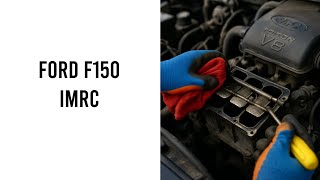
Helpful Videos

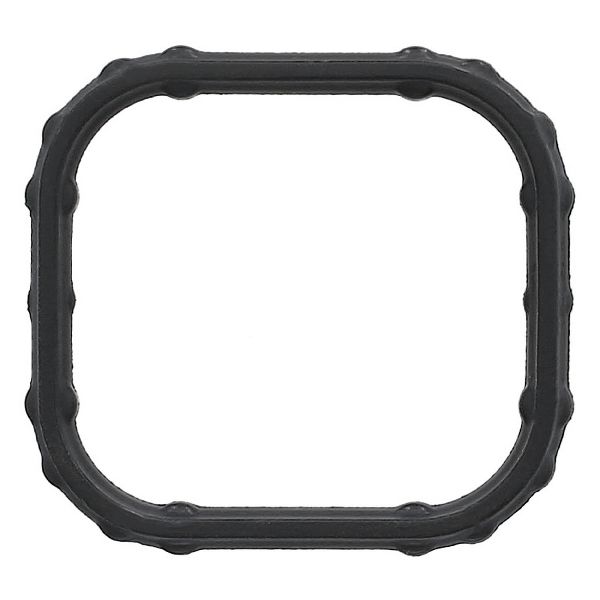
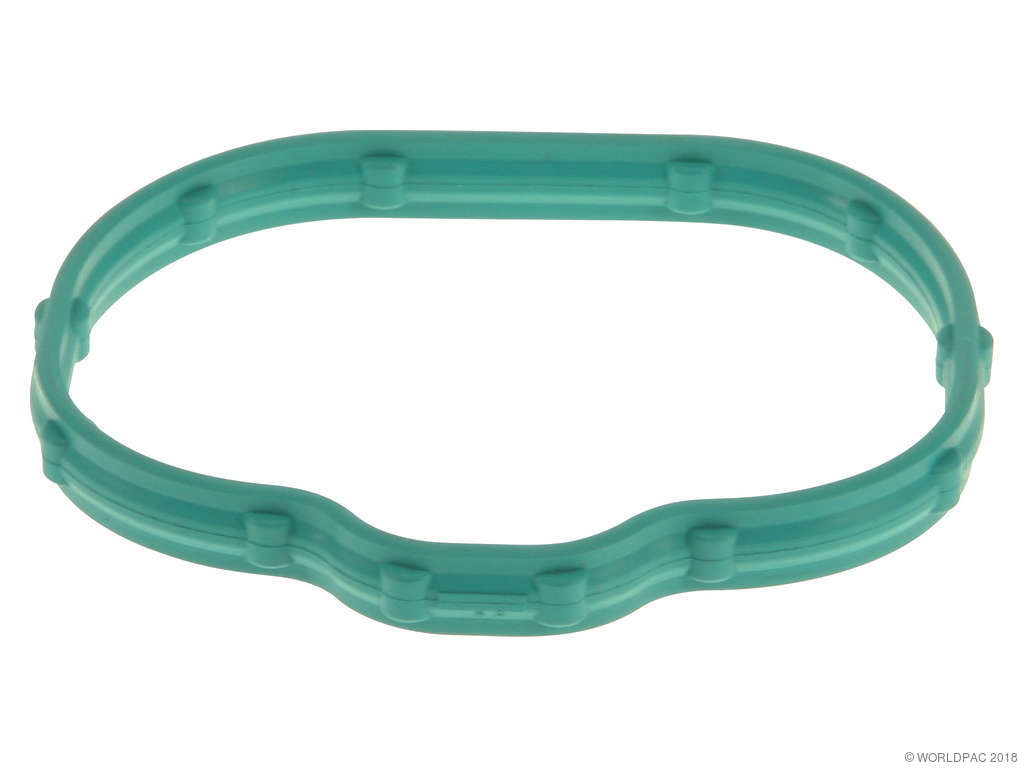
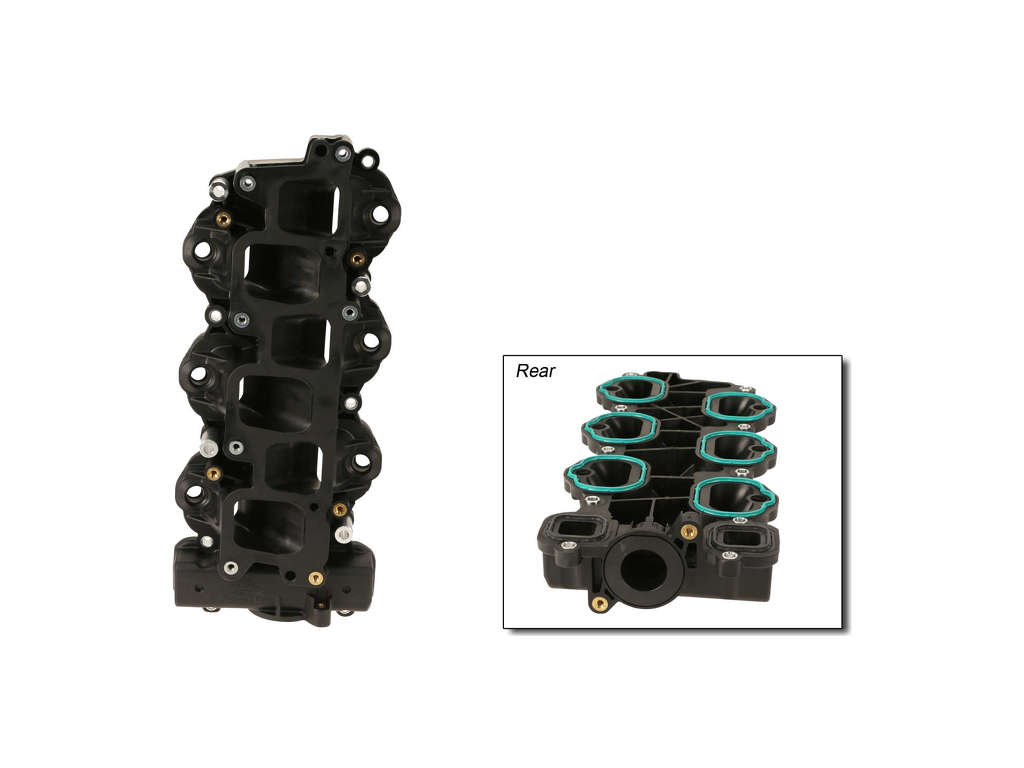
We Have This Part in Stock


The information in this article is provided for general reference and educational purposes only. Vehicle specifications, procedures, and part compatibility can vary by production date, trim level, and region. Always consult your vehicle's factory service manual and verify part numbers before purchasing or performing repairs. Safety-critical components such as airbags, seat belts, and braking systems should be installed by a qualified professional.
- Lincoln MKZ:
- 🧭 Diagnostic Flowchart
- 🎬 Helpful Videos
- 🛍️ Shop This Part
- What's Unique About the 2013-2016 Lincoln MKZ
- Symptoms You May Notice
- Most Likely Causes
- Rare But Worth Checking
- Diagnosis Steps
- Parts You'll Likely Need
- Related Codes That Often Appear With This One
- Platform-Specific Known Issues
- Mechanic-Grade Diagnostic Values
- Scan Tool Commands That Help
- Wiring & Ground Locations
- Real Owner Repair Stories
- OEM Part Supersession History
- Other Known Issues on This Vehicle
- Used vs. New Parts: Buying Guide for This Vehicle
- Real Owner Stories
- 2009 Mustang GT 4.6L (Similar Engine Family)
- Related OBD-II Codes
- Frequently Asked Questions
- 🎟️ Get 5% Off