

P2008 on 2005-2006 Saab 9-2X 2.0L Turbo: Tumble Generator Valve Circuit Fixes
P2008 on your Saab 9-2X means there's an electrical problem with the passenger-side Tumble Generator Valve (TGV) actuator. This is most often a failed TGV motor or damaged wiring. Expect to replace the TGV assembly, which can cost between $250-$450 for the part. This is an electrical code, not a mechanical one, meaning the computer detected a break in the circuit, like a cut wire.
- P2008 on your 9-2X is an electrical fault in the passenger-side Tumble Generator Valve (TGV) system.
- The most likely cause is a failed TGV actuator motor or damaged wiring, not a mechanical blockage.
- Because the 9-2X Aero is a rebadged Subaru WRX, repair information and parts for 2004-2005 Subaru WRX models are directly applicable.
- When replacing the TGV assembly, it is best practice to also replace the associated gaskets to prevent future vacuum leaks.
What's Unique About the 2005-2006 Saab 9-2X
The Saab 9-2X 'Aero' is a rebadged Subaru Impreza WRX, so this issue is identical to the well-documented Tumble Generator Valve (TGV) problems on Subaru platforms. The 'IMRC' name in the generic code definition directly translates to the Subaru TGV system. Because it's a boxer engine, 'Bank 1' refers to the entire passenger side cylinder head assembly, where one TGV unit is located. The problem is almost always isolated to the actuator motor or its wiring, a common failure point on these EJ-series engines. On Subarus, a TGV fault is often accompanied by a flashing cruise control light on the dashboard.
Symptoms You May Notice
- Check Engine Light is on
- Flashing cruise control light on the dashboard
- Reduced engine power and torque, especially at lower RPMs
- Engine hesitation or stumbling during acceleration
- Rough or unstable idle
- Decreased fuel mileage
- In rare cases, a faint ticking or rattling noise from the engine bay if the valve plate becomes loose or the shaft fails.
- Replacing the throttle position sensor (TPS). The TGV position sensor looks similar to a TPS, but it is a separate component. P2008 is for the control circuit, not the position sensor.
- Replacing fuel injectors or spark plugs. While a rough idle can be a symptom, P2008 points specifically to the TGV electrical circuit, which should be diagnosed first.
Most Likely Causes
- Failed TGV Actuator Motor 🔴 High Probability The DC motor in the actuator is subject to significant heat and vibration on the side of the engine, leading to electrical failure over time. The internal coil wire can break, creating the open circuit. It can also burn out if the internal butterfly valve gets stuck from carbon buildup.
How to confirm: Use a scan tool's 'active test' to command the TGV actuator. If you hear no click or movement, and you confirm voltage is reaching the connector with a multimeter, the motor has failed internally. The motor and sensor are often sold only as part of the complete TGV assembly.
Typical fix: Replace the TGV actuator. On this platform, the motor is integrated with the TGV housing and sold as a complete assembly.
Est. part cost: $250-$450 - Damaged Wiring or Loose Connector 🟡 Medium Probability The wiring harness to the TGV actuator is in a location prone to heat damage, abrasion, or rodent activity. The plastic connectors can become brittle and crack. The connector can also be accidentally left unplugged after maintenance like changing spark plugs.
How to confirm: Visually inspect the entire harness leading to the passenger-side TGV actuator. Check for frayed wires, chew marks, or melting. Ensure the connector is fully seated and the pins are clean and not corroded. Specialized shops like iWire sell repair kits for these common Subaru connectors.
Typical fix: Repair the damaged section of the wiring harness or clean/re-seat the connector. If the connector housing is broken, it may need to be replaced with a pigtail.
Est. part cost: $5-$50 - Stuck TGV Butterfly Valve ⚪ Low Probability Carbon from the PCV and EGR systems can build up inside the TGV housing, causing the metal butterfly plate to stick. This doesn't directly cause the P2008 electrical code, but it can cause the actuator motor to strain and burn out, leading to the P2008 code. Later Subaru TSBs note issues with corrosion on the TGV shaft itself, causing it to bind.
How to confirm: This requires removing the TGV assembly from the engine. Once removed, manually actuate the valve linkage to see if it moves freely or if it is seized. A stuck valve will typically throw a P2006 (stuck closed) or P2004 (stuck open) code alongside the P2008.
Typical fix: Clean the carbon buildup from the TGV housing and butterfly valve with intake cleaner and a brush. If the motor is already burned out from the strain, it will also need to be replaced.
Est. part cost: $10-$20 (cleaner)
Rare But Worth Checking
- Failed ECM: A failure of the TGV driver circuit inside the Engine Control Module (ECM) is very unlikely but possible. This should only be considered after all other possibilities (actuator, wiring) have been definitively ruled out.
Diagnosis Steps
- Verify the code with an OBD-II scanner. 🎬 Watch: A quick overview of the P2008 code and its causes. Note if the cruise control light is flashing, which is typical for Subaru powertrain faults.
- Locate the TGV actuator on the passenger side of the intake manifold.
- Visually inspect the electrical connector and wiring harness for any obvious damage, corrosion, or disconnection. Pay close attention to where the harness might rub or be exposed to high heat.
- Use a scan tool with bidirectional controls to run an 'actuation test' for the Bank 1 TGV. Listen for a distinct clicking sound from the actuator motor.
- If no sound is heard, turn the ignition ON (engine OFF) and use a multimeter to check for voltage at the actuator's electrical connector (typically a 0-5V command signal). This confirms if power is being sent from the ECM.
- If voltage is present at the connector but the actuator doesn't work, the actuator motor has failed and the TGV assembly needs replacement.
- If no voltage is present, disconnect the battery. Check for continuity in the wires between the ECM connector and the TGV actuator connector using the factory wiring diagram. Repair any open circuits found.
- If the actuator works and wiring is intact, the issue may be mechanical. Remove the TGV assembly and inspect the internal butterfly valve for carbon buildup or seizure. Check for free movement.
Parts You'll Likely Need
- Tumble Generator Valve (TGV) Assembly - Bank 1 / Right / Passenger Side
(OEM #14011AB931)— This is the most common failure. The actuator motor fails, creating an open circuit. The motor is typically integrated into the TGV housing, requiring replacement of the whole assembly. This part number supersedes 14011AB930.
Trusted brands: Subaru (Genuine)
OEM price range: $300-$450
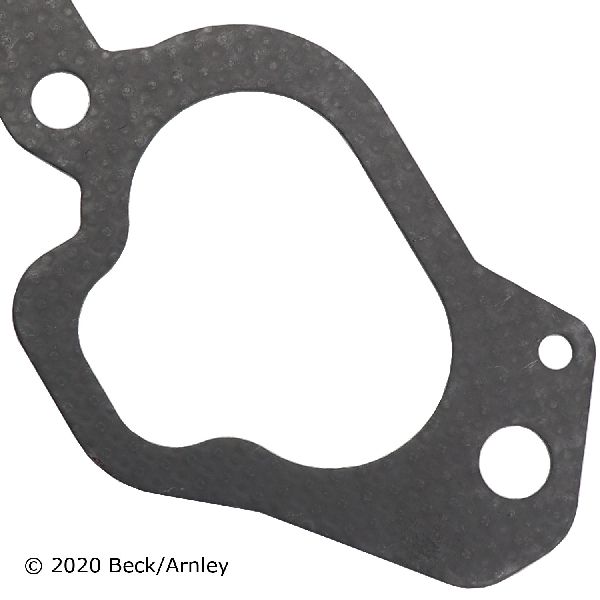
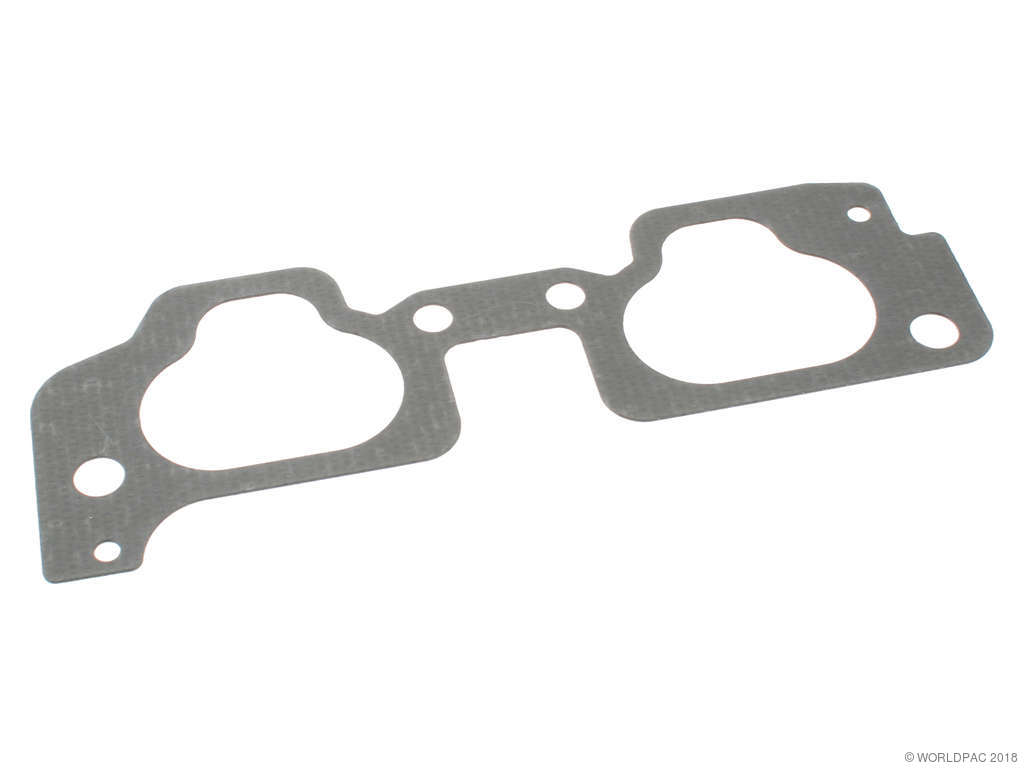
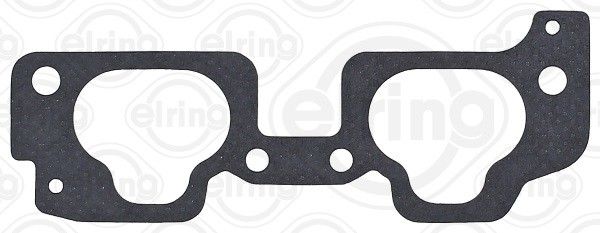
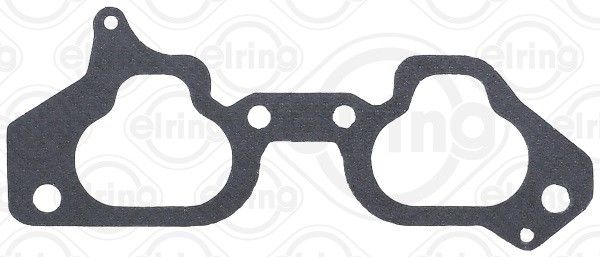
Aftermarket price range: $200-$350 - TGV to Intake Manifold Gasket
(OEM #16175AA243)— This gasket is a one-time-use part and must be replaced anytime the TGV assembly is removed to prevent vacuum leaks. A user on YouTube documented this during their TGV replacement.
Trusted brands: Subaru (Genuine)
OEM price range: $10-$20
Aftermarket price range: $5-$15
Related Codes That Often Appear With This One
- P2006 — P2006 means 'Intake Manifold Runner Control Stuck Closed'. If the electrical circuit fails open (P2008), the valve's default spring-loaded position is closed, which will then be detected by the ECU and trigger P2006. You must fix the P2008 electrical issue first.
- P2004 — P2004 means 'Intake Manifold Runner Control Stuck Open'. This can occur if the valve fails in the open position or if there's a related sensor fault.
- P2009 — P2009 indicates 'Intake Manifold Runner Control Circuit Low (Bank 1)', which is a related electrical fault that can be caused by similar wiring issues.
Technical Service Bulletins (TSBs) & Recalls
- Subaru TSB 02-182-19: While for a later model WRX (2015-2019), this TSB is relevant as it acknowledges a design flaw where condensation from the EGR system can cause the TGV shaft to corrode and seize. The fix was a new TGV assembly with a stainless steel shaft. This shows a history of mechanical TGV issues that could lead to motor burnout and a P2008 code.
Platform-Specific Known Issues
- Owner Experience: Stutter on Cold Start: A user on LegacyGT.com with a 2005 Legacy GT (a platform mate) described getting code P2008 along with a noticeable stutter when the engine was cold. The stutter would disappear after about 10 minutes of driving once the engine was fully warm. This points to the TGV system's primary role during the cold-start cycle.
- Repair Story: DIY Replacement: A YouTube video from 'TogueLab' shows the process of replacing the TGV assemblies on a 2013 STI. While a newer model, the process is very similar. The owner chose to replace both sides as a preventative measure and also replaced the fuel injector seals (Part #16395aa020) and O-rings (#16698aa110) at the same time since the intake manifold was already off.
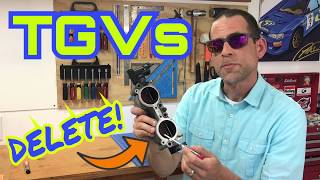
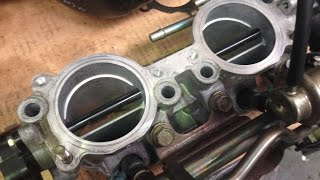
- Modification: TGV Deletes: A common performance modification is a 'TGV delete,' where the internal butterfly valves and sometimes the dividing rods are physically removed for better airflow. This is not a standard repair and requires a custom ECU tune to disable the resulting check engine light codes (like P2008). Companies like iWire sell connector plugs to cap the harness after a delete. This is for off-road use only as it impacts emissions.
Wiring & Ground Locations
- TGV Motor Connector (2-pin) — On the TGV assembly for Bank 1 (passenger side), there are two separate connectors for the motor and the position sensor on the 2005-2006 models. The motor connector is a 2-pin plug.. P2008 is an open circuit code for the TGV motor. All electrical testing (voltage, continuity) for the motor circuit happens at this specific 2-pin connector and the corresponding pins at the ECM.
- TGV Position Sensor Connector (3-pin) — Also on the TGV assembly, separate from the motor connector. It's a 3-pin plug.. While P2008 is a motor circuit code, damage to the harness often affects both connectors. A fault in the sensor can sometimes lead to related TGV codes, so its location is important for a complete diagnosis.
- ECU Grounding Point — The main grounding point for the ECU is on the top of the intake manifold itself.. A poor ground connection at the intake manifold can cause a host of strange electrical issues, including intermittent or false TGV codes. This is especially common if aftermarket phenolic spacers or TGV deletes have been installed without adding a dedicated ground strap, as this breaks the ground path from the engine block to the manifold where the ECU grounds are located.
- Chassis Ground Points — Key engine-to-chassis grounds are located on the strut tower (where the negative battery cable connects) and on the engine block itself.. Corroded or loose main ground straps can increase electrical resistance throughout the system, forcing sensor and actuator circuits to find alternate, higher-resistance paths, which can trigger open circuit codes like P2008.
Real Owner Repair Stories
- LegacyGT.com forum user 'gtal98' (2005 Subaru Legacy GT (same TGV system)) — Car threw a P2012 (Bank 2 equivalent of P2008) and had no power, indicating the TGV was stuck closed. After attempting a fix, a new P2021 (position sensor code) appeared.
❌ Tried (didn't work) Initially removing and reinstalling the TGV position sensor without proper alignment, which caused a new code.
✅ What actually fixed it The user discovered the TGV position sensor must be 'clocked' during installation. For the driver's side (Bank 2), this involved starting with the sensor's electrical connector pointing up (90 degrees counter-clockwise from its final position), pressing it onto the shaft, and then rotating it clockwise into its final position before installing the screws. This preloads the internal spring correctly. The same principle applies to Bank 1. Spraying WD-40 in the electrical connectors also helped resolve the initial issue.
OEM Part Supersession History
14011AB930→14011AB931— Undocumented, but likely minor manufacturing revision or supplier change. Functionally identical.
Heads up: None, the parts are interchangeable.
Model Year Variations Within This Range
- 2002-2006 (approx): Models in this range, including the 2005-2006 Saab 9-2X, use a TGV system with two separate connectors on each assembly: a 2-pin for the motor and a 3-pin for the position sensor. Later models (approx. 2007+) integrate both functions into a single 5-pin connector. This is a critical difference when sourcing replacement pigtails or diagnosing wiring.
Diagnostic Flowchart
Used vs. New Parts: Buying Guide for This Vehicle
When a used part is the smart pick: A used OEM TGV assembly from a low-mileage donor car is a viable and cost-effective option, as the failure is typically the electrical motor, not the housing itself. Given the high cost of a new OEM part, a tested, used unit from a reputable salvage yard is a smart choice.
Donor-vehicle mileage cap: roughly under 80000 miles for the part to have meaningful remaining life.
What to inspect on the donor part:
- Verify the donor vehicle's mileage if possible.
- Inspect the electrical connectors for cracks, brittleness, or corrosion.
- Manually actuate the valve linkage by hand; it should move smoothly without binding or excessive play.
- Check the butterfly valve and housing for heavy carbon buildup, which could indicate the valve was stuck and strained the motor.
- Ask the seller for a warranty or guarantee that the part is functional.
OEM-only on this vehicle (don't cheap out):
- TGV Assembly: While aftermarket 'TGV delete' kits exist for performance use, for a stock repair, a used OEM or new Genuine Subaru part is the most reliable option. There are few direct-replacement aftermarket TGV assemblies that retain full OEM function.
Aftermarket brands forum-validated for this vehicle:
- iWire Vehicle Wiring Solutions: For repairing damaged connectors, iWire is the go-to source for high-quality, vehicle-specific pigtails and repair kits.
Brands owners have reported issues with on this vehicle:
- Unbranded eBay/Amazon sensors: Forum users have reported issues with cheap, unbranded TGV position sensors not being within the correct electrical specifications, causing persistent codes even after replacement.
Real Owner Stories
Aggregated from forums and TSBs cited above. Mileages and costs reflect what owners reported in those sources.
2005 Legacy GT
Symptoms: Owner reported a Check Engine Light for P2008, and after clearing it, the light returned with a P0172 (Fuel System Rich) code.
What fixed it: The owner was seeking a diagnosis to determine if the TGV motor or sensor was the cause and why the new code appeared.
Source hint: LegacyGT.com owner report [from owner_reports]
2005 Legacy GT
Symptoms: A noticeable engine stutter when the engine was cold, which would resolve itself after about 10 minutes of driving when the engine reached full operating temperature.
What fixed it: The owner was diagnosing the cause of the cold-start stutter, which was directly linked to the P2008 code and the TGV system's function during the engine warm-up cycle.
Source hint: LegacyGT.com user experience described in 'Owner Experience: Stutter on Cold Start'
2013 STI
Symptoms: The owner did not report specific symptoms; the work was done as a preventative measure.
What fixed it: Replaced both TGV assemblies. At the same time, the owner also replaced the fuel injector seals (Part #16395aa020) and O-rings (#16698aa110) since the intake manifold was removed.
Source hint: YouTube video from 'TogueLab' described in 'Repair Story: DIY Replacement'
2022 WRX
Symptoms: A faint ticking noise coming from the engine bay.
What fixed it: The cause was identified as a mechanical failure where the TGV butterfly valve had come loose from the shaft inside the housing.
Source hint: Reddit r/wrx_vb user report
Related OBD-II Codes
Frequently Asked Questions
Why is my cruise control light flashing along with the Check Engine Light for code P2008?
The code is for Bank 1. Which side of the engine is that on my Saab 9-2X?
I'm planning to replace the TGV assembly. Is there anything else I should replace at the same time?
I've heard about 'TGV deletes'. Is this a recommended fix for P2008?
My wiring connector to the TGV actuator is broken. Can I buy just the connector?
A Subaru TSB (02-182-19) mentions TGV shaft corrosion. Does this apply to my 2005-2006 Saab 9-2X?
Helpful Videos

We Have This Part in Stock


The information in this article is provided for general reference and educational purposes only. Vehicle specifications, procedures, and part compatibility can vary by production date, trim level, and region. Always consult your vehicle's factory service manual and verify part numbers before purchasing or performing repairs. Safety-critical components such as airbags, seat belts, and braking systems should be installed by a qualified professional.
- Saab 9-2X:
- 🧭 Diagnostic Flowchart
- 🎬 Helpful Videos
- 🛍️ Shop This Part
- What's Unique About the 2005-2006 Saab 9-2X
- Symptoms You May Notice
- Most Likely Causes
- Rare But Worth Checking
- Diagnosis Steps
- Parts You'll Likely Need
- Related Codes That Often Appear With This One
- Technical Service Bulletins (TSBs) & Recalls
- Platform-Specific Known Issues
- Wiring & Ground Locations
- Real Owner Repair Stories
- OEM Part Supersession History
- Model Year Variations Within This Range
- Used vs. New Parts: Buying Guide for This Vehicle
- Real Owner Stories
- 2005 Legacy GT
- 2005 Legacy GT
- 2013 STI
- 2022 WRX
- Related OBD-II Codes
- Frequently Asked Questions
- 🎟️ Get 5% Off