

P2015 on 2013-2019 Buick Encore 1.4L Turbo: Intake Runner Sensor Causes and Fixes
This code on a 1.4L Encore is almost never just a bad sensor. It's a symptom of a failed PCV system caused by a faulty check valve inside the intake manifold. The correct fix is to replace both the intake manifold and the valve cover assembly together, costing between $250-$450 in parts.
- P2015 on this engine is a strong indicator of a larger PCV system failure, not just a sensor issue.
- The correct and only long-term repair is to replace the intake manifold and the valve cover at the same time.
- You can quickly check for the problem by listening for a whistle at idle or by checking for strong vacuum at the oil cap.
- Aftermarket parts from brands like Dorman offer a redesigned intake manifold that aims to prevent the problem from happening again.
What's Unique About the 2013-2019 Buick Encore
On the GM 1.4L Turbo engine, P2015 is often a side effect of a much more common and well-documented design flaw. A small non-return valve inside the plastic intake manifold is known to fail and dislodge. This happens because the rapid pressure cycling when the engine switches from boost back to vacuum can physically suck the valve out of its seat. When this happens, pressurized air from the turbocharger floods the engine's crankcase, rupturing a diaphragm in the valve cover's PCV system. This chain reaction creates a significant vacuum leak and abnormal pressures within the intake manifold, which can cause the runner control system to malfunction and trigger the P2015 code.
Generation note: The 2013-2019 model years all fall within the first generation of the Buick Encore, but there was a significant refresh for the 2017 model year. However, the 1.4L LUV engine and its associated PCV/intake manifold issues are common across the entire 2013-2019 range.
Symptoms You May Notice
- Check Engine Light is on
- Rough or unstable idle
- Reduced engine power and hesitation during acceleration.
- A distinct whistling or hissing noise from the engine bay at idle.
- Increased oil consumption.
- Smell of burning oil.
- Blue smoke from the exhaust, especially on startup.
- Replacing only the valve cover without replacing the intake manifold. This will fix the vacuum leak temporarily, but the underlying cause (the missing check valve in the manifold) will cause the new valve cover's diaphragm to rupture again quickly.
Most Likely Causes
- Failed Intake Manifold and Valve Cover PCV System 🔴 High Probability → Shop Engine Intake Manifold A non-return check valve inside the factory intake manifold is known to break or dislodge. This allows turbo boost pressure to enter the crankcase and rupture the PCV diaphragm located in the valve cover. This is a widely recognized failure pattern on this engine, documented in GM TSB PIP5197.
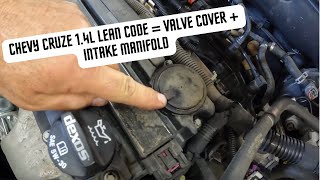
How to confirm: With the engine running, remove the oil filler cap; a strong suction or a significant change in how the engine runs indicates a failed PCV system. You can also visually inspect the small breather hole on the valve cover for vacuum. To confirm the root cause, disconnect the PCV hose from the intake manifold; looking inside the port with a light, you may see the orange non-return valve is missing. A long cotton swab can be used to wipe away oil to get a better view. A professional can measure crankcase pressure; normal is -11 to -18 inches of water at hot idle.
Typical fix: Replace both the intake manifold and the valve cover assembly at the same time. Replacing only the valve cover will lead to a repeat failure when the faulty manifold ruptures the new part.
Est. part cost: $250-$450
Rare But Worth Checking
- Faulty Intake Runner Position Sensor or Wiring: While a simple sensor or wiring fault is possible, it is far less common than the systemic PCV issue. This should only be considered after the intake manifold and valve cover have been confirmed to be in good condition.
Diagnosis Steps
- Scan for all fault codes. Note if P0171, P1101, P0299, or P2096 are present alongside P2015, which strongly points to the common PCV failure.
- With the engine running, listen for a distinct whistling or hissing noise near the top of the engine.
- Perform a PCV system check: Carefully try to remove the oil filler cap while the engine is idling. If there is strong vacuum holding it down, or if the engine idle changes dramatically when it's removed, the PCV diaphragm in the valve cover has likely failed.
- Inspect the intake manifold's internal check valve. Disconnect the PCV tube from the driver's side of the intake manifold. Use a flashlight to look inside the port. You should see a small, orange, umbrella-shaped check valve. If it is missing, the intake manifold must be replaced.
- (Professional) Measure crankcase pressure using a manometer at the oil dipstick tube. A reading between -11 and -18 inches of water is normal. A reading significantly higher (less vacuum) or lower (more vacuum, e.g., -30 in H2O) confirms a PCV system fault.
- If the PCV system and intake check valve are confirmed to be intact, then proceed with checking the wiring and connector for the intake manifold runner position sensor for any damage or corrosion.
- Using a capable scan tool, command the intake runners to open and close while observing the sensor's position data to see if it responds correctly.
Parts You'll Likely Need
- Intake Manifold and Valve Cover Kit — This is the definitive fix. The original intake manifold has a design flaw, and the valve cover is damaged as a direct result. They must be replaced together. Aftermarket kits often include the manifold, valve cover, and the necessary PCV tube.
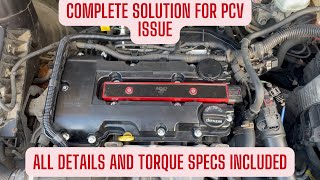
Trusted brands: ACDelco, Dorman (e.g., Kit 615-380KIT) 🎬 Watch: Complete intake manifold and valve cover replacement guide
OEM price range: $350-$500
Aftermarket price range: $220-$350 - Intake Manifold
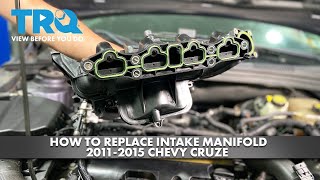
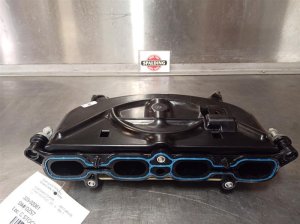
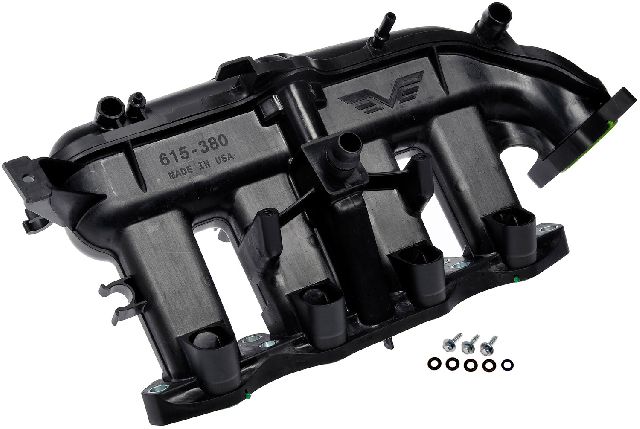
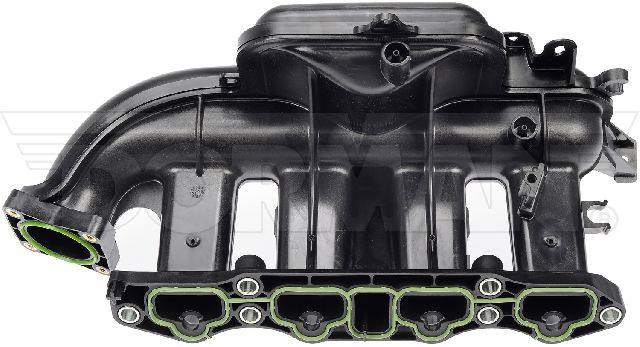
(OEM #28289977 (replaces 55573168, 55577314, 55581014, 25200449, 25200450))— This is the root cause of the failure. The internal non-return valve fails, requiring replacement of the whole manifold. The latest GM part number is 28289977. 🎬 Watch: Step-by-step intake manifold replacement walkthrough Aftermarket versions often have an improved design to prevent repeat failure.
Trusted brands: ACDelco (GM Genuine), Dorman (615-380)
OEM price range: $200-$300
Aftermarket price range: $130-$200 - Valve Cover (Camshaft Cover)
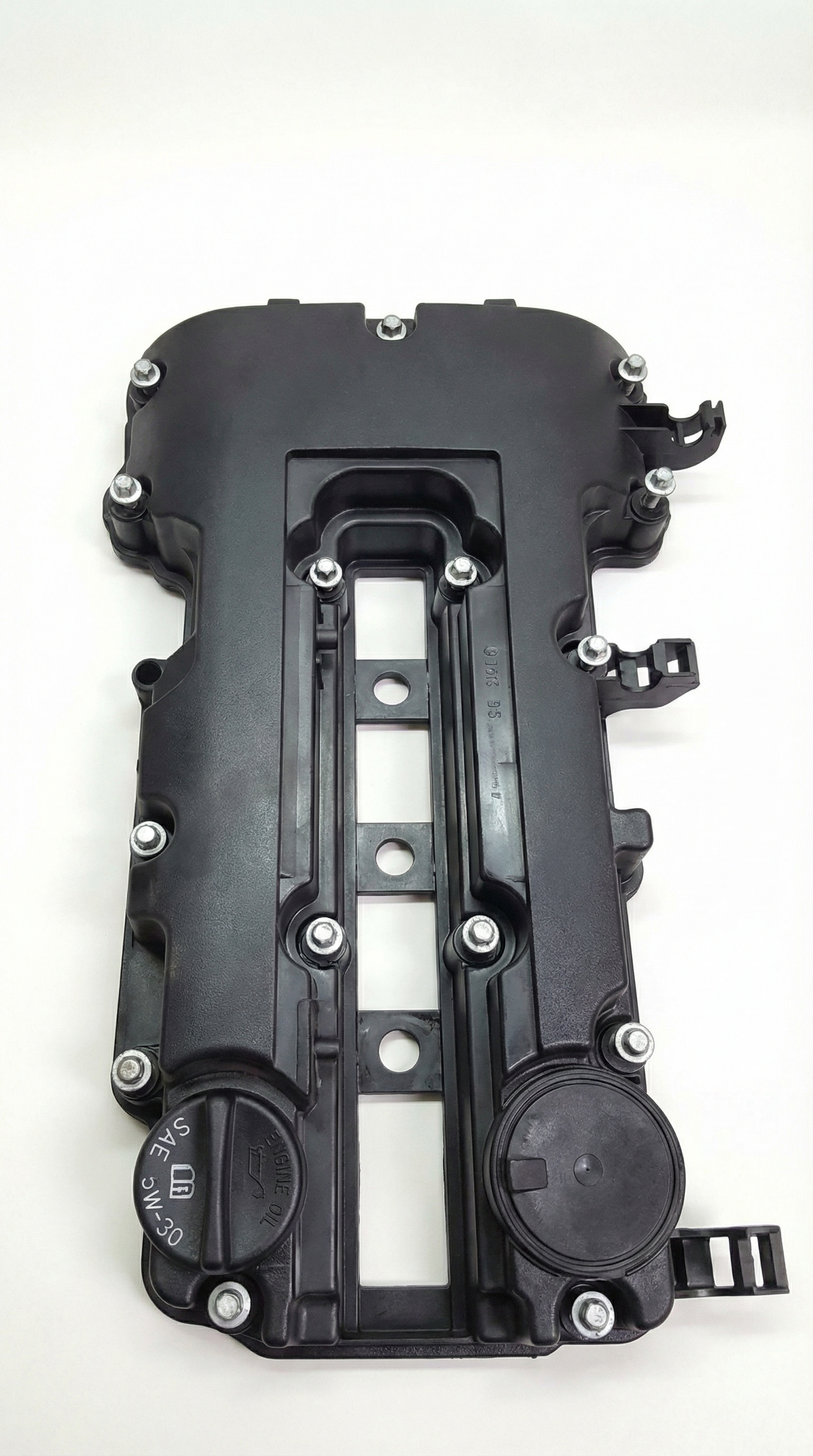
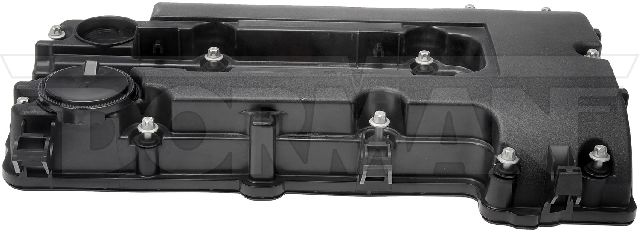
(OEM #25198753)— This part contains the PCV diaphragm that ruptures from excessive crankcase pressure when the intake manifold's check valve fails.
Trusted brands: ACDelco, Dorman (264-968)
OEM price range: $100-$150
Aftermarket price range: $60-$100
Related Codes That Often Appear With This One
- P0171 — System Too Lean. This is the most common code associated with the PCV system failure, as the ruptured diaphragm creates a large, unmetered vacuum leak, causing the engine to run lean.
- P1101 — Intake Air Flow System Performance. This code is often triggered by the same vacuum leaks that cause P0171 and P2015, as the mass airflow sensor readings don't match what the engine expects.
- P0299 — Turbocharger Underboost. The chaotic pressures in the intake and crankcase caused by the PCV failure can interfere with the turbo's operation, leading to an underboost condition. This code is explicitly mentioned in TSB PIP5197.
- P2096 — Post Catalyst Fuel Trim System Too Lean. Similar to P0171, this code indicates the lean condition is being detected by the downstream oxygen sensor, confirming a significant vacuum leak. This is also listed in TSB PIP5197.
Technical Service Bulletins (TSBs) & Recalls
- PIP5197A / PIP5197M: Addresses oil consumption, leaks, smoke, and fuel trim codes related to a missing intake manifold non-return valve and failed camshaft cover (valve cover) PCV diaphragm.
Platform-Specific Known Issues
- GM Technical Service Bulletin (TSB) PIP5197 (revisions A through M) documents the chain of failure: a missing intake manifold non-return valve causes excessive vacuum/pressure on the crankcase, leading to PCV orifice/camshaft cover damage, oil consumption, and fuel trim codes (P0171, P1101, P0299, P2096, etc.).
Mechanic-Grade Diagnostic Values
- Intake Runner Position Sensor Signal Voltage — expected: A smooth sweep from approximately 0.5V to 4.5V as the runner flaps are commanded from fully closed to fully open.. Failure: Voltage that is stuck, jumps erratically, or does not correspond to the commanded position of the flaps indicates a sensor or wiring issue.
- Intake Runner Control Actuator/Solenoid Resistance — expected: Approximately 8-15 Ohms across the two terminals of the actuator motor.. Failure: A reading of infinite resistance (open circuit) or near zero resistance (short circuit) indicates a failed actuator that needs replacement.
- Intake Runner Position Sensor Reference Voltage — expected: Approximately 5.0V at the sensor connector with the key on, engine off.. Failure: No voltage or significantly lower voltage suggests a problem with the ECM or the wiring between the ECM and the sensor.
Scan Tool Commands That Help
- GM GDS2 / High-End Bidirectional Scanner: Intake Manifold Tuning (IMT) Valve Control / Intake Manifold Runner Control Valve Learn — This command allows a technician to actively open and close the intake runner flaps while monitoring the position sensor's live data. It is the definitive way to confirm if the actuator motor is functional and if the position sensor is accurately reporting the flap position, helping to distinguish between a mechanical jam, a failed motor, or a bad sensor.
Wiring & Ground Locations
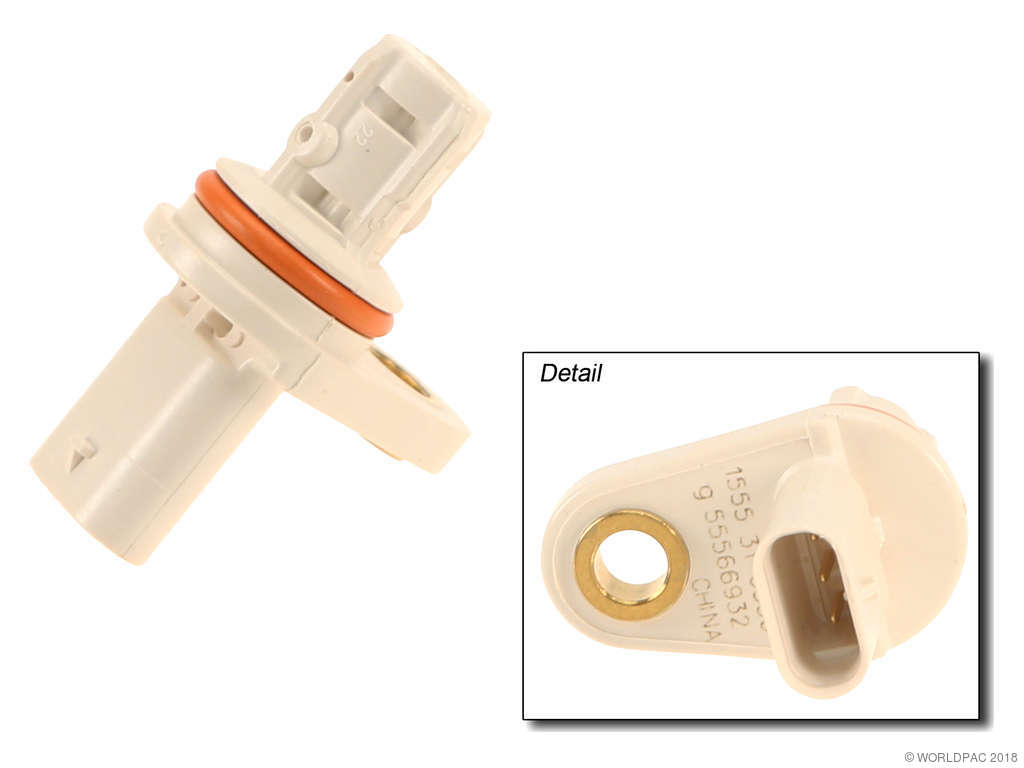
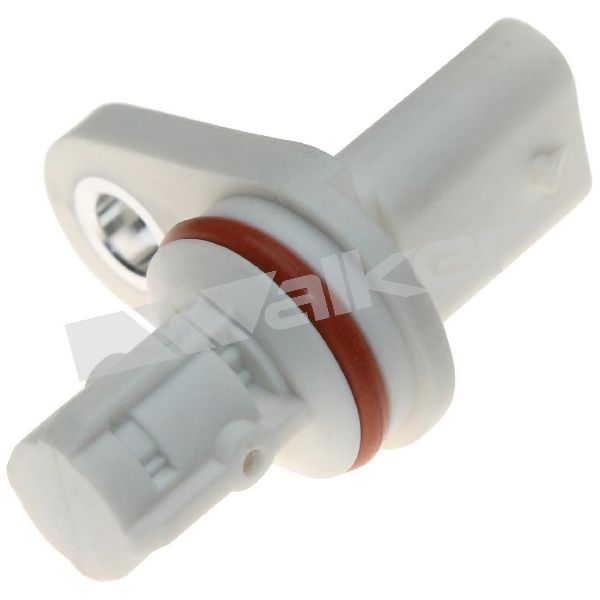
- Intake Manifold Runner Position Sensor Connector — On the intake manifold runner control actuator, which is typically located on the end of the intake manifold.. This is the primary connection point for testing. The 3-wire connector contains the 5V reference, ground, and signal wires. Checking for voltage, ground, and signal integrity here is a crucial diagnostic step.
- G103 — Typically located on the left (driver's side) front shock tower in the engine compartment.. This is a critical ground point for the Engine Control Module (ECM). A loose, corroded, or broken G103 ground can cause a wide array of erratic sensor readings and phantom codes, including P2015, because it disrupts the stable reference voltage the ECM and its sensors rely on.
Real Owner Repair Stories
- CruzeTalk / Sonic Owners Forum user reports (Chevrolet Cruze / Sonic with 1.4L LUV Turbo) — P2015 code, sometimes with a rattling noise from the intake manifold.
❌ Tried (didn't work) Replacing the valve cover, Assuming it was the common PCV failure without full inspection
✅ What actually fixed it The plastic linkage arm connecting the external actuator motor to the internal runner flaps had broken or popped off. In other cases, the runner flap assembly itself had broken inside the manifold. This required replacement of the entire intake manifold, not because of the PCV check valve, but due to a separate mechanical failure of the runner system.
"I Checked Everything" — The Actual Cause
- A common diagnostic step for vacuum leaks (often associated with P0171) is to perform a smoke test on the intake system. However, in the case of the classic 1.4L Turbo failure, a smoke test performed from the air intake boot will often show NO LEAKS. This is because the leak is internal to the engine's breathing system. The failed check valve allows boost pressure into the crankcase, which then pushes oil-laden air past the (now ruptured) valve cover diaphragm and back into the intake manifold through the PCV hose. This creates a lean condition because the air is unmetered, but it's not a leak that an external smoke test can see. The proper test is to check crankcase vacuum directly.
OEM Part Supersession History
55573168, 55577314, 55581014, 25200449→28289977 (GM Genuine Part)— Revisions to address the internal check valve failure and other potential issues.GM OEM Intake Manifold→Dorman 615-380— The Dorman aftermarket part is widely reported by the owner community to have a redesigned and more robust internal check valve mechanism to prevent the original failure mode.
Heads up: Some user reviews of the Dorman part have mentioned needing to clear small amounts of plastic flashing from vacuum ports before installation to ensure proper operation.
Model Year Variations Within This Range
- 2013-2019: The primary engine for this vehicle range is the 1.4L LUV, which has the well-documented PCV/intake manifold issue. A newer 1.4L engine, the LE2, was introduced on some other GM models and eventually the Encore after 2019, and it features a different design. For the 2013-2019 Encore, owners can be confident that the common P2015 failure pattern applies to their LUV engine, regardless of the 2017 cosmetic refresh.
Diagnostic Flowchart
Other Known Issues on This Vehicle
Issues unrelated to this code that are worth knowing about as an owner of this generation:
- Cooling System Plastic Component Failure 🔴 High — Widespread across all model years. Leaks can develop from the water pump, thermostat housing, coolant outlet, and reservoir, often after 60,000 miles. (Ref: GM TSB PI1041B and PI1041A address water pump seepage, distinguishing between normal weeping and a failure requiring replacement.)
- Turbocharger Oil Line Restriction 🔴 High — Common on higher mileage vehicles or those with infrequent oil changes. The oil feed line is close to the exhaust manifold, causing oil to 'coke' or solidify inside, starving the turbo of oil and leading to failure.
- EVAP Purge Valve Failure (Code P0496) 🟠 Medium — Extremely common failure. The purge valve (solenoid) sticks open, causing a constant vacuum pull from the fuel tank. Symptoms include rough idle after refueling and difficulty starting. (Ref: GM has issued several Special Coverage Programs extending the warranty on this part for specific model years.)
- Cold Weather Wastegate Solenoid Sticking (Code P0234) 🟠 Medium — Occurs primarily in cold climates. Moisture and oil collect in the wastegate control solenoid and freeze, causing the wastegate to stick and trigger an engine overboost code. (Ref: Referenced in multiple GM TSBs as a known cold-weather issue.)
- Leaking Turbocharger Coolant Lines 🟠 Medium — The banjo bolt fittings and rubber sections of the coolant feed and return lines for the turbo can degrade and leak over time, leading to coolant loss.
Used vs. New Parts: Buying Guide for This Vehicle
When a used part is the smart pick: It is strongly advised NOT to buy a used OEM intake manifold for this repair. The part has a known design flaw, and a used part from a junkyard is highly likely to have the same issue or fail soon after installation.
What to inspect on the donor part:
- Not applicable, as used intake manifolds are not recommended for this repair.
OEM-only on this vehicle (don't cheap out):
- None for this specific repair. Aftermarket solutions are often considered superior to the original OEM design.
Aftermarket brands forum-validated for this vehicle:
- Dorman (615-380 / 615-380KIT): Widely known for their redesigned intake manifold that aims to solve the original check valve failure.
- CruzeKits / ZZPerformance: These vendors offer 'PCV Fix Kits' which bypass the internal check valve entirely with an external, serviceable check valve system. This is a modification rather than a direct replacement part but is a popular and durable solution among enthusiasts.
Brands owners have reported issues with on this vehicle:
- Unbranded, low-cost intake manifolds from online marketplaces (e.g., eBay, Amazon) should be considered a gamble. While they may be cheap, forum users have reported issues with poor quality plastic welds, incorrect sensor fittings, and internal flashing that can impede airflow or cause other issues.
Real Owner Stories
Aggregated from forums and TSBs cited above. Mileages and costs reflect what owners reported in those sources.
GM 1.4L Turbo (Buick Encore/Chevy Cruze/Sonic)
Symptoms: Constant intake manifold check valve failures that take the PCV valve in the valve cover out with it too.
What fixed it: Replacement of both the intake manifold and valve cover at the same time, because neither the check valve nor PCV valve are replaceable separately.
Source hint: Reddit r/Justrolledintotheshop
2012-2020 Chevrolet Sonic (1.4L LUV Turbo)
Symptoms: Technical failure where the check valve is sucked into the engine during a rapid shift from high boost to vacuum, causing a failure cascade in the PCV system.
What fixed it: Intake manifold replacement and PCV system maintenance.
Source hint: Sonic Owners Forum - 'PSA: 1.4L PCV System Maintenance IS Required'
2013-2019 Buick Encore 1.4L LUV Turbo
Symptoms: Check the intake manifold for the orange check valve. No valve = replace the intake, the valve cover, and optionally the PCV hose.
What fixed it: Replace the intake manifold, the valve cover, and the PCV hose.
Source hint: Reddit r/ChevySonic - 'Potential PCV Issur'
Related OBD-II Codes
Frequently Asked Questions
Does GM TSB PIP5197 apply to my 2013-2019 Buick Encore 1.4L?
Can I just replace the valve cover to fix the P2015 and PCV issues?
How can I tell if my Encore's intake manifold check valve is actually missing?
What is the normal crankcase pressure for the 1.4L LUV engine at idle?
Is there a specific part cost I should expect for the PCV system repair?
Why does my Encore whistle at idle when the Check Engine Light is on?
Helpful Videos
Used OEM Parts in Stock
New Aftermarket Parts Available


The information in this article is provided for general reference and educational purposes only. Vehicle specifications, procedures, and part compatibility can vary by production date, trim level, and region. Always consult your vehicle's factory service manual and verify part numbers before purchasing or performing repairs. Safety-critical components such as airbags, seat belts, and braking systems should be installed by a qualified professional.
- Buick Encore:
- 🧭 Diagnostic Flowchart
- 🎬 Helpful Videos
- 🛍️ Shop This Part
- What's Unique About the 2013-2019 Buick Encore
- Symptoms You May Notice
- Most Likely Causes
- Rare But Worth Checking
- Diagnosis Steps
- Parts You'll Likely Need
- Related Codes That Often Appear With This One
- Technical Service Bulletins (TSBs) & Recalls
- Platform-Specific Known Issues
- Mechanic-Grade Diagnostic Values
- Scan Tool Commands That Help
- Wiring & Ground Locations
- Real Owner Repair Stories
- "I Checked Everything" — The Actual Cause
- OEM Part Supersession History
- Model Year Variations Within This Range
- Other Known Issues on This Vehicle
- Used vs. New Parts: Buying Guide for This Vehicle
- Real Owner Stories
- GM 1.4L Turbo (Buick Encore/Chevy Cruze/Sonic)
- 2012-2020 Chevrolet Sonic (1.4L LUV Turbo)
- 2013-2019 Buick Encore 1.4L LUV Turbo
- Related OBD-II Codes
- Frequently Asked Questions
- 🎟️ Get 5% Off