

P2096 on 2005-2010 Chevrolet Cobalt 2.2L: Exhaust Leak and O2 Sensor Fixes
On a 2005-2010 Cobalt with a 2.2L engine, P2096 is most often caused by a cracked or leaking exhaust flex pipe. This introduces outside air, causing a false lean reading. The second most likely cause is a failing downstream oxygen sensor. Always inspect the exhaust for leaks before replacing any sensors.
- Always check for exhaust leaks before buying any parts. The flex pipe is the most likely culprit for P2096 on a 2.2L Cobalt.
- A visual and audible inspection of the exhaust system is the most critical first step in diagnosis.
- If you find no exhaust leaks, the next most probable cause is a failed downstream O2 sensor.
What's Unique About the 2005-2010 Chevrolet Cobalt
For the 2005-2010 Cobalt, this code is not typically caused by a unique design flaw but by common wear and tear on specific components. The exhaust system, particularly the flexible pipe section (flex pipe) located before the catalytic converter, is highly prone to cracking and leaking with age and mileage. This introduces unmetered air into the exhaust, which fools the downstream O2 sensor into reporting a false lean condition, making it the most probable cause of P2096 on this vehicle. Numerous owner forums corroborate that this is the first place to look.
Symptoms You May Notice
- Check Engine Light is on
- Reduced fuel economy
- Rough or unstable idle
- Hesitation during acceleration
- Audible exhaust leak (hissing or ticking sound, especially when cold)
- A smell of exhaust fumes in the cabin
- Replacing the catalytic converter. A P2096 code is almost never caused by a bad converter. The converter's efficiency is monitored, but this code points to a lean condition reading, not inefficiency.
- Replacing the upstream (pre-catalyst) O2 sensor. This code is specifically for the post-catalyst reading, so the downstream sensor is the one in question. A faulty upstream sensor would typically set other codes.
Most Likely Causes
- Leaking Exhaust Flex Pipe 🔴 High Probability → Shop Exhaust Pipe The original flex pipe on these vehicles is a known weak point that commonly cracks or rusts out, allowing outside air to enter the exhaust stream before the downstream O2 sensor. This is the most widely reported cause by Cobalt owners in online forums.
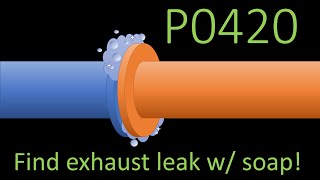
How to confirm: With the engine running (preferably when cold), carefully feel and listen for air escaping from the woven metal section of the exhaust pipe located between the exhaust manifold and the catalytic converter. A visual inspection may reveal black soot marks or obvious cracks around the leak. A shop may use a smoke machine to pinpoint the leak with the engine off.
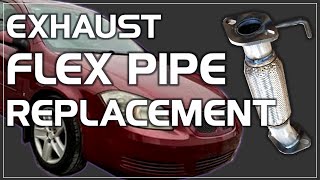
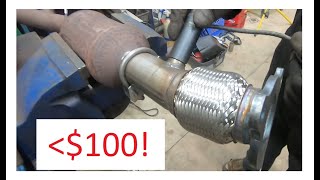
Typical fix: Cut out the old flex pipe and weld in a new replacement section. Many aftermarket kits are available for this specific repair, such as those made by Walker or AP Exhaust. 🎬 Watch: How to install a clamp-on flex pipe repair kit
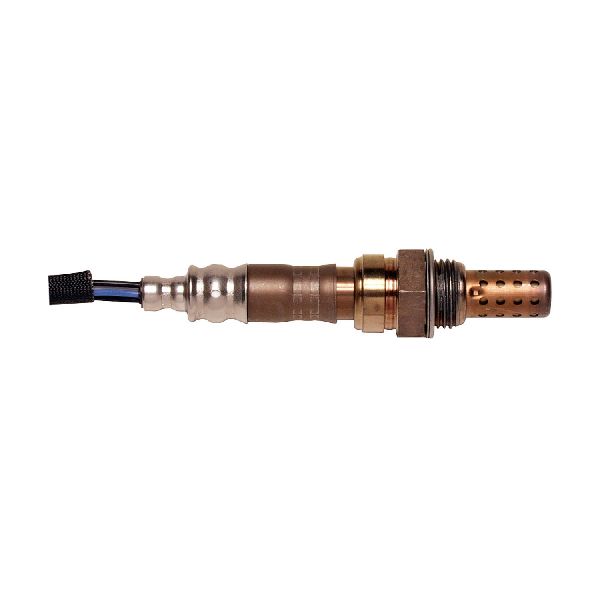
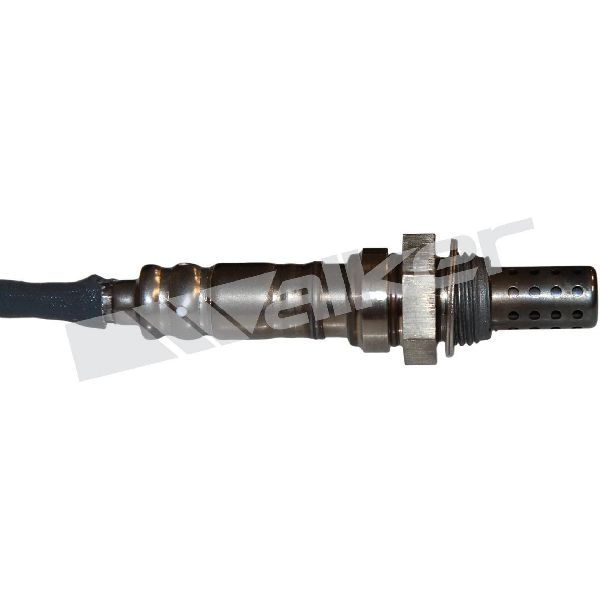
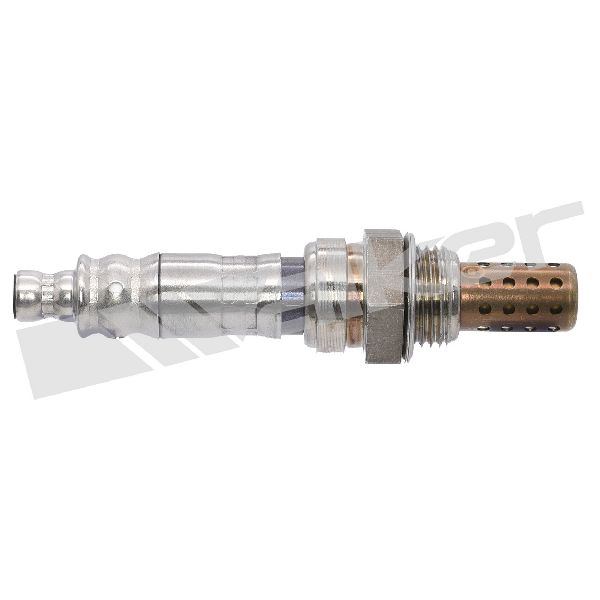
Est. part cost: $50-$100 - Failing Downstream Oxygen (O2) Sensor 🟡 Medium Probability → Shop Oxygen Sensor Oxygen sensors are wear-and-tear items with a finite lifespan. On a vehicle of this age, simple failure due to time and mileage is common. The sensor can become lazy or biased, sending an inaccurate low-voltage (lean) signal to the PCM.
How to confirm: Use an OBD-II scan tool to monitor the live data for the downstream O2 sensor (Bank 1, Sensor 2). A healthy sensor on a warm, running engine should show a relatively stable voltage, typically between 0.5V and 0.8V. If the voltage is stuck low (e.g., under 0.2V) or not reading correctly after confirming there are no exhaust leaks, the sensor is likely faulty.
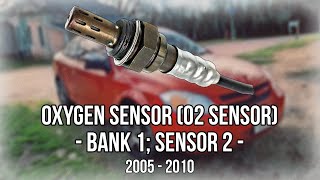
Typical fix: Replace the downstream oxygen sensor. It is located in the exhaust pipe after the catalytic converter. Use an oxygen sensor socket to avoid damaging the wiring. 🎬 See this step-by-step downstream O2 sensor replacement
Est. part cost: $40-$90 - Exhaust Manifold or Gasket Leak ⚪ Low Probability → Shop Exhaust Manifold Similar to the flex pipe, the exhaust manifold gaskets can degrade over time, causing leaks near the engine head. While less common than the flex pipe, it's still a possibility.
How to confirm: Listen for a distinct 'ticking' sound from the top of the engine that may quiet down as the engine warms up and the metal expands. Visual inspection may show soot trails near the cylinder head where the manifold bolts on.
Typical fix: Replace the exhaust manifold gasket. This is more labor-intensive than the other common causes.
Est. part cost: $15-$40
Rare But Worth Checking
- Clogged Fuel Injectors: If the engine is genuinely running lean due to a lack of fuel, dirty injectors could be the cause. This would likely be accompanied by other codes like P0171 (System Too Lean) and noticeable performance issues.
- Low Fuel Pressure: A weak fuel pump or faulty fuel pressure regulator can cause a lean condition throughout the system, but this is less common than exhaust leaks or O2 sensor failure for this specific code.
- Intake (Vacuum) Leak: A leak in a vacuum hose or intake manifold gasket can introduce unmetered air into the engine, causing a lean condition. This would typically set a P0171 code before or alongside a P2096.
- PCM Software Calibration: In some GM vehicles, the ECM may require reprogramming to correct a false MIL illumination for P2096, as noted in manufacturer service bulletins such as TSB Bulletin #19NA017 and TSB Bulletin #18NA014.
Diagnosis Steps
- Visually inspect the entire exhaust system from the manifold to the downstream O2 sensor. Pay extremely close attention to the flex pipe section for cracks, holes, or black soot marks indicating a leak.
- Start the engine when it is cold and listen for any hissing or ticking sounds from the exhaust system that could indicate a leak. A mechanic's stethoscope can help isolate the sound.
- If no leaks are apparent, connect an OBD-II scanner and view the live data for the downstream O2 sensor (B1S2).
- Observe the B1S2 voltage at idle and while holding the RPMs steady around 2,500. A healthy sensor should show a relatively stable voltage, generally above 0.5V. If it is stuck low (e.g., under 0.2V), it points towards a lean condition (or a bad sensor).
- Review freeze frame data. This will show the engine conditions at the exact moment the code was set, which can provide valuable clues. Manufacturer service bulletin TSB Bulletin #PIP5467A notes that P2096 can sometimes be triggered by "digital driving" where the driver rapidly taps the accelerator pedal (on-off-on-off) to maintain speed.
- If an exhaust leak is found, repair it first, clear the codes, and drive the vehicle to see if the P2096 code returns. This is the most common resolution.
- If no leaks are found and the sensor voltage is stuck low, the downstream O2 sensor is the most likely culprit and should be replaced.
- If the sensor is replaced and the code returns, further diagnosis of the fuel system (pressure, injectors) and checking for intake vacuum leaks is necessary.
Parts You'll Likely Need
- Exhaust Flex Pipe Repair Kit — This is the most common failure point on the Cobalt's exhaust system that directly leads to a P2096 code.
Trusted brands: Walker, AP Exhaust, Various aftermarket weld-in kits
OEM price range: N/A (Typically repaired with aftermarket kits)
Aftermarket price range: $50-$100 - Downstream Oxygen Sensor
(OEM #ACDelco 213-3138)— This sensor provides the direct reading that triggers the code. It is a common wear item that fails with age.
Trusted brands: ACDelco (OEM), NGK/NTK, Denso, Bosch
OEM price range: $70-$120
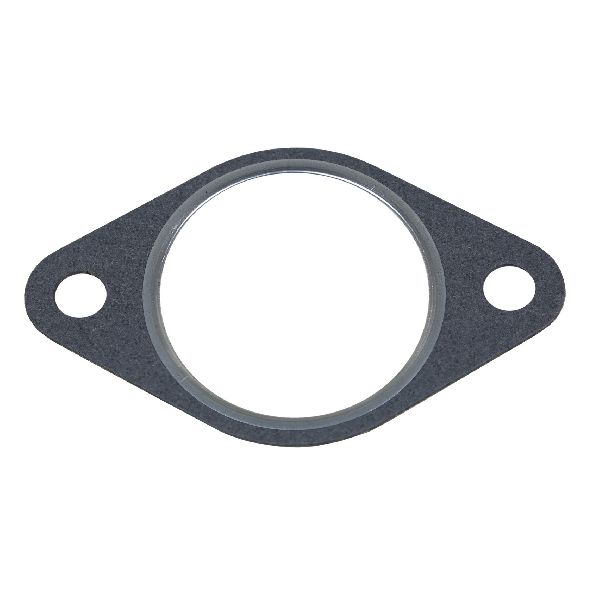
Aftermarket price range: $40-$90 - Exhaust Manifold Gasket
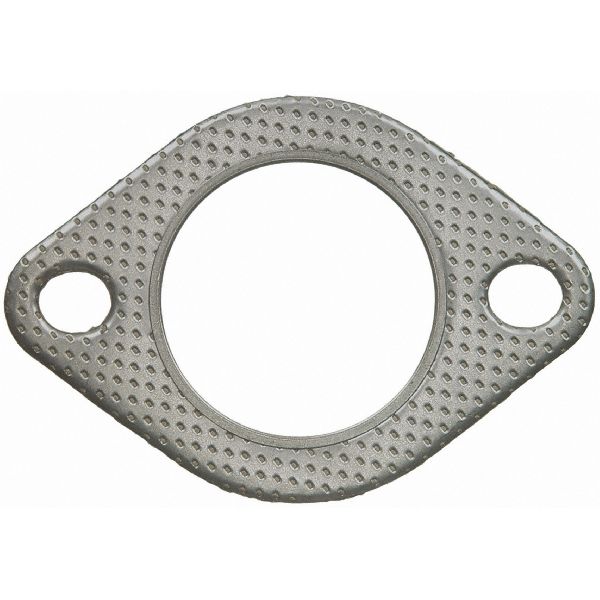
(OEM #Fel-Pro 61115)— If a leak is found between the cylinder head and the exhaust manifold, this gasket is required for the repair.
Trusted brands: Fel-Pro, ACDelco, Victor Reinz
OEM price range: $20-$40
Aftermarket price range: $10-$25
Related Codes That Often Appear With This One
- P0171 — If there is a significant vacuum leak or a fuel delivery issue, the engine may run lean overall, causing both the pre-catalyst (P0171) and post-catalyst (P2096) sensors to detect a lean condition.
- P0137 — This code indicates 'O2 Sensor Circuit Low Voltage (Bank 1, Sensor 2)', which can be triggered if the downstream O2 sensor fails completely or has a wiring issue.
- P0420 — While P2096 points to a lean reading, if the catalytic converter is failing, it can sometimes cause erratic readings from the downstream O2 sensor, potentially triggering a P0420 (Catalyst System Efficiency Below Threshold) code as well.
- P0621 — A manufacturer bulletin for other GM models, TSB Bulletin #PI1409A, notes that P2096 can sometimes appear alongside P0621 (Generator L-Terminal Circuit).
Platform-Specific Known Issues
- Owner Experience: Flex Pipe Failure: A user on YourCobalt.com reported a P2096 code that persisted after replacing the O2 sensor. The ultimate fix was discovering a significant crack in the exhaust flex pipe, which was only visible upon close inspection from underneath the vehicle. After welding in a new flex pipe, the code was cleared and did not return.
- Repair Story: O2 Sensor Solved It: → Shop Oxygen Sensor On CobaltSS.net, a 2008 Cobalt owner with over 100,000 miles experienced a P2096 code with no audible exhaust leak. After inspecting the flex pipe and finding no issues, they replaced the downstream O2 sensor with a new Denso unit. This resolved the Check Engine Light and improved fuel economy.
- Hesitation and False Knock: While documented on other GM platforms, TSB Bulletin #19NA058 notes that P2096 can be associated with customer concerns of hesitation or low power due to false knock detection.
Mechanic-Grade Diagnostic Values
- Downstream O2 Sensor (B1S2) Voltage — expected: Relatively stable between 0.5V and 0.8V on a warm, running engine at a steady RPM.. Failure: Voltage is stuck low (consistently under 0.2V), indicating a lean reading or faulty sensor.
- Fuel Pressure at Fuel Rail (Key On, Engine Off) — expected: 50-60 PSI.. Failure: Pressure below 50 PSI indicates a weak fuel pump or clogged filter. Pressure that drops more than 5-10 PSI within one minute after the pump primes suggests a bad check valve or leaking injector.
- Long Term Fuel Trim (LTFT) — expected: Within -10% to +10% after repairs are completed and the vehicle has been driven.. Failure: Persistently high positive fuel trim (e.g., > +15%) indicates the PCM is still compensating for a lean condition.
Scan Tool Commands That Help
- GM Tech2 / Professional Scan Tool: Fuel Pump Relay Control — To manually activate the fuel pump with the engine off. This allows for a stable fuel pressure reading at the rail to diagnose a weak fuel pump or check for pressure bleed-down without the engine running.
Wiring & Ground Locations
- Heated Oxygen Sensor (HO2S) 2 — In the exhaust pipe, after the catalytic converter.. This is the sensor that provides the direct voltage reading to the PCM, which triggers the P2096 code when it detects a persistent lean condition.
- G107 (Engine Ground) — On the left side of the engine compartment, on the transmission stud.. A poor engine ground can cause erratic sensor readings and phantom electrical issues. While not a primary cause, it should be checked for corrosion and tightness if sensor readings are illogical.
- Downstream O2 Sensor Connector — The downstream sensor has a male electrical plug, while the upstream sensor has a female plug.. This physical difference prevents accidentally swapping the upstream and downstream sensor connections during replacement, which would cause incorrect readings and persistent codes.
Real Owner Repair Stories
- GM Special Coverage 12191B (2006-2009 Chevrolet Cobalt) — Strong fuel odor, potential fuel leaks, and possible trouble codes related to fuel pressure or lean conditions (like P0191, which can be related to the root cause of a P2096).
❌ Tried (didn't work) Not applicable, as this is a known issue.
✅ What actually fixed it The fuel pump module had a cracked plastic supply or return port, causing a loss of fuel pressure. Replacing the fuel pump module assembly resolved the leak and the associated codes.
OEM Part Supersession History
GM 12578576→ACDelco 213-3138— Standard part number update and branding change from GM to ACDelco.
Model Year Variations Within This Range
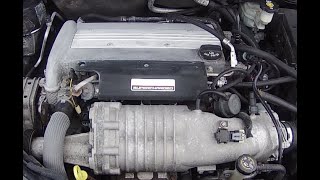
- 2005-2010: The 2.2L Ecotec engine has a smaller diameter stock exhaust pipe (around 1.75"-2.0") compared to the 2.0L Supercharged and 2.4L engines, which used larger 2.25"-2.5" piping. This makes the 2.2L system slightly more susceptible to restrictions if the catalytic converter or muffler internals begin to fail, though this is not a primary cause of P2096.
Diagnostic Flowchart
Other Known Issues on This Vehicle
Issues unrelated to this code that are worth knowing about as an owner of this generation:
- Faulty Ignition Switch 🔴 High — Extremely common across all model years, subject to a major recall. (Ref: NHTSA Campaign ID: 14V047000. GM knew about the defect for years before issuing the recall.)
- Sudden Loss of Electric Power Steering 🔴 High — Widespread issue affecting most or all model years, subject to a recall. (Ref: NHTSA Campaign ID: 10V073000.)
- Corroded Fuel Lines / Fuel Leaks 🔴 High — Common, especially in 'salt belt' states. Subject of an NHTSA investigation and a recall for some model years. (Ref: NHTSA Campaign ID: 09V419000. An investigation was also opened for 2008-2010 models.)
- Timing Chain Tensioner Failure 🟠 Medium — More common on earlier Ecotec engines, but can still occur. Failure is often preceded by a rattling noise on a cold start.
- Key Stuck in Ignition 🟡 Low — A common annoyance, often related to a faulty shifter cable or solenoid. (Ref: A recall for the shifter cable clip (NHTSA 09V073000) can be related.)
- EVAP System Faults (Gas Cap) 🟡 Low — A failing or loose gas cap is a very common cause for the Check Engine Light and EVAP-related codes.
Used vs. New Parts: Buying Guide for This Vehicle
When a used part is the smart pick: For this repair, used parts are generally not recommended. The primary failure items are the exhaust flex pipe and the O2 sensor, both of which are wear-and-tear items. A used flex pipe is likely to have similar fatigue to the one being replaced, and a used O2 sensor has a limited and unknown remaining lifespan.
Donor-vehicle mileage cap: roughly under 50000 miles for the part to have meaningful remaining life.
What to inspect on the donor part:
- For a flex pipe, inspect for any signs of fraying, rust, or soot, which indicate existing leaks.
- For an O2 sensor, there is no reliable way to visually inspect its condition. It's a high-risk used part.
OEM-only on this vehicle (don't cheap out):
- While not strictly 'OEM-only', using a reputable brand for the Downstream Oxygen Sensor is critical. The vehicle's computer is calibrated for the specific response curve of an OEM-style sensor.
Aftermarket brands forum-validated for this vehicle:
- ACDelco (OEM)
- Denso
- NGK/NTK
- Bosch
Brands owners have reported issues with on this vehicle:
- Unnamed, no-brand 'eBay/Amazon special' sensors are frequently reported by mechanics to fail quickly or be dead-on-arrival.
Real Owner Stories
Aggregated from forums and TSBs cited above. Mileages and costs reflect what owners reported in those sources.
2009 Chevrolet Cobalt SS 2.0L Turbo
Symptoms: Check Engine Light (CEL) only. The code appeared after installing several aftermarket performance parts including a 3" SS Exhaust and a Superchips tune.
What fixed it: The report identifies the code as P2096 Post Catalyst Fuel Trim System Too Lean bank 1, though the specific final repair was not detailed in the snippet provided.
Source hint: Cobalt SS Network
2008 Chevrolet Cobalt 2.2L I4 — ~110000 miles
Symptoms: Check Engine Light with no audible exhaust leak.
What fixed it: Replaced the downstream O2 sensor with a new Denso unit.
Source hint: Repair Story: O2 Sensor Solved It (CobaltSS.net)
2005-2010 Chevrolet Cobalt 2.2L I4
Symptoms: P2096 code that persisted even after replacing the O2 sensor.
What fixed it: Discovering a significant crack in the exhaust flex pipe upon close inspection from underneath and welding in a new flex pipe.
Source hint: Owner Experience: Flex Pipe Failure (YourCobalt.com)
Related OBD-II Codes
Frequently Asked Questions
Is there a recall for the exhaust flex pipe on my 2005-2010 Chevrolet Cobalt?
I have a P2096 code; could this be related to the common fuel line corrosion issue on the Cobalt?
Can I use any O2 sensor to fix the P2096 code on my 2008 Cobalt?
My Cobalt has a ticking sound when cold that goes away later; is this P2096?
Should I replace my catalytic converter to fix P2096 on my Ecotec 2.2L?
Helpful Videos
We Have This Part in Stock


The information in this article is provided for general reference and educational purposes only. Vehicle specifications, procedures, and part compatibility can vary by production date, trim level, and region. Always consult your vehicle's factory service manual and verify part numbers before purchasing or performing repairs. Safety-critical components such as airbags, seat belts, and braking systems should be installed by a qualified professional.
- Chevrolet Cobalt:
- 🧭 Diagnostic Flowchart
- 🎬 Helpful Videos
- 🛍️ Shop This Part
- What's Unique About the 2005-2010 Chevrolet Cobalt
- Symptoms You May Notice
- Most Likely Causes
- Rare But Worth Checking
- Diagnosis Steps
- Parts You'll Likely Need
- Related Codes That Often Appear With This One
- Platform-Specific Known Issues
- Mechanic-Grade Diagnostic Values
- Scan Tool Commands That Help
- Wiring & Ground Locations
- Real Owner Repair Stories
- OEM Part Supersession History
- Model Year Variations Within This Range
- Other Known Issues on This Vehicle
- Used vs. New Parts: Buying Guide for This Vehicle
- Real Owner Stories
- 2009 Chevrolet Cobalt SS 2.0L Turbo
- 2008 Chevrolet Cobalt 2.2L I4 — ~110000 miles
- 2005-2010 Chevrolet Cobalt 2.2L I4
- Related OBD-II Codes
- Frequently Asked Questions
- 🎟️ Get 5% Off