

P2096 on 2014-2019 Chevrolet Malibu: Causes and Fixes for Lean Fuel Trim
On a 2014-2019 Malibu, code P2096 is frequently caused by a software glitch requiring a dealer to reprogram the Engine Control Module (ECM), as noted in several GM Technical Service Bulletins. Other common causes are exhaust leaks before the rear O2 sensor, a failing downstream O2 sensor, or a wiring issue in the sensor's circuit.
- Before buying any parts for a P2096 code on a 2014-2019 Malibu, check with a dealer for required ECM software updates; this is a very common and documented fix.
- If the software is current, the next most likely cause is an exhaust leak between the upstream and downstream oxygen sensors.
- Only after ruling out software issues and exhaust leaks should you consider replacing the downstream oxygen sensor.
- This code indicates a lean condition *after* the catalytic converter, which can be a real lean condition or a false one caused by leaks or bad sensors.
What's Unique About the 2014-2019 Chevrolet MALIBU
For this specific generation of Chevrolet Malibu, P2096 is very often not a hardware problem. General Motors has issued multiple Technical Service Bulletins (TSBs) acknowledging that a "software anomaly" can cause this code to appear falsely. In many cases, the ultimate fix is a simple software update for the Engine Control Module (ECM) performed by a dealership, a solution that owners might overlook while searching for physical parts to replace. TSB #PIP5445A also highlights the importance of checking the O2 sensor wiring for high resistance or damage before replacing the sensor itself, which is another common misstep. For 2014-2015 models with the 2.5L LCV engine, loose intake manifold bolts are also a known mechanical issue that can cause this code.
Diagnostic Flowchart
Tap your situation to follow the diagnostic path that matches what you're seeing on this vehicle.
Generation note: This range covers two generations of the Chevrolet Malibu: the 8th generation (2014-2016, with 2016 being an overlap year with the 'Malibu Limited' model) and the 9th generation (2016-2019). The TSBs related to software updates for P2096 apply to models in both generations, indicating the issue is not confined to one design. TSB 19-NA-017 specifically targets the 2017 Malibu with the 1.5L LFV engine, while TSB 19-NA-058 covers the 2019 model with the same engine.
Symptoms You May Notice
- Check Engine Light is on
- Hesitation or reduced engine power.
- Poor acceleration.
- Reduced fuel economy.
- Rough idle.
- Replacing the oxygen sensor without first checking for exhaust leaks or available ECM software updates. Many owners replace the sensor only to have the code return because the root cause was a leak or a software glitch. 🎬 See why the code returns after replacing the sensor.
- Replacing the oxygen sensor when the actual fault is in the sensor's wiring or connector, as highlighted by TSB #PIP5445A.
Most Likely Causes
- Engine Control Module (ECM) Software Anomaly 🔴 High Probability → Shop Engine Control Module (ECM) GM has released multiple TSBs (e.g., 19-NA-058, 19-NA-017, 18-NA-014) stating this code can be caused by a software issue. This is a well-documented problem for these specific model years, and the fix requires no parts, only a software reflash.
How to confirm: A GM dealership or a qualified shop with access to GM's service information (Techline Connect) can check if your vehicle's VIN has an open TSB or requires a software update.
Typical fix: Reprogramming the ECM with the latest software available from GM. This must be done by a dealer or a properly equipped independent shop. The repair is often covered under the federal emissions warranty (8 years/80,000 miles).
Est. part cost: $0 - Exhaust System Leak 🟡 Medium Probability Leaks from cracked exhaust manifolds, failed gaskets, or rusted pipes are a common cause on many vehicles. The leak allows outside air to be sucked into the exhaust, which is then read by the downstream O2 sensor as a false lean condition. The flexible pipe section of the exhaust is a particularly common point of failure.
How to confirm: Perform a visual inspection of the exhaust system from the engine to the catalytic converter, looking for cracks, holes, or black soot marks. A smoke test, where smoke is forced into the exhaust system, is the most effective way to pinpoint a leak.
Typical fix: Repairing the leak by replacing the cracked component (like an exhaust manifold or flex pipe), replacing a failed gasket, or welding the hole.
Est. part cost: $20-$300 - Failing Downstream Oxygen Sensor (Bank 1, Sensor 2) or Circuit Issue 🟡 Medium Probability → Shop Oxygen Sensor Oxygen sensors are wear-and-tear items that degrade over time. A failing sensor can send inaccurate (lean) readings to the ECM. GM TSB #PIP5445A specifically advises technicians to check the sensor's wiring circuit for high resistance, damaged terminals, or poor connections before replacing the sensor itself.
How to confirm: Use an OBD-II scanner with live data to monitor the downstream O2 sensor voltage. A healthy sensor on a warm engine should show a relatively stable voltage. If it's stuck low, it's likely faulty or reading a true lean condition. Inspect the sensor's wiring harness and connector for damage. Check resistance and terminal tension as per TSB #PIP5445A.
Typical fix: Repair any damaged wiring or terminals first. If the circuit is good, replace the downstream oxygen sensor. This is typically located after the catalytic converter. 🎬 Watch: How to properly replace an oxygen sensor.
Est. part cost: $50-$150 - Fuel Delivery Issues ⚪ Low Probability While less common than software or exhaust issues for this code, a genuinely lean condition can be caused by a weak fuel pump, clogged fuel filter, or dirty fuel injectors.
How to confirm: Check the fuel pressure using a fuel pressure gauge to ensure it's within the manufacturer's specifications. Fuel injectors can be professionally cleaned or tested.
Typical fix: Replace the failing component, such as the fuel pump, fuel filter, or clogged injector(s).
Est. part cost: $20-$400
Rare But Worth Checking
- Intake/Vacuum Leak: An intake manifold or vacuum hose leak can introduce unmetered air into the engine. While this usually sets a P0171 (System Too Lean) code first, it can sometimes lead to a P2096 as the computer struggles to adjust fuel trims. On 2014-2015 2.5L LCV models specifically, loose intake manifold bolts are a known cause.
- Failing Catalytic Converter: → Shop Catalytic Converter A damaged or inefficient catalytic converter can sometimes cause erratic readings from the downstream O2 sensor, leading to a P2096 code, although a P0420 code is more common for converter failure.
Diagnosis Steps
- Check for Technical Service Bulletins (TSBs): This is the most critical first step. Given the high probability of a software issue, contact a GM dealer or use an online service to see if TSBs #19NA058, #19NA017, #18NA014, or #PI1409A apply to your vehicle's VIN. An ECM reprogram may be the only fix needed.
- Inspect for Exhaust Leaks: Carefully inspect the entire exhaust system from the engine manifold to the downstream O2 sensor. Look for cracks, rust holes, and listen for hissing or ticking sounds with the engine running. A smoke test is the most reliable method. Pay close attention to the flex pipe.
- Inspect O2 Sensor Wiring and Connectors: Following the guidance of TSB #PIP5445A, check the rear O2 sensor circuit for high resistance, loose or corroded terminals, and damaged wires before assuming the sensor is bad.
- Analyze O2 Sensor Data: Use an OBD-II scanner to view live data. Observe the voltage from the downstream O2 sensor (Bank 1, Sensor 2). A healthy sensor should hold a fairly steady voltage (typically above 0.5V) when the engine is warm and at a steady RPM. If the voltage is stuck low (e.g., below 0.2V), it points to a lean condition, an exhaust leak, or a bad sensor.
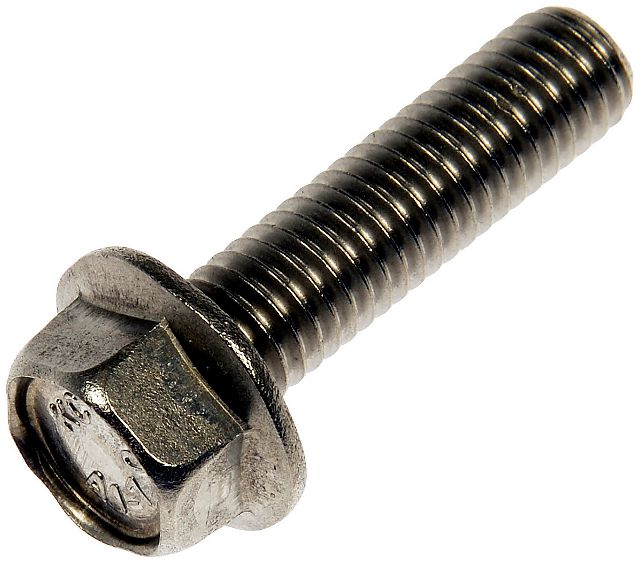
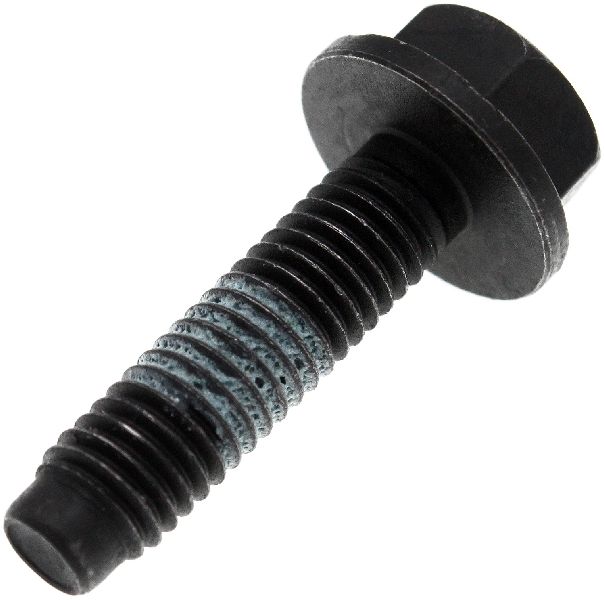
- Inspect for Vacuum Leaks: Check all vacuum hoses and the intake manifold for cracks or loose connections. For 2.5L LCV engines (2014-2015), specifically check the intake manifold bolts for looseness and torque to 12 Nm (108 in-lbs) if needed. Spraying carb cleaner or a propane torch (unlit) near suspected areas while monitoring engine RPM can help identify leaks (the RPM will change when the substance is sucked in).
- Test Fuel Pressure: If no leaks are found and the software is up-to-date, connect a fuel pressure gauge to the fuel rail. Verify that the pressure is within the OEM specification for your engine. Low pressure indicates a problem with the fuel pump or filter.
- Test the Oxygen Sensor: If all other possibilities are ruled out, the sensor itself may be faulty. You can test its internal resistance or swap it with a known good sensor if possible.
Parts You'll Likely Need
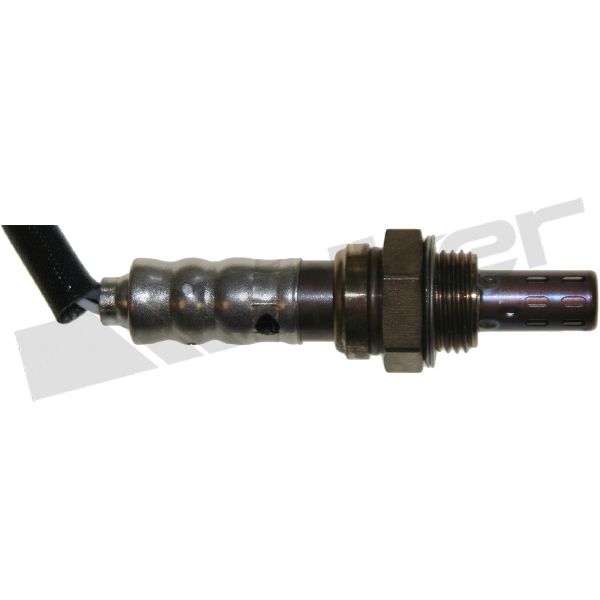
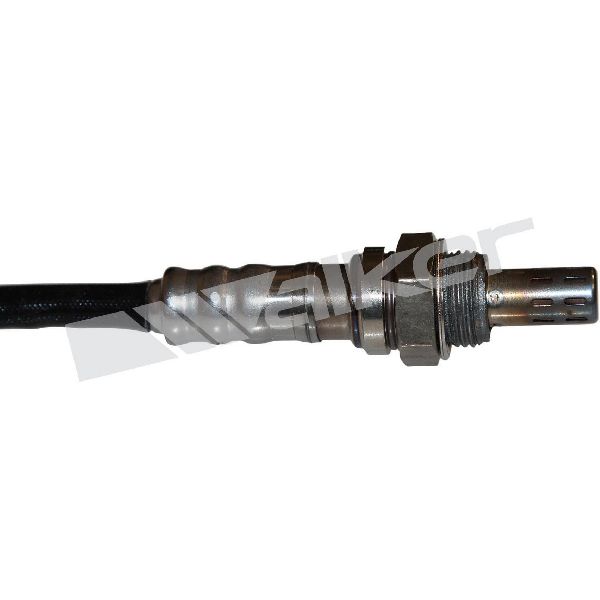
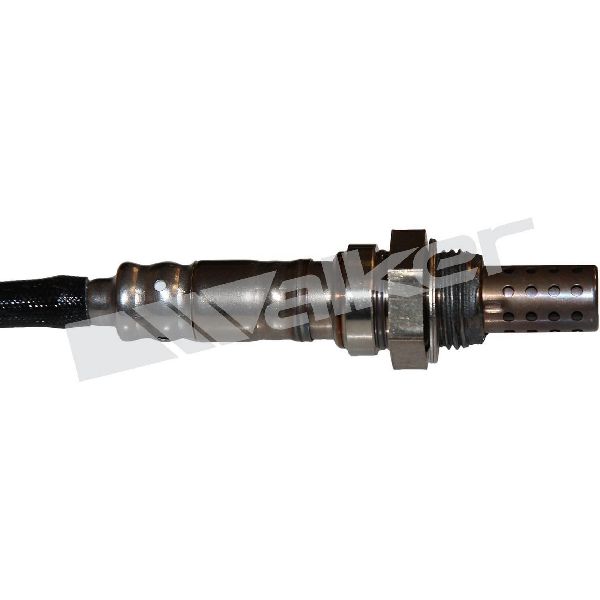
- Downstream Oxygen Sensor (Bank 1 Sensor 2)
(OEM #ACDelco 12643903 (for 2.5L LCV engine, check VIN for exact fitment); ACDelco 12701634 (for 1.5L LFV engine, check VIN for exact fitment))— If not caused by a software issue or exhaust leak, the sensor itself is the next most likely component to fail and cause incorrect readings.
Trusted brands: ACDelco, Denso, Bosch
OEM price range: $80-$150
Aftermarket price range: $50-$100 - Exhaust Manifold Gasket — A common source for exhaust leaks that introduce unmetered air and trigger a false lean reading from the downstream O2 sensor.
Trusted brands: Fel-Pro, ACDelco
OEM price range: $25-$50
Aftermarket price range: $15-$30 - Exhaust Flex Pipe — The flexible joint in the exhaust system is prone to cracking and leaking over time, allowing air to enter the exhaust stream before the downstream O2 sensor.
Related Codes That Often Appear With This One
- P2097 — This is the opposite code for "Post Catalyst Fuel Trim System Too Rich." TSBs #19-NA-058 and #19-NA-017 mention both codes together, as the underlying software anomaly can cause the system to read either too lean or too rich.
- P0171 — This code for "System Too Lean (Bank 1)" indicates a lean condition detected by the *upstream* O2 sensor. If the root cause is a large vacuum leak or a fuel delivery problem, you may see both codes together.
- P0621 — TSB #PI1409A specifically mentions that P2096 can appear alongside P0621 ("Generator L-Terminal Circuit"). This points to a potential electrical or module communication issue that can trigger both faults.
Technical Service Bulletins (TSBs) & Recalls
- 19-NA-058
- 19-NA-017
- 18-NA-014
- PI1409A
- PIP5445A
Platform-Specific Known Issues
- A high number of cases are resolved simply by a dealer performing an ECM software update, as specified in multiple TSBs.
- TSB #PIP5445A points to a known issue with the rear O2 sensor's wiring circuit, urging a check of resistance and connections before part replacement.
- Some owners on forums have reported the code appearing after a botched exhaust repair, specifically a poorly welded flex pipe, which created a small leak.
Mechanic-Grade Diagnostic Values
- Downstream O2 Sensor (HO2S B1S2) Voltage — expected: Relatively stable voltage between 0.6V and 0.8V on a warm engine at steady RPM.. Failure: Voltage stuck low (e.g., < 0.4V) indicates a lean reading, an exhaust leak, or a faulty sensor.
- Downstream O2 Sensor Heater Circuit Resistance — expected: 7 - 9 Ohms.. Failure: An open circuit (infinite resistance) or a value significantly outside the expected range indicates a failed heater element.
- Low-Pressure Fuel System — expected: 50 - 94 PSI.. Failure: Pressure significantly below 50 PSI indicates a weak in-tank fuel pump or clogged filter.
- High-Pressure Fuel System (Direct Injection models) — expected: Should exceed 1,500 PSI under wide-open throttle acceleration.. Failure: Failure to reach high pressure under load points to a failing high-pressure fuel pump (HPFP).
- Intake Manifold Bolt Torque (2.5L LCV Engine Only) — expected: 12 Nm (108 in-lbs).. Failure: Bolts that are finger-tight or require significant turning to reach the specified torque.
Scan Tool Commands That Help
- GDS2 (GM Techline Connect): ECM Reprogramming — This is the primary fix when a TSB (e.g., 19-NA-058, 19-NA-017, 18-NA-014) indicates a software anomaly is causing a false P2096 code.
- Professional OBD-II Scanner (e.g., Autel, iCarsoft): Live Data Stream > O2 Sensor B1S2 Voltage — To monitor the downstream oxygen sensor's real-time voltage to determine if it is reading a persistent lean condition (stuck low voltage) or behaving erratically.
Wiring & Ground Locations
- G102 — Located at the left rear of the engine.. This ground point serves the ignition coils. While not directly for the O2 sensor, a poor engine ground can introduce electrical noise and cause erratic behavior in various engine management sensors, potentially contributing to incorrect readings.
- HO2S B1S2 Connector — The downstream oxygen sensor is located in the exhaust pipe after the primary catalytic converter. The connector is typically attached to a bracket nearby, accessible from under the vehicle.. This is the primary connection point for the sensor. TSB #PIP5445A specifically calls for checking terminal tension, crimps, and for corrosion or damage at this connector before replacing the sensor.
Real Owner Repair Stories
- YouTube user Melnix Automotive (2015 Nissan Murano (Note: Not a Malibu, but demonstrates a common and relevant misdiagnosis for P2096)) — Check Engine Light with code P2096.
❌ Tried (didn't work) The shop's first instinct was to replace the oxygen sensor.
✅ What actually fixed it The air cleaner box was not installed correctly, leaving a large gap and allowing unmetered air to be sucked in, causing a false lean condition. Resecuring the air filter housing properly and clearing the code resolved the issue at no cost.
OEM Part Supersession History
ACDelco 12663317→ACDelco 12701634— GM regularly updates part designs to integrate new materials and technologies for improved reliability and performance.
Heads up: While both are for the downstream position on 1.5L engines, using the latest part number (12701634) is recommended to ensure you have the most current revision.
Model Year Variations Within This Range
- 2014-2016 (8th Gen with 2.5L LCV Engine): These models are specifically prone to loose intake manifold bolts causing a vacuum leak that can trigger P2096. This is less of a known issue on the 9th generation 1.5L LFV engine.
- 2016-2019 (9th Gen with 1.5L LFV Engine): The downstream oxygen sensor part number is different from the 2.5L engine, commonly being ACDelco 12701634 (which supersedes 12663317). TSB 19-NA-017 specifically calls out the 2017 model with this engine for an ECM software update.
Helpful Videos

We Have This Part in Stock


The information in this article is provided for general reference and educational purposes only. Vehicle specifications, procedures, and part compatibility can vary by production date, trim level, and region. Always consult your vehicle's factory service manual and verify part numbers before purchasing or performing repairs. Safety-critical components such as airbags, seat belts, and braking systems should be installed by a qualified professional.
- Chevrolet MALIBU:
- 🧭 Diagnostic Flowchart
- 🎬 Helpful Videos
- 🛍️ Shop This Part
- What's Unique About the 2014-2019 Chevrolet MALIBU
- Symptoms You May Notice
- Most Likely Causes
- Rare But Worth Checking
- Diagnosis Steps
- Parts You'll Likely Need
- Related Codes That Often Appear With This One
- Technical Service Bulletins (TSBs) & Recalls
- Platform-Specific Known Issues
- Mechanic-Grade Diagnostic Values
- Scan Tool Commands That Help
- Wiring & Ground Locations
- Real Owner Repair Stories
- OEM Part Supersession History
- Model Year Variations Within This Range
- 🎟️ Get 5% Off