

P2096 on 2011-2017 Chrysler 200 3.6L: Post-Catalyst Lean Causes and Fixes
On the 3.6L Pentastar V6, code P2096 is most often caused by an exhaust leak before the downstream oxygen sensor or an oil leak from the Bank 1 (passenger side) valve cover dripping onto and contaminating the sensor. Inspect for these two issues before replacing any parts.
- Before buying any parts for a P2096 code, thoroughly inspect the passenger side of the engine for oil leaking from the valve cover onto the O2 sensor.
- Your second check should be for exhaust leaks between the engine and the catalytic converter; listen for ticking noises on a cold start.
- Only replace the downstream O2 sensor (Bank 1, Sensor 2) after confirming there are no oil or exhaust leaks.
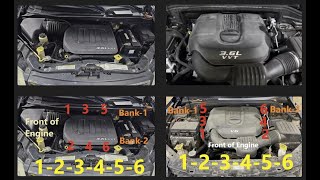
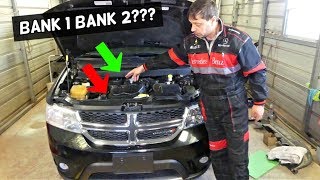
- Bank 1 on the 3.6L V6 in your Chrysler 200 is the cylinder bank closer to the firewall (passenger side in the engine bay).
What's Unique About the 2011-2017 Chrysler 200
The 3.6L Pentastar engine, while used across many Chrysler, Dodge, and Jeep vehicles, has a specific and very common issue that triggers the P2096 code. The valve cover on Bank 1 (the passenger side) is prone to leaking oil directly onto the downstream oxygen sensor's wiring or the sensor itself. The oil contaminates the sensor's body, blocking the small vent it uses to draw in clean atmospheric air for reference. When this reference air is blocked, the sensor sends false 'lean' signals to the computer. While exhaust leaks are a common cause on any vehicle, this particular oil leak is a well-documented pattern failure on the Pentastar engine, confirmed by multiple Technical Service Bulletins, and should be the first thing you check.
Generation note: This guide covers both the first generation (2011-2014) and second generation (2015-2017) of the Chrysler 200 equipped with the 3.6L V6. The primary causes, especially those related to the Pentastar engine itself like the valve cover leak, are common to both generations. Early models (2011-2013) are also known for other specific valvetrain issues that can cause related codes.
Symptoms You May Notice
- Check Engine Light is on
- Decreased fuel economy
- Rough idle
- Poor acceleration
- Burning oil smell (if oil is leaking onto hot exhaust components)
- Replacing the oxygen sensor without fixing the oil leak from the valve cover gasket. The new sensor will be contaminated and the code will return.
- Replacing the upstream oxygen sensor (Bank 1, Sensor 1) instead of the downstream one (Bank 1, Sensor 2). P2096 specifically relates to the post-catalyst (downstream) sensor.
- Replacing spark plugs and ignition coils, assuming a misfire is the root cause, when the lean condition itself is causing poor combustion.
Most Likely Causes
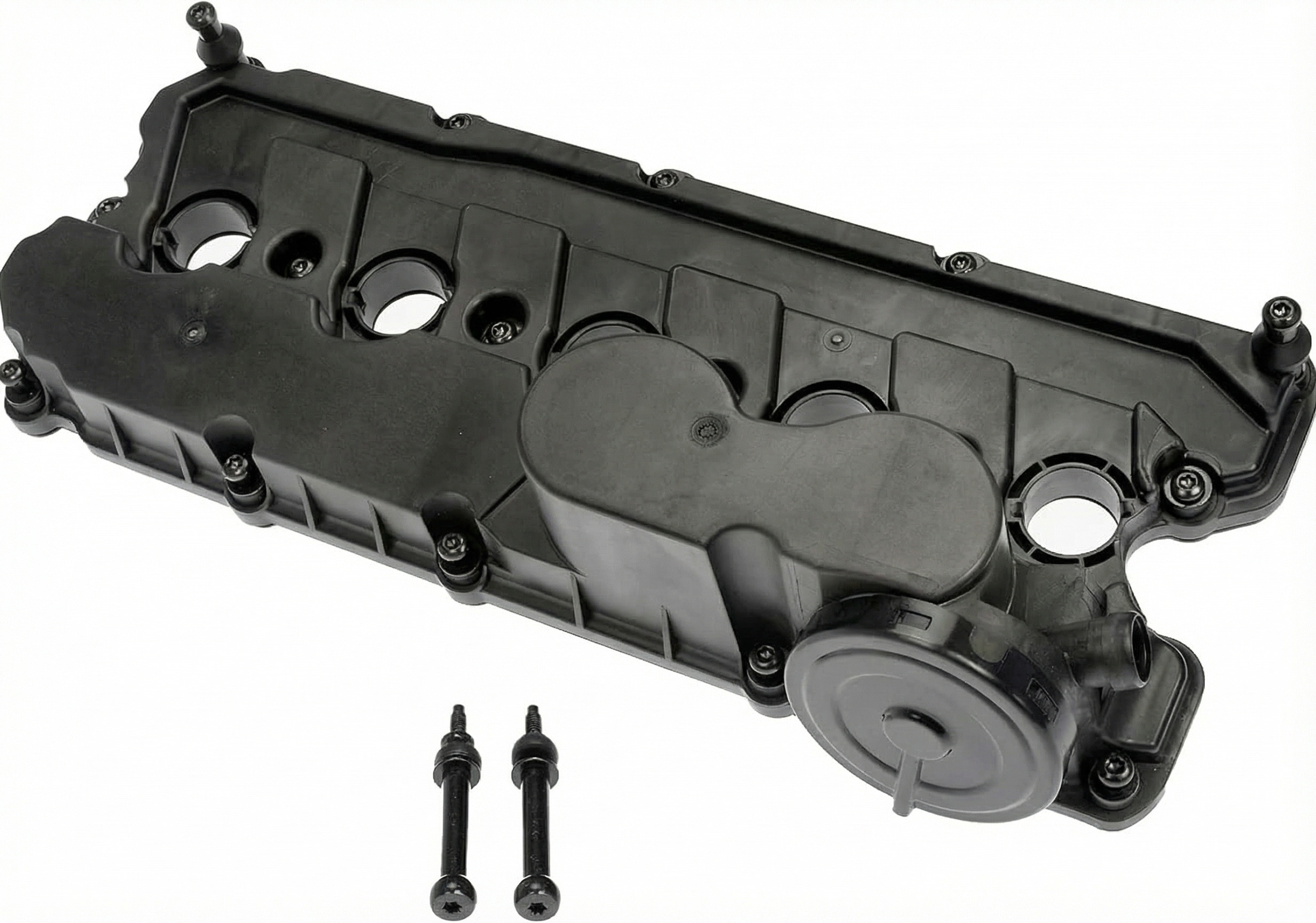
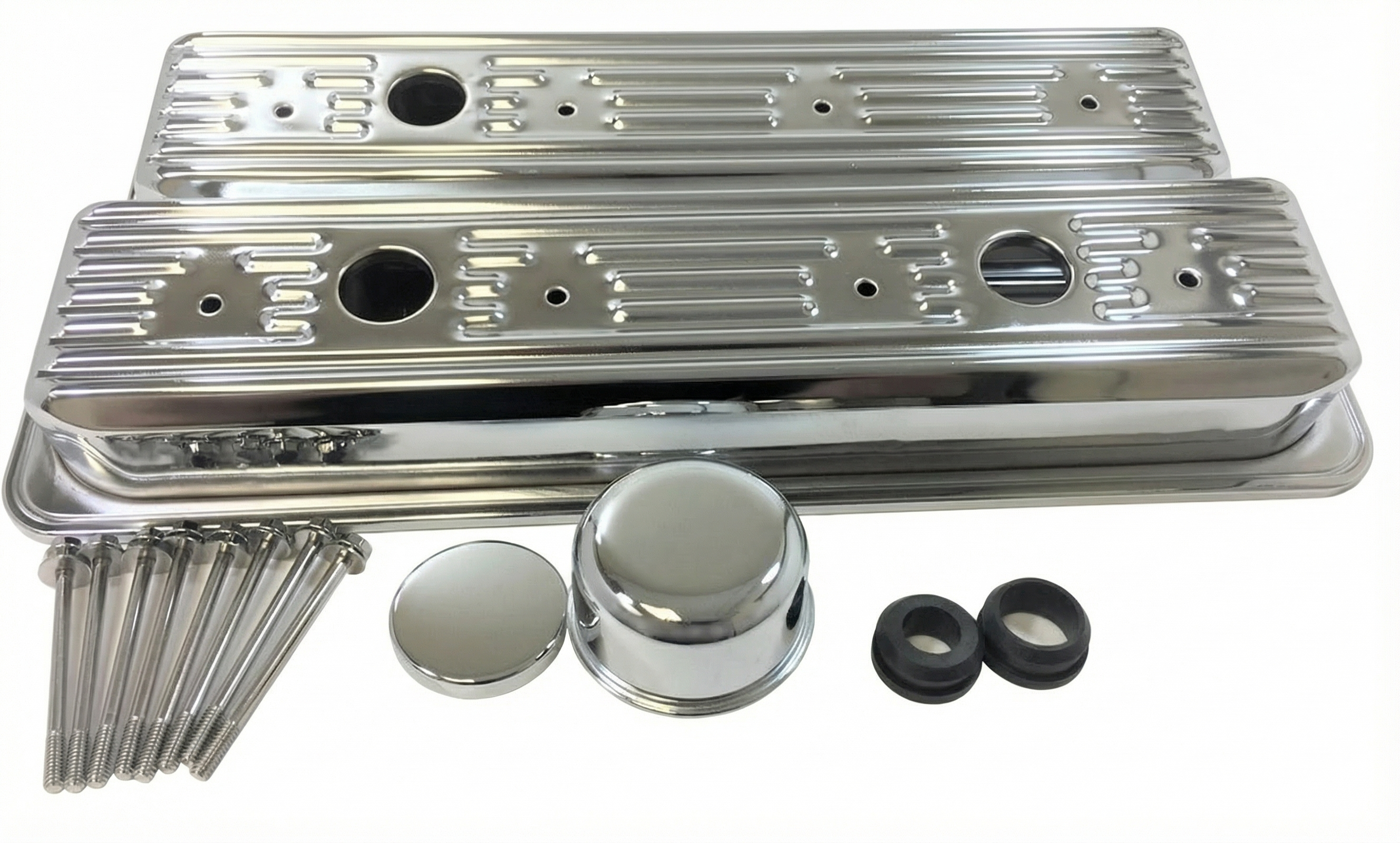
- Leaking Bank 1 Valve Cover Gasket 🔴 High Probability → Shop Engine Valve Cover This is a widely documented issue on the 3.6L Pentastar engine, cited in TSBs S1918000008RevC and 9003790. The gasket for the Bank 1 (passenger side) valve cover fails, allowing oil to drip onto the downstream O2 sensor and its wiring harness. The oil contaminates the sensor's reference air vent, causing it to send false lean signals.
How to confirm: Visually inspect the passenger side of the engine, looking down past the exhaust manifold. Check the downstream O2 sensor and its wiring for signs of fresh or caked-on oil. A burning oil smell may also be present. Manufacturer TSB Bulletin #9003790 notes that technicians should verify if the gasket is pinched, out of position, rolled, or cut as the source of the leak.
Typical fix: Replace the Bank 1 valve cover gasket. If the oxygen sensor is contaminated with oil, it must be replaced at the same time. The new sensor will fail quickly if the oil leak is not fixed first.
Est. part cost: $40-$100 - Exhaust Leak 🔴 High Probability Leaks can develop at gaskets (especially the exhaust manifold gasket), welds, or flex pipes due to age, corrosion, and vibration. Any unmetered oxygen entering the exhaust stream before Sensor 2 can trigger the code.
How to confirm: With the engine cold, start it and listen for a 'ticking' or 'hissing' sound from the exhaust manifolds or pipes. You can also use a smoke machine to pressurize the exhaust system and visually identify where smoke escapes. Pay close attention to the area between the cylinder head and the downstream O2 sensor.
Typical fix: Repairing the leak. This may involve replacing a gasket (like the exhaust manifold gasket), welding a crack, or replacing a section of pipe.
Est. part cost: $20-$150 - Faulty Downstream Oxygen Sensor (Bank 1, Sensor 2) 🟡 Medium Probability → Shop Oxygen Sensor O2 sensors are wear items and fail over time. Their failure can also be accelerated by oil contamination (see above) or other engine issues like excessive oil consumption or coolant burn.
How to confirm: After confirming there are no exhaust or oil leaks, use a scan tool to monitor the voltage of the Bank 1 Sensor 2. It should show a relatively steady voltage between 0.6V and 0.8V when the engine is warm and at a steady RPM. If the voltage is stuck low (e.g., below 0.2V) or is not stable, it is likely faulty.
Typical fix: Replace the Bank 1, Sensor 2 oxygen sensor. Bank 1 is the passenger side on the Chrysler 200's transversely mounted 3.6L engine.
Est. part cost: $50-$150
Rare But Worth Checking
- Clogged or Failing Catalytic Converter: → Shop Catalytic Converter While a failing converter can cause this code, it's more often a result of the lean condition rather than the cause. If the converter is glowing red after a drive or you have a significant loss of power, it should be investigated.
- Fuel Delivery Issues: A weak fuel pump or clogged injector can cause a true lean condition. However, this would typically trigger an upstream lean code (P0171) as well. If P2096 appears with P0171, check fuel pressure and injector function.
- Intake/Vacuum Leaks: A major vacuum leak after the MAF sensor can lead to a lean condition. This will almost always set a P0171 code first. A smoke test of the intake system is the best way to diagnose this.
- PCM Software Issue: For some models, particularly 2013-2014, Chrysler issued TSB 18-086-15 for a PCM software update to address various powertrain concerns, which can sometimes resolve errant emissions codes. Check with a dealer for any available updates.
Diagnosis Steps
- Scan for other DTCs. If other codes like P0171 are present, they can help narrow down the diagnosis.
- Check for applicable TSBs. Be aware of TSBs related to oil leaks causing P2096 (S1918000008RevC, 9003790) or PCM updates (18-086-15).
- Visually inspect Bank 1 (passenger side) for a valve cover oil leak. Carefully check if the downstream O2 sensor or its wiring is wet with oil. If so, this is your most likely cause.
- Inspect the exhaust system for leaks. Start the engine when it's cold and listen for ticking or hissing sounds between the engine and the catalytic converter. A smoke test is the most definitive way to find leaks.
- If no leaks are found, use a scan tool to observe the live data for the Bank 1, Sensor 2 oxygen sensor. At a steady 2500 RPM, the voltage should be relatively stable and between 0.6V and 0.8V. If it's stuck low (under 0.2V), the sensor is likely bad or there's a significant exhaust leak introducing oxygen.
- If the sensor appears faulty, replace the Bank 1, Sensor 2 oxygen sensor.
- If all other causes have been ruled out, consider testing the catalytic converter's efficiency and checking for fuel system problems like low fuel pressure.
Parts You'll Likely Need
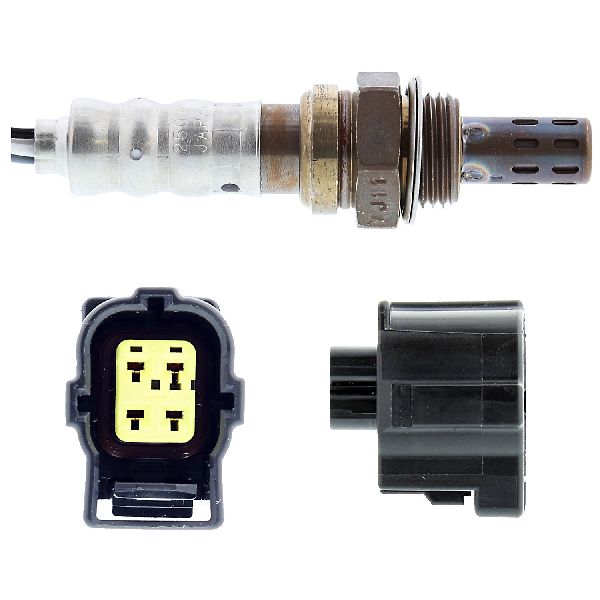
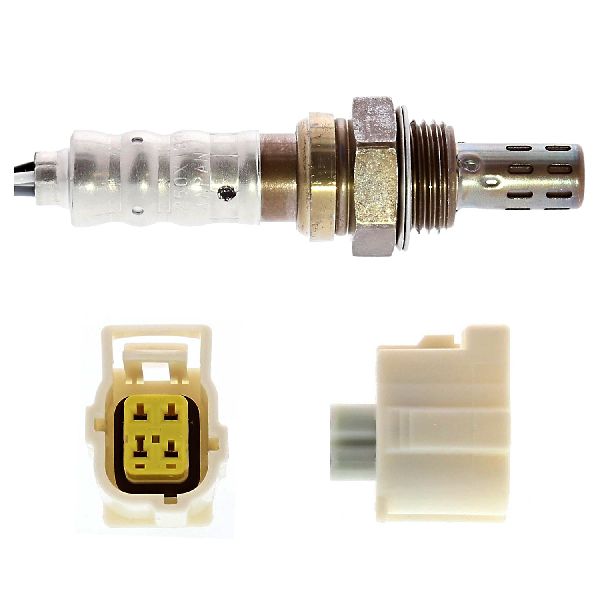
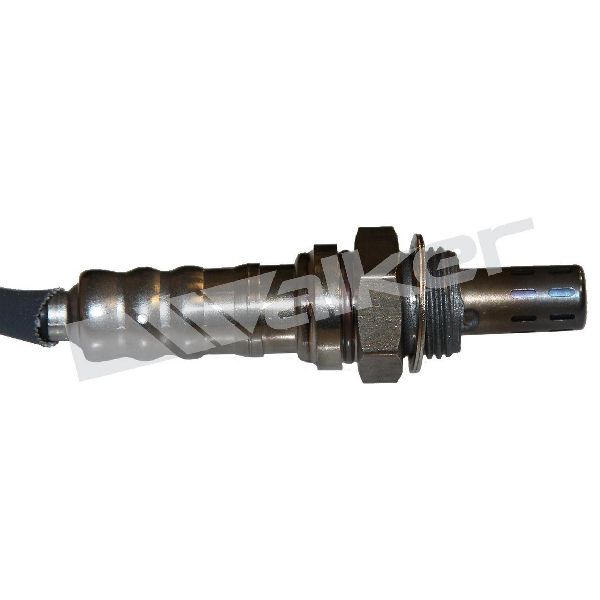
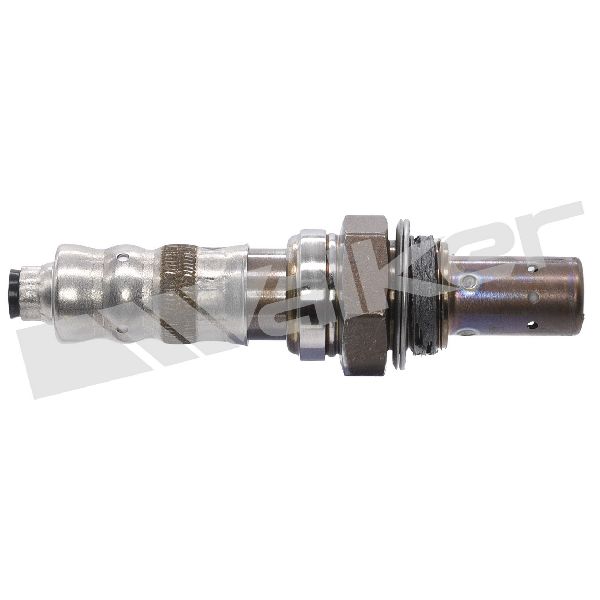
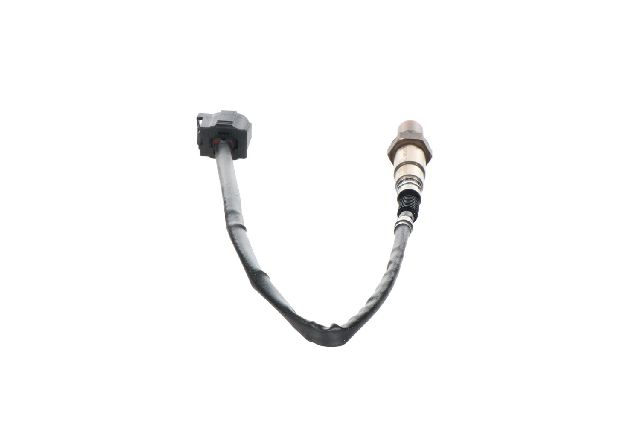
- Downstream Oxygen Sensor (Bank 1, Sensor 2)
(OEM #5149171AB)— This sensor provides the reading for the P2096 code. It is often replaced due to internal failure or, more commonly on this engine, contamination from a valve cover oil leak.
Trusted brands: Mopar, NTK, Denso, Bosch
OEM price range: $70-$120
Aftermarket price range: $45-$80 - Valve Cover Gasket (Bank 1 / Passenger Side)
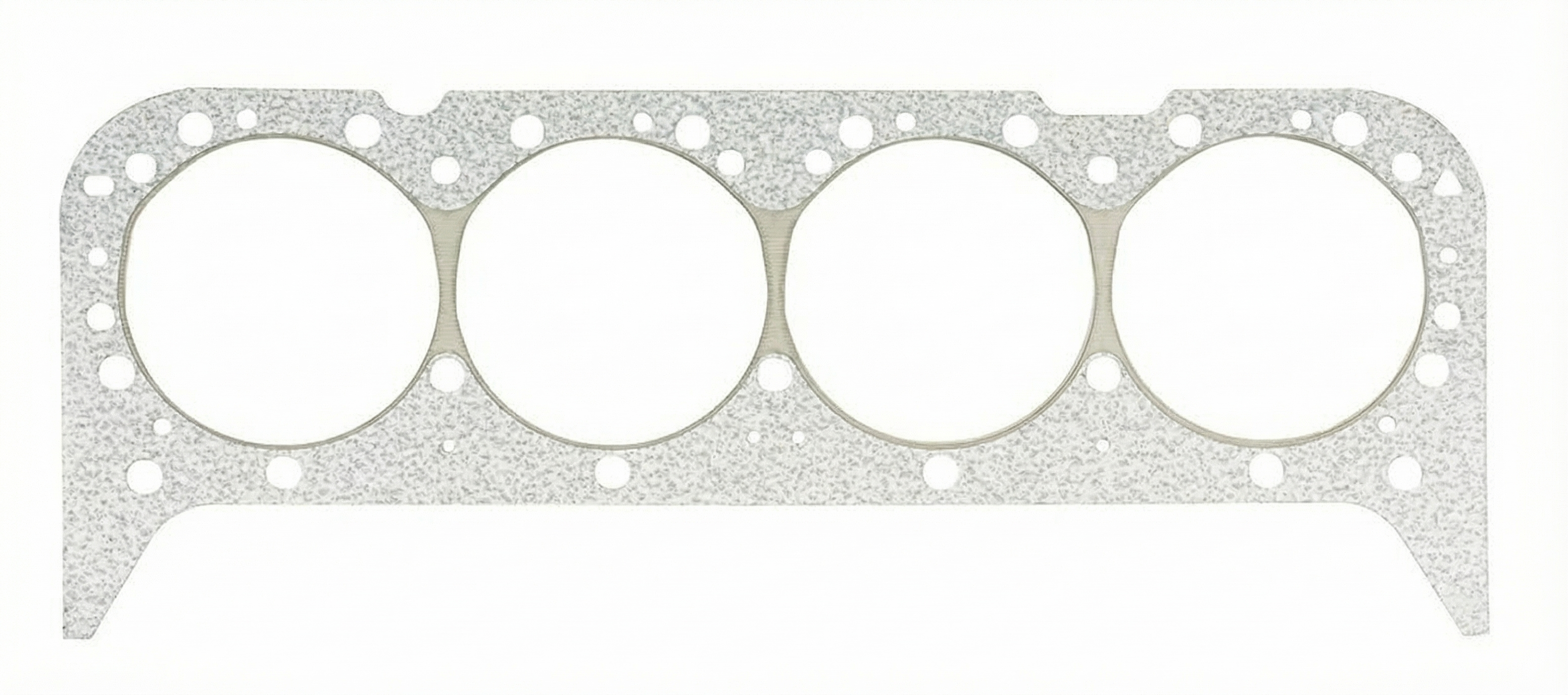
(OEM #5184596AE)— This is the source of the most common cause for P2096 on the 3.6L Pentastar: an oil leak that contaminates the O2 sensor.
Trusted brands: Mopar, Fel-Pro, Mahle
OEM price range: $30-$50
Aftermarket price range: $20-$40 - Exhaust Manifold Gasket
(OEM #68093232AA)— Needed if an exhaust leak is found between the cylinder head and the exhaust manifold, which is a common location for leaks that cause this code.
Trusted brands: Mopar, Fel-Pro
OEM price range: $20-$35
Aftermarket price range: $10-$25
Related Codes That Often Appear With This One
- P0171 — If a significant vacuum leak or fuel delivery issue is present, it will cause the entire bank to run lean, triggering the upstream (P0171) and downstream (P2096) lean codes together.
- P2098 — This is the same lean code but for Bank 2. Seeing both P2096 and P2098 together points towards a systemic issue affecting both banks, like a major vacuum leak, low fuel pressure, or a PCM software glitch, rather than a localized exhaust leak on one side.
Technical Service Bulletins (TSBs) & Recalls
- S1918000008RevC: (Jeep Specific but applies to engine) Confirms P2096 can be caused by an oil leak from the Bank 1 valve cover contaminating the downstream O2 sensor.
- 9003790: Explicitly links P2096 on the 3.6L V6 to oil leaking from the valve cover onto the O2 sensor. This bulletin notes that oil contamination can also trigger codes P0140, P0137, and P0157.
- 18-086-15: For 2013-2014 models, this TSB involves reprogramming the PCM with updated software.
Platform-Specific Known Issues
- A Technical Service Bulletin for other Chrysler models with the 3.6L engine (TSB S1918000008RevC) documents the issue of the Bank 1 valve cover leaking oil onto the O2 sensor, causing P2096. This confirms the problem is a known issue for the Pentastar engine platform.
- TSB 9003790 also directly links the P2096 code to an oil leak from the valve cover contaminating the O2 sensor.
- Owners on forums like 200forums.com and Reddit frequently report solving their P2096 code by addressing the passenger-side valve cover leak, confirming this is the most common real-world cause.
Mechanic-Grade Diagnostic Values
- Downstream O2 Sensor (B1S2) Voltage — expected: Relatively stable voltage between 0.5V and 0.9V on a warm, idling engine.. Failure: Voltage is stuck low (e.g., below 0.2V) or fluctuates rapidly like an upstream sensor.
- O2 Sensor Heater Circuit Resistance — expected: Typically between 4 and 10 Ohms for Pentastar family engines.. Failure: A reading of 0 Ohms (short circuit) or infinite resistance (open circuit).
- Fuel System Pressure (at fuel rail) — expected: Approximately 45-55 PSI at idle.. Failure: Pressure significantly below 45 PSI indicates a potential weak fuel pump or clogged filter.
Scan Tool Commands That Help
- wiTECH or equivalent professional scanner: O2 Sensor Heater Test — To actively command the heater element in the oxygen sensor on and off to verify its function and the integrity of its circuit, helping to isolate a faulty sensor from a wiring problem.
- wiTECH or equivalent professional scanner: Fuel Pump Activation — To manually run the fuel pump to test for pressure at the rail without needing the engine to be running. This helps confirm if the pump can build and hold pressure, isolating it as a variable.
Wiring & Ground Locations
- G304 — Near the decklid latch area.. While not the primary engine ground, various body and module grounds can create electrical noise or reference issues if corroded or loose. G304 grounds several modules, including the radio amplifier and hands-free module, and poor connections here can sometimes contribute to intermittent electronic issues.
- Bank 1, Sensor 2 Connector — On the passenger side of the vehicle, attached to the exhaust pipe just after the catalytic converter. The wiring harness runs up towards the top of the transmission/engine area.. This is the direct connection point for the sensor triggering the code. It is highly susceptible to contamination from the common valve cover oil leak. The connector pins should be inspected for oil saturation, which can cause a short or poor signal.
Real Owner Repair Stories
- Walmart.com review by William L. (Chrysler/Dodge/Jeep vehicle with Bank 2 Sensor 2 error (equivalent to P2098, the driver's side version of P2096)) — Check engine light triggered by a bad downstream O2 sensor.
✅ What actually fixed it Replaced the faulty downstream O2 sensor (Bank 2, Sensor 2). The check engine light went away and the car ran smoothly for over 30,000 miles after the replacement.
OEM Part Supersession History
68066160AA, 5149171AA→5149171AB— Standard part revision and consolidation for the downstream oxygen sensor.
Heads up: The PNs are interchangeable, with 5149171AB being the latest revision for this application.Factory Plastic Oil Filter Housing→Dorman 926-876 (Aluminum), Dorman 926-959 (Aluminum kit for pre-2014 models)— The original plastic housing is prone to cracking and warping from heat cycles, causing significant oil leaks. Aftermarket manufacturers developed aluminum replacements to solve the problem permanently.
Model Year Variations Within This Range
- 2011-2014: Vehicles made before the 2014 model year use a different oil filter housing design. When upgrading to a more reliable aluminum housing, the specific kit Dorman 926-959 must be used as it includes the necessary cooler and filter cap for retrofitting.
- 2016+: Modern Pentastar engines from 2016 and later generally specify 0W-20 synthetic oil, while older versions may use 5W-20. Using the correct oil viscosity is critical for the proper function of systems like VVT.
Diagnostic Flowchart
Other Known Issues on This Vehicle
Issues unrelated to this code that are worth knowing about as an owner of this generation:
- Rocker Arm / Lifter Failure ('Pentastar Tick') 🔴 High — Common, especially on 2011-2016 models, but can occur at any mileage. Often starts as a light ticking noise from the top of the engine and can progress to misfires and camshaft damage. (Ref: Subject of class-action lawsuits; various TSBs exist for valvetrain noise.)
- Cracked Oil Filter Housing / Cooler Assembly 🔴 High — Extremely common across all years. The plastic housing becomes brittle from heat cycles and can crack, causing significant oil and/or coolant leaks into the engine valley. (Ref: No recall, but a well-known design flaw. Aftermarket aluminum housings are a popular permanent fix.)
- ZF 9-Speed Automatic Transmission Problems 🔴 High — Widespread on second-generation (2015-2017) models. Symptoms include rough/erratic shifting, sudden shifts to neutral, and premature failure. Multiple software updates and recalls were issued. (Ref: Multiple recalls and TSBs exist for software and hardware issues.)
- Left Cylinder Head Defect 🔴 High — Primarily affects early 2011-2013 models. Causes premature valve guide wear on the left-side cylinder head (cylinders 2, 4, 6), leading to ticking noises and misfire codes (e.g., P0302, P0304, P0306). (Ref: Chrysler issued an extended warranty (X56) under TSB 09-002-14 to cover repairs.)
Used vs. New Parts: Buying Guide for This Vehicle
When a used part is the smart pick: A used part is generally not recommended for the primary failure items for this code. O2 sensors are wear items and valve cover gaskets harden with age. However, if a larger component like an exhaust manifold is cracked, a used part from a low-mileage, non-corroded donor vehicle can be a cost-effective option.
Donor-vehicle mileage cap: roughly under 60000 miles for the part to have meaningful remaining life.
What to inspect on the donor part:
- For exhaust manifolds: check for any visible hairline cracks, especially around the welds and flanges.
- Ensure all mounting studs are intact and not broken off.
- Look for a donor vehicle from a dry, salt-free climate to minimize rust and corrosion.
- For any used electronic part, check for clean connectors with no signs of corrosion or oil contamination.
OEM-only on this vehicle (don't cheap out):
- While not strictly 'OEM-only', using Mopar or reputable OEM-supplier brands for sensors is highly recommended. Some owners report issues with cheaper, off-brand O2 sensors causing incorrect readings and recurring codes.
Aftermarket brands forum-validated for this vehicle:
- Oxygen Sensors: NTK, Denso, Bosch. These are often the original equipment suppliers.
- Valve Cover Gaskets: Fel-Pro, Mahle.
- Oil Filter Housing (Upgrade): Dorman OE FIX (Aluminum replacement).
Brands owners have reported issues with on this vehicle:
- Unbranded, 'white-box' oxygen sensors. Forum users have reported that some cheaper sensors do not read correctly and can cause codes to return.
Real Owner Stories
Aggregated from forums and TSBs cited above. Mileages and costs reflect what owners reported in those sources.
2011 Jeep Grand Cherokee 3.6L
Symptoms: Check engine light with code P2096; owner performed a diagnostic process including checking for leaks with a smoke machine and monitoring O2 sensor data.
What fixed it: Replacing O2 sensors and addressing potential leaks; the owner confirmed Bank 1 is the passenger side.
Source hint: r/GrandCherokee thread titled 'P2096 Code'
2011-2017 Chrysler 200 3.6L
Symptoms: P2096 code triggered by oil leaking from the passenger-side valve cover.
What fixed it: Addressing the passenger-side valve cover leak.
Source hint: 200forums.com and Reddit reports cited in vehicle_specific_issues
Related OBD-II Codes
Frequently Asked Questions
Which side of the 3.6L Pentastar engine is Bank 1 for the P2096 code?
Is there a software update for the P2096 code on 2013-2014 Chrysler 200 models?
How does a leaking valve cover gasket cause a lean code like P2096?
Can I just replace the O2 sensor if it's covered in oil?
What voltage should I see on the Bank 1, Sensor 2 O2 sensor during diagnosis?
Helpful Videos
![How to Fix P2096 Engine Code in 4 Minutes [2 DIY Methods / Only $9.53]](https://img.youtube.com/vi/-id6j6Bm5Fk/mqdefault.jpg)
Used OEM Parts in Stock
New Aftermarket Parts Available


The information in this article is provided for general reference and educational purposes only. Vehicle specifications, procedures, and part compatibility can vary by production date, trim level, and region. Always consult your vehicle's factory service manual and verify part numbers before purchasing or performing repairs. Safety-critical components such as airbags, seat belts, and braking systems should be installed by a qualified professional.
- Chrysler 200:
- 🧭 Diagnostic Flowchart
- 🎬 Helpful Videos
- 🛍️ Shop This Part
- What's Unique About the 2011-2017 Chrysler 200
- Symptoms You May Notice
- Most Likely Causes
- Rare But Worth Checking
- Diagnosis Steps
- Parts You'll Likely Need
- Related Codes That Often Appear With This One
- Technical Service Bulletins (TSBs) & Recalls
- Platform-Specific Known Issues
- Mechanic-Grade Diagnostic Values
- Scan Tool Commands That Help
- Wiring & Ground Locations
- Real Owner Repair Stories
- OEM Part Supersession History
- Model Year Variations Within This Range
- Other Known Issues on This Vehicle
- Used vs. New Parts: Buying Guide for This Vehicle
- Real Owner Stories
- 2011 Jeep Grand Cherokee 3.6L
- 2011-2017 Chrysler 200 3.6L
- Related OBD-II Codes
- Frequently Asked Questions
- 🎟️ Get 5% Off