

P2096 on 2013-2017 Chrysler 300: Causes and Fixes for Lean Fuel Trim
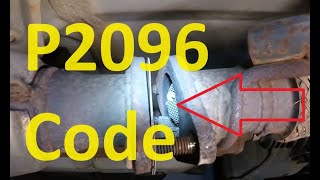
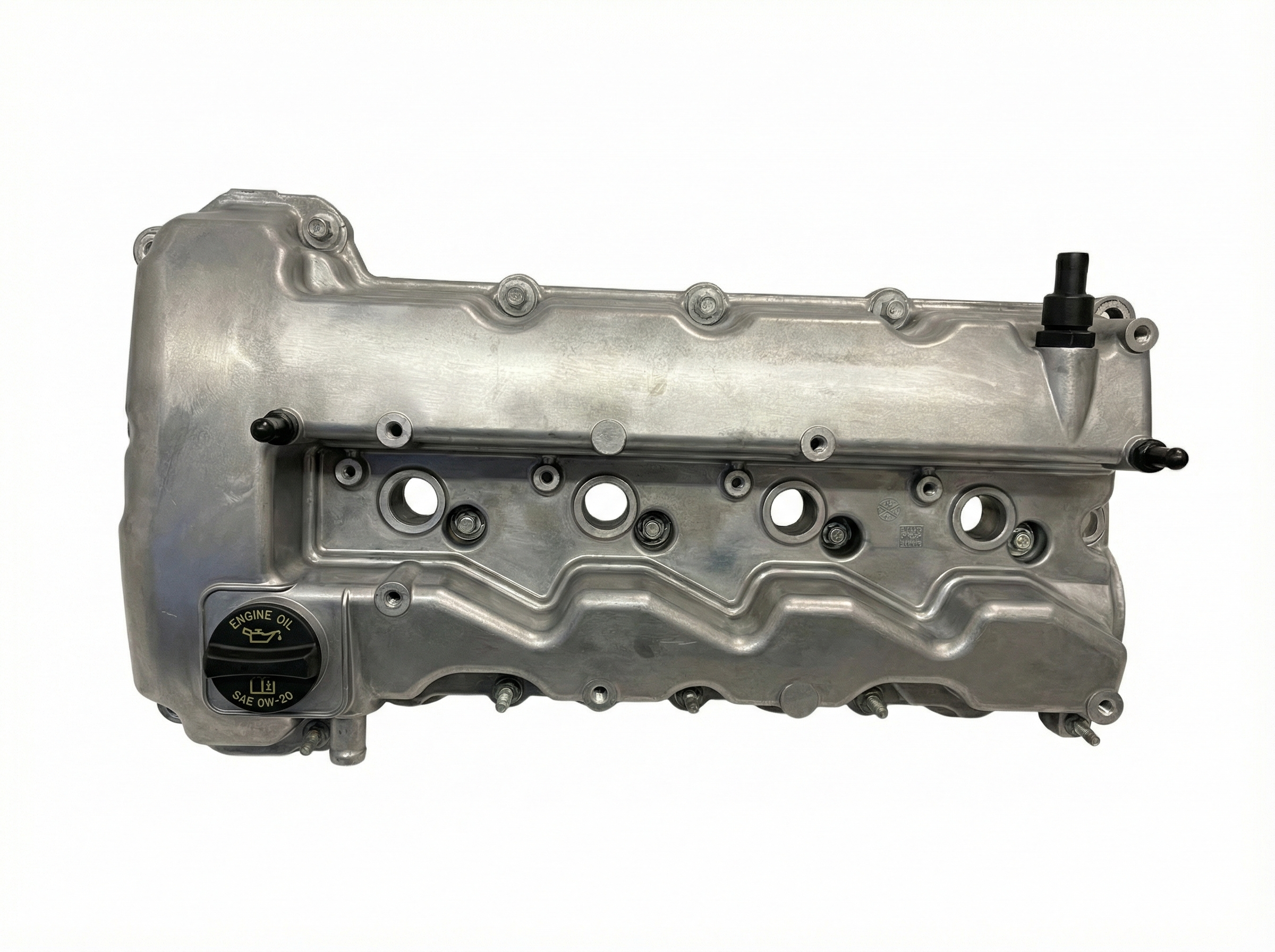
On a 2013-2017 Chrysler 300 with the 3.6L V6, code P2096 is most often caused by an exhaust leak before the O2 sensor or an oil leak from the Bank 1 (passenger side) valve cover dripping onto and contaminating the downstream O2 sensor. This valve cover leak is a very common issue on the 3.6L Pentastar engine. Always check for oil and exhaust leaks before replacing any parts.
- For the 3.6L Chrysler 300, your first check for P2096 should be the passenger-side valve cover for oil leaks dripping onto the O2 sensor.
- The second most likely cause is an exhaust leak between the engine and the downstream O2 sensor; look for cracks or listen for hissing/ticking sounds.
- Do not replace the oxygen sensor until you have ruled out oil leaks and exhaust leaks, as they are the most common root causes.
- If no physical faults are found, be aware that a dealer software update might be required to fix the issue.
What's Unique About the 2013-2017 Chrysler 300

For the Chrysler 300 equipped with the 3.6L V6 Pentastar engine, this code has a very specific and widely documented cause beyond the usual suspects. Chrysler issued a Technical Service Bulletin (TSB #9003790) indicating that oil leaking from the Bank 1 valve cover can drip directly onto the downstream oxygen sensor. This contamination fouls the sensor, causing it to send false lean readings and trigger the P2096 code. This issue is so prevalent across all vehicles with the 3.6L Pentastar that forum users frequently advise checking for this leak first. One user on a Jeep forum noted, "Your right side valve cover is leaking onto the right downstream oxygen sensor. Your tech is blind or doesn't work on jeeps. This is an incredibly common problem that any senior dealer tech could diagnose from the repair order alone."
Diagnostic Flowchart

Tap your situation to follow the diagnostic path that matches what you're seeing on this vehicle.
Symptoms You May Notice
- Check Engine Light is on
- Reduced fuel economy
- Rough or unstable idle
- Poor acceleration or loss of power
- Vehicle may fail an emissions test
- Burning oil smell if the cause is a valve cover leak
- Replacing the oxygen sensor without checking for exhaust or oil leaks first. The new sensor will also fail or report a lean condition if the root cause isn't fixed.
- Replacing spark plugs and coils in response to the lean code and potential misfires, without addressing the underlying air/fuel metering problem.
Most Likely Causes

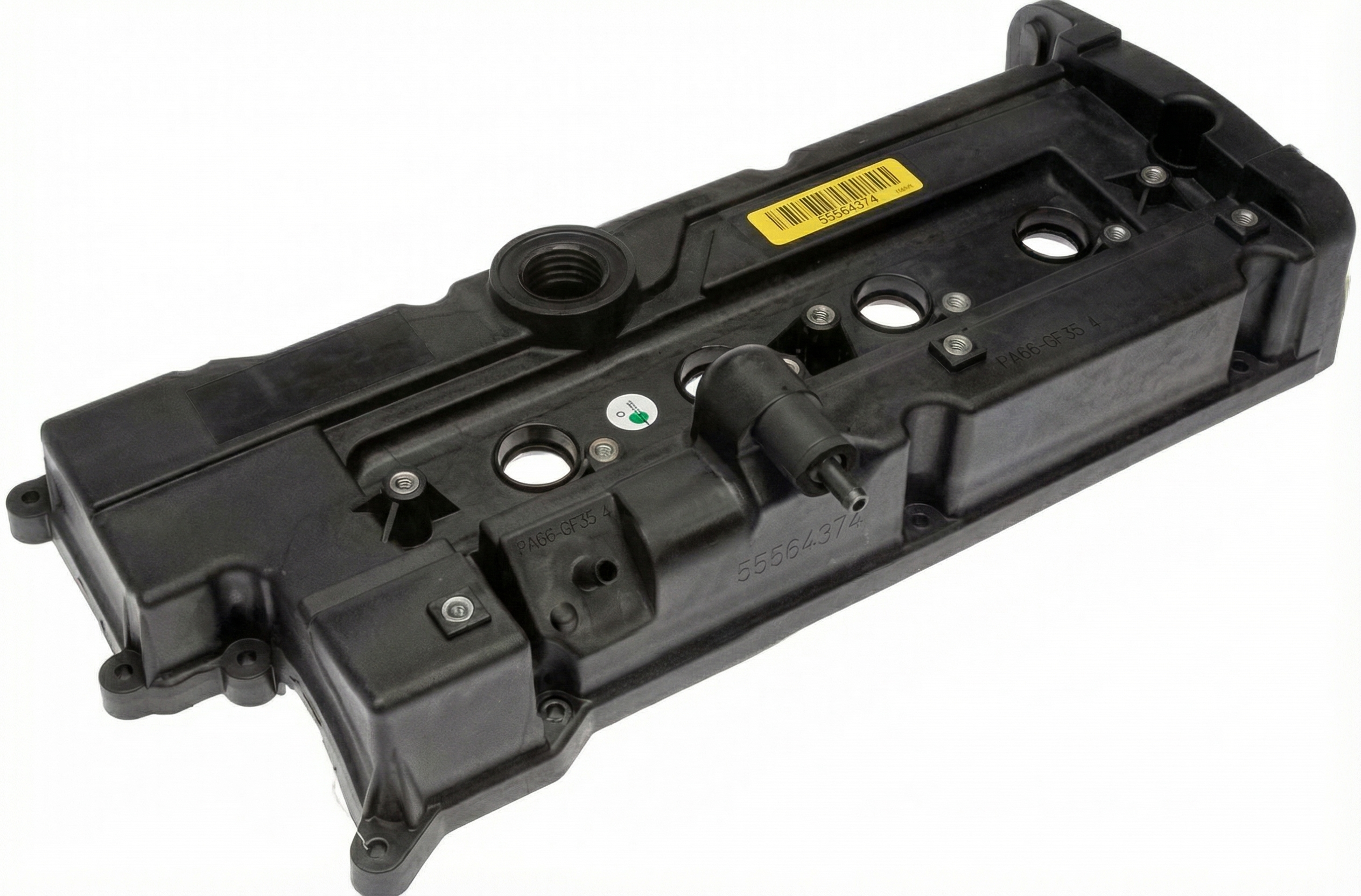
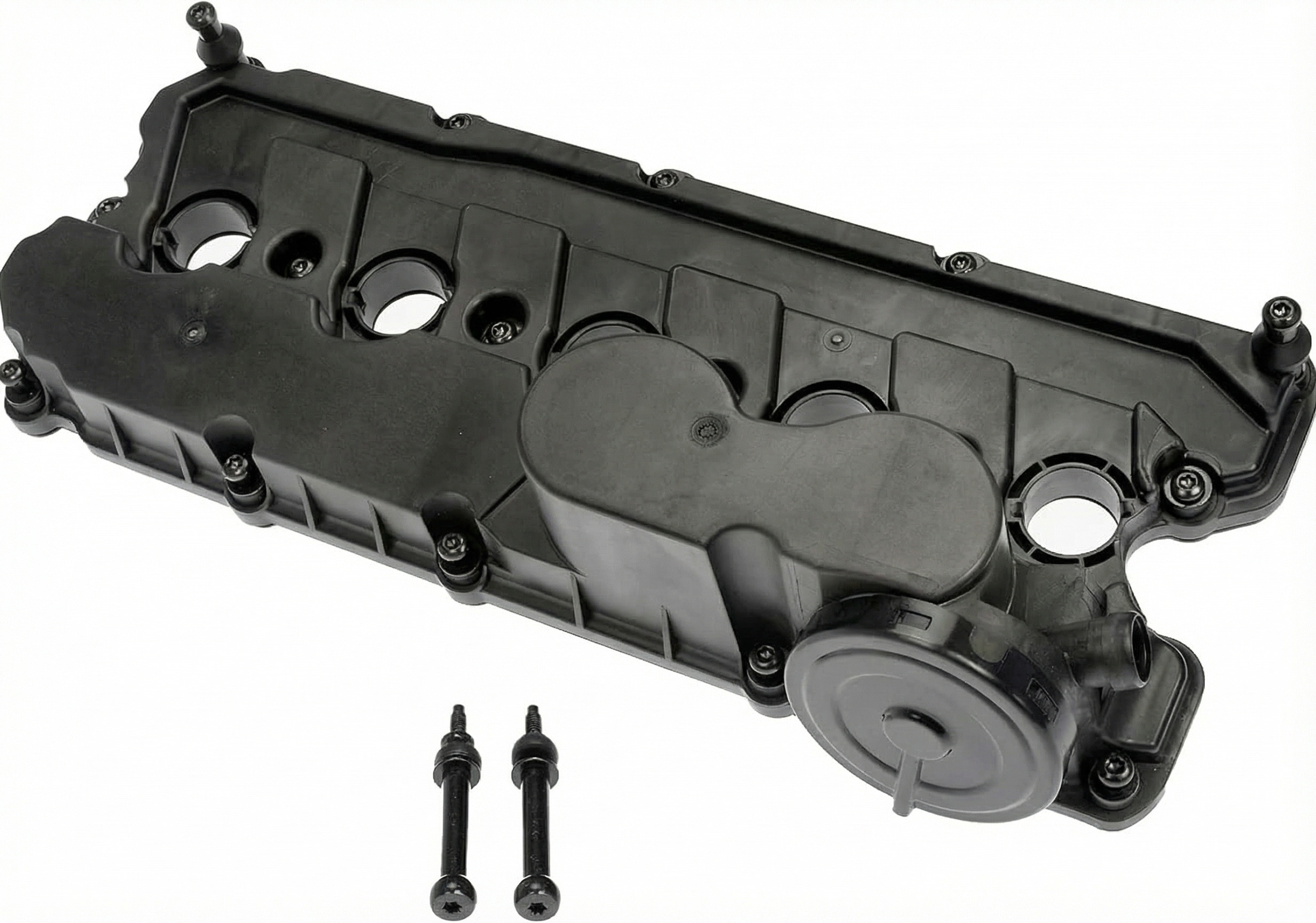
- Oil leak from valve cover onto O2 sensor 🔴 High Probability → Shop Engine Valve Cover A widely known issue on the 3.6L V6 engine, documented in TSB #9003790 and confirmed in numerous owner forums. The Bank 1 (passenger side) valve cover gasket can fail or the bolts can become loose, allowing oil to drip onto the downstream O2 sensor's body and wiring harness, contaminating it.
How to confirm: Visually inspect the Bank 1 valve cover (passenger side) for any signs of fresh or old oil leaks. Look directly below the back of the cylinder head for oil residue on the exhaust pipe and the body of the downstream O2 sensor. A drop of oil hanging from the back of the head above the sensor is a tell-tale sign.
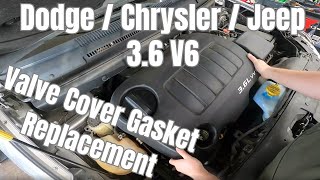
Typical fix: First, try tightening the valve cover bolts, as they have been known to leave the factory loose. If the leak persists, replace the valve cover gasket. 🎬 See this step-by-step guide to replacing your valve cover gasket. The oil-soaked oxygen sensor must also be replaced as it is permanently damaged by the contamination. Finally, reset the fuel trim adaptives with a capable scan tool.
Est. part cost: $75-$250 - Exhaust leak before or near the downstream O2 sensor 🔴 High Probability → Shop Oxygen Sensor Gaskets and exhaust components degrade over time from heat cycles and corrosion, leading to leaks. Common leak points include cracked exhaust manifolds, failed manifold gaskets, or flange gaskets. A leak allows unmetered oxygen into the exhaust, which the sensor reads as a lean condition.
How to confirm: Visually inspect the exhaust manifold, gaskets, and pipes on Bank 1 for cracks or black soot trails. Listen for a ticking or hissing sound from the engine bay, especially on a cold start. A professional smoke test is the most effective way to pinpoint a small leak.
Typical fix: Replace the leaking gasket or repair/replace the cracked exhaust component.
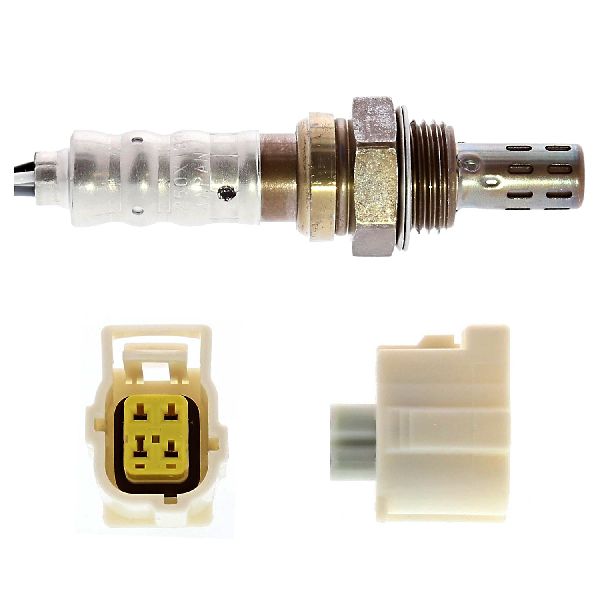
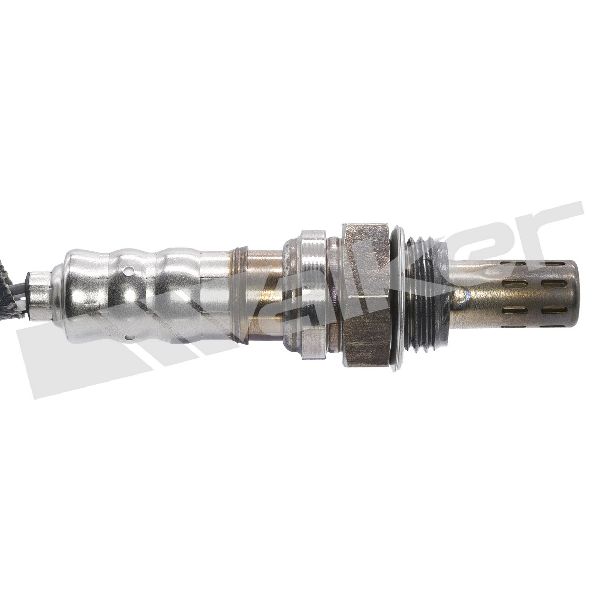
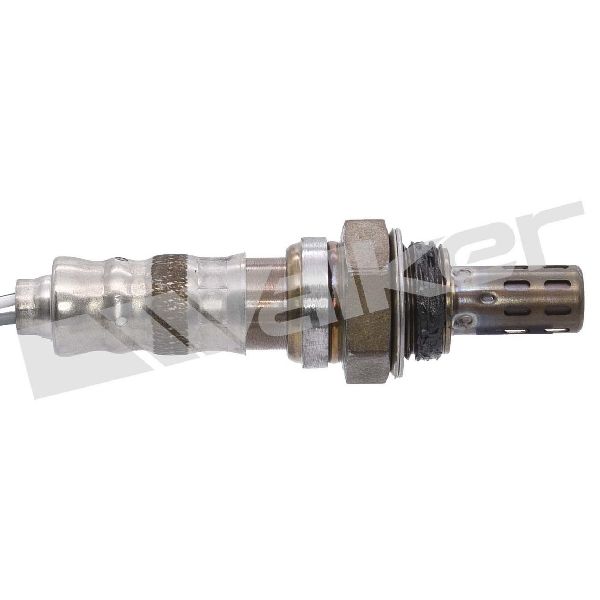
Est. part cost: $20-$200 - Faulty downstream oxygen sensor (Bank 1, Sensor 2) 🟡 Medium Probability → Shop Oxygen Sensor O2 sensors have a finite lifespan and can fail due to age, contamination, or internal faults, sending inaccurate data to the PCM. However, this code is more often caused by a leak fooling a good sensor.
How to confirm: Use a scan tool to monitor the live voltage data from the Bank 1 Sensor 2. On a warm engine at steady RPM, a healthy downstream sensor should show a relatively stable voltage, typically between 0.5V and 0.8V. If it is stuck low (e.g., below 0.2V) or fluctuating rapidly like an upstream sensor, it is likely faulty. This test is only valid after confirming there are no exhaust or oil leaks.
Typical fix: Replace the Bank 1, Sensor 2 oxygen sensor. The Mopar OEM part number is often 5149171AB or 5149180AB, which supersedes 5149171AA. 🎬 Watch: How to replace the oxygen sensor on your Chrysler 300.
Est. part cost: $50-$150 - PCM software requires an update ⚪ Low Probability Multiple TSBs (#1807320, #18-094-16, #18-039-15 REV. A) indicate that software updates are available to correct overly sensitive diagnostic logic for this code. It's worth noting that TSBs 18-094-16 and 18-039-15 REV. A specifically mention this code on "LC vehicles" (Dodge Challenger) with a manual transmission, which may not apply to the Chrysler 300.
How to confirm: A Chrysler dealership or a qualified independent shop with a factory-level scan tool (like wiTECH) can check if your vehicle's PCM has the latest software version by comparing it to the available updates.
Typical fix: Update the PCM software. This must be done by a dealer or properly equipped shop.
Est. part cost: $100-$250
Rare But Worth Checking
- Clogged or failing catalytic converter: → Shop Catalytic Converter While a P0420 code is more common for a bad converter, a partial clog can alter exhaust flow and temperature, sometimes contributing to a P2096 code. You can check for a clog by comparing the temperature before and after the converter with an infrared thermometer; a clogged cat will be hotter before.
- Intake vacuum leak: A significant vacuum leak (e.g., from a cracked hose or bad intake gasket) can cause a true lean condition. However, this would typically set an upstream lean code (P0171) first. If you have P2096 along with P0171, investigate vacuum leaks thoroughly.
- Fuel delivery issues: A weak fuel pump, clogged filter, or a failing fuel injector on Bank 1 could cause a true lean condition. This is less common and would usually be accompanied by other symptoms like misfires or a P0171 code. Checking fuel pressure is a key diagnostic step.
Diagnosis Steps
- Read all fault codes with an OBD-II scanner. Note any other codes present, especially P0171, P0137, or P0300, as they provide critical diagnostic clues.
- Perform a thorough visual inspection of the Bank 1 (passenger side) valve cover for oil leaks. Look for wetness, grime, or oil dripping down towards the exhaust and the downstream O2 sensor, as per TSB #9003790.
- Inspect the entire exhaust system on Bank 1, from the exhaust manifold to behind the downstream O2 sensor. Look for black soot trails, cracks, or holes. Listen for audible ticking or hissing noises when the engine is running.
- If an exhaust leak is suspected but not visible, perform a smoke test on the exhaust system to pinpoint the exact location.
- If no leaks are found, use a scan tool to observe the live data for the Bank 1 Sensor 2 voltage at idle on a fully warmed-up engine. The voltage should be relatively steady and high (above 0.5V). If it's stuck low (below 0.2V), the sensor is suspect or is being affected by an undiscovered leak.
- Check for Technical Service Bulletins (TSBs) and potential PCM software updates. A dealer or equipped shop can verify if your vehicle's software is current.
- If all else fails, investigate less common causes like fuel pressure, fuel injectors, and intake vacuum leaks, especially if a P0171 code is also present.
Parts You'll Likely Need
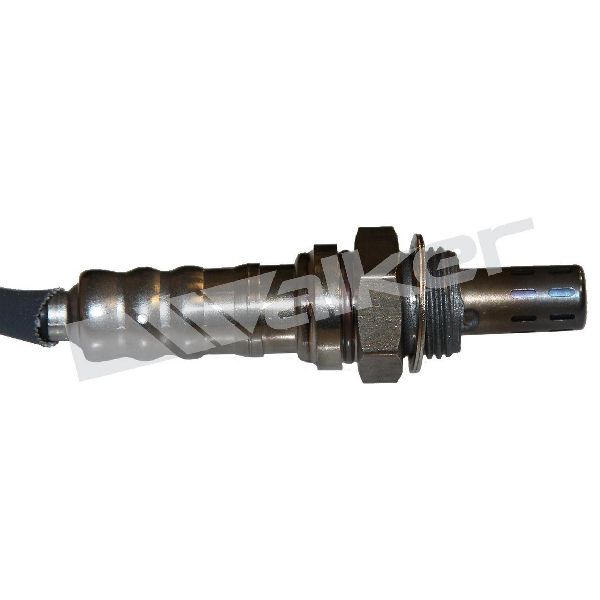
- Downstream Oxygen Sensor (Bank 1, Sensor 2)
(OEM #Mopar 5149171AB or 5149180AB)— This sensor is the source of the reading. It must be replaced if it has been contaminated by oil, or if it has failed internally after all leaks have been ruled out.
Trusted brands: Mopar, Denso, NTK, Bosch
OEM price range: $80-$130 - Valve Cover Gasket (Bank 1) — Required if the valve cover is found to be leaking oil onto the O2 sensor, a very common cause for this code on the 3.6L engine.
Trusted brands: Mopar, Fel-Pro, Mahle
OEM price range: $40-$70 - Exhaust Manifold Gasket (Bank 1) — Needed if an exhaust leak is found at the cylinder head, which allows unmetered air to enter the exhaust and cause a false lean reading.
Trusted brands: Mopar, Fel-Pro, Mahle
OEM price range: $15-$30
Related Codes That Often Appear With This One
- P0171 — 'System Too Lean (Bank 1)'. If you see this with P2096, it strongly suggests a larger issue affecting the entire bank, such as a vacuum leak, a significant exhaust leak upstream, or a fuel delivery problem, rather than just an isolated issue at the rear O2 sensor.
- P0137 — This code means 'O2 Sensor Circuit Low Voltage (Bank 1, Sensor 2)'. It can be caused by the same issues, like an oil leak shorting the sensor (per TSB #9003790) or a large exhaust leak causing an excess of oxygen.
- P0300 — 'Random/Multiple Cylinder Misfire'. A lean air/fuel mixture can fail to ignite properly, leading to misfires. If P2096 is present, the misfires are likely concentrated on Bank 1.
- P0420 — 'Catalyst System Efficiency Below Threshold (Bank 1)'. This code points to a failing catalytic converter. It can sometimes appear with P2096 if the converter is degraded or if a long-term lean condition has damaged it.
Technical Service Bulletins (TSBs) & Recalls
- 9003790: Notes oil leaking from the valve cover onto the O2 sensor as a cause for P2096, P0137, and other codes on 3.6L engines.
- 1807320 / 18-084-16: Mentions a software enhancement available that addresses P2096 among other codes.
- 18-094-16 / 18-039-15 REV. A: Discusses PCM updates for P2096, specifically on Dodge Challenger (LC) models with manual transmissions.
Platform-Specific Known Issues
- TSB #9003790 explicitly links P2096 on the 3.6L V6 to oil leaking from the valve cover onto the O2 sensor.
- Several TSBs (#1807320, #18-094-16, #18-039-15 REV. A, #18-084-16) mention software updates from Chrysler to address this and other diagnostic trouble codes, suggesting the original PCM logic may be too sensitive.
- Owner forums for vehicles with the 3.6L Pentastar engine are filled with accounts of P2096 being caused by the passenger side valve cover leak, confirming the TSB's findings in the real world.
Mechanic-Grade Diagnostic Values
- Downstream O2 Sensor Voltage (at idle, warm engine) — expected: Relatively stable voltage between 0.5V and 0.9V.. Failure: Voltage is stuck low (e.g., below 0.2V) or fluctuates rapidly like an upstream sensor.
- O2 Sensor Heater Circuit Resistance — expected: Typically between 3 and 15 ohms, but check vehicle-specific manual.. Failure: No reading (open circuit) or a reading far outside the specified range.
- Fuel Pressure (at fuel rail) — expected: Typically 40-60 PSI for most port-injected vehicles; consult service manual for exact spec.. Failure: Pressure is significantly below the specified range.
Scan Tool Commands That Help
- wiTECH or equivalent professional scan tool: Reset Fuel Adaptives — After replacing a component that was causing a long-term fuel trim imbalance (like a leaking valve cover gasket and fouled O2 sensor), this function should be used to clear the PCM's learned compensation values and allow it to re-learn with the new, correct sensor inputs.
- wiTECH or equivalent professional scan tool: O2 Sensor Heater Test — This is a bidirectional command that allows the technician to manually activate the O2 sensor's internal heater. By monitoring the sensor's voltage response on the scan tool, a technician can verify if the heater circuit is functioning correctly.
Wiring & Ground Locations
- PCM (Powertrain Control Module) — Located in the right-rear of the engine compartment.. The PCM is the central computer that receives the signal from the O2 sensor. All sensor wiring terminates here, making it a central point for electrical testing.
- G903A / S106 — A common ground point for multiple sensors. A wiring diagram from 2011 shows a ground splice (S106) leading to ground point G903 for the O2 sensors.. A poor ground connection for the O2 sensor circuit can cause erratic or incorrect voltage readings, potentially leading to a false P2096 code. Ensuring this ground is clean and secure is a critical electrical diagnostic step.
- Bank 1 Sensor 2 Connector — The electrical connector for the downstream O2 sensor is typically mounted on the side of the transmission.. This connector is a common point of failure due to exposure to heat, moisture, and potential oil contamination from valve cover leaks. Inspecting the terminals for corrosion or damage is essential.
Real Owner Repair Stories
- Wrangler Forum user (2020 Jeep Wrangler JL with 3.6L Pentastar, 80k miles) — Rough idle, Check Engine Light with codes P0171 and P2096, and misfire codes on Bank 1.
❌ Tried (didn't work) Replaced Bank 1 coil packs and spark plugs., Replaced the upstream O2 sensor.
✅ What actually fixed it The issue was identified by another forum member as a classic 3.6L Pentastar problem: the passenger side (Bank 1) valve cover was leaking oil onto the downstream O2 sensor, contaminating it. The recommended fix was to replace the downstream O2 sensor and fix the valve cover leak (either by tightening bolts or replacing the gasket), followed by resetting the fuel trim adaptives.
OEM Part Supersession History
5149171AA, 68066160AA→5149171AB— Standard part revision and consolidation by the manufacturer.
Heads up: 5149171AB is the current recommended replacement for the earlier part numbers and is used across a wide variety of Chrysler/Jeep/Dodge vehicles with the 3.6L engine.
Model Year Variations Within This Range
- 2015-2017: The Chrysler 300 received a significant refresh for the 2015 model year, which included an updated interior, a new 8-speed automatic transmission as standard, and revised styling. The 3.6L V6 engine itself was also updated starting in the 2016 model year for other platforms, featuring changes like two-stage variable valve lift and a higher compression ratio, though these changes did not fundamentally alter the diagnosis for P2096.
Helpful Videos
Used OEM Parts in Stock
New Aftermarket Parts Available


The information in this article is provided for general reference and educational purposes only. Vehicle specifications, procedures, and part compatibility can vary by production date, trim level, and region. Always consult your vehicle's factory service manual and verify part numbers before purchasing or performing repairs. Safety-critical components such as airbags, seat belts, and braking systems should be installed by a qualified professional.
- Chrysler 300:
- 🧭 Diagnostic Flowchart
- 🎬 Helpful Videos
- 🛍️ Shop This Part
- What's Unique About the 2013-2017 Chrysler 300
- Symptoms You May Notice
- Most Likely Causes
- Rare But Worth Checking
- Diagnosis Steps
- Parts You'll Likely Need
- Related Codes That Often Appear With This One
- Technical Service Bulletins (TSBs) & Recalls
- Platform-Specific Known Issues
- Mechanic-Grade Diagnostic Values
- Scan Tool Commands That Help
- Wiring & Ground Locations
- Real Owner Repair Stories
- OEM Part Supersession History
- Model Year Variations Within This Range
- 🎟️ Get 5% Off