

P2096 on 2013-2016 Dodge Dart 2.4L: Exhaust Leaks, O2 Sensor, and Fixes
On a 2013-2016 Dodge Dart with the 2.4L engine, code P2096 is most often caused by an exhaust leak from a cracked exhaust manifold or a failing downstream O2 sensor. A thorough inspection for exhaust leaks is the critical first step before replacing any parts. A major emissions recall (U90) also addresses this code by replacing the catalytic converter and sensors, which should be checked first.
- For a P2096 on a 2.4L Dart, immediately suspect an exhaust leak from a cracked exhaust manifold before buying any parts.
- Contact a Dodge dealer with your VIN to check if the critical Emissions Recall U90 is open for your car; it provides a comprehensive free fix.
- Do not replace the upstream O2 sensor for this code; P2096 relates specifically to the downstream (post-catalyst) sensor reading.
- If you replace the O2 sensor and the code returns, the problem is almost certainly an exhaust leak or a failing catalytic converter.
What's Unique About the 2013-2016 Dodge Dart
The 2.4L MultiAir 'Tigershark' engine, shared across several Dodge, Jeep, and Chrysler vehicles, is notoriously prone to developing cracks in the exhaust manifold. This makes an exhaust leak the most probable cause for P2096, as it allows outside air to enter the exhaust and create a false lean reading. Furthermore, this exact vehicle and engine were subject to a major emissions recall (U90) for premature catalytic converter failure, which directly addresses this code. The recall involves replacing the catalyst, both O2 sensors, and updating software, making the catalyst a more likely failure point than on other vehicles.
Symptoms You May Notice
- Check Engine Light illuminated
- Decreased fuel economy
- Rough or unstable idle
- Poor acceleration or engine performance
- Audible ticking or hissing noise from the engine area, especially when cold, indicating an exhaust leak
- Replacing the downstream O2 sensor without first checking for exhaust leaks. A leak will cause the new sensor to read lean as well, and the code will return.
- Replacing the upstream (Bank 1, Sensor 1) O2 sensor. This code is specifically for the post-catalyst, downstream sensor circuit.
- Replacing the catalytic converter before ruling out exhaust leaks and a faulty O2 sensor, which are more common and less expensive fixes.
Most Likely Causes
- Exhaust Leak (before downstream O2 sensor) 🔴 High Probability The 2.4L Tigershark engine family is widely known for cracked exhaust manifolds and leaking flex pipes or gaskets. This is the most common cause of a false lean reading for P2096 on this platform.
How to confirm: Perform a thorough visual and audible inspection of the exhaust system from the engine to the second O2 sensor, listening for ticking or hissing sounds, especially on a cold start. A smoke test is the most reliable method to pinpoint the exact location of a leak that isn't obvious. You can also try carefully plugging the tailpipe with a rag for a moment to see if pressure builds and makes a leak more audible.
Typical fix: Repair the leak. This often involves replacing the exhaust manifold and its gasket if it is cracked, or replacing a leaking flex pipe or gasket. Aftermarket manifolds, like the Dorman 674-302, are available.
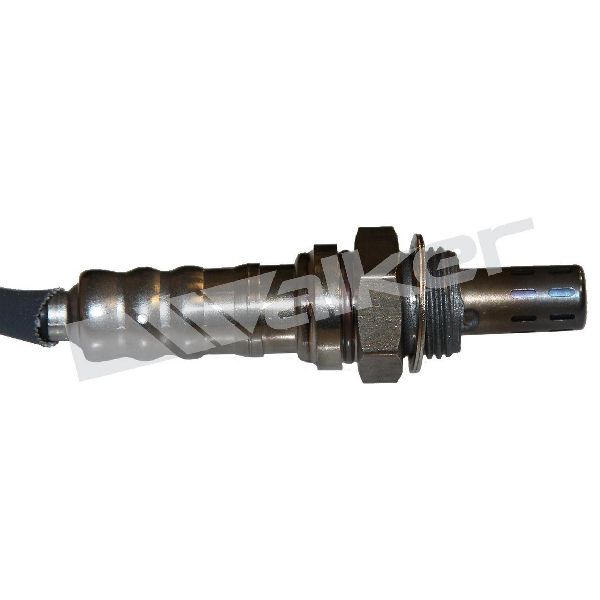
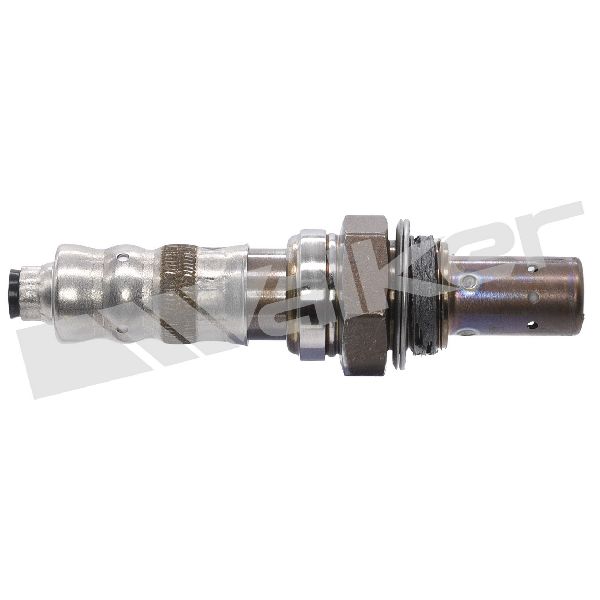
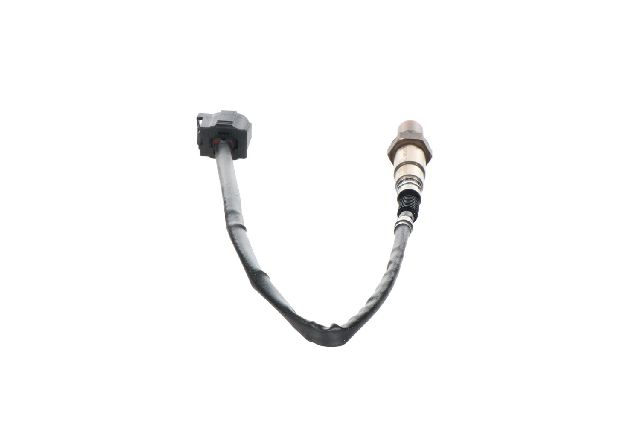
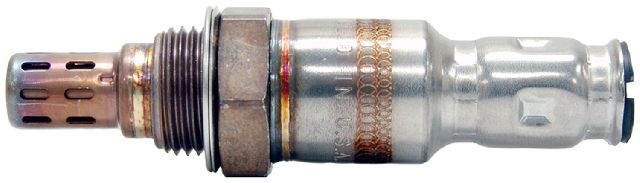
Est. part cost: $20-$400 - Failing Downstream Oxygen (O2) Sensor 🟡 Medium Probability → Shop Oxygen Sensor O2 sensors are wear items. Additionally, known oil consumption issues with this engine can contaminate and destroy the sensor, causing it to fail or read incorrectly. The U90 recall service includes replacing this sensor as part of the comprehensive fix.
How to confirm: After confirming no exhaust leaks exist, monitor the downstream O2 sensor voltage with a scan tool. A sensor that is stuck low (lean, typically below 0.2V) or has a lazy, non-responsive voltage trace is likely faulty.
Typical fix: Replace the downstream (Bank 1, Sensor 2) oxygen sensor. The U90 recall includes this replacement.
Est. part cost: $50-$130 - Failing Catalytic Converter 🟡 Medium Probability → Shop Catalytic Converter Emissions Recall U90 was issued for the 2014-2016 Dart 2.4L specifically for premature loss of catalyst efficiency, which can cause this code. The catalyst can be damaged by high operating temperatures.
How to confirm: This is typically diagnosed after ruling out exhaust leaks and O2 sensor failure. An infrared thermometer can be used to check for a significant temperature increase across the converter (inlet vs. outlet). If the U90 recall has not been performed, a dealer can verify its applicability with your VIN.
Typical fix: Replace the catalytic converter. The U90 recall service performs this repair along with replacing both O2 sensors and updating software.
Est. part cost: $400-$700 - Outdated Powertrain Control Module (PCM) Software ⚪ Low Probability → Shop Engine Control Module (ECM) FCA has released software updates (e.g., TSB 18-023-16 REV. A) to adjust the sensitivity of emissions monitors that can erroneously trigger this code. The U90 recall also includes a mandatory PCM/TCM software update.
How to confirm: A Dodge dealership can check your vehicle's VIN to see if any software updates or the U90 recall are pending.
Typical fix: Have the dealership update the PCM software.
Est. part cost: $0-$200
Rare But Worth Checking
- Failed PCV Valve Assembly: A documented case on a Dodge Dart forum showed a failed PCV valve, which is integrated into the valve cover, caused oil to be sucked into the intake. This contaminated the sensors and catalytic converter, eventually triggering P2096 after other fixes failed. The PCV valve itself is a simple component on the valve cover.
- Engine Vacuum Leak: An intake manifold leak or cracked vacuum hose can cause a true lean condition. This will usually also set a P0171 code. If P2096 appears alone, this is less likely as the issue is typically isolated to the post-catalyst measurement.
Diagnosis Steps
- Check if Emissions Recall U90 is open for your vehicle by contacting a Dodge dealer with your VIN. If it is, this will likely resolve the issue for free.
- Scan for any other fault codes. The presence of codes like P0171 can change the diagnostic path, pointing towards a pre-combustion issue like a vacuum leak.
- Perform a thorough visual and audible inspection of the exhaust manifold, flex pipe, and all gaskets between the two oxygen sensors. Listen for a ticking or hissing sound that indicates a leak, especially on a cold start.
- For best results, perform a smoke test on the exhaust system to reveal any small cracks or leaks that are not visually apparent.
- If no leaks are found, inspect the wiring and connector for the downstream O2 sensor for any signs of damage, corrosion, or melting.
- Using a scan tool, observe the live data for the downstream O2 sensor (Bank 1, Sensor 2). If the voltage is stuck low (typically below 0.2V) and does not fluctuate, the sensor is likely faulty.
- If exhaust leaks are ruled out and the O2 sensor appears to be functioning, the catalytic converter is the next likely suspect, especially given the history of this engine and the U90 recall.
Parts You'll Likely Need
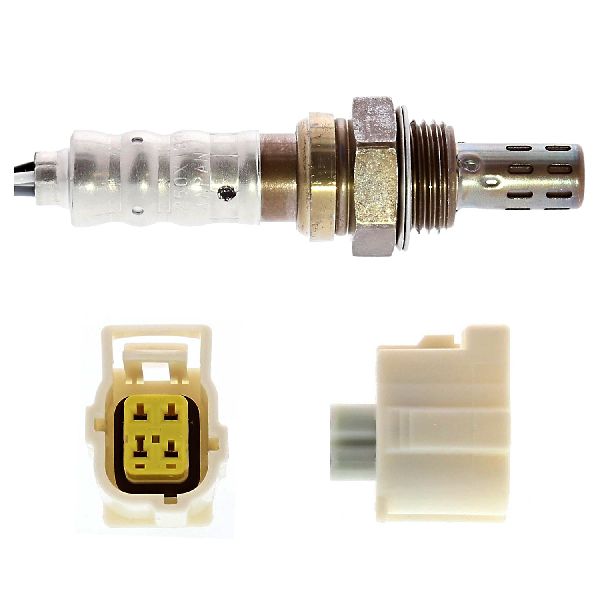
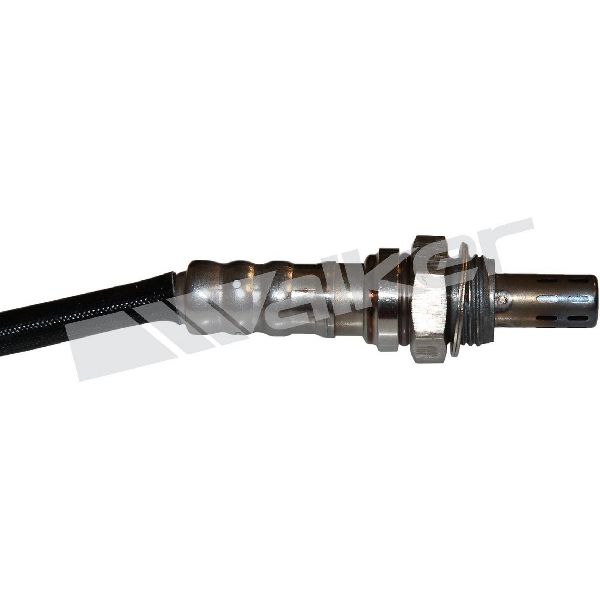
- Downstream Oxygen Sensor
(OEM #68090640AB, 5149180AB)— This sensor provides the direct reading that triggers the code and is a common failure item, often due to wear or contamination from oil consumption. It is also replaced as part of the U90 recall.
Trusted brands: Mopar, NTK, Denso
OEM price range: $85-$130
Aftermarket price range: $50-$90 - Exhaust Manifold
(OEM #68193382AB)— The original manifold is notoriously prone to cracking on the 2.4L Tigershark engine, causing an exhaust leak that is the most common trigger for P2096.
Trusted brands: Mopar, Dorman (e.g., 674-302, though fitment should be verified)
OEM price range: $400-$700
Aftermarket price range: $150-$400 - Catalytic Converter
(OEM #CEZGU901AA (Recall Kit))— Subject to a specific emissions recall (U90) for premature failure on this vehicle. A failing converter can no longer efficiently process exhaust gases, leading to a lean reading downstream.
Trusted brands: Mopar, Walker Exhaust
OEM price range: $500+
Aftermarket price range: $300-$600
Related Codes That Often Appear With This One
- P0171 — If a P0171 (System Too Lean Bank 1) is also present, it strongly suggests a true lean condition caused by a vacuum leak or a fuel delivery problem affecting the entire engine, rather than just an exhaust leak fooling the rear sensor.
- P0420 — A P0420 (Catalyst System Efficiency Below Threshold) can appear with P2096 if the catalytic converter is failing and unable to properly process exhaust gases. The U90 recall addresses this exact scenario.
Technical Service Bulletins (TSBs) & Recalls
- U90 (NHTSA ID: 10229778): Emissions Recall for Catalyst Efficiency. Involves replacing the catalytic converter, both O2 sensors, and updating the PCM software.
- TSB 18-023-16 REV. A: Addresses erroneous emissions codes by updating PCM software.
- TSB 09-006-20: Outlines the procedure for diagnosing excessive oil consumption on the 2.4L engine.
Platform-Specific Known Issues
- Emissions Recall U90: FCA recalled these vehicles for premature catalytic converter failure. The fix includes a new catalyst, new upstream and downstream O2 sensors, and a PCM/TCM software update.
- Cracked Exhaust Manifolds: The 2.4L Tigershark engine is widely known to develop cracks in the factory exhaust manifold, causing leaks that trigger P2096.
- Excessive Oil Consumption: This engine can suffer from high oil consumption due to piston ring issues, leading to a class-action lawsuit. This can foul O2 sensors and the catalytic converter, indirectly causing P2096. TSB 09-006-20 outlines the official oil consumption test.
Mechanic-Grade Diagnostic Values
- Downstream O2 Sensor (Bank 1, Sensor 2) Voltage — expected: Relatively stable voltage between 0.4V and 0.6V at warm idle.. Failure: Voltage is stuck low (less than 0.2V), indicating a persistent lean reading or a faulty sensor.
- Downstream O2 Sensor Heater Element Resistance — expected: 4.5 to 14.5 Ohms when the sensor is cold.. Failure: An open circuit (OL) or a reading significantly outside this range indicates a failed internal heater.
- Short-Term Fuel Trim (STFT) for Bank 1 — expected: Fluctuating near 0%.. Failure: Values consistently above +10% indicate the PCM is adding significant fuel to compensate for a perceived lean condition.
Scan Tool Commands That Help
- wiTECH (Chrysler/Dodge/Jeep Dealer Tool): Fuel System Status Test — To verify fuel pressure, injector function, and overall fuel system health when a fuel delivery issue is suspected as the root cause of the lean condition.
- Professional Scan Tool (e.g., Autel, FOXWELL): O2 Sensor Test / Mode $06 — To view the raw test results from the PCM's self-diagnostics for the oxygen sensors. This can show if a sensor is failing the onboard tests before it triggers a specific sensor fault code.
Wiring & Ground Locations
- O2 Sensor Fuse — In the under-hood fuse box, located next to the battery. The specific fuse may be labeled F87 in some configurations.. The oxygen sensors have internal heaters that require power. A blown fuse can cause the sensor to operate incorrectly, leading to false readings and codes like P0137 or P2096. If fuse F87 is not present, power may be supplied through one of the main ECU/PCM fuses.
- G103 — On the left side of the engine compartment.. This is a primary engine ground. A loose or corroded ground connection at this point can cause erratic voltage signals from various engine sensors, including the oxygen sensors, leading to incorrect readings and fault codes.
- Downstream O2 Sensor Connector — The sensor is located on the right side of the catalytic converter, underneath the vehicle. The connector is typically a few inches up the wiring harness from the sensor body.. The wiring harness in this area is susceptible to heat damage from the exhaust, as well as physical damage from road debris. A visual inspection of the connector and harness for melting, chafing, or corrosion is a critical step.
Real Owner Repair Stories
- Dodge Dart Forum user report (also cited for Fiat 500X with same engine) (2013 Dodge Dart Rallye 2.4L) — Persistent Check Engine Light with code P2096.
❌ Tried (didn't work) Replacing the downstream O2 sensor, Replacing the MAP sensor, Cleaning the throttle body
✅ What actually fixed it The root cause was a failed PCV valve assembly integrated into the valve cover. This was causing oil to be sucked into the intake, contaminating the sensors and catalytic converter. Replacing the entire valve cover assembly resolved the code. - NHTSA ODI #11389421 — An owner reported that the P2096 code has been a recurring problem and noted that the vehicle frequently smells like gas fumes.
- NHTSA ODI #11252835 — A consumer stated that the engine light being on with code P2096 was caused by a leak in one of the hoses.
"I Checked Everything" — The Actual Cause
- On the 2.4L MultiAir engine family, a smoke test can come back clean, yet the P2096 code persists. In several documented cases, the actual cause was a failed internal PCV valve within the valve cover assembly. This failure pulls oil into the intake system, fouling the O2 sensors and catalytic converter, which a smoke test of the exhaust or intake will not reveal. The fix is to replace the entire valve cover.
- A hairline crack in a weld on the catalytic converter has been found on similar FCA platforms. The crack was too small to be detected by a cold smoke test but would expand when the exhaust reached operating temperature, allowing air to be pulled in and trigger the lean code.
Model Year Variations Within This Range
- 2013-2016: The 2.4L MultiAir engine became more widely available across trims starting in 2014. The SXT, Limited, and GT models from 2014-2016 commonly feature this engine, making them more susceptible to the specific issues like cracked manifolds and the U90 recall. Earlier 2013 models may have had different standard engines depending on the trim.
Diagnostic Flowchart
Other Known Issues on This Vehicle
Issues unrelated to this code that are worth knowing about as an owner of this generation:
- Excessive Oil Consumption 🔴 High — Very common across the 2.4L Tigershark engine line. Can start at any mileage. Caused by defective piston rings. (Ref: TSB 09-006-20, TSB 09-003-23; Subject of a class-action lawsuit.)
- MultiAir Actuator Failure ('Brick') 🟠 Medium — Common failure, often due to sensitivity to oil level/quality. Can cause misfires, stalling, and no-start conditions.
- Dual Dry Clutch Transmission (DDCT) Problems 🔴 High — Common on 1.4T models, but also affects some 2.4L. Can lead to jerky shifting, hesitation, and premature failure. (Ref: Multiple recalls and TSBs issued for TCM software and component issues.)
- Uconnect System Glitches 🟡 Low — Widespread reports of the infotainment screen freezing, being unresponsive, or having Bluetooth connectivity issues. (Ref: Multiple software updates released by FCA.)
- Shifter Cable Bushing Failure 🟠 Medium — A recall was issued because the shifter cable bushing could fail, causing the vehicle to be unable to shift gears or showing the wrong gear, potentially leading to rollaway risk. (Ref: FCA Recall S43)
Used vs. New Parts: Buying Guide for This Vehicle
When a used part is the smart pick: A used exhaust manifold from a low-mileage donor vehicle can be a cost-effective option, provided it is thoroughly inspected for cracks before installation. Given the high failure rate of the original part, this is a common DIY and independent shop repair where used parts are considered.
Donor-vehicle mileage cap: roughly under 50000 miles for the part to have meaningful remaining life.
What to inspect on the donor part:
- Inspect the manifold for any hairline cracks, especially around the collector welds and flange.
- Ensure all mounting studs are intact and not broken off.
- Check for severe rust or pitting that could compromise the gasket sealing surface.
- Verify it's from a vehicle that was not involved in a front-end collision, which could have stressed the part.
OEM-only on this vehicle (don't cheap out):
- Catalytic Converter: While aftermarket options exist, many fail to meet the specific efficiency requirements for this platform, leading to a recurring P0420 or P2096 code. The U90 recall specifically uses a Mopar-engineered part to solve the problem long-term. Aftermarket cats from brands like MagnaFlow or Walker are reputable but may not have the same longevity as the revised OEM part.
Aftermarket brands forum-validated for this vehicle:
- Oxygen Sensors: NTK and Denso are original equipment suppliers to many manufacturers and are widely considered reliable alternatives to the more expensive Mopar-branded part.
- Exhaust Manifold: Dorman offers aftermarket replacements (e.g., 674-302) that are readily available, though user reviews should be checked for the most current feedback on fit and quality.
Brands owners have reported issues with on this vehicle:
- Unbranded, 'no-name' oxygen sensors and catalytic converters from online marketplaces. These parts often use lower-quality materials and sensor elements, leading to rapid failure, incorrect readings, and the check engine light returning quickly.
Real Owner Stories
Aggregated from forums and TSBs cited above. Mileages and costs reflect what owners reported in those sources.
2014-2016 Dodge Dart 2.4L
Symptoms: Owner experienced a long-term struggle with the P2096 code appearing repeatedly even after replacing oxygen sensors and the catalytic converter multiple times.
What fixed it: The issue was eventually traced to a failed PCV system in the valve cover which was causing oil contamination.
Source hint: dodge-dart.org thread titled 'p2096-code-again-and-again-and-again.69853/'
2014-2020 Jeep Cherokee KL 2.4L
Symptoms: Owner of a vehicle with the same Tigershark engine confirmed the P2096 code was triggered by hardware failure in the exhaust system.
What fixed it: Replacing a cracked exhaust manifold resolved the code.
Source hint: cherokeeforum.com thread 'p2096-code-2-4l-engine-253018/'
2013-2016 Dodge Dart 2.4L
Symptoms: Multiple owners reported the P2096 code appearing alongside audible exhaust leaks.
What fixed it: Repairing leaks at the exhaust manifold, which is a primary culprit for this engine platform.
Source hint: dartforum.org thread 'p2096-code-help.10449/'
Related OBD-II Codes
Frequently Asked Questions
Is there a recall for the catalytic converter on my 2014-2016 Dodge Dart 2.4L?
My Dart has a ticking sound when cold and a P2096 code. What is the likely cause?
Can high oil consumption cause the P2096 code on a Dodge Dart?
Is there a software update to fix P2096 for the Dodge Dart?
What specific part is recommended if my exhaust manifold is cracked?
How can I confirm if my P2096 is a sensor failure or an exhaust leak?
Used vs. New Parts: Buying Guide for This Vehicle
When a used part is the smart pick: A used exhaust manifold from a low-mileage donor vehicle can be a cost-effective option, provided it is thoroughly inspected for cracks before installation. Given the high failure rate of the original part, this is a common DIY and independent shop repair where used parts are considered.
Donor-vehicle mileage cap: roughly under 50000 miles for the part to have meaningful remaining life.
What to inspect on the donor part:
- Inspect the manifold for any hairline cracks, especially around the collector welds and flange.
- Ensure all mounting studs are intact and not broken off.
- Check for severe rust or pitting that could compromise the gasket sealing surface.
- Verify it's from a vehicle that was not involved in a front-end collision, which could have stressed the part.
OEM-only on this vehicle (don't cheap out):
- Catalytic Converter: While aftermarket options exist, many fail to meet the specific efficiency requirements for this platform, leading to a recurring P0420 or P2096 code. The U90 recall specifically uses a Mopar-engineered part to solve the problem long-term. Aftermarket cats from brands like MagnaFlow or Walker are reputable but may not have the same longevity as the revised OEM part.
Aftermarket brands forum-validated for this vehicle:
- Oxygen Sensors: NTK and Denso are original equipment suppliers to many manufacturers and are widely considered reliable alternatives to the more expensive Mopar-branded part.
- Exhaust Manifold: Dorman offers aftermarket replacements (e.g., 674-302) that are readily available, though user reviews should be checked for the most current feedback on fit and quality.
Brands owners have reported issues with on this vehicle:
- Unbranded, 'no-name' oxygen sensors and catalytic converters from online marketplaces. These parts often use lower-quality materials and sensor elements, leading to rapid failure, incorrect readings, and the check engine light returning quickly.
Real Owner Stories
Aggregated from forums and TSBs cited above. Mileages and costs reflect what owners reported in those sources.
2014-2016 Dodge Dart 2.4L
Symptoms: Owner experienced a long-term struggle with the P2096 code appearing repeatedly even after replacing oxygen sensors and the catalytic converter multiple times.
What fixed it: The issue was eventually traced to a failed PCV system in the valve cover which was causing oil contamination.
Source hint: dodge-dart.org thread titled 'p2096-code-again-and-again-and-again.69853/'
2014-2020 Jeep Cherokee KL 2.4L
Symptoms: Owner of a vehicle with the same Tigershark engine confirmed the P2096 code was triggered by hardware failure in the exhaust system.
What fixed it: Replacing a cracked exhaust manifold resolved the code.
Source hint: cherokeeforum.com thread 'p2096-code-2-4l-engine-253018/'
2013-2016 Dodge Dart 2.4L
Symptoms: Multiple owners reported the P2096 code appearing alongside audible exhaust leaks.
What fixed it: Repairing leaks at the exhaust manifold, which is a primary culprit for this engine platform.
Source hint: dartforum.org thread 'p2096-code-help.10449/'
Related OBD-II Codes
Frequently Asked Questions
Is there a recall for the catalytic converter on my 2014-2016 Dodge Dart 2.4L?
My Dart has a ticking sound when cold and a P2096 code. What is the likely cause?
Can high oil consumption cause the P2096 code on a Dodge Dart?
Is there a software update to fix P2096 for the Dodge Dart?
What specific part is recommended if my exhaust manifold is cracked?
How can I confirm if my P2096 is a sensor failure or an exhaust leak?
Helpful Videos
We Have This Part in Stock

The information in this article is provided for general reference and educational purposes only. Vehicle specifications, procedures, and part compatibility can vary by production date, trim level, and region. Always consult your vehicle's factory service manual and verify part numbers before purchasing or performing repairs. Safety-critical components such as airbags, seat belts, and braking systems should be installed by a qualified professional.
- Dodge Dart:
- 🧭 Diagnostic Flowchart
- 🎬 Helpful Videos
- 🛍️ Shop This Part
- What's Unique About the 2013-2016 Dodge Dart
- Symptoms You May Notice
- Most Likely Causes
- Rare But Worth Checking
- Diagnosis Steps
- Parts You'll Likely Need
- Related Codes That Often Appear With This One
- Technical Service Bulletins (TSBs) & Recalls
- Platform-Specific Known Issues
- Mechanic-Grade Diagnostic Values
- Scan Tool Commands That Help
- Wiring & Ground Locations
- Real Owner Repair Stories
- "I Checked Everything" — The Actual Cause
- Model Year Variations Within This Range
- Other Known Issues on This Vehicle
- Used vs. New Parts: Buying Guide for This Vehicle
- Real Owner Stories
- 2014-2016 Dodge Dart 2.4L
- 2014-2020 Jeep Cherokee KL 2.4L
- 2013-2016 Dodge Dart 2.4L
- Related OBD-II Codes
- Frequently Asked Questions
- Used vs. New Parts: Buying Guide for This Vehicle
- Real Owner Stories
- 2014-2016 Dodge Dart 2.4L
- 2014-2020 Jeep Cherokee KL 2.4L
- 2013-2016 Dodge Dart 2.4L
- Related OBD-II Codes
- Frequently Asked Questions
- 🎟️ Get 5% Off