

P2096 on 2021 Ford F-150: Causes and Fixes for Post Catalyst Lean Code
For a 2021 F-150, code P2096 is most likely caused by a software issue addressed by Ford's Technical Service Bulletin (TSB) 21-2306. The fix is a PCM software update performed by a dealer. If the TSB doesn't apply or has been performed, the next most common causes are an exhaust leak upstream of the sensor or a faulty oxygen sensor.
- For a 2021 F-150, your first call should be to a Ford dealer to check for TSB 21-2306, which involves a simple software update.
- Do not replace any parts, especially oxygen sensors, until you have confirmed the TSB is not the cause
What's Unique About the 2021-2021 Ford F-150
For the 2021 F-150, which is the first year of the 14th generation, this code is frequently linked to a known software calibration issue. Ford released a Technical Service Bulletin (TSB 21-2306) specifically for this problem on this model year and its engines. While physical faults like exhaust leaks or bad sensors can still occur, the first step for any owner or technician should be to check if the vehicle needs the PCM software update, as this is a very common and documented fix for this new-generation truck.
Symptoms You May Notice
- Check Engine Light is on
- Reduced fuel economy
- Rough or unstable idle
- Hesitation or stumbling during acceleration
- Louder than normal exhaust tone, possibly indicating a leak
- Immediately replacing the downstream oxygen sensor without first checking for TSB 21-2306 or thoroughly inspecting for exhaust leaks. This is the most common misdiagnosis and can lead to unnecessary expense and the code returning.
Most Likely Causes
- PCM Software Requires Update (TSB 21-2306) 🔴 High Probability Ford identified a software calibration issue in the PCM for 2021 models with the 2.7L, 3.3L, and 5.0L engines that can incorrectly trigger P2096.
How to confirm: A Ford dealer or a shop with access to Ford's service information can check the vehicle's VIN to see if TSB 21-2306 is open and applies. The TSB addresses DTCs P2096 and/or P2098.
Typical fix: Reprogramming the Powertrain Control Module (PCM) with the updated software. The TSB may also call for an inspection of the catalyst monitor sensor.
Est. part cost: $0 (if under warranty or covered by TSB) - Exhaust Leak 🟡 Medium Probability Leaks can develop at manifold gaskets, pipe connections, or welds. The leak allows outside air to be drawn into the exhaust, which is then read by the downstream O2 sensor, creating a false lean condition. A manufacturer service bulletin for other Ford models, SSM 50230, notes that an illuminated MIL with P2096 may be due to an exhaust gas oxygen sensor seal.
How to confirm: Perform a visual inspection of the exhaust system from the engine to the rear O2 sensor for soot marks or cracks. Listen for hissing or ticking sounds, especially on a cold start. The most effective method is to use a smoke machine to introduce smoke into the exhaust and watch for where it escapes.
Typical fix: Repair the leak by replacing the faulty gasket or tightening loose connections. In some cases, a cracked pipe or manifold may need to be welded or replaced.
Est. part cost: $10-$300 - Faulty Downstream Oxygen Sensor (Bank 1, Sensor 2) ⚪ Low Probability → Shop Oxygen Sensor While less common on a newer vehicle, sensors can fail prematurely. They can become contaminated or simply wear out, causing them to send inaccurate (lazy or stuck low) signals to the PCM.
How to confirm: Use a scan tool to monitor the voltage of the Bank 1 Sensor 2. A healthy downstream sensor on a warm engine should show a relatively steady voltage (typically above 0.5V). If the voltage is stuck low (e.g., below 0.2V) or fluctuating wildly like the upstream sensor, it may be faulty.
Typical fix: Replace the Bank 1, Sensor 2 oxygen sensor. This sensor is located on the passenger side of the vehicle, after the catalytic converter.
Est. part cost: $50-$150
Rare But Worth Checking
- Faulty Upstream Oxygen Sensor (Bank 1, Sensor 1): → Shop Oxygen Sensor Although the code points to the downstream sensor, many Ford owners have found that a failing upstream (pre-catalyst) sensor was the root cause. The PCM uses both sensors for its fuel trim strategy, and a fault in one can sometimes lead to a code for the other.
- Low Fuel Pressure: A weak fuel pump or clogged fuel filter can cause a genuine lean condition that affects the entire engine, which is then detected by the O2 sensors.
- Intake System Vacuum Leak: A significant leak of unmetered air entering the engine through a cracked hose or bad gasket after the mass airflow sensor can cause a lean condition that triggers this code.
- Engine Oil Migration: Manufacturer Bulletin #16-0031 notes that on some Ford engines, P2096 may be stored due to engine oil migrating from the variable camshaft timing (VCT) solenoids into the oxygen sensor harness.
Diagnosis Steps
- Check for TSBs: Contact a Ford dealer or use a professional database to see if TSB 21-2306 is open for your vehicle's VIN. If it is, have the PCM reprogrammed. This is the most important first step.
- Inspect for Exhaust Leaks: If the TSB does not apply or did not fix the issue, thoroughly inspect the entire exhaust system on Bank 1 (passenger side) for any signs of leaks, such as black soot marks, cracks, or loose clamps. A smoke test is the most reliable method.
- Analyze Sensor Data: Use an OBD-II scanner with live data capabilities. Observe the voltage readings for the Bank 1 Sensor 2 (downstream). It should be relatively stable and above 0.5V on a warm, running engine. Compare it to Bank 2 Sensor 2 for reference. A reading stuck below 0.2V indicates a lean condition being detected.
- Inspect O2 Sensor Wiring: Visually inspect the wiring harness and connector for the downstream O2 sensor. Look for any signs of damage, corrosion, melting, or rodent activity.
- Check for Vacuum Leaks: Listen for hissing noises around the intake manifold and vacuum hoses. You can use a smoke machine on the intake side to find any unmetered air leaks.
- Test Fuel Pressure: If other causes are ruled out, connect a fuel pressure gauge to verify that the fuel pump and regulator are operating within specification.
Parts You'll Likely Need
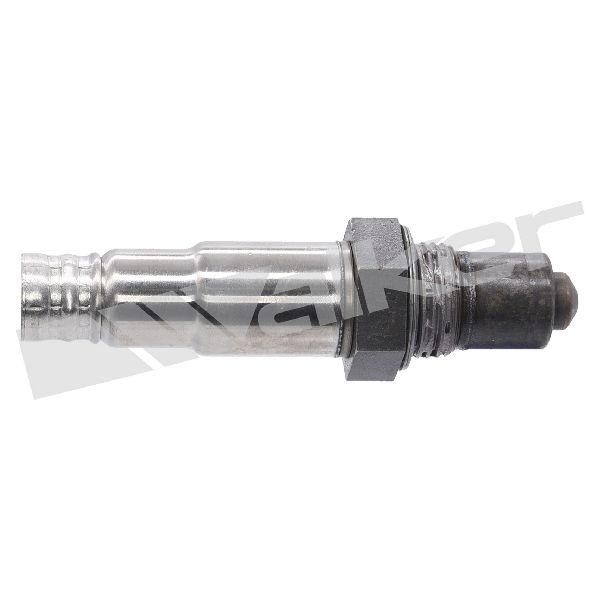
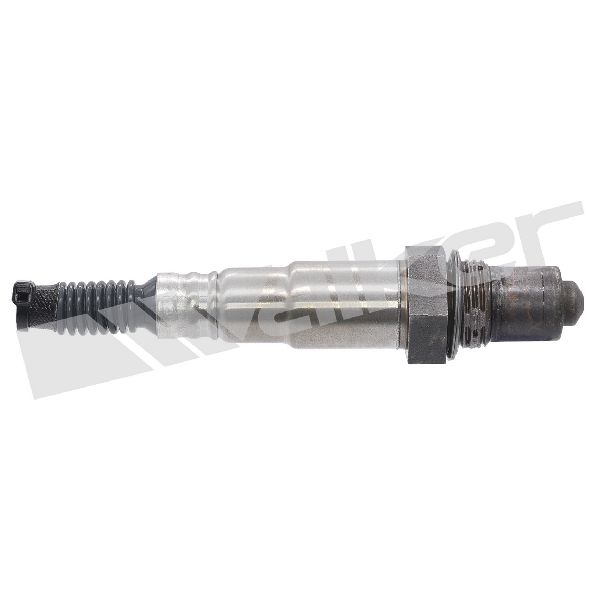
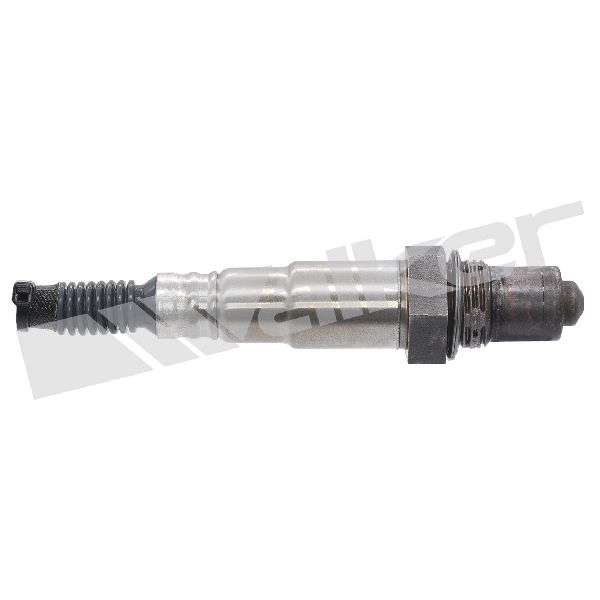
- Downstream Oxygen Sensor (Bank 1, Sensor 2)
(OEM #ML3Z-9G444-A (Motorcraft DY-1576))— If the PCM software is up to date and no exhaust leaks are found, the sensor itself may be faulty. This is a common wear item, though less likely on a very new vehicle.
Trusted brands: Motorcraft, Bosch, Denso, Walker Products
OEM price range: $90-$150
Aftermarket price range: $50-$120 - Exhaust Manifold Gasket — If an exhaust leak is found at the connection between the exhaust manifold and the cylinder head, this gasket will need to be replaced.
Trusted brands: Motorcraft, Fel-Pro
OEM price range: $20-$50
Aftermarket price range: $10-$30
Related Codes That Often Appear With This One
- P2098 — This is the same lean code but for Bank 2 (driver's side). If both P2096 and P2098 appear together, it strongly points to a systemic issue like the PCM software TSB, a major vacuum leak, or a fuel delivery problem affecting both sides of the engine.
- P0171 — This code means 'System Too Lean (Bank 1)' as detected by the *upstream* sensor. If P0171 and P2096 are present together, it suggests a more severe, genuine lean condition (like a vacuum or fuel delivery issue) rather than just an exhaust leak or downstream sensor fault. The P0171 should be diagnosed first.
Technical Service Bulletins (TSBs) & Recalls
- TSB 21-2306: 'Some 2021 F-150 vehicles equipped with a 2.7L EcoBoost, 3.3L or a 5.0L engine may experience an illuminated malfunction indicator lamp (MIL) and diagnostic trouble codes (DTC) P2096 and/or P2098... This may be due to various software parameters within the PCM and/or a faulty catalyst monitor sensor.'
- SSM 46159: A manufacturer bulletin for Ford vehicles with the 3.5L GTDI engine notes that P2096 may be due to incorrect calibration values setting a system DTC instead of a component-specific code.
- SSM 50230: This bulletin indicates that P2096 may be caused by an exhaust gas oxygen sensor seal and recommends installing an updated oxygen sensor (part number K2GZ-9G444-D).
Platform-Specific Known Issues
- The existence of Ford TSB 21-2306 specifically for the 2021 F-150 with 2.7L, 3.3L, and 5.0L engines is the most critical platform-specific issue, pointing to a PCM software update as the primary fix.
- Some owners on forums report that even after the TSB is performed, the code can return, suggesting an underlying physical issue like a hairline crack in an exhaust manifold or a failing sensor was the true cause all along.
Mechanic-Grade Diagnostic Values
- Downstream O2 Sensor (HO2S12) Voltage — expected: Relatively steady voltage between 0.5V and 0.9V on a warm, running engine at steady RPM.. Failure: Voltage is stuck low (below 0.2V) or is switching rapidly like an upstream sensor. A low, steady voltage indicates the sensor is correctly detecting a lean condition (or there's an exhaust leak).
- Upstream O2 Sensor (HO2S11) Voltage — expected: Rapidly fluctuating voltage between approximately 0.1V and 0.9V as the PCM adjusts the air/fuel mixture.. Failure: A lazy or non-responsive sensor that does not switch, or is biased high or low.
- Long Term Fuel Trim (LTFT) - Bank 1 — expected: As close to 0% as possible, with a typical acceptable range of +/- 5%.. Failure: A high positive percentage (e.g., > +10%) indicates the PCM is adding significant fuel to compensate for a perceived lean condition. P2096 sets when the *post-catalyst* fuel trim, a separate value, exceeds its limit.
Hidden / Shadow Codes Worth Checking
- Mode 6, Test ID $53 (or similar): Ford uses Mode 6 data to store results from non-continuous monitors. Before a P2096 code is set, failing results for the catalyst monitor or oxygen sensor tests can often be seen here. This allows a technician to see a component that is on the verge of failing. (see via A professional scan tool or an advanced consumer tool with Mode 6 capability (like FORScan). The specific Test ID for O2 sensor response can vary by model year and calibration.)
Scan Tool Commands That Help
- Ford IDS (Integrated Diagnostic Software): Powertrain > Service Functions > PCM > Fuel Injector Correction Factors — While not a direct cause of P2096, if fuel system issues are suspected and injectors are replaced, this function is required to input the new injector calibration codes into the PCM.
- Ford IDS (Integrated Diagnostic Software): Datalogger - Live Data — To monitor O2 sensor voltages (O2S11, O2S12), short-term fuel trims (STFT1), and long-term fuel trims (LTFT1) in real-time to diagnose the lean condition. This is the primary diagnostic function.
Wiring & Ground Locations
- Main Battery Ground — On the chassis, just in front of the washer fluid reservoir in the engine bay.. A poor main ground can cause a variety of unpredictable electrical issues and incorrect sensor readings. While not a direct cause, ensuring all main grounds are clean and tight is a crucial first step in any electrical diagnosis.
- Body-to-Frame Ground Strap — On the passenger side, there is a ground cable that goes from the body down to the frame, often near the transmission control module (if equipped externally).. These braided ground straps are known to corrode and fail, especially in salt-belt regions. A failing body ground can create a poor return path for various modules and sensors, including the PCM and O2 sensor heater circuits, leading to erratic behavior and fault codes.
- Passenger Rear Ground Point — Behind the rear passenger seat, accessible by removing the interior trim panel. There is an existing factory ground stud on the cab wall.. This is a known, reliable ground point inside the cab. While not directly related to the O2 sensor circuit, it's a key location for any added electrical accessories and demonstrates a common grounding point on the vehicle's body.
- Passenger Wheel Well Harness — In the upper front-passenger wheel well area, there is a significant wiring harness.. This area is a known potential chafe point. Proximity to suspension components and road debris can lead to wiring damage. The O2 sensor harness routes near this area, and damage could cause a short or open in the sensor or heater circuit.
Real Owner Repair Stories
- Ford F150 Forum (2016 F-150 3.5L EcoBoost) — P2096 code, CEL comes on and off.
❌ Tried (didn't work) Replaced downstream O2 sensor (Bank 1, Sensor 2), Replaced spark plugs, Replaced air filter, Cleaned MAP sensors, Checked for vacuum leaks with starting fluid, Reset KAM (Keep Alive Memory)
✅ What actually fixed it The final diagnosis pointed towards a wiring harness issue. The PCED manual for the code, after exhausting sensor and leak checks, suggests inspecting connectors for corrosion/damage and the harness itself. Some 2016 trucks were known to have improperly installed harnesses from the factory. - NHTSA ODI #11618319 — An owner reported that their engine light came on with code P2096, and after a while, the vehicle started misfiring and showed an additional code of P0302.
OEM Part Supersession History
Unknown→ML3Z-9G444-A— Standard part evolution and updates for reliability or manufacturing changes.
Heads up: According to Ford parts diagrams, ML3Z-9G444-A (also sold as Motorcraft DY-1576) is the specified downstream sensor for the 2021 F-150 with the 2.7L, 3.3L, and 5.0L engines. Using universal or incorrect sensors is not recommended.
Diagnostic Flowchart
Other Known Issues on This Vehicle
Issues unrelated to this code that are worth knowing about as an owner of this generation:
- 10R80 10-Speed Transmission Problems 🔴 High — Widespread complaints of harsh/erratic shifting, jerking, and premature failure. Can occur at any mileage. (Ref: Multiple TSBs for software updates; class-action lawsuits have been filed.)
- Rear Axle Hub Bolt Failure 🔴 High — Affects 2021-2023 models with the Trailer Tow Max Duty package. Bolt can break, leading to loss of power or vehicle rollaway. (Ref: NHTSA Recall 23V-896.)
- Parasitic Battery Drain 🟠 Medium — Common reports of batteries dying unexpectedly, often within the first year of ownership, attributed to faulty Battery Management System (BMS) logic and connected features.
- BlueCruise/Driver-Assist System Malfunctions 🟠 Medium — Owners report the system disengaging unexpectedly, veering, or braking erratically. Often related to sensor obstruction or software glitches.
- Engine Intake Valve Failure (2.7L EcoBoost) 🔴 High — Less common but severe; can result in engine failure and loss of power while driving. (Ref: Ford Recall for certain 2021-2022 models.)
Used vs. New Parts: Buying Guide for This Vehicle
When a used part is the smart pick: For this repair, using used parts is generally not recommended. The primary causes are a software update (must be new from dealer), an exhaust leak (requires new gaskets or pipe repair), or a faulty sensor. Given the low cost and critical function of an O2 sensor, a new part is always the smarter choice.
Donor-vehicle mileage cap: roughly under 10000 miles for the part to have meaningful remaining life.
What to inspect on the donor part:
- If forced to use a used sensor, ensure the donor vehicle was not in a flood and has no signs of engine damage or oil burning.
- Inspect the sensor tip for heavy carbon fouling, white ash (coolant contamination), or oily deposits.
- Ensure the wiring and connector are completely intact with no cuts or corrosion.
OEM-only on this vehicle (don't cheap out):
- PCM Software Update: This can only be performed by a Ford dealer or a highly-equipped independent shop with a subscription to Ford's diagnostic network.
Aftermarket brands forum-validated for this vehicle:
- Motorcraft (OEM)
- NTK
- Denso
- Bosch
Brands owners have reported issues with on this vehicle:
- Unnamed 'white box' or generic eBay/Amazon sensors. Forum consensus strongly advises against using universal-fit sensors that require splicing, as they are a common source of failure and incorrect readings.
Real Owner Stories
Aggregated from forums and TSBs cited above. Mileages and costs reflect what owners reported in those sources.
2021 F-150 5.0L
Symptoms: Check engine light illuminated with code P2096.
What fixed it: The dealer performed TSB 21-2306, which involved a PCM reprogram. The light stayed off after the fix.
Source hint: f150gen14.com
2021 F-150 2.7L/3.3L/5.0L
Symptoms: Illuminated malfunction indicator lamp (MIL) and diagnostic trouble codes P2096 and P2098.
What fixed it: Reprogramming the Powertrain Control Module (PCM) with updated software and inspection of the catalyst monitor sensor.
Source hint: TSB 21-2306
2021 F-150
Symptoms: Owner reported P2096 and P2098 codes simultaneously.
What fixed it: The dealer applied a PCM update as per the TSB, and the codes did not return.
Source hint: Reddit r/f150
2021 F-150
Symptoms: Check engine light with code P2096; owner reported subsequent misfiring and a P0302 code.
What fixed it: Diagnostic investigation following the P2096 alert at approximately 82,000 miles.
Source hint: NHTSA ODI #11618319
Related OBD-II Codes
Frequently Asked Questions
Does TSB 21-2306 apply to my 2021 F-150 with the 5.0L Coyote engine?
Will I have to pay for the PCM software update to fix P2096?
Where is the sensor located that typically triggers P2096 on the F-150?
Can a loud exhaust tone be related to the P2096 code on my 2.7L EcoBoost?
What should I do if P2096 returns after the dealer performs the PCM update?
Is there a specific test to confirm an exhaust leak on my 3.3L F-150?
Helpful Videos

We Have This Part in Stock


The information in this article is provided for general reference and educational purposes only. Vehicle specifications, procedures, and part compatibility can vary by production date, trim level, and region. Always consult your vehicle's factory service manual and verify part numbers before purchasing or performing repairs. Safety-critical components such as airbags, seat belts, and braking systems should be installed by a qualified professional.
- Ford F-150:
- 🧭 Diagnostic Flowchart
- 🎬 Helpful Videos
- 🛍️ Shop This Part
- What's Unique About the 2021-2021 Ford F-150
- Symptoms You May Notice
- Most Likely Causes
- Rare But Worth Checking
- Diagnosis Steps
- Parts You'll Likely Need
- Related Codes That Often Appear With This One
- Technical Service Bulletins (TSBs) & Recalls
- Platform-Specific Known Issues
- Mechanic-Grade Diagnostic Values
- Hidden / Shadow Codes Worth Checking
- Scan Tool Commands That Help
- Wiring & Ground Locations
- Real Owner Repair Stories
- OEM Part Supersession History
- Other Known Issues on This Vehicle
- Used vs. New Parts: Buying Guide for This Vehicle
- Real Owner Stories
- 2021 F-150 5.0L
- 2021 F-150 2.7L/3.3L/5.0L
- 2021 F-150
- 2021 F-150
- Related OBD-II Codes
- Frequently Asked Questions
- 🎟️ Get 5% Off