

P2096 on 2013-2014 Ford Focus: Causes for Post Catalyst Lean Code
On a 2013-2014 Ford Focus, P2096 is most often caused by an exhaust leak before the downstream O2 sensor or a failing sensor itself. For 2013-2014 2.0L GTDI models, a specific TSB points to engine oil leaking from the VVT solenoids into the wiring harness. A new O2 sensor costs $40-$180, and a proper diagnosis is key to avoid replacing unnecessary parts.
- P2096 on a 2013-2014 Focus means the computer sees a lean condition after the catalytic converter.
- The most likely causes are an exhaust leak or a bad downstream O2 sensor.
- For 2013 2.0L GTDI EcoBoost models, check for a rare but documented issue of oil leaking into the wiring harness, as noted in TSB 16-0031.
- Do not replace the expensive catalytic converter unless all other possibilities, especially leaks and the O2 sensor, have been ruled out.
- Diagnosis is straightforward and can often be done with a visual inspection and a basic OBD-II scanner with live data capability.
What's Unique About the 2013-2014 Ford FOCUS
While most vehicles with a P2096 code suffer from common exhaust leaks or sensor failures, the 2013-2014 Ford Focus with the 2.0L GTDI (EcoBoost) engine has a unique, documented issue. Ford issued Technical Service Bulletin 16-0031 indicating that engine oil can migrate from the Variable Valve Timing (VVT) oil control solenoids into the engine wiring harness, contaminating the downstream O2 sensor connector and causing this specific code. This is a 🎬 Watch: A deep dive into what this code really means. highly unusual root cause that can be missed during normal diagnosis.
Diagnostic Flowchart
Tap your situation to follow the diagnostic path that matches what you're seeing on this vehicle.
Symptoms You May Notice
- Check Engine Light (MIL) illuminated
- Reduced fuel economy
- Rough idle
- Hesitation or poor acceleration
- Strong sulfur or "rotten egg" smell from the exhaust
- Replacing the upstream (pre-catalyst) O2 sensor when the code specifically points to the post-catalyst system.
- Replacing the catalytic converter when the actual problem is a much cheaper exhaust leak or a faulty downstream O2 sensor.
- On 2.0L GTDI models, replacing only the O2 sensor without checking for the oil in the harness per TSB 16-0031, leading to a recurring code.
- Clearing codes with a simple Key On Engine Off (KOEO) erase after O2 sensor replacement, which can cause the code to return. A Key On Engine Running (KOER) self-test is required to reset adaptations.
Most Likely Causes
- Exhaust System Leak 🔴 High Probability Leaks can develop at gaskets, flex pipes, or from corrosion, allowing outside air to be pulled into the exhaust stream between the two O2 sensors. This extra oxygen is read by the downstream O2 sensor, creating a false lean signal. On modified cars, particularly the Focus ST, installing an aftermarket downpipe without a new gasket (fire ring) is a common cause.
How to confirm: Visually inspect the exhaust system from the engine to the rear O2 sensor for cracks, holes, or black soot marks indicating a leak. Listen for hissing or ticking sounds with the engine running. A smoke machine test is the most definitive way to find a leak. 🎬 See the easiest way to find exhaust leaks yourself.
Typical fix: Replace the leaking gasket or damaged section of the exhaust pipe. Ensure a proper gasket is used when installing any aftermarket exhaust components.
Est. part cost: $20-$150 - Failing Downstream Oxygen (O2) Sensor 🔴 High Probability → Shop Oxygen Sensor O2 sensors are wear items that degrade over time, typically between 60,000 and 90,000 miles. They can become slow, contaminated, or send inaccurate low voltage signals, tricking the PCM into thinking there's a lean condition.
How to confirm: Use a scan tool to monitor the downstream O2 sensor voltage (O2S12). It should be relatively steady. If it's stuck low (e.g., below 0.2V) or not responding, the sensor is likely faulty. After replacement, a Key On Engine Running (KOER) self-test is critical to prevent the code from returning.
Typical fix: Replace the downstream (post-catalyst) O2 sensor.
Est. part cost: $40-$100 - Engine Oil Migration (2.0L GTDI Only) 🟡 Medium Probability Per TSB 16-0031, on 2013-2014 Focus ST models (and other Fords with the 2.0L GTDI) built between 9/1/2012 and 8/1/2013, engine oil can wick from the Variable Valve Timing (VVT) oil control solenoids through the engine wiring harness to the downstream O2 sensor, also called the Catalyst Monitor Sensor (CMS). This oil contamination disrupts the sensor's signal.
How to confirm: Check if the vehicle build date falls within the TSB range. Disconnect the electrical connectors at the VVT solenoids and the downstream O2 sensor and inspect for any signs of engine oil inside the connectors.
Typical fix: The TSB specifies replacing the VVT oil control solenoids, the downstream O2 sensor (CMS), and the entire affected engine wiring harness. The harness part number for a 2013 Focus ST is CU5Z-12A581-MA.
Est. part cost: $200-$700+ - Intake (Vacuum) Leak ⚪ Low Probability Cracked vacuum hoses or leaking intake manifold gaskets introduce unmetered air into the engine. While this typically sets a P0171 first, a small leak can sometimes manifest as a P2096. On Focus ST models, cracked vacuum lines near the boost controller have been reported as a cause.
How to confirm: Listen for a hissing sound around the intake manifold with the engine running. A smoke test is the most effective method. Spraying short bursts of brake cleaner near suspected leak points will cause a momentary change in engine idle if a leak is present.
Typical fix: Replace the cracked vacuum line or faulty gasket.
Est. part cost: $10-$100
Rare But Worth Checking
- Low Fuel Pressure: A weak fuel pump or clogged fuel filter can cause a genuine lean condition, but this would typically trigger other codes like P0171 (System Too Lean Bank 1) first before P2096 appears.
- Failing Catalytic Converter: → Shop Catalytic Converter While a failing converter can sometimes cause P2096, it's more commonly associated with the P0420 (Catalyst System Efficiency Below Threshold) code. This should be considered only after all other causes like exhaust leaks and sensor failures are ruled out.
Diagnosis Steps
- Scan for any other DTCs. If codes like P0171 are present, diagnose them first as they indicate a system-wide lean condition.
- Thoroughly inspect the exhaust system for leaks between the engine and the downstream O2 sensor. Pay close attention to gaskets and the flex pipe. Use a smoke machine for best results.
- If the vehicle is a 2013-2014 Focus 2.0L GTDI, check the build date and inspect the engine wiring harness connectors at both the VVT solenoids and the downstream O2 sensor for oil contamination per TSB 16-0031.
- Inspect the intake system for vacuum leaks using a smoke machine or by listening for hissing sounds, especially around vacuum lines connected to the boost controller on ST models.
- Use a scan tool to observe live data for the downstream O2 sensor (O2S12). The voltage should be stable and generally above 0.5V on a healthy, warm engine. If it's stuck below 0.4V or fluctuating rapidly like the upstream sensor, it's likely bad or there is a significant exhaust leak.
- Check fuel pressure to rule out a fuel delivery problem. Compare the reading to the manufacturer's specification.
- After replacing an O2 sensor, clear the codes and perform a Key On Engine Running (KOER) self-test to ensure the PCM properly learns the new sensor and prevent the code from returning.
Parts You'll Likely Need
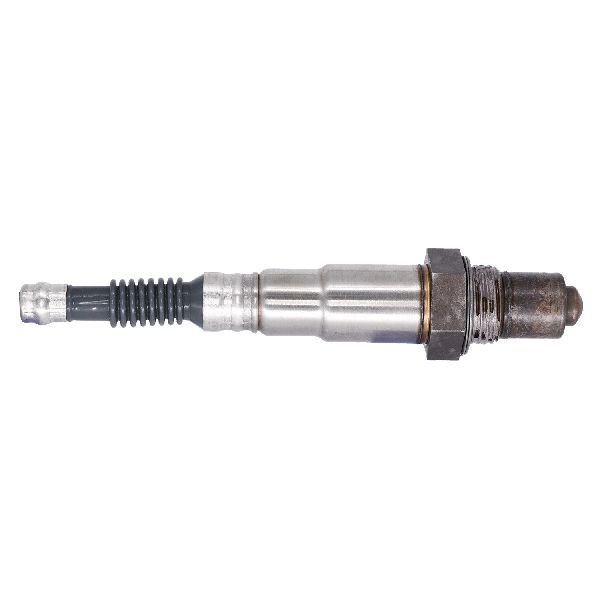
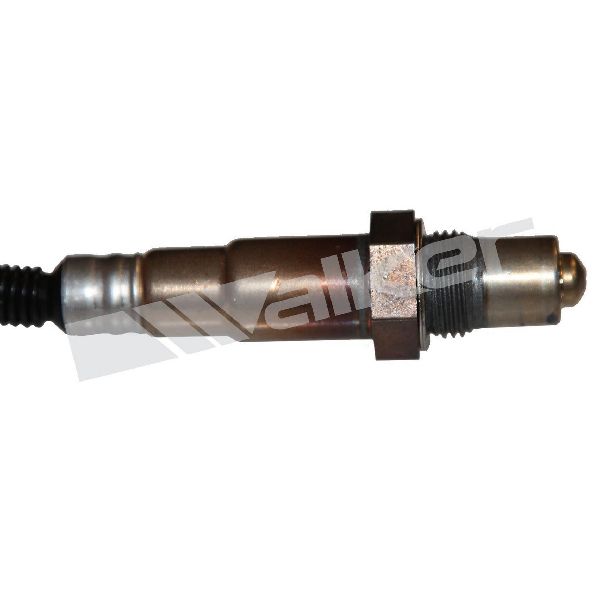
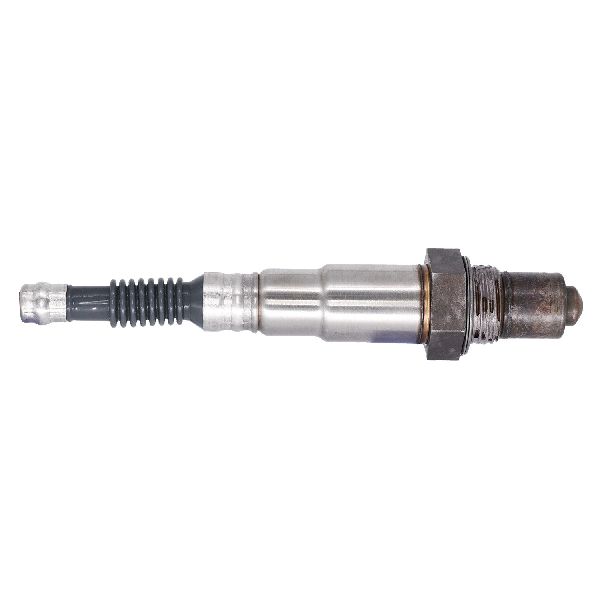
- Downstream Oxygen Sensor
(OEM #CV6Z-9G444-A)— This sensor is the most common part to fail and directly causes the P2096 code. This part number is for the 2.0L Ti-VCT (non-turbo) engine. 🎬 Watch this walkthrough on how to replace the downstream sensor. The GTDI engine may use a different part number.
Trusted brands: Motorcraft, Bosch, Denso, NTK
OEM price range: $60-$100
Aftermarket price range: $40-$80 - Exhaust Gasket/Seal — Exhaust leaks at flange connections, especially after installing an aftermarket downpipe, are a very common cause of a false lean reading by the downstream O2 sensor.
Trusted brands: Fel-Pro, Walker, Bosal
OEM price range: $15-$40
Aftermarket price range: $10-$25 - VVT Oil Control Solenoid — For 2.0L GTDI engines under TSB 16-0031, these solenoids are the source of the oil leak that contaminates the wiring harness and must be replaced as part of the repair.
Trusted brands: Motorcraft
OEM price range: $30-$60 each
Aftermarket price range: $20-$40 each
Related Codes That Often Appear With This One
- P0171 — If a significant vacuum leak or fuel delivery issue exists, it will create a lean condition throughout the system, often triggering the upstream lean code (P0171) along with the downstream code (P2096). Diagnosing P0171 first is recommended.
- P0420 — If P2096 appears with P0420 (Catalyst Efficiency Below Threshold), it can point more strongly toward a failing catalytic converter or a major exhaust leak between the converter and the downstream sensor.
Technical Service Bulletins (TSBs) & Recalls
- 16-0031: 2.0L GTDI - Illuminated MIL with DTC P2096 - Built on 09/01/2012 and through 08/01/2013
Platform-Specific Known Issues
- TSB 16-0031: Some 2013-2014 Focus models with the 2.0L GTDI engine built from 9/1/2012 through 8/1/2013 may set a P2096 code due to engine oil migrating from the VVT oil control solenoids into the engine wiring harness, affecting the downstream O2 sensor signal. The fix requires replacing the solenoids, sensor, and harness.
Mechanic-Grade Diagnostic Values
- Downstream O2 Sensor (B1S2) Voltage - Disconnected — expected: Approx. 1.6V (1600mV). Failure: If the scan tool does not show a high voltage reading when the sensor is disconnected, it indicates a wiring or PCM issue, not a sensor issue.
- Downstream O2 Sensor (B1S2) Voltage - Probing Signal Wire to Ground — expected: Approx. 0V. Failure: If the voltage does not drop to 0V when the signal wire in the harness connector is grounded, it confirms a break or short in the signal wire to the PCM.
- Downstream O2 Sensor (B1S2) Voltage - Healthy Operation — expected: Steady voltage, typically around 0.7V once warm.. Failure: Voltage is stuck low (e.g., <0.2V) or is completely unresponsive (e.g., 1.25V and unchanging).
Scan Tool Commands That Help
- Ford IDS / FORScan / Capable Scan Tool: Key On Engine Running (KOER) Self-Test — This is a critical step AFTER replacing the downstream O2 sensor. A simple code clear is not enough. The KOER test forces the PCM to perform a system reset and relearn adaptations for the new sensor, preventing the P2096 code from immediately returning.
- Ford IDS / Capable Scan Tool: Clear Keep Alive Memory (KAM) — This function resets all learned fuel trims and adaptive strategies to their baseline. It should be performed after a repair that affects the air/fuel ratio (like fixing a vacuum leak or replacing an O2 sensor) to allow the PCM to relearn values from a clean slate.
Wiring & Ground Locations
- G104 — Left side of engine compartment.. This is a primary ground point for the engine control system. A poor connection here can cause erratic sensor readings and various powertrain codes, including P2096.
- G103 — Left rear of engine.. Another key engine ground. Verifying this ground is clean and tight is a crucial step when diagnosing any electrical or sensor-related fault code.
- S128 — In the engine control sensor & fuel charge wiring assembly, in the breakout to connector C139.. This is a splice point in the wiring harness. It's a potential point of failure for sensor signals. If oil migration from VVT solenoids occurs (per TSB 16-0031), this splice could become contaminated.
Real Owner Repair Stories
- Reddit user in r/cmaxhybrid (describing same issue on a Ford Focus Wagon) (Ford Focus Wagon (year not specified)) — Recurring P2096 code.
❌ Tried (didn't work) Using Techron fuel system cleaner.
✅ What actually fixed it Using 'Lucas Upper Cylinder Lubricant and Injector Cleaner' resolved the code and it did not return for 4+ years. Another user in the same thread reported that a bottle of Seafoam in a fresh tank of gas also cleared the code on its own. - YouTube - My Home Garage (2017 Ford Escape 1.5L EcoBoost (similar Ford platform)) — P2096 code present.
❌ Tried (didn't work) Replacing the downstream O2 sensor and performing a standard Key On Engine Off (KOEO) code clear.
✅ What actually fixed it The P2096 code returned after sensor replacement. The final fix was realizing that Ford service information requires a 'Key On Engine Running' (KOER) self-test after replacement. Performing the KOER test properly reset the system adaptations and the code did not come back.
When the Usual Fixes Don't Work
- In one documented case on a 2015 Focus 1.0 EcoBoost, a dealership replaced the post-catalyst O2 sensor to fix a fault, but the check engine light returned within weeks. A deeper diagnosis by an independent shop revealed the new sensor was also providing incorrect readings (stuck high voltage). After verifying the wiring integrity back to the PCM was good, a second replacement of the O2 sensor with a quality part finally resolved the issue, highlighting that even new parts can be faulty or that the initial repair may not have addressed the true root cause (like a subtle wiring issue disturbed during the first repair).
Helpful Videos
We Have This Part in Stock



The information in this article is provided for general reference and educational purposes only. Vehicle specifications, procedures, and part compatibility can vary by production date, trim level, and region. Always consult your vehicle's factory service manual and verify part numbers before purchasing or performing repairs. Safety-critical components such as airbags, seat belts, and braking systems should be installed by a qualified professional.
- Ford FOCUS:
- 🧭 Diagnostic Flowchart
- 🎬 Helpful Videos
- 🛍️ Shop This Part
- What's Unique About the 2013-2014 Ford FOCUS
- Symptoms You May Notice
- Most Likely Causes
- Rare But Worth Checking
- Diagnosis Steps
- Parts You'll Likely Need
- Related Codes That Often Appear With This One
- Technical Service Bulletins (TSBs) & Recalls
- Platform-Specific Known Issues
- Mechanic-Grade Diagnostic Values
- Scan Tool Commands That Help
- Wiring & Ground Locations
- Real Owner Repair Stories
- When the Usual Fixes Don't Work
- 🎟️ Get 5% Off