

P2096 on 2022 Genesis G70 3.5L: ECM Update and Lean Code Fixes
For a 2022 Genesis G70 3.5L, the P2096 code is almost always caused by a software glitch in the engine computer. The primary fix is a free software update performed by a Genesis dealer, as outlined in Technical Service Bulletin (TSB) 22-FL-001G. Do not replace any parts before checking if this update has been done.
- Your first and only initial step should be to call a Genesis dealer with your VIN to check the status of TSB 22-FL-001G.
- The most likely fix is a free ECM software update from the dealer, not a new part.
- Do not replace the oxygen sensor or look for exhaust leaks until you have confirmed the software is up-to-date.
- The vehicle is safe to drive with this code, as it typically does not cause any performance or drivability problems.
What's Unique About the 2022-2022 Genesis G70
What's unique to this specific vehicle and its platform mates (G80, GV70, GV80) is that the P2096 code is most often a 'ghost' code, not a sign of a mechanical failure. 🎬 Watch: What this code really means and how to fix it. Genesis identified that the original engine computer software was too sensitive and could trigger the code without any actual problem, a fact explicitly stated in TSB 22-FL-001G. As a result, the first and most important diagnostic step is not to inspect parts, but to check with a dealer about this TSB, which provides a simple software fix. Manufacturer service bulletin TSB #22-FL-001G notes that vehicles may experience a check engine light with no drivability issues when this code is stored in the ECM.
Symptoms You May Notice
- Check Engine Light is on
- No noticeable drivability issues (most common scenario)
- Slightly reduced fuel economy
- Rough idle (less common)
- Poor acceleration (less common)
- Replacing the downstream oxygen sensor before having the TSB 22-FL-001G software update performed. This is the most common unnecessary repair for this code on this vehicle.
Most Likely Causes
- Outdated Engine Control Module (ECM) Software 🔴 High Probability → Shop Engine Control Module (ECM) Genesis issued TSB 22-FL-001G specifically because the original ECM logic was too sensitive and could falsely trigger P2096 and P2098 on the G70, G80, and GV80 with the 3.5L engine.
How to confirm: Contact a Genesis dealership with your Vehicle Identification Number (VIN). They can verify if TSB 22-FL-001G is open for your vehicle and if the software update has been performed.
Typical fix: A Genesis dealer performs an ECM software update using the Genesis Diagnostic System (GDS). This is typically covered under the vehicle's 5-year/60,000-mile new vehicle warranty or the 8-year/80,000-mile Federal Emissions Warranty.
Est. part cost: $0
Rare But Worth Checking
- Exhaust Leak: If the ECM software is confirmed to be up-to-date, the next most likely cause is an exhaust leak between the engine and the downstream O2 sensor. This allows outside air to be pulled into the exhaust, tricking the sensor into a false lean reading.
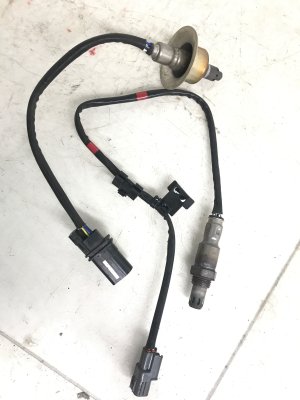
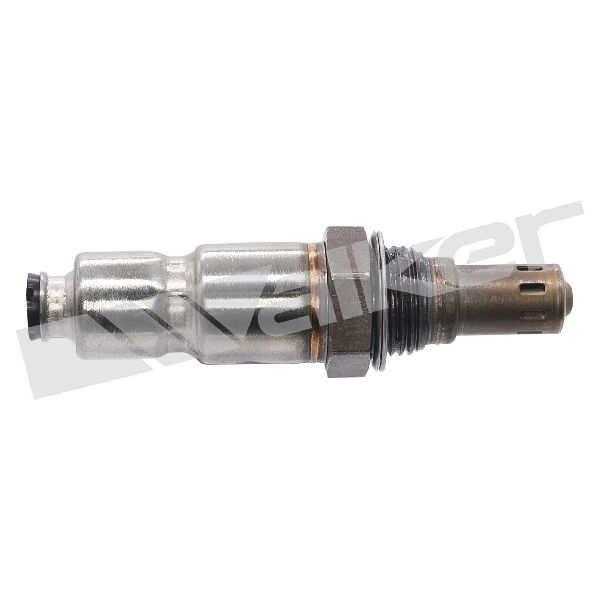
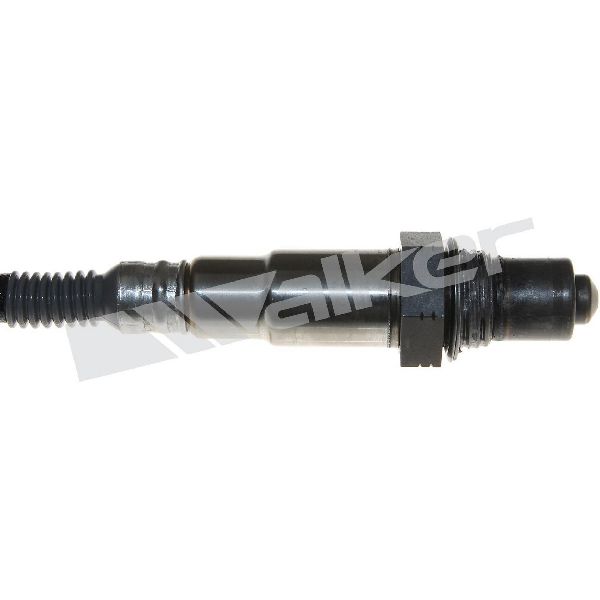
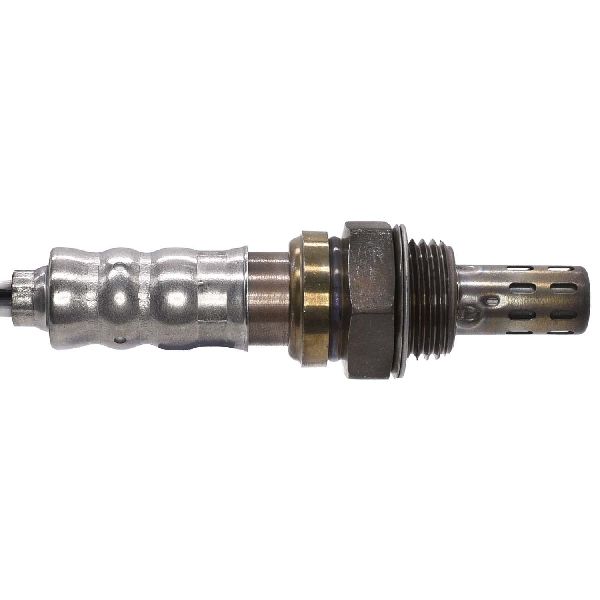
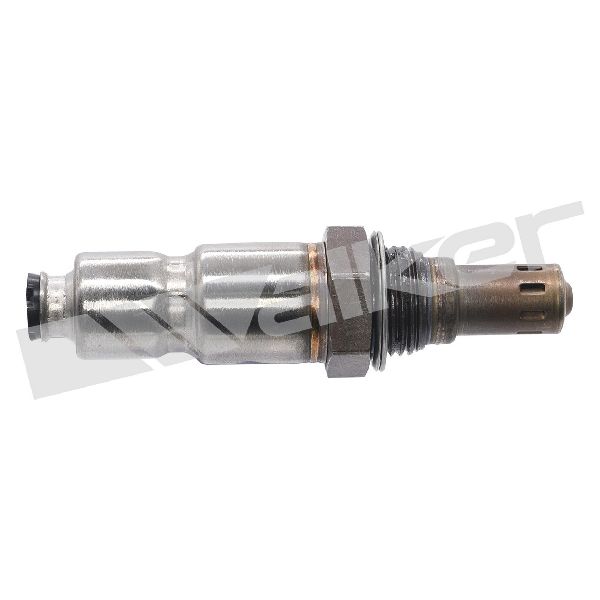
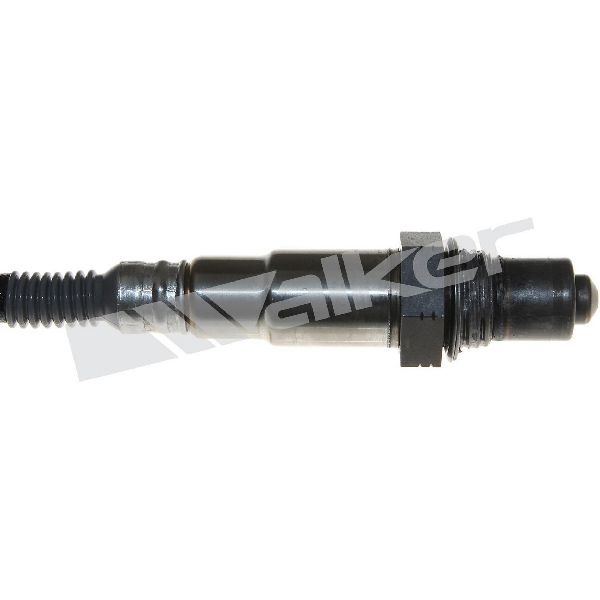
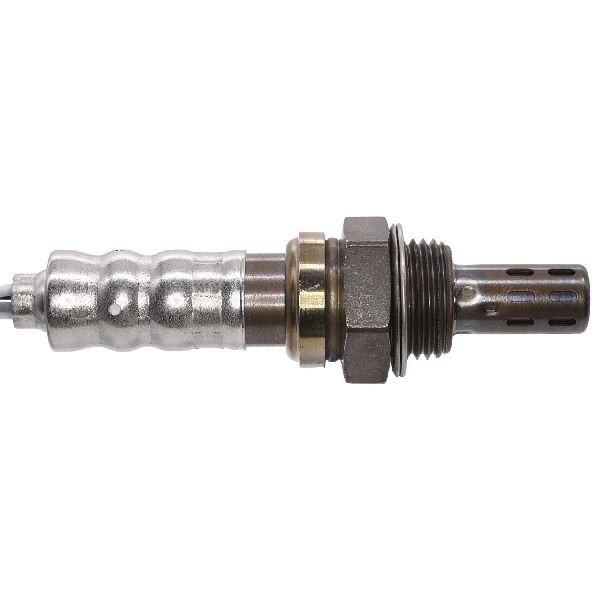
- Faulty Downstream Oxygen Sensor (Bank 1, Sensor 2): → Shop Oxygen Sensor The sensor itself can fail, but this is a low-probability cause for this vehicle. This part should only be replaced after the TSB update is confirmed and a thorough inspection for exhaust leaks has been performed.
- Fuel Delivery Issue: A failing fuel pump or clogged injector could cause a true lean condition. A related recall (NHTSA 24V-282) for a failing low-pressure fuel pump exists for some 2022-2023 models due to a defective impeller. This would likely cause a loss of power and may be accompanied by other codes like P0171 or P0088.
Diagnosis Steps
- Contact a Genesis dealership with your VIN. This is the most critical first step.
- Ask the service advisor to check if TSB 22-FL-001G (ECM update for P2096/P2098) is open or has been completed for your vehicle.
- Also, ask them to check for any open recalls, specifically NHTSA 24V-282 for the low-pressure fuel pump. 🎬 Watch: Important safety alert regarding the Genesis fuel pump recall.
- If the TSB is open, have the dealer perform the software update. This resolves the issue in the vast majority of cases.
- If the TSB has already been completed, proceed with standard diagnosis.
- Perform a thorough visual inspection of the exhaust system for Bank 1 (passenger side). Look for cracks, loose flanges, or damaged gaskets that could cause a leak.
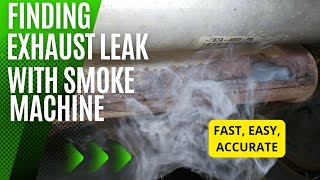
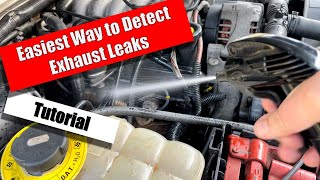
- With the engine running, listen for any hissing or puffing sounds from the exhaust 🎬 See the easiest way to find hidden exhaust leaks. manifold and downpipe area.
- If no exhaust leaks are found, inspect the live data from the Bank 1 Sensor 2 (downstream) oxygen sensor using an OBD-II scanner. A sensor that is stuck reading a very low voltage (e.g., under 0.2V) may be faulty.
- Only after confirming the TSB is done and there are no exhaust leaks should you consider replacing the downstream oxygen sensor.
Parts You'll Likely Need
- ECM Software Update
(OEM #Event #748)— This is not a physical part, but a software reflash performed by the dealer. It corrects the overly sensitive logic in the engine computer that causes the false P2096 code, as documented in TSB 22-FL-001G.
OEM price range: $0 (under warranty)
Aftermarket price range: N/A - Downstream Oxygen Sensor (Bank 1, Sensor 2)
(OEM #39210-3LFA0 (unconfirmed))— This part is only needed if the TSB has been performed, no exhaust leaks are present, and the sensor is confirmed to be faulty through diagnostic testing. Part number verification for this specific application is difficult as supplier catalogs show conflicting information; always confirm with a dealer using the VIN.
Trusted brands: Hyundai / Genesis (OEM), Bosch, Denso
OEM price range: $120-$200
Aftermarket price range: $60-$120
Related Codes That Often Appear With This One
- P2098 — This is the identical 'Post Catalyst Fuel Trim System Too Lean' code, but for Bank 2 (driver's side). The ECM software flaw addressed by TSB 22-FL-001G is the root cause for both codes appearing, often simultaneously.
- P0171 — This code indicates 'System Too Lean (Bank 1)' as detected by the *upstream* oxygen sensor. Seeing P0171 and P2096 together suggests a genuine, significant lean condition (like a large vacuum leak or fuel pump failure) rather than just the software glitch.
Technical Service Bulletins (TSBs) & Recalls
- TSB Bulletin #22-FL-001G: 'G80/GV80/GV70 3.5L DTC P2096/P2098' - Provides an ECM software update to correct sensitive logic that falsely triggers the lean code. This bulletin specifically addresses vehicles that experience a check engine light with no drivability issues.
Platform-Specific Known Issues
- A known software anomaly in the Engine Control Module can cause this code to set without any mechanical fault, as documented in Genesis TSB 22-FL-001G.
- This issue is shared across the Genesis lineup using the 3.5L T-GDI engine, including the G80, GV70, and GV80.
Mechanic-Grade Diagnostic Values
- Downstream O2 Sensor (Bank 1, Sensor 2) Voltage — expected: A relatively stable voltage, typically above 0.6V-0.7V, when the engine is at operating temperature and in closed loop.. Failure: A voltage that is consistently low (near 0.1V-0.2V) indicates a lean condition is being detected. A sensor that is stuck and does not respond to changes in mixture may be faulty.
- Downstream O2 Sensor Heater Circuit Resistance — expected: Approximately 4 to 15 Ohms when the sensor is cold.. Failure: A multimeter reading of 'OL' or infinite resistance indicates an open circuit in the heater, requiring sensor replacement.
- High-Pressure Fuel System Pressure (GDI) — expected: The Lambda III 3.5T engine's high-pressure fuel pump operates at up to 250 bar (approximately 3,625 PSI) under load.. Failure: Significantly lower pressure would indicate a failing high-pressure pump. However, this would typically set specific fuel pressure codes (like P0088) in addition to any lean codes.
Scan Tool Commands That Help
- Genesis Diagnostic System (GDS): ECM Update - Event #748: 'JK LAMBDA III 3.5 T-GDI ECU LOGIC IMPROVEMENT (P2096/P2098)' — This is the specific software reflash procedure required to fix the overly sensitive logic that falsely triggers the P2096 code, as documented in TSB 22-FL-001G. This is not a diagnostic test, but the primary repair action.
- OBD-II Scanner with Live Data: O2 Sensor Test / Live Data Graphing — Use this after confirming the TSB has been performed. Monitor the Bank 1 Sensor 2 voltage to see if it is stuck low (indicating a lean reading) or unresponsive, which could point to a faulty sensor or an actual exhaust leak.
Wiring & Ground Locations
- Bank 1 Downstream O2 Sensor Connector — The sensor is located on the passenger side exhaust pipe, after the primary catalytic converter. The electrical connector is typically found attached to a bracket on the vehicle's underbody or transmission bellhousing area, tracing the wire up from the sensor.. A damaged connector or wiring harness (melted on the exhaust, corroded pins) can cause incorrect sensor readings, mimicking a sensor failure. This should be inspected before replacing the sensor.
Real Owner Repair Stories
- Reddit user in r/genesiscoupe (Genesis Coupe (BK1/BK2, engine not specified)) — Persistent P2096 code, rough acceleration below 3,000 RPM.
❌ Tried (didn't work) Replaced fuel pump housing, Searched for vacuum leaks (none found), Tested catalytic converters (passed), Tested O2 sensors (passed), Changed fuel filter, Used fuel injector cleaner
✅ What actually fixed it Another user with identical symptoms and code reported the final fix was replacing all fuel injectors due to leaking, which was confirmed by a fuel smell in the engine oil. - Reddit user in r/genesiscoupe (Genesis Coupe) — P2096 code returned after replacing O2 sensors, especially when using cruise control.
❌ Tried (didn't work) Replacing both O2 sensors (only a temporary fix)
✅ What actually fixed it A different user in the same thread resolved their P2096 and rough idle by replacing the EVAP Purge Control Solenoid Valve.
"I Checked Everything" — The Actual Cause
- In a documented case on a similar platform, a vehicle passed a vacuum leak test (implying a smoke test or similar was clean) and had its O2 sensors and cats tested, yet the P2096 code and drivability issues persisted. The suggested root cause, which fixed the issue for another owner, was leaking fuel injectors that were fouling the exhaust chemistry without creating a detectable vacuum leak.
When the Usual Fixes Don't Work
- While the TSB software update is the fix for the vast majority of P2096 cases on this vehicle, there are documented instances on similar Hyundai/Genesis platforms where the code persisted. In these cases, the root cause was found to be a mechanical issue unrelated to the software or the commonly suspected exhaust leaks. Successful, albeit rare, fixes have included replacing leaking fuel injectors or a faulty EVAP purge solenoid. This highlights that if the code returns after the TSB is performed, a thorough mechanical diagnosis is required.
Model Year Variations Within This Range
- 2022: The primary variation within the model year is software-based. Vehicles produced earlier in the cycle are more likely to have the original, sensitive ECM software and require the TSB 22-FL-001G update. Vehicles produced later may have this update from the factory. There are no known physical part differences for this code within the single model year.
Diagnostic Flowchart
Other Known Issues on This Vehicle
Issues unrelated to this code that are worth knowing about as an owner of this generation:
- Rear Differential Whine/Noise 🟠 Medium — Common issue reported by many owners, typically noticeable between 40-60 mph under light throttle. Can occur at low mileage (e.g., under 10k miles). (Ref: TSB 23-DS-004G. The fix involves either retorquing a pinion nut or, more commonly, a full replacement of the rear differential assembly.)
- Low-Pressure Fuel Pump Failure 🔴 High → Shop Fuel Pump — Affects a specific range of 2022-2023 models. The impeller can deform, leading to fuel starvation and a sudden loss of motive power. (Ref: NHTSA Recall 24V-282 (Genesis Recall 022G). The remedy is a free replacement of the low-pressure fuel pump assembly by a dealer.)
- Sunroof and/or Headliner Rattle/Creaking 🟡 Low — A very common complaint among owners, often worse in hot weather. The noise can come from the sunroof mechanism, glass panel, or the overhead console itself. (Ref: TSB 19-BD-001H exists for some Genesis models, outlining a procedure to apply specific grease and felt pads. Some owners report dealers installing 'sunroof kits' or replacing the entire assembly under warranty, with mixed results.)
- Left Turbocharger Oil Feed Pipe Leak (3.3T Engine) 🔴 High → Shop Turbocharger — This recall applies to the 3.3T engine, not the 3.5T, but is a significant issue for the G70 platform overall. The pipe can deteriorate and leak oil, creating a fire risk. (Ref: NHTSA Recall (expanded from 19V-538, now 019G). Dealers will replace the oil feed pipe.)
Used vs. New Parts: Buying Guide for This Vehicle
When a used part is the smart pick: For this specific code, the primary fix is a software update where no parts are used. If a physical part is needed, such as an exhaust pipe section to fix a leak, a used part from a low-mileage donor is a reasonable choice.
Donor-vehicle mileage cap: roughly under 50000 miles for the part to have meaningful remaining life.
What to inspect on the donor part:
- For exhaust components, check for heavy rust, cracks at welds, or damage to flanges.
- Ensure the donor part is from a vehicle that did not have significant undercarriage or collision damage.
- Verify donor mileage and avoid parts from regions with heavy road salt use if possible.
OEM-only on this vehicle (don't cheap out):
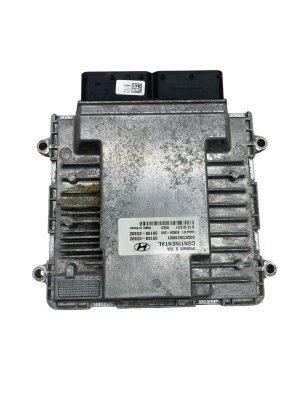
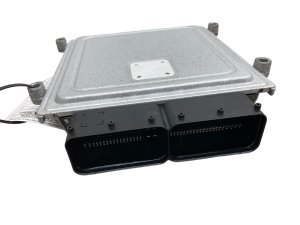
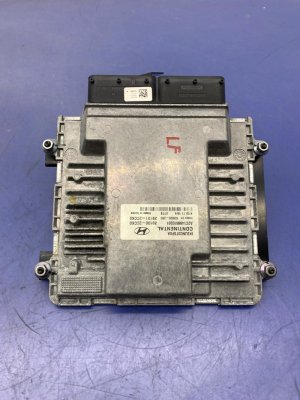
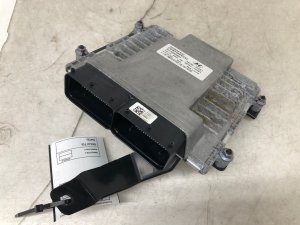
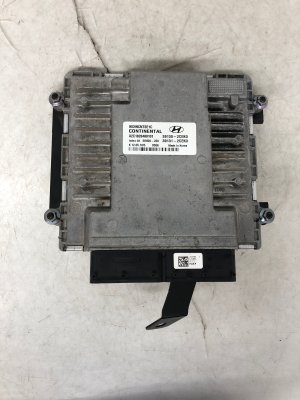
- Engine Control Module (ECM): Must be a new OEM part programmed by a dealer due to software and security integration.
- Low-Pressure Fuel Pump: If replacing due to the recall, it must be the updated OEM part installed by a dealer to ensure the safety defect is corrected.
Aftermarket brands forum-validated for this vehicle:
- For Oxygen Sensors: Bosch, Denso, and NTK are widely regarded as OEM suppliers and are trusted aftermarket replacements.
Brands owners have reported issues with on this vehicle:
- Avoid unbranded, 'white-box' oxygen sensors from online marketplaces, as they are known to have high failure rates and can cause recurring codes.
Real Owner Stories
Aggregated from forums and TSBs cited above. Mileages and costs reflect what owners reported in those sources.
2024 Genesis G70 3.3T
Symptoms: Recurring rear differential noise even after dealer repairs, including fluid changes.
What fixed it: Full replacement of the rear differential assembly under TSB.
Source hint: r/GenesisG70 - '24' G70 3.3t Rear Differential Replacement'
2022 Genesis G70
Symptoms: Sunroof rattle and creaking, often worse in hot weather.
What fixed it: DIY fix involving adhesive foam strips to the sunroof mechanism.
Source hint: r/GenesisG70 - 'Sunroof rattle fix'
2022 Genesis GV70 3.5L T-GDI
Symptoms: Check engine light triggered by sensitive software logic (P2096/P2098).
What fixed it: ECM software update using the Genesis Diagnostic System (GDS) as per TSB 22-FL-001G.
Source hint: TSB 22-FL-001G: 'G80/GV80/GV70 3.5L DTC P2096/P2098'
Related OBD-II Codes
Frequently Asked Questions
Does TSB 22-FL-001G apply to my 2022 Genesis G70 with the 3.5L engine?
Will the fix for P2096 be covered under my vehicle's warranty?
Is there a recall I should check for while my G70 is at the dealer for P2096?
Can I use an aftermarket oxygen sensor if the software update doesn't fix the issue?
Does the G70 share this P2096 software issue with other Genesis models?
If I need to replace the ECM to fix this code, can I buy a used one?
Helpful Videos



Used OEM Parts in Stock
New Aftermarket Parts Available

The information in this article is provided for general reference and educational purposes only. Vehicle specifications, procedures, and part compatibility can vary by production date, trim level, and region. Always consult your vehicle's factory service manual and verify part numbers before purchasing or performing repairs. Safety-critical components such as airbags, seat belts, and braking systems should be installed by a qualified professional.
- Genesis G70:
- 🧭 Diagnostic Flowchart
- 🎬 Helpful Videos
- 🛍️ Shop This Part
- What's Unique About the 2022-2022 Genesis G70
- Symptoms You May Notice
- Most Likely Causes
- Rare But Worth Checking
- Diagnosis Steps
- Parts You'll Likely Need
- Related Codes That Often Appear With This One
- Technical Service Bulletins (TSBs) & Recalls
- Platform-Specific Known Issues
- Mechanic-Grade Diagnostic Values
- Scan Tool Commands That Help
- Wiring & Ground Locations
- Real Owner Repair Stories
- "I Checked Everything" — The Actual Cause
- When the Usual Fixes Don't Work
- Model Year Variations Within This Range
- Other Known Issues on This Vehicle
- Used vs. New Parts: Buying Guide for This Vehicle
- Real Owner Stories
- 2024 Genesis G70 3.3T
- 2022 Genesis G70
- 2022 Genesis GV70 3.5L T-GDI
- Related OBD-II Codes
- Frequently Asked Questions
- 🎟️ Get 5% Off