

P2096 on 2010-2011 Mazda 3: Causes and Fixes for Lean Fuel Trim
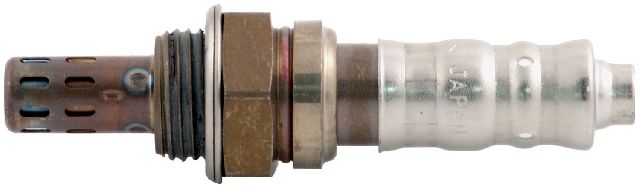
For the 2.0L engine, this code is often caused by a software glitch fixed by a dealer PCM update per TSB 01-015/16. For all engines, the next most likely causes are an exhaust leak before the downstream O2 sensor (especially at the flex pipe) or a faulty sensor itself. A software update is a dealer-only job, while an O2 sensor (like Denso 234-4527) costs ~$80-$160 for the part.
- For 2.0L engines, check for TSB 01-015/16 before buying any parts. A software update at the dealer may be the only fix needed.
- The most common physical problem is an exhaust leak somewhere before the rear O2 sensor. Inspect the exhaust manifold and gaskets carefully.
- A surprisingly common cause is an intake air leak from an improperly seated or incorrect aftermarket engine air filter.
What's Unique About the 2010-2011 Mazda 3
For the 2.0L engine in this specific year range, Mazda issued a Technical Service Bulletin (TSB 01-015/16) acknowledging that this code can be triggered by improper PCM control logic. This TSB applies to US-spec 2010 Mazda3 2.0L vehicles with VINs lower than JM1BL**244894 and Mexico-spec 2010-11 models with VINs lower than JM1BL**903616. Before replacing any parts on a 2.0L model, it is critical to determine if this software update has been performed, as it is the official fix in many cases. For both the 2.0L and 2.5L, exhaust leaks and sensor failures remain common, but the existence of this TSB makes checking the vehicle's service history a crucial first step.
Symptoms You May Notice
- Check Engine Light is on.
- No noticeable driving symptoms (in many cases).
- Possible decrease in fuel economy.
- Possible rough idle.
- Faint exhaust smell in the cabin if an exhaust leak is present.
- Replacing the downstream O2 sensor when the actual cause is an exhaust leak or the need for a PCM software update.
- Replacing the catalytic converter. P2096 is very rarely caused by a bad converter; a failing converter typically sets a P0420 code.
Most Likely Causes
- PCM Software Update Needed (2.0L Engine) 🔴 High Probability Mazda identified a software logic error and issued TSB 01-015/16 to correct it for specific 2010-2011 2.0L models, as well as the 2010 Mazda 5. Manufacturer Bulletin #01-015-16-3234 confirms that the "Target A/F Feedback System Too Lean" condition is caused by improper control logic of the PCM.
How to confirm: A Mazda dealer or a qualified shop can check the vehicle's service history or current PCM calibration file against the TSB's specified VIN ranges to see if the update has been performed. One owner reported a dealer charged a $150 diagnostic fee to perform this check and update.
Typical fix: Reprogramming the PCM with the updated software file. This must be done by a dealer or a shop with a J2534 pass-through device and a subscription to Mazda's diagnostic software. The labor time is estimated at 0.3 hours. 🎬 Watch: How to update the PCM to fix P2096
Est. part cost: $0 - Exhaust System Leak 🔴 High Probability Gaskets and the exhaust flex pipe can degrade and rust over time. A leak between the upstream and downstream O2 sensors allows oxygen to be sucked into the pipe, tricking the rear sensor into a false lean reading. Forum users frequently report finding leaks in the flex pipe that, once repaired, resolve the code.
How to confirm: Visually inspect the exhaust manifold, flex pipe, and all gaskets for cracks, rust, or black soot marks. A common method is to start the engine when cold and feel for puffs of air around joints. A professional will use a smoke machine to pressurize the exhaust and find the precise location of the leak.
Typical fix: Replacing the failed gasket or welding a patch/new section onto the leaking pipe. Some owners have had success with having an exhaust shop weld the leak.
Est. part cost: $5-$150 - Faulty Downstream Oxygen (O2) Sensor 🟡 Medium Probability → Shop Oxygen Sensor O2 sensors are wear items and have a finite lifespan. They can become slow to respond or send incorrect voltage signals as they age.
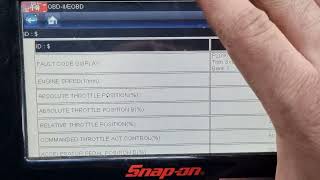
How to confirm: Use an OBD-II scanner with live data capability. A healthy downstream O2 sensor should show a relatively steady voltage (typically around 0.5-0.8V) on a warm engine at a steady RPM. If the voltage is stuck low (below 0.4V) or fluctuating wildly like the upstream sensor, it is likely faulty. 🎬 Watch: How to diagnose a Mazda P2096 lean code
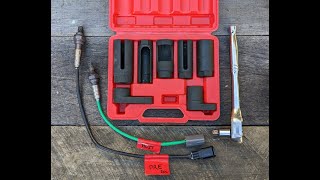
Typical fix: Replace the downstream (post-catalyst) oxygen sensor. This requires a special 22mm (7/8") O2 sensor socket.
Est. part cost: $80-$160
Rare But Worth Checking
- Intake Vacuum Leak: A leak in a vacuum hose or intake manifold gasket can introduce unmetered air into the engine, causing a true lean condition that can sometimes trigger P2096. This would usually be accompanied by other codes like P0171.
- Dirty or Faulty Mass Airflow (MAF) Sensor: If the MAF sensor under-reports the amount of air entering the engine, the PCM won't command enough fuel, leading to a lean mixture. Cleaning the MAF sensor with a dedicated cleaner is a simple diagnostic step.
- PCM Hardware Manufacturer: According to Bulletin #01-011-19-3586a, some Mazda vehicles may experience this code specifically when equipped with PCMs manufactured by Mitsubishi.
Diagnosis Steps
- Check for TSB (2.0L Engine): If you have the 2.0L engine, the first step is to contact a Mazda dealer with your VIN. Ask them to verify if TSB 01-015/16 applies and has been performed. If not, this is the most likely solution. As noted in Bulletin #SA271, technicians are instructed to update the PCM calibration with IDS version 99.01 or higher if P2096 is stored.
- Scan for Other Codes: Use an OBD-II scanner to check for any other pending or stored codes. Codes like P0137 or P0171 can provide valuable clues to the root cause. Note that Bulletin #01-012-20-3738 mentions that in some cases, the check engine light may stay on even if the detection condition has gone.
- Inspect for Exhaust Leaks: Thoroughly inspect the entire exhaust system from the exhaust manifold to the downstream O2 sensor. Pay close attention to the flexible pipe section before the catalytic converter, as this is a common failure point. Look for cracks, rust holes, or broken gaskets. A smoke test is the most definitive way to find leaks.
- Analyze Live O2 Sensor Data: Using a scanner, observe the voltage of the downstream O2 sensor (Bank 1, Sensor 2) with the engine fully warmed up and held at a steady 2,500 RPM. The voltage should be stable and above 0.5V. If it's stuck low (e.g., < 0.2V), it points towards a lean condition (real or perceived by the sensor).
- Inspect O2 Sensor Wiring: Check the wiring and connector for the downstream O2 sensor for any signs of damage, melting, or corrosion.
- Test for Vacuum Leaks: If exhaust leaks are ruled out, check for intake vacuum leaks using a smoke machine or by carefully spraying carb cleaner around gasket areas and listening for a change in engine idle.
- Check Fuel Pressure: If no vacuum leaks are found, test the fuel pressure to ensure the fuel pump and regulator are functioning correctly. For these port-injected engines, expect to see around 50 PSI with the key in the 'on' position.
Parts You'll Likely Need
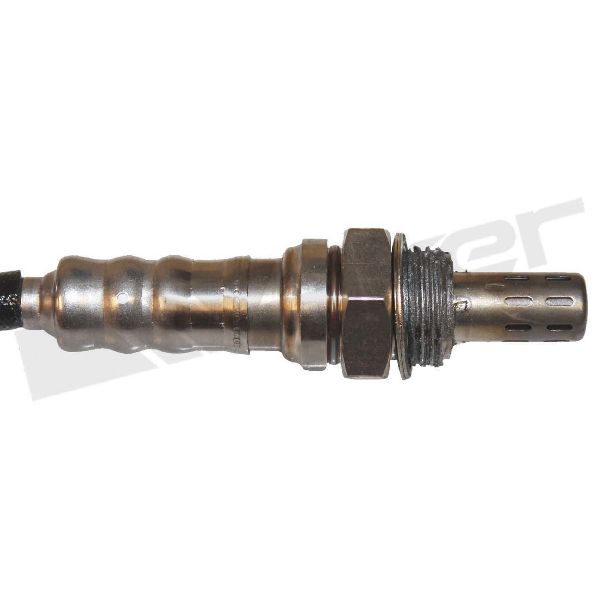
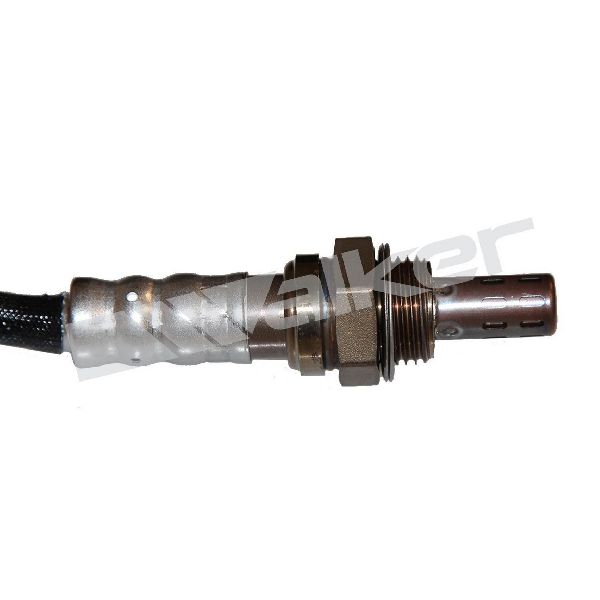
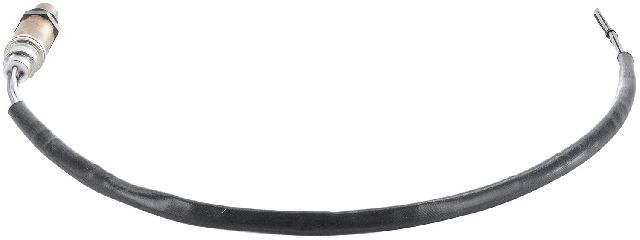
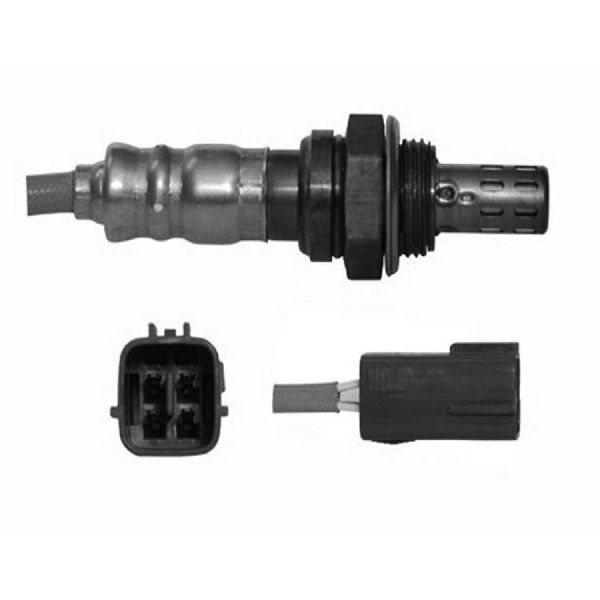
- Downstream Oxygen Sensor
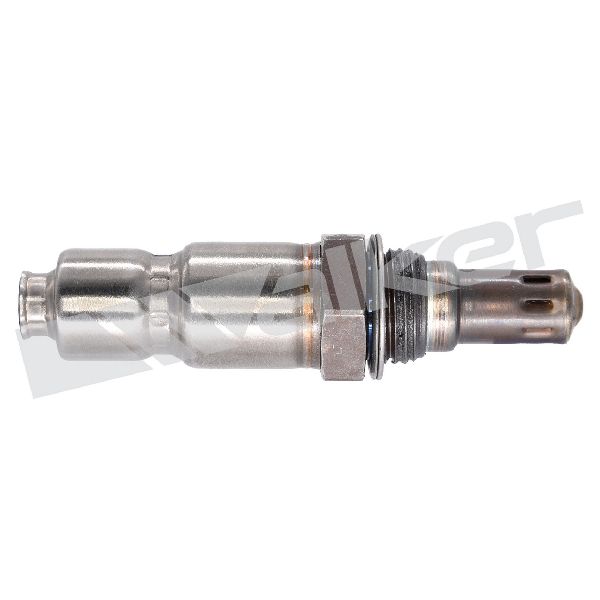
(OEM #L541-18-861A)— If the TSB does not apply/is done and there are no exhaust leaks, the sensor itself is the next most likely component to have failed. This part number is for the rear (post-catalyst) sensor on both 2.0L and 2.5L non-Skyactiv engines and supersedes part number L541-18-861.
Trusted brands: Denso (e.g., 234-4527), NGK/NTK
OEM price range: $150-$220
Aftermarket price range: $80-$160 - Exhaust Gasket(s) — If an exhaust leak is found at a flanged connection (like the manifold or pipe connections), the gasket will need to be replaced.
Trusted brands: Fel-Pro, Walker Exhaust, Bosal
OEM price range: $15-$40
Aftermarket price range: $5-$20
Related Codes That Often Appear With This One
- P0137 — This code means 'O2 Sensor Circuit Low Voltage (Bank 1, Sensor 2)'. It points directly to a problem with the same sensor that triggers P2096, strengthening the diagnosis of a bad sensor or a wiring issue.
- P0171 — This code means 'System Too Lean (Bank 1)' and is detected by the *upstream* O2 sensor. If you see both P0171 and P2096, it suggests a more significant problem like a large vacuum leak or a fuel delivery issue affecting the entire engine, rather than just an exhaust leak fooling the rear sensor.
Technical Service Bulletins (TSBs) & Recalls
- 01-015/16: CHECK ENGINE LIGHT ON WITH DTC P2096:00. Affects 2010-11 Mazda3 (2.0L) and 2010 Mazda5 (2.3L). Caused by improper PCM control logic. Fix is PCM reprogramming.
- Bulletin #01-027-12-2739: Notes that PCM logic control has been changed to eliminate concerns where vehicles exhibit MIL illumination with DTC P2096:00 stored in memory.
Platform-Specific Known Issues
- TSB 01-015/16: Some 2010-2011 Mazda 3 vehicles with the 2.0L engine may trigger a P2096 code due to a software error in the PCM. The official fix is a dealer-installed software update. This applies to specific VIN ranges.
Mechanic-Grade Diagnostic Values
- Fuel Pressure (Key On, Engine Off) — expected: ~50 PSI. Failure: Significantly lower pressure indicates a weak fuel pump or clogged filter.
- Downstream O2 Sensor Live Data (Warm Engine, Steady RPM) — expected: Relatively steady voltage, approximately 0.5V - 0.8V.. Failure: Voltage stuck low (e.g., < 0.4V) or fluctuating rapidly like the upstream sensor.
- Downstream O2 Sensor Heater Circuit Resistance — expected: 4.5 - 6.0 Ohms. Failure: A reading outside this range (open circuit or short) indicates a failed heater element within the sensor.
Hidden / Shadow Codes Worth Checking
- P2096:00: The ':00' is a Failure Type Code (FTC) suffix required by OBD-II standards. A value of '00' indicates 'No subtype information available.' This means the PCM has detected the general P2096 fault but is not providing a more specific failure type, such as a circuit-specific issue. (see via This may be displayed on more advanced scan tools that show the full DTC with its FTC suffix, as referenced in the TSB.)
Wiring & Ground Locations
- Main Engine Ground — A main lug bolted to the aluminum intake manifold bracket, next to the passenger-side engine mount.. This is a convergence point for multiple OEM grounds. A poor connection here can cause erratic voltage and faulty readings from various engine sensors, including the oxygen sensors.
- Downstream O2 Sensor Connector — The connector for the downstream sensor has a green plastic cover and is located on the back side of the transmission.. Provides a clear visual identifier when locating the correct sensor connector to test for power, ground, and signal integrity. The sensor itself is located in the exhaust pipe after the catalytic converter but before the flex pipe.
- Downstream O2 Sensor Wires — Wiring harness for the rear heated oxygen sensor.. A wiring diagram shows the wire colors as Green/Blue and Black/Orange, which is critical for pin-point testing of the circuit.
Real Owner Repair Stories
- Mazdas247 Forum (Mazda 3 (Year/Engine not specified, but in a P2096 thread)) — Persistent P2096 Check Engine Light.
❌ Tried (didn't work) Replacing the upstream O2 sensor., Replacing the downstream O2 sensor.
✅ What actually fixed it The owner discovered the car had an improperly sized aftermarket engine air filter installed. The air box lid was not sealing correctly, causing a significant unmetered air leak. Replacing the filter with the correct OEM-spec part resolved the P2096 code.
"I Checked Everything" — The Actual Cause
- A common diagnostic step for P2096 is to smoke test the exhaust system for leaks. However, the code can also be caused by an intake leak that occurs *after* the Mass Airflow (MAF) sensor. One owner found that after replacing both O2 sensors with no success, the actual cause was an ill-fitting engine air filter that prevented the airbox from sealing, creating an unmetered air leak. This type of leak would not be found with an exhaust smoke test and is often overlooked.
OEM Part Supersession History
L541-18-861→L541-18-861A— Standard part revision by the manufacturer.
Heads up: These parts are interchangeable, with the 'A' revision being the newer version. This is the correct downstream sensor for the 2010-2011 2.0L and 2.5L non-Skyactiv engines.
Model Year Variations Within This Range
- 2010-2011: The 2.0L MZR engine was paired with a 5-speed manual or automatic transmission, while the 2.5L MZR engine received a 6-speed manual. The major facelift and introduction of the Skyactiv engine occurred in the 2012 model year.
- 2011: Traction Control and Dynamic Stability Control became standard features in 2011; they were optional on some trims in 2010.
Diagnostic Flowchart
Other Known Issues on This Vehicle
Issues unrelated to this code that are worth knowing about as an owner of this generation:
- Premature Manual Clutch Failure 🔴 High — Commonly reported between 20,000 and 50,000 miles. Affects 2010-2011 models. Caused by defective release levers (forks), bearings, and pins leading to rapid wear. (Ref: No official recall, but was the subject of a class-action lawsuit.)
- Melting/Sticky Dashboard Surface 🟠 Medium — Occurs over time with exposure to heat and humidity. Affects 2010 models produced from Oct 2008 to Apr 2010. (Ref: Mazda Special Service Program (SSP 99) extended the warranty for this specific issue to 10 years/unlimited miles.)
- Electro-Hydraulic Power Steering (EHPAS) Pump Failure 🔴 High — Can occur intermittently or fail completely, often starting around 50,000-100,000 miles. Symptoms include a stiff steering wheel and a warning light, sometimes triggered by low speeds or idling. (Ref: No recall for 2010-2011 models, but earlier models were recalled for a similar issue.)
- Faulty Rear Stabilizer Bar Links 🟡 Low — Owners report rattling or clunking noises from the rear suspension over rough roads. The links can become loose, bent, or rusted.
- Automatic Transmission Control Module (TCM) Failure 🟠 Medium — Can cause erratic shifting, gear slippage, or inability to shift. This affects automatic transmission models.
Used vs. New Parts: Buying Guide for This Vehicle
When a used part is the smart pick: For this repair, used parts are generally not recommended for sensors, which are wear items. However, a used exhaust component like a manifold or section of pipe from a rust-free donor vehicle is a perfectly acceptable and cost-effective choice if an exhaust leak is the diagnosed problem.
Donor-vehicle mileage cap: roughly under 120000 miles for the part to have meaningful remaining life.
What to inspect on the donor part:
- For exhaust components, prioritize parts from vehicles in dry, non-salt-belt climates to minimize rust.
- Visually inspect any used exhaust part for hairline cracks, especially near welds and flanges.
- Avoid any part that shows signs of previous repairs, heavy corrosion, or impact damage.
OEM-only on this vehicle (don't cheap out):
- PCM Software Update: This is a dealer-only procedure and cannot be sourced used.
Aftermarket brands forum-validated for this vehicle:
- O2 Sensors: Denso and NGK/NTK are widely regarded as the OEM suppliers for Mazda and are the most recommended aftermarket brands for reliable performance.
Brands owners have reported issues with on this vehicle:
- Universal O2 Sensors: These require splicing wires and are a frequent source of problems; a direct-fit sensor is strongly recommended.
- Some technicians report lower long-term reliability with Walker brand O2 sensors compared to Denso or NTK for this application.
Real Owner Stories
Aggregated from forums and TSBs cited above. Mileages and costs reflect what owners reported in those sources.
2010 Mazda 3 2.0L — 68350 miles
Symptoms: Check engine light on with code P2096. Car drives completely normal with good acceleration. Fuel economy is ~10L/100km (23.5 MPG) in the city.
What fixed it: The owner investigated exhaust leaks and the catalytic converter based on a Mazda service bulletin indicating the PCM may have overly tight tolerances.
Source hint: r/AskMechanics report included in article context
2010 Mazda 5 2.3L — 115000 miles
Symptoms: Vehicle throwing code P2096.
What fixed it: PCM reprogramming as per TSB 01-015/16, which addresses improper PCM control logic.
Source hint: https://www.mazdas247.com/forum/index.php?threads/2010-mazda5-with-115k-miles-throwing-code-p2096.123859599/
Related OBD-II Codes
Frequently Asked Questions
Does TSB 01-015/16 apply to my 2010 Mazda 3 with the 2.0L engine?
I have a 2010 Mazda 5 with the 2.3L engine; why am I seeing a P2096 code?
Can a leak in the exhaust flex pipe cause P2096 on my Mazda 3?
How much does it cost to fix the PCM software issue at a Mazda dealer?
Will a faulty downstream O2 sensor always cause driving problems on the 2.0L/2.5L engines?
What tool is needed to replace the downstream oxygen sensor on this vehicle?
Helpful Videos

![How to Fix P2096 Engine Code in 4 Minutes [2 DIY Methods / Only $9.53]](https://img.youtube.com/vi/-id6j6Bm5Fk/mqdefault.jpg)
We Have This Part in Stock

The information in this article is provided for general reference and educational purposes only. Vehicle specifications, procedures, and part compatibility can vary by production date, trim level, and region. Always consult your vehicle's factory service manual and verify part numbers before purchasing or performing repairs. Safety-critical components such as airbags, seat belts, and braking systems should be installed by a qualified professional.
- Mazda 3:
- 🧭 Diagnostic Flowchart
- 🎬 Helpful Videos
- 🛍️ Shop This Part
- What's Unique About the 2010-2011 Mazda 3
- Symptoms You May Notice
- Most Likely Causes
- Rare But Worth Checking
- Diagnosis Steps
- Parts You'll Likely Need
- Related Codes That Often Appear With This One
- Technical Service Bulletins (TSBs) & Recalls
- Platform-Specific Known Issues
- Mechanic-Grade Diagnostic Values
- Hidden / Shadow Codes Worth Checking
- Wiring & Ground Locations
- Real Owner Repair Stories
- "I Checked Everything" — The Actual Cause
- OEM Part Supersession History
- Model Year Variations Within This Range
- Other Known Issues on This Vehicle
- Used vs. New Parts: Buying Guide for This Vehicle
- Real Owner Stories
- 2010 Mazda 3 2.0L — 68350 miles
- 2010 Mazda 5 2.3L — 115000 miles
- Related OBD-II Codes
- Frequently Asked Questions
- 🎟️ Get 5% Off