

P2096 on 2014-2018 Mazda 3 SKYACTIV: Lean Code Causes and Fixes
On a 2014-2018 Mazda 3, code P2096 is almost always caused by an exhaust leak somewhere between the engine and the second oxygen sensor. Before replacing any parts, thoroughly inspect the exhaust manifold gaskets and flex pipe for leaks. A cracked flex pipe is a very common culprit. If no leaks are found, the downstream O2 sensor is the next likely culprit, but leaks are the primary cause.
- Always check for exhaust leaks before buying any parts. This is the most common fix for P2096 on this car.
- Do not replace the catalytic converter for this code alone; it is almost never the cause.
- The downstream O2 sensor is the second most likely part to fail. Use a scan tool to check its voltage before replacing it.
- An incorrectly installed or wrong-sized engine air filter can cause this code, so check it as part of your diagnosis.
- If you cannot find any physical faults, ask a Mazda dealer if a PCM software update is available for your vehicle's VIN.
What's Unique About the 2014-2018 Mazda 3
While P2096 is a standard code, the 2014-2018 Mazda 3's SKYACTIV-G engine has a unique 4-2-1 'long-tube' exhaust manifold design. This efficient design increases the length of the exhaust and the number of gasket surfaces before the catalytic converter, creating more potential points for small exhaust leaks to develop. These leaks are the most common cause of P2096 on this specific platform, as they allow outside air to be sucked into the exhaust stream, fooling the downstream O2 sensor into reporting a false lean condition.
Symptoms You May Notice
- Check Engine Light is on
- Reduced fuel economy
- Rough or unstable idle
- Faint exhaust smell in the cabin if a leak is present
- Audible exhaust noise (hissing or ticking) that may be more noticeable when the engine is cold
- Failure to pass an emissions/smog test
- Replacing the catalytic converter. A P2096 code alone is very rarely caused by a bad converter. A failing converter would typically trigger a P0420 (Catalyst Efficiency) code.
- Replacing the oxygen sensor without first thoroughly inspecting for exhaust leaks. Many owners replace the sensor only to have the code return because the root cause was a small leak, often at the flex pipe.
Most Likely Causes
- Exhaust Leak 🔴 High Probability The SKYACTIV engine's 4-2-1 long-tube exhaust header has multiple gasket surfaces and a flex pipe that are all common failure points for small cracks and leaks over time. This is the most frequent cause of P2096 on this platform.
How to confirm: Start the engine when it's cold and carefully feel for puffs of air around the exhaust manifold, gaskets, and especially the braided flex pipe section. You can also use a mechanic's stethoscope to listen for hissing or spray soapy water on the suspected area and look for bubbles. A professional smoke test is the most definitive method.
Typical fix: Replace the leaking gasket or repair the cracked pipe. The flex pipe is a very common failure and often requires a new section to be welded in by an exhaust shop. 🎬 Watch: How to repair the flex pipe and save money
Est. part cost: $20-$60 for gaskets, $100-$250 for flex pipe repair. - Faulty Downstream Oxygen Sensor (Bank 1, Sensor 2) 🟡 Medium Probability → Shop Oxygen Sensor
How to confirm: Use an OBD-II scanner to monitor the live voltage from the downstream O2 sensor (B1S2). A healthy sensor on a warm engine at a steady RPM should show a relatively stable voltage (typically between 0.5V and 0.8V). If the voltage is stuck low (e.g., below 0.2V) and you have definitively ruled out exhaust leaks, the sensor is likely faulty.
Typical fix: Replace the downstream (post-catalyst) oxygen sensor.
Est. part cost: $80-$180 - Intake Air Leak (Unmetered Air) ⚪ Low Probability
How to confirm: Inspect the air filter to ensure it is the correct size and properly seated in the airbox, creating a tight seal. Check all vacuum hoses and the intake tube for cracks or loose connections. A hissing sound at idle can indicate a vacuum leak.
Typical fix: Replace the incorrectly sized air filter with a proper OEM-spec filter or repair the source of the vacuum leak.
Est. part cost: $20-$50 for a filter or hose
Rare But Worth Checking
- PCM Software Update Needed: Mazda has issued Technical Service Bulletins (TSBs) for other models with the same engine (like TSB 01-011/19 for 2019 CX-5 and Mazda6) to fix false P2096 codes with a software update that widens the sensor's acceptable voltage range. While no specific TSB covers all 2014-2017 Mazda 3s for this, if all physical causes are ruled out, it's worth asking a dealer if a PCM calibration update is available, as it's a known fix pattern for Mazda.
- Fuel Delivery Issue: A weak fuel pump or clogged fuel injector could cause a true lean condition. This is less common and would usually be accompanied by other codes like P0171 (System Too Lean).
Diagnosis Steps
- Scan for any other stored trouble codes. If codes like P0171 are present, address them first as they indicate a broader engine issue.
- Perform a thorough visual and physical inspection of the exhaust system from the engine back to the rear O2 sensor. Pay close attention to the braided flex pipe section for black soot marks or visible cracks.
- With the engine cold, start it and carefully feel/listen for leaks. Use a spray bottle of soapy water on welds and gasket seams; look for bubbles indicating a leak.
- If no leaks are found, inspect the intake system. Ensure the engine air filter is the correct part and the airbox is sealed tightly. Check all vacuum lines for cracks or disconnection.
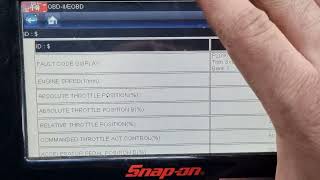
- Use a scan tool to observe live data from the downstream O2 sensor (B1S2). At operating temperature and steady RPM, the voltage should be fairly stable and above 0.5V. If it's stuck below 0.2V, it confirms a lean reading. 🎬 Watch: How to diagnose a Mazda P2096 lean code
- If all inspections pass and the sensor voltage is stuck low, replace the downstream oxygen sensor.
- If the code persists after replacing the sensor, contact a Mazda dealership to inquire about a possible PCM software update, citing the pattern of TSBs for other SKYACTIV models.
Parts You'll Likely Need
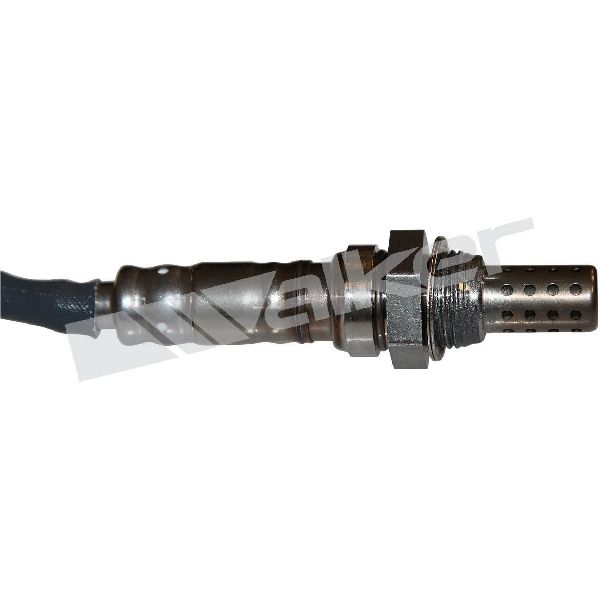
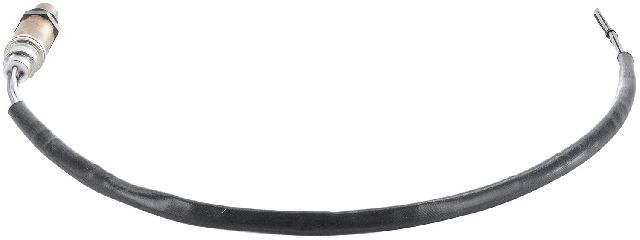
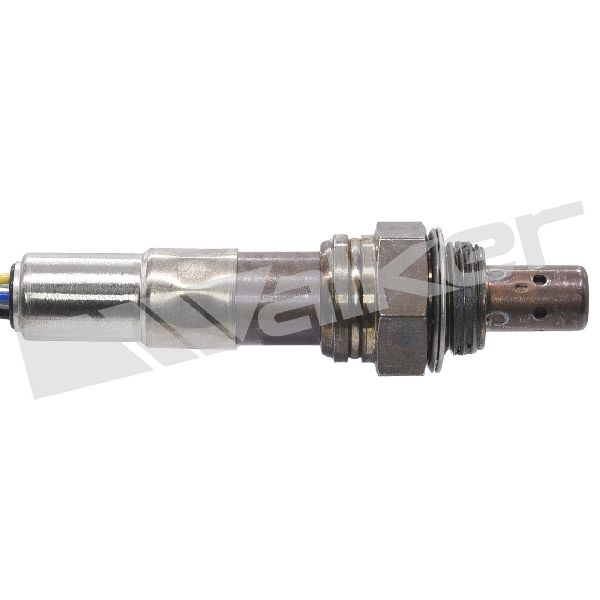
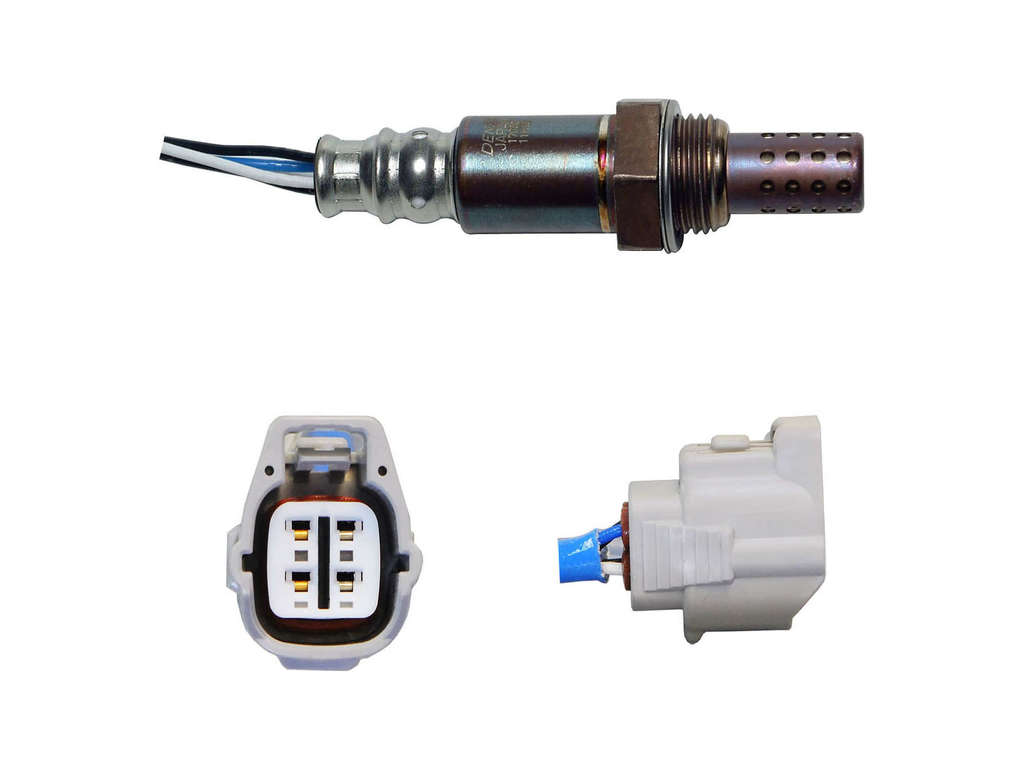
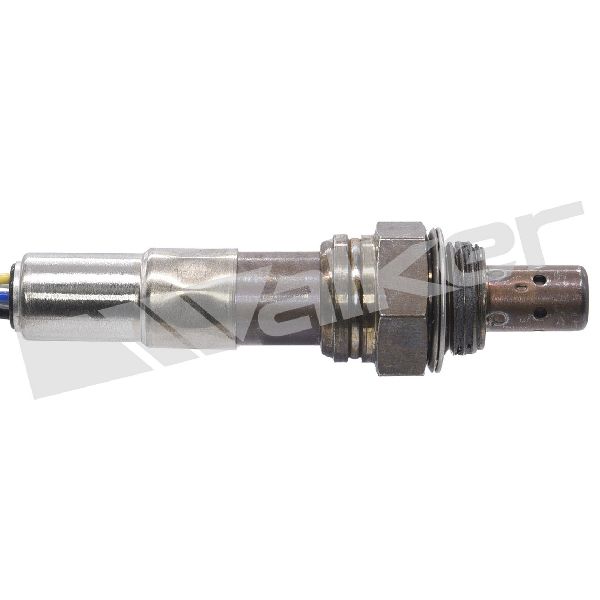
- Downstream Oxygen Sensor (Bank 1 Sensor 2)
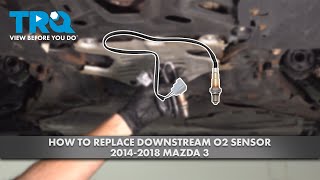
(OEM #PE12-18-86Z)— This sensor provides the reading that triggers the code. After exhaust leaks, a failing sensor is the next most common cause. This part number is confirmed for 2014-2018 Mazda 3 models. 🎬 See this step-by-step downstream O2 sensor replacement walkthrough
Trusted brands: Denso, NGK/NTK, Bosch
OEM price range: $150-$220
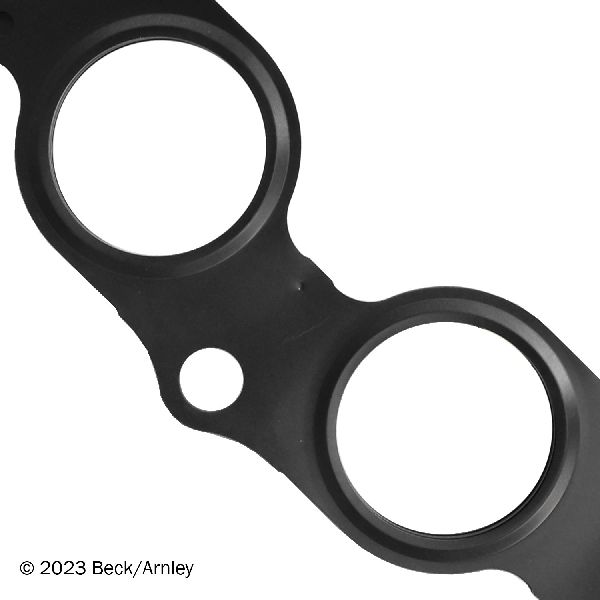
Aftermarket price range: $80-$160 - Exhaust Manifold Gasket
(OEM #PE17-13-460)— Due to the 4-2-1 header design, the gaskets between the manifold sections and the cylinder head are common points for leaks that cause P2096.
Trusted brands: Fel-Pro (MS 95715), Mahle, Victor Reinz (11-10647-01)
OEM price range: $30-$50
Aftermarket price range: $15-$30 - Exhaust Muffler Gasket (Donut Gasket)
(OEM #PE23-40-305)— Another common leak point in the exhaust system before the rear O2 sensor.
Trusted brands: Mazda OE, AP Exhaust (9016), Walker
OEM price range: $25-$40
Aftermarket price range: $10-$20
Related Codes That Often Appear With This One
- P0137 — This code for 'O2 Sensor Circuit Low Voltage (Bank 1, Sensor 2)' points directly to the same sensor. It often appears with P2096 when the sensor is failing or reading a false lean condition from an exhaust leak, which produces a low voltage signal.
- P0171 — This code for 'System Too Lean (Bank 1)' is detected by the *upstream* sensor. Seeing both codes together strongly suggests a true lean condition affecting the whole engine, such as a major vacuum leak or a fuel delivery problem, rather than just an exhaust leak fooling the rear sensor.
Technical Service Bulletins (TSBs) & Recalls
- 01-011/19: While specifically for 2019 Mazda6 and CX-9 models, this TSB shows Mazda has addressed P2096 via PCM updates on SKYACTIV engines. It confirms the manufacturer's strategy of widening PCM tolerances for the O2 sensor signal to prevent false codes, making it a relevant diagnostic path if no physical faults are found on a Mazda 3.
- TSB Bulletin #01-015-16-3234: This bulletin notes that some vehicles may experience the check engine light on with DTC P2096:00 (Target A/F Feedback System Too Lean) caused by improper control logic of the PCM.
- TSB Bulletin #01-011-19-3586a: A manufacturer service bulletin notes that a check engine light with DTC P2096:00 may occur on vehicles with PCMs manufactured by Mitsubishi due to improper control logic.
- TSB Bulletin #SA271: For certain models, if the vehicle has a check engine light on with DTC P2096 stored, the manufacturer recommends updating the PCM calibration with IDS version 99.01 or higher.
- TSB Bulletin #01-012-20-3738: This record describes a condition where DTCs P2096:00 or P2097:00 cannot be cleared by themselves, and the check engine light stays on even if the detection condition has gone.
- TSB Bulletin #01-027-12-2739: A manufacturer bulletin states that PCM logic control has been changed to eliminate concerns where vehicles exhibit MIL illumination with DTC P2096:00 stored in memory.
Platform-Specific Known Issues
- Cracked Flex Pipe is a Primary Culprit: Multiple owner reports on forums like Reddit specifically identify a cracked or broken flex pipe as the root cause of their P2096 code. Mechanics who only scan the code often misdiagnose it as a bad sensor or catalytic converter, but an exhaust shop can quickly spot the leak.
Mechanic-Grade Diagnostic Values
- Downstream O2 Sensor (B1S2) Voltage at Idle (Warm Engine) — expected: Relatively stable voltage between 0.6V and 0.8V.. Failure: Voltage is stuck low (below 0.2V), indicating a lean reading (or faulty sensor).
- Downstream O2 Sensor Heater Circuit Resistance (Cold) — expected: Approximately 5 to 20 Ohms.. Failure: An open circuit (OL) or resistance significantly outside the expected range indicates a failed internal heater.
- Long-Term Fuel Trim (LTFT) with P2096 present — expected: Should be close to 0%.. Failure: One user noted values fluctuating between +7.3% at idle and +13.3% during acceleration, indicating the PCM is adding significant fuel to compensate for the perceived lean condition.
Hidden / Shadow Codes Worth Checking
- $07E8 / $07E8Pd: These are not distinct fault codes but rather identifiers for the Engine Control Unit (ECU) that is reporting the main code (P2096). $07E8 is the standard CAN ID for the primary ECU. Seeing this is normal and simply confirms the engine computer is the source of the code. (see via Visible on some consumer-grade OBD-II scanners.)
Scan Tool Commands That Help
- Mazda Modular Diagnostic System (MDS): Module Reprogramming — This is the dealer-level function used to apply a software update (reflash) to the PCM. It is the required fix when a TSB identifies improper control logic as the cause of a false P2096 code.
- Mazda Modular Diagnostic System (MDS) or equivalent: Clear DTCs and Reset Fuel Control Learning Data — After performing a PCM reflash, Mazda specifies that the negative battery cable must be disconnected for at least 30 seconds to reset the fuel trim learning data. This ensures the engine starts with a fresh baseline calibration.
Wiring & Ground Locations
- Engine/Transmission Grounds — Key grounding points include a ground on the harness on top of the transmission, two on the front of the transmission (one large, one small), one at the passenger-side motor mount, and one on the driver's side fender that runs to the negative battery terminal.. A poor ground connection at any of these points can introduce electrical noise or voltage offsets, potentially affecting the O2 sensor's sensitive readings and contributing to false codes.
- Main Chassis Ground — A primary stock grounding point is located on the passenger-side strut tower, near the power steering reservoir. Another is under the fuse/relay box.. The O2 sensor heater and signal circuits rely on a clean and stable ground path back to the battery. Corrosion or looseness at these main chassis grounds can cause intermittent sensor faults.
Real Owner Repair Stories
- Reddit user /u/Fazeman13 (2014 Mazda 3 GS Sky 2.0L Automatic) — P2096 code returned after a mechanic had already replaced an O2 sensor to fix a previous CEL.
❌ Tried (didn't work) Replacing an O2 sensor (unspecified which one initially).
✅ What actually fixed it The user took the car to an exhaust shop which identified a broken flex pipe. This was the root cause, highlighting that even after a sensor replacement, the underlying mechanical fault (the leak) must be addressed. - Reddit user /u/BuoyBoy (2012 Mazda 3 GS-SKY (BM generation platform-mate)) — P2096 code and poor fuel economy. Occasional exhaust smell and visible smoke from under the vehicle on cold starts.
❌ Tried (didn't work) Initial suspicion of O2 or MAF sensor.
✅ What actually fixed it A mechanic found a significant exhaust leak and welded a patch on the leaking section. This restored normal fuel economy and resolved the code. - Reddit user on r/MechanicAdvice (2015 Mazda 3) — P2096 code persisted even after fixing an exhaust leak in the flex pipe. Noticed high long-term fuel trims (+7.3% to +13.3%).
❌ Tried (didn't work) Repairing the flex pipe exhaust leak.
✅ What actually fixed it The user's thread did not have a final resolution, but it serves as a valuable mechanic-grade story: fixing a major exhaust leak may not immediately resolve the P2096 code if the PCM's learned fuel trims are still compensating. A PCM reset or further diagnosis of the fuel system would be the next step.
"I Checked Everything" — The Actual Cause
- One of the most common 'smoke test clean' scenarios for P2096 on this platform is a software issue. Mazda has issued multiple TSBs for related models where the PCM's logic is too sensitive and falsely triggers the code. In these cases, no physical leak exists, and the only fix is a PCM reflash at a dealership to widen the sensor's acceptable voltage thresholds.
When the Usual Fixes Don't Work
- In one documented case on Reddit, a user with a 2015 Mazda 3 repaired a known exhaust leak at the flex pipe, which eliminated audible noise and fumes, but the P2096 code returned. This indicates that while an exhaust leak is the most common cause, a persistent code after the repair could point to a secondary issue like a now-faulty O2 sensor (damaged by the prior condition), a separate undiscovered leak, or the need for a PCM reset to clear learned fuel trim values.
Model Year Variations Within This Range
- 2017-2018: The Mazda 3 received a facelift for the 2017 model year (BN generation), which included the introduction of G-Vectoring Control and minor interior/exterior changes. While the core SKYACTIV-G engines and exhaust design remained the same, PCM software calibrations may differ between the pre-facelift (BM, 2014-2016) and post-facelift (BN, 2017-2018) models. When inquiring about a software update, it is crucial to provide the specific model year and VIN.
Diagnostic Flowchart
Other Known Issues on This Vehicle
Issues unrelated to this code that are worth knowing about as an owner of this generation:
- Infotainment 'Ghost Touch' and Delamination 🟠 Medium — Very common on 2014-2016 models. The screen registers phantom touches, making the system unusable. Often worsens in heat. (Ref: Mazda issued a warranty extension (not a recall) under program SSPB6 / CSP13. Dealers may replace the touch screen unit.)
- Premature Rear Brake Wear 🟡 Low — Commonly reported. Owners may need to replace rear pads and rotors more frequently than expected. A recall (1217F) was issued for 2014-2016 models for corroding parking brake actuators. (Ref: Recall 1217F)
- Broken Rear Coil Springs 🟠 Medium — Some vehicles may experience a broken rear coil spring, leading to a knocking noise or a lower rear vehicle height. (Ref: TSB #02-015-18-3499a addresses this issue.)
- Rearview Camera Failure 🟡 Low — A recall was issued for the rearview camera image flickering, being distorted, or not appearing at all. Affects hatchback models most. (Ref: Recall 6023G (NHTSA Campaign: 23V437000).)
- SKYACTIV-G Carbon Buildup 🟡 Low — Like all gasoline direct injection (GDI) engines, carbon can accumulate on intake valves over high mileage, as fuel doesn't wash over them. Symptoms include rough idle and hesitation. Mazda's design seems less prone than others, and regular highway driving helps mitigate it.
- Failing Accessory Belt Tensioner 🟠 Medium — The hydraulic belt tensioner is known to leak and fail, leading to belt noise and eventually a thrown belt if not addressed.
Used vs. New Parts: Buying Guide for This Vehicle
When a used part is the smart pick: For this repair, obtaining a used exhaust component like the manifold or a section of pipe from a low-mileage donor vehicle can be a cost-effective option, provided it is thoroughly inspected for cracks or rust-through.
Donor-vehicle mileage cap: roughly under 80000 miles for the part to have meaningful remaining life.
What to inspect on the donor part:
- For exhaust pipes/manifolds, check for hairline cracks, especially near welds and flanges.
- Inspect the flex pipe section for any broken braids or soot marks indicating a hidden leak.
- Avoid parts with heavy surface rust, particularly in salt-belt regions, as this can hide deeper structural issues.
OEM-only on this vehicle (don't cheap out):
- While not a direct cause of P2096, if a catalytic converter is ever needed, using an OEM part is highly recommended. Aftermarket converters on modern Mazdas can sometimes fail to meet the PCM's strict efficiency monitoring, leading to a P0420 code shortly after installation.
Aftermarket brands forum-validated for this vehicle:
- For Oxygen Sensors: Denso and NGK/NTK are the original equipment manufacturers for Mazda and are the most recommended for reliable performance.
- For Exhaust Gaskets: Fel-Pro and Walker are reputable brands that offer quality replacements.
Brands owners have reported issues with on this vehicle:
- Generic, unbranded oxygen sensors from online marketplaces like eBay or Amazon. Forum users report these often have incorrect calibrations or fail quickly, causing the code to return.
Real Owner Stories
Aggregated from forums and TSBs cited above. Mileages and costs reflect what owners reported in those sources.
2014 Mazda 3
Symptoms: Check engine light on. Multiple mechanics claimed the vehicle had a clogged catalytic converter.
What fixed it: An exhaust shop identified a broken flex pipe as the actual cause.
Source hint: Reddit r/askcarguys: 2014 Mazda 3 (P2096)?
2014 Mazda 3
Symptoms: P2096 code present; discussion focused on whether the catalytic converter was at fault.
What fixed it: Confirmed that the code is almost always caused by an exhaust leak allowing oxygen into the system rather than a faulty converter.
Source hint: Reddit r/AskAMechanic: 2014 Mazda 3 P2096 Code
Mazda CX-5 SKYACTIV-G
Symptoms: Check engine light with code P2096.
What fixed it: A dealer PCM reflash (software update) resolved the issue.
Source hint: Reddit r/CX5: Anyone familiar with CEL code P2096
Related OBD-II Codes
Frequently Asked Questions
I have a 2014 Mazda 3 with P2096; could this be related to the infotainment 'Ghost Touch' or rearview camera recalls?
My mechanic says I need a new catalytic converter for my 2014 Mazda 3. Is there anything else I should check first?
Does TSB 01-011/19 apply to my Mazda 3?
Can a dirty air filter cause a P2096 code on a SKYACTIV-G 2.0L?
How can I check for the common flex pipe leak at home?
Is there a recall for the rear coil springs or brakes that might be related to my check engine light?
Helpful Videos

We Have This Part in Stock

The information in this article is provided for general reference and educational purposes only. Vehicle specifications, procedures, and part compatibility can vary by production date, trim level, and region. Always consult your vehicle's factory service manual and verify part numbers before purchasing or performing repairs. Safety-critical components such as airbags, seat belts, and braking systems should be installed by a qualified professional.
- Mazda 3:
- 🧭 Diagnostic Flowchart
- 🎬 Helpful Videos
- 🛍️ Shop This Part
- What's Unique About the 2014-2018 Mazda 3
- Symptoms You May Notice
- Most Likely Causes
- Rare But Worth Checking
- Diagnosis Steps
- Parts You'll Likely Need
- Related Codes That Often Appear With This One
- Technical Service Bulletins (TSBs) & Recalls
- Platform-Specific Known Issues
- Mechanic-Grade Diagnostic Values
- Hidden / Shadow Codes Worth Checking
- Scan Tool Commands That Help
- Wiring & Ground Locations
- Real Owner Repair Stories
- "I Checked Everything" — The Actual Cause
- When the Usual Fixes Don't Work
- Model Year Variations Within This Range
- Other Known Issues on This Vehicle
- Used vs. New Parts: Buying Guide for This Vehicle
- Real Owner Stories
- 2014 Mazda 3
- 2014 Mazda 3
- Mazda CX-5 SKYACTIV-G
- Related OBD-II Codes
- Frequently Asked Questions
- 🎟️ Get 5% Off