

P2096 on 2013-2016 Mazda CX-5: Post-Catalyst Lean Causes and Fixes
On a 2013-2016 Mazda CX-5, code P2096 is most often caused by a software glitch in the engine computer. Before replacing any parts, contact a Mazda dealer to see if your vehicle needs a PCM software update, which is a common fix covered by a Technical Service Bulletin (TSB), especially for 2016 models.
- First, check for a software update. Contact a Mazda dealer with your VIN before buying any parts, as a PCM reflash is the most common fix for 2016 models.
- If no software update is needed, the next most likely cause is a small exhaust leak before the rear O2 sensor, often at the manifold gasket or flex pipe.
- Replacing the O2 sensor should be one of the last steps, as it is frequently misdiagnosed as the root cause when the issue is actually software or a leak.
What's Unique About the 2013-2016 Mazda CX-5
Unlike many other vehicles where this code immediately points to a bad oxygen sensor or a major exhaust leak, the Skyactiv-G engines in this generation of CX-5 are well-known for setting a 'false' P2096 due to overly sensitive software logic in the PCM. Mazda has issued multiple Technical Service Bulletins (TSBs) to correct this with a simple software update. Therefore, the first and most important diagnostic step for this specific vehicle is to check for an available software update, not to start replacing parts. This issue is so common that even later models and platform-mates like the Mazda3 and Mazda6 have similar TSBs for the same code.
Symptoms You May Notice
- Check Engine Light is on
- Slightly reduced fuel economy
- Slightly rough idle in some cases
- No noticeable symptoms other than the light (very common)
- Replacing the downstream oxygen sensor without first checking for applicable TSBs for a PCM update. Many owners on forums like Mazdas247 and Reddit report replacing the sensor only to have the code return because the root cause was software-related.
- Assuming the catalytic converter is bad. While possible, it is a rare cause for this specific code on its own and is an expensive part to replace without proper diagnosis.
Most Likely Causes
- Outdated Powertrain Control Module (PCM) Software 🔴 High Probability → Shop Engine Control Module (ECM) Mazda has officially acknowledged through multiple TSBs (e.g., 01-006/16) that the original PCM logic was too sensitive and could falsely trigger a P2096 code when no actual fault exists. The update widens the acceptable voltage range 🎬 Watch: A detailed breakdown of the P2096 code on Mazdas from the O2 sensor before a fault is triggered.
How to confirm: Contact a Mazda dealership with your Vehicle Identification Number (VIN). They can check their system for open service bulletins or required software updates. TSB 01-006/16 specifically applies to 2016 2.5L models with VINs lower than JM3KE**759448 (produced before Dec. 24, 2015). Other similar TSBs exist for related models, confirming the pattern. Manufacturer Bulletin #SA271 also explicitly instructs technicians to update the PCM calibration with IDS version 99.01 or higher if P2096 is stored.
Typical fix: The Mazda dealer reprograms the PCM with updated software using the Mazda Diagnostic and Repair Software (MDARS). This is a quick procedure that corrects the faulty logic.
Est. part cost: $0 - Exhaust System Leak 🟡 Medium Probability Gaskets and exhaust components, particularly the flex pipe, can degrade over time due to heat cycles and corrosion, especially in the Salt Belt. A small leak before the downstream O2 sensor allows outside air (oxygen) into the exhaust, which the sensor incorrectly interprets as a lean engine condition. TSB 01-009/15 for the CX-5 specifically points to a leaking gasket between the main and secondary catalytic converters as a potential cause for a similar code (P013A), highlighting a known weak point.
How to confirm: Perform a visual inspection of the exhaust manifold, gaskets, and pipes for any signs of cracks, rust holes, or black soot trails. A professional can use a smoke machine to pressurize the exhaust and easily spot leaks. A common failure point is the exhaust flex pipe. A ticking noise on a cold start is a strong indicator of a manifold gasket leak.
Typical fix: Replace the leaking gasket or repair/replace the cracked or rusted section of the exhaust pipe. A leaking flex pipe often requires a new section to be welded in by an exhaust shop.
Est. part cost: $20-$250 - Failing Downstream Oxygen (O2) Sensor ⚪ Low Probability → Shop Oxygen Sensor While O2 sensors are wear items, on this platform they are less likely to be the root cause of P2096 than a software issue or exhaust leak. The sensor can become slow to respond or biased, sending inaccurate lean readings. Owners often replace this part first, only to have the code return.
How to confirm: Use an OBD-II scanner with live data capability. Observe the voltage for the downstream O2 sensor (usually labeled O2S12 or B1S2). It should show a relatively steady voltage above 0.5V on a warm engine. If the voltage is stuck low (e.g., below 0.2V) or fluctuates wildly like the upstream sensor, it may be faulty.
Typical fix: Replace the downstream (post-catalyst) oxygen sensor. This requires an O2 sensor socket and accessing the sensor from under the vehicle. 🎬 Watch: Step-by-step downstream oxygen sensor replacement walkthrough
Est. part cost: $50-$180
Rare But Worth Checking
- Intake Air (Vacuum) Leak: A leak in the air intake system after the Mass Airflow (MAF) sensor can cause the engine to actually run lean, which the O2 sensors will correctly report. This could be from a cracked air duct, a poorly seated air filter box, or a faulty PCV valve.
- Failing Catalytic Converter: → Shop Catalytic Converter While a failing converter can cause this code, it is uncommon for it to be the sole issue. You would typically see other codes as well, such as P0420 (Catalyst System Efficiency Below Threshold), and it's usually the last thing to check after all other causes are ruled out.
- Low Fuel Pressure: A weak fuel pump or clogged fuel filter could cause a genuinely lean running condition, which would be correctly reported by the O2 sensors. This is less common and would likely be accompanied by other symptoms like hesitation or stalling.
Diagnosis Steps
- Check for TSBs: This is the most critical first step. Call a Mazda dealer with your VIN and ask if TSB 01-006/16 or any other software update related to P2096 applies to your vehicle. If so, have the PCM reprogrammed. This solves the majority of cases.
- Inspect for Exhaust Leaks: If no TSB is applicable or the update doesn't fix the issue, thoroughly inspect the entire exhaust system from the engine manifold to the rear O2 sensor. Look and listen for leaks, especially when the engine is cold. A smoke test is the most effective method. Pay close attention to the manifold-to-engine gasket and the flex pipe.
- Analyze O2 Sensor Live Data: Using a scan tool, monitor the live data for both the upstream (B1S1) and downstream (B1S2) O2 sensors. The upstream sensor should fluctuate rapidly between ~0.1V and ~0.9V. The downstream should be relatively stable and consistently above 0.5V. If the downstream sensor is stuck low (<0.2V), it points towards a potential sensor or wiring issue.
- Inspect for Intake Leaks: Check the air intake tube for cracks and ensure the air filter box is properly sealed. A loose or damaged MAF sensor housing can also cause a leak.
- Test the Downstream O2 Sensor: If all other possibilities are ruled out, test the O2 sensor itself and its wiring for continuity and proper voltage before deciding to replace it. The sensor is located under the car, after the catalytic converter. 🎬 See this video to quickly locate your oxygen sensors
Parts You'll Likely Need
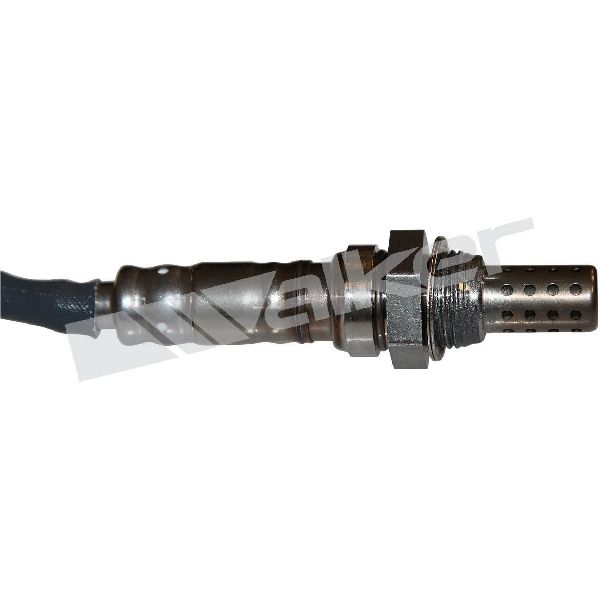
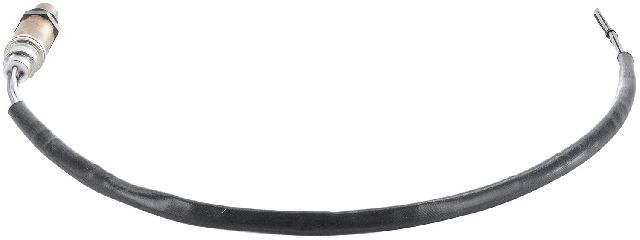
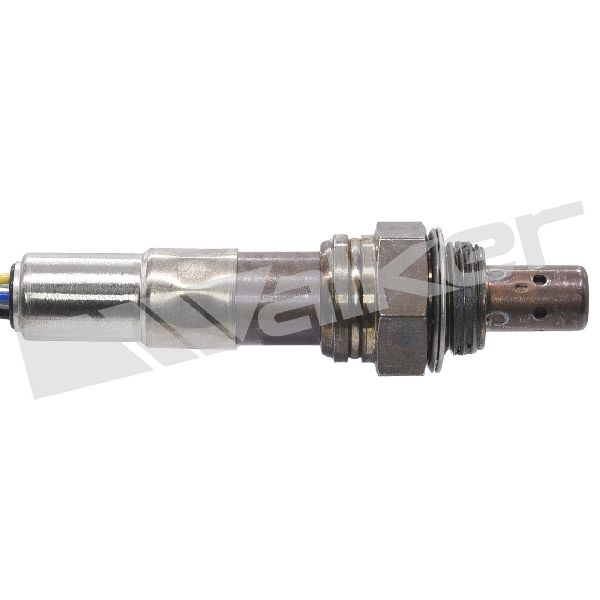
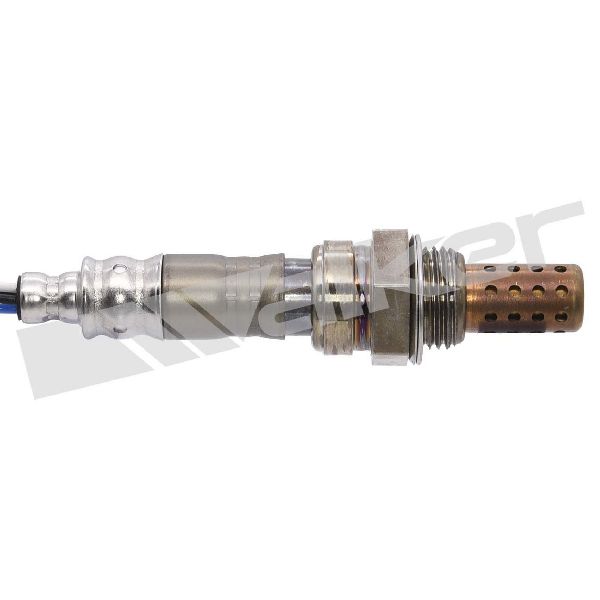
- Downstream Oxygen Sensor
(OEM #PYFB-18-86Z)— This is the sensor that triggers the code. While often misdiagnosed as the primary culprit, it can fail and is a common replacement part after software and leaks are ruled out.
Trusted brands: Denso (OEM supplier), NGK/NTK, Bosch
OEM price range: $150-$250
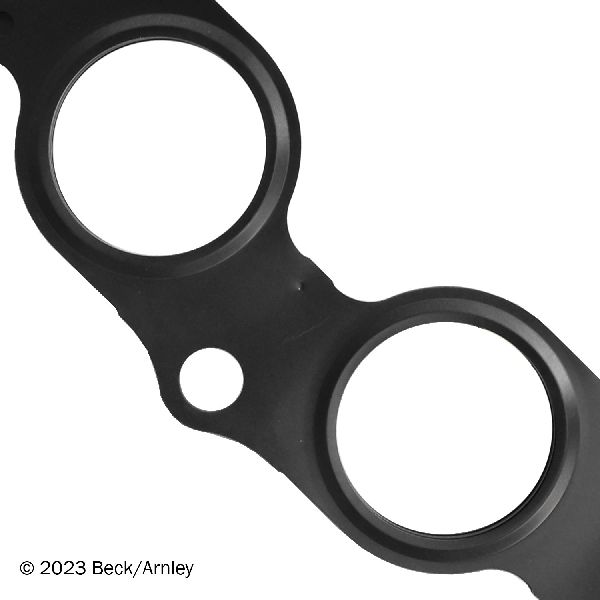
Aftermarket price range: $50-$120 - Exhaust Manifold Gasket
(OEM #PEB4-13-460)— If an exhaust leak is found at the junction between the cylinder head and the exhaust manifold, this gasket will need to be replaced. A ticking noise on cold start is a key symptom.
Trusted brands: Fel-Pro, Mahle, Victor Reinz
OEM price range: $30-$50
Aftermarket price range: $15-$30
Technical Service Bulletins (TSBs) & Recalls
- 01-006/16: Specifically for 2016 CX-5 2.5L models with VINs lower than JM3KE**759448. Addresses P2096 by reprogramming the PCM due to 'improper control logic'.
- Bulletin #0100616: Notes that some vehicles may experience the Check Engine Light on with DTC P2096:00 while no other engine air/fuel related DTCs are stored.
- Bulletin #SA271: Confirms that if a vehicle has a check engine light on with DTC P2096 stored, the PCM calibration should be updated with IDS version 99.01 or higher.
- 01-015/16: Though for older Mazda3/Mazda5 models, this TSB reinforces the pattern of fixing P2096 with a PCM software update due to 'improper control logic', showing it's a known issue type for Mazda.
- 01-009/15: For 2013-2016 CX-5, this TSB addresses a similar code (P013A - slow O2 sensor response) by replacing a leaking exhaust gasket between the catalytic converters, highlighting a known mechanical weak point in the exhaust system that can cause lean codes.
Platform-Specific Known Issues
- Owner Experience: PCM Update Solved It: A user on Reddit with a 2018 CX-5 (a later model but same issue) reported a P2096 code with no drivability symptoms. The dealer performed a PCM software update related to a recall for the cylinder deactivation system, which also contained the fix for the P2096 logic, and the code was resolved.
- Owner Experience: Exhaust Leak Was the Culprit: A user on Reddit with a 2014 Mazda 3 (platform mate) with a P2096 code took their car to an exhaust shop after other mechanics suggested a clogged catalytic converter. The shop found a broken flex pipe, which was leaking and causing the lean code. This is a common real-world cause after the software issue is ruled out.
Mechanic-Grade Diagnostic Values
- Downstream O2 Sensor (HO2S B1S2) Voltage at Idle/Cruise — expected: Relatively stable voltage between 0.5V and 0.8V.. Failure: Voltage is stuck consistently below 0.3V or 0.2V.
- Downstream O2 Sensor (HO2S) Heater Resistance — expected: 2 - 50 ohms at normal temperature.. Failure: Resistance is outside of the specified range (open circuit or shorted).
- High-Pressure Fuel System (Direct Injection) — expected: Up to 200 bar (2900 PSI).. Failure: Significantly lower pressure would indicate a weak high-pressure fuel pump, but this is an unlikely cause for an isolated P2096.
- Short Term/Long Term Fuel Trim (Freeze Frame Data) — expected: Ideally close to 0%, with acceptable values typically within +/- 10%.. Failure: If fuel trims are highly positive (e.g., +15% or more), it suggests the engine is genuinely running lean due to an intake leak or fuel delivery issue, not a false code from software or an exhaust leak. A freeze frame showing near-normal trims (e.g., +5%) when the code set strongly points to the PCM software issue.
Scan Tool Commands That Help
- FORScan, MDARS, or other professional scan tools: Reset Fuel Trim Adaptations — After a repair that affects the air/fuel ratio (like fixing a vacuum leak, exhaust leak, or replacing an O2 sensor), this command forces the PCM to relearn the fuel trim values from a baseline. This can help clear the code and prevent it from returning due to old, stored adaptive values.
Real Owner Repair Stories
- Go-Parts article citing a Mazdas247 Forum User (Mazda CX-7 (with similar Skyactiv engine logic)) — Persistent P2096 code that would not stay cleared.
❌ Tried (didn't work) Clearing the code with a scanner (it would return immediately), Cleaning the MAF sensor, Replacing spark plugs
✅ What actually fixed it The owner discovered a previous repair shop had installed the wrong size air filter (for a CX-9). The incorrect filter prevented the airbox from sealing correctly, creating a large, unmetered air leak after the MAF sensor. Replacing it with the correct filter and ensuring the airbox was sealed resolved the code. - Reddit user in /r/CX5 (2015 Mazda CX-5 Touring, 180k miles) — P2096 code appeared after replacing the downstream O2 sensor.
❌ Tried (didn't work) Replacing the downstream O2 sensor with a new Denso part., Applying 'metal glue' to a known exhaust weld leak.
✅ What actually fixed it The user's post is a request for help and is unresolved, but it serves as a valuable cautionary tale: replacing the O2 sensor and patching a leak did not fix the issue, pointing towards either a more significant, undiscovered leak (like a cracked manifold or flex pipe) or the common PCM software issue.
"I Checked Everything" — The Actual Cause
- A confirmed repair story on a similar platform indicated a persistent P2096 was caused by an improperly sized air filter that prevented the airbox lid from sealing correctly. This created a major vacuum leak *after* the MAF sensor but *before* the engine. An exhaust smoke test would show no leaks, and a typical intake smoke test might miss a leak at the airbox itself, leading to misdiagnosis focused on sensors or the exhaust system.
Model Year Variations Within This Range
- 2014-2016: For the 2014 model year, Mazda introduced the more powerful 2.5L PY-VPS engine as an option alongside the base 2.0L PE-VPS engine. This became the standard engine on Touring and Grand Touring trims. While the P2096 code applies to both, the TSB (01-006/16) specifically calls out the 2.5L engine for the 2016 model year, suggesting the software issue was most prevalent on that specific configuration.
- 2016: The 2016 model year received a mild refresh which included exterior styling tweaks and interior refinements. More importantly, this model year has the most specific TSB coverage for the P2096 code, with a VIN cutoff indicating a change in production or software load mid-year.
Diagnostic Flowchart
Other Known Issues on This Vehicle
Issues unrelated to this code that are worth knowing about as an owner of this generation:
- Leaking/Noisy Drive Belt Tensioner 🟠 Medium — Common, especially on earlier models in this generation. Can occur under 100k miles. (Ref: TSB 01-019/19 (later superseded by 01-008/23) acknowledges oil leakage and rattling from the tensioner due to insufficient sealing, especially under high heat and load.)
- Daytime Running Light (DRL) LED Failure 🟡 Low — Very common on 2016 models. Moisture enters the headlight assembly, corroding the LED circuit. (Ref: Safety Recall 4320A was issued. The fix involves replacing the entire headlight assembly, which is expensive out of warranty.)
- Intake Valve Carbon Buildup 🟠 Medium — A long-term issue inherent to all Gasoline Direct Injection (GDI) engines, including Skyactiv. Can become noticeable after 60,000-100,000 miles, causing rough idle or misfires. (Ref: No TSB, as it's considered a maintenance issue. Requires manual/walnut-blasting cleaning of the intake valves.)
- Failing Tailgate Lift Struts (non-powered) 🟡 Low — Common enough to warrant a recall. The struts could fail, causing the tailgate to fall unexpectedly. (Ref: Recall 9916H (NHTSA 16V629000). Some replacement parts also caused squeaking, addressed by TSB 09-030/19.)
- Transmission Shifter Switch Failure 🟠 Medium — A frequently reported issue where the car fails to detect it is in Park, preventing the ignition from turning off completely and leading to a dead battery. (Ref: No recall, but it is a widely documented problem in owner forums. The fix is to replace the shifter assembly or the microswitch within it.)
Used vs. New Parts: Buying Guide for This Vehicle
When a used part is the smart pick: For major exhaust components like the exhaust manifold or catalytic converter, a used part from a low-mileage, rust-free donor vehicle can be a cost-effective alternative to expensive new OEM parts. This is especially true for the catalytic converter, where aftermarket options often have a shorter lifespan and may not meet strict emissions standards.
Donor-vehicle mileage cap: roughly under 60000 miles for the part to have meaningful remaining life.
What to inspect on the donor part:
- For exhaust manifolds: Check thoroughly for hairline cracks, especially around welds and flanges. Ensure mounting surfaces are flat and not warped.
- For catalytic converters: Inspect the honeycomb structure from both ends with a flashlight. It should be intact, with no signs of melting, clogging, or pieces broken off. Avoid parts that rattle when shaken.
- Check the donor vehicle's history for rear-end collisions, which can damage the exhaust system.
OEM-only on this vehicle (don't cheap out):
- PCM Reprogramming: This is a service, not a part, and must be done by a Mazda dealer or a specialized shop with access to Mazda's MDARS software.
- Catalytic Converter: While a used OEM part is an option, it is strongly recommended to use an OEM converter (new or used) over an aftermarket one. Aftermarket converters for these vehicles are notorious for failing prematurely or not being efficient enough to prevent a P0420 code from appearing later.
Aftermarket brands forum-validated for this vehicle:
- Oxygen Sensors: Denso (the OEM supplier), NTK/NGK, and Bosch are widely trusted brands for this part.
- Exhaust Gaskets: Fel-Pro and Mahle are reputable brands for high-quality replacement gaskets.
Brands owners have reported issues with on this vehicle:
- Unbranded, 'no-name' oxygen sensors from online marketplaces. These often have high failure rates, inaccurate readings, and can cause the code to return quickly.
Real Owner Stories
Aggregated from forums and TSBs cited above. Mileages and costs reflect what owners reported in those sources.
2018 Mazda CX-5 Skyactiv-G
Symptoms: Check engine light (P2096) with no drivability symptoms.
What fixed it: The dealer performed a PCM software update related to a cylinder deactivation recall which contained the fix for the P2096 logic.
Source hint: Mazdas247.com - Thread 'P2096 2018 CX-5, rocker arm recall'
2014 Mazda 3 Skyactiv-G (Platform Mate)
Symptoms: P2096 code; previously misdiagnosed by other mechanics as a clogged catalytic converter.
What fixed it: An exhaust shop identified and repaired a broken flex pipe that was leaking.
Source hint: Reddit r/MechanicAdvice (referenced in vehicle_specific_issues)
Related OBD-II Codes
Frequently Asked Questions
Does TSB 01-006/16 apply to my 2016 Mazda CX-5 2.5L?
Is there a specific exhaust component prone to causing P2096 on the CX-5?
Will a PCM update for a different issue, like the cylinder deactivation recall, fix my P2096 code?
What should the downstream O2 sensor voltage look like on my Skyactiv-G engine?
Can I just replace the downstream O2 sensor to fix P2096?
Are there any intake-related issues on the CX-5 that contribute to lean codes?
Helpful Videos

We Have This Part in Stock

The information in this article is provided for general reference and educational purposes only. Vehicle specifications, procedures, and part compatibility can vary by production date, trim level, and region. Always consult your vehicle's factory service manual and verify part numbers before purchasing or performing repairs. Safety-critical components such as airbags, seat belts, and braking systems should be installed by a qualified professional.
- Mazda CX-5:
- 🧭 Diagnostic Flowchart
- 🎬 Helpful Videos
- 🛍️ Shop This Part
- What's Unique About the 2013-2016 Mazda CX-5
- Symptoms You May Notice
- Most Likely Causes
- Rare But Worth Checking
- Diagnosis Steps
- Parts You'll Likely Need
- Technical Service Bulletins (TSBs) & Recalls
- Platform-Specific Known Issues
- Mechanic-Grade Diagnostic Values
- Scan Tool Commands That Help
- Real Owner Repair Stories
- "I Checked Everything" — The Actual Cause
- Model Year Variations Within This Range
- Other Known Issues on This Vehicle
- Used vs. New Parts: Buying Guide for This Vehicle
- Real Owner Stories
- 2018 Mazda CX-5 Skyactiv-G
- 2014 Mazda 3 Skyactiv-G (Platform Mate)
- Related OBD-II Codes
- Frequently Asked Questions
- 🎟️ Get 5% Off