

P2096 on 2016-2019 Mazda CX-5: Post-Catalyst Lean Code Causes and Fixes
On a 2016-2019 Mazda CX-5, code P2096 is most often caused by a software issue that requires a dealer to update the Powertrain Control Module (PCM). Before replacing any parts, have a dealer check for applicable Technical Service Bulletins (TSBs). The next most likely cause is an exhaust leak before the downstream oxygen sensor. For 2018+ models with cylinder deactivation, this code can also be an early symptom of a known cracked cylinder head issue.
- Your first step for a P2096 code on a 2016-2019 CX-5 should always be to check with a Mazda dealer for an applicable software update TSB.
- Do not replace the oxygen sensor before ruling out software issues and exhaust leaks, as these are much more common causes on this vehicle.
- If you have a 2018 or newer model with the cylinder deactivation engine, be aware of the potential for a cracked cylinder head, especially if you smell burning oil.
- If the Check Engine Light cannot be cleared with a standard scanner, it is almost certainly the software glitch described in Mazda's TSBs.
What's Unique About the 2016-2019 Mazda CX-5
The 2016-2019 Mazda CX-5 is highly susceptible to this code due to overly sensitive PCM software logic. Mazda has released numerous Technical Service Bulletins (TSBs) instructing dealers to reprogram the PCM with an updated calibration that widens the acceptable threshold for the downstream O2 sensor readings. This is especially true for 2016 models (per TSB 01-006/16) and 2018-2019 models with Mitsubishi-made PCMs (per TSB 01-011/19), making a TSB check the most critical first step in diagnosis, often before any physical parts are inspected.
Generation note: Yes, this range spans two generations. The 2016 model is the first generation (KE), while 2017-2019 models are the second generation (KF). Specific issues, like a cracked cylinder head, are a known problem for 2018+ second-generation models with cylinder deactivation. There are also different TSBs for different model years within this range, such as TSB 01-006/16 for 2016 models and TSB 01-011/19 for 2018-2019 models.
Symptoms You May Notice
- Check Engine Light is on
- Reduced fuel economy
- Vehicle may fail an emissions test
- Rough or unstable idle
- Hesitation during acceleration
- Burning oil smell (if related to cylinder head crack)
- Replacing the downstream oxygen sensor first. This is often not the fix for this specific vehicle, as software glitches and exhaust leaks are much more common culprits. Many owners replace the sensor only to have the code return.
Most Likely Causes
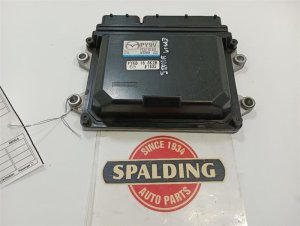
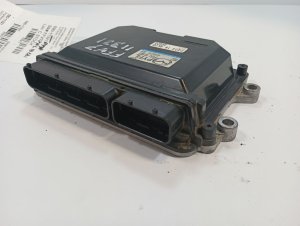
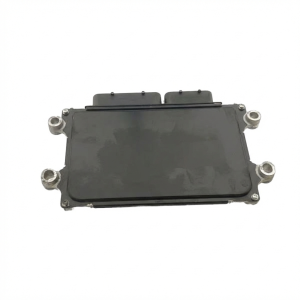
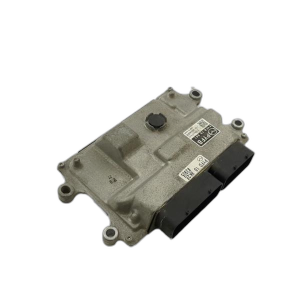
- Outdated Powertrain Control Module (PCM) Software 🔴 High Probability → Shop Engine Control Module (ECM) Mazda has issued multiple TSBs confirming that improper PCM control logic with thresholds set too tightly can falsely trigger a P2096 code. This is the most common cause, especially when no other symptoms are present. The software update widens the voltage threshold the PCM uses to determine a lean condition.
How to confirm: Contact a Mazda dealer with your vehicle's VIN to see if TSBs like #01-006/16 (for 2016 models with VINs lower than JM3KE**759448) or #01-011/19 (for 2018-2019 models with Mitsubishi-made PCMs) apply. A key symptom of this glitch is the inability to clear the code with a standard scanner 🎬 Watch: A technician explains the P2096 code and software fix., a problem also noted in TSB #01-012-20-3738.
Typical fix: A Mazda dealer or a qualified shop with a J2534 pass-thru device and Mazda's software (MDARS) must reprogram the PCM with the latest software calibration. The repair may be covered under the Federal Emissions Warranty.
Est. part cost: $0-$250 - Exhaust System Leak 🟡 Medium Probability Leaks can occur at the exhaust manifold gasket, donut gaskets, or cracks in the manifold or pipes. These leaks allow unmetered oxygen into the exhaust stream before the rear O2 sensor, causing a false lean reading. Rust can exacerbate this on vehicles from regions with heavy road salt use.
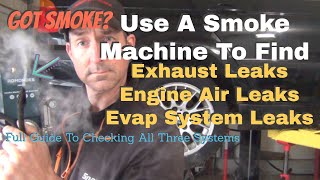
How to confirm: Perform a visual inspection of the exhaust system from the engine to the rear O2 sensor, looking for black soot trails or cracks. A smoke test is the most effective way to pinpoint a leak. 🎬 See how to use a smoke machine to find exhaust leaks. Listen for a ticking or hissing noise, especially when the engine is cold.
Typical fix: Replace the leaking gasket or repair/replace the cracked exhaust component.
Est. part cost: $20-$150 - Cracked Cylinder Head ⚪ Low Probability This is a known, serious issue specifically for 2018 and newer 2.5L engines with cylinder deactivation. A crack can form near the exhaust manifold, allowing oil and/or exhaust gases to leak, which can trigger P2096. Mazda has issued service alerts (e.g., SA-037/23) and updated the cylinder head design to address this.
How to confirm: Symptoms often include a strong burning oil smell, visible oil leaking from the passenger side of the engine block, and potentially low oil levels. Diagnosis requires a thorough inspection by a professional. TSB #SA-009-19 instructs dealers to contact Mazda's hotline for this specific issue when P2096 is present.
Typical fix: This is a major repair requiring replacement of the cylinder head. Some owners have reported Mazda offering financial assistance or covering the repair even out of warranty due to it being a known defect. The repair is covered under Mazda's Powertrain Warranty if eligible.
Est. part cost: $2000-$4500
Rare But Worth Checking
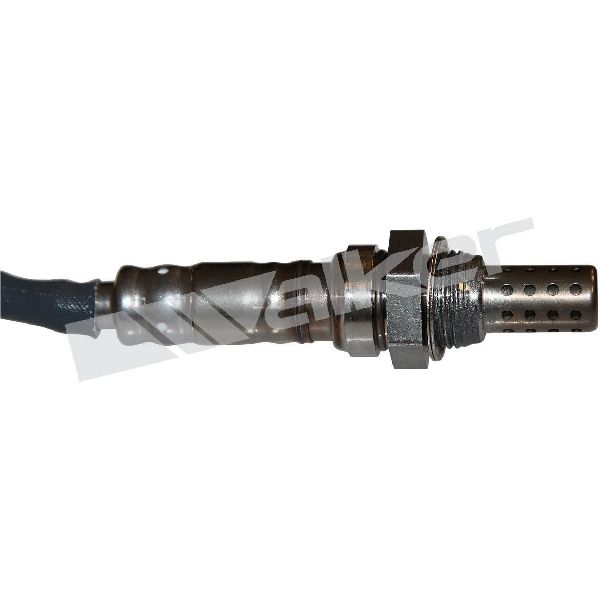
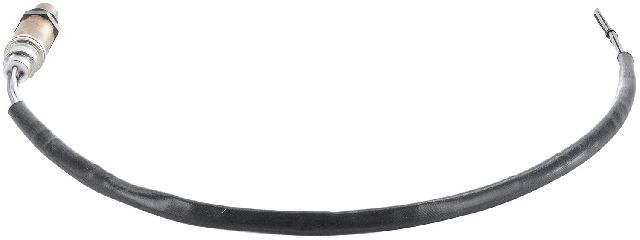
- Failing Downstream Oxygen (O2) Sensor: → Shop Oxygen Sensor While this sensor provides the reading that triggers the code, it is far less likely to be the root cause on this platform compared to software issues or exhaust leaks. It should only be replaced after the other, more common causes are ruled out. 🎬 Watch: Step-by-step guide for replacing the downstream oxygen sensor.
- Incorrect or Poorly Sealing Air Filter: An improperly sized or installed engine air filter can cause the airbox lid to seal incorrectly, creating a large unmetered air leak after the Mass Airflow (MAF) sensor, leading to a lean condition.
- Fuel System Issues: A weak fuel pump, clogged filter, or dirty injectors could cause a true lean condition, but this is less common and would likely be accompanied by other performance issues or codes.
Diagnosis Steps
- Check for Technical Service Bulletins (TSBs): Contact a Mazda dealer with your VIN or search online for TSBs related to P2096 for your specific model year. Key TSBs include 01-006/16 (for 2016 models) and 01-011/19 (for 2018-19 models). This is the most critical first step.
- Attempt to Clear Code: Use an OBD-II scanner to try and clear the code. If the code will not clear, it strongly indicates a software issue that requires a dealer update per TSB #01-012-20-3738.
- Perform PCM Update: If a TSB applies to your vehicle, have the PCM reprogrammed by a dealer or qualified shop. This resolves the majority of cases and may be covered under the Federal Emissions Warranty.
- Inspect for Exhaust Leaks: If the code returns or was clearable, thoroughly inspect the exhaust system for leaks between the engine and the downstream O2 sensor. Listen for a ticking noise on a cold start. A smoke test is the most definitive method.
- Inspect for Cylinder Head Cracks (2018+ models): If you smell burning oil or see a significant oil leak on the passenger side of the engine, have it professionally inspected for the known cylinder head issue.
- Inspect Air Intake System: Ensure the engine air filter is the correct part and that the airbox is sealed properly. Check for any vacuum leaks between the MAF sensor and the engine.
- Test the Downstream O2 Sensor: Only after all other steps have been exhausted, test the downstream O2 sensor's operation using a scan tool to monitor its voltage. A healthy sensor will show a relatively steady voltage, while a faulty one may be stuck low (e.g., below 0.2V).
Parts You'll Likely Need
- PCM Reprogramming Service — This is not a physical part, but a service to fix the most common cause of a persistent P2096 code on this vehicle, as documented by multiple Mazda TSBs. Dealer cost is typically 0.3-1.5 hours of labor.
Trusted brands: Mazda Dealership Service
OEM price range: $150-$250 - Exhaust Manifold Gasket
(OEM #PEB4-13-460)— A failed gasket between the cylinder head and exhaust manifold is a common source of an exhaust leak that can cause a P2096 code.
Trusted brands: Fel-Pro, Bosal, Mahle
OEM price range: $40-$60
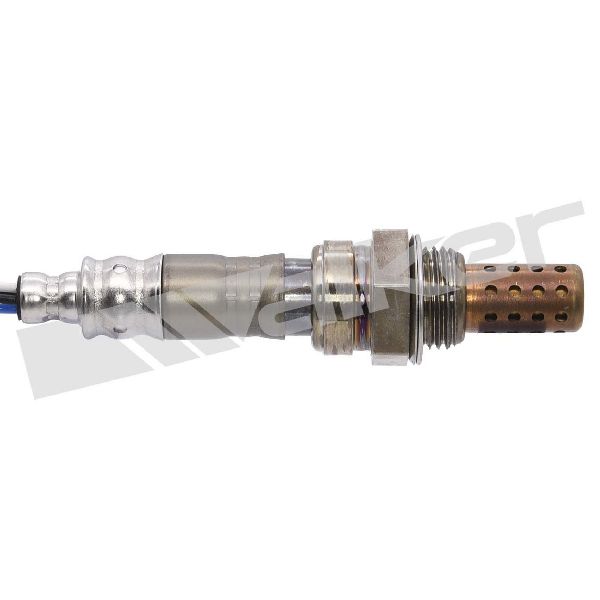
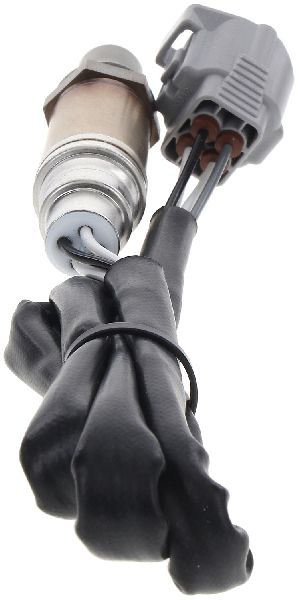
Aftermarket price range: $15-$30 - Downstream Oxygen Sensor
(OEM #PYFB-18-86Z)— If software and leaks are ruled out, the sensor itself may have failed. It provides the reading that triggers the code. This is an infrequent cause on this platform.
Trusted brands: Denso, NGK/NTK, Bosch
OEM price range: $250-$370
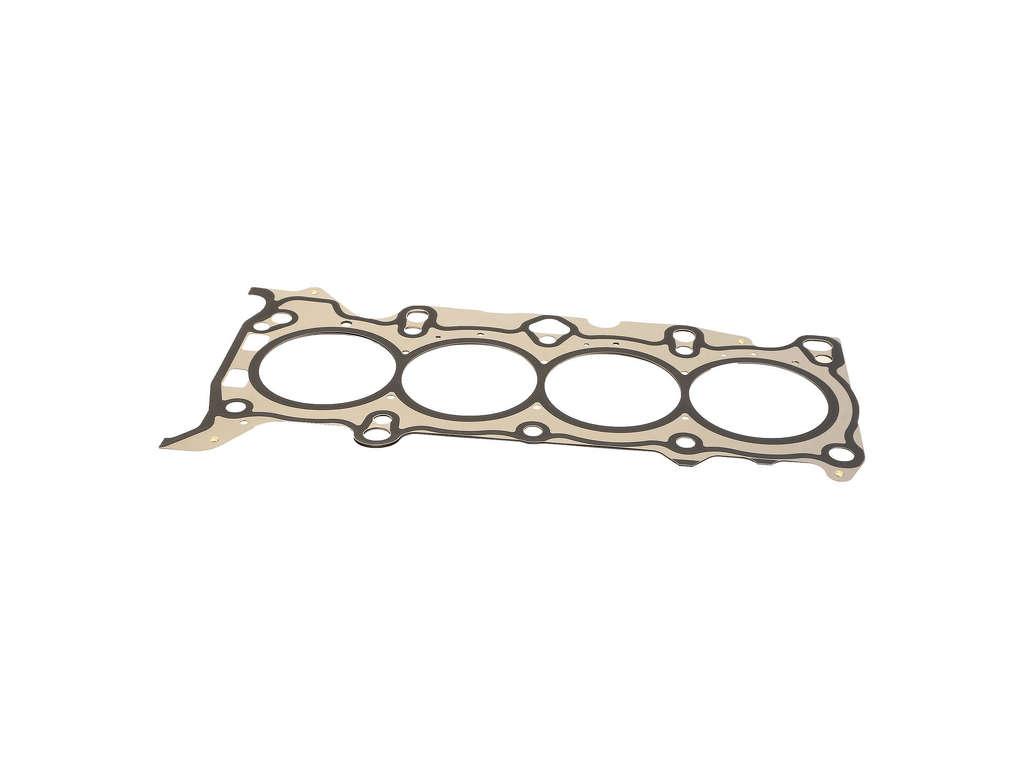
Aftermarket price range: $50-$150 - Cylinder Head Assembly
(OEM #PYY1-10-SJ0 (Updated Part))— For 2018+ models with cylinder deactivation, a cracked cylinder head is a known issue that requires a complete head replacement. The OEM part number has been updated to a revised design.
Trusted brands: Mazda OEM
OEM price range: $2700-$3500 (part only)
Related Codes That Often Appear With This One
- P2097 — This code for 'Post Catalyst Fuel Trim System Too Rich' can appear alongside P2096 due to the same PCM software glitch mentioned in TSB #01-012-20-3738, which can cause codes to become 'stuck' in the PCM.
- P0524 — This code for 'Engine Oil Pressure Too Low' is also mentioned in TSB #01-012-20-3738 as a code that may become stuck in the PCM along with P2096 due to the software issue.
Technical Service Bulletins (TSBs) & Recalls
- TSB #01-006/16: Addresses P2096 on 2016 CX-5 models with VINs lower than JM3KE**759448, recommending a PCM software update.
- TSB #01-011/19-3586a: For 2018-2019 CX-5s with Mitsubishi-made PCMs, corrects improper control logic causing a false P2096.
- TSB #01-012-20-3738: Addresses an issue where P2096, P2097, and/or P0524 cannot be cleared until the PCM is updated.
- TSB #SA-009-19: Instructs dealers to contact the Mazda Technical Assistance Hotline for 2018 CX-5s with cylinder deactivation that present with a P2096, pointing to a more complex known issue (likely the cylinder head).
- TSB #SA-037/23: Supersedes previous service alerts about ordering parts for cylinder head repairs on 2.5L engines with cylinder deactivation, indicating an ongoing issue.
Platform-Specific Known Issues
- A significant number of 2018+ models with the 2.5L engine with cylinder deactivation are affected by cracked cylinder heads, which can cause an exhaust leak leading to code P2096. This is a well-documented issue on owner forums.
- A rocker arm recall on 2018 models also involved a PCM update that could concurrently resolve a P2096 code, as reported by some owners.
- TSB 01-011-19-3586a specifically calls out 2018-2019 models with PCMs manufactured by Mitsubishi as being prone to false P2096 codes due to improper control logic.
Mechanic-Grade Diagnostic Values
- Downstream O2 Sensor (B1S2) Voltage — expected: Relatively steady voltage, typically between 0.5V and 0.8V on a healthy, warm engine.. Failure: A voltage reading stuck low (e.g., below 0.2V) indicates the PCM is seeing a lean condition. This confirms the reading but not necessarily a faulty sensor.
- Mode $06, TID $07, CID $01-$04 — expected: These Test IDs in Mode $06 data correspond to O2 sensor monitoring. The values should be within the MIN/MAX limits specified by the PCM.. Failure: A test value exceeding the MAX limit or falling below the MIN limit indicates a failure in the O2 sensor monitoring cycle, which can help confirm a sensor or catalyst issue before a code is set.
Scan Tool Commands That Help
- Mazda IDS / MDARS (or J2534 equivalent): Module Reprogramming — This is the primary function required to load the updated software calibration that fixes the false P2096 code as specified in TSBs 01-006/16 and 01-011/19.
- Mazda IDS / MDARS, FORScan: Reset KAM (Keep Alive Memory) — After performing a repair like replacing an O2 sensor or fixing a leak, resetting the KAM clears learned fuel trim adaptations. This forces the PCM to relearn the fuel strategy immediately with the new/repaired components, which can be more effective than just clearing codes.
- Mazda IDS / MDARS (or J2534 equivalent): Disconnect negative battery cable for 30+ seconds — TSB 01-011/19 explicitly requires this step after PCM reprogramming to reset the fuel control learning data. This is a specific, required step in the official Mazda repair procedure.
Wiring & Ground Locations
- Upstream O2 Sensor (B1S1) Connector — On the 2.5L PY-VPS, the upstream sensor connector is visible from the top of the engine bay, located near the engine mount. The sensor itself is in the exhaust manifold before the catalytic converter.. While P2096 is a downstream code, the PCM compares upstream and downstream readings. A poor connection or damaged wiring at the upstream sensor can affect overall fuel control and indirectly contribute to downstream issues.
- Downstream O2 Sensor (B1S2) Connector — The sensor is located after the catalytic converter. Access requires lifting the vehicle and removing several underbody plastic panels and potentially a heat shield to reach the sensor and its connector.. This is the sensor providing the direct reading for P2096. Its wiring is exposed to road debris and heat, making it susceptible to damage that could cause faulty readings.
Real Owner Repair Stories
- Mazdas247 Forum user 'ruthrj' (2018 Mazda CX-5 Grand Touring 2.5L NA w/ Cylinder Deactivation, ~13k miles) — Check Engine Light on, no drivability issues.
❌ Tried (didn't work) Initial diagnosis was uncertain.
✅ What actually fixed it The dealer performed recall 3719F, which is a PCM reprogramming (operation code XXR8BXFX). This single software update addressed both a rocker arm recall and the separate TSB for the P2096 code, resolving the Check Engine Light. - Reddit user /u/Kcstew (2018 Mazda CX-5, ~9,700 miles) — Check Engine Light with code P2096, no other symptoms.
❌ Tried (didn't work) Initial speculation was a faulty O2 sensor.
✅ What actually fixed it A recall/TSB related to the PCM software for the cylinder deactivation system fixed the issue. The user later confirmed it was a software update performed by the dealer. - Reddit user in r/MechanicAdvice (2014 Mazda CX-5) — P2096 code appeared after a 37km drive. Smell of petroleum when heater was on at idle.
❌ Tried (didn't work) Resetting the code with a scanner; the light returned after 5km.
✅ What actually fixed it The user did not post a final resolution, but the combination of a lean code and a fuel smell at idle strongly points to an unmetered air leak (vacuum leak) or an exhaust leak near the manifold, allowing fumes into the cabin via the ventilation system.
OEM Part Supersession History
PY8W-10-100C→PYY1-10-SJ0, PYY1-10-SJ0A, PYY1-10-SJ0B, PYY1-10-SJ0C— Revision and update to the cylinder head design, likely to address the cracking issue found on 2018+ models with cylinder deactivation.
Heads up: PYY1-10-SJ0 is specified for models *without* cylinder deactivation, while other versions are for models with it. It is critical to match the correct cylinder head part number to the specific engine configuration (with or without cylinder deactivation, with or without turbo).
Model Year Variations Within This Range
- 2016: Specifically addressed by TSB #01-006/16 for VINs lower than JM3KE**759448. The cause is almost certainly a PCM software calibration issue.
- 2018-2019: These models, if equipped with a Mitsubishi-made PCM, are covered by TSB #01-011/19 for a false P2096 code. Additionally, 2018+ models with cylinder deactivation are the only ones in this range susceptible to the known cracked cylinder head issue.
Diagnostic Flowchart
Other Known Issues on This Vehicle
Issues unrelated to this code that are worth knowing about as an owner of this generation:
- Cracked Cylinder Head (Cylinder Deactivation Models) 🔴 High — A widely reported issue on 2018+ 2.5L engines with cylinder deactivation, sometimes occurring at low mileage (e.g., 25k-75k miles). Not a guaranteed failure, but a significant known risk. (Ref: Multiple Service Alerts (e.g., SA-037/23) but no official recall.)
- Premature Brake Wear 🟡 Low — Some owners of first and second-generation models report needing to replace brake pads and rotors sooner than expected, sometimes under 40,000 km (25,000 miles).
- Infotainment System Glitches 🟡 Low — Owners report issues like freezing, random reboots, and Bluetooth connectivity problems with the Mazda Connect system, particularly in earlier models of the generation. (Ref: Software updates from the dealer can sometimes resolve these issues.)
- Intake Valve Carbon Buildup 🟠 Medium — As a direct-injection engine, the PY-VPS is prone to carbon buildup on the intake valves over time, which can lead to reduced performance and efficiency. This is more common with city driving and can require professional cleaning after 40,000-60,000 miles.
- Tapping Noise from Engine (Hydraulic Lash Adjuster) 🟡 Low — Some 2018-2020 models may exhibit a tapping noise from the engine at idle due to air bubbles in the hydraulic lash adjusters (HLAs). (Ref: TSB #01-006/20)
Used vs. New Parts: Buying Guide for This Vehicle
When a used part is the smart pick: Used parts are generally not recommended for the primary fixes of this code. The most common fix is a software update which cannot be bought used. For physical parts, an exhaust manifold from a low-mileage, non-salt-belt donor vehicle could be a cost-effective option if the original is cracked.
Donor-vehicle mileage cap: roughly under 60000 miles for the part to have meaningful remaining life.
What to inspect on the donor part:
- For an exhaust manifold: check for hairline cracks, especially around the flange and collector. Ensure all mounting studs are intact and not stripped.
- For an O2 sensor: avoid used sensors. Their lifespan is finite and impossible to verify. It's a high-risk, low-reward part to buy used.
OEM-only on this vehicle (don't cheap out):
- Cylinder Head: Given the known defect and subsequent part revisions, only a new, updated OEM cylinder head (like PYY1-10-SJ0C) should be used to ensure the problem does not reoccur.
- PCM: The PCM is tied to the vehicle's VIN and security system. A used PCM would require dealer programming that may not even be possible. The fix is a software update to the existing PCM, not a replacement.
Aftermarket brands forum-validated for this vehicle:
- O2 Sensors: Denso and NGK/NTK are widely considered to be the OEM suppliers for Mazda and are the most trusted aftermarket replacements. Bosch is also a reputable alternative.
Brands owners have reported issues with on this vehicle:
- Generic, unbranded 'eBay' oxygen sensors. While cheap, they are notorious for premature failure, incorrect readings, and causing the code to return, wasting time and money.
Real Owner Stories
Aggregated from forums and TSBs cited above. Mileages and costs reflect what owners reported in those sources.
2018 CX-5 2.5L — 28000 miles
Symptoms: Burning oil smell leading to a diagnosis of a cracked cylinder head.
What fixed it: Contacted Mazda Customer Care for assistance with a cylinder head replacement after an initial $6,800 estimate.
Source hint: Reddit r/CX5 - Cracked cylinder head - it happened
2018 CX-5 GT 2.5L — 70000 miles
Symptoms: Cracked cylinder head identified as a known defect by the dealer.
What fixed it: Cylinder head replacement.
Cost: $4,300-$4,300
Source hint: Reddit r/mazda - Cracked cylinder head at 70k miles on 2018 CX-5 GT
2018 CX-5 2.5L
Symptoms: P2096 code present during a rocker arm recall service.
What fixed it: PCM reprogramming associated with the rocker arm recall.
Source hint: Reddit r/CX5 - P2096 2018 CX-5, rocker arm recall
Related OBD-II Codes
Frequently Asked Questions
Why can't I clear the P2096 code on my 2018 Mazda CX-5 with my handheld scanner?
Does TSB #01-006/16 apply to all 2016 CX-5 models?
Is the P2096 code on my 2018-2019 CX-5 related to the PCM manufacturer?
Can a rocker arm recall fix my P2096 code?
I smell burning oil and have a P2096 code on my 2018 CX-5; what should I check?
Will the repair for a false P2096 code be covered under warranty?
Helpful Videos

Used OEM Parts in Stock
New Aftermarket Parts Available


The information in this article is provided for general reference and educational purposes only. Vehicle specifications, procedures, and part compatibility can vary by production date, trim level, and region. Always consult your vehicle's factory service manual and verify part numbers before purchasing or performing repairs. Safety-critical components such as airbags, seat belts, and braking systems should be installed by a qualified professional.
- Mazda CX-5:
- 🧭 Diagnostic Flowchart
- 🎬 Helpful Videos
- 🛍️ Shop This Part
- What's Unique About the 2016-2019 Mazda CX-5
- Symptoms You May Notice
- Most Likely Causes
- Rare But Worth Checking
- Diagnosis Steps
- Parts You'll Likely Need
- Related Codes That Often Appear With This One
- Technical Service Bulletins (TSBs) & Recalls
- Platform-Specific Known Issues
- Mechanic-Grade Diagnostic Values
- Scan Tool Commands That Help
- Wiring & Ground Locations
- Real Owner Repair Stories
- OEM Part Supersession History
- Model Year Variations Within This Range
- Other Known Issues on This Vehicle
- Used vs. New Parts: Buying Guide for This Vehicle
- Real Owner Stories
- 2018 CX-5 2.5L — 28000 miles
- 2018 CX-5 GT 2.5L — 70000 miles
- 2018 CX-5 2.5L
- Related OBD-II Codes
- Frequently Asked Questions
- 🎟️ Get 5% Off