

P2096 on 2007-2013 Mini Cooper (N14/N18): Post Catalyst Lean Condition Causes and Fixes
On a 2007-2013 Mini Cooper, code P2096 is most often caused by an exhaust leak between the engine and the downstream oxygen sensor. Before replacing any sensors, thoroughly inspect the exhaust manifold, turbo gaskets, and flex pipe for cracks or leaks. A smoke test is the most effective way to find the source.
- Do not replace the oxygen sensor for P2096 until you have definitively ruled out an exhaust leak.
- The most reliable way to find the leak is with a professional smoke test on the exhaust system.
- Common leak points are the turbo-to-downpipe gasket and the flex pipe section of the downpipe.
- After fixing the leak or replacing a sensor, the code may not clear permanently until the engine computer's fuel adaptations are reset with a capable scan tool.
What's Unique About the 2007-2013 Mini Cooper
The second-generation Mini Cooper S (R56 platform) with the N14 and N18 turbocharged engines is particularly susceptible to exhaust leaks, which are the number one cause of P2096. The constant heat cycles and vibration from the turbo engine can cause gaskets to fail and the exhaust flex pipe to crack. While the code points to a fuel system issue, experienced Mini technicians and owners almost always check for exhaust leaks first, as it's a well-documented platform weakness.
Generation note: The 2007-2013 year range covers the second-generation Mini Cooper (R56/R57/etc.) but includes two different engines: the N14 (2007-2010) and the updated N18 (2011-2013). While both are prone to this code from similar causes like exhaust leaks, the N14 has a higher incidence of issues like carbon buildup and high-pressure fuel pump (HPFP) failure that could potentially contribute to lean conditions.
Symptoms You May Notice
- Check Engine Light is on
- Reduced fuel economy
- Rough or unstable idle, especially on cold start
- Hesitation during acceleration
- Audible exhaust leak (hissing or ticking sound)
- Loss of power
- Immediately replacing the oxygen sensors without checking for exhaust leaks. Many owners and shops replace sensors only to have the code return because the root cause was a leak tricking the sensor.
Most Likely Causes
- Exhaust Leak 🔴 High Probability The exhaust system, particularly the gaskets around the turbo and downpipe (V-band clamp), and the flex pipe section, are known to fail from heat and vibration on these turbocharged models.
How to confirm: Perform a visual inspection for black soot marks around flanges and welds. The most definitive method is to have an exhaust smoke test performed, which will force smoke through the system and reveal any cracks or leaks.
Typical fix: Replace the failed gasket or repair/replace the section of exhaust with the leak. The downpipe-to-turbo gasket (18307589503) is a common culprit.
Est. part cost: $20-$60 for gaskets - Failing Downstream (Post-Catalyst) Oxygen Sensor 🟡 Medium Probability → Shop Oxygen Sensor Sensors have a finite lifespan and can become slow or biased with age and exposure to exhaust gases, sending incorrect lean readings to the DME.
How to confirm: After confirming no exhaust leaks, use a scan tool to monitor the live voltage data from the downstream O2 sensor (Bank 1, Sensor 2). It should show a relatively stable voltage, typically between 0.6V and 0.8V on a warm, running engine. If it's stuck low (e.g., under 0.2V) or not reading at all, the sensor is likely faulty.
Typical fix: Replace the downstream oxygen sensor. The OEM part is often a Bosch or NTK sensor. 🎬 Watch this step-by-step O2 sensor replacement walkthrough.
Est. part cost: $80-$150 - Intake or Vacuum Leak ⚪ Low Probability Plastic and rubber components in the intake system, like the valve cover and its integrated PCV system, or charge pipes can become brittle and crack over time, causing unmetered air to enter the engine.
How to confirm: Perform a smoke test on the engine's intake system to identify the source of the leak. Pay close attention to the valve cover and intake hoses. 🎬 See how to replace a cracked valve cover.
Typical fix: Replace the cracked hose, gasket, or component (e.g., valve cover, intake boot).
Est. part cost: $30-$400 depending on the part
Rare But Worth Checking
- Failing Catalytic Converter: → Shop Catalytic Converter An inefficient or clogged catalytic converter can sometimes cause this code, often accompanied by P0420. It's less common than leaks or sensor failure.
- DME Adaptations Need Reset: On Minis, sometimes after a repair is made (like fixing a leak or replacing a sensor), the code will persist until the engine computer's long-term fuel trim adaptations are reset using a Mini/BMW-specific scan tool. Many owners report fixing the mechanical issue but failing to clear the code until this step is performed.
Diagnosis Steps
- Read the codes with an OBD-II scanner to confirm P2096 and check for any other related codes.
- Thoroughly inspect the entire exhaust system from the turbocharger to the rear muffler. Look for black soot stains at gaskets and flanges, which indicate a leak.
- Listen for any hissing or ticking noises from the exhaust while the engine is running, especially near the turbo and downpipe.
- For a definitive diagnosis, perform an exhaust smoke test. This will reveal even the smallest cracks or leaks that are not visible.
- If no exhaust leaks are found, use a scan tool to monitor the live voltage of the downstream O2 sensor (Bank 1 Sensor 2) at idle and while driving. A healthy sensor on a warm engine should show a relatively steady voltage above 0.5V. If it's stuck low (e.g., under 0.2V), it points to a lean condition or a bad sensor.
- If exhaust leaks are ruled out and the sensor appears faulty, replace the downstream (post-catalyst) O2 sensor.
- If the code persists after repairs, consider performing an intake smoke test to check for vacuum leaks, paying special attention to the valve cover/PCV system.
- As a final and crucial step, use a BMW/Mini-specific scan tool (like ISTA, INPA, or a high-end Foxwell/Autel scanner) to reset the DME's fuel adaptations. This clears the long-term memory that may be holding onto the lean correction values.
Parts You'll Likely Need
- Downpipe Gasket (Turbo to Downpipe)
(OEM #18307589503)— This gasket is a very common failure point for exhaust leaks that directly cause code P2096. It's a metal ring gasket that seals the V-band clamp connection.
Trusted brands: Genuine MINI, Elring, Victor Reinz
OEM price range: $25-$40
Aftermarket price range: $15-$25 - Downstream Oxygen Sensor (Post-Catalyst)
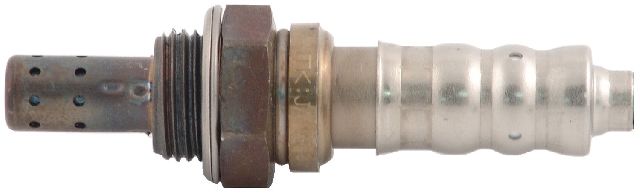
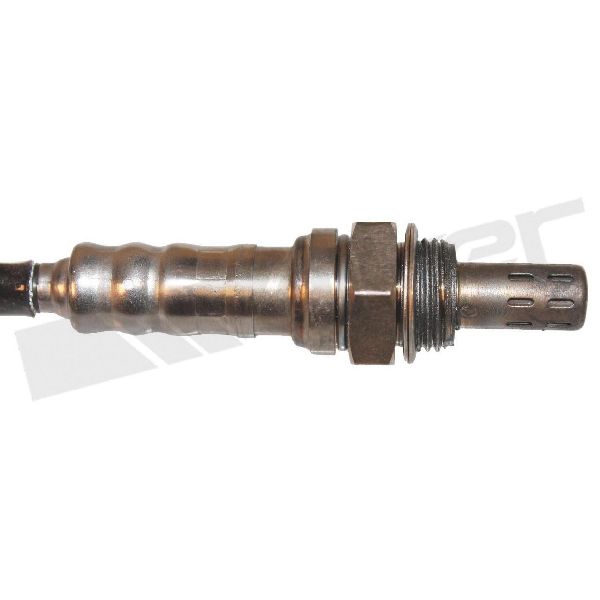
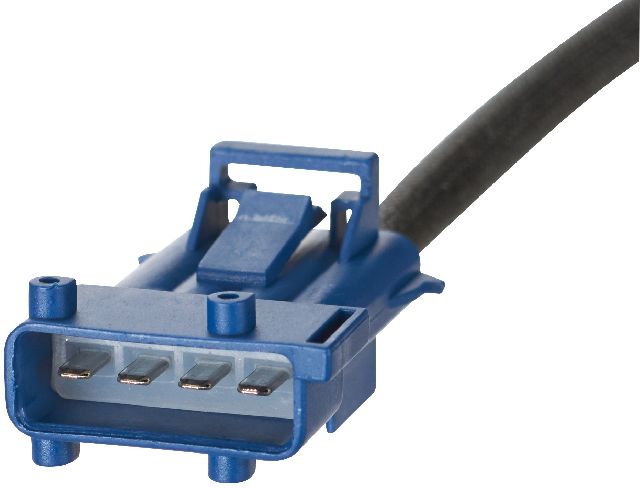
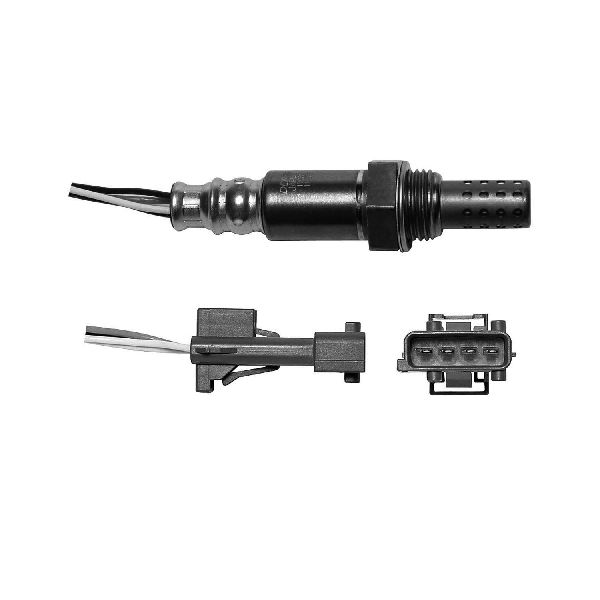
(OEM #11787548961)— If exhaust leaks are ruled out, a failing sensor is the next most likely cause. It provides the direct reading that triggers the code. Cross-reference part numbers include 234-4488.
Trusted brands: Bosch (OEM supplier), NTK, Denso
OEM price range: $180-$250
Aftermarket price range: $80-$150 - Exhaust Flex Pipe Repair Kit — The flexible joint in the downpipe can crack from stress and vibration, creating a leak. A weld-in repair kit is more economical than replacing the entire downpipe.
Trusted brands: Walker Exhaust, MagnaFlow
OEM price range: N/A
Aftermarket price range: $50-$100
Related Codes That Often Appear With This One
- P0171 — If a significant vacuum or exhaust leak exists, it can be large enough to affect the primary fuel mixture, causing the upstream O2 sensor to also report a lean condition.
- P0420 — If the catalytic converter is failing, its inefficiency will be detected, often in conjunction with erratic post-cat O2 sensor readings that can also trigger P2096.
Technical Service Bulletins (TSBs) & Recalls
- M120106 / SI M12 01 13: A TSB mentioned frequently in forums that advises checking for leaks (intake, exhaust, vacuum) and other components like fuel pressure before replacing the oxygen sensor. It emphasizes a full diagnostic approach rather than just replacing the O2 sensor.
Platform-Specific Known Issues
- A TSB (Technical Service Bulletin SI M12 01 13, referenced in forums as M120106) advises technicians to check for intake, exhaust, and vacuum leaks before replacing the O2 sensor, confirming this diagnostic priority.
- The code can sometimes be 'sticky' and require a reset of the DME's fuel adaptations with a professional scan tool after the mechanical repair is completed. Many DIY repairs fail to resolve the light until this is done.
Mechanic-Grade Diagnostic Values
- High-Pressure Fuel Rail Pressure (at idle) — expected: ~725 PSI or 50 Bar. Failure: Significantly lower pressure, or pressure that does not hold steady, can indicate a failing High-Pressure Fuel Pump (HPFP).
- Low-Pressure Fuel Pump Pressure (Key-On Engine-Off) — expected: ~5 Bar (approx. 72.5 PSI). Failure: Pressure should hold steady for several minutes. A drop in pressure indicates a problem with the in-tank low-pressure pump or a leak in the low-pressure lines.
- Downstream O2 Sensor (Bank 1, Sensor 2) Voltage — expected: Relatively stable voltage between 0.6V and 0.8V on a warm, running engine with no exhaust leaks.. Failure: Voltage stuck low (e.g., below 0.2V) indicates a lean reading (real or false). Voltage that fluctuates rapidly similar to the upstream sensor can indicate a failing catalytic converter.
- Long Term Fuel Trim (LTFT) at Idle — expected: Should be close to 0%, ideally within +/- 5%.. Failure: A high positive value (e.g., +15% or more) at idle that decreases as RPMs increase strongly suggests a vacuum leak.
Hidden / Shadow Codes Worth Checking
- 0x2C7E, 0x2C32: These are manufacturer-specific hexadecimal codes that often accompany the generic P2096. 0x2C7E translates to 'Lambda probe behind catalyst, trimming control' and 0x2C32 is 'Lambda probe behind catalyst 2, trimming control'. They point directly to the DME's struggle to adjust fuel trim based on the post-catalyst O2 sensor's readings. (see via A BMW/MINI-specific scan tool like ISTA, INPA, or a high-end scanner from brands like Autel or Foxwell that can read manufacturer codes.)
Scan Tool Commands That Help
- ISTA, INPA, Foxwell, Autel: Reset DME Adaptations / Clear Adaptations — This is a critical final step after any repair for P2096, such as fixing an exhaust leak or replacing an O2 sensor. The DME 'learns' to compensate for the lean condition, and these learned values (fuel trims) must be erased. Failing to do so will often cause the P2096 code to return immediately, even if the mechanical problem is solved.
Real Owner Repair Stories
- YouTube video by Rondel Corlette (2004 Mini Cooper S (R53 - Note: different generation but same code principle)) — Persistent P2096 code that failed emissions inspection.
❌ Tried (didn't work) Replacing fuel pump, Replacing valve cover gasket
✅ What actually fixed it Replacing the entire exhaust manifold which contained the pre-catalyst and main catalytic converter. The original had failed internally, causing the lean reading. A used OEM manifold was sourced for $100 to fix the issue. The owner also noted that a faulty PCV system can contribute, which can be checked with a 'glove test' on the oil filler cap.
"I Checked Everything" — The Actual Cause
- In some cases, a smoke test on the exhaust may not reveal a leak, but the issue is a cracked valve cover or a failing PCV valve integrated into the cover. This introduces unmetered air into the crankcase, which is then drawn into the intake, creating a subtle lean condition that the post-cat sensor eventually flags. A 'glove test' (placing a rubber glove over the oil filler neck with the engine running) can help diagnose this; if the glove inflates, it indicates positive crankcase pressure and a likely PCV system failure.
OEM Part Supersession History
11787548961 (Downstream O2 Sensor)→This part number remains current but is sold under various manufacturer cross-references.— N/A
Heads up: Owners and suppliers strongly recommend using OEM-supplier sensors from NTK or Bosch. Many forum users report immediate check engine lights when using cheaper, unbranded, or even splice-in style universal sensors. Some have even received counterfeit Bosch sensors from non-authorized dealers like Amazon, which also failed to work correctly.
Model Year Variations Within This Range
- 2011-2013 (N18 Engine): The N18 engine features an updated PCV system where the vacuum line is internal to the valve cover, unlike the external hose on the N14. While intended to be an improvement, a failure of this internal PCV can still cause lean conditions and is harder to visually inspect than the N14's external hose.
- 2007-2010 (N14 Engine): The N14 engine is significantly more prone to high-pressure fuel pump (HPFP) failure and carbon buildup on intake valves. Both of these issues can lead to a true engine lean condition that could trigger P2096, whereas the primary cause on an N18 is more likely to be an exhaust or vacuum leak.
Diagnostic Flowchart
Other Known Issues on This Vehicle
Issues unrelated to this code that are worth knowing about as an owner of this generation:
- Timing Chain Tensioner Failure ('Death Rattle') 🔴 High — Very common on the N14 engine (2007-2010), can occur as early as 50,000 miles. Less common but still possible on N18. Characterized by a loud rattling noise on cold start. (Ref: No official recall, but multiple TSBs and a class-action lawsuit exist for related issues.)
- High-Pressure Fuel Pump (HPFP) Failure 🔴 High → Shop Fuel Pump — Extremely common on the N14 engine, often failing between 40,000 and 80,000 miles. Symptoms include long cranks, rough idle, and sudden loss of power. (Ref: Yes, MINI extended the warranty on the HPFP for certain N14 models to 10 years/120,000 miles under Service Information Bulletin M120106 and a class-action settlement.)
- Intake Valve Carbon Buildup 🟠 Medium — An inherent issue with all direct-injection engines, including the N14 and N18. Symptoms like rough idle, hesitation, and reduced performance typically appear every 40,000-60,000 miles. (Ref: No recall; this is considered a maintenance item. The required service is walnut shell blasting of the intake ports.)
- Excessive Oil Consumption 🟠 Medium — Particularly prevalent in the N14 engine. Can be caused by failing piston rings, valve cover PCV system, or turbo oil seals. Owners may need to add oil as frequently as every 500-1000 miles.
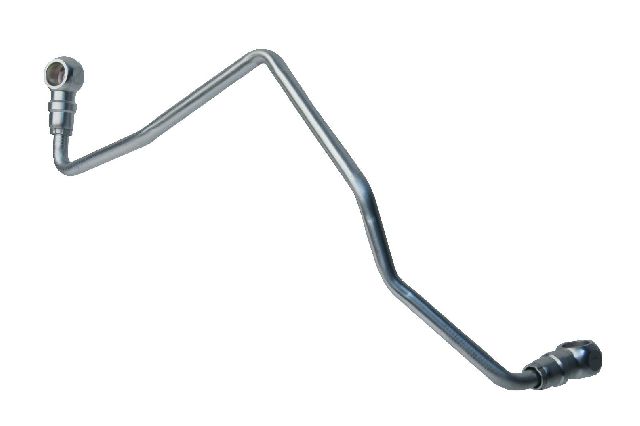
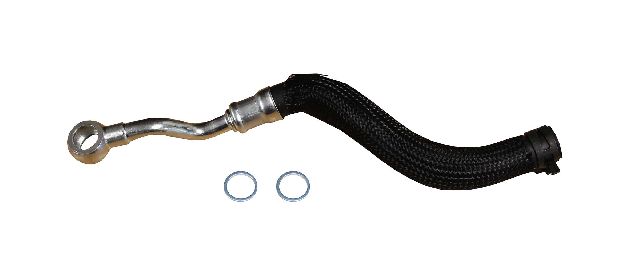
- Turbo Oil Feed Line Coking/Leaking 🔴 High — The oil line feeding the turbocharger can leak at its banjo bolt fittings or become internally clogged with burnt oil (coking), starving the turbo of lubrication and leading to catastrophic turbo failure.
Used vs. New Parts: Buying Guide for This Vehicle
When a used part is the smart pick: A complete, used OEM downpipe/catalytic converter assembly can be a smart buy if the original is cracked beyond simple repair. Given the extremely high cost of a new OEM catalytic converter ($3000+), a low-mileage used part from a reputable salvage yard for a few hundred dollars is a viable option.
Donor-vehicle mileage cap: roughly under 80000 miles for the part to have meaningful remaining life.
What to inspect on the donor part:
- Check for any visible cracks, especially around the flex pipe and welds.
- Ensure the O2 sensor bungs (threaded holes) are not stripped or damaged.
- Ask for the VIN of the donor car to verify it came from a compatible model year and engine (N14 vs N18).
- Avoid parts with heavy rust or corrosion, particularly from salt-belt regions.
OEM-only on this vehicle (don't cheap out):
- Catalytic Converter: Aftermarket catalytic converters for these MINIs are notorious for failing to meet emissions standards, often causing a P0420 code to appear shortly after installation, even if they temporarily resolve the P2096.
- High-Pressure Fuel Pump (HPFP): While some PSA (Peugeot/Citroen) branded pumps are identical to the MINI part and cheaper, avoid no-name aftermarket HPFPs as they have a very high failure rate.
Aftermarket brands forum-validated for this vehicle:
- NTK (for Oxygen Sensors - often the original OEM supplier)
- Bosch (for Oxygen Sensors - also an OEM supplier, but beware of counterfeits)
- MagnaFlow (for exhaust components like flex pipes or cat-back systems, but use caution with their catalytic converters on this specific car)
Brands owners have reported issues with on this vehicle:
- Unbranded or 'universal' oxygen sensors. Users consistently report these do not work with the MINI's sensitive DME and will continue to throw codes.
Real Owner Stories
Aggregated from forums and TSBs cited above. Mileages and costs reflect what owners reported in those sources.
2007-2010 Mini Cooper S (N14)
Symptoms: Post-catalyst fuel trim system too lean; code returned even after mechanical repairs were attempted.
What fixed it: Resetting the ECU/DME fuel adaptation values using a professional scan tool after replacing the sensor.
Source hint: Pelican Parts Forum: 'P2096 keeps coming back'
2007-2013 Mini Cooper (R56) — 140000 miles
Symptoms: Simultaneous P2096 and P0420 codes; loss of power and reduced fuel economy.
What fixed it: Repairing a hole in the catalytic converter and addressing minor exhaust leaks; the owner was advised that simply swapping O2 sensors rarely fixes this combination.
Source hint: Reddit r/MINI: 'R56 Codes p2096 p0420'
2007-2013 Mini Cooper S
Symptoms: Code P2096; previous attempt to fix with a pre-cat sensor replacement failed.
What fixed it: Replacing the rear (downstream) O2 sensor and resetting the ECU values.
Source hint: North American Motoring: 'Code 2096 Post Catalyst Fuel Trim System Too Lean, Bank 1'
Related OBD-II Codes
Frequently Asked Questions
I replaced my downstream O2 sensor but P2096 came back immediately. Did I get a bad part?
Is there a TSB for P2096 on my 2007-2013 Mini?
Where are the most common exhaust leak points that cause this code on the N14/N18 engine?
Can a bad valve cover cause a P2096 lean code?
What should the voltage reading be for a healthy downstream O2 sensor on this vehicle?
Helpful Videos
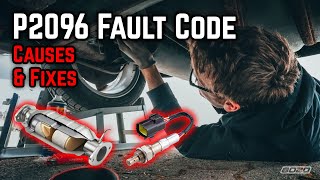
Used OEM Parts in Stock
New Aftermarket Parts Available

The information in this article is provided for general reference and educational purposes only. Vehicle specifications, procedures, and part compatibility can vary by production date, trim level, and region. Always consult your vehicle's factory service manual and verify part numbers before purchasing or performing repairs. Safety-critical components such as airbags, seat belts, and braking systems should be installed by a qualified professional.
- Mini Cooper:
- 🧭 Diagnostic Flowchart
- 🎬 Helpful Videos
- 🛍️ Shop This Part
- What's Unique About the 2007-2013 Mini Cooper
- Symptoms You May Notice
- Most Likely Causes
- Rare But Worth Checking
- Diagnosis Steps
- Parts You'll Likely Need
- Related Codes That Often Appear With This One
- Technical Service Bulletins (TSBs) & Recalls
- Platform-Specific Known Issues
- Mechanic-Grade Diagnostic Values
- Hidden / Shadow Codes Worth Checking
- Scan Tool Commands That Help
- Real Owner Repair Stories
- "I Checked Everything" — The Actual Cause
- OEM Part Supersession History
- Model Year Variations Within This Range
- Other Known Issues on This Vehicle
- Used vs. New Parts: Buying Guide for This Vehicle
- Real Owner Stories
- 2007-2010 Mini Cooper S (N14)
- 2007-2013 Mini Cooper (R56) — 140000 miles
- 2007-2013 Mini Cooper S
- Related OBD-II Codes
- Frequently Asked Questions
- 🎟️ Get 5% Off