

P2096 on 2011-2015 Ram 1500: Causes and Fixes for Lean Fuel Trim
For a 2011-2015 Ram 1500, code P2096 is most often caused by an exhaust leak before the downstream oxygen sensor, particularly from a cracked exhaust manifold or broken manifold bolts on Hemi engines (the "Hemi tick"). The second most likely cause is a failing Bank 1 downstream O2 sensor (Mopar Part #56029049AA). In some cases, a PCM software update is the required fix per TSB #18-103-16 REV. B. Expect to pay $150-$700 for an exhaust leak repair or $80-$200 for an O2 sensor replacement.
- P2096 on a 2011-2015 Ram 1500 means the driver's side downstream O2 sensor is detecting a lean condition.
- Before buying any parts, thoroughly inspect the driver's side exhaust manifold for broken bolts and listen for a ticking sound, as an exhaust leak is the most likely cause.
- If no leak is found, the next most probable cause is a faulty downstream O2 sensor on Bank 1.
- Check with a dealer for any available PCM software updates, as this is a known, no-parts-required fix in some cases.
- Do not immediately replace the catalytic converter; it is rarely the cause of this specific code unless a P0420 code is also present.
What's Unique About the 2011-2015 Ram 1500
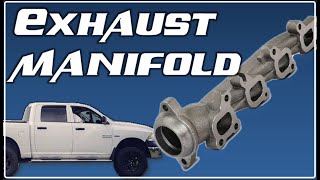
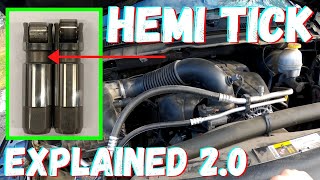
On the 2011-2015 Ram 1500, especially those equipped with the 5.7L Hemi engine, P2096 is frequently linked to exhaust manifold leaks caused by broken manifold bolts—a common issue known as the "Hemi tick". 🎬 Watch: A deep dive into what causes the Hemi tick. This happens because the steel bolts and aluminum cylinder heads expand and contract at different rates, causing the bolts to snap. Additionally, several Technical Service Bulletins (TSBs) indicate that this code can sometimes be triggered by a software glitch, requiring a PCM update from a dealership rather than a physical part replacement.
Diagnostic Flowchart
Tap your situation to follow the diagnostic path that matches what you're seeing on this vehicle.
Generation note: This range covers the fourth-generation Ram 1500 (DS/DJ). A significant refresh occurred in 2013, introducing the 3.6L Pentastar V6 and 8-speed transmission. While the code's meaning is the same, the most common cause (exhaust manifold leaks) is more prevalent on the 5.7L Hemi V8 available throughout this period. TSB #18-103-16 REV. B applies to 2013-2015 models with the 3.6L, 4.7L, or 5.7L engines.
Symptoms You May Notice
- Check Engine Light is on
- Reduced fuel economy
- Rough or unstable idle
- Poor acceleration or engine performance
- A ticking or hissing sound from the engine bay, especially when cold, that may quiet down as the engine warms up (indicative of an exhaust leak).
- Replacing the upstream (pre-catalyst) oxygen sensor instead of the downstream (post-catalyst) sensor.
- Replacing the oxygen sensor when the root cause is an exhaust leak tricking the sensor. Many forum users report fixing the exhaust leak makes the code disappear.
- Replacing catalytic converters when an exhaust leak or bad sensor is the actual problem.
Most Likely Causes
- Exhaust Leak (before downstream O2 sensor) 🔴 High Probability The 5.7L Hemi engine is widely known for exhaust manifold bolts breaking due to heat cycles where they thread into the aluminum cylinder heads. This creates a leak that allows un-metered oxygen into the exhaust, tricking the O2 sensor into reporting a false lean condition. Leaks can also occur at warped manifold surfaces, flange gaskets, or cracks in the exhaust pipes.
How to confirm: Visually inspect the exhaust manifold on the driver's side for broken bolt heads or soot trails indicating a leak. Listen for a distinct ticking sound when the engine is cold that may quiet down as it warms up. A shop can perform a smoke test, or you can pressurize the exhaust with a shop vac (on blow) and spray soapy water on joints to look for bubbles.
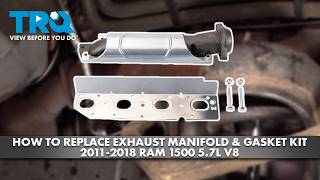
Typical fix: Replace the broken exhaust manifold bolts and the manifold gasket. If the manifold itself is warped or cracked, it will also need replacement. Many owners opt for heavier-duty aftermarket manifolds like those from Dorman (e.g., P/N 674-922 for the left side) which are reported to be thicker than OEM.
Est. part cost: $50-$400 - Failing Downstream Oxygen (O2) Sensor 🟡 Medium Probability → Shop Oxygen Sensor O2 sensors are wear items that can become slow, contaminated, or fail outright, sending inaccurate lean readings to the PCM. Some owners report that using non-OEM sensors can cause issues, recommending the use of Mopar parts.
How to confirm: Use a scan tool to monitor the voltage of the Bank 1, Sensor 2 (downstream) O2 sensor. It should show a relatively steady voltage. If it's stuck low (near 0.1V) or fluctuates wildly like the upstream sensor, it has likely failed. Swapping it with the Bank 2 sensor and seeing if the code changes to P2098 (the same code for Bank 2) is another effective diagnostic step.
Typical fix: Replace the Bank 1 downstream oxygen sensor. The OEM part number is often cited as Mopar #56029049AA.
Est. part cost: $50-$150 - Powertrain Control Module (PCM) Software Update Needed ⚪ Low Probability → Shop Engine Control Module (ECM) Multiple TSBs (#18-103-16 REV. B, #1810316, #18-077-14) list P2096 as a code that can be resolved with a PCM software reflash. This suggests the original software may be too sensitive or have logic errors that falsely trigger the code. TSB 18-103-16 REV. B specifically applies to 2013-2015 models and covers multiple engines (3.6L, 4.7L, 5.7L).
How to confirm: A Ram dealership or a qualified shop with access to OEM software tools (like wiTECH) can check if your vehicle's VIN has a pending software update against the relevant TSBs.
Typical fix: Update the PCM software at a dealership. This is a reprogramming of the existing module, not a hardware replacement.
Est. part cost: $0-$200
Rare But Worth Checking
- Clogged or Failing Catalytic Converter: → Shop Catalytic Converter While possible, a failing converter usually triggers a P0420 (Catalyst Efficiency) code first. A clogged converter may glow red after a long drive and can be checked by comparing inlet and outlet temperatures with an infrared thermometer.
- Vacuum Leak: An intake manifold or vacuum hose leak can cause a lean condition, but this typically sets an upstream lean code (like P0171) before or alongside P2096. A user on RamForum.com suggested checking for loose intake manifold bolts.
- Fuel Delivery Issue: A weak fuel pump or clogged injector can cause a lean condition, but this usually affects all cylinders or sets other fuel-related codes. Fuel pressure should be checked against spec if this is suspected.
- Damaged O2 Sensor Wiring: → Shop Oxygen Sensor The wiring harness to the O2 sensor can get damaged or corroded, leading to a bad signal. A visual inspection of the harness and connector is recommended.
Diagnosis Steps
- Check for TSBs: First, check with a dealer if your vehicle's VIN has an open recall or a TSB for a PCM update related to P2096, as this is a known fix for 2013-2015 models. [Bulletin #18-103-16 REV. B].
- Inspect for Exhaust Leaks: Thoroughly inspect the exhaust system on the driver's side, from the cylinder head to the downstream O2 sensor. Pay close attention to the exhaust manifold for broken bolts or cracks. Listen for ticking noises when cold. A leak must be repaired before proceeding.
- Analyze O2 Sensor Data: Use an OBD-II scanner with live data. Observe the voltage for the Bank 1 Sensor 2 (downstream). A healthy sensor should show a stable voltage (typically 0.5V-0.8V). If it's stuck low (below 0.4V), it indicates a lean condition (real or perceived).
- Test the O2 Sensor: If no exhaust leak is found, the sensor itself is the next suspect. You can swap the downstream sensors from Bank 1 and Bank 2. If the code follows the sensor and changes to P2098, the sensor is bad. Also inspect the wiring and connector for damage.
- Check for Vacuum Leaks: If other lean codes (like P0171) are present, perform a smoke test to check for leaks in the intake manifold and vacuum lines. Check that intake manifold bolts are snug.
- Test Fuel Pressure: If symptoms suggest a fuel delivery problem, test the fuel pressure to ensure the pump and regulator are working within specification (around 57-58 PSI is often cited for the 5.7L Hemi).
- Inspect Catalytic Converter: As a final step, check for a clogged catalytic converter. An infrared thermometer can be used to check the inlet and outlet temperatures; the outlet should be significantly hotter than the inlet on a working converter.
Parts You'll Likely Need
- Downstream Oxygen Sensor (Bank 1, Sensor 2)
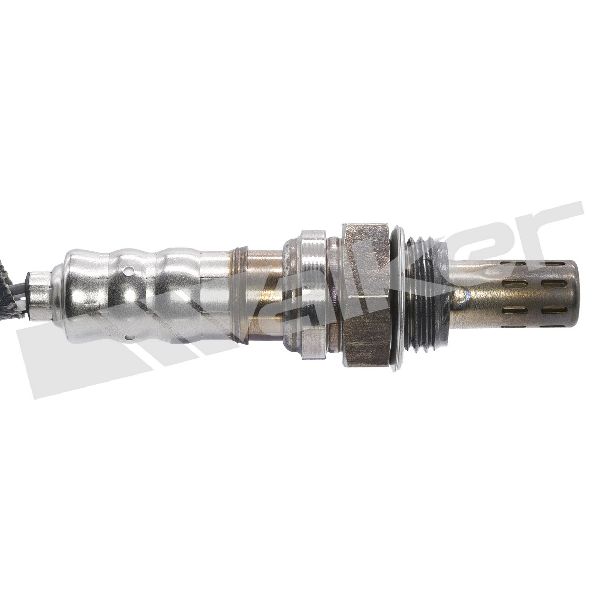
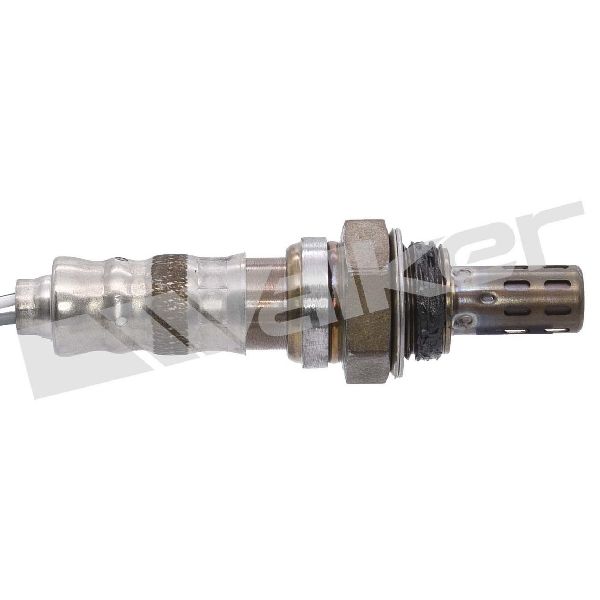
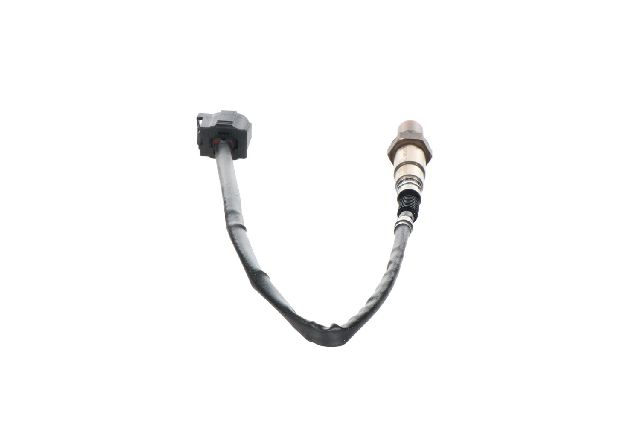
(OEM #56029049AA)— This sensor is the primary reporter for the P2096 code and can fail, sending inaccurate lean readings to the PCM. Many owners recommend using the OEM Mopar part to avoid compatibility issues.
Trusted brands: Mopar, NTK, Denso, Bosch
OEM price range: $120-$180
Aftermarket price range: $50-$100 - Exhaust Manifold Gasket and Bolt Kit — Required when repairing an exhaust manifold leak, which is the most common cause of P2096 on Hemi-equipped Ram 1500s. Aftermarket kits from Dorman are common, but be aware of potential issues with supplied hardware length.
Trusted brands: Fel-Pro (e.g., MS 97083), Dorman (e.g., 03442), Mopar
OEM price range: $80-$150
Aftermarket price range: $40-$80
Related Codes That Often Appear With This One
- P2098 — This is the same 'Post Catalyst Fuel Trim Too Lean' code but for Bank 2 (passenger side). Seeing both P2096 and P2098 together may point to a more systemic issue like a vacuum leak, fuel delivery problem, or a needed PCM update, as both codes are listed in TSBs.
- P0420 — This code indicates 'Catalyst System Efficiency Below Threshold (Bank 1)'. An issue causing a lean condition can eventually damage the catalytic converter, leading to this code appearing as well.
- P0300 — A 'Random/Multiple Cylinder Misfire' code can be caused by a significant lean condition. This code was also mentioned in TSB #18-103-16 REV. B alongside P2096.
- P0171 — This code for 'System Too Lean (Bank 1)' indicates the upstream O2 sensor is detecting a lean condition. If you see both, the problem is likely an engine vacuum leak or fuel delivery issue, rather than a post-catalyst exhaust leak.
Technical Service Bulletins (TSBs) & Recalls
- 18-103-16 REV. B: Mentions P2096 as one of several DTCs that may be resolved by a PCM software update for 2013-2015 Ram 1500s with 3.6L, 4.7L, and 5.7L engines. Also addresses other issues like false oil pressure lights and shift quality.
- 1810316: Also lists P2096 in a group of codes that may be addressed with a PCM reflash.
- 18-077-14: Similar to the other TSBs, groups P2096 with other codes that could indicate the need for a software update.
Platform-Specific Known Issues
- Hemi Exhaust Manifold Bolt Failure: The 5.7L Hemi engine is widely known for the steel exhaust manifold bolts snapping due to heat cycles when threaded into the aluminum cylinder heads. This creates an exhaust leak that is a primary trigger for the P2096 code. Multiple owner accounts on Reddit and Ram forums confirm this is the first place to look.
- PCM Software Sensitivity: As documented in TSBs 18-103-16 REV. B, 1810316, and 18-077-14, the PCM's calibration may be overly sensitive and can set this code erroneously. A software update is the specified fix in these cases, affecting 2013-2015 models with various engines.
- Aftermarket Part Issues: Some owners on forums report that non-Mopar oxygen sensors can fail to resolve the code or cause other issues, recommending sticking with the OEM part. Additionally, a known issue with some Dorman exhaust manifold kits is that the supplied exhaust flange bolts are the wrong length and can bottom out before creating a proper seal, requiring reuse of old hardware or adding washers.
Mechanic-Grade Diagnostic Values
- Fuel Pressure (Key On, Engine Off/Cranking) — expected: 58 +/- 2 PSI. Failure: Pressure significantly below 56 PSI indicates a weak fuel pump, clogged filter, or faulty regulator.
- Downstream O2 Sensor (Bank 1, Sensor 2) Voltage at Idle/Cruise — expected: Relatively stable voltage between 0.5V and 0.8V. Failure: Voltage stuck low (below 0.4V) indicates a lean reading (either real or false). Voltage fluctuating rapidly similar to the upstream sensor suggests a failing catalytic converter.
- Upstream O2 Sensor (Bank 1, Sensor 1) Voltage — expected: Rapidly fluctuating between approximately 0.1V (lean) and 0.9V (rich). Failure: A sensor that is slow to respond or is stuck at a specific voltage is faulty. This is used as a baseline to judge the downstream sensor's behavior.
Wiring & Ground Locations
- O2 Sensor Harness and Connector — The Bank 1 Sensor 2 connector is located on the driver's side of the transmission. The harness runs along the frame rail and up towards the engine.. The wiring for the downstream sensor is exposed under the vehicle and can be damaged by road debris, heat from the exhaust, or corrosion. A visual inspection for chafed, melted, or broken wires is a critical step if the sensor itself tests good.
- Engine Block to Chassis Ground — A primary ground strap typically connects from the engine block (often near the alternator or a cylinder head) to the frame or firewall.. A weak or corroded main engine ground can cause erratic voltage readings on all engine sensors, including the O2 sensors, leading to false codes. Ensuring this connection is clean and tight is a fundamental electrical diagnostic step.
- PCM Connectors — The Powertrain Control Module (PCM) is located in the engine bay, typically on the passenger side firewall.. Corrosion or pushed-out pins in the PCM connector where the O2 sensor signal wire terminates can cause a loss of signal or incorrect readings, mimicking a sensor failure. This is a last-resort check after verifying the sensor and wiring.
Real Owner Repair Stories
- Synthesized from multiple Ram forum threads (2013 Ram 1500 5.7L Hemi, ~95,000 miles) — Check Engine Light with code P2096. No major driveability issues, but a noticeable ticking sound from the driver's side of the engine, especially on cold starts.
❌ Tried (didn't work) Replaced the Bank 1, Sensor 2 (downstream) oxygen sensor. The code returned within 50 miles.
✅ What actually fixed it Upon closer inspection, two bolt heads on the driver's side exhaust manifold were snapped off. The manifold had a slight warp, causing an exhaust leak. The final fix was replacing the exhaust manifold, all new manifold bolts, and a new gasket. The P2096 code did not return after the repair.
When the Usual Fixes Don't Work
- While a failing oxygen sensor is a plausible cause for P2096, a significant volume of owner experiences with the 2011-2015 Ram 1500, particularly the 5.7L Hemi, indicates that replacing the O2 sensor is often an incorrect first step. The code frequently persists until the true root cause—an exhaust manifold leak from broken bolts—is addressed. Furthermore, for 2013-2015 models, the existence of multiple TSBs confirms that in some cases, no physical part is faulty; the problem lies within the PCM software logic, and the only fix is a dealer-performed reflash. This evidence strongly suggests that a thorough inspection for exhaust leaks and checking for available TSBs should precede O2 sensor replacement.
OEM Part Supersession History
56029049AA→05149171AA, 56029084AA, 56041698AA, 68144248AA— Standard part evolution for improved performance, reliability, or manufacturing efficiency.
Heads up: While these are listed as supersessions, it is always critical to verify the correct part number for your specific vehicle's VIN, engine, and emissions configuration, as different sensors (upstream/downstream, left/right) have unique part numbers.
Model Year Variations Within This Range
- 2013-2015: The 2013 model year refresh introduced new PCM software logic. TSBs #18-103-16 REV. B, #1810316, and #18-077-14, which address P2096 with a software update, are specifically for these later models, suggesting the code may be triggered by software sensitivity not present in 2011-2012 trucks.
- 2011-2015: While the base engines were consistent, factory exhaust configurations could vary, with some later models offering dual-exit exhausts. This changes the physical layout of the pipes after the catalytic converters but does not change the function of the O2 sensors or the meaning of the P2096 code.
Helpful Videos
We Have This Part in Stock

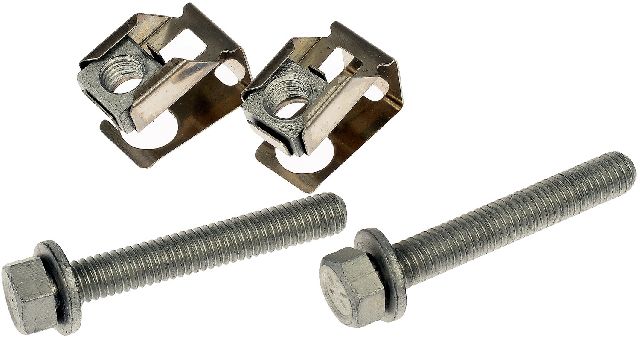
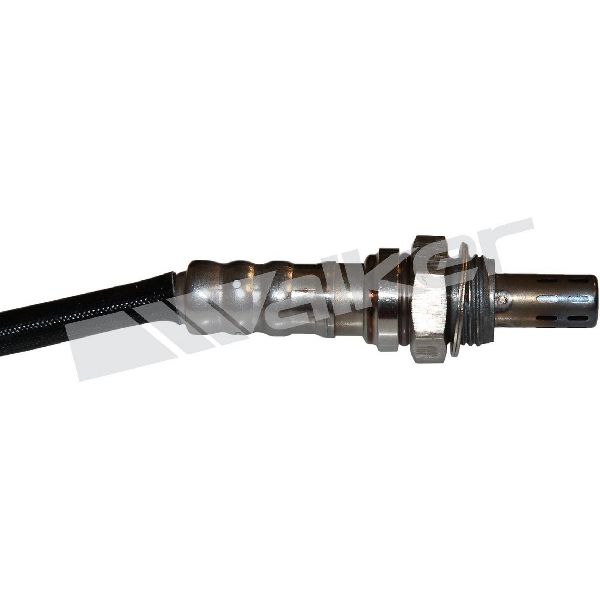

The information in this article is provided for general reference and educational purposes only. Vehicle specifications, procedures, and part compatibility can vary by production date, trim level, and region. Always consult your vehicle's factory service manual and verify part numbers before purchasing or performing repairs. Safety-critical components such as airbags, seat belts, and braking systems should be installed by a qualified professional.
- Ram 1500:
- 🧭 Diagnostic Flowchart
- 🎬 Helpful Videos
- 🛍️ Shop This Part
- What's Unique About the 2011-2015 Ram 1500
- Symptoms You May Notice
- Most Likely Causes
- Rare But Worth Checking
- Diagnosis Steps
- Parts You'll Likely Need
- Related Codes That Often Appear With This One
- Technical Service Bulletins (TSBs) & Recalls
- Platform-Specific Known Issues
- Mechanic-Grade Diagnostic Values
- Wiring & Ground Locations
- Real Owner Repair Stories
- When the Usual Fixes Don't Work
- OEM Part Supersession History
- Model Year Variations Within This Range
- 🎟️ Get 5% Off