

P2096 on 2011-2018 Ram 3500 5.7L/6.4L HEMI: Exhaust Leaks, O2 Sensors, and Fixes
On a 2011-2018 Ram 3500 with a HEMI engine, code P2096 is most often caused by an exhaust leak from broken exhaust manifold bolts, a very common issue known as the 'Hemi tick'. Before replacing parts, thoroughly inspect for exhaust leaks (especially a cold-start tick) and check with a dealer if your truck's VIN needs a PCM software update per factory TSBs.
- For a P2096 code on a HEMI Ram 3500, suspect an exhaust leak from broken manifold bolts before you suspect a bad O2 sensor.
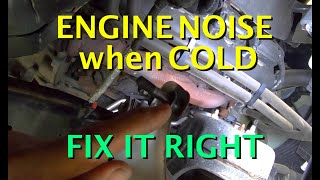
- Listen for a 'ticking' noise from the engine on a cold start; this is a classic symptom of the common exhaust manifold leak.
- Before paying for any repairs, contact a dealer with your VIN to check if your truck is eligible for a free or low-cost PCM software update under a Technical Service Bulletin (TSB).
- The faulty reading comes from the downstream (post-catalyst) O2 sensor on the passenger side (Bank 1).
- Do not replace the catalytic converter unless all other possibilities, especially leaks and software issues, have been definitively ruled out.
What's Unique About the 2011-2018 Ram 3500
Unlike many vehicles where a lean code points directly to a sensor or fuel issue, the HEMI engines in this generation of Ram trucks have a notorious weak point: the exhaust manifold bolts. These steel bolts are prone to breaking where they thread into the aluminum cylinder heads due to heat cycles, causing an exhaust leak. This leak allows fresh air into the exhaust, which is then read by the downstream O2 sensor, creating a false lean condition and triggering the P2096 code. Additionally, Ram has issued Technical Service Bulletins (TSBs) for both the 5.7L and 6.4L engines, indicating that the code can sometimes be triggered by overly sensitive software that requires a dealer-performed update to fix. For instance, manufacturer service bulletins such as TSB Bulletin #18-096-16 and TSB Bulletin #18-042-15 specifically identify P2096 as a code that can be addressed through Powertrain Control Module (PCM) calibration updates on certain chassis configurations.
Symptoms You May Notice
- Check Engine Light is on
- Audible ticking noise from the engine bay, especially when cold (the 'Hemi tick'), that often disappears as the engine warms up and the manifold expands.
- Slightly reduced fuel economy
- Poor or rough acceleration
- Rough idle
- Smell of exhaust fumes in the cabin, particularly on startup.
- Replacing the oxygen sensor before thoroughly inspecting for exhaust leaks. Given the high failure rate of HEMI manifold bolts, an exhaust leak should be the primary suspect.
- Replacing the upstream (pre-catalyst) oxygen sensor instead of the downstream (post-catalyst) sensor, which is the one that reports this specific code.
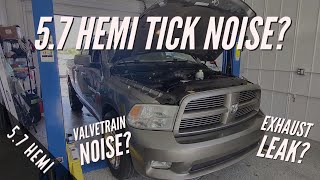
- Mistaking the 'Hemi tick' from an exhaust leak for a lifter tick, which is another known but separate issue on these engines. 🎬 Watch: Hear the difference between exhaust and lifter ticks. An exhaust tick is usually loudest on a cold start and fades as the engine warms up.
Most Likely Causes
- Exhaust Leak from Broken Manifold Bolts 🔴 High Probability The exhaust manifold bolts on 5.7L and 6.4L HEMI engines are well-known for rusting and snapping, particularly the rear-most bolts, due to thermal stress between the steel bolts and aluminum heads. This is the most common cause of P2096 on this platform.
How to confirm: Listen for a distinct 'ticking' sound from the passenger side of the engine, most noticeable on a cold start, that may quiet down as the engine warms up. Visually inspect the exhaust manifold bolts (especially near the firewall) to see if any heads are broken off or if there are black soot tracks around the gasket. A smoke test of the exhaust system is a definitive way to pinpoint the leak.
Typical fix: Replace the broken bolts and the exhaust manifold gasket. It is best practice to replace all bolts on that side with a quality kit, some of which use higher-grade steel. If bolts are broken flush with the head, extraction often requires drilling or welding a nut to the broken stud. 🎬 See this walkthrough for extracting broken manifold bolts. If the manifold is warped from the heat (which is common), it must be resurfaced by a machine shop or replaced entirely.
Est. part cost: $40-$850 - Outdated Powertrain Control Module (PCM) Software 🟡 Medium Probability → Shop Engine Control Module (ECM) Ram issued TSBs (#18-096-16 for 6.4L and #18-066-16 for 5.7L) because the original PCM software was too sensitive and could falsely trigger the P2096 code, sometimes along with P2098 (Bank 2). TSB Bulletin #18-042-15 also notes that P2096 (Downstream Fuel Trim System 1 Lean) can be triggered on specific DD/DP vehicle models, requiring a software flash to correct.
How to confirm: Contact a Ram dealership or a qualified shop with your Vehicle Identification Number (VIN). They can check their system (like wiTECH) to see if the TSB applies to your truck and if the software update has already been performed. This should be a primary check before replacing parts.
Typical fix: A dealership or qualified shop must reflash the PCM with the updated software. This is not a DIY repair and typically costs between $100 and $200 for the labor.
Est. part cost: $0-$200 - Faulty Downstream Oxygen Sensor (Bank 1, Sensor 2) 🟡 Medium Probability → Shop Oxygen Sensor O2 sensors are wear-and-tear items that degrade over time from heat and contaminants. While less common than an exhaust leak on this truck, a failed sensor can send incorrect lean readings to the PCM. Some trucks are sensitive to aftermarket brands, so OEM/OFE sensors are recommended.
How to confirm: Use a scan tool to monitor the live data for the Bank 1, Sensor 2 voltage. A healthy downstream sensor should show a relatively steady voltage (around 0.5V-0.8V) at a steady RPM. If it is stuck low (e.g., under 0.3V) or fluctuating rapidly like an upstream sensor, it is likely faulty. Before replacing, inspect the wiring and connector for damage, as corrosion or shorts are also possible.
Typical fix: Replace the Bank 1, Sensor 2 oxygen sensor. It is located on the passenger side of the exhaust, after the catalytic converter. 🎬 Watch: How to replace the downstream oxygen sensor.
Est. part cost: $50-$180
Rare But Worth Checking
- Vacuum Leak: A significant vacuum leak (e.g., from an intake manifold gasket or a cracked hose) can cause the entire engine to run lean. This would typically also set an upstream lean code P0171 before or along with P2096.
- Fuel Delivery Issue: A clogged fuel injector on Bank 1 or a weak fuel pump could cause a lean condition, but this would usually trigger other codes (like P0171 or injector circuit codes) before P2096 appears alone.
- Failing Catalytic Converter: → Shop Catalytic Converter A physically damaged or inefficient catalytic converter can trigger this code, but it is uncommon and should only be considered after all other possibilities, especially exhaust leaks, software updates, and sensor issues, have been ruled out.
Diagnosis Steps
- Check for Technical Service Bulletins (TSBs). Contact a dealer with your VIN to see if TSB #18-096-16 (6.4L) or #18-066-16 (5.7L) applies and is open for your vehicle. This is a critical first step.
- Inspect for Exhaust Leaks. Start the engine when cold and listen for an audible 'ticking' noise from the passenger-side exhaust manifold. Visually inspect the manifold bolts for any that are broken or missing, and look for black soot trails indicating a leak.
- Perform an Exhaust Smoke Test. If a leak is suspected but not obvious, inject smoke into the exhaust system (when cool) and look for smoke escaping from the manifold, gaskets, or pipe connections.
- Analyze O2 Sensor Live Data. Using a scan tool, observe the voltage for 'O2S B1S2' (Bank 1, Sensor 2). It should be relatively stable between 0.5V and 0.8V. If it's stuck low (below 0.3V) or fluctuating wildly, the sensor is a likely suspect after ruling out leaks.
- Inspect O2 Sensor Wiring. Check the wiring harness and connector for the Bank 1 Sensor 2 for any signs of melting, chafing, or corrosion.
- Check for Vacuum Leaks. If other lean codes like P0171 are present, inspect all vacuum hoses and the intake manifold gasket for leaks. A smoke test of the intake system is the most effective method.
- Test Fuel Pressure. If a fuel delivery issue is suspected, connect a fuel pressure gauge to the fuel rail and verify the pressure is within the manufacturer's specification.
Parts You'll Likely Need
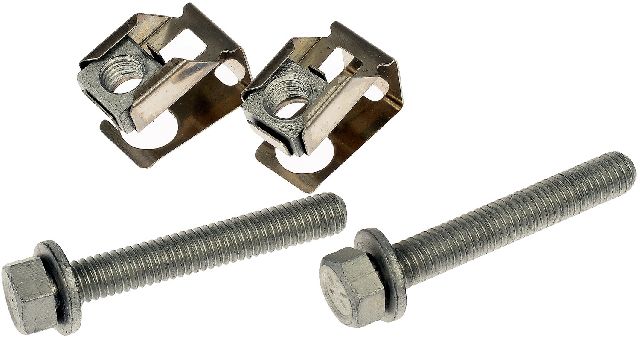
- Exhaust Manifold Gasket and Bolt Kit
(OEM #5045496AA)— This is required when repairing the most common cause of P2096 on this truck: an exhaust leak from broken manifold bolts. It is critical to use new bolts.
Trusted brands: Mopar, Fel-Pro, Dorman (e.g., Kit #03442)
OEM price range: $50-$100
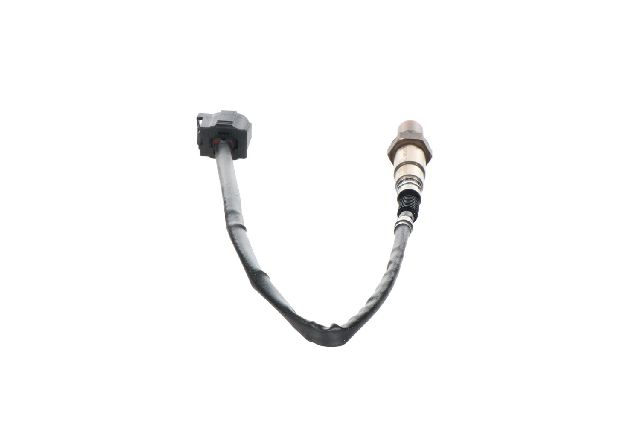
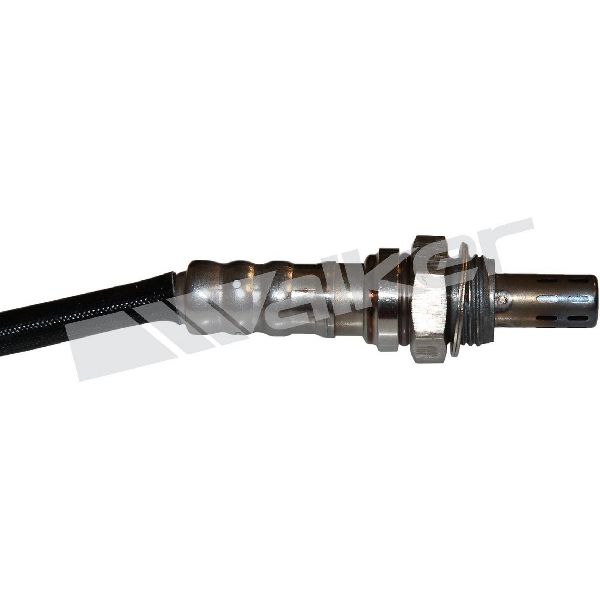
Aftermarket price range: $20-$70 - Downstream Oxygen Sensor (Bank 1, Sensor 2)
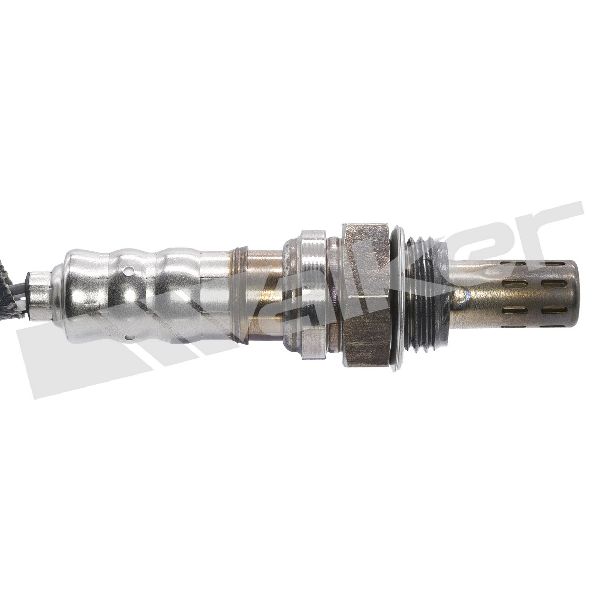
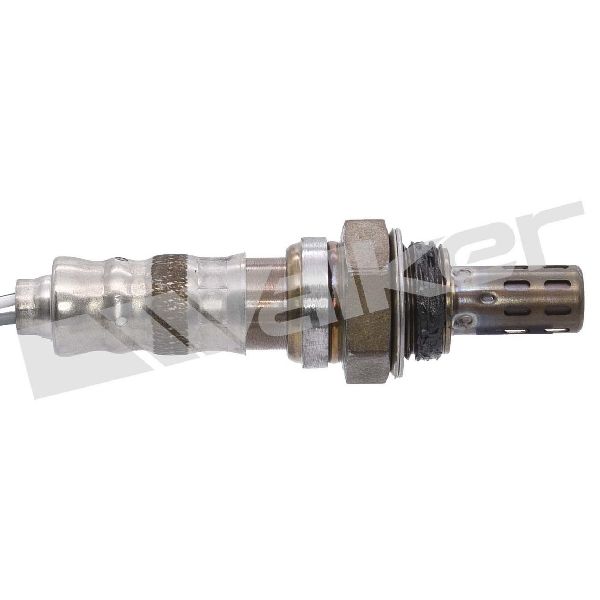
(OEM #56029049AA)— If an exhaust leak and software issue are ruled out, the sensor itself is the next most likely component to have failed. This is the sensor that reports the fault.
Trusted brands: Mopar, NTK, Denso, Bosch
OEM price range: $90-$180
Aftermarket price range: $40-$100 - Exhaust Manifold
(OEM #68049512AC (6.4L Right Side Example))— If the manifold is found to be cracked or severely warped from heat, it must be replaced. Resurfacing at a machine shop is an option if it's only warped.
Trusted brands: Mopar, Dorman
OEM price range: $250-$500
Aftermarket price range: $150-$350
Related Codes That Often Appear With This One
- P2098 — This is the same 'Post Catalyst Fuel Trim System Too Lean' code but for Bank 2 (driver's side). If both codes appear together, it strongly suggests a common cause like a PCM software issue (TSB 18-096-16 lists both codes), a large vacuum leak, or exhaust leaks on both manifolds.
- P0171 — This code means 'System Too Lean (Bank 1)' as detected by the *upstream* sensor. If you have both P0171 and P2096, it points to a genuine engine lean condition (like a vacuum leak or fuel delivery problem) affecting the cylinders, rather than just a post-catalyst exhaust leak fooling the downstream sensor.
- P0300 — A random misfire code. A lean condition caused by a vacuum leak or fuel issue can lead to misfires. TSB #18-096-16 also links P2096 with cold idle misfire codes, suggesting a software update can address both.
Technical Service Bulletins (TSBs) & Recalls
- 18-096-16: For 6.4L engines (specifically 2014 models), addresses falsely set P2096/P2098 codes and cold idle misfires (P0300) via a PCM software update. This bulletin specifically notes the P2096 code applies to DD/DP vehicle configurations.
- 18-066-16: For 5.7L engines, addresses powertrain diagnostic and system enhancements, including false lean codes, via a PCM software update.
- 18-042-15: An earlier, superseded TSB for the 6.4L engine, also addressing P2096 with a PCM flash. It identifies the issue as "Downstream Fuel Trim System 1 Lean" for DD/DP vehicles.
Platform-Specific Known Issues
- DIY Bolt Extraction Difficulty: Owner forums are filled with stories of the difficulty in removing the broken manifold bolts. They often break flush with the cylinder head, requiring specialized tools like a 90-degree drill, left-handed drill bits, or welding a nut onto the remaining stud to extract it. Access is tight, and the driver's side is noted as being more complicated due to the steering shaft and oil dipstick tube.
- Persistent Codes After Incomplete Repairs: A user on a Ram forum with a 2014 5.7L reported a persistent P2098 code (Bank 2 equivalent) even after having the passenger side manifold studs repaired and the PCM updated by a dealer. This highlights that if the leak isn't perfectly sealed or if the manifold is warped and not resurfaced, the code can return, leading to significant frustration.
Mechanic-Grade Diagnostic Values
- Downstream O2 Sensor (B1S2) Voltage — expected: Relatively stable voltage between 0.5V and 0.8V at steady RPM when the catalytic converter is hot.. Failure: Voltage is stuck low (e.g., below 0.4V) or fluctuates rapidly like an upstream sensor.
- Fuel Pressure (5.7L Hemi) — expected: Approximately 59 psi +/- 5 psi (407 kPa +/- 34 kPa) with key on, engine running.. Failure: Pressure is significantly below the specified range, indicating a potential fuel pump or filter issue. A forum user measured a healthy 57 psi while diagnosing this code.
- Long-Term Fuel Trim (LTFT) - Bank 1 — expected: Between -5% and +5% at idle and under load.. Failure: Sustained high positive values (e.g., > +10%). While P2096 is a post-catalyst code, high upstream fuel trims can indicate a vacuum leak that may be the root cause.
- MAP Sensor Voltage (KOEO - Key On, Engine Off) — expected: Approximately 4.6V - 4.9V, corresponding to atmospheric pressure.. Failure: Voltage significantly different from the expected range can indicate a faulty sensor or wiring issue.
Scan Tool Commands That Help
- wiTECH or equivalent professional scanner: PCM Reflash/Update — This is a primary diagnostic step. Use when TSB #18-096-16 (6.4L) or #18-066-16 (5.7L) is applicable to the vehicle's VIN and has not been performed. It corrects overly sensitive monitoring parameters that can falsely trigger P2096.
- Professional scanner (Snap-on, Autel, etc.): PCM VERIFICATION TEST — After a repair (like fixing an exhaust leak) has been completed, this service function runs the vehicle through a series of checks to confirm the fault condition is no longer present and to allow the PCM to clear the code.
- Professional scanner with bidirectional controls: Injector Click Test — If a fuel delivery issue is suspected alongside P2096 (especially if P0171 is also present), this test can help verify that each injector on Bank 1 is mechanically and electrically functioning without having to remove them.
Wiring & Ground Locations
- Bank 1 Sensor 2 O2 Sensor Connector — On the passenger side of the vehicle, follow the exhaust pipe past the catalytic converter. The sensor is threaded into the pipe, and its wiring harness leads to a connector typically attached to a bracket on the transmission or the frame rail.. This is the connector for the sensor that triggers the P2096 code. It is exposed to road debris, heat, and moisture, making it a common point for corrosion, melted wires, or physical damage that can cause a false low voltage signal.
- PCM Connector Pins for B1S2 — At the Powertrain Control Module (PCM) located in the engine bay.. If the O2 sensor and its local connector/wiring test good, a technician would then test for continuity and correct voltage at the PCM pins for the B1S2 circuit (heater power, heater ground, sensor signal, sensor ground) to rule out a break in the harness further upstream.
Real Owner Repair Stories
- Synthesized from multiple Ram forum threads (2013 Ram 1500 5.7L Hemi, ~95,000 miles) — Check Engine Light with P2096, noticeable ticking sound from passenger side on cold starts.
❌ Tried (didn't work) Replaced the Bank 1, Sensor 2 (downstream) oxygen sensor.
✅ What actually fixed it The code returned until a closer inspection found two broken exhaust manifold bolt heads on the passenger side. Replacing the broken bolts and the warped exhaust manifold permanently resolved the code. - Reddit user in r/MechanicAdvice (2007 Dodge Ram 5.7L) — P2096 code appeared immediately after replacing catalytic converters and the Bank 1 rear O2 sensor.
❌ Tried (didn't work) Replacing catalytic converters., Replacing the rear O2 sensor.
✅ What actually fixed it The user reported feeling exhaust coming from the O2 sensor threads on a cold start, indicating the new sensor was not sealing correctly in the new catalytic converter's bung, creating a small, localized exhaust leak right at the sensor.
"I Checked Everything" — The Actual Cause
- In cases where a comprehensive exhaust smoke test reveals no leaks, the cause is almost always one of two things: a faulty Bank 1 Sensor 2 oxygen sensor sending incorrect low-voltage signals, or the need for a PCM software update per TSBs #18-096-16 or #18-066-16. A smoke test will not identify a bad sensor or a software calibration issue. A very small leak at the O2 sensor's own threads/gasket can also be missed by a smoke test but can be enough to trigger the code.
When the Usual Fixes Don't Work
- While the most common fix is repairing the 'Hemi tick' exhaust leak, owners should not ignore the possibility of the code appearing immediately after other exhaust work. One owner replaced their catalytic converters and O2 sensor, only to have the code appear. The final cause was determined to be a poor seal on the new O2 sensor's threads, creating a leak right at the measurement source. This highlights the importance of verifying all new connections and not just assuming the old common problem is the cause.
OEM Part Supersession History
53032966AF→5045496AA— Updated part for the Bank 1 (passenger side) exhaust manifold gasket.56029049AA→5149171AB (also used)— Both part numbers are listed for the downstream oxygen sensor. 56029049AA is widely cited for many Chrysler/Dodge/Jeep applications. The presence of multiple valid part numbers may reflect different suppliers or minor revisions over the production run.
Heads up: Always verify fitment by VIN, as sensor cable length and connector type can vary.
Model Year Variations Within This Range
- 2011-2018: The Technical Service Bulletins (TSBs) for the PCM reflash are engine-specific. TSB #18-096-16 is for the 6.4L HEMI, while TSB #18-066-16 REV. A is for the 5.7L HEMI. The underlying cause (sensitive software) is the same, but the fix is a different software package.
Diagnostic Flowchart
Used vs. New Parts: Buying Guide for This Vehicle
When a used part is the smart pick: A used exhaust manifold from a junkyard can be a cost-effective option, especially if sourced from a low-mileage vehicle from a dry, non-salt-belt region to minimize rust and corrosion.
Donor-vehicle mileage cap: roughly under 80000 miles for the part to have meaningful remaining life.
What to inspect on the donor part:
- Check the manifold mating surface with a straight edge to ensure it is not warped.
- Inspect carefully for any hairline cracks, especially near the collector flange.
- Ensure no previous bolts are broken off inside the mounting holes.
- Look for excessive rust or pitting that could compromise sealing.
OEM-only on this vehicle (don't cheap out):
- While not strictly required, using an OEM (Mopar) or OEM-equivalent (NTK, Denso) oxygen sensor is highly recommended. Forum users report that some universal or budget aftermarket sensors can cause compatibility issues or fail prematurely on this platform.
Aftermarket brands forum-validated for this vehicle:
- Exhaust Manifolds: BD Diesel Performance manifolds are frequently cited as a durable, upgraded replacement designed to resist the warping and bolt-breakage issues of the factory part.
- Oxygen Sensors: NTK and Denso are trusted OEM suppliers and are considered reliable choices.
- Gaskets: Fel-Pro is a well-regarded aftermarket brand for exhaust gaskets.
Brands owners have reported issues with on this vehicle:
- No specific brands are consistently reported as problematic, but caution is advised with unbranded, generic 'white-box' oxygen sensors and exhaust manifolds from online marketplaces, as quality can be inconsistent.
Real Owner Stories
Aggregated from forums and TSBs cited above. Mileages and costs reflect what owners reported in those sources.
2014 Ram 5.7L
Symptoms: A persistent P2098 code (Bank 2 equivalent) returned even after a dealer repaired the passenger side manifold studs and updated the PCM.
What fixed it: The code returned, highlighting that the repair was incomplete. The underlying issue was likely that the exhaust leak was not perfectly sealed or the manifold was warped and not resurfaced or replaced.
Source hint: Persistent Codes After Incomplete Repairs
2014 Ram 5.7L
Symptoms: The check engine light came on with code P2096.
What fixed it: The owner was advised by the online community that the most probable cause was an exhaust leak from broken manifold bolts, and that this should be investigated before suspecting a bad oxygen sensor.
Source hint: RamForum.com - 'Code P2096 Post Catalyst Fuel Trim System Too Lean Bank 1'
4th Gen Ram HEMI V8
Symptoms: Broken exhaust manifold bolts requiring repair.
What fixed it: Repairing the broken manifold bolts on one side of the engine.
Cost: $350-$500
Source hint: DodgeForum.com - 'Cost to repair broken manifold bolts'
Ram HEMI V8
Symptoms: Broken exhaust manifold bolts.
What fixed it: Dealer repair of the broken exhaust manifold bolts.
Cost: $1300-$2000
Source hint: Reddit r/ram_trucks - 'Quoted 1,600 to repair my exhaust manifold bolts...'
Related OBD-II Codes
Frequently Asked Questions
What is the 'Hemi tick' and is it related to the P2096 code on my Ram 3500?
I have a P2096 code on my 2014 6.4L HEMI. Is there a software update or recall for this?
My 5.7L HEMI has a P2096 code. Does the software TSB apply to my engine too?
Why do the exhaust manifold bolts break so often on these HEMI engines?
How can I confirm an exhaust leak is causing my P2096 code without special tools?
If I replace the broken manifold bolts myself, what else should I be aware of?
Helpful Videos
We Have This Part in Stock


The information in this article is provided for general reference and educational purposes only. Vehicle specifications, procedures, and part compatibility can vary by production date, trim level, and region. Always consult your vehicle's factory service manual and verify part numbers before purchasing or performing repairs. Safety-critical components such as airbags, seat belts, and braking systems should be installed by a qualified professional.
- Ram 3500:
- 🧭 Diagnostic Flowchart
- 🎬 Helpful Videos
- 🛍️ Shop This Part
- What's Unique About the 2011-2018 Ram 3500
- Symptoms You May Notice
- Most Likely Causes
- Rare But Worth Checking
- Diagnosis Steps
- Parts You'll Likely Need
- Related Codes That Often Appear With This One
- Technical Service Bulletins (TSBs) & Recalls
- Platform-Specific Known Issues
- Mechanic-Grade Diagnostic Values
- Scan Tool Commands That Help
- Wiring & Ground Locations
- Real Owner Repair Stories
- "I Checked Everything" — The Actual Cause
- When the Usual Fixes Don't Work
- OEM Part Supersession History
- Model Year Variations Within This Range
- Used vs. New Parts: Buying Guide for This Vehicle
- Real Owner Stories
- 2014 Ram 5.7L
- 2014 Ram 5.7L
- 4th Gen Ram HEMI V8
- Ram HEMI V8
- Related OBD-II Codes
- Frequently Asked Questions
- 🎟️ Get 5% Off