

P2096 on 2008-2013 Subaru Forester: Causes and Fixes for Post-Catalyst Lean Condition
On a 2008-2013 Subaru Forester, code P2096 is most often caused by an exhaust leak (check the donut gasket) or a failing front air/fuel ratio sensor. Do not replace the rear O2 sensor first, as it is usually just reporting the problem. A smoke test to find leaks is the best first step. Using OEM/Denso branded sensors is critical to avoid repeat failures.
- Do not immediately replace the rear oxygen sensor; it's likely not the root cause.
- Your first and most important diagnostic step is to check for exhaust leaks between the engine and the rear O2 sensor. A smoke test is the best method.
- If no exhaust leaks are found, the front Air/Fuel (A/F) ratio sensor is the next most likely part to have failed.
- Always use high-quality replacement sensors from brands like Denso or NGK to avoid repeat failures.
What's Unique About the 2008-2013 Subaru Forester
While P2096 is a generic code, its causes on Subaru platforms like the Forester are very predictable. Unlike in many other vehicles where fuel system issues are a primary suspect, the problem on the EJ25 engine almost always lies with the exhaust system or the front Air/Fuel (A/F) sensor. Owners and technicians frequently find that small, hard-to-see exhaust leaks or a degraded front A/F sensor are the true culprits, making the rear O2 sensor that triggers the code an unreliable part to replace first. A Subaru mechanic on a Reddit forum specifically noted that using generic, non-OEM sensors can cause this code to persist due to the sensor's operating range, emphasizing the need for correct parts.
Symptoms You May Notice
- Check Engine Light illuminated
- Flashing cruise control light (a common Subaru behavior with any CEL)
- Reduced fuel economy
- Rough or unstable idle
- Hesitation, poor acceleration, or stalling at low RPM
- Louder than normal exhaust sound, indicating a possible leak
- Replacing the rear (downstream) oxygen sensor. This sensor is what triggers the code, but it is most often accurately reporting a problem that exists upstream (like an exhaust leak or a bad front A/F sensor). Replacing the rear sensor first rarely fixes the issue on these vehicles.
- Using non-OEM/Denso sensors. Many owner stories report that the P2096 code persisted or returned quickly after replacing a sensor with a generic aftermarket part. Subarus are known to be sensitive to sensor compatibility.
Most Likely Causes
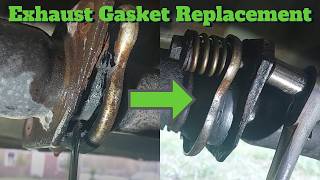
- Exhaust System Leak 🔴 High Probability Gaskets, particularly the donut-style flange gaskets between the catalytic converter and mid-pipe, and exhaust pipe welds are common points of failure due to heat cycles and corrosion. These leaks allow unmetered air to be drawn into the exhaust, fooling the rear O2 sensor.
How to confirm: Visually inspect the exhaust from the engine to the rear O2 sensor for black soot trails, which indicate a leak. The most effective method is a smoke test, which forces smoke through the exhaust to reveal small cracks or gasket leaks. You can also try plugging the tailpipe with a rag for a moment while the engine is running and listen for a hissing or puffing sound upstream.
Typical fix: Replace the failed gasket or repair/replace the cracked section of the exhaust pipe.
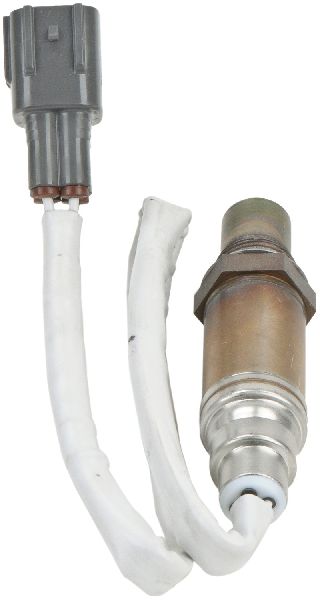
Est. part cost: $20-$50 - Faulty Front Air/Fuel (A/F) Ratio Sensor 🔴 High Probability → Shop Oxygen Sensor The front A/F sensor (Bank 1, Sensor 1) is the primary sensor for fuel control. As it ages, it can become slow or biased, sending incorrect data to the ECM (e.g., reading rich, causing the ECM to lean out the mixture). The rear sensor then correctly reports this lean condition, triggering P2096. Subarus are notoriously sensitive to aftermarket sensors; using a non-OEM or non-Denso sensor is a common reason for the code to return after a repair.
How to confirm: Use a scan tool to monitor live data. A healthy front A/F sensor should fluctuate rapidly. If its readings are slow, lazy, or biased, it is likely faulty. Unplugging the sensor may cause the engine to run better on default maps, pointing to a bad sensor.
Typical fix: Replace the front Air/Fuel Ratio Sensor. Using an OEM or Denso-branded sensor is highly recommended to ensure compatibility. 🎬 See how to replace Subaru Forester oxygen sensors
Est. part cost: $120-$200 - Intake System Vacuum Leak ⚪ Low Probability Intake manifold gaskets and vacuum hoses can become brittle and crack with age, allowing unmetered air to enter the engine, creating a true lean condition.
How to confirm: Listen for a hissing sound around the engine bay at idle. You can also carefully spray short bursts of brake cleaner or propane around suspected areas; a change in engine idle indicates you've found the leak.
Typical fix: Replace the leaking hose or gasket.
Est. part cost: $10-$60
Rare But Worth Checking
- Failing Catalytic Converter: → Shop Catalytic Converter While a failing converter more commonly causes a P0420 code, an internal blockage or inefficiency can sometimes contribute to erratic oxygen sensor readings and trigger a P2096. This should only be considered after all other causes are ruled out, as it is an expensive and uncommon fix for this code.
- Low Fuel Pressure / Clogged Injectors: A weak fuel pump or clogged injectors can create a true lean condition. This is less common than exhaust or sensor issues but possible. Check fuel pressure with a gauge to confirm it is within specification.
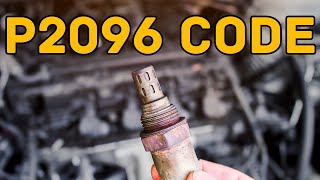
- Faulty Rear Oxygen Sensor: → Shop Oxygen Sensor While this sensor is what triggers the code, it is more often correctly reporting a problem than being the problem itself. However, in some cases, the sensor itself can fail and send false lean readings. This is often considered after exhaust leaks and the front A/F sensor have been ruled out.
Diagnosis Steps
- Read all fault codes. If other codes like P0171 are present, they can help pinpoint the root cause. 🎬 Watch: P2096 code and lean engine conditions explained
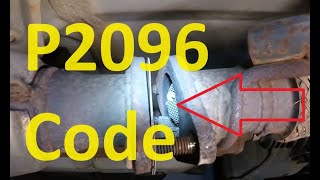
- Thoroughly inspect the exhaust system for leaks. Look for soot marks around gaskets and welds. The most reliable method is to perform a smoke test. Pay special attention to the donut gasket between the catalytic converter and the mid-pipe.
- If no leaks are found, inspect the intake system for vacuum leaks. Listen for hissing noises and check the integrity of all vacuum hoses.
- Use a scan tool to observe live data from both the front A/F sensor and the rear O2 sensor. The front sensor's voltage should fluctuate rapidly. The rear sensor's voltage should be relatively steady. A lazy front sensor or a rear sensor stuck low (below 0.2V) indicates a problem.
- If the front A/F sensor is suspected, replace it with an OEM or Denso part. It is a more likely cause than the rear sensor.
- If the code persists after addressing leaks and the front sensor, test the rear O2 sensor. It may have failed, but this is less common.
- As a final step, check for fuel delivery problems by testing fuel pressure.
Parts You'll Likely Need
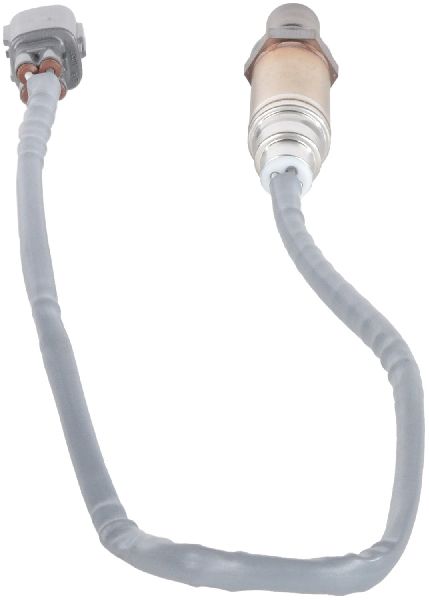
- Front Air/Fuel Ratio Sensor (Upstream)
(OEM #22641AA360)— This is the primary fuel control sensor and a very common failure point that directly causes a lean condition, leading to the P2096 code. Using the correct OEM-equivalent part is critical.
Trusted brands: Denso (OEM Supplier, Part #234-9123), NGK
OEM price range: $170-$250
Aftermarket price range: $120-$180 - Exhaust Flange Gasket (Donut Gasket)
(OEM #44022AA123)— These gaskets are a frequent source of exhaust leaks that allow unmetered air into the exhaust, causing a false lean reading by the rear O2 sensor.
Trusted brands: Subaru (OEM), Walker Exhaust, Bosal, Fel-Pro
OEM price range: $25-$40
Aftermarket price range: $15-$25 - Rear Oxygen Sensor (Downstream)
(OEM #22690AA810)— This sensor triggers the code. While it's less often the root cause, it can fail and send incorrect lean signals. It's typically replaced after other causes are ruled out.
Trusted brands: Denso, Bosch
OEM price range: $140-$200
Aftermarket price range: $70-$120
Related Codes That Often Appear With This One
- P0171 — P0171 (System Too Lean Bank 1) is triggered by the *front* A/F sensor. If seen with P2096, it strongly suggests a genuine lean condition (like a vacuum leak or fuel delivery issue) affecting the entire system, rather than a localized exhaust leak between the sensors.
- P0420 — P0420 (Catalyst System Efficiency Below Threshold) can sometimes appear alongside P2096. An exhaust leak between the two sensors can trick both sensors and affect the catalyst efficiency calculation.
Technical Service Bulletins (TSBs) & Recalls
- TSB #18-228-25R: While this TSB applies to newer models (2015+), it provides updated official diagnostic procedures for P2096, indicating that Subaru has refined its approach to this common code over time. Manufacturer TSB Bulletin #18-228-25R specifically announces the diagnostic procedures to be used when DTC P2096 (Post Catalyst Fuel Trim System Too Lean Bank 1) is detected by the Engine Control Module.
Platform-Specific Known Issues
- Sensitivity to Aftermarket Sensors: A recurring theme in owner forums is the persistence of code P2096 after replacing O2 sensors with non-OEM or non-Denso parts. A Subaru mechanic on Reddit specifically advised that the vehicle's ECU expects a specific sensor range, and generic parts often fail to meet this, causing the code to return even if the part is new.
Mechanic-Grade Diagnostic Values
- Rear O2 Sensor (Downstream) Voltage — expected: Relatively steady voltage between 0.45V and 0.7V at a steady cruise/idle on a warm engine.. Failure: Voltage is stuck low (near or below 0.2V) or is fluctuating rapidly like the front A/F sensor.
- Front A/F Sensor (Upstream) Lambda Value — expected: Should read very close to 1.0 at idle in closed loop.. Failure: A reading significantly and consistently higher than 1.0 (e.g., 1.1 or 1.2) indicates the sensor is reading a lean condition (real or false).
- Front A/F Sensor Heater Circuit Resistance — expected: Approximately 2 to 4 ohms between the two heater circuit pins on the sensor connector.. Failure: An open circuit (infinite resistance) or a reading far outside the expected range indicates a failed heater element within the sensor.
- Long Term Fuel Trim (LTFT) — expected: Ideally close to 0%, but values up to +/- 10% are generally acceptable.. Failure: Sustained positive values above +10% (e.g., +15% or higher) confirm the ECM is adding significant fuel to compensate for a lean condition.
Scan Tool Commands That Help
- Subaru Select Monitor (SSM) or equivalent professional scan tool: A/F Learning Value Reset — After replacing a front A/F sensor, an O2 sensor, or fixing a major vacuum/exhaust leak, this function should be used to clear the old learned fuel correction values. Failing to do so can cause the ECU to continue using incorrect long-term fuel trims, potentially making it seem like the repair was unsuccessful.
Wiring & Ground Locations
- Engine Ground Straps — There are typically two braided ground straps on either side of the engine, connecting the engine block to the chassis frame rails. One common failure point is the strap near the battery and right-side frame rail.. A corroded or broken ground strap can cause electrical noise and voltage offsets, leading to inaccurate readings from the A/F and O2 sensors. The sensors rely on a stable ground reference to function correctly. A bad ground can mimic sensor failure.
- Front A/F Sensor Connector (E24) — The front A/F sensor connector is located on the passenger side of the engine, typically mounted to a bracket on the cylinder head or intake manifold area.. This is the primary connection to test the sensor's heater circuit resistance and check for voltage signals to/from the ECU. Corrosion or damage at this connector can cause sensor codes and incorrect readings.
- Main Engine Compartment Grounds (GB-1, GB-2) — GB-1 is located at the right front of the engine compartment. GB-2 is located in the left front wheelwell area.. These are major grounding points for various engine and body components. Ensuring they are clean and tight is a crucial step in ruling out electrical issues that could affect sensor performance.
Real Owner Repair Stories
- SubaruForester.org forum user (2010 Subaru Forester X Limited, 140,000 miles) — P2096 code, CEL, flashing cruise control.
❌ Tried (didn't work) Replaced rear O2 sensor, Replaced front A/F sensor with a non-OEM part, Smoke test performed, no leaks found
✅ What actually fixed it The owner took the car to a trusted independent Subaru shop. The mechanic replaced the non-OEM front A/F sensor with a genuine Denso sensor (the OEM supplier). The code did not return after the proper sensor was installed. - Reddit r/subaru user (2008 Subaru Forester) — Persistent P2096 code.
❌ Tried (didn't work) Replaced both front and rear O2 sensors, Performed a smoke test which came back clean
✅ What actually fixed it The user discovered a very small, almost invisible crack in the flange of the catalytic converter where it bolts to the engine. This leak was too small to be easily seen or detected by the smoke test but was enough to let air in and trigger the code. Replacing the catalytic converter assembly resolved the issue.
"I Checked Everything" — The Actual Cause
- A common 'mechanic-grade' finding is a hairline crack on the catalytic converter itself, often at the inlet flange weld. This type of leak can be extremely difficult to detect with a smoke test because the crack may only open up when the exhaust reaches operating temperature and the metal expands. It will pass a cold smoke test but still allow air to be drawn in when driving, triggering the P2096 code.
OEM Part Supersession History
44022AA121, 44022AA122→44022AA123— Part consolidation and potential material/design improvement for the exhaust donut gasket.
Model Year Variations Within This Range
- 2011-2013: Some 2011-2013 Foresters were available with a PZEV (Partial Zero Emission Vehicle) rating, primarily sold in states with stricter emissions standards. While the common causes for P2096 are the same, PZEV models may have slightly different catalytic converter and sensor part numbers. Always verify parts using the vehicle's VIN.
Diagnostic Flowchart
Other Known Issues on This Vehicle
Issues unrelated to this code that are worth knowing about as an owner of this generation:
- Head Gasket Failure 🔴 High — Very common on naturally aspirated EJ25 engines from 1999-2011. Failure is often expected between 100,000 and 150,000 miles. The Phase II engines in this Forester generation typically develop external oil or coolant leaks.
- Excessive Oil Consumption 🟠 Medium — A widely reported issue for 2011-2013 Foresters, though some earlier models can also be affected. Caused by issues with piston rings and PCV systems. Subaru considers up to 1 quart per 1,200 miles acceptable, but many owners report higher rates. (Ref: Subaru issued TSBs (e.g., 02-157 series) and extended warranties for some affected model years to address the problem.)
- Timing Belt Maintenance 🔴 High — Not a failure, but a critical maintenance item. The EJ25 is an interference engine, meaning a snapped timing belt will cause catastrophic engine damage. Replacement is typically required around 105,000 miles.
- AVCS Solenoid/System Issues 🟡 Low — The Active Valve Control System (AVCS) can experience issues like failing oil control valves (OCVs) or clogged passages due to oil sludge, leading to rough idle and poor performance. More common on higher mileage or poorly maintained engines.
Used vs. New Parts: Buying Guide for This Vehicle
When a used part is the smart pick: Used parts are generally not recommended for fixing a P2096 code on this vehicle, as the primary causes are wear-and-tear items. A used exhaust pipe section could be considered if a specific crack is identified and a replacement section from a low-mileage, rust-free donor is available.
Donor-vehicle mileage cap: roughly under 80000 miles for the part to have meaningful remaining life.
What to inspect on the donor part:
- For exhaust components, inspect for any signs of rust, especially at welds and flanges.
- Check for black soot marks around gaskets, indicating a pre-existing leak.
- Avoid parts from regions with heavy road salt usage.
OEM-only on this vehicle (don't cheap out):
- Front Air/Fuel Ratio Sensor
- Rear Oxygen Sensor
Aftermarket brands forum-validated for this vehicle:
- Denso for A/F and O2 sensors (OEM supplier)
- NGK for sensors
- Fel-Pro or Walker for exhaust gaskets
Brands owners have reported issues with on this vehicle:
- Generic, unbranded 'white box' sensors from online marketplaces. Forum consensus is extremely strong that these parts have a high failure or incompatibility rate with Subaru ECUs.
Real Owner Stories
Aggregated from forums and TSBs cited above. Mileages and costs reflect what owners reported in those sources.
2008 Subaru Forester — 198000 miles
Symptoms: The Check Engine Light stayed on for four years. Multiple mechanics attempted repairs including replacing both O2 sensors and the front catalytic converter, but the light would return after a few weeks.
What fixed it: A Subaru specialist identified that the use of generic/aftermarket sensors instead of Subaru original parts was causing the persistent code.
Source hint: Reddit r/MechanicAdvice: 'Never ending code P2096, 08 forester.'
Related OBD-II Codes
Frequently Asked Questions
Does TSB #18-228-25R apply to my 2008-2013 Subaru Forester?
Can I use a generic O2 sensor from a local parts store to fix P2096 on my Forester?
Where is the most common place for an exhaust leak to trigger this code on an EJ25 Forester?
Why is my cruise control light flashing along with the Check Engine Light?
Could my Forester's head gasket issue be related to P2096?
Is there a specific brand of sensor I should buy for my 2008-2013 Forester?
Helpful Videos
We Have This Part in Stock


The information in this article is provided for general reference and educational purposes only. Vehicle specifications, procedures, and part compatibility can vary by production date, trim level, and region. Always consult your vehicle's factory service manual and verify part numbers before purchasing or performing repairs. Safety-critical components such as airbags, seat belts, and braking systems should be installed by a qualified professional.
- Subaru Forester:
- 🧭 Diagnostic Flowchart
- 🎬 Helpful Videos
- 🛍️ Shop This Part
- What's Unique About the 2008-2013 Subaru Forester
- Symptoms You May Notice
- Most Likely Causes
- Rare But Worth Checking
- Diagnosis Steps
- Parts You'll Likely Need
- Related Codes That Often Appear With This One
- Technical Service Bulletins (TSBs) & Recalls
- Platform-Specific Known Issues
- Mechanic-Grade Diagnostic Values
- Scan Tool Commands That Help
- Wiring & Ground Locations
- Real Owner Repair Stories
- "I Checked Everything" — The Actual Cause
- OEM Part Supersession History
- Model Year Variations Within This Range
- Other Known Issues on This Vehicle
- Used vs. New Parts: Buying Guide for This Vehicle
- Real Owner Stories
- 2008 Subaru Forester — 198000 miles
- Related OBD-II Codes
- Frequently Asked Questions
- 🎟️ Get 5% Off