

P2096 on 2009-2010 Subaru Forester: Causes and Fixes for Lean Fuel Trim
On a 2009-2010 Forester, P2096 is most often caused by an exhaust leak (especially the donut gasket) or a failing front air/fuel ratio sensor. Before replacing any parts, thoroughly inspect the exhaust for leaks using a smoke test. A new gasket is under $50, while a quality Denso sensor can be $100-$200. Avoid replacing the rear O2 sensor first.
- Do not immediately replace the rear oxygen sensor. The cause is most likely an exhaust leak or the *front* air/fuel sensor.
- A thorough exhaust inspection is the most critical first step. A smoke test is the best way to find small leaks.
- If you must replace a sensor, use only OEM (Subaru) or Denso parts to ensure compatibility and prevent the code from returning.
- The flashing cruise control light is normal Subaru behavior when the Check Engine Light is on; it does not indicate a separate problem.
- Ignoring this code can lead to failed emissions tests and potential long-term damage to the catalytic converter.
What's Unique About the 2009-2010 Subaru Forester
On many vehicles, P2096 points to a bad rear oxygen sensor. However, on Subarus of this era, the code is very frequently caused by an upstream issue. The two most common culprits are a failing front Air/Fuel (A/F) ratio sensor providing incorrect data, or a small exhaust leak sucking in fresh air and tricking the rear sensor. This happens due to the venturi effect, where fast-moving exhaust gases create a low-pressure zone that actively pulls outside air into even tiny pinhole leaks, corrupting the sensor reading. Owners and technicians often find that replacing only the rear O2 sensor does not fix the problem.
🎬 Watch: What P2096 really means and how to fix itSymptoms You May Notice
- Check Engine Light is on
- Flashing cruise control light (a standard Subaru feature to grab the driver's attention when any CEL is on)
- Potentially decreased fuel economy
- Rough idle
- Poor acceleration or loss of power, especially at lower RPMs
- Louder than normal exhaust noise or a ticking/hissing sound from underneath the car
- Replacing the rear (downstream) oxygen sensor first. On these Subarus, the rear sensor is often just the messenger reporting a problem from an exhaust leak or a faulty *front* A/F sensor.
- Replacing the catalytic converter. This is very rarely the cause of a P2096 code and is an expensive, unnecessary repair in most cases.
- Using cheap, non-OEM sensors. Subarus are notoriously sensitive to sensor compatibility. Using generic aftermarket brands often fails to fix the code or causes it to return quickly due to different operating ranges.
Most Likely Causes
- Exhaust System Leak 🔴 High Probability Exhaust gaskets, particularly the fiber-reinforced 'donut' gasket between the catalytic converter and mid-pipe, are common failure points due to corrosion and heat cycles. They develop leaks that allow outside air to be sucked into the exhaust, creating a false lean reading at the rear O2 sensor.
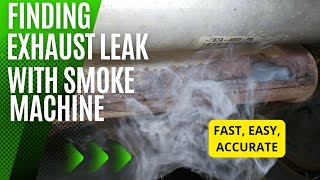
How to confirm: Visually inspect exhaust flanges and gaskets for black soot marks, which indicate a leak. Listen for hissing or ticking sounds that change with engine RPM. The most effective method is to have a shop perform a smoke test, which forces smoke through the exhaust system and will make even pinhole leaks obvious. 🎬 See how to find an exhaust leak with a smoke machine
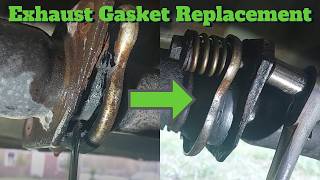
Typical fix: Replace the failed gasket. The donut gasket (OEM #44022AA123) should be replaced along with the two spring bolts (OEM #44059AA010) and springs (OEM #44044AA010) for a complete repair.
Est. part cost: $30-$60 for gasket and spring bolt kit - Faulty Front Air/Fuel (A/F) Ratio Sensor 🔴 High Probability → Shop Oxygen Sensor The front A/F sensor is the primary input for fuel control. As it ages, it can become slow or biased, sending incorrect data to the ECM (e.g., reading slightly rich, causing the ECM to command a lean mixture). The rear O2 sensor then correctly reports this lean condition, triggering P2096.
How to confirm: Use a scan tool to monitor live data from the front A/F sensor (often labeled Bank 1 Sensor 1). A healthy sensor will show rapidly fluctuating voltage/current readings that respond instantly to throttle changes. A lazy or biased sensor may be slow to respond or have readings that are skewed.
Typical fix: Replace the front Air/Fuel Ratio Sensor. It is critical to use an OEM (Subaru) or Denso-branded sensor, as these vehicles are notoriously sensitive to aftermarket part compatibility.
Est. part cost: $120-$220 - Faulty Rear Oxygen (O2) Sensor 🟡 Medium Probability → Shop Oxygen Sensor While this sensor is what triggers the code, it can also fail itself. It might get stuck in a low voltage state, sending a false lean signal to the computer. However, it is more often correctly reporting a problem that exists upstream (a leak or a bad front sensor).
How to confirm: After confirming no exhaust leaks, use a scan tool to monitor the rear O2 sensor's voltage at a steady cruise. It should be relatively stable, typically above 0.5V. If it is stuck low (e.g., <0.4V) or fluctuating wildly like the front sensor, the sensor is likely bad or the catalytic converter has failed.
Typical fix: Replace the rear oxygen sensor after ruling out all upstream issues.
Est. part cost: $80-$180
Rare But Worth Checking
- Intake Vacuum Leak: A leak in a vacuum hose (like a cracked PCV hose) or intake manifold gasket can introduce unmetered air, creating a true lean condition. These leaks can be small and difficult to find even with a smoke test. This will often be accompanied by a P0171 code.
- Low Fuel Pressure: A weak fuel pump, clogged fuel filter, or failing fuel pressure regulator can create a lean condition across the board. This is less common if P2096 is the only code present.
- Failing Catalytic Converter: → Shop Catalytic Converter While a P0420 code is more common for converter failure, an internal blockage or inefficiency can sometimes contribute to erratic O2 sensor readings and trigger P2096. This should be considered a last resort after all other causes are ruled out.
Diagnosis Steps
- Check for any other stored trouble codes. Codes like P0171 or P0137 can help narrow down the cause.
- Perform a thorough exhaust system inspection. The most reliable method is a smoke test to pinpoint any leaks between the engine and the rear O2 sensor. Visually look for black soot trails around gaskets and welds, and listen for audible hissing or ticking noises.
- Pay special attention to the donut gasket located between the catalytic converter and the center pipe, as this is the most common leak location.
- If no exhaust leaks are found, inspect the intake system for vacuum leaks. Listen for hissing sounds or use a smoke machine on the intake manifold and vacuum lines.
- Use a scan tool to view live data. Observe the front A/F sensor and rear O2 sensor. The front sensor's readings should fluctuate rapidly. The rear sensor's voltage should be relatively stable and high (>0.5V) on a warm engine at steady cruise.
- If no leaks are found and the rear O2 sensor seems responsive, the front A/F sensor is a likely culprit due to age or bias.
- As a final step, test fuel pressure to rule out a fuel delivery problem.
Parts You'll Likely Need
- Exhaust Flange Gasket (Donut Gasket)
(OEM #44022AA123)— This gasket is the most common source of exhaust leaks that allow outside air into the system, tricking the rear O2 sensor and causing a P2096 code.
Trusted brands: Subaru (OEM), Walker Exhaust, Fel-Pro
OEM price range: $25-$40
Aftermarket price range: $15-$25 - Exhaust Spring Bolt Kit
(OEM #Bolts: 44059AA010, Springs: 44044AA010)— The original spring bolts that hold the donut gasket flange together are often rusted and must be cut off. They should be replaced whenever the donut gasket is serviced.
Trusted brands: Subaru (OEM), Dorman
OEM price range: $15-$25
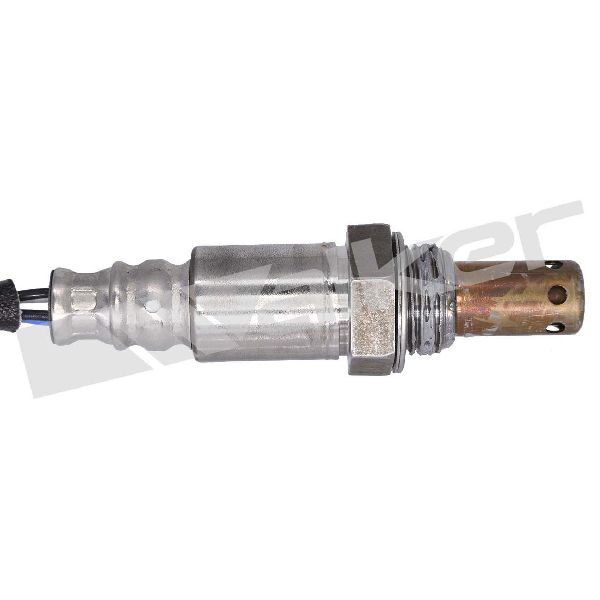
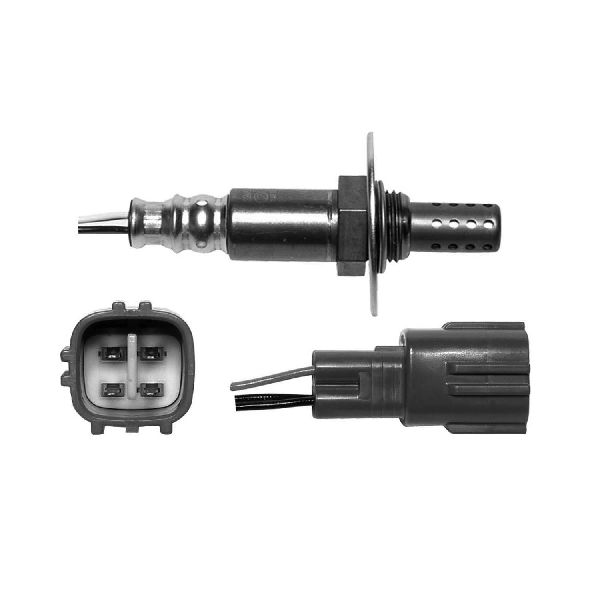
Aftermarket price range: $10-$20 - Front Air/Fuel Ratio Sensor (Upstream)
(OEM #22641AA360 (may be superseded by 22641AA480))— This is a primary failure point on Subarus that causes the ECM to create a lean condition, which the rear sensor then reports as code P2096.
Trusted brands: Denso (OEM supplier), Subaru (OEM)
OEM price range: $180-$220
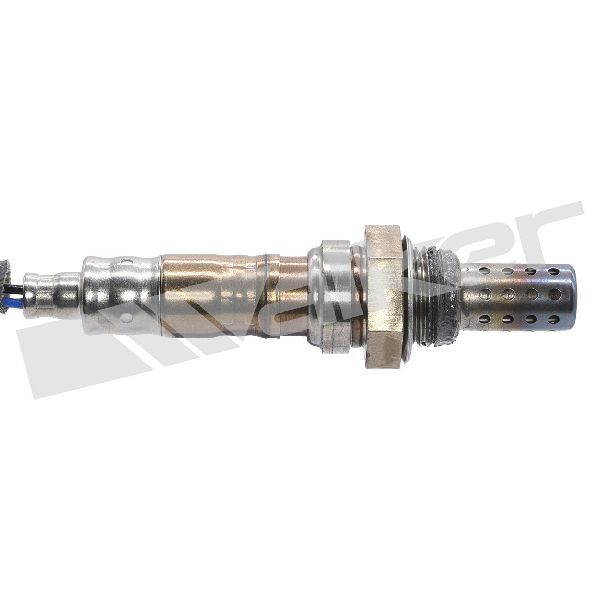
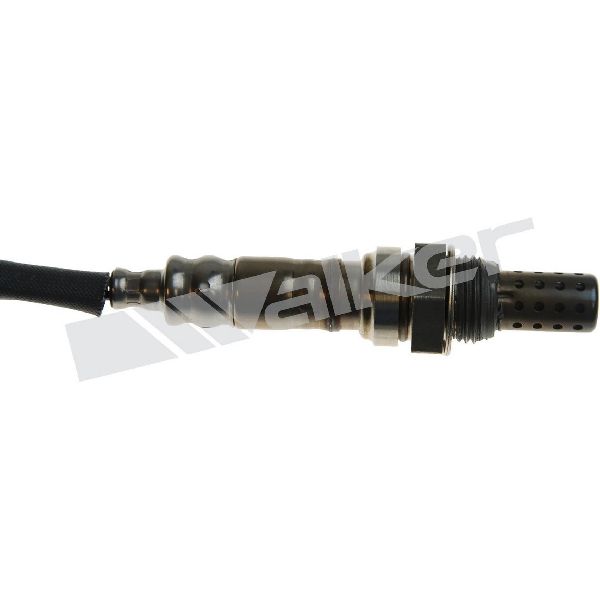
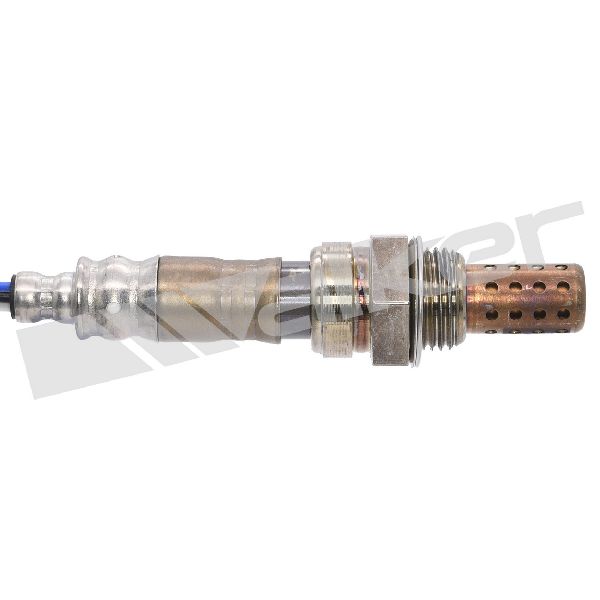
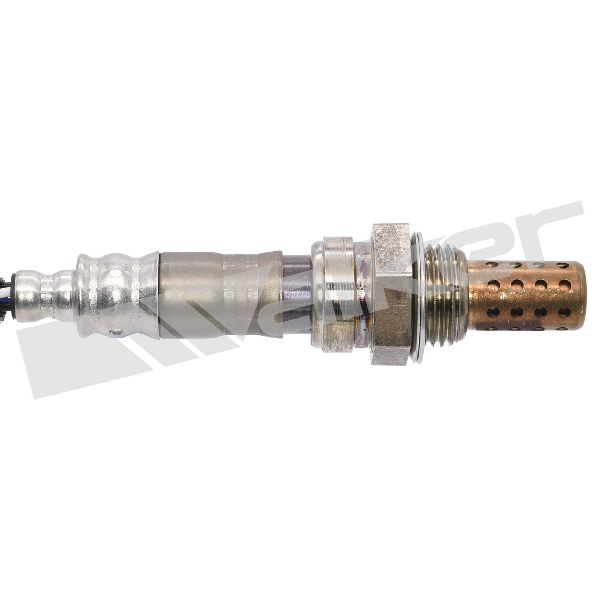
Aftermarket price range: $120-$170 - Rear Oxygen Sensor (Downstream)
(OEM #22690AA810)— While often replaced unnecessarily, the rear sensor can fail and get stuck in a lean-reading state. It is the correct part to replace if all upstream issues (leaks, front A/F sensor) have been ruled out.
Trusted brands: Denso (OEM supplier), Bosch
OEM price range: $150-$180
Aftermarket price range: $80-$130
Related Codes That Often Appear With This One
- P0171 — A significant vacuum leak or fuel delivery issue can cause a general lean condition (P0171) detected by the front sensor, which is then also seen by the rear sensor, triggering P2096.
- P0137 — This code for 'O2 Sensor Circuit Low Voltage (Bank 1, Sensor 2)' points directly to the rear oxygen sensor being stuck in a low voltage (lean) state, which is the direct trigger for the P2096 calculation.
Technical Service Bulletins (TSBs) & Recalls
- TSB #09-52-11: Center Exhaust Pipe Spring/Gasket Replacement for Squeaking Noise
- TSB Bulletin #18-228-25R: This bulletin announces the diagnostic procedures to be used when DTCs P2096 (Post Catalyst Fuel Trim System Too Lean Bank 1) and P2097 (Post Catalyst Fuel Trim System Too Rich Bank 1) are detected by the Engine Control Module.
Platform-Specific Known Issues
- Subaru TSB #09-52-11 addresses a squeaking noise from the center exhaust pipe on 2010-2011 models. The prescribed fix is the replacement of the donut gasket and spring bolts—the exact components that are the primary cause of the exhaust leaks that trigger P2096. This TSB indirectly confirms the high failure rate of this gasket.
- While a newer TSB (#18-228-25R) applies to 2015+ models, it shows Subaru's official diagnostic logic has been updated to specifically instruct technicians to perform rigorous exhaust leak checks before replacing sensors for P2096/P2097 codes, acknowledging this common misdiagnosis pattern.
Mechanic-Grade Diagnostic Values
- Front A/F Sensor Heater Circuit Resistance — expected: 2.0 to 4.0 ohms. A Subaru service manual specifies 2.2 +0.45 / -0.22 Ω.. Failure: An open circuit (OL) or infinite resistance reading indicates a failed heater element inside the sensor.
- Rear O2 Sensor Voltage (at steady cruise, warm engine) — expected: Relatively stable voltage between 0.45V and 0.7V.. Failure: Voltage stuck low near 0.1V indicates a lean reading, which could be a bad sensor or, more likely, an upstream exhaust leak.
- Long Term Fuel Trim (LTFT) — expected: Ideally close to 0%, but values up to +/- 10% are generally acceptable.. Failure: Sustained positive values above +10%, especially those hitting +20-25%, indicate the ECM is compensating for a lean condition and will likely trigger a P0171 or P2096 code.
- Fuel Pressure (EJ253 Engine) — expected: Approximately 43.5 psi (300 kPa) at idle.. Failure: Significantly lower pressure indicates a potential issue with the fuel pump, filter, or regulator, which could cause a true lean condition.
Wiring & Ground Locations
- Engine Grounding System — The ECU gets its primary ground references from the top of the intake manifold.. A poor ground connection between the intake manifold, engine block, and chassis can cause erratic sensor readings and phantom electrical issues. While not a direct cause of P2096, ensuring the main grounding points are clean and tight is a crucial step in ruling out electrical gremlins that could affect sensor performance.
- Rear Oxygen Sensor Harness — The harness for the rear O2 sensor runs along the vehicle's undercarriage.. This harness is exposed to road debris and heat. A visual inspection for any melted, chafed, or damaged wiring is necessary to rule out a circuit issue causing incorrect signals from the rear O2 sensor.
Real Owner Repair Stories
- SubaruForester.org forum user (2009 Subaru Forester X) — Check Engine Light with code P2096.
❌ Tried (didn't work) Initial diagnosis pointed towards sensors.
✅ What actually fixed it The user reported that replacing the donut gasket between the catalytic converter and the mid-pipe, along with the associated spring bolts, permanently resolved the P2096 code. This confirms the high probability of this specific exhaust leak being the root cause. - Reddit user /u/cver9595 (Subaru Sr. Master Tech) (2008 Subaru Forester (similar platform/issue)) — Persistent P2096 code for 4 years after O2 sensor replacements.
❌ Tried (didn't work) Replacing one O2 sensor at Mechanic 1., Replacing the other O2 sensor., Tightening sensors at Mechanic 2 (temporary fix)., Replacing the front catalytic converter at Mechanic 3 (fixed for 6 weeks).
✅ What actually fixed it A Subaru mechanic suggested the root cause was the use of generic, non-OEM/Denso sensors. The master tech confirmed: 'The upstream O2 is an A/F sensor, or wide band. Use a genuine Subaru or a Denso to replace this sensor.' This highlights the critical importance of using correct, high-quality sensors on these vehicles.
"I Checked Everything" — The Actual Cause
- In some cases on similar Subaru engines, a persistent P2096 was traced to hairline cracks in the exhaust manifold welds, particularly near the flange. These cracks can be difficult to spot visually and may not show up on a low-pressure smoke test but can open up when the metal expands with heat, allowing air to be drawn in and causing a lean reading.
OEM Part Supersession History
22641AA360→22641AA480— Standard part revision and update by the manufacturer.
Model Year Variations Within This Range
- 2009-2010: There are no significant mechanical or electronic differences between the 2009 and 2010 Subaru Forester models with the EJ253 engine that would affect the diagnosis or common causes of a P2096 code. Both use the same engine, exhaust layout, and sensor types.
Diagnostic Flowchart
Other Known Issues on This Vehicle
Issues unrelated to this code that are worth knowing about as an owner of this generation:
- Head Gasket Failure (External Oil/Coolant Leaks) 🔴 High — Very common issue for the EJ25 engine up to the 2011 model year, often occurring between 100,000 and 150,000 miles. The failure is typically an external oil leak from the bottom of the gasket, which can drip onto the exhaust and cause a burning smell.
- Oil Consumption 🟠 Medium — While more pronounced in later FB-series engines, the EJ25 can also consume oil past the piston rings as it ages. Owners of high-mileage Foresters often report needing to top off oil between changes.
- Cracked Radiator Top Tank 🟠 Medium — The plastic upper tank of the stock radiator can become brittle and develop cracks over time, leading to coolant leaks and potential overheating. This is a common failure item on higher-mileage vehicles.
Used vs. New Parts: Buying Guide for This Vehicle
When a used part is the smart pick: For this repair, used parts are generally not recommended, with the exception of a complete, low-mileage catalytic converter assembly if the original is physically damaged. The primary failure items (gaskets, sensors) are wear-and-tear components that should always be replaced with new parts.
Donor-vehicle mileage cap: roughly under 80000 miles for the part to have meaningful remaining life.
What to inspect on the donor part:
- For a catalytic converter: Check for any rattling sounds (indicating a broken internal substrate), ensure the O2 sensor bungs are not stripped, and look for severe rust or damage to the heat shields and flanges.
OEM-only on this vehicle (don't cheap out):
- Front Air/Fuel Ratio Sensor
- Rear Oxygen Sensor
Aftermarket brands forum-validated for this vehicle:
- Denso (for sensors - they are the OEM supplier)
- NTK (for sensors - a reputable alternative)
- Fel-Pro or Walker (for exhaust gaskets)
Brands owners have reported issues with on this vehicle:
- Bosch sensors are frequently reported by Subaru technicians and owners to cause compatibility issues, leading to persistent or recurring codes.
- Unbranded, generic 'universal' oxygen sensors that require splicing wires are strongly discouraged.
Real Owner Stories
Aggregated from forums and TSBs cited above. Mileages and costs reflect what owners reported in those sources.
2009 Subaru Forester 2.5L Manual — 185000 miles
Symptoms: Steady check engine light came on while driving down the highway.
What fixed it: The owner report was interrupted, but community consensus for this specific vehicle points to checking the donut gasket first.
Source hint: Reddit r/AskMechanics
2008-2010 Subaru Forester 2.5L
Symptoms: P2096 code appeared; owner initially replaced the rear O2 sensor but the code returned.
What fixed it: Replacing a leaky donut gasket between the catalytic converter and the mid-pipe.
Source hint: subaruforester.org - 'Finally fixed my P2096'
2008 Subaru Forester 2.5L
Symptoms: Persistent P2096 code that would not go away with generic sensor replacements.
What fixed it: Using Denso-branded sensors instead of generic aftermarket options to satisfy the ECU's sensitivity.
Source hint: Reddit r/subaru - 'Never ending code P2096 08 Forester'
2008-2010 Subaru Forester 2.5L
Symptoms: P2096 code triggered.
What fixed it: Installation of a new donut gasket after confirming an exhaust leak.
Source hint: subaruforester.org - 'P2096 code'
Related OBD-II Codes
Frequently Asked Questions
Does TSB #09-52-11 apply to my 2010 Subaru Forester?
Can I use a generic aftermarket oxygen sensor to fix P2096 on my EJ253 engine?
Which specific exhaust gasket is most likely causing the P2096 code on my Forester?
Why is my cruise control light flashing along with the Check Engine Light?
Should I replace the rear O2 sensor first since that is what the code points to?
What parts do I need to properly repair a leak at the catalytic converter flange?
Helpful Videos
We Have This Part in Stock

The information in this article is provided for general reference and educational purposes only. Vehicle specifications, procedures, and part compatibility can vary by production date, trim level, and region. Always consult your vehicle's factory service manual and verify part numbers before purchasing or performing repairs. Safety-critical components such as airbags, seat belts, and braking systems should be installed by a qualified professional.
- Subaru Forester:
- 🧭 Diagnostic Flowchart
- 🎬 Helpful Videos
- 🛍️ Shop This Part
- What's Unique About the 2009-2010 Subaru Forester
- Symptoms You May Notice
- Most Likely Causes
- Rare But Worth Checking
- Diagnosis Steps
- Parts You'll Likely Need
- Related Codes That Often Appear With This One
- Technical Service Bulletins (TSBs) & Recalls
- Platform-Specific Known Issues
- Mechanic-Grade Diagnostic Values
- Wiring & Ground Locations
- Real Owner Repair Stories
- "I Checked Everything" — The Actual Cause
- OEM Part Supersession History
- Model Year Variations Within This Range
- Other Known Issues on This Vehicle
- Used vs. New Parts: Buying Guide for This Vehicle
- Real Owner Stories
- 2009 Subaru Forester 2.5L Manual — 185000 miles
- 2008-2010 Subaru Forester 2.5L
- 2008 Subaru Forester 2.5L
- 2008-2010 Subaru Forester 2.5L
- Related OBD-II Codes
- Frequently Asked Questions
- 🎟️ Get 5% Off