

P2096 on 2010-2012 Subaru Outback 3.6L: Exhaust Leaks and Lean Code Fixes
On a 2010-2012 Subaru Outback with the 3.6L H6 engine, code P2096 is almost always caused by an exhaust leak before the rear oxygen sensor. Before replacing any parts, thoroughly inspect the exhaust gaskets and pipes for leaks. A new gasket is under $50, while a sensor can cost over $150.
- Always check for exhaust leaks before buying any parts. A smoke test is the most reliable method.
- The problem is on the passenger side of the exhaust system (Bank 1).
- Do not replace the catalytic converter; it is almost never the cause of an isolated P2096 code.
- Use only high-quality OEM or Denso-branded oxygen sensors if a replacement is needed.
- This code will always cause the 'CRUISE' light to flash, which is normal for Subarus and not a separate issue.
What's Unique About the 2010-2012 Subaru Outback
Subarus are notoriously sensitive to even microscopic exhaust leaks, which can pull outside air into the exhaust stream and cause a false lean reading at the rear O2 sensor. While the code points to a fuel trim issue, the root cause is very frequently a mechanical leak at an exhaust gasket rather than a faulty sensor or fuel system problem. Owners often mistakenly replace expensive sensors first, only to have the code return because the underlying leak was never addressed. The diagnostic procedure in the official service manual for this code has been described by owners as a frustrating process of replacing numerous parts sequentially until the problem is resolved.
Symptoms You May Notice
- Check Engine Light is on.
- Flashing 'CRUISE' light on the dashboard (this is standard Subaru behavior when a CEL is triggered).
- Flashing 'BRAKE' light and solid traction control light may also illuminate.
- No noticeable difference in drivability in most cases.
- In some cases, a rough or low idle may be present.
- Replacing the catalytic converter. The P2096 code indicates a fuel trim problem, not a catalyst efficiency problem (like P0420). The catalytic converter is very rarely the cause of this specific code on a Subaru.
- Replacing the front Air/Fuel Ratio sensor before checking for exhaust leaks. An exhaust leak is a much more common and cheaper fix to investigate first.
Most Likely Causes
- Exhaust System Leak 🔴 High Probability Exhaust gaskets, particularly the 'donut' style gaskets at flange connections, are a common failure point on Subarus, leading to leaks that introduce air and cause false lean readings. Rust and corrosion of the exhaust pipes themselves can also create small holes or cracks with the same effect.
How to confirm: Visually inspect all exhaust piping and flange gaskets between the engine and the rear O2 sensor for black soot marks or cracks. The most definitive method is to have a shop perform a smoke test on the exhaust system to reveal small leaks that are not visible or audible.
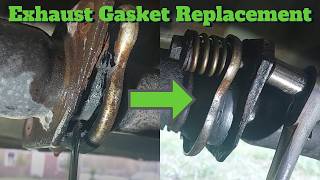
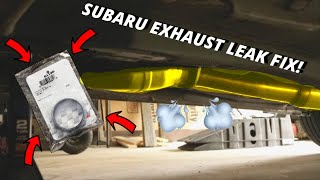
Typical fix: Replace the leaking gasket or repair the cracked pipe section. 🎬 Watch: How to replace a leaking exhaust flange gasket Exhaust putty or wraps can be a temporary fix for small holes. 🎬 Watch: How to fix a Subaru exhaust leak on a budget
Est. part cost: $15-$50 - Failing Rear (Downstream) Oxygen Sensor 🟡 Medium Probability → Shop Oxygen Sensor Oxygen sensors are wear-and-tear items that have a finite lifespan, typically over 80,000 miles. Heat and contaminants eventually cause them to degrade and send inaccurate signals to the ECM. They are often replaced as the next logical step after confirming no exhaust leaks exist.
How to confirm: After confirming there are no exhaust leaks, use a scan tool to monitor the voltage of the Bank 1, Sensor 2 (passenger side, rear). If the voltage is stuck low (typically <0.2V) and does not respond to changes in engine RPM, the sensor is likely faulty. Also inspect the wiring harness for oil contamination, as leaks from above (like an Oil Control Valve) can wick down the harness and foul the sensor connection.
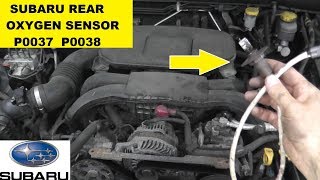
Typical fix: Replace the Bank 1, Sensor 2 oxygen sensor. 🎬 See this rear oxygen sensor testing and replacement walkthrough It is highly recommended to use an OEM or Denso-branded sensor to avoid compatibility issues.
Est. part cost: $80-$230
Rare But Worth Checking
- Failing Front Air/Fuel Ratio Sensor: → Shop Oxygen Sensor While less common, a failing front A/F sensor can send incorrect data to the ECM, causing the entire fuel trim to be off and triggering the P2096 code downstream. This should only be considered after exhaust leaks and the rear O2 sensor have been ruled out.
- Intake System Vacuum Leak: A significant vacuum leak in the intake manifold or associated hoses can cause a true lean condition that the fuel system cannot correct, which is then detected by both the front and rear sensors.
- Dirty or Failing Mass Airflow (MAF) Sensor: A dirty MAF sensor can under-report the amount of air entering the engine, causing the ECM to deliver less fuel than necessary. This lean condition is then detected by the oxygen sensors. A Reddit user with a 2010 Outback reported fixing P2096 and P0137 codes by cleaning the MAF sensor. This should be considered a simple, low-cost diagnostic step.
Diagnosis Steps
- Check for any other stored trouble codes with an OBD-II scanner. Codes like P0171 or P0137 can provide valuable clues.
- Thoroughly inspect the entire exhaust system from the engine manifolds back to the rear O2 sensor. Look for black soot stains at gasket flanges, listen for hissing sounds, and feel for puffs of air (when the engine is cold).
- The most effective way to find small leaks is to perform a smoke test on the exhaust system. This is the definitive first step for this code on a Subaru.
- As a simple, low-cost step, consider cleaning the Mass Airflow (MAF) sensor with a dedicated MAF sensor cleaner.
- If no leaks are found, use a scan tool to monitor the live data for the Bank 1 Sensor 2 (passenger side, rear) oxygen sensor. The voltage should be relatively stable and not stuck at a very low value (e.g., below 0.2V).
- Inspect the O2 sensor wiring harness and connector for physical damage, melting, or oil contamination.
- If an exhaust leak is found, repair it, clear the codes, and drive to see if the code returns.
- If no leaks are found and the sensor appears faulty based on live data (or if it's a high-mileage vehicle and you've ruled out all else), replace the Bank 1, Sensor 2 oxygen sensor with a quality OEM/Denso part.
Parts You'll Likely Need
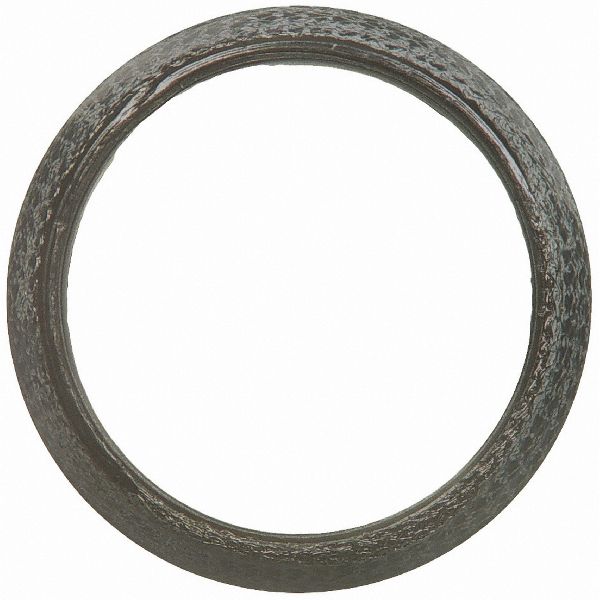
- Exhaust Pipe Flange Gasket (Donut Gasket)
(OEM #44011AG000)— This is a very common leak point in the Subaru exhaust system that allows unmetered air to enter, causing a false lean reading by the rear O2 sensor.
Trusted brands: Fel-Pro, Walker Exhaust, Bosal, Subaru (OEM)
OEM price range: $25-$50
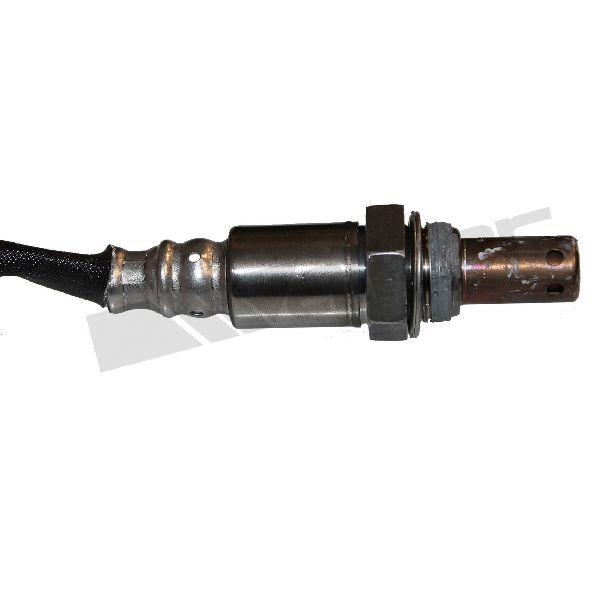
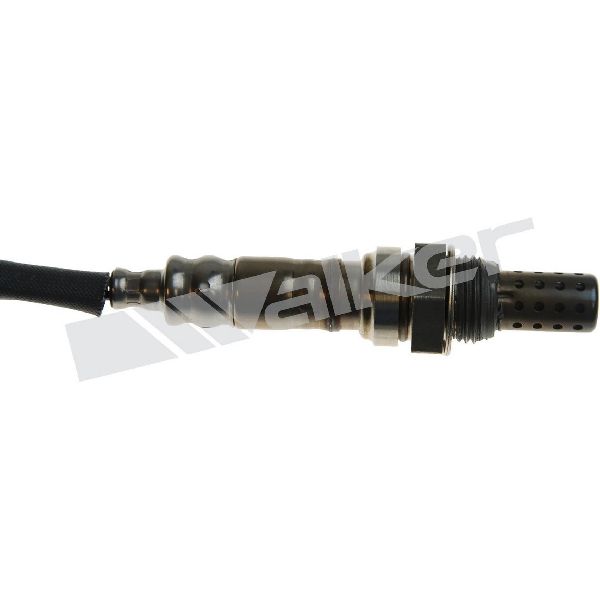
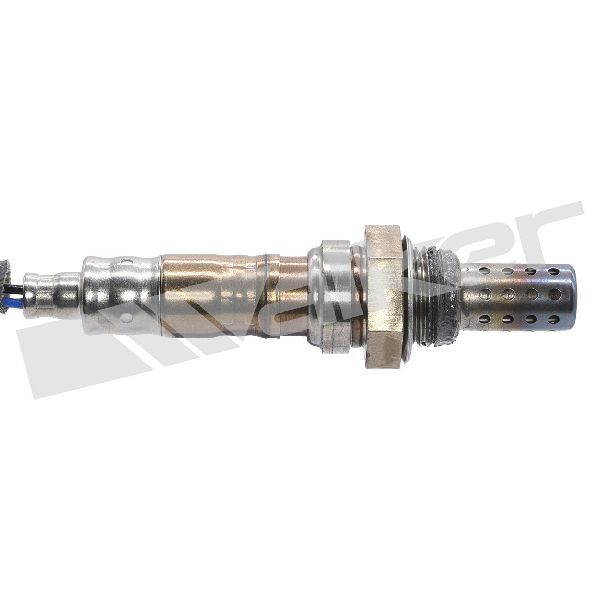
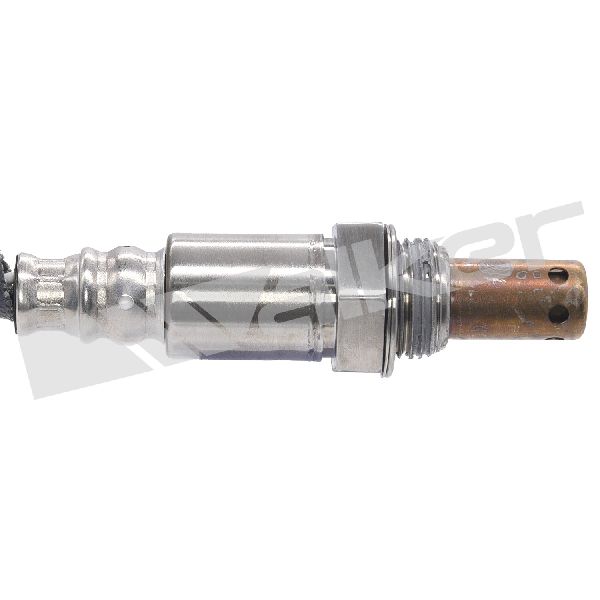
Aftermarket price range: $15-$30 - Rear Oxygen Sensor (Bank 1, Sensor 2)
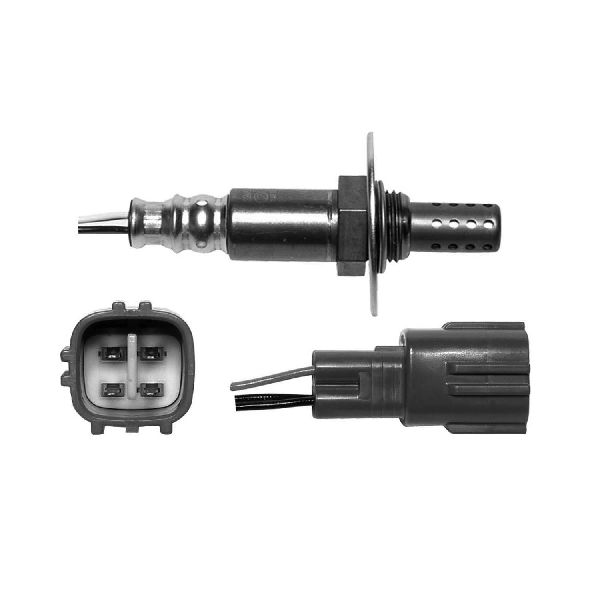
(OEM #22690AA93A (may be superseded by 22690AB08A))— This is the second most common cause after exhaust leaks. The sensor can fail with age and send incorrect lean readings to the computer. Using a Denso or OEM part is critical for proper function on Subarus.
Trusted brands: Denso (OEM Supplier), NGK/NTK
OEM price range: $150-$230
Aftermarket price range: $80-$150
Related Codes That Often Appear With This One
- P0171 — If a major vacuum or exhaust leak exists before the front A/F sensor, it can cause a general lean condition (P0171) that is also seen by the rear O2 sensor, triggering P2096.
- P0137 — This code for 'O2 Sensor Circuit Low Voltage (Bank 1, Sensor 2)' can appear with P2096 if the rear oxygen sensor is failing electrically or if a large exhaust leak is causing an extremely lean reading.
Technical Service Bulletins (TSBs) & Recalls
- 09-52-11: Squeaking Noise From The Center Exhaust Pipe Area. This TSB details the replacement of a donut gasket that is a common cause of exhaust leaks leading to P2096.
- TSB Bulletin #18-228-25R: This manufacturer bulletin announces specific diagnostic procedures to be used when DTC P2096 (Post Catalyst Fuel Trim System Too Lean Bank 1) is detected by the Engine Control Module.
Platform-Specific Known Issues
- Subaru TSB #09-52-11, while for a 'squeaking noise', details the repair for the center exhaust pipe flange gasket on 2010-2011 models, which is a primary source of the leaks that cause code P2096.
Mechanic-Grade Diagnostic Values
- Long Term Fuel Trim (LTFT) and Short Term Fuel Trim (STFT) — expected: Normal fuel trims should remain within ±10% at idle and while cruising.. Failure: If fuel trims are consistently above +10%, it indicates the ECM is adding fuel to compensate for a perceived lean condition, which supports the P2096 trigger.
- Rear O2 Sensor (Bank 1, Sensor 2) Voltage — expected: On a healthy, warm engine, the downstream O2 sensor voltage should be relatively stable, typically between 0.5V and 0.8V, indicating the catalytic converter is working.. Failure: A voltage that is stuck low (e.g., < 0.2V) indicates a lean reading, which triggers P2096. This can be caused by an exhaust leak or a failed sensor.
Scan Tool Commands That Help
- Subaru Select Monitor (SSM4): Clear AT Learning Data / Clear Memory — After replacing a major component like an O2 sensor or fixing a significant exhaust or intake leak, this function should be used. It forces the ECU to start its learning process from a clean slate, rather than applying old, incorrect fuel trim adjustments that were learned based on the previous fault.
Wiring & Ground Locations
- Main Engine Ground — On the 3.6L engine, a primary ground cable is attached to the engine block, typically with a 12mm bolt. There are also smaller ground lugs for the main engine harness located on top of the engine.. A poor or corroded engine ground can cause a voltage drop and lead to inaccurate sensor readings across the board, including the oxygen sensors. This can manifest as erroneous low voltage or lean condition codes.
- Rear O2 Sensor Connector (Bank 1) — Located on the passenger side of the engine compartment, near the power steering pump. The connector is typically all grey.. This is the primary connection point to test sensor circuits and inspect for physical damage, corrosion, or oil contamination wicking down the harness, which can cause sensor signal faults.
- Rear Oxygen Sensor Cord — This is a separate harness that connects the main engine harness to the rear O2 sensor. It is identified as item (16) in some wiring diagrams.. Damage to this specific sub-harness can cause the P2096 code without any other wiring appearing faulty. It should be inspected for melting or chafing against the chassis or exhaust components.
Real Owner Repair Stories
- Go-Parts / Forum Aggregation (2012 Subaru Outback 2.5L (Similar platform, demonstrates pattern)) — Check engine light on with code P2096.
❌ Tried (didn't work) Initial advice from a mechanic was to replace the front A/F ratio sensor.
✅ What actually fixed it The code returned shortly after replacing the front A/F sensor, indicating the actual fault was likely the rear sensor or, more commonly, an exhaust leak that was missed. This story highlights the common misdiagnosis path. - Identifix Repair Database (2012 Subaru Outback 3.6L) — Warning code P2096.
✅ What actually fixed it The database notes the most popular fix is a combination of replacing the rear O2 sensor (B1S2) and sometimes the front A/F sensor (B1S1), but always after performing a smoke test to rule out exhaust leaks first.
"I Checked Everything" — The Actual Cause
- In cases where a smoke test reveals no exhaust leaks, the next most probable cause is a failing front Air/Fuel (A/F) ratio sensor. A lazy or biased front A/F sensor can provide incorrect data to the ECM, causing it to adjust fuel trims improperly and leading to a P2096 code downstream, even though the rear sensor is functioning correctly.
OEM Part Supersession History
22690AA93A→22690AB08A— Part consolidation and updates for newer models.
Heads up: The original part number 22690AA93A is specified for the 2010-2012 Outback 2.5L and 3.6L. The superseding part, 22690AB08A, is listed for much newer Subaru models (2017-2024) and may not be backward compatible with the 2010-2012 models. For this specific vehicle, it is critical to source the correct original part number or a direct cross-reference like Denso 234-4445.
Diagnostic Flowchart
Other Known Issues on This Vehicle
Issues unrelated to this code that are worth knowing about as an owner of this generation:
- Torque Converter Shudder / Stall 🟠 Medium — Fairly common on 2010-2012 models with the 5EAT automatic transmission. Often feels like driving over rumble strips around 45 mph or may cause stalling when coming to a stop. (Ref: TSB 16-90-13R addresses a similar issue on CVT models, but the problem is widely documented on 5EAT models as well, often requiring torque converter or valve body replacement.)
- Oil Leaks (Timing Cover, Cam Carriers) 🟠 Medium — Common as the engine ages past 100,000 miles. The large front timing chain cover and cam carrier seals are frequent leak points due to the amount of sealing surface area.
- Excessive Oil Consumption 🟠 Medium — Some 2010-2012 3.6L models were reported to have issues with excessive oil consumption, sometimes linked to piston rings. This was part of a wider Subaru issue that led to a class-action lawsuit. (Ref: Subaru extended the warranty to 8 years/100k miles for affected vehicles and offered free consumption tests.)
- Serpentine Belt Tensioner Failure 🟡 Low — The serpentine belt tensioner is a known weak point that can fail with age, typically around 100,000-150,000 miles, causing noise or loss of accessory function. It is considered a minor but common repair.
- Frequently Burnt-Out Headlight Bulbs 🟡 Low — Many owners of this generation report that low-beam headlight bulbs fail frequently and are difficult to access for replacement (requiring entry through the wheel well). (Ref: Subaru offered an extended warranty for this issue but not a full recall.)
Used vs. New Parts: Buying Guide for This Vehicle
When a used part is the smart pick: For this repair, a used part only makes sense for sections of the exhaust piping if they are damaged or rusted through. A used pipe from a low-mileage, dry-climate (non-salt-belt) donor vehicle can be a cost-effective replacement for a physically damaged component.
Donor-vehicle mileage cap: roughly under 80000 miles for the part to have meaningful remaining life.
What to inspect on the donor part:
- For exhaust pipes: check for minimal surface rust, no soft spots, and solid flange welds.
- Ensure the donor vehicle was not involved in a rear-end collision that could have stressed the exhaust system.
- Avoid parts from the 'rust belt' or areas with heavy road salt usage.
OEM-only on this vehicle (don't cheap out):
- Exhaust Gaskets: These are single-use crush gaskets and must always be purchased new.
- Oxygen Sensors: While not strictly 'OEM-only', using a used sensor is a major gamble as they are wear items with a finite lifespan. The cost savings do not justify the high probability of premature failure and rework.
Aftermarket brands forum-validated for this vehicle:
- Denso for Oxygen Sensors (Denso is the OEM supplier for Subaru). Part number 234-4445 is a direct-fit replacement for the downstream sensor.
- NTK for Oxygen Sensors (also a reputable OEM supplier).
- Fel-Pro or Walker for exhaust gaskets.
Brands owners have reported issues with on this vehicle:
- Unnamed or 'white box' generic oxygen sensors from online marketplaces. Subarus are notoriously sensitive to sensor calibration, and off-brand sensors frequently fail to perform correctly, causing the code to return.
Real Owner Stories
Aggregated from forums and TSBs cited above. Mileages and costs reflect what owners reported in those sources.
2011 Subaru Outback 3.6R
Symptoms: Check Engine Light on, cruise control disabled. P2096 and occasional P0137 codes.
What fixed it: The root cause was oil contamination inside the wiring harness from a leaking Oil Control Valve (OCV). The fix was to clean the oil out of the ECM connectors and repair the source OCV leak.
Source hint: LegacyGT.com owner report
2012 Subaru Outback 3.6R
Symptoms: Check Engine Light on. It felt like we were driving on rumble strips occasionally around 45mph.
What fixed it: While the rumble strip feeling was a separate torque converter issue, multiple threads on the same forum confirm that exhaust leaks are the primary cause for the P2096 code itself.
Source hint: subaruoutback.org
2011 Subaru Outback
Symptoms: Frustration with the service manual's diagnostic procedure which suggested replacing up to 15 different parts sequentially.
What fixed it: A leak-first approach to diagnosis, specifically checking for exhaust leaks which are the primary cause.
Source hint: reddit.com/r/subaru
Related OBD-II Codes
Frequently Asked Questions
My 2011 Outback 3.6R is making a squeaking noise from the exhaust and has a P2096 code. Is there a specific repair for this?
Why is my 'CRUISE' light flashing along with the Check Engine Light on my 2012 Outback?
Should I replace the oxygen sensor first to fix P2096 on my 3.6L H6?
What brand of oxygen sensor should I use for the Bank 1 Sensor 2 replacement?
Can an oil leak cause the P2096 code on a 2010-2012 Outback?
Is there a warranty extension that might cover issues related to this code?
Helpful Videos
We Have This Part in Stock

The information in this article is provided for general reference and educational purposes only. Vehicle specifications, procedures, and part compatibility can vary by production date, trim level, and region. Always consult your vehicle's factory service manual and verify part numbers before purchasing or performing repairs. Safety-critical components such as airbags, seat belts, and braking systems should be installed by a qualified professional.
- Subaru Outback:
- 🧭 Diagnostic Flowchart
- 🎬 Helpful Videos
- 🛍️ Shop This Part
- What's Unique About the 2010-2012 Subaru Outback
- Symptoms You May Notice
- Most Likely Causes
- Rare But Worth Checking
- Diagnosis Steps
- Parts You'll Likely Need
- Related Codes That Often Appear With This One
- Technical Service Bulletins (TSBs) & Recalls
- Platform-Specific Known Issues
- Mechanic-Grade Diagnostic Values
- Scan Tool Commands That Help
- Wiring & Ground Locations
- Real Owner Repair Stories
- "I Checked Everything" — The Actual Cause
- OEM Part Supersession History
- Other Known Issues on This Vehicle
- Used vs. New Parts: Buying Guide for This Vehicle
- Real Owner Stories
- 2011 Subaru Outback 3.6R
- 2012 Subaru Outback 3.6R
- 2011 Subaru Outback
- Related OBD-II Codes
- Frequently Asked Questions
- 🎟️ Get 5% Off