

P2097 on 2022-2023 Cadillac CT4: Causes for Rich Fuel Trim and Fixes
On a 2022-2023 Cadillac CT4, code P2097 is most often caused by a leaking fuel injector. A GM Technical Service Bulletin (TSB #PIP4964F) directs technicians to check injectors first before suspecting a bad oxygen sensor. The fix is typically replacing the faulty injector. Another TSB (#PIP5534A) notes that on the 2.0L engine, certain driving habits can also trigger the code without a mechanical fault.
- For a 2022-2023 Cadillac CT4, P2097 strongly points towards a leaking fuel injector, as per GM TSB #PIP4964F.
- Do not replace the oxygen sensor or catalytic converter before performing a fuel injector balance test (AFIT).
- On the 2.0L LSY engine, check for ECM software updates and consider driving habits as a potential non-mechanical cause, per TSB #PIP5534A.
- Continued driving with this code can cause expensive damage to the catalytic converter over time.
What's Unique About the 2022-2023 Cadillac CT4
While many vehicles with a P2097 code end up needing an oxygen sensor, General Motors has issued a specific Technical Service Bulletin (TSB #PIP4964F) that identifies leaking fuel injectors as a primary cause on their direct-injection vehicles like the CT4. The bulletin explicitly advises technicians to perform a fuel injector balance test before pursuing other common causes. This makes injector testing a critical first step. Furthermore, TSB #PIP5534A acknowledges that for the 2.0L LSY engine, certain driving patterns like heavy stop-and-go traffic or frequent coasting can induce a P2097 code without any actual part failure, recommending an ECM software check.
Diagnostic Flowchart
Tap your situation to follow the diagnostic path that matches what you're seeing on this vehicle.
Symptoms You May Notice
- Check Engine Light is on
- Reduced fuel economy
- Rough or erratic idle
- Engine may hesitate during acceleration
- A noticeable fuel odor from the exhaust or black smoke
- Replacing the oxygen sensor without first testing the fuel injectors. The TSB for this vehicle platform strongly suggests injectors are a more likely cause, and the O2 sensor is often just correctly reporting the rich condition. A Reddit user with a related Cadillac ATS spent a year replacing sensors and chasing leaks to no avail, highlighting this common pitfall.
- Replacing the catalytic converter. The converter is almost never the cause of a P2097 code; it is the victim of the rich condition. The root cause must be fixed to avoid damaging a new converter.
Most Likely Causes
- Leaking Fuel Injector(s) 🔴 High Probability → Shop Fuel Injector A specific GM Technical Service Bulletin (PIP4964F) points directly to faulty fuel injectors as a known issue for this code on this platform. A user on the ct4-ct5.com forum confirmed this fix on a CT5 with the same engine, where the dealer used an AFIT diagnostic to find and replace one leaking injector to solve the problem.
How to confirm: Perform a fuel injector balance test or an Active Fuel Injector Test (AFIT) using a capable scan tool, as recommended by TSB PIP4964F. A fouled, wet, or black spark plug in one cylinder can also be an indicator of a leaking injector in that cylinder.
Typical fix: Replace the single faulty fuel injector. It is sometimes recommended to replace all injectors on the bank for balanced performance, but often only the leaking one is necessary.
Est. part cost: $80-$200 per injector - Exhaust Leak 🟡 Medium Probability Leaks can occur at gaskets or welds due to thermal cycles. On the related Chevy Camaro with the same LSY engine, this code has been known to appear after installing aftermarket exhaust parts like downpipes, which can create small leaks or change flow characteristics.
How to confirm: Visually inspect the exhaust system from the engine to the post-catalyst O2 sensor for cracks, black soot trails, rust, or loose connections. A smoke test is the most effective method to find small leaks.
Typical fix: Repair the leak by replacing the gasket or damaged exhaust component.
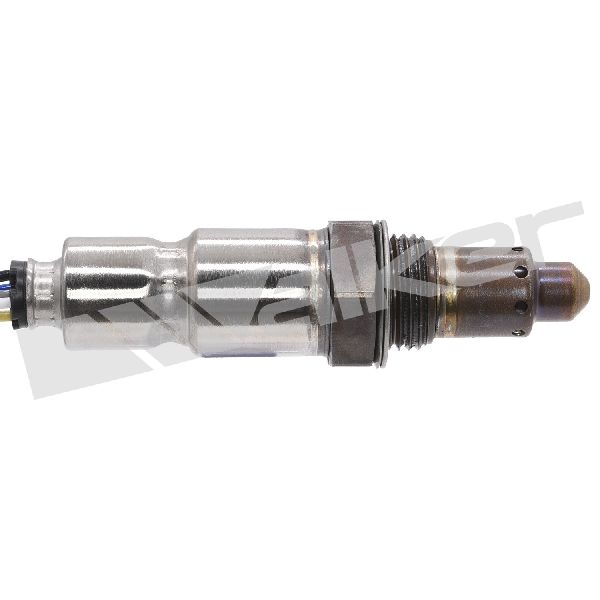
Est. part cost: $20-$300 - Faulty Post-Catalyst Oxygen Sensor (Bank 1, Sensor 2) ⚪ Low Probability → Shop Oxygen Sensor
How to confirm: Monitor the live data from the downstream O2 sensor with a scan tool. The voltage should be relatively stable. If it's stuck high (above 0.8V) or fluctuating wildly like the upstream sensor, it may be faulty. However, this is often a symptom of a rich condition, not the cause.
Typical fix: Replace the Bank 1 Sensor 2 oxygen sensor. This should only be done after ruling out fuel injectors and exhaust leaks.
Est. part cost: $50-$150
Rare But Worth Checking
- ECM Software Anomaly / Driving Style: TSB #PIP5534A from GM states that on the 2.0L Turbo engine, certain driving styles (heavy stop-and-go, frequent coasting, or being a 'digital driver' who is abruptly on/off the throttle) can trigger a P2097 code without a mechanical fault. The fix may be a change in driving habits or an ECM software update.
- High Fuel Pressure: A failing fuel pressure regulator or an issue with the high-pressure fuel pump can force too much fuel into the engine, causing a rich condition that triggers P2097.
- Faulty Mass Airflow (MAF) or Manifold Absolute Pressure (MAP) Sensor: If the MAF or MAP sensor provides incorrect airflow readings to the computer, it can lead to an improper and overly rich fuel mixture.
Diagnosis Steps
- Check for and document any other stored DTCs, especially misfire codes (P0300-P0306) which can point to a specific cylinder.
- Review NHTSA Technical Service Bulletins #PIP4964F and #PIP5534A, which strongly suggest a specific diagnostic path.
- Using a scan tool, check for any available Engine Control Module (ECM) software updates, as recommended by TSB #PIP5534A.
- Perform an Active Fuel Injector Test (AFIT) or injector balance test to check for leaking or malfunctioning injectors, as this is the most likely cause.
- If injector tests are inconclusive, inspect the exhaust system for any leaks between the engine and the downstream (post-catalyst) oxygen sensor. A smoke test is the most effective method.
- Monitor live data on a scan tool. Check the long-term and short-term fuel trims for Bank 1. Also, observe the voltage of the Bank 1 Sensor 2 (downstream) O2 sensor. It should be relatively steady. If it is stuck high, it indicates a rich condition or a faulty sensor.
- Test the fuel pressure to ensure it is within the manufacturer's specifications.
- If all other tests pass, test the oxygen sensor itself for proper operation and replace it if it fails.
Parts You'll Likely Need
- Fuel Injector
(OEM #ACDelco 12694777 (For 2.0L LSY, Verify with VIN))— This is the most likely cause according to GM's own Technical Service Bulletin (PIP4964F) for this code on this vehicle.
Trusted brands: ACDelco, Bosch
OEM price range: $150-$250
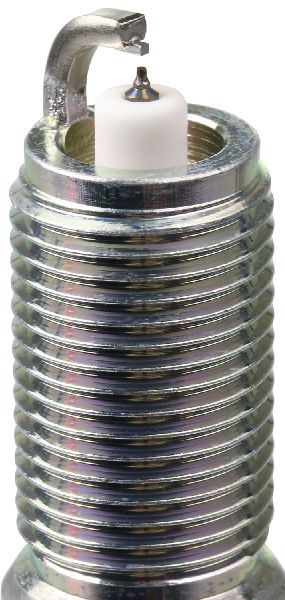
Aftermarket price range: $80-$180 - Spark Plug
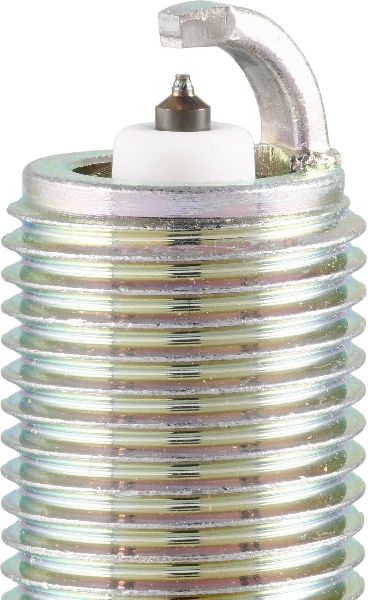
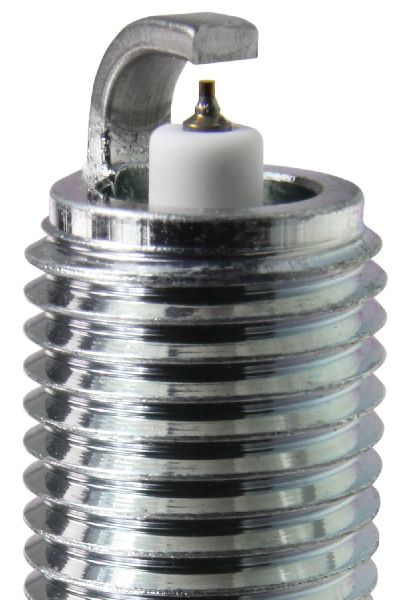
(OEM #ACDelco 41-166 (For 2.0L LSY), ACDelco 12688094 (For 2.7L L3B) (Verify with VIN))— A leaking fuel injector can foul the spark plug in the corresponding cylinder, causing misfires. It's good practice to inspect and likely replace the plug when replacing an injector.
Trusted brands: ACDelco, NGK
OEM price range: $15-$30 per plug
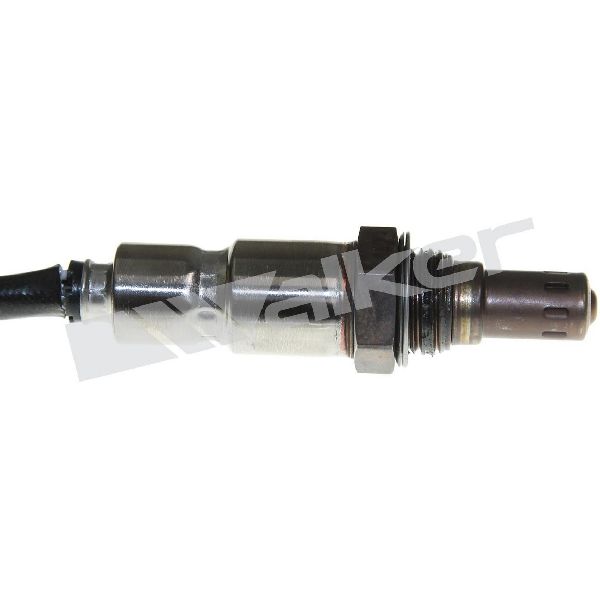
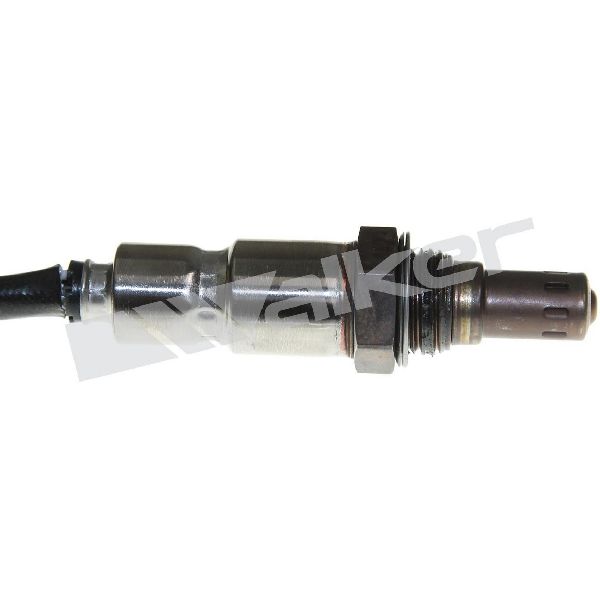
Aftermarket price range: $8-$20 per plug - Post-Catalyst Oxygen Sensor (Bank 1, Sensor 2) — If fuel injectors and exhaust leaks are ruled out, the sensor itself may be faulty and sending incorrect rich signals.
Trusted brands: ACDelco, Denso, Bosch
OEM price range: $100-$180
Aftermarket price range: $50-$120
Related Codes That Often Appear With This One
- P2099 — P2099 is the same code ('Post Catalyst Fuel Trim System Too Rich') but for Bank 2. On V6 or V8 engines, you might see both. The TSB #PIP4964F mentions both P2097 and P2099.
- P0300-P0306 — These are misfire codes (e.g., P0301 for cylinder 1). A leaking fuel injector can foul a spark plug with excess fuel, causing misfires on a specific cylinder.
Technical Service Bulletins (TSBs) & Recalls
- PIP4964F: Advises technicians to check for faulty fuel injectors using a balance test when diagnosing P2097 or P2099.
- PIP5534A: Notes that driving style or outdated ECM software can cause P2097 on 2.0L Turbo engines without a mechanical issue.
Platform-Specific Known Issues
- TSB #PIP4964F: This bulletin from GM specifically addresses DTCs P2097 or P2099. It instructs technicians to perform an injector balance test before proceeding with other diagnostics, indicating that faulty injectors are a known pattern failure for this condition.
- TSB #PIP5534A: This bulletin notes that for the 2.0L LSY Turbo engine, certain driving habits (e.g., heavy stop-and-go, frequent coasting) can induce a P2097 code without a mechanical fault, and that an ECM software update should be checked for.
Mechanic-Grade Diagnostic Values
- Downstream O2 Sensor (Bank 1, Sensor 2) Voltage — expected: A steady reading around 0.45 volts on a warm, running engine.. Failure: A voltage signal that is stuck high (above 0.8V) or fluctuates rapidly like the upstream sensor.
- Upstream O2 Sensor (Bank 1, Sensor 1) Voltage — expected: Should rapidly switch between approximately 0.1 volts (lean) and 0.9 volts (rich) on a warm, running engine.. Failure: A lazy or non-fluctuating signal can indicate a faulty sensor, which could indirectly contribute to the downstream rich reading.
- High-Pressure Direct Injection Fuel Pressure (2.0L LSY & 2.7L L3B) — expected: Up to 3,000 psi (20 MPa).. Failure: Pressure significantly above or below the specified range could indicate a failing high-pressure fuel pump or regulator, leading to a rich condition.
- Injector Balance Test (GDS2 Scan Tool) — expected: The pressure drop for each injector should be within 20% of the average of the other injectors.. Failure: If one injector's pressure drop is significantly different from the others, it indicates a leaking or clogged injector that should be replaced.
Scan Tool Commands That Help
- GM GDS2 (Global Diagnostic System 2): Automated Injector Balance Test — This is the primary diagnostic step recommended by TSB #PIP4964F for a P2097 code. The tool commands the ECM to pulse each injector individually and measures the corresponding drop in fuel rail pressure. This directly identifies leaking or underperforming injectors without extensive disassembly.
- GM GDS2 (Global Diagnostic System 2): Module Diagnostics > Control Functions — Allows a technician to individually command components like the EVAP purge solenoid or cooling fans on and off to test their functionality. This can help rule out other systems that might indirectly cause a rich condition.
- GM GDS2 (Global Diagnostic System 2): Clear DTCs — Used after a repair is completed to clear the P2097 code and other related faults from the ECM's memory. The vehicle should then be driven to confirm the code does not return.
Wiring & Ground Locations
- Engine Harness Chafe Points (2.7L L3B) — Inspect the engine harness where it crosses over the top of the camshaft carrier cover, near the lower air cleaner housing, and at the inlet radiator hose bracket.. A GM TechLink article notes that engine movement can cause the harness to rub against these components, potentially damaging wiring for sensors (like O2 sensors) or actuators (like fuel injectors), leading to erratic signals and fault codes like P2097.
- G103 (Example Ground Location) — Typically located at the left rear of the engine compartment on the cowl, above the brake booster.. This ground point serves multiple components, including the BCM and the Data Link Connector (DLC). A poor ground here can cause a variety of communication and sensor reading issues, although it's a less common cause for a specific code like P2097.
- O2 Sensor Connector — Follow the sensor wire from the exhaust pipe up toward the engine. The connector may have a gray or red sliding lock tab (CPA - Connector Position Assurance) that must be disengaged before the main release tab can be pressed.. When inspecting or replacing an O2 sensor, properly disconnecting the harness without damaging the lock or pins is critical. A damaged connector can cause intermittent signal loss, leading to incorrect readings and fault codes.
Real Owner Repair Stories
- ct4-ct5.com forum (Cadillac CT5 with 2.0L LSY Turbo engine (same as CT4)) — Check Engine Light with code P2097.
❌ Tried (didn't work) Initial visual inspection showed no obvious faults.
✅ What actually fixed it The dealership followed GM TSB guidance, performed an Active Fuel Injector Tester (AFIT) diagnostic, and identified one leaking fuel injector. Replacing the single faulty injector resolved the P2097 code.
Model Year Variations Within This Range
- 2022+: For the 2.7L L3B engine, a significant revision was introduced for the 2022 model year that strengthened engine internals and increased the maximum torque output. While this doesn't directly change the P2097 diagnosis, it means parts like pistons and connecting rods may differ from the 2019-2021 versions of the same engine found in other GM vehicles.
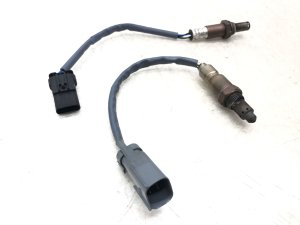
Used OEM Parts in Stock
New Aftermarket Parts Available

The information in this article is provided for general reference and educational purposes only. Vehicle specifications, procedures, and part compatibility can vary by production date, trim level, and region. Always consult your vehicle's factory service manual and verify part numbers before purchasing or performing repairs. Safety-critical components such as airbags, seat belts, and braking systems should be installed by a qualified professional.
- Cadillac CT4:
- 🧭 Diagnostic Flowchart
- 🛍️ Shop This Part
- What's Unique About the 2022-2023 Cadillac CT4
- Symptoms You May Notice
- Most Likely Causes
- Rare But Worth Checking
- Diagnosis Steps
- Parts You'll Likely Need
- Related Codes That Often Appear With This One
- Technical Service Bulletins (TSBs) & Recalls
- Platform-Specific Known Issues
- Mechanic-Grade Diagnostic Values
- Scan Tool Commands That Help
- Wiring & Ground Locations
- Real Owner Repair Stories
- Model Year Variations Within This Range
- 🎟️ Get 5% Off