

P2097 on 2004-2011 Cadillac CTS: Rich Fuel Trim Causes and Fixes
On a 2004-2011 Cadillac CTS, P2097 is most often caused by a leaking fuel injector or an exhaust leak. A GM Technical Service Bulletin specifically recommends performing a fuel injector balance test before other major repairs. Do not replace the oxygen sensor first, as it's rarely the root cause on this platform.
- For a P2097 on a 2004-2011 CTS, suspect a leaking fuel injector or an exhaust leak before anything else.
- Do not replace the oxygen sensor as your first step; it is a common misdiagnosis for this specific vehicle platform.
- A professional diagnosis is recommended due to the need for specialized tools like a fuel injector tester and smoke machine.
- Ignoring this code can lead to reduced fuel economy and eventual damage to the catalytic converter, a much more expensive repair.
What's Unique About the 2004-2011 Cadillac CTS
For the Cadillac CTS, especially the second-generation models (2008-2011) with the 3.6L direct-injection (LLT) V6, this code is strongly linked to fuel injector issues. A specific GM Technical Service Bulletin (PIP4964F) directs technicians to check for leaking injectors early in the diagnostic process. Unlike many other vehicles where an oxygen sensor is the first part replaced, on the CTS, it is often the wrong move. Service documents explicitly state that the O2 sensor is an unlikely cause unless other sensor-specific codes are also present. The high-pressure nature of the direct injection system can make injectors a more common failure point leading to this code compared to the port-injected engines in the first-generation (2004-2007) models.
Diagnostic Flowchart
Tap your situation to follow the diagnostic path that matches what you're seeing on this vehicle.
Generation note: This range covers two CTS generations. The first generation (2004-2007) used port-injected engines where vacuum leaks and exhaust leaks are common causes. The second generation (2008-2011) introduced the 3.6L LLT direct-injection V6, where leaking high-pressure fuel injectors are a more prominent cause for P2097. Carbon buildup on intake valves, a known issue with the LLT engine, can also contribute to improper combustion and trigger this code, as detailed in TSB PIP5029D.
Symptoms You May Notice
- Check Engine Light illuminated.
- Reduced fuel economy.
- Rough or erratic idle.
- Engine hesitation or lack of power during acceleration.
- Noticeable fuel smell from the exhaust.
- Black smoke from the tailpipe in severe cases.
- Engine may be hard to start when hot.
- Replacing the downstream oxygen sensor (Bank 1, Sensor 2). GM service literature specifically advises against this as a first step, stating the sensor is unlikely to be the cause unless other O2 sensor circuit codes are present. Many owners and shops replace this sensor first, only to have the code return.
Most Likely Causes
- Leaking Fuel Injector(s) 🔴 High Probability → Shop Fuel Injector Particularly on the 2008-2011 models with the 3.6L LLT direct-injection engine. GM issued TSB PIP4964F specifically advising a fuel injector balance test for this code. Direct injectors operate under much higher pressure than port injectors, making them more susceptible to leaks.
How to confirm: Perform a fuel injector balance test using a specialized 'Active Fuel Injector Tester' (AFIT) or have a shop measure injector flow rates. A simpler, less precise check is to remove and examine the spark plugs on Bank 1 for signs of running rich (heavy black, sooty deposits).
Typical fix: Replace the faulty fuel injector(s) on Bank 1. It is often recommended to replace all injectors on the affected bank at the same time.
Est. part cost: $70-$200 per injector - Exhaust System Leak 🔴 High Probability Exhaust components are subject to rust and vibration. A leak between the cylinder head and the downstream O2 sensor can introduce outside air, fooling the sensors into incorrectly reporting a rich condition, which causes the ECM to lean out the mixture, ironically triggering the P2097 'too rich' code based on the post-cat sensor's logic.
How to confirm: Visually inspect the exhaust manifolds, gaskets, and pipes for cracks or black soot trails. A smoke test is the most effective way to find small, inaudible leaks. TSB PIP4964F suggests a low-pressure air test with a soapy solution to find leaks at the converter outlet gasket.
Typical fix: Replace the leaking gasket or repair/replace the cracked exhaust component.
Est. part cost: $20-$150 - Vacuum or Air Intake Leak 🟡 Medium Probability Plastic and rubber hoses in the intake system can become brittle and crack over time, allowing unmetered air to enter the engine, which can throw off the air/fuel ratio calculations.
How to confirm: Visually inspect all vacuum lines and the air intake tube for cracks or loose connections. A smoke test is the most reliable method to pinpoint the source of a leak.
Typical fix: Replace the cracked hose or leaking gasket.
Est. part cost: $10-$100
Rare But Worth Checking
- Failing Catalytic Converter: → Shop Catalytic Converter A clogged or inefficient catalytic converter can cause incorrect readings from the downstream O2 sensor. This should be considered only after injectors and leaks have been ruled out.
- Low Fuel Pressure: While counterintuitive for a rich code, low fuel pressure can sometimes cause the ECM to overcompensate by increasing injector pulse width, leading to a P2097 code. This is listed as a diagnostic check in service manuals.
- Carbon Buildup on Intake Valves: Specific to the direct-injection 3.6L LLT engine, significant carbon buildup on the intake valves can disrupt airflow and cause misfires or poor combustion, potentially leading to this code. GM issued TSB PIP5029D regarding this issue, recommending a decarbonizing procedure.
- Mechanical Valvetrain Issue: TSB PIP4964F notes that if no fuel or exhaust leaks are found, a mechanical issue like a sticking valve or a lifter follower problem could be the cause, even if it doesn't trigger a misfire code.
Diagnosis Steps
- Scan for any other trouble codes. Address any fuel trim, misfire, or sensor circuit codes first.
- Perform a thorough visual inspection of the exhaust system from the engine to the downstream O2 sensor. Look for soot, listen for leaks, and feel for escaping air (when cool). Consider a professional smoke test or the low-pressure air test described in TSB PIP4964F.
- Inspect all vacuum hoses, the PCV system, and the air intake ducting for cracks, splits, or loose connections.
- If available, use a scan tool to monitor the live data for the Bank 1 downstream O2 sensor (B1S2). A steady high voltage (e.g., >0.7V) indicates a rich reading, which is what sets the code.
- Follow the guidance of TSB PIP4964F and perform a fuel injector balance test to identify any leaking or over-fueling injectors on Bank 1. This is the most critical step for 2008+ models.
- Check the fuel pressure to ensure it is within the manufacturer's specifications.
- For 3.6L LLT engines, investigate for signs of heavy carbon buildup on intake valves, which may require a borescope inspection or a decarbonizing service as per TSB PIP5029D.
- If all other tests pass, test the catalytic converter's efficiency, often by comparing its inlet and outlet temperatures with an infrared thermometer.
- As a final step, consider testing or replacing the downstream oxygen sensor, but only after all other possibilities are exhausted.
Parts You'll Likely Need
- Fuel Injector
(OEM #12638530 (for 3.6L LLT V6, 2008-2011))— A primary cause identified by GM's own service bulletin (PIP4964F), especially for direct-injection models (2008+).
Trusted brands: ACDelco, Bosch
OEM price range: $120-$200
Aftermarket price range: $70-$150 - Exhaust Manifold Gasket — A common source of exhaust leaks that can trigger this code by allowing unmetered air into the exhaust stream, fooling the O2 sensor.
Trusted brands: Fel-Pro, ACDelco
OEM price range: $30-$60
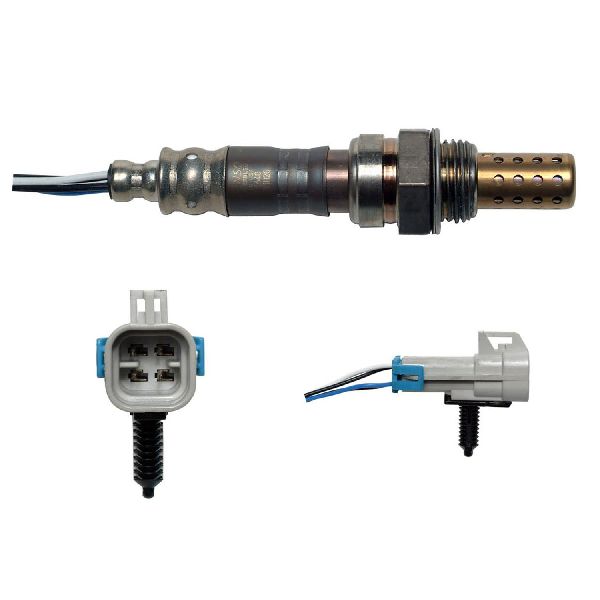
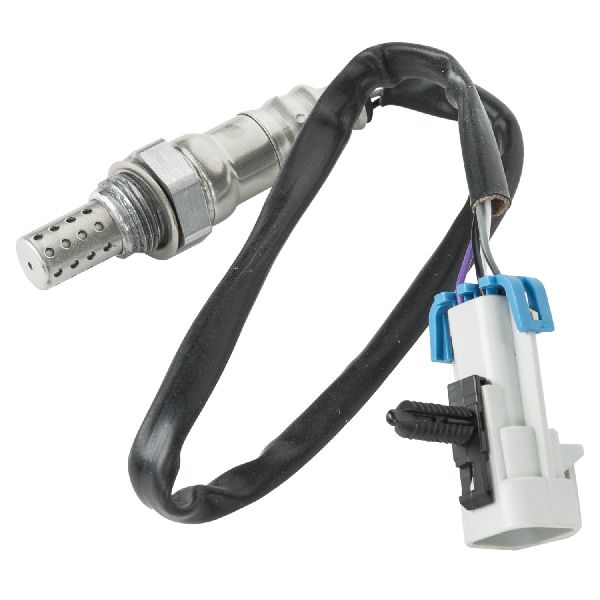
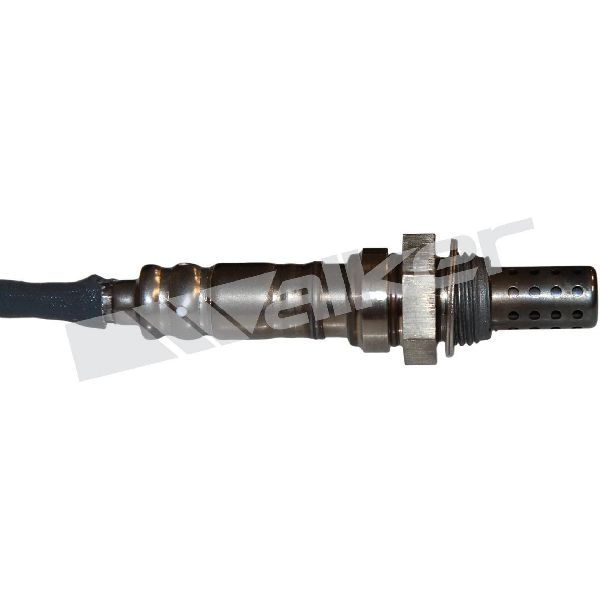
Aftermarket price range: $15-$40 - Downstream Oxygen Sensor (Bank 1, Sensor 2) — While often misdiagnosed as the cause, the sensor can fail. It should only be replaced after ruling out fuel and exhaust leak issues. For the 3.6L LLT, Bank 1 is the rear bank, closer to the firewall.
Trusted brands: Denso, Bosch, ACDelco
OEM price range: $80-$150
Aftermarket price range: $50-$100
Related Codes That Often Appear With This One
- P2099 — This is the same 'Post Catalyst Fuel Trim Too Rich' code, but for Bank 2. Seeing both codes together points to a systemic issue affecting both engine banks, like a fuel pressure problem, a major air intake leak, or issues with multiple injectors.
- P0172 — This code means 'System Too Rich (Bank 1)' and is based on the upstream oxygen sensor. Seeing it with P2097 confirms the engine is genuinely running rich on Bank 1, strengthening the case for a leaking fuel injector.
- P0300-P0306 — These are misfire codes. A leaking injector can foul a spark plug and cause a misfire on a specific cylinder (e.g., P0301, P0303, P0305 for Bank 1). Carbon buildup on the LLT V6 is also known to cause misfires.
Technical Service Bulletins (TSBs) & Recalls
- PIP4964F: Advises performing a fuel injector balance test when diagnosing DTC P2097 or P2099. Also details a method for testing for exhaust leaks using low-pressure air.
- PIP5029D: Addresses engine misfires on the 3.6L LLT engine due to major carbon deposits on the intake and/or exhaust valves and outlines a decarbonization procedure.
Platform-Specific Known Issues
- Carbon Buildup on 3.6L LLT V6: The direct-injection 3.6L LLT engine (2008-2011) is known for accumulating carbon deposits on the back of the intake valves. This is because fuel is injected directly into the cylinder, so it no longer washes over and cleans the valves like in port-injected engines. This buildup can disrupt airflow, cause misfires, and contribute to rich
Mechanic-Grade Diagnostic Values
- Low-Pressure Fuel System (at fuel pump) — expected: 345-690 kPa (50-100 psi) with pump commanded ON, engine off.. Failure: Pressure below 345 kPa (50 psi) indicates a weak in-tank fuel pump or leak.
- Low-Pressure Fuel System (at idle) — expected: 300-400 kPa (43-58 psi) at normal operating temperature.. Failure: Pressure outside this range at idle suggests a problem with the fuel pump flow control module (FPCM) or pump itself.
- High-Pressure Fuel System (Direct Injection models, 2008+) — expected: Approximately 2,000 - 2,800 PSI (13,790 - 19,305 kPa) under load.. Failure: Significantly lower pressure under load points to a failing high-pressure fuel pump (HPFP), though this usually sets other codes like P0089.
- Downstream O2 Sensor (Bank 1, Sensor 2) Voltage — expected: A relatively steady voltage around 0.45V to 0.7V at steady cruise in closed loop.. Failure: A voltage signal stuck high (e.g., above 0.8V) confirms the rich condition seen by the ECM. Rapid fluctuation similar to an upstream sensor can indicate a failing catalytic converter.
Scan Tool Commands That Help
- GDS2 / Tech2 / AFIT: Injector Balance / Active Fuel Injector Test — This is the primary diagnostic step recommended by GM TSB PIP4964F for a P2097 code on the 3.6L LLT engine to identify leaking or malfunctioning fuel injectors.
- GDS2 / Tech2: Fuel Pump Enable — Used to manually run the in-tank fuel pump with the engine off to test the low-pressure fuel system's maximum pressure and check for leaks.
- GDS2 / Tech2: Fuel Trim Reset — After a repair is completed (e.g., replacing an injector or fixing a leak), this function should be used to clear the learned long-term fuel trim values, allowing the ECM to relearn the new baseline faster.
Wiring & Ground Locations
- G102 — Right front of the engine compartment.. This is a primary engine compartment ground. A poor connection here can cause erratic behavior from various engine sensors and modules, potentially affecting fuel control.
- G130 — Rear of the right cylinder head (Bank 1).. This ground is physically located on Bank 1. A compromised connection could directly impact sensors or actuators on that bank, including the O2 sensor and fuel injector circuits.
- G131 — Left rear of the engine (Bank 2).. While on the opposite bank, a poor ground here can affect the overall engine control system. It's relevant when diagnosing system-wide issues or if codes for both banks (P2097 & P2099) are present.
- Engine Block to Frame Ground — A large ground strap connecting the engine block to the vehicle's frame, often located low on the side of the block.. A corroded or loose main block ground can cause a voltage potential on the engine block itself, leading to bizarre and hard-to-diagnose electrical issues, including incorrect sensor readings that could trigger a P2097 code.
Real Owner Repair Stories
- Reddit user in r/Silverado (2015 Silverado 5.3L (Similar GM fuel control logic)) — Persistent P2099 and occasional P2097 codes, rich smell from exhaust.
❌ Tried (didn't work) Replaced catalytic converters (fixed P0420/P0430 but not P209x), Replaced all ignition coils, Cleaned MAF sensor, Used fuel system cleaner (Sea Foam)
✅ What actually fixed it Found a torn throttle body boot (part of the cold air intake assembly), which was causing an unmetered air leak. Replacing the intake assembly resolved the codes.
OEM Part Supersession History
12638530→12669384— Standard part revision and update by the manufacturer.
Heads up: The original part number 12638530 is widely cross-referenced with 12611545, 12632255, and the superseding part 12669384. They are generally interchangeable for the 2008-2011 3.6L LLT engine.
Model Year Variations Within This Range
- 2004-2007: These first-generation models primarily used the 3.6L LY7 port-injected V6. For P2097, causes are more likely related to traditional vacuum leaks, exhaust leaks, or failing port fuel injectors.
- 2008-2011: These second-generation models introduced the 3.6L LLT direct-injection V6. On these engines, leaking high-pressure fuel injectors and carbon buildup on intake valves become much more prominent causes for P2097, as highlighted by GM TSBs.
Helpful Videos

We Have This Part in Stock



The information in this article is provided for general reference and educational purposes only. Vehicle specifications, procedures, and part compatibility can vary by production date, trim level, and region. Always consult your vehicle's factory service manual and verify part numbers before purchasing or performing repairs. Safety-critical components such as airbags, seat belts, and braking systems should be installed by a qualified professional.
- Cadillac CTS:
- 🧭 Diagnostic Flowchart
- 🎬 Helpful Videos
- 🛍️ Shop This Part
- What's Unique About the 2004-2011 Cadillac CTS
- Symptoms You May Notice
- Most Likely Causes
- Rare But Worth Checking
- Diagnosis Steps
- Parts You'll Likely Need
- Related Codes That Often Appear With This One
- Technical Service Bulletins (TSBs) & Recalls
- Platform-Specific Known Issues
- Mechanic-Grade Diagnostic Values
- Scan Tool Commands That Help
- Wiring & Ground Locations
- Real Owner Repair Stories
- OEM Part Supersession History
- Model Year Variations Within This Range
- 🎟️ Get 5% Off