

P2097 on 2010-2016 Cadillac SRX: Post Catalyst Fuel Trim Too Rich Bank 1 Causes and Fixes
On the 2010-2016 Cadillac SRX, code P2097 is frequently caused by a leaking fuel injector on Bank 1. A GM Technical Service Bulletin (PIP4964F) specifically points to this issue and advises performing a fuel injector balance test before other diagnostics. Other common causes include a faulty downstream oxygen sensor, an exhaust leak near the sensor, or in some cases, a software anomaly requiring an ECM update.
- P2097 means the engine is running rich on Bank 1 (rear bank) according to the post-catalytic converter O2 sensor.
- For the 2010-2016 SRX, a leaking fuel injector is a very common cause, as noted in a GM service bulletin.
- Do not immediately replace the oxygen sensor. A fuel injector balance test should be one of the first diagnostic steps.
- Other likely causes include a failed downstream oxygen sensor or an exhaust leak near the sensor.
- Ignoring this code can lead to poor fuel mileage and expensive damage to the catalytic converter.
What's Unique About the 2010-2016 Cadillac SRX
For this generation of Cadillac SRX and other GM vehicles with the 3.0L and 3.6L V6 engines, a known issue is leaking fuel injectors. A specific Technical Service Bulletin (TSB #PIP4964F) advises technicians to perform a fuel injector balance test or use an Active Fuel Injector Tester (AFIT) before other diagnostic steps when P2097 appears. This suggests that a fuel delivery problem is a more common culprit than on other vehicles where an oxygen sensor might be the first suspect. Some GM vehicles have also had software updates released to correct false P2097 codes.
🎬 Watch a professional diagnostic walkthrough for the GM 3.6L engineDiagnostic Flowchart
Tap your situation to follow the diagnostic path that matches what you're seeing on this vehicle.
Symptoms You May Notice
- Check Engine Light is on
- Reduced fuel economy
- Rough or erratic idle
- Engine hesitation or lack of power
- Black smoke from the exhaust
- Strong fuel smell from the tailpipe or engine bay
- Rotten egg smell from the exhaust
- Replacing the oxygen sensor without first checking for fuel injector leaks or exhaust leaks. The TSB for this vehicle specifically points to injectors as a primary cause, making it a critical first diagnostic step.
- Replacing the catalytic converter when the actual problem is a leaking injector or a faulty O2 sensor providing bad data.
Most Likely Causes
- Leaking Fuel Injector(s) on Bank 1 🔴 High Probability → Shop Fuel Injector A known issue highlighted by GM TSB #PIP4964F. Direct injection systems operate under high pressure, and injectors can fail over time, leaking excess fuel into a cylinder. This is a very common cause for P2097 on these specific GM V6 engines.
How to confirm: A professional should perform a fuel injector balance test or an Active Fuel Injector Tester (AFIT) test using a capable scan tool. This measures the flow rate of each injector to identify any that are leaking or have a poor spray pattern. Pulling spark plugs on Bank 1 may also reveal one or more plugs that are black and fouled with fuel.
Typical fix: Replace the faulty fuel injector(s) on Bank 1. It is often recommended to replace all injectors on that bank at the same time for balanced performance and to prevent future failures.
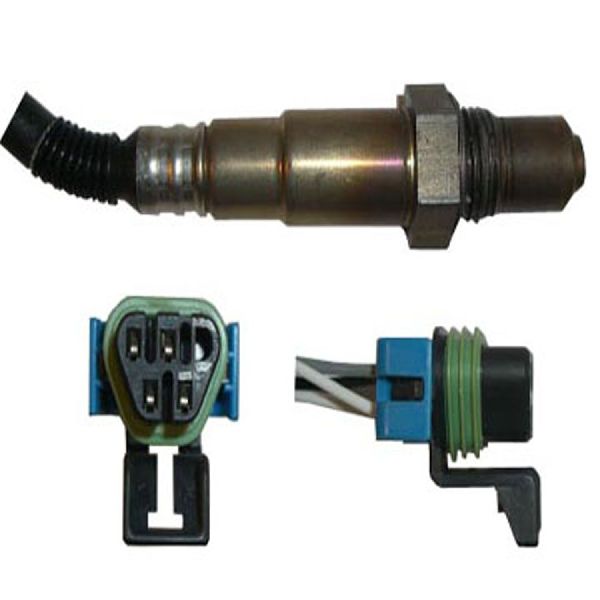
Est. part cost: $80-$200 per injector - Faulty Downstream Oxygen Sensor (Bank 1, Sensor 2) 🟡 Medium Probability → Shop Oxygen Sensor Oxygen sensors have a finite lifespan and can fail, sending incorrect 'rich' signals to the ECM even when the fuel mixture is normal. They are a common wear item.
How to confirm: Use a scan tool to monitor the live data from the Bank 1 Sensor 2. A healthy downstream sensor on a fully warmed-up engine should show a relatively steady voltage (typically between 0.45V and 0.7V). If it's stuck high (above 0.8V) or fluctuating rapidly like the upstream sensor, it's likely faulty.
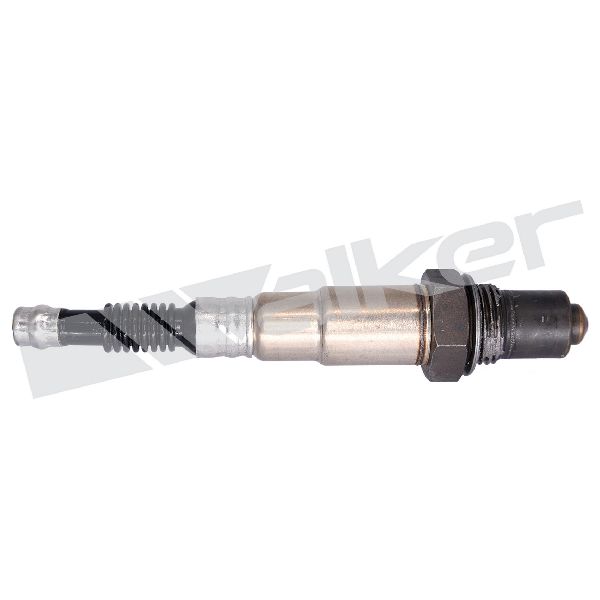
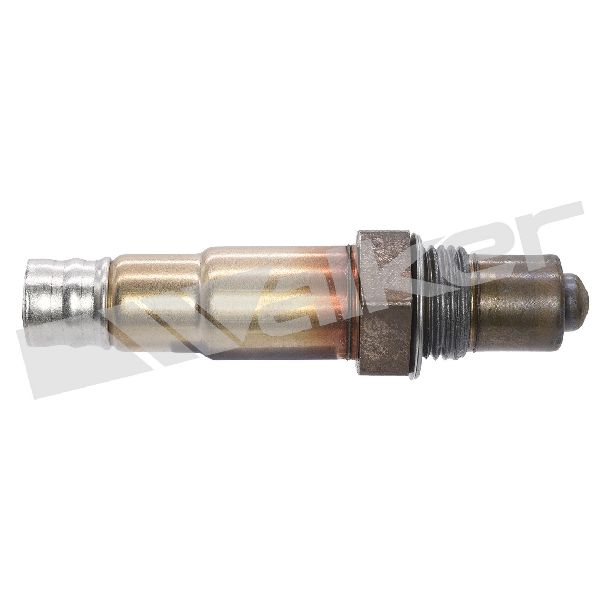
Typical fix: Replace the Bank 1, Sensor 2 oxygen sensor. Bank 1 is the rear bank (firewall side), and Sensor 2 is post-catalytic converter.
Est. part cost: $50-$150 - Exhaust Leak 🟡 Medium Probability Exhaust components like manifold gaskets, flange gaskets, or flex pipes can rust and fail, allowing outside air to be drawn into the exhaust stream. This can 'fool' the oxygen sensors into providing incorrect readings. TSB PIP4964F also mentions checking for exhaust leaks if the injector test passes.
How to confirm: Visually inspect the exhaust system from the engine manifold to past the catalytic converter for any signs of cracks, rust holes, or black soot indicating a leak. A smoke test or applying low-pressure air to the tailpipe and spraying gasket areas with soapy water can pinpoint the exact location of a leak.
Typical fix: Repair the leak by replacing the damaged pipe section or gasket.
Est. part cost: $20-$200 depending on the location and severity
Rare But Worth Checking
- Failing Catalytic Converter: → Shop Catalytic Converter While possible, a failing converter is more likely to cause a P0420 (Catalyst Efficiency) code. However, if it becomes contaminated or internally damaged, it can affect sensor readings and contribute to a P2097 code. This should be considered after ruling out injectors, O2 sensors, and exhaust leaks.
- High Fuel Pressure: A failing fuel pressure regulator or high-pressure fuel pump can cause system-wide high fuel pressure, leading to a rich condition. This would likely be accompanied by other codes (like P2099 for Bank 2) and symptoms.
- ECM Software Anomaly: On some GM vehicles, a software glitch has been known to falsely trigger a P2097 code. GM has issued service bulletins (like 19-NA-017 and 17058) for certain models that require reprogramming the ECM to fix the issue. It's worth checking with a dealer if your vehicle has any open service campaigns related to this.
Diagnosis Steps
- Scan for all DTCs. Note any other codes present, such as misfire (P030x) or upstream rich (P0172) codes, as they provide important clues.
- Check for Technical Service Bulletins (TSBs). TSB #PIP4964F specifically advises checking fuel injectors for P2097. Also, check for any software update bulletins like #19-NA-017.
- Perform a Fuel Injector Balance Test. Following the TSB, this is the most critical step. Use a capable scan tool to command an injector balance test or use an AFIT (Active Fuel Injector Tester) to identify any leaking injectors on Bank 1.
- Inspect the Exhaust System. Visually and audibly check for leaks between the cylinder head and the downstream O2 sensor. Pay close attention to manifold gaskets and flange connections. A smoke test is a reliable method to find small leaks.
- Analyze Oxygen Sensor Live Data. Use a scan tool to observe the voltage of the Bank 1 Sensor 2 (downstream). A healthy sensor on a warm engine should hold a steady voltage (typically ~0.45V - 0.7V). If it's stuck high (above 0.8V) or fluctuating rapidly, the sensor may be faulty.
- Test Fuel Pressure. Check that fuel pressure is within the manufacturer's specified range to rule out a faulty fuel pressure regulator or pump.
- Inspect the Catalytic Converter. If all other causes are eliminated, inspect the catalytic converter for signs of damage, clogging, or contamination. A temperature gun can be used to check for a significant temperature drop across the converter, which could indicate a problem.
Parts You'll Likely Need
- Fuel Injector (Bank 1)
(OEM #ACDelco 12634126 (for 3.6L LFX), ACDelco 12629927 (for 3.0L LF1))— This is the most likely cause according to GM Technical Service Bulletin #PIP4964F.
Trusted brands: ACDelco, Bosch
OEM price range: $130-$250
Aftermarket price range: $80-$150 - Downstream Oxygen Sensor (Bank 1, Sensor 2)
(OEM #ACDelco 213-4699 or Denso 234-4816 (check specific fitment))— The sensor itself can fail and send incorrect rich readings. It's a common wear item.
Trusted brands: ACDelco, Denso, NGK
OEM price range: $100-$180
Aftermarket price range: $50-$120 - Exhaust Gasket — If an exhaust leak is found at a flange or manifold connection, the gasket will need to be replaced.
Trusted brands: Fel-Pro, ACDelco
OEM price range: $20-$50
Aftermarket price range: $10-$30
Related Codes That Often Appear With This One
- P0172 — System Too Rich (Bank 1) - This code indicates the upstream sensor is also detecting a rich condition, often pointing directly to a fuel delivery issue like a leaking injector.
- P0300-P0306 — Random or specific cylinder misfire codes. A leaking injector can foul the spark plug and cause misfires on the affected cylinder(s).
- P2099 — Post Catalyst Fuel Trim System Too Rich Bank 2. If both P2097 and P2099 are present, it points to a problem affecting both engine banks, such as a faulty fuel pressure regulator or a system-wide issue.
Technical Service Bulletins (TSBs) & Recalls
- PIP4964F: Advises technicians to perform a fuel injector balance test (or AFIT test) when diagnosing P2097 or P2099, indicating leaking injectors are a known primary issue. Also suggests checking for exhaust leaks if injectors test good.
- 19-NA-017: A TSB for some other GM models that notes a software anomaly can cause P2096/P2097 and requires an ECM reprogram. While not specific to the SRX in the document, it highlights a potential cause.
- 17058: A service update for some GM models regarding a false P2097 failure that requires a software update.
Platform-Specific Known Issues
- Injector Failure as Primary Cause: Unlike many other vehicles where an O2 sensor is the first part replaced for a P2097 code, on the SRX and its platform mates, the official GM guidance (TSB PIP4964F) directs technicians to test the fuel injectors first. Owner forums corroborate that leaking injectors are a very common resolution for this code.
- Bank 1 Location: Bank 1, which is the source of the P2097 code, is the cylinder bank located at the rear of the engine bay, against the firewall. This can make accessing the fuel injectors and the oxygen sensor more difficult than for Bank 2, which is at the front.
Helpful Videos

![How to Fix P2097 Engine Code in 4 Minutes [2 DIY Methods / Only $9.84]](https://img.youtube.com/vi/rCwtzRmhMwY/mqdefault.jpg)
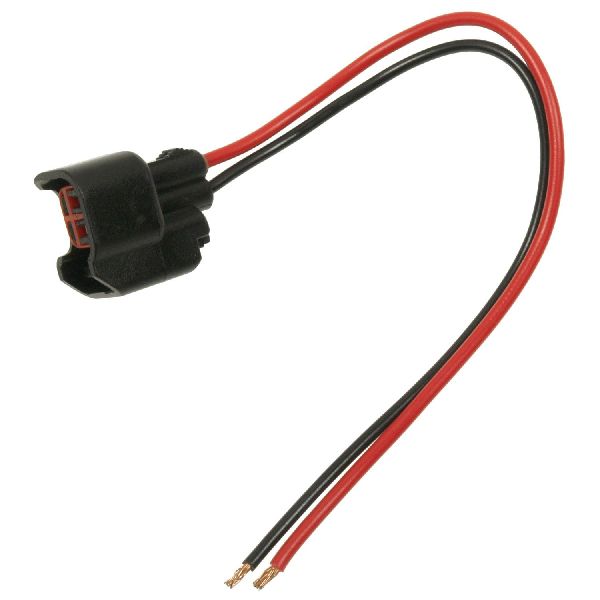
We Have This Part in Stock



The information in this article is provided for general reference and educational purposes only. Vehicle specifications, procedures, and part compatibility can vary by production date, trim level, and region. Always consult your vehicle's factory service manual and verify part numbers before purchasing or performing repairs. Safety-critical components such as airbags, seat belts, and braking systems should be installed by a qualified professional.
- Cadillac SRX:
- 🧭 Diagnostic Flowchart
- 🎬 Helpful Videos
- 🛍️ Shop This Part
- What's Unique About the 2010-2016 Cadillac SRX
- Symptoms You May Notice
- Most Likely Causes
- Rare But Worth Checking
- Diagnosis Steps
- Parts You'll Likely Need
- Related Codes That Often Appear With This One
- Technical Service Bulletins (TSBs) & Recalls
- Platform-Specific Known Issues
- 🎟️ Get 5% Off