

P2097 on 2021 Dodge Durango: Downstream Rich Fuel Trim Causes & Fixes
On a 2021 Dodge Durango, code P2097 is frequently caused by a powertrain software issue that requires an update from a Dodge dealer, as specified in Technical Service Bulletins 18-033-26 and 18-072-22. This is especially true for models with the 3.6L V6 engine. If a software update doesn't apply or fix it, the next most likely cause is a faulty downstream oxygen sensor on Bank 1 (the passenger side for the 3.6L V6).
- For a 2021 Dodge Durango, your first step should be to contact a dealer to check if your vehicle needs a software update per TSB #18-072-22, as this is a known issue and the most likely fix.
- Do not immediately replace the expensive catalytic converter; it is almost never the root cause of a P2097 code.
- If a software update is not needed, the most common hardware failure is the downstream oxygen sensor on Bank 1.
- Bank 1 is the passenger side on 3.6L V6 engines and the driver's side on V8 HEMI engines.
- Driving with this code active can damage your catalytic converter over time, turning a simple fix into a very expensive one.
What's Unique About the 2021-2021 Dodge DURANGO
For the 2021 Dodge Durango, this code is specifically called out in multiple manufacturer Technical Service Bulletins (TSBs). TSB 18-072-22, in particular, notes that a Malfunction Indicator Lamp (MIL) can be triggered by this code on 2021 models with the 3.6L V6 engine (sales code ERC), and the official repair is to reprogram the PCM with updated software. This indicates that the problem is often not a failed hardware component, but rather overly sensitive diagnostic logic in the vehicle's software that falsely triggers the code. TSB 18-033-26 corroborates this by linking P2097 to specific events like cold start catalyst heating, which can also be addressed by software updates.
Diagnostic Flowchart
Tap your situation to follow the diagnostic path that matches what you're seeing on this vehicle.
Symptoms You May Notice
- Check Engine Light is on
- Reduced fuel economy
- Poor or rough idling
- Engine hesitation or stumbling during acceleration
- Possible fuel odor or black smoke from the exhaust
- Engine may be hard to start when hot
- Replacing the catalytic converter first. The converter is expensive and usually fails as a result of a long-term rich condition, not as the initial cause of the P2097 code.
- Replacing the upstream O2 sensor (Bank 1, Sensor 1). While a faulty upstream sensor can affect fuel trims, the P2097 code is specifically triggered by the reading from the downstream sensor. The downstream sensor and its circuit should be diagnosed first.
Most Likely Causes
- Powertrain Control Module (PCM) Software Update Needed 🔴 High Probability → Shop Engine Control Module (ECM) Manufacturer TSB #18-072-22 directly addresses P2097 and P2099 on the 2021 Durango with the 3.6L engine, indicating the factory software logic is a known issue that can falsely trigger the code. TSB #18-033-26 also links this code to specific operating conditions like cold starts, further suggesting a calibration problem.
How to confirm: Contact a Dodge dealership with your vehicle's VIN. They can check their system to see if TSB #18-072-22 or any other software updates are open and applicable to your specific vehicle.
Typical fix: A technician will use a diagnostic tool (like wiTECH) to reprogram or 'flash' the PCM with the latest manufacturer software. The process involves connecting a battery charger to maintain stable voltage and can take around 0.2 labor hours according to the TSB.
Est. part cost: $0 - Faulty Downstream Oxygen (O2) Sensor (Bank 1, Sensor 2) 🟡 Medium Probability → Shop Oxygen Sensor O2 sensors are consumable parts that degrade over time from heat and contaminants. The downstream sensor can fail and send an incorrect, fixed-rich signal to the PCM, even if the air-fuel mixture is correct.
How to confirm: Use a scan tool to monitor the live voltage data from the Bank 1 Sensor 2. A healthy downstream sensor should show a relatively steady voltage (typically between 0.5V and 0.7V). If it's stuck high (e.g., above 0.8V) or fluctuating wildly like an upstream sensor, it is likely faulty.
Typical fix: Replace the Bank 1, Sensor 2 oxygen sensor. 🎬 See this walkthrough for replacing a downstream oxygen sensor. Bank 1 is the passenger side on the 3.6L V6 and the driver's side on V8 HEMI engines.
Est. part cost: $40-$90 - Exhaust System Leak 🟡 Medium Probability Leaks from cracked exhaust manifolds, failed gaskets, or corroded pipe connections before the O2 sensors can allow outside air into the exhaust, which paradoxically can cause the PCM to enrich the fuel mixture, leading to a P2097 code. On HEMI V8 engines in the same family, exhaust manifold leaks from broken bolts are a very common issue, often identified by a 'ticking' sound on cold starts.
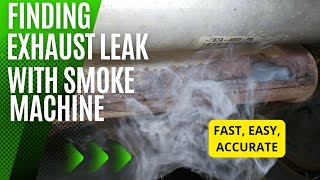
How to confirm: Perform a visual inspection of the exhaust system from the engine to the catalytic converter, looking for black soot marks, rust holes, or audible hissing/ticking sounds, especially on a cold start. A smoke test is the most definitive method for locating hard-to-see leaks. 🎬 Watch: How to find exhaust leaks using a smoke machine.
Typical fix: Replace the leaking gasket, tighten loose bolts, or repair/replace the cracked exhaust component.
Est. part cost: $20-$500 - Leaking Fuel Injector(s) ⚪ Low Probability → Shop Fuel Injector Not a platform-specific issue, but an injector that is stuck partially open will continuously drip excess fuel into a cylinder, causing a genuine rich condition that the O2 sensors will detect. This is more likely if the code is accompanied by a misfire on a specific cylinder.
How to confirm: This is often accompanied by a misfire code for a specific cylinder (e.g., P0301, P0303) or a rich code from the upstream sensor (P0172). Inspecting the spark plugs on Bank 1 may reveal one that is black and sooty or wet with fuel.
Typical fix: Replace the faulty fuel injector.
Est. part cost: $70-$150
Rare But Worth Checking
- Failing Catalytic Converter: → Shop Catalytic Converter While possible, this is rarely the root cause. A converter can become contaminated or clogged, reducing its efficiency and causing incorrect downstream O2 readings. This should only be considered after all other causes, especially software updates and sensors, have been ruled out. A temperature gun can be used to check the inlet vs. outlet temperature; a working converter should be hotter at the outlet.
- Damaged O2 Sensor Wiring: → Shop Oxygen Sensor The wiring harness to the O2 sensor can be damaged by road debris or contact with hot exhaust components. A short to ground or a broken wire can cause the same symptoms as a failed sensor. Always inspect the wiring and connector before replacing the sensor.
Diagnosis Steps
- Check for Technical Service Bulletins (TSBs): Contact a Dodge dealer with your VIN to see if TSB #18-072-22 or any other software update applies to your vehicle. This is the most critical first step for a 2021 Durango 3.6L.
- Scan for Additional Codes: Use an OBD-II scanner to check for other codes, such as P2099 (Bank 2 rich) or any misfire codes (P030x), which can provide crucial diagnostic clues.
- Analyze Live O2 Sensor Data: Use a scan tool to observe the voltage from the Bank 1 downstream O2 sensor (B1S2). It should be relatively stable. If it's stuck high (above 0.8V) or fluctuating rapidly like an upstream sensor, the sensor is likely bad.
- Inspect for Exhaust Leaks: Visually and audibly inspect the entire exhaust system on Bank 1 for leaks, especially around the manifold and gaskets. A 'cold start tick' is a classic sign of an exhaust manifold leak. A smoke test is the most effective method for finding small leaks.
- Check Fuel System: If sensors and exhaust are confirmed good, investigate for a leaking fuel injector or high fuel pressure. This is less common but possible, especially if misfire codes are also present.
Parts You'll Likely Need
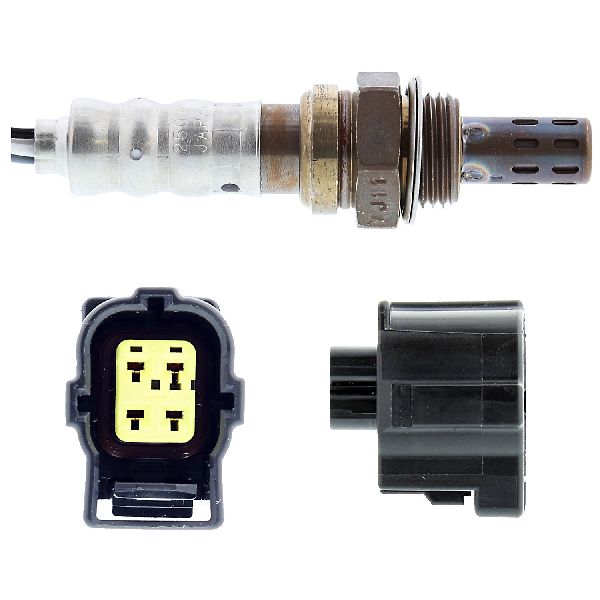
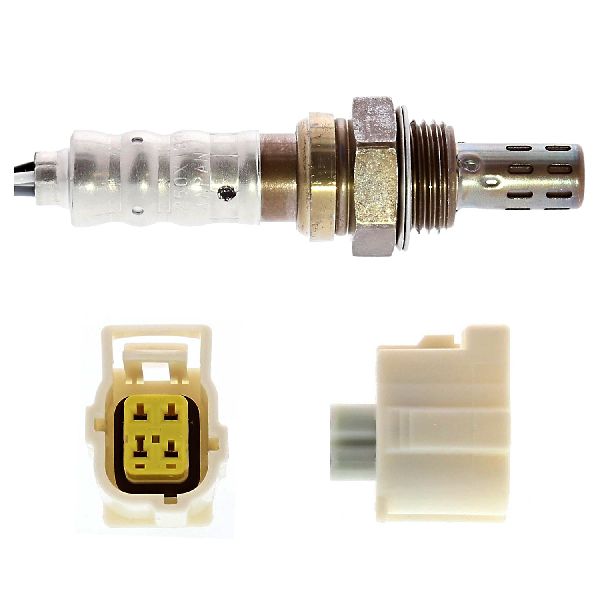
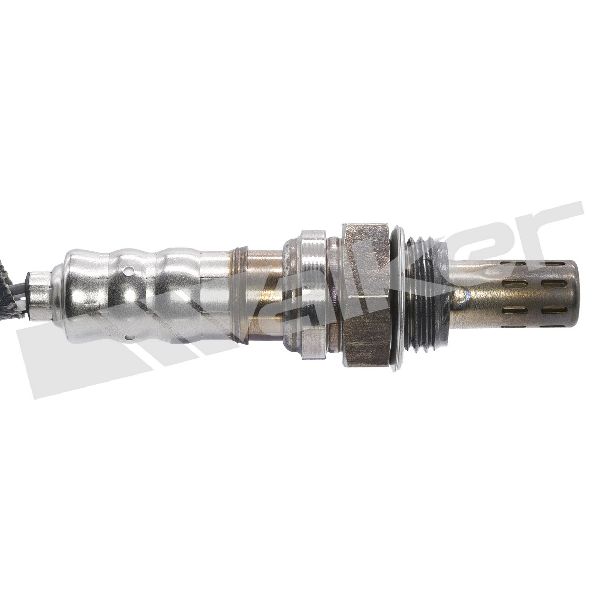
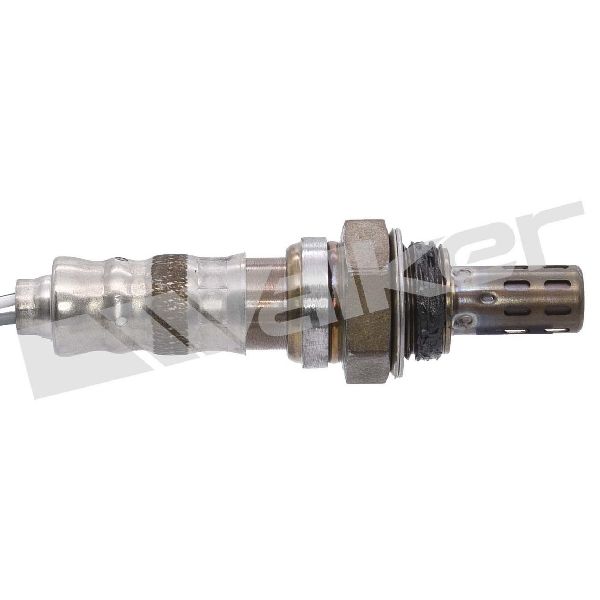
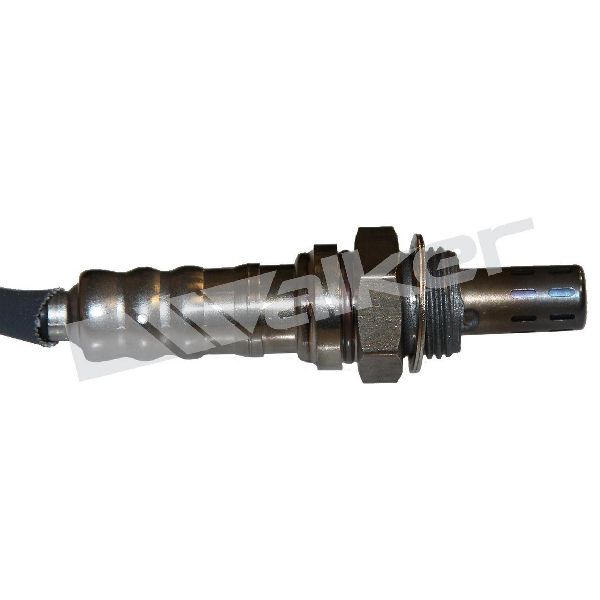
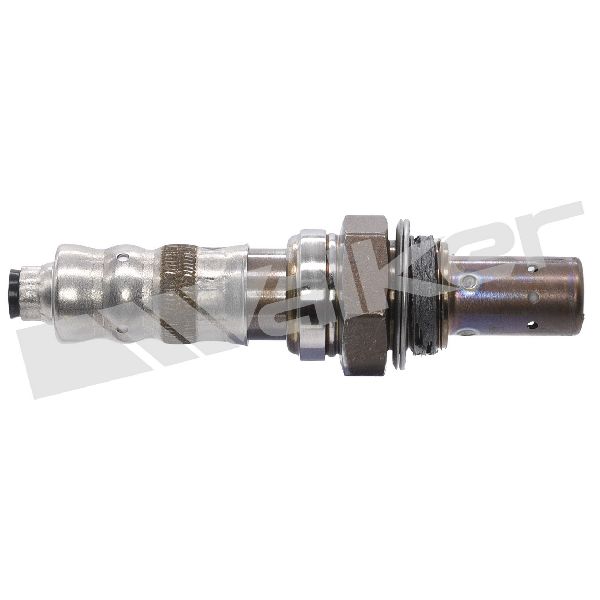
- Downstream Oxygen Sensor (Bank 1, Sensor 2)
(OEM #68224424AA)— If the issue is not software-related, this sensor is the most common hardware failure. It directly reports the value that triggers the code and can fail by sending an inaccurate 'rich' signal.
Trusted brands: Mopar, NTK, Denso, Bosch
OEM price range: $100-$150
Aftermarket price range: $40-$90
Related Codes That Often Appear With This One
- P2099 — This is the identical 'rich' code for the opposite engine bank (Bank 2). Both TSBs #18-033-26 and #18-072-22 list P2097 and P2099 together, strongly suggesting a systemic cause like a PCM software issue that affects both banks. [2, 18-033-26, 1807222, 10]
- P0306 — This is a misfire code for cylinder 6. TSB #18-033-26 mentions it appearing with P2097, indicating the rich condition may be severe enough to cause incomplete combustion or that a separate engine management issue is present. [18-033-26]
- P0172 — This code means 'System Too Rich Bank 1' as detected by the *upstream* sensor. If you see both P0172 and P2097, it strongly indicates a true rich condition on Bank 1 (like a leaking injector), as both sensors are confirming the issue.
Technical Service Bulletins (TSBs) & Recalls
- 18-033-26: Mentions P2097 and P2099 set during cold start catalyst heating. [18-033-26]
- 18-072-22: Explicitly calls for a PCM software update to resolve P2097 and P2099 on 2021 Durango models with the 3.6L engine (Sales Code ERC). This is the primary TSB for this specific issue.
Platform-Specific Known Issues
- The Powertrain Control Module (PCM) on 2021 models with the 3.6L V6 engine has a known software issue that can cause P2097 and P2099 to be set incorrectly, requiring a dealer-installed software update to fix per TSB #18-072-22.
- Owners of platform-mate vehicles like the Jeep Grand Cherokee and Ram 1500 with the 3.6L engine report similar issues where a PCM flash was the ultimate solution for P2097/P2099 codes that would not resolve after replacing sensors.
Mechanic-Grade Diagnostic Values
- Downstream O2 Sensor (B1S2) Voltage — expected: Relatively stable voltage between 0.4V and 0.6V at warm idle.. Failure: Voltage is stuck high (above 0.8V) or fluctuates rapidly like an upstream sensor (0.1V to 0.9V).
- O2 Sensor Heater Circuit Resistance — expected: Typically between 5 and 15 Ohms, but consult a service manual for exact specs.. Failure: An open circuit (infinite resistance/OL) or a shorted circuit (near zero resistance) indicates the heater has failed and the sensor needs replacement.
- Fuel Pressure (3.6L V6 Engine) — expected: Approximately 58 PSI.. Failure: Significantly higher pressure can indicate a faulty fuel pump or regulator, forcing a system-wide rich condition.
Scan Tool Commands That Help
- Professional OBD-II Scanner (e.g., Launch, Autel): O2 Sensor Learning Value Reset — After replacing an O2 sensor, catalytic converter, or fuel injector, this function should be used to clear the PCM's adaptive memory. This forces the system to relearn fuel trims with the new component, preventing the old learned values from causing issues.
Wiring & Ground Locations
- O2 Sensor Harness Connectors — Connectors for the O2 sensors can be located in difficult-to-reach areas, such as on top of the transmission housing, between the transmission and the vehicle body.. Physical access can be challenging, requiring removal of other components like transmission brackets. Damage can occur during other repairs, and a poor connection here will mimic a failed sensor.
- Upstream vs. Downstream Connectors — On some Chrysler/Dodge/Jeep platforms, the upstream and downstream O2 sensor connectors are physically identical and located near each other in the wiring harness.. It is possible to inadvertently swap the connectors during a repair, which will cause persistent and confusing fuel trim and O2 sensor codes. Always verify the correct sensor is plugged into the correct harness-side connector.
Real Owner Repair Stories
- Manufacturer Technical Service Bulletins (TSB #18-072-22 & #18-033-26) (2021 Dodge Durango with 3.6L V6 Engine) — Check Engine Light on with P2097 and/or P2099 stored.
❌ Tried (didn't work) Replacing oxygen sensors, Searching for exhaust leaks
✅ What actually fixed it Reprogramming the Powertrain Control Module (PCM) with updated software from the manufacturer. The TSBs indicate the original software calibration was too sensitive, falsely setting the codes.
"I Checked Everything" — The Actual Cause
- For the 2021 Durango 3.6L, a common scenario is for a technician to find no exhaust leaks (smoke test clean) and a functioning O2 sensor, yet the P2097 code persists. The actual cause is often the PCM software calibration being too sensitive, which requires a dealer reflash to correct, as documented in TSB #18-072-22.
When the Usual Fixes Don't Work
- While the most documented fix for a 2021 Durango 3.6L is a PCM software update, this will not solve every case. If the TSB has been performed (or is not applicable to the vehicle's VIN) and the code returns, the problem should then be treated as a standard hardware or wiring fault. In these instances, the cause is likely a genuinely failed downstream O2 sensor, an exhaust leak that was missed on initial inspection, or a wiring issue, and diagnosis should proceed accordingly.
OEM Part Supersession History
68224424AA→N/A— This is the current, correct OEM part number for the downstream oxygen sensor.
Heads up: No supersession history was found in searches. This part number is specified for a wide range of Mopar vehicles from 2018-2026, indicating it is the stable, correct part.
Helpful Videos

We Have This Part in Stock

The information in this article is provided for general reference and educational purposes only. Vehicle specifications, procedures, and part compatibility can vary by production date, trim level, and region. Always consult your vehicle's factory service manual and verify part numbers before purchasing or performing repairs. Safety-critical components such as airbags, seat belts, and braking systems should be installed by a qualified professional.
- Dodge DURANGO:
- 🧭 Diagnostic Flowchart
- 🎬 Helpful Videos
- 🛍️ Shop This Part
- What's Unique About the 2021-2021 Dodge DURANGO
- Symptoms You May Notice
- Most Likely Causes
- Rare But Worth Checking
- Diagnosis Steps
- Parts You'll Likely Need
- Related Codes That Often Appear With This One
- Technical Service Bulletins (TSBs) & Recalls
- Platform-Specific Known Issues
- Mechanic-Grade Diagnostic Values
- Scan Tool Commands That Help
- Wiring & Ground Locations
- Real Owner Repair Stories
- "I Checked Everything" — The Actual Cause
- When the Usual Fixes Don't Work
- OEM Part Supersession History
- 🎟️ Get 5% Off