

P2097 on 2015-2022 GMC Canyon: Causes and Fixes for Rich Fuel Trim
On a 2015-2022 GMC Canyon, code P2097 is often caused by a leaking fuel injector or a subtle exhaust leak near the catalytic converter. A GM Technical Service Bulletin (#PIP4964F) specifically points to checking fuel injectors first before suspecting the downstream oxygen sensor. Expect to pay $50-$120 for an O2 sensor and $80-$200 for a fuel injector.
- P2097 means the computer sees a rich fuel mixture after the catalytic converter on Bank 1.
- For the 2015-2022 GMC Canyon, a GM service bulletin strongly suggests a leaking fuel injector is a likely cause.
- Do not immediately replace the catalytic converter; it is often the victim of another problem, not the cause.
- Other common causes include a faulty downstream O2 sensor or an exhaust leak.
- Diagnosis should start with checking for other codes, inspecting for exhaust leaks, and testing the fuel injectors as recommended by the TSB.
What's Unique About the 2015-2022 Gmc CANYON
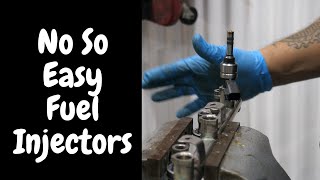
For the GMC Canyon and its twin, the Chevy Colorado, a key factor is a manufacturer Technical Service Bulletin (TSB) that directly addresses this code. TSB #PIP4964F advises technicians to perform a fuel injector balance test when P2097 is present, suggesting that leaking or malfunctioning injectors are a known primary issue. Uniquely, the TSB also provides a secondary diagnostic step if injectors test fine: check for a small exhaust leak at the outlet of the engine converter, which can pull in air and cause a false reading. This two-pronged factory guidance (injectors first, then specific exhaust leak location) is more specific than the typical "replace the O2 sensor&qu 🎬 Watch: A deep dive into P2097 symptoms and common causes.ot; advice for other vehicles.
Diagnostic Flowchart
Tap your situation to follow the diagnostic path that matches what you're seeing on this vehicle.
Symptoms You May Notice
- Check Engine Light is on
- Reduced fuel economy
- Rough or uneven idle
- Hesitation or stumbling during acceleration
- Black smoke from the exhaust, especially under load
- A strong smell of fuel or rotten eggs from the tailpipe
- Engine may be hard to start when hot
- Immediately replacing the downstream O2 sensor without checking injectors or for exhaust leaks. This is the most common misstep, as the sensor is often just reporting the problem accurately.
- Replacing the catalytic converter without proper diagnosis. A bad converter is usually the *result* of an unresolved rich condition (like a leaking injector), which will destroy the new converter as well.
- Replacing the upstream (Air/Fuel Ratio) oxygen sensor. While a faulty upstream sensor can cause a rich condition, P2097 specifically relates to the reading from the downstream sensor's measurement of catalyst efficiency.
Most Likely Causes
- Leaking or Malfunctioning Fuel Injector(s) 🔴 High Probability → Shop Fuel Injector A specific GM TSB (#PIP4964F) directs technicians to investigate fuel injectors first for this code. The direct injection system on the gas engines can be prone to issues, and a leaking injector dumps excess fuel that the downstream O2 sensor detects. This is the most common cause according to GM's own preliminary information.
How to confirm: Follow the TSB guidance: perform a fuel injector balance test with a capable scan tool or have a shop use an Active Fuel Injector Tester (AFIT). A less precise method is to remove the spark plugs on Bank 1 and check for one that is significantly darker, sootier, or wet with fuel compared to the others.
Typical fix: Replace the faulty fuel injector(s). It is highly recommended to replace all injectors on the affected bank (or all engine injectors) at once to ensure balanced fuel delivery and prevent future failures.
Est. part cost: $80 - $200 per injector - Exhaust Leak (at a specific location) 🟡 Medium Probability TSB #PIP4964F identifies a small exhaust leak, specifically at the outlet of the engine converter (before the downstream O2 sensor), as a secondary cause. This leak can draw in outside air, which confuses the downstream sensor and can paradoxically lead to a rich code.
How to confirm: Per the TSB, a smoke machine may not be effective. The recommended method is to apply low pressure (5-8 psi) air to the tailpipe and spray a soapy water solution on the exhaust flange gaskets and O2 sensor boss after the converter. Look for large bubbles, not just small foam. A visual inspection for black soot trails around exhaust flanges is also a good first step.
Typical fix: Replace the leaking gasket or repair/replace the damaged section of the exhaust pipe. Filing the mating surface of the pipe flange is also suggested to ensure a good seal.
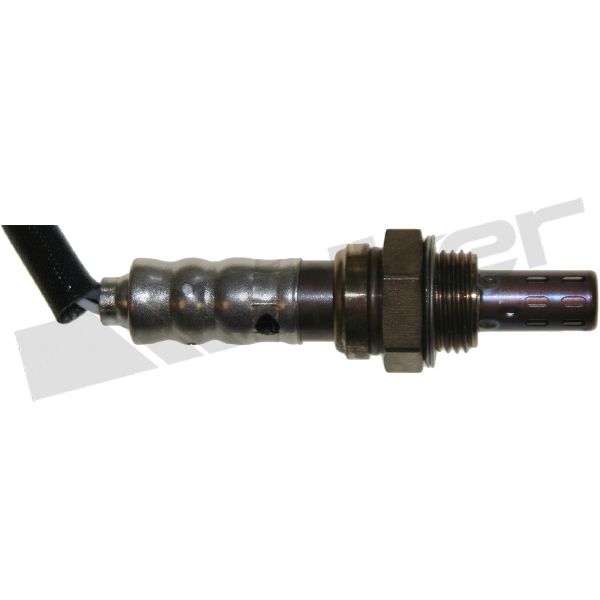
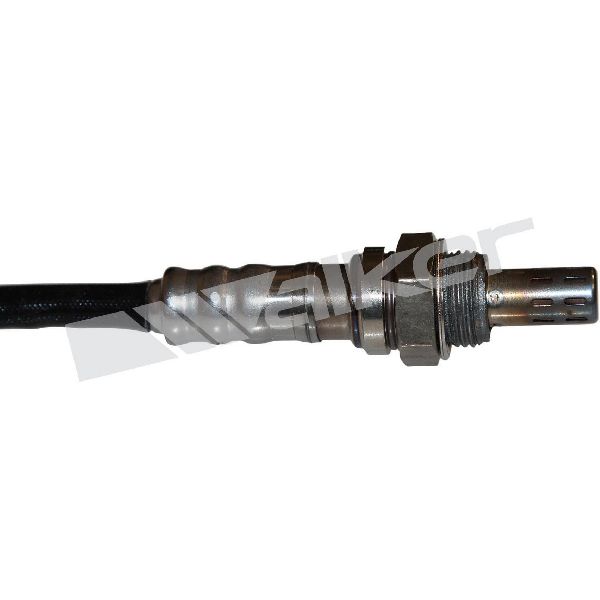
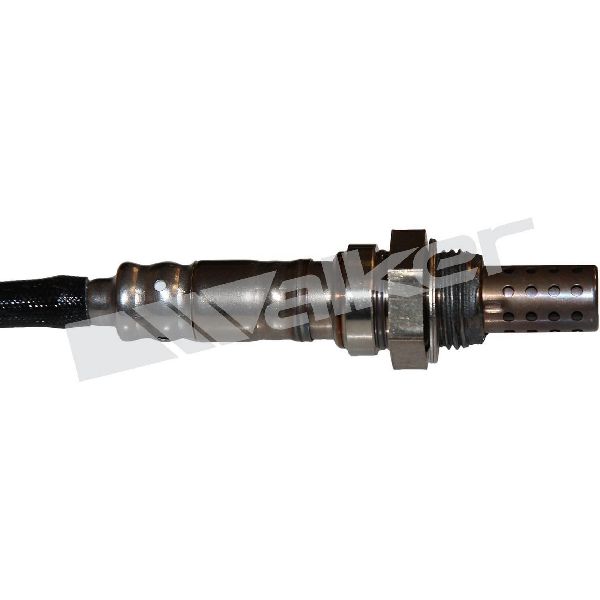
Est. part cost: $10 - $100 for gaskets or minor repairs - Faulty Downstream Oxygen Sensor (Bank 1, Sensor 2) 🟡 Medium Probability → Shop Oxygen Sensor While the TSB points elsewhere first, the O2 sensor is the component that actually reports the fault and is a common wear-and-tear item. It can fail and send a false, biased-rich signal to the computer. Many owners replace this first, sometimes successfully, but often the problem returns if the root cause is an injector or leak.
How to confirm: Use a scan tool to monitor the live data for the Bank 1 Sensor 2 voltage. After the engine is fully warmed up, the voltage should be relatively stable and steady (e.g., 0.6v-0.8v). If it's stuck high (above 0.8v) or fluctuating rapidly like the upstream sensor, the sensor is likely faulty or the catalytic converter has failed.
Typical fix: Replace the Bank 1 downstream (post-catalyst) oxygen sensor. Note that some replacement sensors may require a special setup procedure or ECM programming to function correctly.
Est. part cost: $50 - $120
Rare But Worth Checking
- Failing Catalytic Converter: → Shop Catalytic Converter While a bad catalytic converter can cause this code, it's often a symptom of the P2097 code, not the cause. A long-term rich condition from a leaking injector will overheat and destroy the converter. Suspect the converter only after injectors and exhaust leaks have been ruled out.
- High Fuel Pressure: A faulty fuel pressure regulator or a problem with the high-pressure fuel pump (on direct injection engines) can cause system-wide high fuel pressure. This would likely affect both banks and set codes P2097 and P2099, possibly with other fuel system codes.
- Powertrain Control Module (PCM) Issue: → Shop Engine Control Module (ECM) In very rare cases, a software glitch or hardware failure in the PCM can cause it to misinterpret sensor data. This should only be considered after all other possibilities have been exhausted and is often resolved with a software update from the dealer.
Diagnosis Steps
- Scan for any other stored trouble codes. Address other codes first, especially for misfires (P030x) or system-wide rich codes (P0172).
- Follow GM TSB #PIP4964F guidance: Perform a fuel injector balance test or AFIT test to check for leaking or over-fueling injectors on Bank 1. This should be a primary step.
- If injectors test normal, perform a targeted exhaust leak test. Pressurize the exhaust with 5-8 psi of air via the tailpipe and spray soapy water on the flange/gasket after the Bank 1 catalytic converter. Look for significant bubbles.
- Use a scan tool to observe live data. Watch the voltage of the Bank 1 Sensor 2 (downstream) O2 sensor. Once at operating temperature, it should be steady. If it's stuck high (>0.8v) or fluctuating wildly, and you've confirmed no injector or exhaust leak issues, the sensor itself is suspect.
- Inspect the wiring and connector for the Bank 1, Sensor 2 O2 sensor for any damage, corrosion, or melting from contact with the exhaust.
- If all other steps fail to find a cause, test the fuel pressure to ensure it is within specification.
- As a final step, consider testing the catalytic converter's efficiency or investigating a potential PCM software update with a dealership.
Parts You'll Likely Need
- Fuel Injector
(OEM #12634126 (Primarily for 2015-2016 3.6L V6, verify for other years/engines))— A known primary issue on this platform, as highlighted by GM TSB #PIP4964F. A leaking injector directly causes the rich condition detected by the downstream O2 sensor.
Trusted brands: ACDelco, Bosch
OEM price range: $150-$220
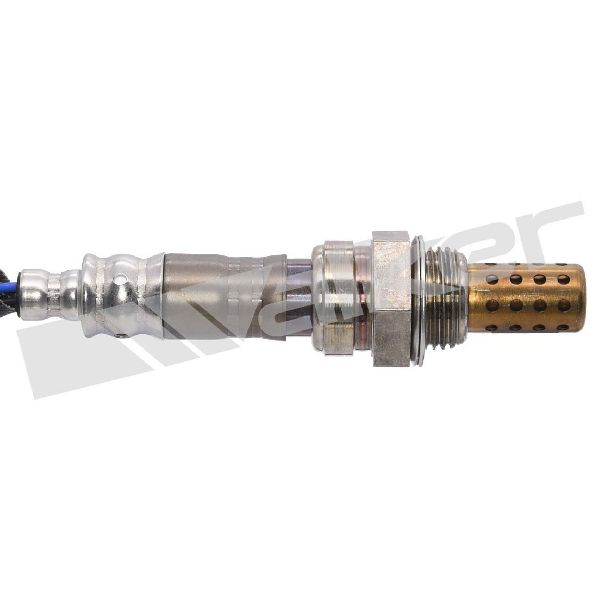
Aftermarket price range: $80-$150 - Downstream Oxygen Sensor (Bank 1, Sensor 2)
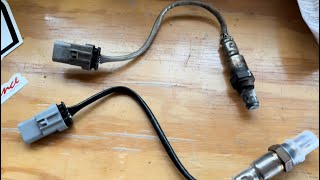
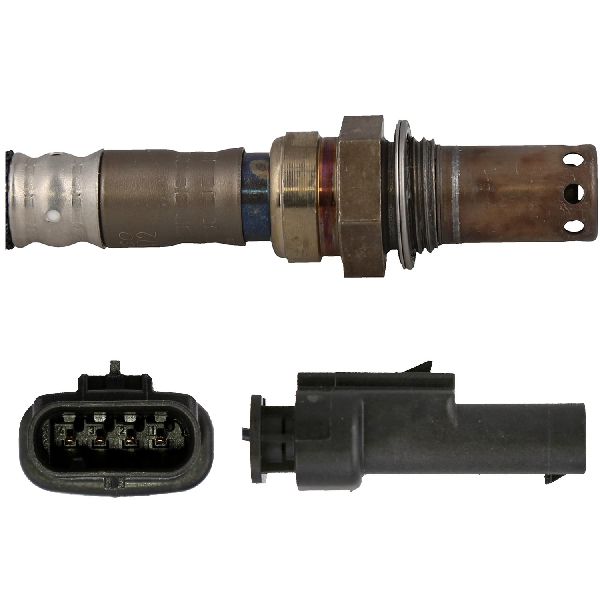
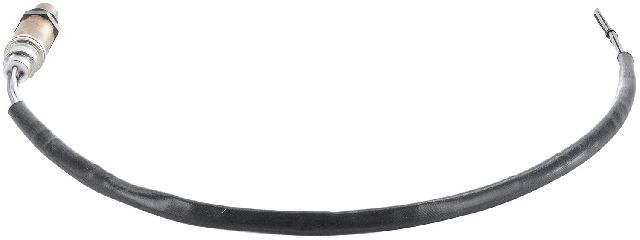
(OEM #12667438)— This sensor is what triggers the code. It can fail and send false rich readings, but should be tested after injectors and exhaust leaks are ruled out. May require special setup procedures after installation.
Trusted brands: ACDelco, Denso, NGK
OEM price range: $80-$120
Aftermarket price range: $50-$90 - Exhaust Flange Gasket — If an exhaust leak is found at the converter outlet flange as described in the TSB, replacing the gasket is necessary to seal it.
Trusted brands: Fel-Pro, Walker Exhaust
OEM price range: $15-$30
Aftermarket price range: $10-$20
Related Codes That Often Appear With This One
- P0300-P0306 — If a leaking injector is the cause, it can foul the spark plug and lead to misfires in a specific cylinder (e.g., P0301 for cylinder 1) or random misfires (P0300).
- P0172 — This code means "System Too Rich Bank 1" and is based on the upstream O2 sensor. If a fuel delivery issue (like a bad injector) is severe enough, both the upstream and downstream sensors will detect the rich condition.
- P2099 — This is the same code but for Bank 2. If you see both P2097 and P2099, the cause is likely something that affects the entire engine, such as a fuel pressure issue, rather than a single injector on Bank 1.
Technical Service Bulletins (TSBs) & Recalls
- PIP4964F: Advises checking for Diagnostic Trouble Code P2097 or P2099 and performing an injector balance test. Also provides secondary steps to check for exhaust leaks if injectors are not the cause.
Platform-Specific Known Issues
- TSB #PIP4964F: This bulletin is critical for this code on this vehicle. It advises technicians to check for DTC P2097 or P2099 and perform an injector balance test *before* other diagnostics. It also details a procedure for finding subtle exhaus
Mechanic-Grade Diagnostic Values
- Downstream O2 Sensor (Bank 1 Sensor 2) Voltage — expected: Relatively steady voltage around 0.45V to 0.8V when the engine is warm and in closed loop.. Failure: Voltage is stuck high (above 0.82V) or fluctuates rapidly like the upstream sensor.
- Upstream O2 Sensor (Bank 1 Sensor 1) Voltage — expected: Should fluctuate rapidly and consistently between approximately 0.1V (lean) and 0.9V (rich).. Failure: Slow response, or stuck at a specific voltage.
- Long-Term Fuel Trim (LTFT) — expected: Ideally close to 0%, within a range of -13% to +13%.. Failure: Consistently positive and above +13% when the DTC sets, suggesting the ECM is adding fuel to compensate for a perceived lean condition (which could be an exhaust leak fooling the O2 sensor) or a true rich condition from a leaking injector.
- O2 Sensor Heater Circuit Resistance — expected: Typically between 5-7 Ω.. Failure: A reading outside this range indicates a faulty heater element within the sensor, which can cause incorrect readings, especially before the engine is fully warm.
Scan Tool Commands That Help
- GM GDS2 / Professional Scan Tool: Injector Balance / Active Fuel Injector Tester (AFIT) — This is the primary diagnostic step recommended by GM TSB #PIP4964F to identify leaking or over-fueling injectors, which are a primary cause of P2097 on these trucks.
- Professional Scan Tool: Catalytic Converter Efficiency Test — Use this function after ruling out fuel injectors and exhaust leaks to determine if the catalytic converter itself has failed and is no longer effectively treating exhaust gases.
- Professional Scan Tool: O2 Sensor Heater Circuit Test — To verify the integrity of the oxygen sensor's internal heater, which is necessary for the sensor to reach operating temperature and provide accurate readings quickly.
- GM GDS2 / Professional Scan Tool: Fuel Trim Reset — After replacing a component like a fuel injector or O2 sensor, resetting the learned fuel trim values forces the ECM to relearn the fuel strategy with the new part, preventing the old, incorrect values from causing issues.
Wiring & Ground Locations
- Bank 1 Sensor 2 Connector — Bank 1 is the passenger side on the V6 engine. The downstream (Sensor 2) O2 sensor is located on the exhaust pipe just after the catalytic converter. The electrical connector is typically clipped to the frame or body nearby.. This is the connector for the sensor that triggers the code. It should be inspected for damage, corrosion, or melting from contact with hot exhaust components.
- Engine Block Grounds (e.g., G103, G104) — GM typically uses several key ground points bolted directly to the engine block and cylinder heads. A critical one is often at the rear of the driver's side cylinder head, grounding the PCM and sensor harnesses.. A poor ground connection for the engine sensors or the PCM can introduce electrical noise and voltage offsets, leading to incorrect sensor readings and false trouble codes.
- Frame/Body Grounds (e.g., G100, G105) — Located on the frame rails and body in the engine compartment, often near the radiator support or battery tray.. These grounds are essential for the entire electrical system. Corrosion or looseness, especially in salt-belt regions, can cause a wide range of intermittent and difficult-to-diagnose electrical problems.
"I Checked Everything" — The Actual Cause
- Per TSB #PIP4964F, a standard smoke test may not reveal the specific type of exhaust leak causing P2097. The bulletin suggests a small leak at the converter outlet flange can draw in air (Venturi effect) rather than push smoke out, fooling the downstream O2 sensor. The recommended procedure is to pressurize the exhaust from the tailpipe and use soapy water on the flange to find bubbles.
- According to TSB #PIP5215A, if fuel trims are within the normal range (-13% to +13%) when the code sets, the issue is not a fuel delivery problem. The cause is more likely an exhaust leak or a fault in the O2 sensor's heater circuit, which can be missed during basic diagnosis.
OEM Part Supersession History
12642128→12634126— Part has been updated by the manufacturer.N/A→12667438 (O2 Sensor)— N/A
Heads up: This O2 sensor is used on 2017+ models with the LGZ V6 and requires programming or special setup procedures after installation, which may not be possible with basic tools.
Model Year Variations Within This Range
- 2015-2016: These model years primarily use the 3.6L LFX V6 engine. The common fuel injector part number associated with P2097 issues on these models is 12634126.
- 2017-2022: Starting in 2017, the V6 engine was updated to the 3.6L LGZ, paired with an 8-speed automatic transmission. This engine has different components, including a different O2 sensor (PN 12667438) that requires special setup procedures upon replacement. The causes for P2097 remain similar, but the specific parts involved may differ from earlier years.
Helpful Videos

![How to Fix P2097 Engine Code in 4 Minutes [2 DIY Methods / Only $9.84]](https://img.youtube.com/vi/rCwtzRmhMwY/mqdefault.jpg)
Used OEM Parts in Stock
New Aftermarket Parts Available

The information in this article is provided for general reference and educational purposes only. Vehicle specifications, procedures, and part compatibility can vary by production date, trim level, and region. Always consult your vehicle's factory service manual and verify part numbers before purchasing or performing repairs. Safety-critical components such as airbags, seat belts, and braking systems should be installed by a qualified professional.
- Gmc CANYON:
- 🧭 Diagnostic Flowchart
- 🎬 Helpful Videos
- 🛍️ Shop This Part
- What's Unique About the 2015-2022 Gmc CANYON
- Symptoms You May Notice
- Most Likely Causes
- Rare But Worth Checking
- Diagnosis Steps
- Parts You'll Likely Need
- Related Codes That Often Appear With This One
- Technical Service Bulletins (TSBs) & Recalls
- Platform-Specific Known Issues
- Mechanic-Grade Diagnostic Values
- Scan Tool Commands That Help
- Wiring & Ground Locations
- "I Checked Everything" — The Actual Cause
- OEM Part Supersession History
- Model Year Variations Within This Range
- 🎟️ Get 5% Off