

P2097 on 2017-2022 Honda CR-V 1.5T: Post-Catalyst Fuel Trim Too Rich Causes and Fixes
On a 2017-2022 Honda CR-V with the 1.5L Turbo engine, code P2097 is most commonly caused by faulty or leaking fuel injectors. This is a known issue, and Honda has extended the warranty on the injectors for many of these vehicles. A key symptom is the smell of gasoline in the engine oil. Before replacing any parts, check with a Honda dealer about warranty coverage for your VIN.
- P2097 on a 2017-2022 CR-V 1.5T points to a rich fuel mixture detected after the catalytic converter.
- The most probable cause is faulty/leaking fuel injectors, a known issue for this engine.
- Check for a strong gasoline smell in the engine oil as a key symptom of leaking injectors.
- Contact a Honda dealer with your VIN to check for warranty extensions on fuel injectors before paying for any repairs.
What's Unique About the 2017-2022 Honda CR-V
The 1.5L Turbo (L15B7) direct-injection engine used in the fifth-generation CR-V is known for issues with faulty fuel injectors. This problem is so prevalent that Honda has issued warranty extensions (TSB 21-010) covering the fuel injectors for up to 10 years or 150,000 miles on many affected vehicles. A major consequence of this is fuel diluting the engine oil, which can be detected by a high oil level or a strong gasoline smell on the dipstick. Therefore, unlike on many other cars where an oxygen sensor is the first suspect for P2097, on this specific CR-V, the fuel injectors are a much more likely cause.
Symptoms You May Notice
- Check Engine Light is on.
- Reduced fuel economy.
- Rough or unstable idle.
- Sluggish acceleration or lack of power.
- Strong smell of gasoline from the exhaust or engine bay.
- Engine oil level is high and smells strongly of gasoline (fuel dilution).
- Difficulty starting the engine, especially when cold.
- Replacing the oxygen sensor when the root cause is a leaking fuel injector. Due to the known injector issues on this platform, injectors should be a primary suspect. Always check for fuel in the oil before replacing the O2 sensor.
Most Likely Causes
- Faulty or Leaking Fuel Injectors 🔴 High Probability → Shop Fuel Injector The 1.5L Turbo engine has a known issue with fuel injectors that were not manufactured to proper specifications, causing them to clog or leak internally. This allows raw fuel to drip into the cylinders. This is part of a wider 'oil dilution' problem for this engine. Honda has acknowledged this with a warranty extension program (check TSB 21-010).
How to confirm: The most definitive confirmation is a fuel injector balance test. However, a very strong indicator is checking the engine oil dipstick; if the oil level is above the full mark and smells strongly of gasoline, leaking injectors are almost certain. A scan tool showing consistently negative long-term fuel trims also points to this issue.
Typical fix: Replace all four fuel injectors with the updated part. It is critical to check with a Honda dealer first, as this repair may be covered under the warranty extension. The replacement kit often includes a new fuel pipe as well.
Est. part cost: $400-$750 for a set of four OEM injectors and the required fuel pipe. - Faulty Downstream Oxygen Sensor (Bank 1, Sensor 2) 🟡 Medium Probability → Shop Oxygen Sensor
How to confirm: Use a scan tool to monitor the voltage of the downstream O2 sensor. A healthy sensor should show a relatively stable voltage (typically between 0.4V and 0.6V after warm-up). If the voltage is stuck high (above 0.8V) even when the engine is not truly rich, or if it is not responding, the sensor is likely faulty.
Typical fix: Replace the downstream (post-catalyst) oxygen sensor.
Est. part cost: $60-$150 - Exhaust Leak ⚪ Low Probability
How to confirm: Visually inspect the exhaust system between the upstream and downstream O2 sensors for cracks, holes, or loose flange connections. An exhaust leak before the downstream O2 sensor can allow outside oxygen in, confusing the sensor and potentially causing an incorrect rich code as the PCM overcompensates. A mechanic can use a smoke machine to easily spot leaks.
Typical fix: Repair the leak by replacing the damaged pipe section or gasket.
Est. part cost: $20-$200 depending on the location and severity.
Rare But Worth Checking
- PCM Software Anomaly: On some vehicles, the engine computer's software can misinterpret sensor data and falsely trigger a P2097 code. A software update from a Honda dealer is the only fix. This was more common on earlier models and often addressed by TSBs related to oil dilution.
- Clogged or Failing Catalytic Converter: → Shop Catalytic Converter While not a common initial cause, a clogged converter can create backpressure and affect sensor readings, leading to a rich code. This is usually a consequence of a long-term rich condition (like leaking injectors) that has overheated and damaged the converter, rather than the root cause itself.
Diagnosis Steps
- Check for TSBs and Warranty Extensions: Before any diagnosis, contact a Honda dealer with your VIN to see if your vehicle is covered by the fuel injector warranty extension (related to TSB 21-010). This is the most critical first step.
- Check Engine Oil: Pull the dipstick and check the oil level. If the level is over the full mark and/or smells strongly of raw gasoline, leaking fuel injectors are the highly probable cause.
- Scan for Codes: Use an OBD-II scanner to confirm P2097 and check for any other related codes like P0172, P030x, or P219A.
- Analyze Live Data: Monitor long-term and short-term fuel trims. Consistently negative values (e.g., -10% or more) indicate the PCM is trying to correct a rich condition.
- Inspect for Exhaust Leaks: Visually and audibly inspect the exhaust manifold and downpipe for any signs of leaks before the downstream O2 sensor.
- Test the Downstream O2 Sensor: Observe the sensor's voltage on your scan tool. It should be relatively stable. If it's stuck high or fluctuating wildly, it may be faulty, but rule out injectors first.
- Investigate Fuel Injectors: If the oil smells of gas or other steps haven't found a clear cause, the fuel injectors are the most likely culprit. This step is best performed by a professional who can conduct an injector balance test, but the oil check is a strong DIY indicator.
Parts You'll Likely Need
- Fuel Injector Set
(OEM #06160-5PA-305)— This is the most common cause of P2097 on the 1.5T CR-V due to a known manufacturing defect. This part number is for the updated kit which includes four injectors and a new fuel pipe.
Trusted brands: Honda OE
OEM price range: $500-$750 (for the kit)
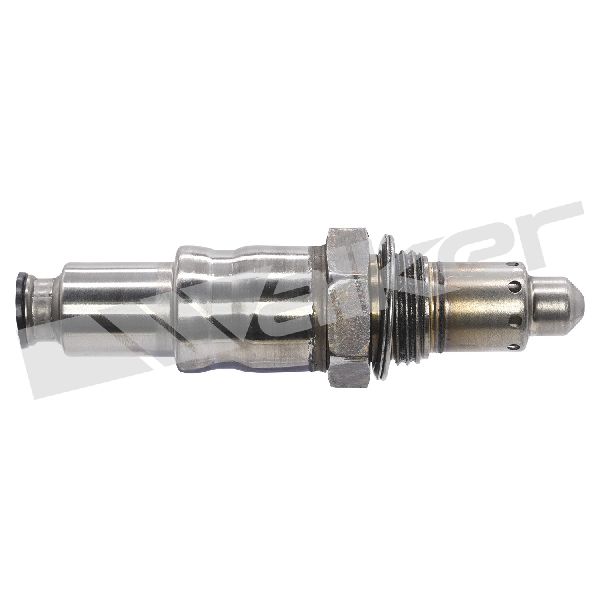
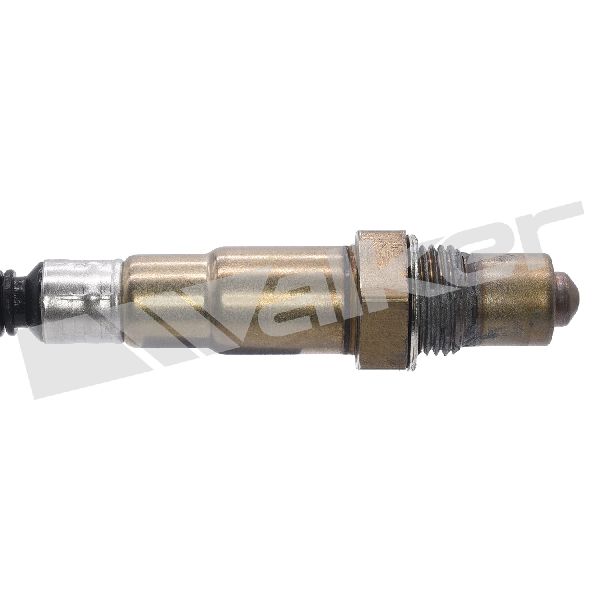
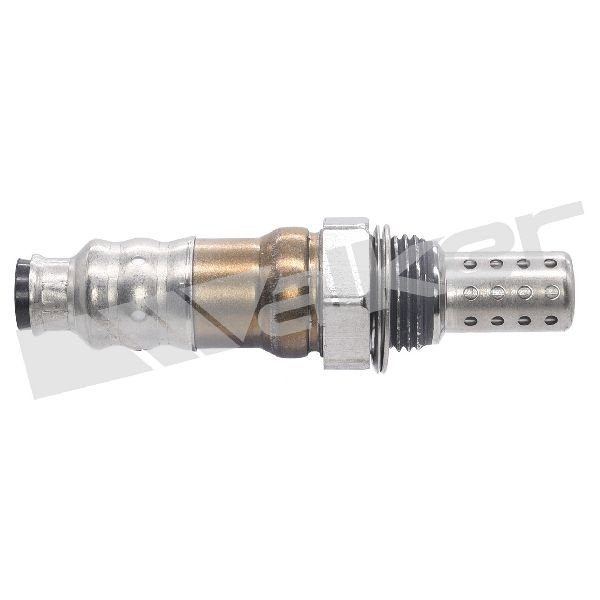
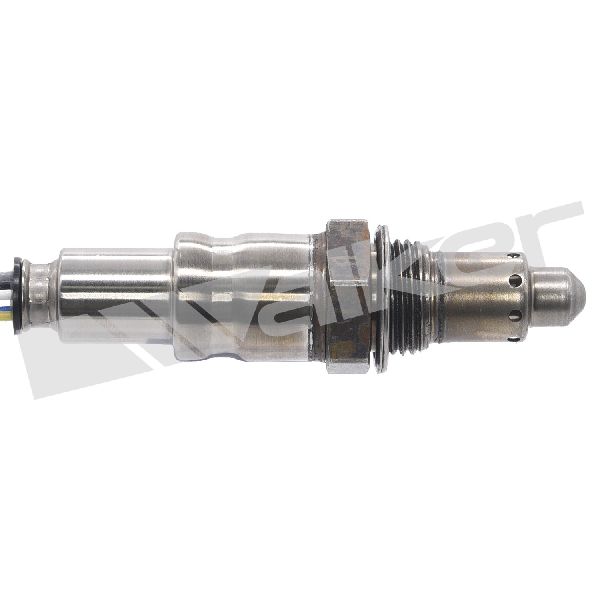
Aftermarket price range: $250-$400 (for a set of 4 injectors only) - Downstream Oxygen Sensor — A faulty sensor can send incorrect rich readings to the computer, triggering the code. This is a possible cause but less likely than injectors on this vehicle.
Trusted brands: Denso, Bosch, NGK
OEM price range: $120-$180
Aftermarket price range: $60-$120
Related Codes That Often Appear With This One
- P0172 — This code means "System Too Rich (Bank 1)" and is detected by the *upstream* oxygen sensor. It often appears with P2097 because the root cause (like a leaking injector) is making the entire system run rich.
- P0300-P0304 — These are misfire codes. An excessively rich mixture from leaking injectors can foul spark plugs and cause incomplete combustion, leading to misfires in one or more cylinders.
- P219A / P219B — These codes indicate an air-fuel ratio imbalance between cylinders. TSB 21-010 specifically mentions these codes as being related to the faulty fuel injector issue.
Technical Service Bulletins (TSBs) & Recalls
- 21-010: Warranty Extension: MIL Comes On with DTC P0420 or P0430, with P0300-P0306, P219A, or P219B. While this TSB doesn't explicitly list P2097, it addresses the root cause (faulty fuel injectors due to manufacturing debris) that leads to the rich condition P2097 reports. The fix is to replace the injectors.
- 20-100: An earlier version of the fuel injector warranty extension, superseded by 21-010.
Platform-Specific Known Issues
- Honda has issued a warranty extension for fuel injectors on many 2017-2022 CR-Vs with the 1.5T engine due to a high failure rate. This may cover the cost of replacement at a dealership.
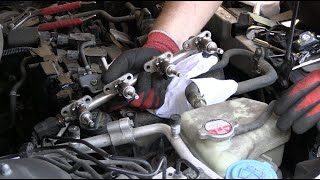
- This injector issue is a primary cause of the well-known 'oil dilution' problem on Honda's 1.5T engines, where gasoline mixes with the engine oil, degrading its lubricating properties. 🎬 See this deep dive into the Honda oil dilution problem.
Mechanic-Grade Diagnostic Values
- High-Pressure Fuel System Boost Pressure — expected: 18.5 psi for CR-V models. Failure: Significantly lower or higher pressure can indicate a problem with the high-pressure fuel pump or its regulation, affecting the air-fuel mixture.
- Downstream O2 Sensor (Bank 1, Sensor 2) Voltage — expected: Relatively stable voltage between 0.4V and 0.6V after the engine is warm and in closed loop.. Failure: A voltage stuck high (e.g., >0.8V) suggests a rich condition or a biased sensor. Wild fluctuations similar to the upstream sensor can indicate a failing catalytic converter.
- Fuel Injector Pulse Width (at idle) — expected: Typically 2.5 - 4.5 milliseconds, but varies with engine temperature and load.. Failure: A scan tool showing significantly shorter pulse widths, combined with negative fuel trims, indicates the PCM is trying to compensate for excess fuel from a leaking injector.
Scan Tool Commands That Help
- Honda HDS (Honda Diagnostic System): Injector Test — This function allows a technician to individually disable each fuel injector. If disabling an injector causes no change in engine idle smoothness, it confirms that cylinder wasn't contributing properly, strongly pointing to a faulty injector.
- Honda HDS (Honda Diagnostic System): Reset PCM — After replacing components like fuel injectors, a PCM reset is necessary. This clears the learned long-term fuel trim values and forces the computer to create a new fuel map based on the new, correctly functioning parts.
- Honda HDS (Honda Diagnostic System): A/F Test (in DTCs/Freeze Data menu) — This is a specific diagnostic routine that Honda uses to confirm fuel trim issues. Running this test after clearing codes can help verify if the rich condition persists under controlled test parameters.
Wiring & Ground Locations
- PCM Connectors (General) — Located in the engine bay, typically near the battery or firewall.. Honda uses geometric symbols embossed on its PCM connectors for easy identification. Connector A is marked with a square, Connector B with a triangle, etc. This helps technicians quickly identify the correct connector when referencing wiring diagrams for sensor circuits like the O2 sensor.
- O2 Sensor Harness Connector (Downstream) — The electrical connector for the downstream O2 sensor is located in the engine bay, near the firewall, often clipped to a bracket alongside the upstream sensor's connector.. The connector is not on the exhaust itself but routed up into the engine bay. Technicians must trace the wire from the sensor to this location to perform electrical tests (voltage, ground, signal) without needing to access the hot exhaust underneath the car initially.
Real Owner Repair Stories
- YouTube user comment on '2017-2022 CRV Cr-v po172 fuel rich bank 1code' (2018 Honda CR-V 1.5T EX-L, 40k miles) — All dash lights came on with code P0172 (System Too Rich), which is often a companion code to P2097.
❌ Tried (didn't work) Cleaned MAF sensor, Replaced MAF sensor, Replaced PCV valve, Replaced air filter, Replaced spark plugs, Used fuel injector cleaner in the tank, Changed the engine oil
✅ What actually fixed it Replacing both the upstream and downstream oxygen sensors finally resolved the issue, and the check engine light went away on its own after 10-20 miles of driving.
OEM Part Supersession History
16010-5PA-305→06160-5PA-305— The original fuel injector set was updated to address the manufacturing defects causing leaks and clogging. The new part number represents the improved kit.
Heads up: The new kit (06160-5PA-305) includes all four injectors and a new fuel feed pipe, which must be replaced together.
Model Year Variations Within This Range
- 2017-2018: These earlier model years of the 1.5T CR-V were most susceptible to the oil dilution problem, which is directly caused by the fuel injector issue that can trigger P2097. The problem was more pronounced in cold climates with frequent short trips.
- 2019-2022: By 2019, Honda had implemented software updates and likely running production changes to the engine calibration to mitigate the fuel dilution problem. While the injector issue can still occur on these later models, it is considered less prevalent than on the 2017-2018 models.
- 2020 (Facelift): The 2020 model year received a facelift with revised styling and made the 1.5T engine standard across all non-hybrid trims in the US. While the core engine mechanics related to this code remained the same, some interior and exterior components changed.
Diagnostic Flowchart
Real Owner Stories
Aggregated from forums and TSBs cited above. Mileages and costs reflect what owners reported in those sources.
2017-2022 Honda CR-V 1.5T
Symptoms: Experienced P2097 and other rich condition codes on the 1.5T engine.
What fixed it: Replaced the fuel injectors under Honda's extended warranty.
Source hint: crvownersclub.com
2017 Honda Civic Ext 1.5T
Symptoms: Triggered a P2097 code and experienced engine hesitation.
What fixed it: Identified as the known 1.5T fuel injector issue shared across platform mates.
Source hint: reddit.com/r/MechanicAdvice - Thread titled '2017 Honda Civic Ext 1.5T feels funny'
2018 Honda Accord 1.5L
Symptoms: P2097 code accompanied by a strong smell of gas. Replaced numerous other parts without resolving the issue.
What fixed it: Persistent issue points to needing fuel injector replacement, as the primary cause was initially missed.
Source hint: reddit.com/r/MechanicAdvice - Thread titled '2018 1.5l Honda Accord'
Related OBD-II Codes
Frequently Asked Questions
Does TSB 21-010 apply to my 2017-2022 CR-V for code P2097?
Why does my CR-V's engine oil smell like gasoline with a P2097 code?
Will Honda replace my fuel injectors for free if I have a P2097 code?
How much does it cost to fix a P2097 code on a 1.5T CR-V if it's not under warranty?
Can an exhaust leak cause a P2097 code on my CR-V?
What other codes usually show up with P2097 on the 1.5L Turbo engine?
Helpful Videos

![How to Fix P2097 Engine Code in 4 Minutes [2 DIY Methods / Only $9.84]](https://img.youtube.com/vi/rCwtzRmhMwY/mqdefault.jpg)
We Have This Part in Stock

The information in this article is provided for general reference and educational purposes only. Vehicle specifications, procedures, and part compatibility can vary by production date, trim level, and region. Always consult your vehicle's factory service manual and verify part numbers before purchasing or performing repairs. Safety-critical components such as airbags, seat belts, and braking systems should be installed by a qualified professional.
- Honda CR-V:
- 🧭 Diagnostic Flowchart
- 🎬 Helpful Videos
- 🛍️ Shop This Part
- What's Unique About the 2017-2022 Honda CR-V
- Symptoms You May Notice
- Most Likely Causes
- Rare But Worth Checking
- Diagnosis Steps
- Parts You'll Likely Need
- Related Codes That Often Appear With This One
- Technical Service Bulletins (TSBs) & Recalls
- Platform-Specific Known Issues
- Mechanic-Grade Diagnostic Values
- Scan Tool Commands That Help
- Wiring & Ground Locations
- Real Owner Repair Stories
- OEM Part Supersession History
- Model Year Variations Within This Range
- Real Owner Stories
- 2017-2022 Honda CR-V 1.5T
- 2017 Honda Civic Ext 1.5T
- 2018 Honda Accord 1.5L
- Related OBD-II Codes
- Frequently Asked Questions
- 🎟️ Get 5% Off