

P2097 on 2014-2016 Land Rover Range Rover: Causes and Fixes for Rich Fuel Trim
On a 2014-2016 Range Rover, code P2097 is most often caused by a PCM software glitch that requires a dealer update, as noted in Land Rover TSBs. This issue is common across other JLR vehicles with the same engines. If software is current, the next most likely causes are an exhaust leak or a failing downstream oxygen sensor on Bank 2.
- Do not replace any parts until you have checked for a PCM software update with a Land Rover dealer; this is the most likely fix.
- If the software is up-to-date, the next step is a thorough inspection for exhaust leaks, preferably with a smoke test not exceeding 7.5 psi.
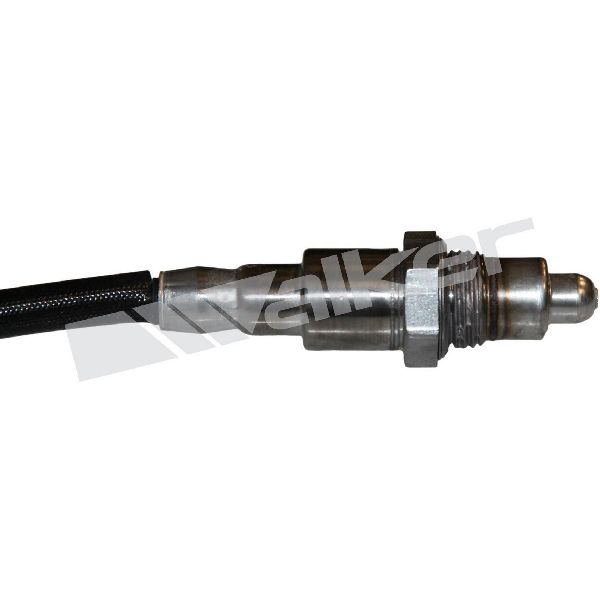
- Only consider replacing the Bank 2 downstream O2 sensor (Part # C2D23702 or LR035747) after ruling out software and exhaust leak issues.
- Bank 2 on a V-engine like the Range Rover's is the side with cylinder #2, which is the driver's side in North America (LHD).
What's Unique About the 2014-2016 Land Rover RANGE ROVER
For this specific L405 generation Range Rover and its platform mates using the AJ126/AJ133 engines, the P2097 code is frequently a 'ghost' issue caused by overly sensitive diagnostic software in the PCM. Land Rover issued Technical Service Bulletins (TSBs) acknowledging that certain driving cycles could falsely trigger this code. Therefore, the first diagnostic step is always to check with a dealer for a PCM software update, rather than immediately replacing parts. The TSBs note that this software error can cause P2097 to be stored *before* any misfire codes appear, which is a key diagnostic clue.
Diagnostic Flowchart
Tap your situation to follow the diagnostic path that matches what you're seeing on this vehicle.
Symptoms You May Notice
- Check Engine Light is on 🎬 Watch: Understanding the causes and fixes for the P2097 code
- Reduced fuel economy
- Poor engine performance or hesitation during acceleration
- Rough or erratic idling
- Strong fuel odor from the exhaust
- Immediately replacing the oxygen sensor without checking for software updates or exhaust leaks. Given the known TSBs, a software update should be the first consideration.
- Replacing the upstream O2 sensor when the code is for the post-catalyst (downstream) sensor.
Most Likely Causes
- Powertrain Control Module (PCM) Software Error 🔴 High Probability → Shop Engine Control Module (ECM) Land Rover has officially documented this issue in TSBs SSM73051 and LTB00902NAS5, stating a 'concern in the PCM diagnostic software' can cause this code. This is the most common cause for this specific vehicle range.
How to confirm: Contact a Land Rover dealership or a qualified independent shop with access to manufacturer software (like SDD or Pathfinder). They can check your vehicle's VIN and software version against the latest available updates mentioned in the TSBs.
Typical fix: Update the PCM software to the latest version. This is a dealer-level or specialist repair.
Est. part cost: $0 - Exhaust System Leak 🟡 Medium Probability Leaks in the exhaust system before or near the downstream O2 sensor can allow outside air to be drawn in, skewing the sensor's readings and tricking the PCM into creating a rich condition.
How to confirm: Perform a visual inspection of the exhaust system from the engine to the tailpipe, looking for soot marks, cracks, or loose connections. A professional smoke test is the most effective way to find small leaks. 🎬 See how to perform a professional inlet smoke leak test Per related TSBs, test pressure should not exceed 0.5 bar (7.5 psi) to avoid damaging other components.
Typical fix: Repair the leak by replacing a gasket, tightening bolts, or replacing the damaged section of the exhaust.
Est. part cost: $20-$200 - Faulty Downstream Oxygen (O2) Sensor (Bank 2, Sensor 2) 🟡 Medium Probability → Shop Oxygen Sensor
How to confirm: Use a diagnostic scan tool to monitor the live voltage data from the Bank 2, Sensor 2. A healthy downstream sensor should show a relatively steady voltage, typically between 0.45V and 0.7V on a warm engine at a steady RPM. If it's stuck high (above 0.8V) or fluctuating wildly like an upstream sensor, it is likely faulty.
Typical fix: Replace the Bank 2 downstream oxygen sensor.
Est. part cost: $80-$250
Rare But Worth Checking
- Leaking Fuel Injector(s) on Bank 2: → Shop Fuel Injector A fuel injector stuck open can dump excess fuel into one or more cylinders, causing a genuinely rich condition on that bank. This is less common than software or sensor issues and would likely be accompanied by a P0175 code.
- Failing Catalytic Converter (Bank 2): → Shop Catalytic Converter While a failing converter more commonly causes an efficiency code (P0430 for Bank 2), a contaminated or partially blocked converter can sometimes affect the downstream sensor reading and trigger P2097.
- Failing PCV Valve: A Positive Crankcase Ventilation (PCV) valve that is stuck open can create a vacuum leak, disrupting the air-fuel ratio and potentially leading to rich or lean condition codes. Symptoms can include a rough idle, oil leaks, and increased oil consumption.
Diagnosis Steps
- Scan for Codes: Use an OBD-II scanner to confirm P2097 is present and check for any other related codes. Note the order in which they were stored if possible.
- Check for TSBs: This is the most critical first step. Contact a Land Rover dealer or specialist with your VIN to see if the PCM software update from TSBs SSM73051 or LTB00902NAS5 applies to your vehicle. If it does, perform this update before any other steps.
- Inspect for Exhaust Leaks: Visually inspect the entire exhaust system for cracks, rust, or soot trails, especially around the exhaust manifold and catalytic converter for Bank 2. For best results, have a smoke test performed. Ensure the test pressure does not exceed 7.5 psi (0.5 bar).
- Analyze O2 Sensor Live Data: Use a scan tool to observe the voltage from the Bank 2 downstream O2 sensor (Sensor 2). On a warm engine, it should be relatively stable between 0.45V and 0.7V. If it's stuck high (above 0.8V) or not reading, the sensor is suspect.
- Inspect Fuel System: If no leaks or sensor issues are found, investigate potential causes of a true rich condition, such as checking fuel trim values and testing fuel injectors on Bank 2. This step is usually only necessary if the PCM software update did not resolve the issue.
Parts You'll Likely Need
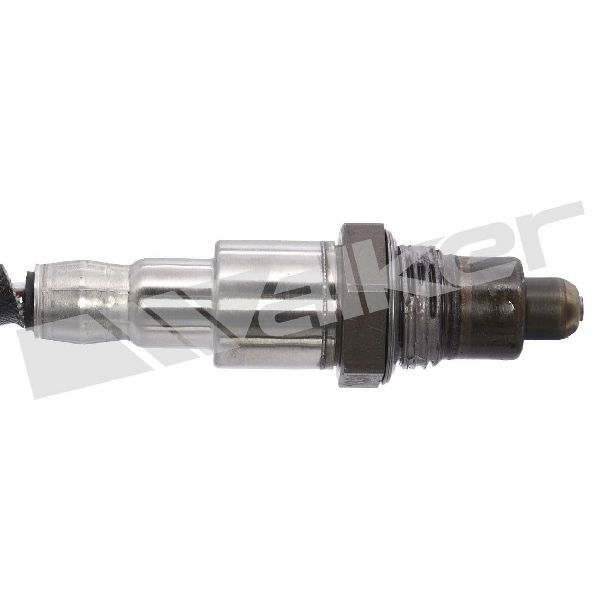
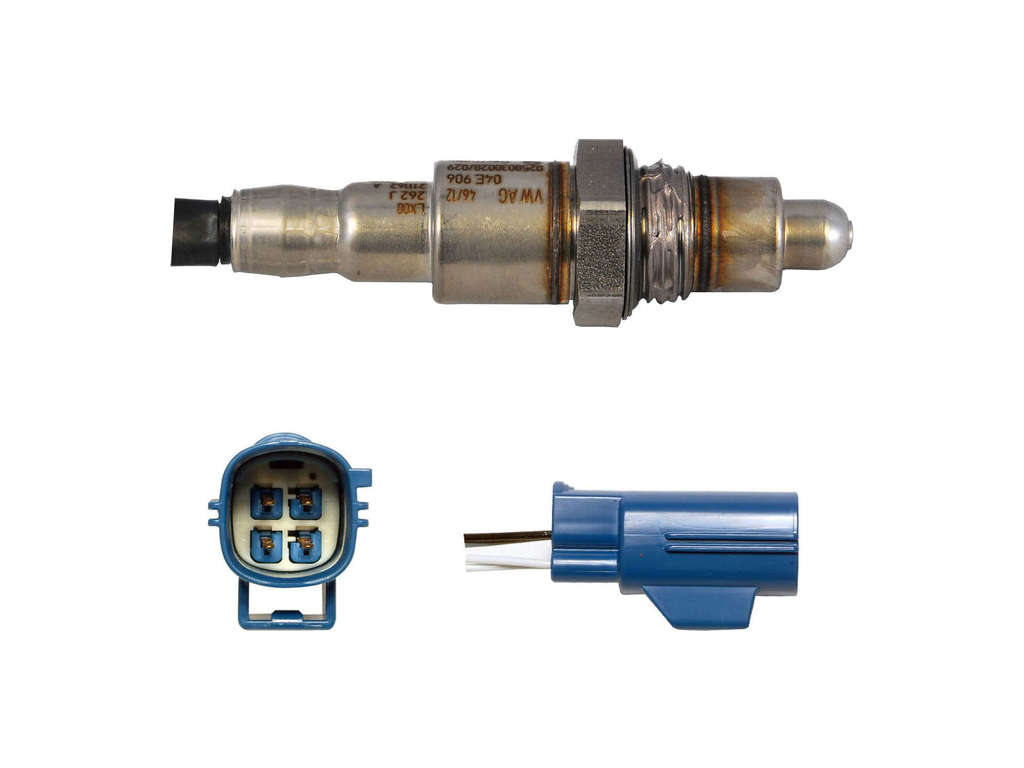
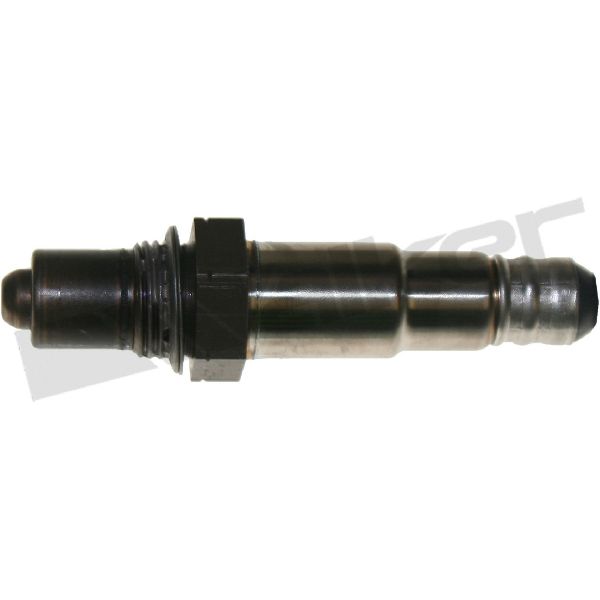
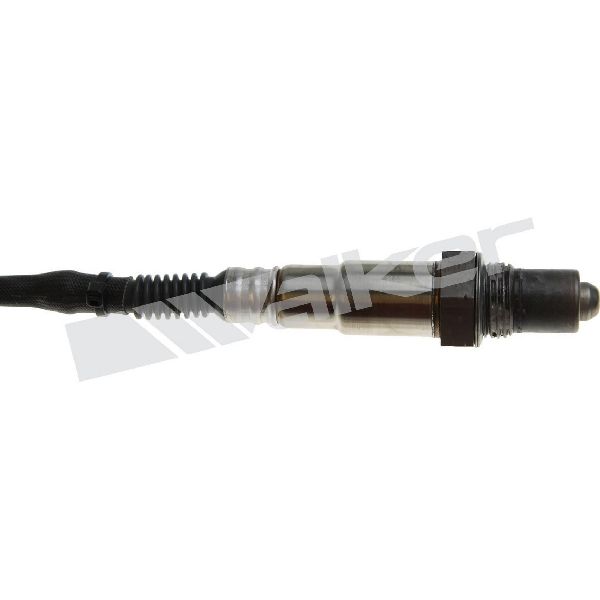
- Downstream Oxygen Sensor (Bank 2)
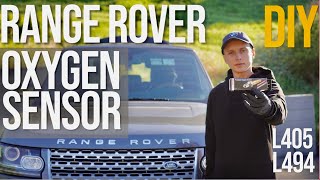
(OEM #C2D23702 / LR035747)— If a software update and exhaust leak check do not resolve the issue, the sensor itself may have failed and is sending incorrect 'rich' signals. This part is a common replacement across several JLR models. 🎬 Watch: Step-by-step DIY oxygen sensor replacement for your Range Rover
Trusted brands: Bosch, Denso, Genuine Jaguar Land Rover
OEM price range: $200-$300
Aftermarket price range: $80-$150
Related Codes That Often Appear With This One
- P2096 — This code is for 'Post Catalyst Fuel Trim System Too Lean Bank 1'. The TSBs from Land Rover mention both P2096 and P2097, indicating the software issue can manifest as either a lean or rich code on either bank.
- P0175 — This code for 'System Too Rich Bank 2' is detected by the *upstream* O2 sensor. If you have both P0175 and P2097, it strongly suggests a genuine rich condition (like a leaking injector) on Bank 2, not just a sensor or software issue.
- P0300, P0302, P0304, P0306 — These are misfire codes for Bank 2. TSBs note that the PCM software error can cause P2097 to be stored first, followed by misfire codes. Their presence after P2097 still points towards the software issue as the root cause.
Technical Service Bulletins (TSBs) & Recalls
- SSM73051: Notes a PCM diagnostic software concern that can lead to P2097.
- LTB00902NAS5: Mentions engine MIL illumination with P2097 stored and recommends a software update as the fix.
Platform-Specific Known Issues
- A known issue documented in TSB #SSM73051 involves a 'concern in the PCM diagnostic software' which, when combined with specific driving patterns, can cause the Check Engine Light to illuminate with DTC P2097.
- TSB #LTB00902NAS5 also confirms that an illuminated MIL with DTC P2097 stored is a recognized issue for these vehicles.
- Diagnostic data from related TSBs shows the software fault can cause P2097 to be logged *before* other codes, like for misfires, appear. This is a strong indicator that the software is the root cause, not a mechanical failure.
Mechanic-Grade Diagnostic Values
- High-Pressure Fuel Rail Pressure (Scan Tool) — expected: Approximately 3.0-8.0 MPa (435-1160 PSI) at idle, increasing with engine speed.. Failure: Pressure reads low, around 700-900 KPa (101-130 PSI), and does not increase with engine speed, indicating a potential high-pressure fuel pump issue.
- Low-Pressure Fuel System Pressure — expected: Should run between 60 and 106 PSI to properly supply the high-pressure pumps.. Failure: Pressure below 60 PSI can starve the high-pressure pumps and cause various fuel trim issues.
Scan Tool Commands That Help
- JLR SDD / Pathfinder: Oxygen Sensor Heater Test — To actively command the heater circuit of the O2 sensor to verify its function independently of the sensor's reading. This helps isolate a faulty heater element from a wiring or sensor signal problem.
- JLR SDD / Pathfinder: Reset Fuel Adaptations — After replacing a component that affects fuel mixture (like an O2 sensor or fuel injector), this function should be used to clear the long-term fuel trim learning from the PCM, allowing it to re-learn based on the new part's performance.
Wiring & Ground Locations
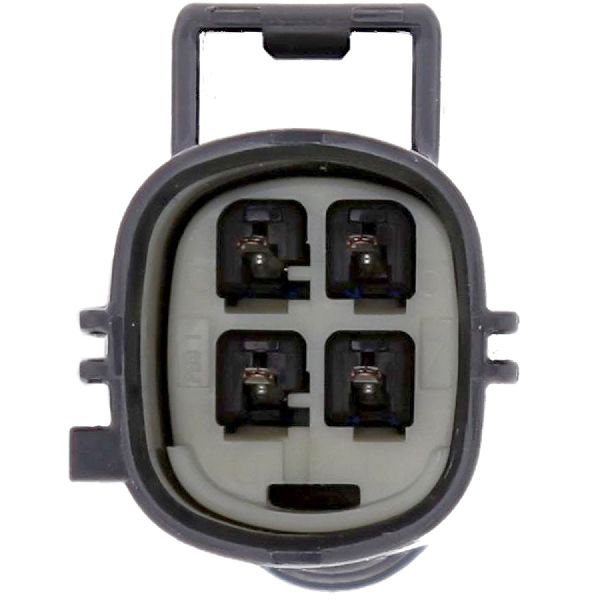
- Bank 2 O2 Sensor Connector — Bank 2 is the driver's side on LHD vehicles. The downstream sensor is located after the catalytic converter. The connector shell for the downstream O2 sensor is typically grey, distinguishing it from the upstream sensor's orange connector.. Incorrectly connecting or diagnosing the wrong sensor is a common mistake. Knowing the physical location and color code for Bank 2 Downstream is critical for accurate diagnosis and replacement.
- ECM Connector C0635 (Bank 2 Downstream) — At the Engine Control Module (ECM).. The Bank 2 (RH) downstream O2 sensor signal is transmitted via pin 14, with its ground path on pin 8. The heater circuit is powered via Fuse 2 in the engine bay fuse box and controlled by the ECM via pin 1. Verifying continuity and voltage at these specific pins can diagnose wiring faults between the sensor and the ECM.
- Main Engine/Chassis Grounds — Key ground points are located on the inner fenders behind the wheel arches on both driver and passenger sides, and under the spare tire in the trunk area.. Corroded or loose ground points are a common issue on the L405 platform and can cause a wide range of erratic electrical behavior, including incorrect sensor readings that could lead to false P2097 codes. Cleaning these ground points is a crucial step when diagnosing any electrical fault.
OEM Part Supersession History
LR035747→LR140079— Standard part lifecycle update by the manufacturer.
Heads up: LR140079 is listed as a direct replacement for LR035747 for this application. The OEM supplier is Bosch, and their equivalent part numbers are also cross-compatible.
Helpful Videos



We Have This Part in Stock

The information in this article is provided for general reference and educational purposes only. Vehicle specifications, procedures, and part compatibility can vary by production date, trim level, and region. Always consult your vehicle's factory service manual and verify part numbers before purchasing or performing repairs. Safety-critical components such as airbags, seat belts, and braking systems should be installed by a qualified professional.
- Land Rover RANGE ROVER:
- 🧭 Diagnostic Flowchart
- 🎬 Helpful Videos
- 🛍️ Shop This Part
- What's Unique About the 2014-2016 Land Rover RANGE ROVER
- Symptoms You May Notice
- Most Likely Causes
- Rare But Worth Checking
- Diagnosis Steps
- Parts You'll Likely Need
- Related Codes That Often Appear With This One
- Technical Service Bulletins (TSBs) & Recalls
- Platform-Specific Known Issues
- Mechanic-Grade Diagnostic Values
- Scan Tool Commands That Help
- Wiring & Ground Locations
- OEM Part Supersession History
- 🎟️ Get 5% Off