

P2097 on 2002-2006 Mini Cooper: Post-Catalyst Fuel Trim Too Rich Causes and Fixes
On a 1st Gen Mini Cooper, code P2097 is most often caused by an exhaust leak before the rear O2 sensor or a failing rear (post-catalyst) O2 sensor itself. The supercharged R53 model is particularly prone to cracked exhaust manifolds. Always perform a smoke test on the exhaust before replacing expensive sensors.
- P2097 means the computer sees a 'too rich' fuel mixture after the catalytic converter.
- For a 2002-2006 Mini, the most likely causes are an exhaust leak or a bad downstream (rear) O2 sensor.
- Always check for exhaust leaks before buying expensive parts like sensors or a catalytic converter.
- Use an OBD-II scanner to watch live O2 sensor data to help pinpoint the problem.
- Driving for an extended time with this code can damage your catalytic converter, leading to a much more expensive repair.
What's Unique About the 2002-2006 Mini Cooper
For the first-generation Mini Cooper (R50/R53), the exhaust system is a very common source of this code. These cars are now old enough that exhaust gaskets and flex pipes are prone to developing leaks. A leak anywhere before the downstream O2 sensor can allow outside air to be pulled in, ironically causing the sensor to read rich and trigger the P2097 code. The supercharged R53 Cooper S model, in particular, generates extra heat and vibration, leading to a known issue of cracked factory exhaust manifolds. Owners often chase this code by replacing sensors when the root cause is a simple exhaust leak, as documented in numerous owner forums.
Symptoms You May Notice
- Check Engine Light (SES light) is on
- Reduced fuel economy
- Rough or erratic idle
- Engine hesitation or stumbling during acceleration
- A strong smell of fuel or rotten eggs from the exhaust
- Black smoke from the tailpipe in severe cases
- Audible hissing or ticking sound from the engine bay or under the car, especially when cold, indicating an exhaust leak
- Replacing the catalytic converter immediately. This is an expensive part and should only be replaced after exhaust leaks and both oxygen sensors have been ruled out as the cause.
- Replacing only one oxygen sensor without proper diagnosis. While one sensor may be at fault, it's important to test both to avoid replacing the wrong one. A forum user replaced both and still had the code, suggesting a different root cause.
- Using cheap, no-name oxygen sensors. Several forum threads mention that these cars can be sensitive to sensor brands, and using a low-quality sensor may not resolve the code.
Most Likely Causes
- Exhaust Leak 🔴 High Probability Age-related corrosion and vibration, especially on the supercharged R53, cause leaks at gaskets, cracks in the manifold, and failure of the flex pipe. A leak before the downstream O2 sensor is a very common cause for this code on these cars. One owner on North American Motoring replaced both O2 sensors and the catalytic converter, only to find the code was ultimately caused by a small exhaust leak.
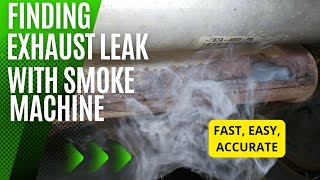
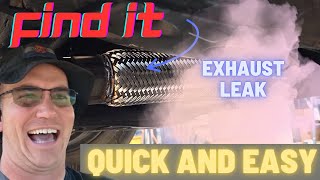
How to confirm: With the engine cold, start the car and carefully feel/listen for puffs of air around exhaust flanges and flex pipes. A more effective method is to have a shop perform a smoke test on the exhaust system, which will visually reveal any leaks, even pinholes.
Typical fix: Replace the failed gasket or leaking section of the exhaust. Welding a cracked manifold or flex pipe may be possible.
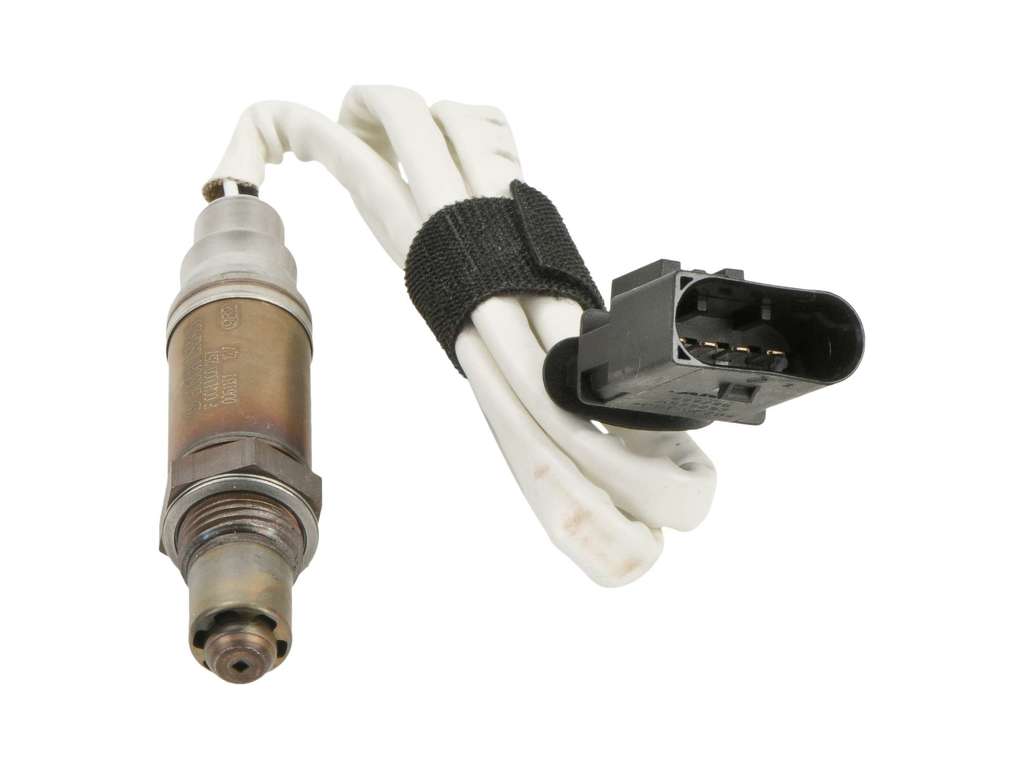
Est. part cost: $20-$250 - Failing Downstream (Post-Catalyst) Oxygen Sensor 🔴 High Probability → Shop Oxygen Sensor Oxygen sensors are wear items with a finite lifespan. A sensor can become contaminated or simply fail with age, sending incorrect 'rich' signals to the ECM. Owners often report success using OEM-equivalent brands like Bosch or NTK, as cheaper sensors can sometimes cause persistent issues.
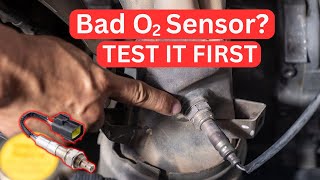
How to confirm: Use a capable OBD-II scanner to monitor the live data for the downstream O2 sensor (Bank 1, Sensor 2). A healthy sensor on a warm, running engine should show a relatively stable voltage, typically between 0.6V and 0.8V. If it's stuck high (above ~0.8V) or fluctuating wildly like the upstream sensor, it's likely faulty.
Typical fix: Replace the downstream oxygen sensor. It is recommended to reset fuel adaptations after replacement 🎬 Watch: Step-by-step guide to replacing the post-catalyst oxygen sensor. using capable diagnostic software.
Est. part cost: $70-$180 - Failing Upstream (Pre-Catalyst) Oxygen Sensor 🟡 Medium Probability → Shop Oxygen Sensor The upstream sensor is critical for fuel control. If it provides incorrect readings (e.g., a false lean condition), it can cause the ECM to add too much fuel, creating a genuine rich condition that is then correctly detected by the downstream sensor.
How to confirm: Analyze live data. If long-term fuel trims (LTFT) are highly negative (e.g., -10% or more), it indicates the ECM is consistently trying to remove fuel, pointing to a problem originating upstream. A faulty upstream sensor may not switch voltage quickly as it should.
Typical fix: Replace the upstream oxygen sensor.
Est. part cost: $80-$200
Rare But Worth Checking
- Failing Catalytic Converter: → Shop Catalytic Converter While a failing cat can cause this code, it's less common than sensor or leak issues. A clogged converter can create backpressure and affect sensor readings. Usually, a failing cat would trigger a P0420 (Catalyst Efficiency) code first.
- Leaking Fuel Injector: → Shop Fuel Injector A fuel injector stuck open will dump excess fuel into a cylinder, causing a genuine rich condition. This would likely be accompanied by other codes like a cylinder-specific misfire (e.g., P0301) and a noticeable raw fuel smell.
- High Fuel Pressure: A faulty fuel pressure regulator can cause system-wide high fuel pressure, leading to a rich condition. This should be verified with a fuel pressure gauge connected to the fuel rail.
- Damaged O2 Sensor Wiring: → Shop Oxygen Sensor The wiring for the O2 sensors runs close to hot exhaust components and can become melted, chafed, or damaged, leading to a short or open circuit and incorrect readings. One owner reported a P0036 code from a wire cut by a heat shield.
Diagnosis Steps
- Check for other stored DTCs. Address any other fuel, misfire, or sensor codes first, as they can be the root cause.
- Thoroughly inspect the exhaust system for leaks, from the cylinder head to behind the rear O2 sensor. Pay close attention to the manifold-to-head gasket, the manifold itself (especially on R53 models), and the flex pipe. A smoke test is the most reliable method.
- Use an OBD-II scanner to view live data. Observe the voltage of the upstream (Sensor 1) and downstream (Sensor 2) O2 sensors with the engine fully warmed up and idling.
- The upstream sensor's voltage should fluctuate rapidly between approximately 0.1V and 0.9V.
- The downstream sensor's voltage should be relatively stable on a healthy system, typically holding between 0.6V and 0.8V. If it is stuck high (e.g., >0.9V) or fluctuating rapidly like the upstream sensor, it points towards a bad downstream sensor, a failing catalytic converter, or a legitimate rich condition from upstream.
- Check Long-Term Fuel Trim (LTFT) values. Consistently high negative numbers (e.g., -10% or lower) suggest the system is trying to correct a rich condition originating from upstream (e.g., bad upstream O2, leaking injector). Healthy LTFT should be close to 0 +/- 3%. 🎬 Learn how to read O2 sensors and fuel trims correctly.
- If an exhaust leak is found, repair it, clear the codes, and drive to see if P2097 returns.
- If no leak is found and the downstream O2 sensor data is abnormal, replace the downstream O2 sensor with a quality part.
- If the code persists, further investigation into the upstream O2 sensor, fuel injectors, and fuel pressure is necessary. Consider that resetting adaptations with a capable scan tool may be required.
Parts You'll Likely Need
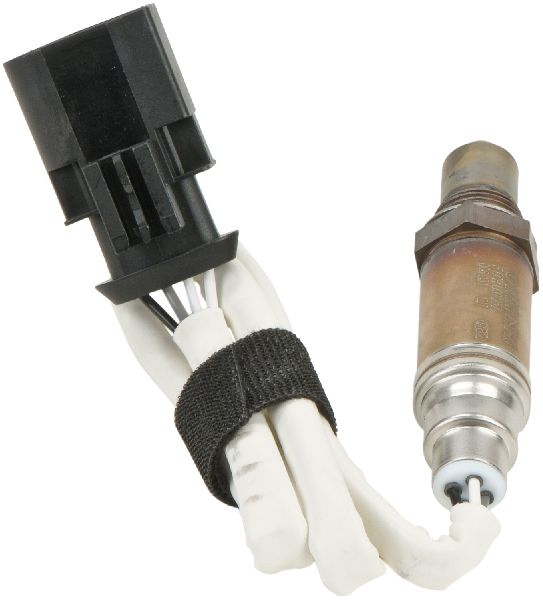
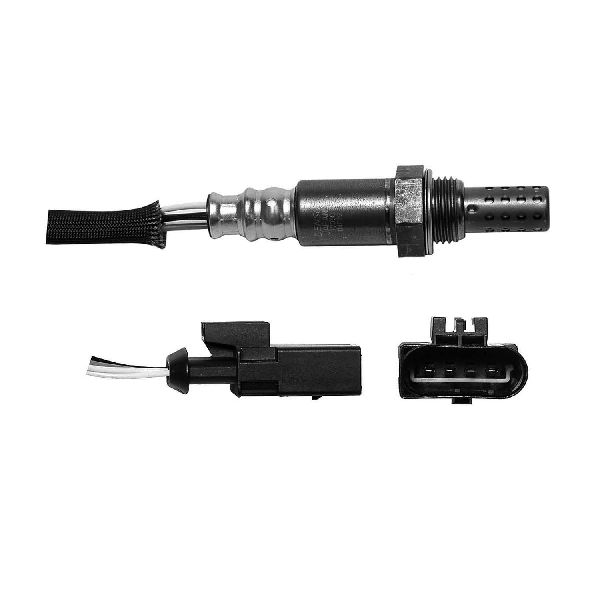
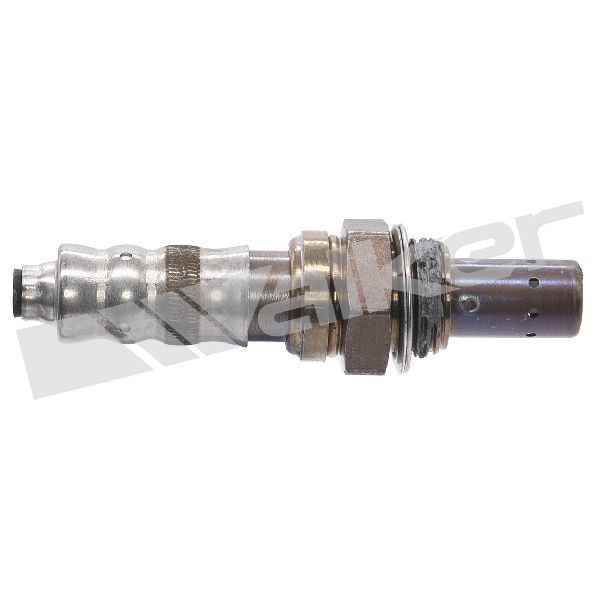
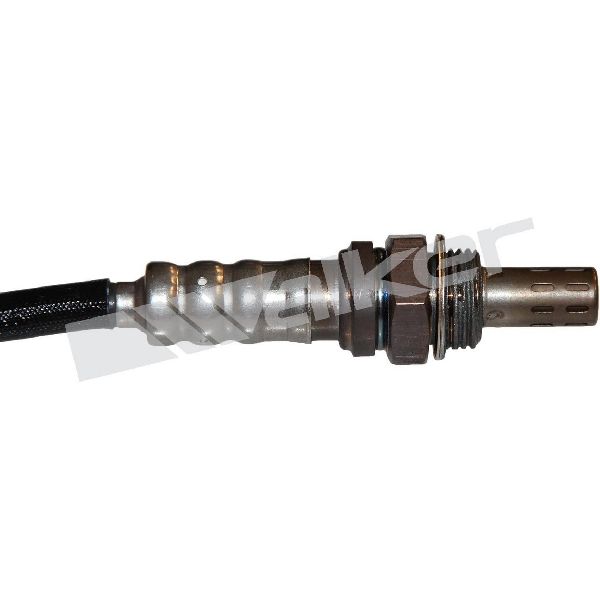
- Downstream Oxygen Sensor (Post-Catalyst)
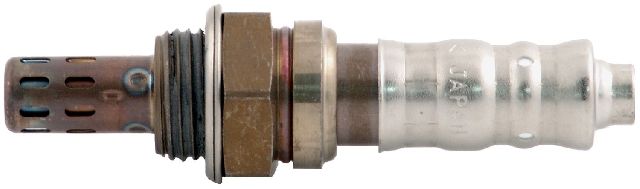
(OEM #11780872674)— This sensor is the direct source of the signal that triggers the code. It is a common wear item and can fail by sending a false rich signal.
Trusted brands: Bosch (OEM), NTK (OEM), Denso
OEM price range: $150-$220
Aftermarket price range: $70-$150 - Exhaust Manifold Gasket
(OEM #18307537774 (Manifold to Cat Gasket) / 11627521009 (Head to Manifold Gasket))— A common leak point on older vehicles that can introduce air into the exhaust stream and skew O2 sensor readings.
Trusted brands: Victor Reinz, Elring, Mini
OEM price range: $25-$40
Aftermarket price range: $15-$30 - Upstream Oxygen Sensor (Pre-Catalyst)
(OEM #11780872675 (For R53 Cooper S))— If this sensor fails, it can cause the engine to run rich, leading to a valid P2097 code from the downstream sensor.
Trusted brands: Bosch (OEM), NTK (OEM), Denso
OEM price range: $180-$250
Aftermarket price range: $80-$160
Related Codes That Often Appear With This One
- P0130 — This code indicates a malfunction in the O2 Sensor Circuit (Bank 1, Sensor 1). If the upstream sensor is failing, it can directly cause the rich condition that triggers P2097.
- P0420 — This code means 'Catalyst System Efficiency Below Threshold'. If the catalytic converter is failing or there's an exhaust leak between the sensors, it can lead to incorrect readings by the downstream O2 sensor and trigger P2097.
- P2096 — This is the opposite code, 'Post Catalyst Fuel Trim Too Lean'. Seeing this code instead of or alternating with P2097 can point more strongly to an exhaust leak or a sensor that is failing erratically.
Technical Service Bulletins (TSBs) & Recalls
- No specific TSBs from BMW/Mini were found for P2097 on this platform. However, other manufacturers like GM have issued TSBs (e.g., PIP4964F, #17058) for P2097 on their vehicles, sometimes pointing to software issues or specific component failures like fuel injectors, highlighting the code's complexity.
Platform-Specific Known Issues
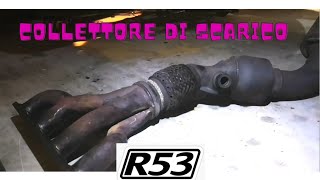
- Cracked Exhaust Manifold on R53 Cooper S: → Shop Exhaust Manifold The factory exhaust manifold on the supercharged R53 model is known to crack, particularly around the collector or pre-cat housing. This is due to the high heat and vibration from the engine. A crack here is a very common cause of P2097 and its lean counterpart, P2096. A visual inspection or smoke test is required to confirm.
- Exhaust Flex Pipe Failure: → Shop Exhaust Pipe The flexible, braided section of the exhaust pipe, located after the manifold, is designed to absorb engine movement. With age and heat cycles, it can crack and leak. This is another common source of unmetered air that can trigger the P2097 code.
Mechanic-Grade Diagnostic Values
- Downstream O2 Sensor (Post-Cat) Voltage — expected: Relatively stable voltage between 0.60V and 0.80V at steady cruise or idle on a warm engine.. Failure: Voltage is stuck high (above 0.8V), stuck low, or fluctuating rapidly like the upstream sensor.
- Upstream O2 Sensor (Pre-Cat) Voltage — expected: Rapidly fluctuating between approximately 0.1V (lean) and 0.9V (rich) on a warm, closed-loop engine.. Failure: Slow to respond, biased high or low, or a flat line voltage.
- Long-Term Fuel Trim (LTFT) — expected: Close to 0%, ideally within +/- 3% on a healthy engine.. Failure: For P2097, a significantly negative value (e.g., -10% or more) indicates the ECU is consistently removing fuel to compensate for a rich condition detected upstream.
- Fuel Pressure (Tritec Engine) — expected: Approximately 3.5 bar (50.7 PSI) at the fuel rail.. Failure: Pressure significantly higher than spec indicates a faulty fuel pressure regulator, causing a rich condition.
Hidden / Shadow Codes Worth Checking
- P1498: This is a manufacturer-specific code. On an R53, it often indicates an unmetered air leak after the supercharger, such as a leak in the intercooler boots or intake manifold gaskets. This can disrupt the air/fuel ratio and potentially contribute to fuel trim codes like P2097. (see via A standard OBD-II scanner. One user reported it appeared alongside O2 sensor issues, but the scanner could not define it.)
Scan Tool Commands That Help
- INPA (BMW/Mini Diagnostic Software): Reset Adaptation Values (Activate -> Reset Adaption Values) — This function should be used after replacing a major fuel or emissions component like an oxygen sensor, fuel injectors, or MAP sensor. It clears the DME's long-term learned fuel adjustments, forcing it to create new ones based on data from the new parts, which can be essential for resolving persistent fuel trim codes.
Wiring & Ground Locations
- DME Connector X60004 — The largest of the five connectors on the Engine Control Module (DME), which is located in the electronics box in the engine bay plenum area (passenger side, near the firewall).. Pin 17 on this connector is the signal wire for the post-catalyst O2 sensor. A technician can perform a continuity test from the sensor's harness plug to this pin to rule out a break in the wire.
- O2 Sensor Heater Circuit Wires — On the O2 sensor's own pigtail.. On many OEM and aftermarket sensors for this car, the two wires that are the same color (e.g., two whites or two blacks) are for the internal heater circuit. This allows a technician to quickly test the heater's resistance and power/ground supply without needing a specific wiring diagram.
Real Owner Repair Stories
- North American Motoring forum user (R53 Mini Cooper S) — P0420 (Catalyst Efficiency) code after installing a Milltek header.
❌ Tried (didn't work) Installing a defouler (O2 sensor spacer) to fix the P0420 code.
✅ What actually fixed it The defouler caused a new code, P0136 (O2 Sensor Circuit Malfunction Bank 1 Sensor 2). This demonstrates that while spacers can sometimes trick the ECU for catalyst efficiency codes, they can also cause new problems by moving the sensor too far out of the expected data range, leading to a different set of diagnostic challenges. The user was proceeding to diagnose the sensor's live data voltage to understand the new fault. - North American Motoring forum user (2002 Mini Cooper S (R53) with an aftermarket tune.) — P2096 (Post Catalyst Fuel Trim Too Lean) - the opposite of P2097.
❌ Tried (didn't work) A Vibrant J-bend O2 spacer had worked perfectly for over a year to prevent catalyst codes.
✅ What actually fixed it The user reported that after a year of no issues, the spacer setup began throwing a lean code. This is a critical real-world example showing that mechanical spacers are not a permanent or guaranteed fix and can fail or lead to new codes over time, even if they initially work. The ultimate resolution was not posted, but the failure of the common 'fix' is the key takeaway.
When the Usual Fixes Don't Work
- While O2 sensor spacers (defoulers) are often recommended online as a cheap fix for catalyst-related codes (like P0420, which can be related to P2097), they are an unreliable solution on the R53. Forum records show that installing a spacer can immediately trigger a different code, such as P0136 (O2 sensor circuit malfunction), because the ECU detects the sensor's readings are now outside the expected range. In other cases, a spacer that worked for months or even a year can suddenly start causing new fuel trim codes, demonstrating they are not a permanent or reliable repair.
Model Year Variations Within This Range
- July 2004 - 2006 (Facelift models): Facelift R53 Cooper S models received a revised ECU calibration and an updated exhaust system. This resulted in a 7hp increase and a more pronounced exhaust 'pop' from the factory. While not a direct cause of P2097, any diagnosis on a facelift car should account for the slightly different factory performance baseline and ECU behavior. Exhaust hanger designs also changed, which is relevant when replacing exhaust components.
Diagnostic Flowchart
Used vs. New Parts: Buying Guide for This Vehicle
When a used part is the smart pick: Used parts can be a cost-effective option for major structural exhaust components like the exhaust manifold or a cat-back system, provided they come from a low-mileage, rust-free donor car.
Donor-vehicle mileage cap: roughly under 80000 miles for the part to have meaningful remaining life.
What to inspect on the donor part:
- For exhaust manifolds, check for hairline cracks, especially near the collector and flange welds.
- For pipes and mufflers, inspect for deep rust pitting, broken hangers, and crushed sections.
- Ensure all mounting flanges are flat and not warped.
OEM-only on this vehicle (don't cheap out):
- Oxygen Sensors: These cars are notoriously sensitive to the brand of O2 sensor. It is strongly recommended to use the OEM supplier (NTK or Bosch) to avoid persistent codes and compatibility issues.
- Catalytic Converter: Aftermarket catalytic converters for this platform are widely reported to fail prematurely or not meet the efficiency standards required by the ECU, leading to a quick return of catalyst efficiency codes.
Aftermarket brands forum-validated for this vehicle:
- NTK (for O2 Sensors, often the original supplier)
- Bosch (for O2 Sensors)
- Milltek (for performance exhaust systems)
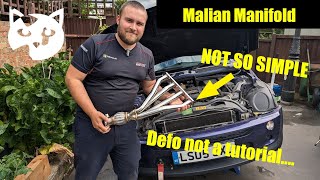
- Malian (for budget-friendly performance exhaust systems)
Brands owners have reported issues with on this vehicle:
- Unbranded, generic 'universal' oxygen sensors sold on marketplaces.
- Low-cost, non-CARB certified 'universal' catalytic converters.
Real Owner Stories
Aggregated from forums and TSBs cited above. Mileages and costs reflect what owners reported in those sources.
2004 Mini R50 — 208000 miles
Symptoms: Check engine light with P2097, RPM loss at idle, and a blinking engine light with a P0304 (cylinder 4 misfire) code when idling for a long time.
What fixed it: Replacing both O2 sensors after finding chaffed wires on the pre-cat sensor did not fix the P2097 code, indicating the problem was elsewhere.
Source hint: North American Motoring
2002-2006 Mini Cooper
Symptoms: Persistent P2097 code even after replacing both O2 sensors and the catalytic converter.
What fixed it: The ultimate cause was discovered to be a small exhaust leak that was missed during initial diagnosis.
Source hint: North American Motoring
2002-2006 Mini Cooper
Symptoms: Check Engine Light with codes P2097 and P0130 stored together.
What fixed it: The owner reported that replacing both O2 sensors did not resolve the codes, highlighting the importance of checking for other root causes like exhaust leaks or wiring issues.
Source hint: Mini Cooper Forums (mini-cooper-forums.com)
Related OBD-II Codes
Frequently Asked Questions
My supercharged R53 Cooper S has a P2097 code. Is the exhaust manifold a common problem?
What's the most reliable way to check for an exhaust leak causing P2097 on my Mini?
I need to replace the oxygen sensors to fix P2097. Are there any recommended brands for a 2002-2006 Mini?
My mechanic is checking live data for P2097. What should the downstream O2 sensor voltage be on a healthy Mini?
What are Long-Term Fuel Trims (LTFT) and what should they be if my system is healthy?
After I replace the downstream O2 sensor, is there any other step I need to take?
Are there any official Mini Technical Service Bulletins (TSBs) for the P2097 code on this car?
Helpful Videos

We Have This Part in Stock

The information in this article is provided for general reference and educational purposes only. Vehicle specifications, procedures, and part compatibility can vary by production date, trim level, and region. Always consult your vehicle's factory service manual and verify part numbers before purchasing or performing repairs. Safety-critical components such as airbags, seat belts, and braking systems should be installed by a qualified professional.
- Mini Cooper:
- 🧭 Diagnostic Flowchart
- 🎬 Helpful Videos
- 🛍️ Shop This Part
- What's Unique About the 2002-2006 Mini Cooper
- Symptoms You May Notice
- Most Likely Causes
- Rare But Worth Checking
- Diagnosis Steps
- Parts You'll Likely Need
- Related Codes That Often Appear With This One
- Technical Service Bulletins (TSBs) & Recalls
- Platform-Specific Known Issues
- Mechanic-Grade Diagnostic Values
- Hidden / Shadow Codes Worth Checking
- Scan Tool Commands That Help
- Wiring & Ground Locations
- Real Owner Repair Stories
- When the Usual Fixes Don't Work
- Model Year Variations Within This Range
- Used vs. New Parts: Buying Guide for This Vehicle
- Real Owner Stories
- 2004 Mini R50 — 208000 miles
- 2002-2006 Mini Cooper
- 2002-2006 Mini Cooper
- Related OBD-II Codes
- Frequently Asked Questions
- 🎟️ Get 5% Off