

P2097 on 2008-2009 Pontiac Torrent: Rich Fuel Trim Causes and Fixes
On a 2008-2009 Pontiac Torrent, code P2097 is frequently caused by leaking fuel injectors, as highlighted in GM Technical Service Bulletin #PIP4964F. Before replacing O2 sensors, have the fuel injectors tested. A professional injector cleaning or replacement is the most probable fix.
- P2097 means the exhaust is too rich after the catalytic converter on Bank 1.
- For the 2008-2009 Pontiac Torrent, the most likely cause is a leaking fuel injector, per GM TSB #PIP4964F.
- Do not immediately replace the O2 sensor; have the fuel injectors tested first to avoid a misdiagnosis.
- Driving with this code can lead to reduced fuel economy and eventual damage to the catalytic converter.
What's Unique About the 2008-2009 Pontiac TORRENT
For the Pontiac Torrent and its GM platform mates like the Chevrolet Equinox, a known issue leading to code P2097 is faulty fuel injectors. 🎬 Watch: Common causes and fixes for the P2097 code. General Motors issued a Technical Service Bulletin (TSB #PIP4964F) advising technicians to perform a fuel injector balance test before other diagnostics. 🎬 See this guide on how to test fuel injectors. This suggests that leaking injectors are a more common cause on this vehicle than on others, where an oxygen sensor might be the first suspect.
Diagnostic Flowchart
Tap your situation to follow the diagnostic path that matches what you're seeing on this vehicle.
Symptoms You May Notice
- Check Engine Light is on
- Decreased fuel economy
- Rough or erratic idle
- Engine may run rough or misfire
- Dark smoke from the tailpipe
- Hesitation on acceleration
- Strong fuel odor from the exhaust
- Replacing the oxygen sensor without first testing the fuel injectors. Given the specific TSB for this vehicle, injectors should be a primary suspect.
- Replacing the catalytic converter when the actual issue is a sensor or fuel delivery problem.
- Ignoring a small exhaust leak before the upstream O2 sensor, which can be the root cause of the rich condition.
Most Likely Causes
- Leaking or Faulty Fuel Injectors 🔴 High Probability → Shop Fuel Injector GM issued TSB #PIP4964F specifically pointing to this issue for P2097 and P2099 on this platform. An injector can leak excess fuel into the cylinder, causing a rich condition detected by the downstream O2 sensor.
How to confirm: Perform a fuel injector balance test using a professional scan tool or an Active Fuel Injector Tester. This measures the pressure drop for each injector to see if one is flowing more fuel than the others. Another sign can be a strong smell of fuel in the engine oil.
Typical fix: Replace the faulty fuel injector(s). It is often recommended to replace them as a set, especially on higher mileage vehicles.
Est. part cost: $40-$90 per injector (aftermarket), $90-$150 (OEM) - Faulty Downstream Oxygen (O2) Sensor 🟡 Medium Probability → Shop Oxygen Sensor
How to confirm: Use a scan tool to monitor the voltage of the Bank 1, Sensor 2 (downstream) O2 sensor. With the engine warm and at a steady RPM, the voltage should be relatively stable (typically between 0.5V and 0.8V). If it fluctuates wildly like the upstream sensor or is stuck high (above 0.8v), it may be faulty. The sensor can also be tested with a multimeter.
Typical fix: Replace the Bank 1 downstream oxygen sensor. For the 3.4L V6, this sensor is located after the catalytic converter.
Est. part cost: $50-$120 - Exhaust Leak 🟡 Medium Probability Exhaust manifold gaskets and flex pipes can degrade over time, causing leaks.
How to confirm: Visually inspect the exhaust system from the engine to the catalytic converter for cracks, rust holes, or loose flange connections. A leak *before* the upstream O2 sensor can trick the ECM into adding fuel, causing a genuinely rich condition that triggers P2097. You can sometimes hear a ticking or puffing sound from the engine bay when the engine is cold.
Typical fix: Repair the leak by replacing the gasket, tightening bolts, or replacing the damaged exhaust section.
Est. part cost: $20-$200 - Failing Catalytic Converter ⚪ Low Probability → Shop Catalytic Converter
How to confirm: A failing converter often won't clean the exhaust properly, causing the downstream O2 sensor voltage to mimic the upstream sensor's fluctuations. This is often accompanied by a P0420 code ("Catalyst System Efficiency Below Threshold"). A temperature gun can also be used to check for a significant temperature increase across the converter.
Typical fix: Replace the Bank 1 catalytic converter.
Est. part cost: $400-$1000+
Rare But Worth Checking
- High Fuel Pressure: A faulty fuel pressure regulator can cause system-wide high fuel pressure, leading to a rich condition. This would typically affect both engine banks and may set P2099 as well.
- Faulty Mass Airflow (MAF) Sensor: A dirty or failing MAF sensor can send incorrect airflow data to the ECM, causing it to command too much fuel. This usually triggers other codes as well and is less common for just a single-bank rich code.
- PCM Software Issue: In some cases, the Powertrain Control Module (PCM) may have a software calibration issue that causes it to set the code erroneously. Checking for available PCM updates with a dealer or capable shop is a valid diagnostic step.
Diagnosis Steps
- Scan for any other DTCs to get a complete picture of the fault.
- Use a scan tool to observe live data for short-term and long-term fuel trims on Bank 1. High negative numbers confirm the ECM is trying to correct a rich condition.
- Inspect the exhaust system thoroughly for any leaks between the cylinder head and the downstream O2 sensor. Pay close attention to the exhaust manifold and flange gaskets.
- Following TSB #PIP4964F, perform a fuel injector balance test to check for leaking or over-fueling injectors.
- If injectors test normal, monitor the Bank 1 downstream O2 sensor voltage. It should be steady. If it's stuck high (above 0.8v) or fluctuating rapidly, the sensor is likely faulty.
- Check fuel pressure to ensure it is within the manufacturer's specification.
- Inspect the MAF sensor for contamination and check its readings with a scan tool.
- Check for any available PCM software updates from the manufacturer.
Parts You'll Likely Need
- Fuel Injector
(OEM #GM 89017607AC (for 3.4L V6), Bosch 0280156182 (for 3.4L V6))— A primary cause for P2097 on this vehicle, as identified by a manufacturer TSB.
Trusted brands: ACDelco, Bosch, Standard Motor Products, GB Remanufacturing
OEM price range: $90-$150
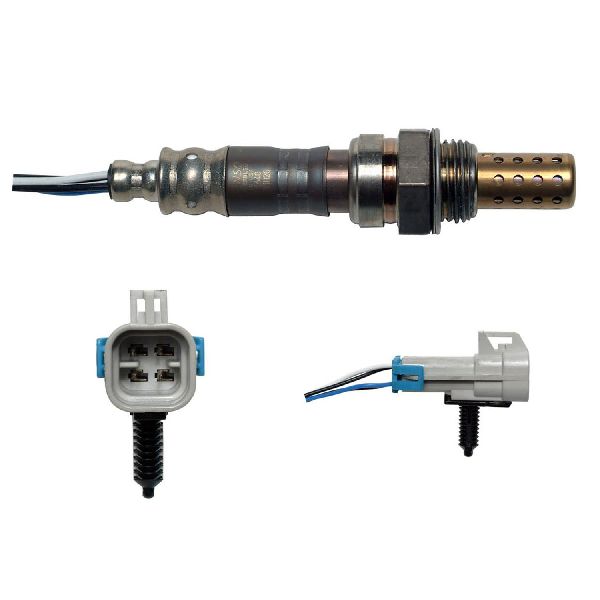
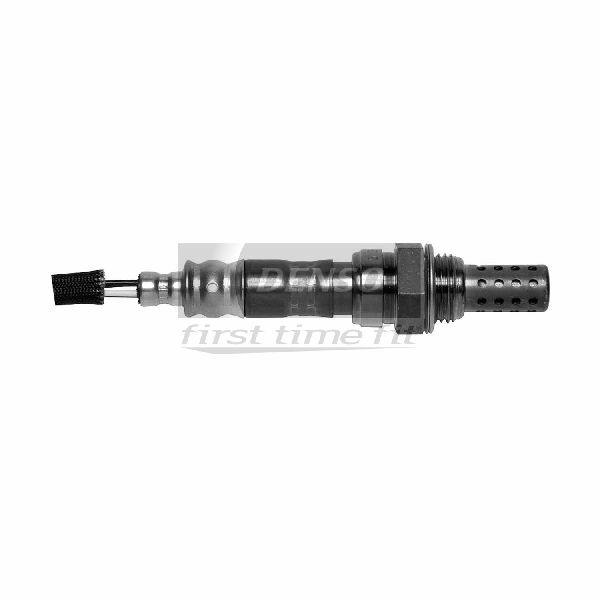
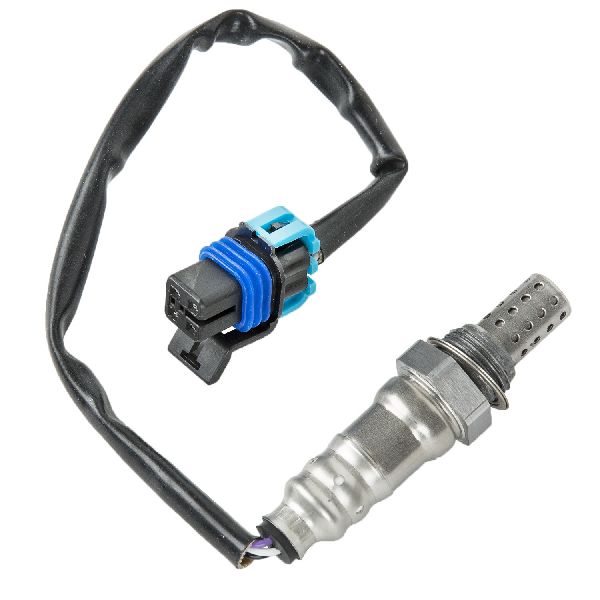
Aftermarket price range: $40-$90 - Downstream Oxygen Sensor (Bank 1, Sensor 2)
(OEM #GM 12608693 (for 3.4L V6), GM 12616203 (for 3.6L V6))— This sensor is what detects the rich condition. It can fail and send false readings.
Trusted brands: ACDelco, Denso, NGK/NTK, Walker Products
OEM price range: $80-$150
Aftermarket price range: $50-$120
Related Codes That Often Appear With This One
- P2099 — This is the same code but for Bank 2. If both are present, it points to a systemic issue like fuel pressure or a MAF sensor problem affecting both banks.
- P0172 — This code means "System Too Rich (Bank 1)" as detected by the *upstream* O2 sensor. Seeing both codes together strongly indicates an actual rich condition (like a leaking injector) rather than just a faulty downstream sensor.
- P0300-P0306 — These are misfire codes. A leaking injector can foul a spark plug and cause misfires on a specific cylinder.
- P0420 — This code indicates "Catalyst System Efficiency Below Threshold (Bank 1)". A long-term rich condition from P2097 can eventually damage the catalytic converter, leading to this code.
Technical Service Bulletins (TSBs) & Recalls
- PIP4964F: Advises technicians to check for Diagnostic Trouble Code P2097 or P2099 and perform an injector balance or Active Fuel Injector Tester prior to going further. This bulletin is widely referenced across repair forums and databases for this specific issue on GM V6 engines of this era.
Platform-Specific Known Issues
- A known issue, documented in GM Technical Service Bulletin #PIP4964F, points to faulty fuel injectors as a likely cause for code P2097. The bulletin advises performing an injector balance test early in the diagnostic process.
- This issue is shared with its platform-mate, the Chevrolet Equinox, which used the same 3.4L and 3.6L V6 engines and often exhibits the same failure patterns for this code.
Mechanic-Grade Diagnostic Values
- Fuel Pressure (Key On, Engine Off) — expected: 58-64 PSI (380-410 kPa). Failure: Pressure below 58 PSI may indicate a weak pump; pressure above 64 PSI may indicate a regulator issue.
- Downstream O2 Sensor (Bank 1, Sensor 2) Voltage — expected: Steady voltage between 0.4V and 0.8V at warm idle.. Failure: Voltage stuck high (above 0.8V) indicates a rich condition or faulty sensor. Voltage fluctuating rapidly like an upstream sensor indicates a failing catalytic converter.
- Long Term Fuel Trim (Bank 1) — expected: Close to 0%, typically within +/- 5%.. Failure: Consistently negative numbers, especially in the double digits (e.g., -10% or more), confirm the ECM is compensating for a rich condition.
- Injector Pressure Drop during Balance Test — expected: All injectors should have a pressure drop within 1.5 PSI of each other.. Failure: An injector with a significantly larger pressure drop than the others is leaking or over-fueling.
Scan Tool Commands That Help
- GM Tech 2 / GDS2: Fuel Injector Balance Test — This is the primary diagnostic step recommended by TSB #PIP4964F. It directly tests for leaking or over-fueling injectors by measuring the fuel pressure drop as the scan tool individually pulses each injector.
- GM Tech 2 / GDS2: Cylinder Power Balance Test — Used to identify a weak cylinder that may be contributing to the rich condition. The tool deactivates one injector at a time while the engine is running; a cylinder that produces little or no change in engine RPM when deactivated is suspect.
Wiring & Ground Locations
- Engine Control Module (ECM) — Mounted on top of the battery cover in the engine compartment.. The ECM processes all sensor data and controls fuel trim. A poor connection or faulty ground at the ECM can cause incorrect calculations and false codes.
- G103 / G107 (3.6L) / G111 (3.4L) — Main engine block and engine compartment grounds. G103 is on the left side of the engine compartment; G107/G111 are on the engine block itself.. Poor engine-to-chassis grounds can create voltage offsets, causing sensors like the O2 sensor to send inaccurate readings to the ECM.
- O2 Sensor Pigtail/Harness — The wiring leading directly from the oxygen sensor to its connector.. This wiring should never be soldered or repaired. The sensor draws its clean air reference through the gaps in the wire strands. Damaging or sealing these wires can obstruct the air reference, leading to incorrect sensor readings and false rich codes.
"I Checked Everything" — The Actual Cause
- A saturated EVAP (Evaporative Emission) canister or a stuck-open EVAP purge valve can cause a P2097 code. The purge valve introduces fuel vapors from the charcoal canister into the intake manifold to be burned. If the valve sticks open, it allows un-metered fuel vapors into the engine, creating a rich condition that the ECM detects downstream. This will not be found by an exhaust smoke test. A simple check is to unplug the valve's electrical connector and remove the hose coming from the canister; if vacuum can be felt at the valve's port with the engine running, the valve is stuck open.
When the Usual Fixes Don't Work
- While the TSB points heavily towards fuel injectors, if an injector balance test passes and the O2 sensor appears to be functioning correctly, the root cause may not be in the primary fuel or exhaust system. A commonly overlooked cause is a stuck-open EVAP purge solenoid, which introduces extra fuel vapors into the intake, creating a rich condition that is then flagged by the downstream O2 sensor. Before replacing expensive injectors or catalytic converters, a quick check of the EVAP purge valve for vacuum at idle is a worthwhile diagnostic step.
Model Year Variations Within This Range
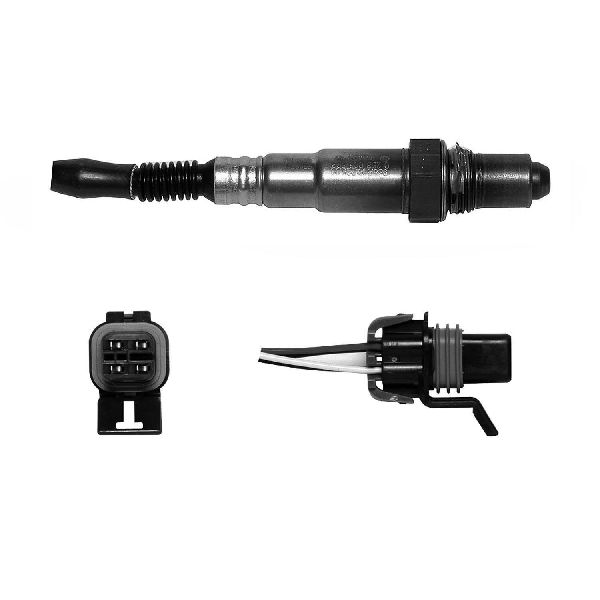
- 2008-2009: The standard 3.4L V6 engine is equipped with two oxygen sensors (one upstream, one downstream). The 3.6L V6 engine (found in GXP models) has four oxygen sensors (one upstream and one downstream for each of the two cylinder banks). This is critical for ordering the correct part for the correct bank.
Helpful Videos
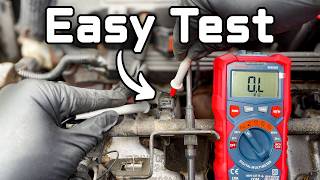
![How to Fix P2097 Engine Code in 4 Minutes [2 DIY Methods / Only $9.84]](https://img.youtube.com/vi/rCwtzRmhMwY/mqdefault.jpg)

We Have This Part in Stock


The information in this article is provided for general reference and educational purposes only. Vehicle specifications, procedures, and part compatibility can vary by production date, trim level, and region. Always consult your vehicle's factory service manual and verify part numbers before purchasing or performing repairs. Safety-critical components such as airbags, seat belts, and braking systems should be installed by a qualified professional.
- Pontiac TORRENT:
- 🧭 Diagnostic Flowchart
- 🎬 Helpful Videos
- 🛍️ Shop This Part
- What's Unique About the 2008-2009 Pontiac TORRENT
- Symptoms You May Notice
- Most Likely Causes
- Rare But Worth Checking
- Diagnosis Steps
- Parts You'll Likely Need
- Related Codes That Often Appear With This One
- Technical Service Bulletins (TSBs) & Recalls
- Platform-Specific Known Issues
- Mechanic-Grade Diagnostic Values
- Scan Tool Commands That Help
- Wiring & Ground Locations
- "I Checked Everything" — The Actual Cause
- When the Usual Fixes Don't Work
- Model Year Variations Within This Range
- 🎟️ Get 5% Off