

P2098 on 2014 Dodge Challenger: Downstream Lean Bank 2 Causes & Fixes
P2098 on a 2014 Challenger means the engine's computer sees a lean condition (too much air) on the driver's side exhaust after the catalytic converter. The most common causes are an exhaust leak before the rear O2 sensor or a failing sensor. For some models, particularly the 6.4L with a manual transmission, a simple software update at the dealership, as specified in a TSB, may be the only fix needed.
- P2098 indicates a lean condition on the driver's side exhaust, post-catalytic converter.
- Before buying parts, check for exhaust leaks between the catalytic converter and the rear O2 sensor; this is a very common cause.
- For 2014 Challengers with the 6.4L engine and manual transmission, verify with a dealer if a PCM software update (TSB) is the required fix.
- If no leaks are present and software is current, the Bank 2, Sensor 2 (downstream) oxygen sensor is the next most likely part to have failed.
- Do not immediately assume the catalytic converter is bad; it is rarely the cause of this specific code.
What's Unique About the 2014-2014 Dodge CHALLENGER
For the 2014 Dodge Challenger, particularly models with the 6.4L Hemi engine (Sales Code ESH) and a manual transmission (Sales Code DEC), this code doesn't always point to a bad part. Dodge issued Technical Service Bulletins (TSBs) indicating that the original PCM software could be too sensitive and trigger the P2098 code erroneously. 🎬 Watch: Understanding P2098 causes and common fixes In these specific cases, a dealership software re-flash is the correct and only fix, as confirmed by multiple NHTSA-documented bulletins.
Diagnostic Flowchart
Tap your situation to follow the diagnostic path that matches what you're seeing on this vehicle.
Symptoms You May Notice
- Check Engine Light is on
- Reduced fuel economy
- Slightly rough idle
- Hesitation during acceleration
- Blinking Check Engine Light (if a severe misfire is also present)
- Replacing the catalytic converter when the issue is just an exhaust leak or a bad sensor.
- Replacing the upstream O2 sensor (Bank 2, Sensor 1) instead of the downstream sensor (Bank 2, Sensor 2) that the code refers to.
Most Likely Causes
- Exhaust Leak 🔴 High Probability Exhaust manifold gaskets and flange connections on V8 engines are common areas for small leaks to develop over time. These leaks allow outside air to be pulled into the exhaust stream, which the O2 sensor incorrectly reads as a lean condition. Welded seams on the pipes can also rot and create leaks.
How to confirm: Visually inspect the exhaust system on the driver's side for black soot marks, cracks, or rust, especially around gaskets and welds. A professional smoke test is the most reliable method to find small, hard-to-see leaks. Some owners on forums have noted that dripping condensate from an exhaust joint can also be a sign of a leak that's significant enough to throw a code.
Typical fix: Replace the leaking gasket or repair the cracked pipe section. For small leaks, high-temperature exhaust putty can be used, while larger cracks may require a heat wrap or welding.
Est. part cost: $15-$75 - Faulty Downstream Oxygen (O2) Sensor (Bank 2, Sensor 2) 🟡 Medium Probability → Shop Oxygen Sensor O2 sensors are wear items and can become slow or biased over time, sending inaccurate voltage signals to the PCM. They are located in a high-heat environment and are prone to failure.
How to confirm: Use a scan tool to monitor the live data for the Bank 2, Sensor 2 voltage. It should show a relatively steady voltage. If the voltage is stuck low (e.g., below 0.2V) or not responding correctly, the sensor is likely faulty. A common diagnostic step shared on forums is to swap the downstream sensors between Bank 1 and Bank 2 to see if the code changes to P2096 (Bank 1), which would confirm the sensor is bad.
Typical fix: Replace the Bank 2, Sensor 2 oxygen sensor. This sensor is located on the driver's side, after the catalytic converter.
Est. part cost: $40-$120 - Outdated Powertrain Control Module (PCM) Software ⚪ Low Probability As per TSB #18-094-16, 2014 Challengers with the 6.4L engine (Sales Code ESH) and a manual transmission (Sales Code DEC) may have overly sensitive software logic that can set this code.
How to confirm: A Dodge dealership can check your vehicle's VIN against their database to see if this TSB applies and if the software update has been performed. This is a crucial first step for this specific vehicle configuration.
Typical fix: The dealership reprograms the PCM with the latest available software using their wiTECH tool. The cost is typically around one hour of shop labor, but can vary.
Est. part cost: $100-$450
Rare But Worth Checking
- Vacuum Leak: A significant vacuum leak in the intake manifold can cause a lean condition across both engine banks. This would typically set other codes as well, such as P0174 (System Too Lean Bank 2), but could contribute to P2098.
- Low Fuel Pressure / Clogged Fuel Injector: → Shop Fuel Injector An issue with fuel delivery on Bank 2 could cause a genuine lean condition. This is less common and would usually be accompanied by misfire codes (P0300, P0302, P0304, etc.).
- Wiring or Connector Issue: Damaged wires or a corroded connector for the Bank 2 downstream O2 sensor can cause an open or short, leading to incorrect readings. Visually inspect the harness for any signs of melting or damage.
- Clogged Catalytic Converter: → Shop Catalytic Converter While less common to cause a lean code, a partially clogged converter can alter exhaust flow and pressure, potentially confusing the downstream O2 sensor. A sign of a clogged converter is if it glows red after the engine has been running.
Diagnosis Steps
- Check for applicable TSBs. For a 2014 Challenger, especially a 6.4L manual, the first step is to see if a PCM software update is required. A dealer can verify this with your VIN.
- Scan for other codes. Note any other codes that may provide clues to the root cause, such as misfire codes (P030X) or upstream lean codes (P0174).
- Inspect the exhaust system. Thoroughly check for leaks from the exhaust manifold to the downstream O2 sensor on the driver's side. Listen for ticking sounds and look for soot. A smoke test is definitive. Check for condensate drips at joints which can also indicate a leak.
- Analyze O2 sensor live data. Use a scan tool to watch the voltage of the Bank 2, Sensor 2 O2 sensor. It should be relatively stable. Compare it to the Bank 1, Sensor 2 reading for reference. A sensor stuck low or fluctuating wildly indicates a problem.
- Swap O2 Sensors. If you suspect the sensor, a good DIY step is to swap the Bank 2 Sensor 2 with the Bank 1 Sensor 2 and clear the codes. If code P2096 appears, you've confirmed the sensor is the faulty component.
- Inspect sensor wiring. Check the harness and connector for the Bank 2, Sensor 2 O2 sensor for any signs of damage, melting, or corrosion.
- Check for vacuum leaks. Listen for whistling sounds around the intake manifold. A smoke test is the most effective way to find intake leaks.
- If no leaks or wiring issues are found, and the PCM is up to date, the O2 sensor itself is the most likely culprit.
Parts You'll Likely Need
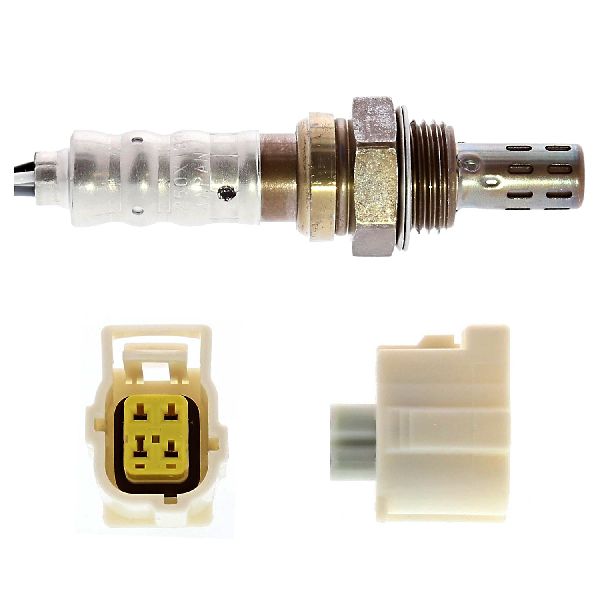
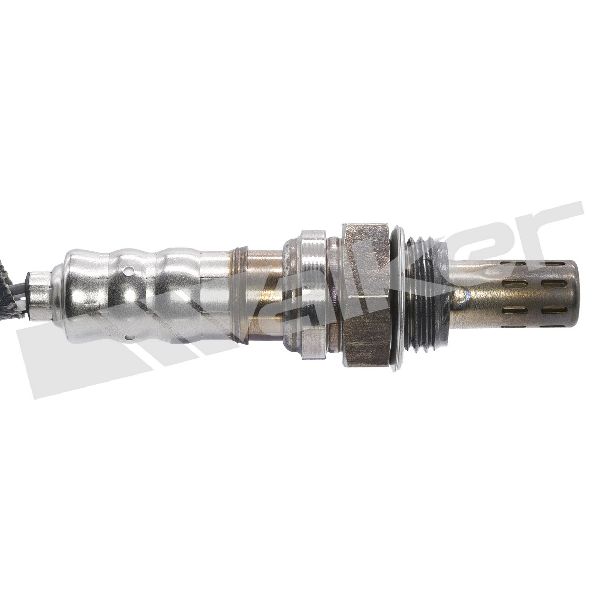
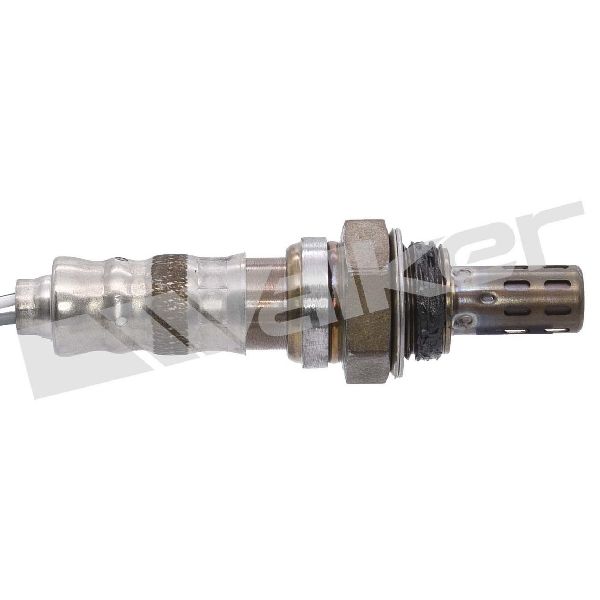
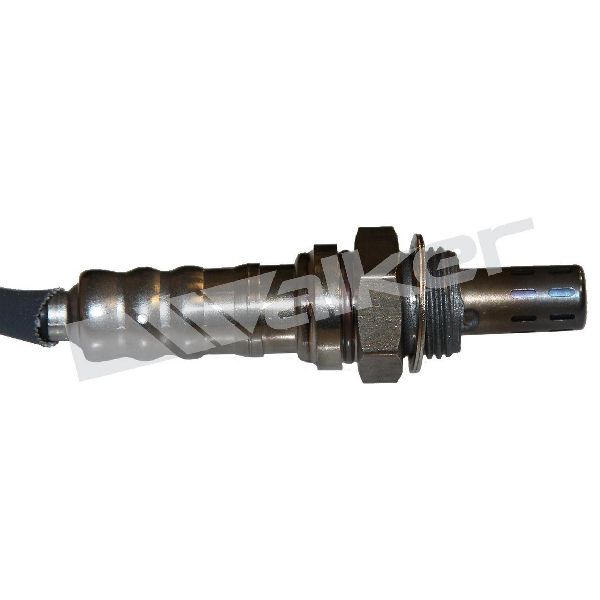
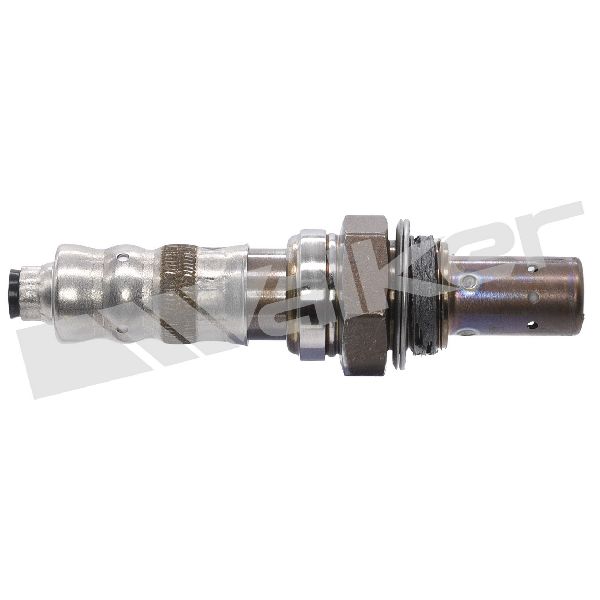
- Downstream Oxygen Sensor (Bank 2, Sensor 2)
(OEM #68144248AD, 5149180AA)— This sensor is responsible for the reading that triggers the code. If it fails or becomes inaccurate, it must be replaced. Part number 68144248AD supersedes 68144248AA and is listed for the 6.4L engine.
Trusted brands: Mopar, NTK, Denso, Bosch
OEM price range: $80-$150
Aftermarket price range: $40-$90 - Exhaust Manifold Gasket / Flange Gasket — If an exhaust leak is found at a gasketed joint, the gasket must be replaced to create a proper seal.
Trusted brands: Fel-Pro, Mahle, Mopar
OEM price range: $25-$50
Aftermarket price range: $15-$30
Related Codes That Often Appear With This One
- P2096 — This is the identical code for the opposite bank (Bank 1). If both appear together, it strongly suggests a systemic issue like a vacuum leak, low fuel pressure, or even fuel contamination affecting the whole engine.
- P0174 — This code indicates a lean condition detected by the *upstream* O2 sensor on Bank 2. If seen with P2098, it points to a problem happening before the catalytic converter, like a vacuum leak or fuel delivery issue on that bank.
Technical Service Bulletins (TSBs) & Recalls
- 18-094-16: Mentions P2098 - Downstream Fuel Trim System 2 Lean for LC vehicles (Challenger) with 6.4L ESH engine and manual transmission, recommending a PCM re-flash.
- 18-039-15 REV. A: Also lists P2098 for the same vehicle configuration, pointing to a PCM software update.
- 18-037-14 REV. B: Includes P2098 in a list of DTCs that can be resolved by a PCM software update.
Platform-Specific Known Issues
- A key issue for the 2014 Challenger is the existence of manufacturer TSBs (#18-094-16, #18-039-15 REV. A, #18-037-14 REV. B) that address code P2098. These bulletins, particularly for 6.4L models (Sales Code ESH) with manual transmissions (Sales Code DEC), indicate the fix may be a PCM software update rather than a hardware replacement.
Mechanic-Grade Diagnostic Values
- Downstream O2 Sensor (Bank 2, Sensor 2) Voltage — expected: A relatively steady voltage, typically between 0.5V and 0.8V, when the engine is at operating temperature and in closed-loop.. Failure: Voltage is stuck low (e.g., below 0.2V), stuck high (e.g., above 0.8V), or fluctuating rapidly like the upstream sensor.
- Upstream O2 Sensor (Bank 2, Sensor 1) Voltage — expected: Rapidly fluctuating between approximately 0.1V and 0.9V.. Failure: Voltage is sluggish, stuck high, or stuck low. This is for comparison to ensure the downstream sensor is behaving correctly.
- O2 Sensor Heater Element Resistance — expected: Typically between 5 and 10 ohms when measured across the two heater wires (often the same color, e.g., white).. Failure: An open circuit (infinite resistance) or a reading far outside the expected range indicates a failed heater element within the sensor.
- Long-Term Fuel Trim (LTFT) for Bank 2 — expected: Within +/- 10%.. Failure: Consistently positive and high (e.g., +15% or higher), indicating the PCM is adding significant fuel to compensate for a perceived lean condition.
Hidden / Shadow Codes Worth Checking
- Mode 6, Monitor ID (MID) for O2 Sensors: → Shop Oxygen Sensor Mode 6 provides test results for non-continuously monitored systems, including the O2 sensors and their heaters. A technician can view the raw test values from the PCM's last self-test cycle and compare them against the manufacturer's acceptable min/max range. This can reveal a sensor that is close to failing but hasn't yet triggered a specific sensor code. (see via Requires a scan tool capable of displaying Mode $06 data. The specific MID and Component ID (CID) for the Bank 2 downstream sensor must be looked up for the specific vehicle.)
Scan Tool Commands That Help
- wiTECH (Dealer Tool) or advanced aftermarket scanner: O2 Sensor Heater Test — This is a bidirectional command that allows the technician to manually activate the heater circuit for the Bank 2 Sensor 2. By monitoring the sensor's voltage and warm-up time during the test, it can help confirm if the heater element is functioning correctly, which is crucial for the sensor's accuracy, especially during cold starts.
- wiTECH (Dealer Tool) or advanced aftermarket scanner: Read PCM Calibration Version — This is a critical first step for a 2014 Challenger with a 6.4L manual transmission. The function reads the current software ID of the PCM, which can then be compared against the latest version listed in TSBs #18-094-16, #18-039-15 REV. A, or #18-037-14 REV. B to determine if a software update is the required fix.
Wiring & Ground Locations
- O2 Sensor 2/2 Connector — The Bank 2, Sensor 2 (downstream) sensor is located in the driver's side exhaust pipe, after the catalytic converter. The electrical connector is typically found attached to a bracket on the transmission or vehicle underbody nearby.. This is the primary connector to inspect for corrosion, damage, or pushed-out pins that could cause a faulty signal from the sensor triggering P2098.
- Front Fuse Box (Under Hood) — Located in the engine compartment, typically on the passenger side.. Contains fuses related to the O2 sensor heaters. For a 2014 Challenger, check fuses F31, F34, F35, and F37, as these are commonly associated with the O2 sensor circuits. A blown fuse will disable the sensor's heater, causing slow response and potential codes.
- Rear Fuse Box (Trunk) — Located in the trunk, behind the battery under the floor liner.. This fuse box contains relays for the powertrain system. Relay R29 is often involved in the O2 sensor circuits and should be checked if fuses are intact but there is no power to the sensor heaters.
Real Owner Repair Stories
- ChallengerTalk Forum (2014 Dodge Challenger R/T (5.7L Hemi)) — Check Engine Light with code P2098.
❌ Tried (didn't work) The owner initially suspected a bad O2 sensor.
✅ What actually fixed it The owner found a significant exhaust leak at the connection between the stock manifold and the mid-pipe on the driver's side. After replacing the donut gasket and tightening the connection, the code was cleared and did not return. This confirmed the lean reading was caused by air entering the exhaust before the sensor.
OEM Part Supersession History
68144248AA→68144248AD— Standard part revision by the manufacturer for improvements or supplier changes.
Heads up: The new part number (68144248AD) is the correct and current replacement for the original. This part is used for multiple positions (upstream/downstream, left/right) on various Chrysler/Dodge/Ram engines including the 3.6L, 5.7L, and 6.4L, so it is critical to verify the application for the specific vehicle.5149180AA→Unknown— This is another part number listed for the downstream position on some models.
Heads up: This part number is also associated with the downstream O2 sensor. It is crucial to use a VIN lookup to determine the exact correct part for the vehicle, as 68144248AD and 5149180AA may apply to different engine or transmission combinations within the same model year.
Helpful Videos

![How to Fix P2098 Engine Code in 4 Minutes [2 DIY Methods / Only $9.57]](https://img.youtube.com/vi/EIT16ufx1DY/mqdefault.jpg)


We Have This Part in Stock


The information in this article is provided for general reference and educational purposes only. Vehicle specifications, procedures, and part compatibility can vary by production date, trim level, and region. Always consult your vehicle's factory service manual and verify part numbers before purchasing or performing repairs. Safety-critical components such as airbags, seat belts, and braking systems should be installed by a qualified professional.
- Dodge CHALLENGER:
- 🧭 Diagnostic Flowchart
- 🎬 Helpful Videos
- 🛍️ Shop This Part
- What's Unique About the 2014-2014 Dodge CHALLENGER
- Symptoms You May Notice
- Most Likely Causes
- Rare But Worth Checking
- Diagnosis Steps
- Parts You'll Likely Need
- Related Codes That Often Appear With This One
- Technical Service Bulletins (TSBs) & Recalls
- Platform-Specific Known Issues
- Mechanic-Grade Diagnostic Values
- Hidden / Shadow Codes Worth Checking
- Scan Tool Commands That Help
- Wiring & Ground Locations
- Real Owner Repair Stories
- OEM Part Supersession History
- 🎟️ Get 5% Off