

P2098 on 2014-2021 Dodge Charger: Causes and Fixes for Lean Fuel Trim Bank 2
This code usually means you have an exhaust leak before the downstream oxygen sensor on Bank 2, or the sensor itself has failed. On Hemi V8 engines, this is often caused by broken exhaust manifold bolts, a well-known issue. A ticking noise when the engine is cold is a classic symptom. Expect to pay $100-$250 for a new sensor, or $200-$700+ for exhaust manifold repairs.
- P2098 on a Dodge Charger means the driver's side downstream O2 sensor is detecting too much oxygen.
- Before you buy a new O2 sensor, thoroughly inspect for exhaust leaks, especially at the exhaust manifold if you have a Hemi V8.
- A ticking noise from the engine bay that is loudest on a cold start is a strong indicator of an exhaust manifold leak.
- The correct sensor to address is Bank 2, Sensor 2, which is located after the catalytic converter on the driver's side.
- If no physical faults are found, check with a dealer to see if your vehicle's computer needs a software update.
What's Unique About the 2014-2021 Dodge CHARGER

On Dodge Chargers, especially those with the 5.7L or 6.4L Hemi V8 engines, the P2098 code is frequently linked to exhaust leaks from the exhaust manifolds. The factory steel bolts that hold the manifolds to the aluminum cylinder heads are notorious for breaking due to thermal stress and expansion/contraction cycles. This allows outside air to be sucked into the exhaust, fooling the downstream O2 sensor into reporting a false lean condition. While the provided TSBs (#18-094-16, #18-039-15 REV-A) are for the related Challenger (LC) platform with a manual transmission, they highlight that Chrysler has addressed these codes with software updates in some cases. However, for the Charger, the mechanical failure of manifold bolts is a far more common root cause discussed by owners.
Diagnostic Flowchart

Tap your situation to follow the diagnostic path that matches what you're seeing on this vehicle.
Symptoms You May Notice
- Check Engine Light is on
- Reduced fuel economy
- Rough or unstable idle, which may smooth out as the engine warms up
- Hesitation or stumbling when accelerating
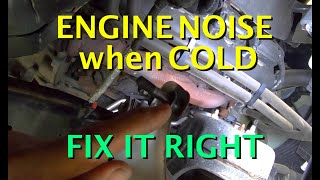
- Audible ticking or exhaust leak noise, especially when the engine is cold 🎬 Watch: Hear what a Hemi exhaust manifold leak sounds like., that may quiet down as the metal expands with heat
- Loss of engine power
- Replacing the oxygen sensor when the true cause is an exhaust leak. This is a very common mistake. Always perform a thorough leak check (ideally with a smoke machine) before replacing sensors.
- Replacing the upstream (Bank 2, Sensor 1) oxygen sensor instead of the downstream (Bank 2, Sensor 2) sensor, which is the one that triggers this specific code.
- Replacing the catalytic converter. A bad converter is rarely the cause of P2098.
- Not resurfacing or replacing a warped exhaust manifold. Simply replacing the gasket on a warped manifold will likely lead to the new gasket blowing out and the code returning.
Most Likely Causes

- Exhaust leak before the downstream O2 sensor 🔴 High Probability → Shop Oxygen Sensor Hemi V8 engines are widely known for exhaust manifold bolts breaking due to heat cycles. The manifolds themselves can also warp, which puts stress on the bolts and prevents a good seal with a new gasket. This creates a leak at the manifold gasket, which is the most common cause of P2098 on this platform. Leaks can also occur at exhaust pipe flanges or from cracks.
How to confirm: Visually inspect the exhaust manifold on Bank 2 (driver's side for V8s) for broken bolt heads, which are often at the front or rear of the manifold. Listen for a ticking noise that is loudest when the engine is cold and may diminish as it warms up. A definitive method is a smoke test, which will show smoke exiting from the leak point.
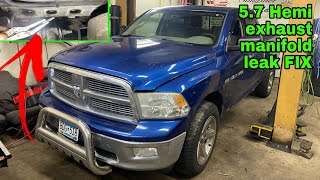
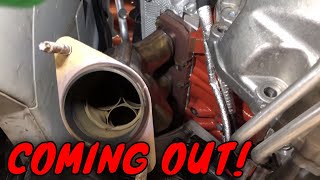
Typical fix: Replace broken exhaust manifold bolts and the manifold gasket. It is highly recommended to replace all bolts, not just the broken one. 🎬 See how to extract and fix broken Hemi manifold bolts. Some owners opt for higher-quality aftermarket steel studs and bolts. If the manifold is warped, it should be resurfaced by a machine shop or replaced entirely to prevent a recurring leak.
Est. part cost: $40-$150 - Faulty downstream oxygen sensor (Bank 2, Sensor 2) 🟡 Medium Probability → Shop Oxygen Sensor Oxygen sensors are consumable parts that fail over time from heat and contaminants. They can become 'lazy' or biased, sending incorrect low-voltage signals that the PCM interprets as a lean condition.
How to confirm: After confirming there are absolutely no exhaust leaks, use an OBD-II scanner to monitor the live voltage data from the B2S2 sensor. The voltage should be relatively stable (e.g., 0.6-0.8V) on a warm, running engine. If the voltage is stuck low (typically below 0.2V) and does not respond to changes in engine RPM, the sensor is likely faulty. Swapping the downstream sensors from Bank 1 and Bank 2 to see if the code follows to P2096 (Bank 1) is another effective diagnostic step.
Typical fix: Replace the Bank 2, Sensor 2 oxygen sensor. It is located on the driver's side, after the catalytic converter.
Est. part cost: $50-$150 - Wiring or connector issue at the O2 sensor ⚪ Low Probability → Shop Oxygen Sensor
How to confirm: Visually inspect the wiring harness and connector for the Bank 2 downstream O2 sensor. Look for any signs of melting from contact with the exhaust, corrosion in the connector pins, chafing, or loose pins.
Typical fix: Repair the damaged wiring or clean/replace the connector. Harness extensions are available if needed.
Est. part cost: $10-$50 - PCM software needs an update ⚪ Low Probability
How to confirm: A Dodge dealership or a qualified shop with a wiTECH scan tool can check your vehicle's VIN to see if there are any applicable TSBs for PCM updates. While some TSBs exist for this code on related platforms, it's less common to be the sole solution for Chargers compared to mechanical faults.
Typical fix: Flash the PCM with the latest software version. This is typically a dealer-only procedure.
Est. part cost: $100-$250
Rare But Worth Checking
- Vacuum leak: A significant vacuum leak (e.g., from a cracked intake manifold or disconnected hose) can cause a lean condition. However, it would typically affect both banks and trigger other codes like P0171 and P0174 first.
- Low fuel pressure or clogged fuel injector: → Shop Fuel Injector This would cause a true lean condition on Bank 2, but it's more likely to be detected by the upstream O2 sensor first, triggering codes like P0174 or misfire codes for the affected cylinders.
- Clogged or failing catalytic converter: → Shop Catalytic Converter While a failing converter is in the vicinity, it's more likely to cause efficiency codes (P0420/P0430) or performance issues rather than a downstream lean code like P2098.
Diagnosis Steps

- Read all stored trouble codes with an OBD-II scanner and review the freeze frame data to see the conditions under which the code was set.
- Start the engine when it's cold and listen carefully for any ticking or puffing sounds from the engine bay, particularly around the driver's side exhaust manifold. The sound may disappear as the engine warms up.
- Visually inspect the exhaust system from the engine back. Look for soot marks (black streaks) around the manifold-to-head connection or at flange gaskets, which indicate a leak.
- Specifically check the exhaust manifold bolts on Bank 2. On Hemi engines, the bolts at the very front and rear of the manifold are most likely to break. You may see a bolt head missing entirely.
- If no leaks are obvious, use a scanner to observe the live data for the Bank 2, Sensor 2 (downstream) oxygen sensor. A healthy sensor on a warm engine at idle should show a relatively stable voltage. A reading stuck low (e.g., <0.2V) points towards a lean condition or a faulty sensor.
- Perform an exhaust smoke test. This is the most definitive way to identify any hard-to-see leaks. The smoke will pour out of any cracks or gasket failures.
- If leaks and wiring are ruled out, inspect the O2 sensor's wiring and connector for damage, such as melting on the exhaust pipe or corrosion.
- If leaks and wiring are ruled out, consider swapping the Bank 2 downstream sensor with the Bank 1 downstream sensor. Clear the codes and drive. If the code returns as P2096 (Bank 1), you have confirmed the sensor is faulty.
Parts You'll Likely Need
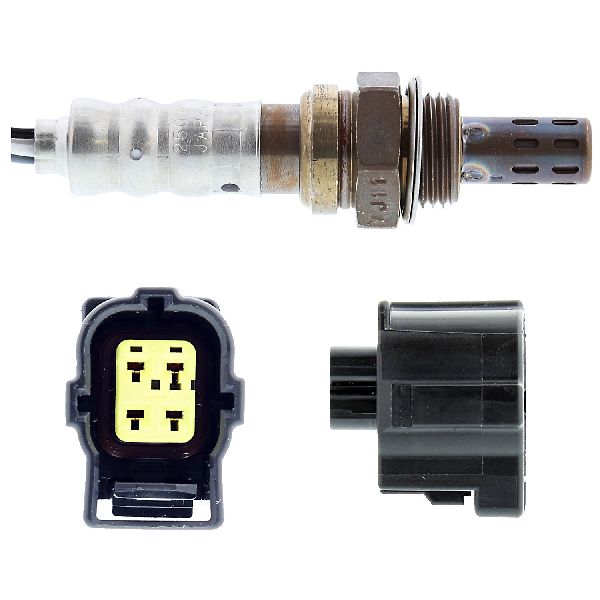
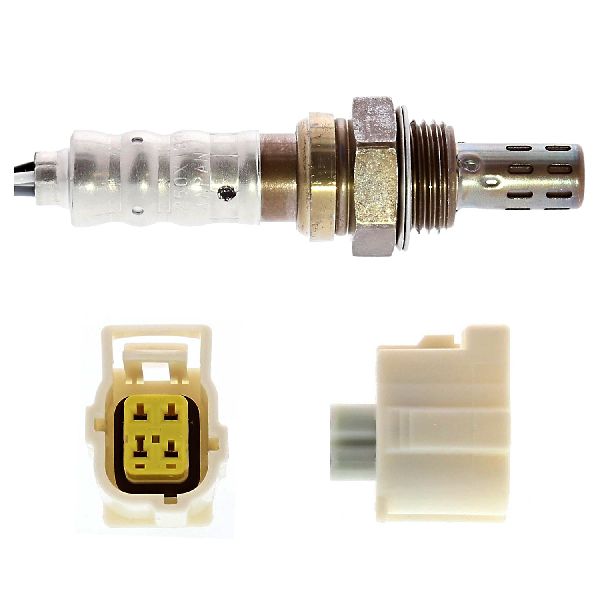
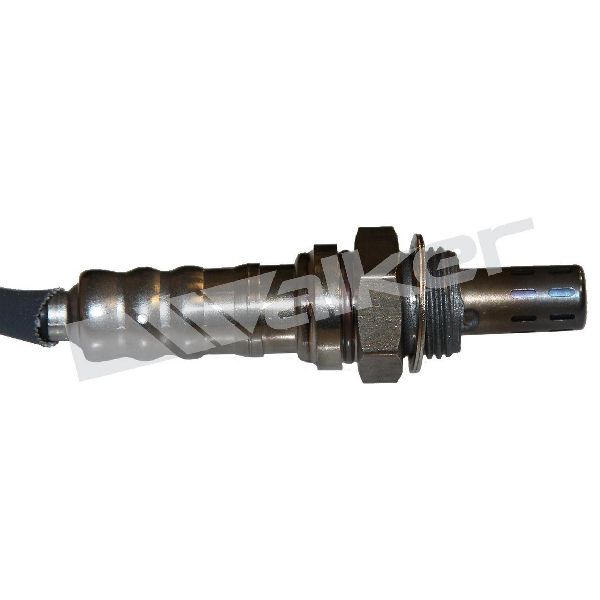
- Downstream Oxygen Sensor (Bank 2, Sensor 2)
(OEM #5149180AA (superseded by 5149180AB for many 5.7L/6.4L models))— This sensor is the primary reporter for this code and can fail, sending false lean signals.
Trusted brands: Mopar, NTK, Denso, Bosch
OEM price range: $120-$180
Aftermarket price range: $50-$100 - Exhaust Manifold Gasket Kit with Bolts
(OEM #Gasket: 5045495AA (Driver Side for 5.7L); Hardware kits are often sold aftermarket.)— Required for fixing the common issue of a leaking exhaust manifold due to broken bolts on Hemi engines. It is critical to use new bolts and a new gasket.
Trusted brands: Mopar, Fel-Pro, Mahle
OEM price range: $80-$150
Aftermarket price range: $40-$80
Related Codes That Often Appear With This One
- P0174 — System Too Lean (Bank 2) - If there is a large vacuum leak or fuel delivery issue affecting all of Bank 2, you may see this upstream lean code alongside P2098.
- P0153 — O2 Sensor Circuit Slow Response (Bank 2, Sensor 1) - An aging upstream sensor can accompany the downstream code, as seen in some owner experiences.
- P0300, P0302, P0304, P0306, P0308 — Random or specific cylinder misfire codes for Bank 2. A severe lean condition can cause misfires on the affected bank.
Technical Service Bulletins (TSBs) & Recalls
- 18-094-16: Addresses P2098 on related Challenger (LC) platforms with manual transmissions, suggesting a potential software fix.
- 18-039-15 REV-A: Also addresses P2098 on related Challenger (LC) platforms, pointing to a possible software calibration issue.
- 18-089-15: A TSB for 2013 Charger/300/Challenger models with the 5.7L engine that involves a PCM reflash to address other DTCs, demonstrating a history of software fixes for this powertrain.
Platform-Specific Known Issues
- Hemi Exhaust Manifold Bolt Failure & Manifold Warp: → Shop Exhaust Manifold The primary cause of P2098 on Hemi-equipped Chargers is the failure of exhaust manifold bolts. The constant expansion and contraction of the steel bolts and aluminum heads leads to the bolts breaking, most often at the front or rear of the manifold. This creates an exhaust leak that pulls in fresh air, causing the downstream O2 sensor to report a false lean condition. The manifold itself can also warp from the heat, preventing a new gasket from sealing properly. A ticking sound on a cold start is the classic symptom. The only permanent fix is to replace the broken bolts (ideally with upgraded studs) and the gasket, and to have the manifold resurfaced or replaced if it is warped.
Mechanic-Grade Diagnostic Values
- Downstream O2 Sensor Voltage (Bank 2, Sensor 2) — expected: Should fluctuate around 0.5V-0.8V on a warm, working system.. Failure: A voltage that is stuck low (e.g., below 0.2V) indicates a lean condition or a faulty sensor.
- Long-Term Fuel Trim (LTFT) Bank 2 — expected: Close to 0%, within +/- 5%.. Failure: Excessively positive, potentially +15% or higher, as the PCM tries to add fuel to compensate for the perceived lean condition.
- Exhaust System Backpressure Test — expected: Less than 4 PSI.. Failure: Applying more than 4 PSI during a smoke/pressure test can cause engine damage.
Scan Tool Commands That Help
- wiTECH: Reprogram the PCM with the latest software. — Used when a TSB indicates a software update is available to correct false P2098 codes. For example, TSB 18-019-13 was issued for 2012 5.7L Challengers for this issue. This should be considered after all mechanical faults like exhaust leaks have been ruled out.
Wiring & Ground Locations
- O2 Sensor Fuses (Engine Bay) — In the main engine fuse box, located on the left side of the engine bay.. The O2 sensor heaters and control circuits are protected by fuses. A blown fuse can cause a sensor to read incorrectly. For the 2014+ Charger, check fuses F31, F34, F35, and F37.
- O2 Sensor Relays (Engine Bay & Trunk) — Check relay 63 (ASD relay) in the engine bay fuse box. Also check relay 29 and possibly relay 14 in the trunk fuse box, located behind the battery.. Relays supply power to the O2 sensor circuits. A faulty relay can mimic a failed sensor or wiring issue.
OEM Part Supersession History
5149180AA→5149180AB— Part has been updated by the manufacturer. The new version is the correct service replacement.
Heads up: You will receive the newest version (5149180AB) when ordering the old part number. They are interchangeable.
Helpful Videos
We Have This Part in Stock


The information in this article is provided for general reference and educational purposes only. Vehicle specifications, procedures, and part compatibility can vary by production date, trim level, and region. Always consult your vehicle's factory service manual and verify part numbers before purchasing or performing repairs. Safety-critical components such as airbags, seat belts, and braking systems should be installed by a qualified professional.
- Dodge CHARGER:
- 🧭 Diagnostic Flowchart
- 🎬 Helpful Videos
- 🛍️ Shop This Part
- What's Unique About the 2014-2021 Dodge CHARGER
- Symptoms You May Notice
- Most Likely Causes
- Rare But Worth Checking
- Diagnosis Steps
- Parts You'll Likely Need
- Related Codes That Often Appear With This One
- Technical Service Bulletins (TSBs) & Recalls
- Platform-Specific Known Issues
- Mechanic-Grade Diagnostic Values
- Scan Tool Commands That Help
- Wiring & Ground Locations
- OEM Part Supersession History
- 🎟️ Get 5% Off