

P2098 on 2010-2011 Dodge Dakota: Lean Fuel Trim Causes & Fixes
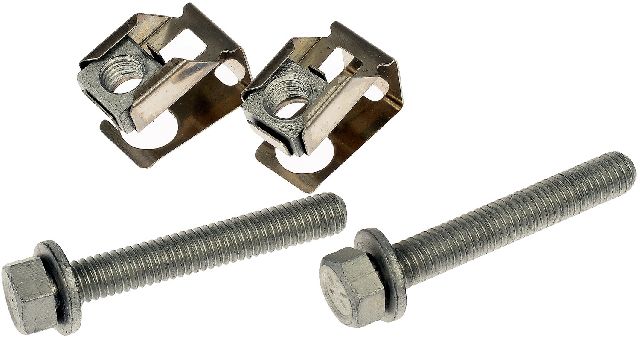
For the 2010-2011 Dodge Dakota, P2098 is most often caused by an exhaust leak before the rear O2 sensor or a failing sensor itself. Broken exhaust manifold bolts are a very common source of these leaks. A thorough exhaust inspection is the first step before buying parts.
- The P2098 code on your Dakota points to a lean condition on Bank 2 (passenger side), measured after the catalytic converter.
- The most common cause is an exhaust leak. Thoroughly inspect the exhaust manifold and pipes for leaks before buying any parts.
- If no leaks are found, the downstream (post-catalyst) oxygen sensor on the passenger side is the next most likely culprit.
- In some cases, a PCM software update from a Dodge dealer may be required to fix the issue, especially if no physical problems are found.
What's Unique About the 2010-2011 Dodge DAKOTA
The 2010-2011 Dakota came with a 3.7L V6 or a 4.7L V8 engine. It's critical to note that while Dodge issued several TSBs for code P2098 on other trucks mentioning the 5.7L engine, TSB #18-023-11 explicitly applies to the 2011 Dakota with the 3.7L and 4.7L engines. This TSB points to a Powertrain Control Module (PCM) software update as a potential fix, confirming that a software reflash is a valid solution for the Dakota if no physical faults like exhaust leaks are found.
Diagnostic Flowchart
Tap your situation to follow the diagnostic path that matches what you're seeing on this vehicle.
Symptoms You May Notice
- Check Engine Light is on
- Slightly reduced fuel economy
- Possible rough idle or hesitation during acceleration
- Audible ticking noise from the engine bay (especially when cold) that goes away as the engine warms up, indicating an exhaust manifold leak.
- Replacing the upstream (pre-catalyst) oxygen sensor. Code P2098 is set based on the reading from the downstream (post-catalyst) sensor, which is more often affected by exhaust leaks than a primary sensor failure for this specific code.
- Replacing the O2 sensor before thoroughly checking for exhaust leaks. Many owners replace the sensor only to have the code return, because the root cause was a leak.
Most Likely Causes
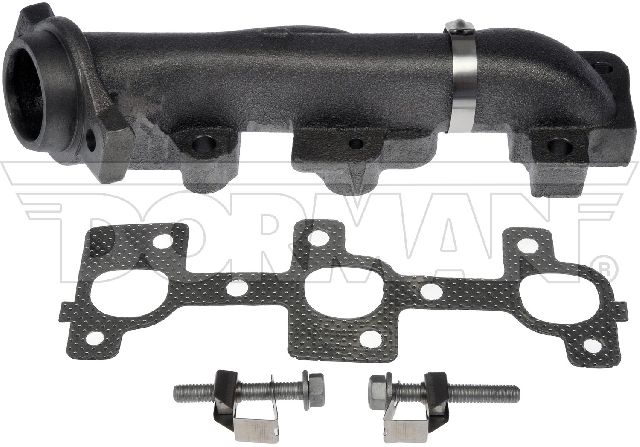
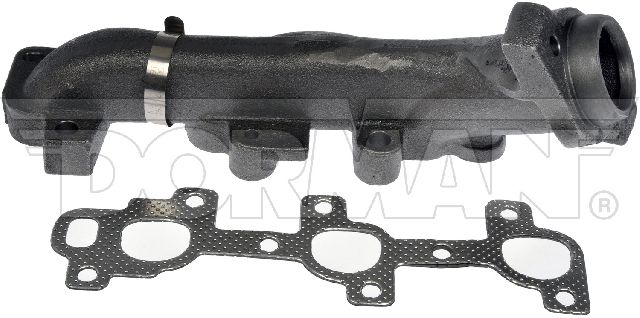
- Exhaust System Leak 🔴 High Probability The 3.7L and 4.7L engines are known for exhaust manifold bolts breaking off at the cylinder head, causing a leak between the manifold and the head. Gaskets at the manifold collector or Y-pipe can also fail. This allows outside air to be pulled into the exhaust stream, which fools the downstream O2 sensor into reporting a false lean condition.
How to confirm: Visually inspect the exhaust manifold, gaskets, and pipes on the passenger side for black soot trails, cracks, or rust holes. Listen for a distinct ticking noise when the engine is cold. A professional smoke test is the most effective method to find small leaks. Some DIY mechanics use a shop-vac on reverse to blow air into the tailpipe and spray soapy water on suspected leak points to look for bubbles.
Typical fix: Repairing the leak. This often involves extracting broken manifold bolts and replacing the manifold gasket. In other cases, it may require welding a crack or replacing a flange gasket.
Est. part cost: $10-$200 - Faulty Downstream Oxygen Sensor (Bank 2, Sensor 2) 🟡 Medium Probability → Shop Oxygen Sensor Oxygen sensors have a finite lifespan and can fail, sending inaccurate (low voltage) signals that the PCM interprets as a lean condition.
How to confirm: Use a scan tool to monitor the B2S2 voltage with the engine warm and running. It should show a relatively steady voltage, typically above 0.5V (e.g., 0.6-0.8V). If it's stuck low (under 0.3V) or erratically fluctuating like the upstream sensor, it has likely failed.
Typical fix: Replace the Bank 2, Sensor 2 oxygen sensor, which is located after the catalytic converter on the passenger side.
Est. part cost: $50-$150 - Outdated PCM Software ⚪ Low Probability TSB #18-023-11 was released for the 2011 Dakota with 3.7L/4.7L engines to address this code, among other issues, via a PCM software update. The factory calibration for monitoring the fuel trim may be too sensitive, falsely triggering the code when no mechanical fault exists.
How to confirm: A Dodge dealership or a well-equipped independent shop must connect a diagnostic tool (like wiTECH) to check the current software version against available manufacturer updates for your vehicle's VIN.
Typical fix: Flashing the Powertrain Control Module (PCM) with the latest software version. This is a dealer or professional-level repair.
Est. part cost: $0-$200 - Failing Catalytic Converter ⚪ Low Probability → Shop Catalytic Converter
How to confirm: This is typically diagnosed after all other causes (leaks, sensors, software) have been ruled out. An infrared thermometer can be used to check temperatures before and after the converter; a significant temperature increase should be present if it's working correctly. A clogged converter may also glow red after running.
Typical fix: Replace the Bank 2 catalytic converter.
Est. part cost: $400-$1200
Rare But Worth Checking
- Contaminated O2 Sensor: → Shop Oxygen Sensor
Diagnosis Steps
- Read the code with an OBD-II scanner to confirm P2098 is present and check for any other codes like P0430 or P2096.
- With the engine cold, start it and listen for any ticking or puffing sounds from the passenger side of the engine bay, which would indicate an exhaust manifold leak.
- Perform a thorough visual inspection of the exhaust system on Bank 2 (passenger side) from the engine manifold to the rear O2 sensor. Look for cracks, rust, or soot indicating a leak.
- For a definitive leak check, perform an exhaust smoke test or use the 'reverse shop-vac' method with soapy water.
- If no leaks are found, use a scan tool to monitor the live data for the Bank 2, Sensor 2 oxygen sensor. The voltage should be relatively stable and high (above 0.5V). If it is stuck low (e.g., below 0.3V), the sensor is suspect.
- As a test, you can swap the downstream sensors from Bank 1 and Bank 2 (if they are identical and accessible). If the code changes to P2096 (Bank 1), the sensor you moved is faulty.
- If the sensor appears to be working and there are no leaks, contact a dealership to check if a PCM software update is available for your vehicle's VIN, referencing TSB #18-023-11.
- If all other possibilities are exhausted, investigate the catalytic converter for potential failure.
Parts You'll Likely Need
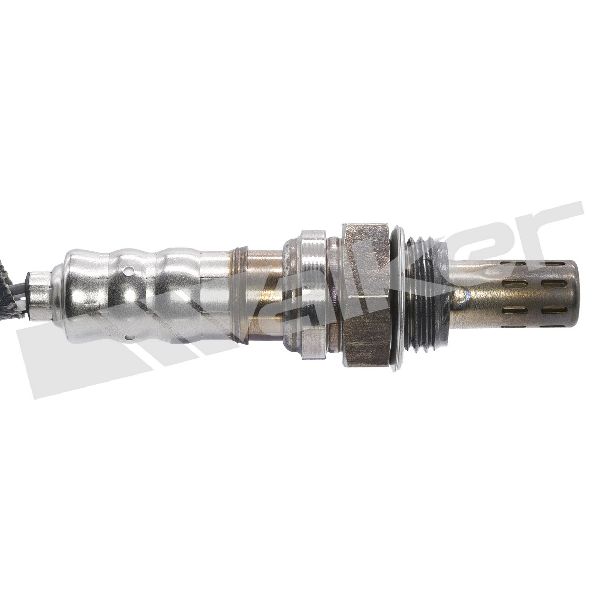
- Downstream Oxygen Sensor (Bank 2, Sensor 2)
(OEM #56029049AA (cross-references to 4727446AD))— This sensor is the most common part to fail that directly causes this code, after exhaust leaks are ruled out.
Trusted brands: Mopar, Denso, Bosch, NTK, Walker
OEM price range: $95-$130
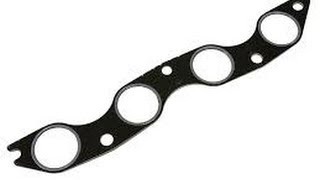
Aftermarket price range: $40-$80 - Exhaust Manifold Gasket (Bank 2) — A common source for exhaust leaks that trigger the P2098 code, due to broken manifold bolts.
Trusted brands: Fel-Pro, Mahle, Victor Reinz, Mopar
OEM price range: $20-$40
Aftermarket price range: $10-$25
Related Codes That Often Appear With This One
- P2096 — This is the same 'Post Catalyst Fuel Trim Too Lean' code, but for Bank 1 (driver's side). Seeing both codes together might point to a systemic issue like a vacuum leak, fuel pressure problem, or exhaust leaks on both sides of the engine.
- P0430 — This code means 'Catalyst System Efficiency Below Threshold (Bank 2)'. It can appear alongside P2098 if the catalytic converter is failing and is the root cause of the lean reading, or if an exhaust leak is so significant it also triggers the catalyst efficiency monitor.
Technical Service Bulletins (TSBs) & Recalls
- 18-066-16
- 18-066-16 REV. A
- 18-103-15
- 18-092-15
- 18-023-11
Platform-Specific Known Issues
- NHTSA documents TSB #18-023-11, which supersedes a previous bulletin and applies to 2011 Dodge Dakotas with 3.7L and 4.7L engines. It lists P2098 as a code that can be resolved with a PCM software update.
- The 4.7L V8 and to a lesser extent the 3.7L V6 are widely known for breaking exhaust manifold bolts, causing a leak at the cylinder head. This is a very frequent root cause for P2098 on this platform and should be the first suspect, often identified by a ticking noise when the engine is cold.
Mechanic-Grade Diagnostic Values
- Downstream O2 Sensor Voltage (Bank 2, Sensor 2) — expected: Relatively stable fluctuation around 0.5V - 0.8V on a healthy, warm engine.. Failure: Voltage is stuck low (e.g., below 0.3V) or is fluctuating rapidly like an upstream sensor. A reading stuck at 0.1V is a strong indicator of a lean condition or failed sensor.
- Long-Term Fuel Trim (LTFT) Bank 2 — expected: Within +/- 10% on a healthy engine.. Failure: Excessively positive value (e.g., +15% or higher) as the PCM tries to compensate for the perceived lean condition by adding more fuel.
Wiring & Ground Locations
- G107 — On the right side of the engine compartment.. This is a primary engine ground point. A poor or corroded ground at this location can cause erratic sensor readings, including from the oxygen sensors, potentially leading to false codes like P2098.
- Firewall Ground Strap — On the firewall, located behind the engine oil dipstick.. This strap provides a critical ground path between the engine/drivetrain and the vehicle's body/PCM. Corrosion or a loose connection here can introduce electrical noise and voltage offsets that affect sensor readings.
Real Owner Repair Stories
- Reddit user u/eerrrrrkk in r/DodgeDakota (2010 Dodge Dakota TRX4 4.7L V8 with 181k miles) — Check Engine Light with code P2098 appeared after a long road trip. The truck was reported to be running fine.
❌ Tried (didn't work) The owner questioned if switching from 87 to 93 octane fuel was the cause.
✅ What actually fixed it The confirmed fix was not posted, but the accepted diagnostic advice was to disregard the fuel type change and focus on the two most likely causes: an exhaust leak before the O2 sensor or a bad downstream O2 sensor itself. This aligns with standard professional diagnosis.
OEM Part Supersession History
56029049AA→Multiple numbers are associated, including 05149171AA, 56029084AA, 56041698AA, and 68144248AA.— Standard part evolution, consolidation, or supplier changes.
Heads up: While these numbers are listed as supersessions, it is critical to verify the correct part for the specific engine (3.7L vs 4.7L) and build date via VIN, as sensor cable lengths and connectors can vary.
Model Year Variations Within This Range
- 2011 only: The 2011 model year Dakota with the 3.7L or 4.7L engine is specifically called out in TSB #18-023-11 for a potential PCM software update to resolve a false P2098 code. This is less likely to be a solution for 2010 models.
Helpful Videos

We Have This Part in Stock


The information in this article is provided for general reference and educational purposes only. Vehicle specifications, procedures, and part compatibility can vary by production date, trim level, and region. Always consult your vehicle's factory service manual and verify part numbers before purchasing or performing repairs. Safety-critical components such as airbags, seat belts, and braking systems should be installed by a qualified professional.
- Dodge DAKOTA:
- 🧭 Diagnostic Flowchart
- 🎬 Helpful Videos
- 🛍️ Shop This Part
- What's Unique About the 2010-2011 Dodge DAKOTA
- Symptoms You May Notice
- Most Likely Causes
- Rare But Worth Checking
- Diagnosis Steps
- Parts You'll Likely Need
- Related Codes That Often Appear With This One
- Technical Service Bulletins (TSBs) & Recalls
- Platform-Specific Known Issues
- Mechanic-Grade Diagnostic Values
- Wiring & Ground Locations
- Real Owner Repair Stories
- OEM Part Supersession History
- Model Year Variations Within This Range
- 🎟️ Get 5% Off