

P2098 on 2014 Ram 2500 6.4L HEMI: Lean Fuel Trim Causes and Fixes
On a 2014 Ram 2500 with the 6.4L HEMI, code P2098 is most often caused by an exhaust leak from broken exhaust manifold bolts on the passenger side. The second most likely cause is a software glitch requiring a PCM update from a dealer, as outlined in TSB #18-096-16. Before replacing any parts, check for the software update and inspect for exhaust leaks.
- For a 2014 Ram 2500 6.4L, do not immediately replace the O2 sensor for a P2098 code.
- Your first step should be to check for TSB #18-096-16 and see if your truck's computer software is up to date.
- Your second step should be a thorough inspection for broken exhaust manifold bolts on the passenger side, a very common failure on this engine.
- An audible ticking noise from the engine bay on a cold start is a strong indicator of an exhaust leak that will cause this code.
What's Unique About the 2014-2014 Ram 2500
For the 2014 Ram 2500 with the 6.4L HEMI engine, this code has two very common and platform-specific causes. First, Ram issued Technical Service Bulletin (TSB) #18-096-16, which involves a software update for the Powertrain Control Module (PCM) to fix false diagnostic trouble codes, including P2098. Second, these HEMI engines are notorious for breaking their rear-most exhaust manifold bolts due to heat cycles. This creates an exhaust leak that introduces fresh air and tricks the downstream oxygen sensor into reporting a false lean condition, a frequent topic in owner forums.
Diagnostic Flowchart
Tap your situation to follow the diagnostic path that matches what you're seeing on this vehicle.
Symptoms You May Notice
- Check Engine Light is on
- Reduced fuel economy
- Rough or unstable idle
- Poor acceleration or engine performance
- Audible ticking or exhaust leak noise, especially when the engine is cold, that may quiet down as it warms up
- Replacing the downstream O2 sensor without first thoroughly checking for exhaust leaks from broken manifold bolts.
- Replacing the catalytic converter when the issue is actually an exhaust leak, a software glitch, or a faulty sensor.
- Ignoring the possibility of a required PCM software update and proceeding directly to expensive hardware replacement.
Most Likely Causes
- Exhaust Leak (Broken Manifold Bolts) 🔴 High Probability The 6.4L HEMI engines are widely known for heat cycles causing the rear exhaust manifold bolts, particularly on the passenger side (Bank 2), to snap. This creates a gap between the manifold and the cylinder head, allowing unmetered air to enter the exhaust stream right before the oxygen sensors, leading to a false lean reading.
How to confirm: Listen for a distinct 'ticking' sound from the passenger side of the engine, especially on a cold start, 🎬 Watch: Listen to the difference between lifter and exhaust ticks. that may quiet down as the engine warms up and the metal expands. A visual inspection may reveal broken bolt heads (often the one closest to the firewall) or black soot trails around the exhaust manifold flange. A smoke test can also definitively identify a leak.
Typical fix: Replace the broken bolts and the exhaust manifold gasket. It is highly recommended to replace all bolts on that side, 🎬 See this walkthrough on removing stubborn broken manifold bolts. not just the broken one. Some owners upgrade to higher-quality aftermarket studs to prevent recurrence. If the manifold is warped, it may need to be resurfaced or replaced (Mopar Part # 5045486AA).
Est. part cost: $50-$200 - Powertrain Control Module (PCM) Software Update Needed 🔴 High Probability Ram released TSB #18-096-16 specifically for 2014 models with the 6.4L engine to address multiple diagnostic and system issues, including the false setting of code P2098. This is a crucial first check before attempting physical repairs.
How to confirm: A Ram dealership or a qualified shop with a wiTECH scan tool can check your vehicle's current software calibration number against the latest version available from the manufacturer. They can verify if the TSB update has been applied.
Typical fix: Reprogramming (flashing) the PCM with the updated software. This is a non-mechanical repair that must be done by a dealer or properly equipped independent shop. The cost is typically equivalent to one hour of labor.
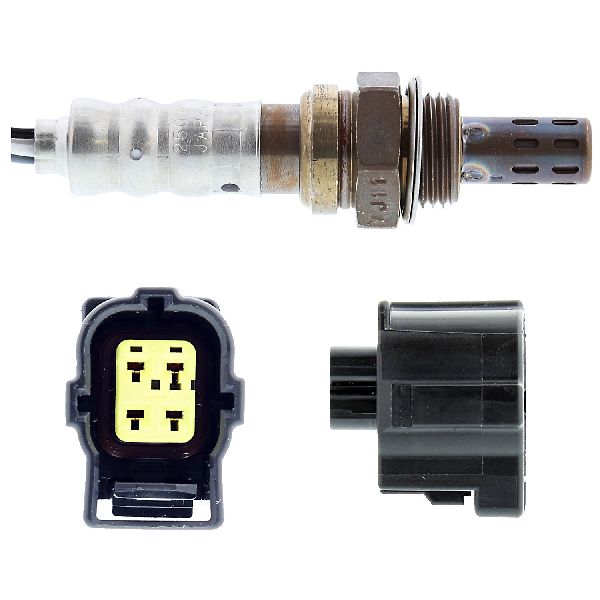
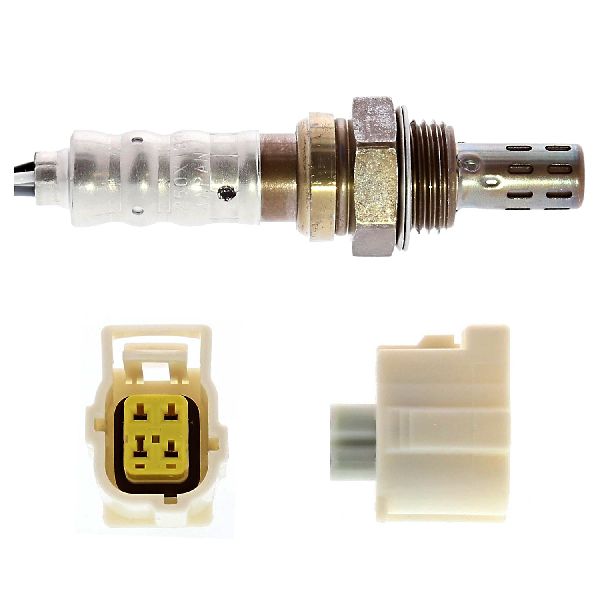
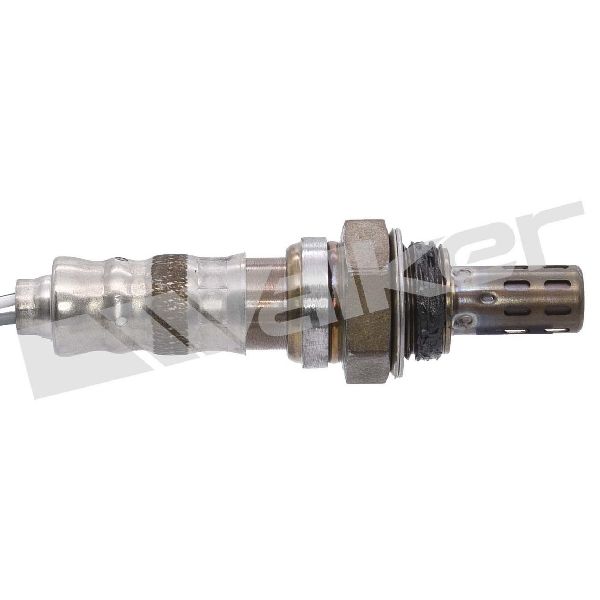
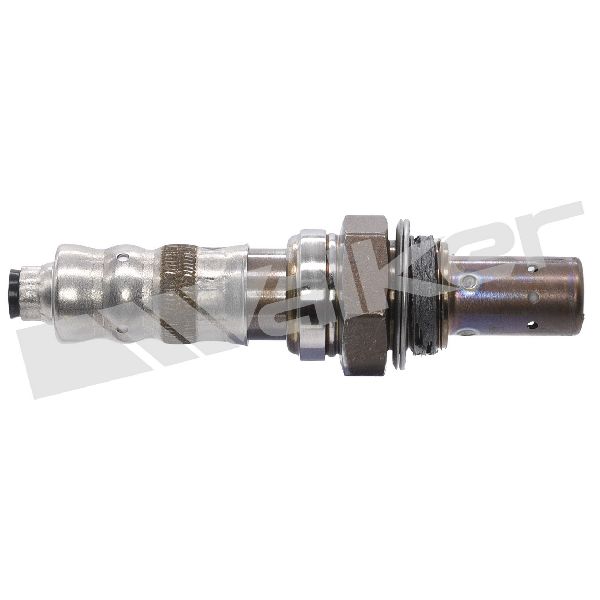
Est. part cost: $100-$250 - Faulty Downstream Oxygen (O2) Sensor 🟡 Medium Probability → Shop Oxygen Sensor
How to confirm: After confirming no exhaust leaks exist and the PCM is updated, use a scan tool to graph the voltage of the Bank 2, Sensor 2 (downstream) O2 sensor. A healthy downstream sensor should show a relatively steady voltage. If it is stuck low (near 0.1V-0.2V) or fluctuating wildly like an upstream sensor, it has likely failed.
Typical fix: Replace the Bank 2, Sensor 2 oxygen sensor, which is located on the passenger side after the catalytic converter. The Mopar part number is often shared across various sensors, so confirm fitment by VIN (e.g., 05149180AB).
Est. part cost: $40-$120
Rare But Worth Checking
- Intake Manifold Vacuum Leak: A leak in the intake manifold gasket can introduce unmetered air, causing a lean condition. On HEMI engines, intake manifold bolts can sometimes loosen over time. This would typically set lean codes for both banks (P0171 and P0174) but is worth checking with a smoke machine if other causes are ruled out.
- Faulty Upstream Oxygen (O2) Sensor: → Shop Oxygen Sensor A failing upstream O2 sensor (Bank 2, Sensor 1) can send incorrect data to the PCM, causing improper fueling that the downstream sensor then flags as a problem. This will often be accompanied by other codes like P0153 (O2 Sensor Slow Response) or P0174 (System Too Lean Bank 2).
- Clogged or Failing Fuel Injectors: → Shop Fuel Injector A partially clogged fuel injector on Bank 2 can create a genuinely lean condition. This is less common than exhaust leaks but possible. This would typically also trigger a P0174 code.
Diagnosis Steps
- Check for TSBs: First, contact a Ram dealer or use a professional scan tool to check if the PCM software update from TSB #18-096-16 has been performed. If not, this is a primary suspect and the most logical first step. 🎬 Watch: A mechanic's guide to diagnosing P2098 codes fast.
- Inspect for Exhaust Leaks: Perform a thorough visual and auditory inspection of the passenger-side exhaust manifold. Look for broken bolt heads (especially the rear-most one) and tell-tale black soot marks. Listen for a ticking noise on a cold start. For a definitive test, use a smoke machine to introduce smoke into the exhaust system and watch for leaks at the manifold gasket.
- Analyze O2 Sensor Data: Use an OBD-II scanner with live data capabilities. Observe the voltage for the Bank 2, Sensor 2 (downstream) O2 sensor. It should be relatively stable between 0.5V and 0.8V on a warm engine. If it's stuck low (below 0.2V), it confirms the lean reading but doesn't identify the cause.
- Check for Vacuum Leaks: With the engine running, use a smoke machine connected to a vacuum line to check for leaks at the intake manifold gasket, throttle body, and PCV system hoses. Alternatively, carefully spray short bursts of brake cleaner around the intake manifold gasket area; if the engine RPM changes, you have found a leak.
- Test the O2 Sensor: If no leaks are found and the PCM is updated, the sensor itself is suspect. You can test its internal resistance or swap it with the Bank 1 downstream sensor to see if the code follows to the other bank (setting P2096). This confirms a faulty sensor.
Parts You'll Likely Need
- Exhaust Manifold Bolt and Gasket Kit
(OEM #Gasket: 5045495AA, Bolts/Studs may vary.)— This is the most common physical failure leading to P2098 on this engine due to the high frequency of bolt breakage.
Trusted brands: Mopar, Dorman (often offers improved stud designs), Fel-Pro
OEM price range: $70-$120
Aftermarket price range: $40-$80 - Downstream Oxygen Sensor (Bank 2, Sensor 2)
(OEM #05149180AB (Verify with VIN))— If exhaust leaks and software issues are ruled out, the sensor itself is the next logical point of failure.
Trusted brands: Mopar, NTK, Denso, Bosch
OEM price range: $80-$150
Aftermarket price range: $40-$120
Related Codes That Often Appear With This One
- P2096 — This is the identical 'Post Catalyst Fuel Trim Too Lean' code, but for Bank 1 (driver's side). If both appear, it points to a systemic issue like a major vacuum leak, fuel pressure problem, or a required PCM update affecting both banks.
- P0153 — This code indicates 'O2 Sensor Circuit Slow Response (Bank 2, Sensor 1)'. A failing upstream sensor can cause the downstream sensor to report a lean condition, triggering P2098.
- P0174 — This code for 'System Too Lean (Bank 2)' indicates the upstream sensor is detecting a lean condition. It often appears with P2098 if there is a significant exhaust or vacuum leak affecting the entire bank.
Technical Service Bulletins (TSBs) & Recalls
- 18-096-16: Flash: 6.4L Diagnostic And System Improvements. This TSB involves reprogramming the PCM to correct various issues, including the potential for false diagnostic codes like P2098. It is noted as an important first step in diagnosis.
- 18-042-15: This is the original TSB, which was superseded by 18-096-16, and addressed similar diagnostic improvements.
Platform-Specific Known Issues
- TSB #18-096-16 (superseding #18-042-15) was released by Ram for 2014 6.4L models to correct false trouble codes, including P2098, via a PCM software update. It is critical to check if this has been performed before replacing parts.
- The 6.4L HEMI engine has a well-documented tendency to break the rearmost exhaust manifold bolts, causing a pre-sensor exhaust leak that triggers this code. The passenger side (Bank 2) is a very common failure point.
Mechanic-Grade Diagnostic Values
- Downstream O2 Sensor (Zirconia type) Voltage — expected: Relatively steady, averaging 0.45 volts or higher on a healthy, warm engine with a functioning catalytic converter.. Failure: Voltage is stuck low (around 0.1V - 0.2V) indicating a constant lean reading, or fluctuating rapidly similar to an upstream sensor.
- O2 Sensor Signal Circuit Test (Sensor Disconnected) — expected: Approximately 5.0 volts should be present on the signal circuit with the ignition on and sensor disconnected.. Failure: Lack of 5.0V reference voltage points to a wiring or PCM issue, not a sensor failure.
- O2 Sensor Signal Circuit Jumper Test — expected: Jumping the signal circuit to the return circuit on the harness connector should cause the scan tool voltage to drop from 5.0V to 2.5V.. Failure: If the voltage does not drop to 2.5V, it indicates a problem in the wiring or PCM, as the sensor itself is bypassed.
- Long Term Fuel Trim (Post-Catalyst) — expected: Should remain within a normal window of ±10%.. Failure: A value consistently below –10% confirms the PCM is detecting a lean condition that it is trying to correct.
Scan Tool Commands That Help
- wiTECH: PCM Reprogramming/Flashing — Used to apply TSB updates like #18-096-16 which can resolve false P2098 codes. The wiTECH software is required to update the PCM calibration.
- wiTECH: View Live Data (O2 Sensor Voltage) — To monitor and graph the voltage of the Bank 2 Sensor 2 in real-time to determine if it is behaving as expected (steady voltage) or indicating a problem (stuck low or fluctuating).
- wiTECH: Clear All DTCs — After a PCM flash or physical repair, the wiTECH application will present all resulting DTCs and allow the technician to clear them. A key-off period of 75 seconds may be required after flashing before clearing codes.
Wiring & Ground Locations
- Primary Engine Ground Strap — On some Ram models, a primary braided ground strap connects from the transmission case to a bolt on the transmission mount, accessible after removing the driver-side headlight. Another key ground point runs from the battery negative terminal to the frame and engine block.. A poor or intermittent engine ground can cause erratic sensor readings and inconsistent voltages throughout the engine management system, potentially leading to false sensor codes like P2098.
- O2 Sensor Fuses — In the main engine fuse box located in front of the battery on the driver's side.. The O2 sensor heater circuits are fused. While a blown fuse typically sets a specific heater circuit code, checking relevant engine management fuses (e.g., F21, F22, F64, F57, F72, F77, F78 in some models) is a valid step if sensor readings are absent or erratic.
- Bank 2 Sensor 2 Connector — Located on the passenger side of the vehicle, following the wiring from the O2 sensor installed in the exhaust pipe after the catalytic converter. The connector is typically a 4-wire, weatherproof, female connector.. This is the primary connection point to inspect for corrosion, damage, or pushed-out pins when diagnosing a sensor-specific code. The wiring harness can be damaged by road debris or contact with hot exhaust components.
Real Owner Repair Stories
- Ram Forum user (2011 Ram 1500 Hemi (similar engine architecture and issue)) — Not specified, but implied Check Engine Light for a related issue.
✅ What actually fixed it The user had a broken exhaust manifold bolt discovered around 40k-50k miles and had it repaired under warranty at 85k miles. This confirms the common failure pattern of broken manifold bolts on HEMI engines.
OEM Part Supersession History
68090640AA→68090640AB— Standard part revision and update by the manufacturer.
Heads up: The new part number (68090640AB) is the correct replacement for the original. This part may be used in multiple locations (upstream/downstream, left/right) on different vehicles, so VIN verification is always critical.
Helpful Videos
![How to Fix P2096 Engine Code in 4 Minutes [2 DIY Methods / Only $9.53]](https://img.youtube.com/vi/-id6j6Bm5Fk/mqdefault.jpg)
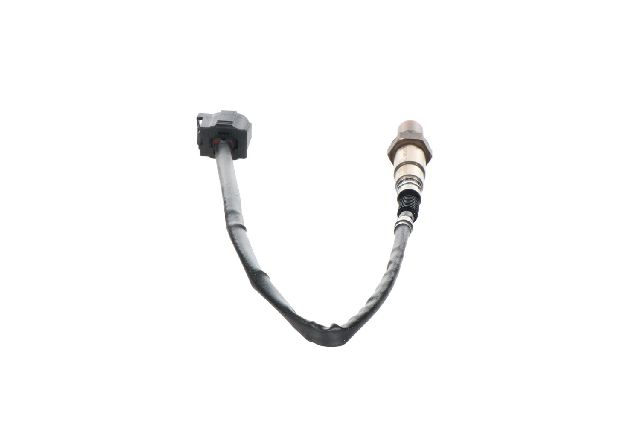
We Have This Part in Stock


The information in this article is provided for general reference and educational purposes only. Vehicle specifications, procedures, and part compatibility can vary by production date, trim level, and region. Always consult your vehicle's factory service manual and verify part numbers before purchasing or performing repairs. Safety-critical components such as airbags, seat belts, and braking systems should be installed by a qualified professional.
- Ram 2500:
- 🧭 Diagnostic Flowchart
- 🎬 Helpful Videos
- 🛍️ Shop This Part
- What's Unique About the 2014-2014 Ram 2500
- Symptoms You May Notice
- Most Likely Causes
- Rare But Worth Checking
- Diagnosis Steps
- Parts You'll Likely Need
- Related Codes That Often Appear With This One
- Technical Service Bulletins (TSBs) & Recalls
- Platform-Specific Known Issues
- Mechanic-Grade Diagnostic Values
- Scan Tool Commands That Help
- Wiring & Ground Locations
- Real Owner Repair Stories
- OEM Part Supersession History
- 🎟️ Get 5% Off