

P2099 on 2010-2017 Buick LaCrosse: Post Catalyst Fuel Trim Too Rich Bank 2 Causes and Fixes
On a V6 Buick LaCrosse, P2099 often points to a leaking fuel injector on Bank 2, as highlighted by GM Technical Service Bulletins. Before replacing oxygen sensors, it's critical to test the fuel injectors. Other causes include exhaust leaks near the O2 sensor and, less commonly, a faulty O2 sensor itself.
- For a P2099 code on a 2010-2017 V6 LaCrosse, suspect a leaking fuel injector on Bank 2 before anything else.
- Do not replace the oxygen sensor as a first step; this is a common misdiagnosis. GM service bulletins advise against it.
- A thorough diagnosis should include a fuel injector balance test and checking for exhaust leaks with a smoke machine.
- Bank 2 on this engine is the cylinder bank closer to the radiator/front of the car.
What's Unique About the 2010-2017 Buick LACROSSE
For this specific platform, which includes the 3.0L and 3.6L V6 engines (LF1, LLT, LFX), General Motors has issued a series of Technical Service Bulletins (TSB #PIP4964) that strongly suggest a common cause for P2099 is a faulty or leaking fuel injector. The TSB advises technicians to perform a fuel injector balance test or use an Active Fuel Injector Tester (AFIT) before pursuing other diagnostic paths. This indicates that owners and technicians should be wary of immediately replacing oxygen sensors, as a fuel delivery issue from a leaking direct injector is a well-documented problem 🎬 Watch: A deep dive into P2099 causes and common fixes. for these engines.
Diagnostic Flowchart
Tap your situation to follow the diagnostic path that matches what you're seeing on this vehicle.
Generation note: This range covers the second generation LaCrosse (2010-2016) and the first year of the third generation (2017). The code applies to V6 models in both generations (3.0L LF1, 3.6L LLT/LFX, and 3.6L LGX). The TSB PIP4964 series applies across these model years and to a wide range of GM vehicles using these engines, indicating the potential causes are similar.
Symptoms You May Notice
- Check Engine Light is on.
- Decreased fuel economy.
- Reduced engine performance or sluggish acceleration.
- Engine may run rough or hesitate.
- Black smoke from the exhaust upon startup or acceleration.
- Smell of sulfur or rotten eggs from the exhaust, indicating a struggling catalytic converter.
- Replacing the downstream oxygen sensor without first checking for fuel injector issues or exhaust leaks. The official GM TSB and diagnostic aids for this code specifically warn against this.
Most Likely Causes
- Leaking or Faulty Fuel Injector(s) on Bank 2 🔴 High Probability → Shop Fuel Injector GM Technical Service Bulletin #PIP4964F directly identifies faulty fuel injectors as a primary cause for P2099 on this platform. Direct injection systems operate under very high pressure, and injectors can leak fuel into the cylinder when they are supposed to be closed.
How to confirm: Perform a fuel injector balance test or use an Active Fuel Injector Tester (AFIT) to check for leaks or improper flow on the Bank 2 injectors, as recommended by the TSB. Another method is to pull the spark plugs on Bank 2; a plug that is black and sooty compared to the others indicates a rich condition in that cylinder.
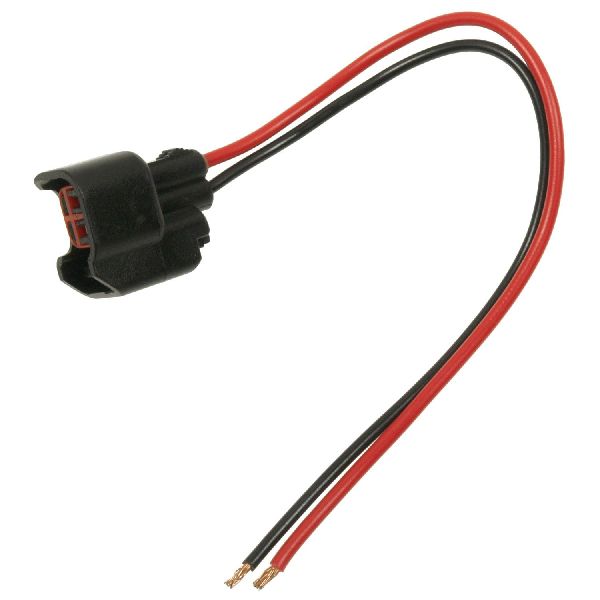
Typical fix: Replace the faulty fuel injector(s) on Bank 2. Due to the labor involved in accessing the injectors, it is often recommended to replace all three injectors on that bank at the same time. Use the superseded part number GM #12669384.
Est. part cost: $50-$150 per injector - Exhaust Leak 🟡 Medium Probability Leaks can occur at gaskets or weld seams, especially at the outlet of the catalytic converter. TSB #PIP4964F also points to this as a secondary cause. A leak can draw in outside air, which confuses the downstream O2 sensor and can lead to an incorrect rich reading by the PCM.
How to confirm: Visually inspect the exhaust system around Bank 2 for soot or cracks. A more effective method is to use a smoke machine to pressurize the exhaust system. GM TSBs suggest applying low pressure and using a soapy water solution to find bubbles at gasket areas, particularly the converter outlet.
Typical fix: Repair the leak. This may involve replacing a gasket (e.g., at the converter flange) or welding a crack. For small holes, high-temperature exhaust putty can be a temporary fix.
Est. part cost: $10-$100 for gaskets or repair kits - Faulty Downstream Oxygen (O2) Sensor (Bank 2, Sensor 2) ⚪ Low Probability → Shop Oxygen Sensor While O2 sensors can fail, they are often replaced unnecessarily for this code. A GM diagnostic aid explicitly states not to replace the O2 sensor for this DTC unless a specific O2 sensor circuit code is also present.
How to confirm: Use a scan tool to monitor the live voltage data from the Bank 2, Sensor 2 O2 sensor. A healthy downstream sensor should show a relatively stable voltage (typically between 0.6V and 0.8V). If it's stuck high (above 0.8V) or fluctuating rapidly like the upstream sensor, it may be faulty, but only after ruling out injectors and exhaust leaks.
Typical fix: Replace the Bank 2, Sensor 2 oxygen sensor.
Est. part cost: $50-$150
Rare But Worth Checking
- Failing Catalytic Converter: → Shop Catalytic Converter A failing converter can sometimes cause erratic readings from the downstream O2 sensor. This is usually a last resort after all other causes have been ruled out. A backpressure test can help diagnose a clogged converter.
- High Fuel Pressure: A failing fuel pressure regulator or a problem with the high-pressure fuel pump (HPFP) in these direct-injection engines can cause system-wide high fuel pressure, leading to a rich condition on both banks. Check for codes on Bank 1 as well (P2097).
- PCM Software Issue: In some cases, the PCM may have outdated software that misinterprets sensor data. Checking for available software updates with a dealer or qualified shop can sometimes resolve the issue.
- Engine Mechanical Issue: The GM TSB mentions that if no injector or exhaust leak issues are found, a mechanical valvetrain concern like a sticking valve could be the cause, though this is rare.
Diagnosis Steps
- Scan for other DTCs. Address any other fuel, ignition, or sensor circuit codes first, as they can provide valuable clues.
- Check Technical Service Bulletins (TSBs). Given TSB #PIP4964F, the primary suspect is a fuel injector.
- Perform a Fuel Injector Balance Test. Following the TSB's advice, test the injectors on Bank 2 for leaks or imbalance. This is the most critical step for this specific vehicle.
- Inspect for Exhaust Leaks. Pressurize the exhaust system with a smoke machine or low-pressure air and check for leaks between the cylinder head and the downstream O2 sensor, paying close attention to the converter outlet gasket.
- Analyze O2 Sensor Live Data. With a scan tool, observe the voltage of the Bank 2 Sensor 2 (downstream). It should be relatively stable and high (e.g., >0.7V). If it mirrors the rapid switching of the upstream sensor, the catalytic converter may be inefficient. If it's stuck, confirm other causes before replacing it.
- Check Fuel Pressure. Verify that the low and high side fuel pressures are within the manufacturer's specifications to rule out a faulty pump or regulator.
- Inspect Spark Plugs. Remove and inspect the spark plugs from Bank 2. A black, sooty, or fuel-fouled plug is a strong indicator of which cylinder has the leaking injector.
- If all other tests pass, consider a faulty O2 sensor or, in rare cases, a failing catalytic converter or PCM issue.
Parts You'll Likely Need
- Fuel Injector (Bank 2)
(OEM #ACDelco 217-3445 (GM 12638530))— This is the most likely cause according to GM's own Technical Service Bulletins for the 2010-2017 LaCrosse with a V6 engine. This part number has been superseded by GM #12669384.
Trusted brands: ACDelco, Bosch, Delphi
OEM price range: $100-$200
Aftermarket price range: $50-$150 - Exhaust Gasket (Converter Outlet) — An exhaust leak at the catalytic converter outlet is another common cause cited in GM service information for this code.
Trusted brands: ACDelco, Fel-Pro, Walker Exhaust
OEM price range: $20-$50
Aftermarket price range: $10-$30 - Downstream Oxygen Sensor (Bank 2, Sensor 2)
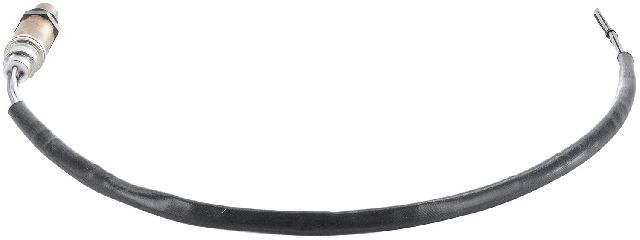
(OEM #ACDelco 213-4768 (GM 12639692))— This part is a potential cause, but should only be replaced after ruling out fuel injector and exhaust leak issues, as it is a common misdiagnosis.
Trusted brands: ACDelco, Denso, NGK
OEM price range: $80-$180
Aftermarket price range: $50-$120
Related Codes That Often Appear With This One
- P0175 — System Too Rich (Bank 2). This code indicates the upstream sensor on Bank 2 also detects a rich condition, strengthening the case for a fuel delivery problem like a leaking injector.
- P2097 — Post Catalyst Fuel Trim System Too Rich Bank 1. If both P2099 and P2097 are present, it points to a problem affecting both engine banks, such as a faulty fuel pressure regulator, MAF sensor issue, or a problem with the high-pressure fuel pump.
- P0300-P0306 — Random or specific cylinder misfire codes. A leaking injector can foul the spark plug and cause misfires on the corresponding cylinder(s) in Bank 2 (Cylinders 2, 4, 6).
Technical Service Bulletins (TSBs) & Recalls
- PIP4964F: States that for a P2099 or P2097 code, technicians should perform a fuel injector balance test before other diagnostics, as leaking injectors are a common cause. Also details how to check for exhaust leaks using low-pressure air and soapy water.
Platform-Specific Known Issues
- Owner Experience with Injector Cleaning: A 2011 Camaro owner with the same 3.6L V6 engine reported a P2099 code at 67,000 miles caused by a faulty #2 fuel injector. A professional fuel syste
Mechanic-Grade Diagnostic Values
- Low-Side Fuel Pressure (Key On, Engine Off) — expected: 55-60 PSI (379-414 kPa). Failure: Pressure below this range indicates a weak in-tank fuel pump or leak.
- High-Side Fuel Pressure (Engine at Idle) — expected: 2.0-5.0 MPa (290-725 PSI), can vary widely. Some user logs show 400-1100 PSI.. Failure: Pressure that is excessively high or low, or does not respond to engine RPM changes, may indicate a faulty High Pressure Fuel Pump (HPFP) or rail pressure sensor.
- Downstream O2 Sensor (Bank 2 Sensor 2) Voltage — expected: Relatively stable voltage between 0.6V and 0.8V on a healthy, warm engine.. Failure: Voltage stuck high (above 0.8V) confirms the rich condition seen by the PCM. Voltage fluctuating rapidly similar to the upstream sensor indicates a failing catalytic converter.
- Engine Compression (3.6L V6 Non-Turbo) — expected: 150-185 PSI average per cylinder.. Failure: Any cylinder reading less than 140 PSI, or significant variation between cylinders, indicates a mechanical engine problem that must be addressed before diagnosing fuel issues.
Hidden / Shadow Codes Worth Checking
- Mode 6, Test ID $81: This is not a DTC, but a diagnostic monitor for the Bank 2 downstream O2 sensor response. Failing this test can be an early indicator of a lazy or failing sensor, even before a specific sensor code is set. (see via Requires a professional scan tool capable of displaying Mode 6 diagnostic data.)
Scan Tool Commands That Help
- GDS2 / Tech2Win: Injector Balance Test — This is a critical test for P2099. With the engine running, the tool commands each injector to open for a set duration and measures the corresponding drop in fuel rail pressure. An injector with a significantly different pressure drop is likely faulty.
- GDS2 / Professional Scan Tool: Fuel Pump Relay Command — Used with a mechanical gauge to test the low-pressure fuel pump. Commanding the pump on (with engine off) allows for checking the prime pressure (55-60 PSI) and performing a leak-down test.
- GDS2 / Professional Scan Tool: Cylinder Power Balance — While not a direct test for P2099, this function can help identify which cylinder is causing a rough idle. It deactivates one cylinder at a time and measures the RPM drop. A cylinder with a leaking injector may show a smaller RPM drop when deactivated.
Wiring & Ground Locations
- G103 — Described in service documents as being located at the rear of the left (Bank 2) cylinder head. Another potential location is on the cowl, above the brake booster.. This is a primary ground for the Engine Control Module (ECM). A poor connection at G103 can cause erratic sensor readings, including from the oxygen sensors and fuel system components, leading to false rich codes.
- Engine to Chassis Ground Strap — Typically a braided strap connecting the engine block to the vehicle's frame or body, often near the front of the engine or transmission.. The entire engine electrical system, including the ECM and its sensors, relies on a solid ground path back to the battery. A corroded or broken engine ground strap can create high resistance, leading to a host of unpredictable electrical issues and fault codes.
Real Owner Repair Stories
- Acadia Forum (user 'rbarrios') (2010 GMC Acadia 3.6L LLT (sister vehicle with same engine/platform)) — Check Engine Light with P2099 and P2097 (rich codes on both banks).
❌ Tried (didn't work) Initial diagnosis pointed towards O2 sensors, but owner was advised to check fuel system first.
✅ What actually fixed it The owner had a dealer perform diagnostics. The dealer found leaking fuel injectors and replaced all six, which resolved both trouble codes. This aligns perfectly with GM's TSB for the LaCrosse.
OEM Part Supersession History
12638530 (also 12611545, 12632255)→12669384— Standard part evolution for improved reliability or manufacturing process. The new part number is the correct service replacement.
Heads up: The new part number, 12669384, is the correct replacement for the earlier numbers and should be used for repairs.
Model Year Variations Within This Range
- 2010-2011: Models with the 3.6L LLT V6 engine have separate cast iron exhaust manifolds. An exhaust leak causing P2099 could be at the manifold-to-head gasket or the manifold-to-downpipe gasket. These engines also use a Bosch ECM.
- 2012-2016: Models with the 3.6L LFX V6 have cylinder heads with integrated exhaust manifolds. This design eliminates the manifold-to-head gasket. An exhaust leak is more likely to occur at the gasket where the catalytic converter bolts directly to the cylinder head. These engines use a Delphi ECM.
- 2017: The 2017 LaCrosse introduced the newer 3.6L LGX V6 engine. While architecturally similar to the LFX, it has numerous internal differences. Diagnostic procedures and common failure points may differ from the earlier LLT/LFX engines.
Helpful Videos
![How to Fix P2099 Engine Code in 4 Minutes [2 DIY Methods / Only $9.49]](https://img.youtube.com/vi/tZdHNVnheeA/mqdefault.jpg)
We Have This Part in Stock


The information in this article is provided for general reference and educational purposes only. Vehicle specifications, procedures, and part compatibility can vary by production date, trim level, and region. Always consult your vehicle's factory service manual and verify part numbers before purchasing or performing repairs. Safety-critical components such as airbags, seat belts, and braking systems should be installed by a qualified professional.
- Buick LACROSSE:
- 🧭 Diagnostic Flowchart
- 🎬 Helpful Videos
- 🛍️ Shop This Part
- What's Unique About the 2010-2017 Buick LACROSSE
- Symptoms You May Notice
- Most Likely Causes
- Rare But Worth Checking
- Diagnosis Steps
- Parts You'll Likely Need
- Related Codes That Often Appear With This One
- Technical Service Bulletins (TSBs) & Recalls
- Platform-Specific Known Issues
- Mechanic-Grade Diagnostic Values
- Hidden / Shadow Codes Worth Checking
- Scan Tool Commands That Help
- Wiring & Ground Locations
- Real Owner Repair Stories
- OEM Part Supersession History
- Model Year Variations Within This Range
- 🎟️ Get 5% Off