

P2099 on 2018-2019 Buick LaCrosse 3.6L: Rich Fuel Trim Causes & Fixes
On a 2018-2019 LaCrosse with the 3.6L LGX V6, code P2099 is most often caused by a leaking fuel injector on Bank 2 (front bank). A GM Technical Service Bulletin (PIP4964F) directs technicians to check injectors first. Do not replace the oxygen sensor until a fuel injector test has been performed, as the sensor is usually just reporting the problem correctly.
- This code applies only to the 3.6L V6 engine, not the 2.5L 4-cylinder.
- The most likely cause is a leaking fuel injector on Bank 2 (front/radiator side).
- A GM TSB (PIP4964F) specifically advises testing fuel injectors before replacing O2 sensors.
- An exhaust leak at the catalytic converter flange is another common, and often simpler, cause.
- Ignoring the code can lead to catalytic converter damage, a much more expensive repair.
What's Unique About the 2018-2019 Buick LACROSSE
The 2018-2019 LaCrosse uses the 3.6L LGX V6 engine. For this engine family, General Motors issued a specific Technical Service Bulletin (TSB #PIP4964F) that strongly points to leaking or faulty direct injectors as a known and common cause for code P2099. The bulletin advises technicians to perform a fuel injector balance test early in the diagnostic process. Ignoring this platform-specific advice and replacing the O2 sensor first is a frequent and costly misdiagnosis reported by owners of LGX-equipped vehicles like the LaCrosse, Acadia, and Traverse. Another known issue on similar GM platforms is a cracked exhaust pipe near a support bracket weld, covered by TSB #PIP5681C, which can also trigger P2099.
Diagnostic Flowchart
Tap your situation to follow the diagnostic path that matches what you're seeing on this vehicle.
Symptoms You May Notice
- Check Engine Light illuminated
- Decreased fuel economy
- A noticeable smell of gasoline from the exhaust
- Rough or unstable idle
- Hesitation or stumble during acceleration
- Difficulty restarting the engine when warm (a symptom of a leaking injector)
- Replacing the downstream oxygen sensor (Bank 2, Sensor 2) without first testing the fuel injectors. The O2 sensor is usually just accurately reporting the rich condition caused by a leaking injector, as highlighted by TSB #PIP4964F.
Most Likely Causes
- Leaking Fuel Injector(s) on Bank 2 🔴 High Probability → Shop Fuel Injector A known issue highlighted by GM Technical Service Bulletin #PIP4964F, which specifically directs technicians to investigate fuel injectors for this code on the 3.6L engine family (including the LGX). The high-pressure direct injection system can be prone to internal leaks, causing excess fuel to enter a cylinder.
How to confirm: A professional technician will use a scan tool (like GM's GDS2) to perform a fuel injector balance test (AFIT) to see if one or more injectors on Bank 2 are flowing more fuel than commanded. A DIY method is to pull the spark plugs on the front three cylinders (2, 4, or 6); a plug that is black, sooty, and smells of fuel is a strong indicator of a leaking injector in that cylinder.
Typical fix: Replace the faulty fuel injector(s). It is often recommended to replace all three injectors on Bank 2 at the same time, along with their seals, especially on higher mileage vehicles.
Est. part cost: $50-$120 per injector - Exhaust Leak (before downstream O2 sensor) 🟡 Medium Probability Leaks can develop at gaskets or cracked welds. GM TSB #PIP5681C notes that on related platforms, a poor weld on an exhaust pipe bracket for Bank 2 can fail, causing the pipe to crack and trigger P2099. Owners of platform-mate vehicles like the Camaro have also reported this code being caused by loose flange bolts.
How to confirm: Visually inspect the exhaust manifold and the connection to the catalytic converter on the front of the engine for black soot marks or cracks, paying special attention to pipe support brackets. A smoke test is the most definitive way to find a leak. Spraying soapy water on the cold exhaust and starting the engine may also reveal bubbles at the leak source.
Typical fix: Repair the leak. This may involve tightening loose flange bolts, replacing a faulty gasket, or, in cases matching TSB #PIP5681C, replacing the affected exhaust pipe section.
Est. part cost: $20-$500+ - Faulty Downstream Oxygen Sensor (Bank 2, Sensor 2) ⚪ Low Probability → Shop Oxygen Sensor
How to confirm: Using a scan tool, observe the live voltage data for the Bank 2 Sensor 2. If it is stuck high (consistently above 0.8V) and does not fluctuate even when the engine is revved, it is reading a rich condition. This test does not prove the sensor is bad, only that it is detecting a problem. The sensor is only faulty if it provides incorrect readings when the fuel mixture is known to be balanced (e.g., after injectors are confirmed good and no exhaust leaks are present).
Typical fix: Replace the downstream oxygen sensor on Bank 2. This should only be done after ruling out fuel injector and exhaust leak issues, as it is a common misdiagnosis for this code on this platform.
Est. part cost: $50-$110
Rare But Worth Checking
- High Fuel Pressure: A faulty fuel pressure regulator or a problem with the high-pressure fuel pump could cause a system-wide rich condition, which might trigger the code on one bank first.
- Faulty Mass Airflow (MAF) Sensor: A dirty or failing MAF sensor can send incorrect airflow data to the ECM, causing it to calculate an incorrect fuel mixture. This usually affects both banks and may set other codes like P0172 and P0175.
- PCM Software Issues: In some cases, the PCM's calibration for monitoring fuel trim can be overly sensitive. A dealer may need to check for and apply any available software updates to the ECM.
Diagnosis Steps
- Check for any Technical Service Bulletins (TSBs) related to your vehicle's VIN, specifically looking for PIP4964F or its successors.
- Scan the ECM for any other stored trouble codes to get a complete picture of the issue.
- Using a scan tool, observe live data for long-term and short-term fuel trims, as well as the voltage readings for all four oxygen sensors. Look for a consistently high voltage (>0.8V) from the Bank 2, Sensor 2 O2 sensor.
- Carefully inspect the exhaust system from the engine to the post-catalyst O2 sensor on Bank 2 (front side) for any signs of leaks, such as soot trails or cracks. Pay special attention to pipe welds near support brackets, as noted in TSB #PIP5681C. A smoke test is the most reliable method.
- Following the guidance of TSB #PIP4964F, perform a fuel injector balance test using a capable diagnostic tool (like an AFIT). This is the most critical step for this platform.
- If injectors test normal, pull the spark plugs on Bank 2 (cylinders 2, 4, 6) and inspect them. Black, sooty plugs indicate a rich condition, confirming the O2 sensor reading.
- If injectors and exhaust are confirmed to be good, test the Bank 2, Sensor 2 oxygen sensor's operation and wiring harness for integrity.
- Check fuel pressure to ensure it is within the manufacturer's specifications.
Parts You'll Likely Need
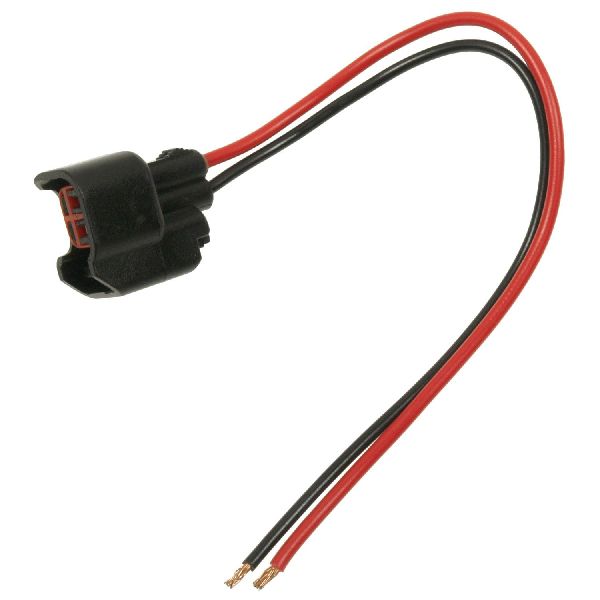
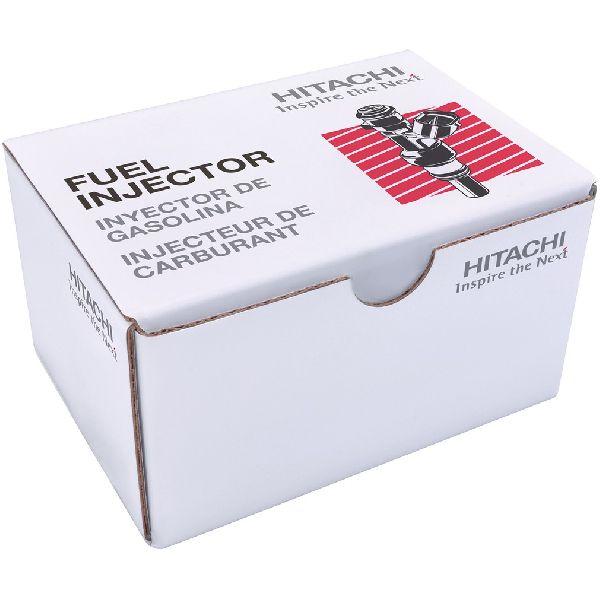
- Fuel Injector
(OEM #12634126 (supersedes 12642128))— This is the most likely cause of P2099 on this vehicle, as identified in GM Service Bulletin PIP4964F.
Trusted brands: ACDelco, GM Genuine Parts
OEM price range: $70-$120
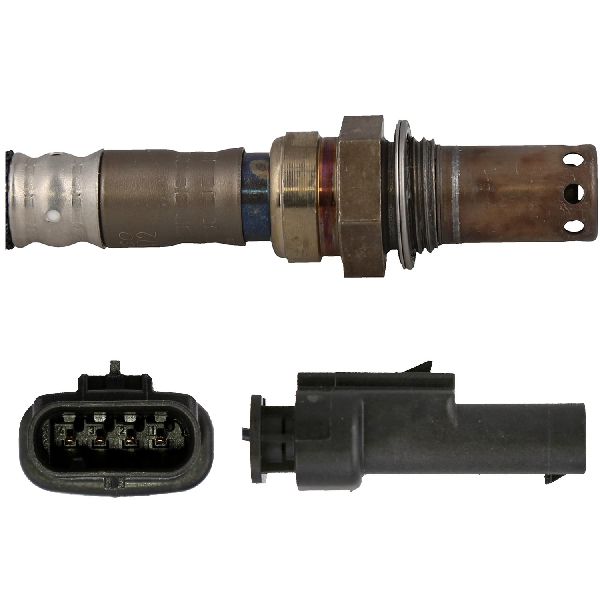
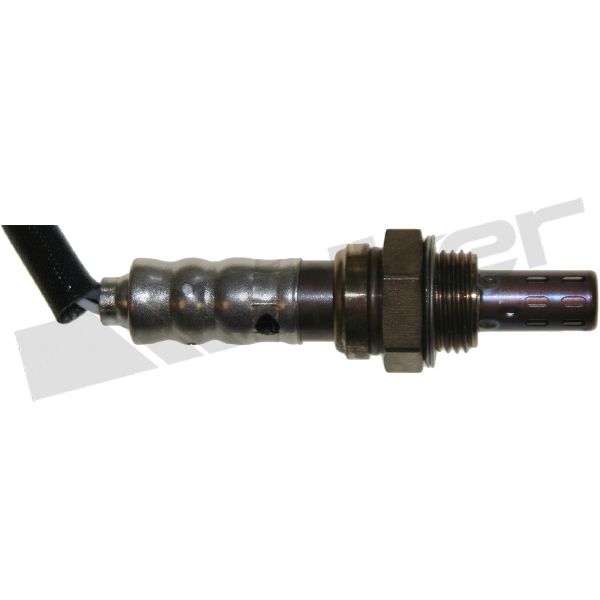
Aftermarket price range: $40-$80 - Downstream Oxygen Sensor (Bank 2)
(OEM #12669969)— This part is often replaced, but it is frequently a misdiagnosis. It should only be replaced after confirming fuel injectors and the exhaust system are not at fault.
Trusted brands: ACDelco, Denso, Bosch, NTK
OEM price range: $70-$110
Aftermarket price range: $40-$80
Related Codes That Often Appear With This One
- P2097 — This is the same 'Post Catalyst Fuel Trim Too Rich' code, but for Bank 1. If both are present, it points to a problem affecting the entire engine, like a fuel pressure issue or a faulty MAF sensor.
- P0175 — This code means 'System Too Rich (Bank 2)' and is based on the upstream O2 sensor. Seeing it with P2099 confirms the entire bank is running rich, strengthening the case for a leaking injector on that bank.
- P0302, P0304, P0306 — These are misfire codes for the cylinders on Bank 2. A severely leaking fuel injector can foul the spark plug in its cylinder, causing a misfire in addition to the rich condition.
Technical Service Bulletins (TSBs) & Recalls
- PIP4964F: Directs technicians to perform a fuel injector balance test when DTC P2097 or P2099 is found, indicating this is a known issue across the 3.6L engine family.
- PIP5681C: Details a known issue on similar GM models where a cracked exhaust pipe near a failed weld can cause P2099, among other codes.
Platform-Specific Known Issues
- TSB #PIP4964F explicitly points to faulty fuel injectors as a primary cause for P2099, making injector testing a priority over O2 sensor replacement.
- The 3.6L LGX engine has an integrated exhaust manifold, meaning an exhaust leak is most likely to occur at the gasket where the catalytic converter bolts directly to the cylinder head.
- TSB #PIP5681C identifies a potential for cracked exhaust pipes near bracket welds on related GM platforms, which can also cause P2099 and should be inspected.
Mechanic-Grade Diagnostic Values
- Downstream O2 Sensor (Bank 2, Sensor 2) Voltage — expected: Relatively stable voltage fluctuating between 0.1V and 0.9V in closed loop.. Failure: Consistently stuck high, above 0.8V, indicates a rich condition is being detected.
- Fuel Injector Coil Resistance (Direct Injection) — expected: Approximately 1.5 to 1.6 Ohms when tested with a multimeter.. Failure: A reading near zero ohms suggests a shorted coil; an infinite reading (OL) indicates an open coil.
- Mass Airflow (MAF) Sensor Reading at Idle — expected: Approximately 3.5 to 5.0 grams/second (g/s) for a 3.6L V6 at normal operating temperature.. Failure: Significantly incorrect readings can cause the ECM to miscalculate the fuel mixture.
- Low-Pressure Fuel System (In-Tank Pump) — expected: 50-100 PSI with key-on, engine-off when commanded by a scan tool.. Failure: Pressure outside of the specified range can indicate a pump or regulator issue, though this typically sets other codes.
Scan Tool Commands That Help
- GM GDS2 (or equivalent): Fuel Injector Balance Test / Automated Fuel Injector Test (AFIT) — This is the manufacturer-recommended test (per TSB PIP4964F) to identify leaking or poorly flowing injectors, which are a primary cause of P2099 on this engine. The test individually fires each injector and measures the corresponding fuel pressure drop.
- GM GDS2 (or equivalent): Fuel Trim Reset — After replacing a faulty component like a fuel injector or fixing an exhaust leak, this function should be used to clear the ECM's long-term learned fuel adjustments. This allows the system to re-learn fuel strategy quickly with the new, correct parameters.
Wiring & Ground Locations
- G103 — On the left frame rail underneath the Starter Generator Control Module (SGCM) bracket, or on the cowl above the brake booster on related platforms.. A poor connection at this ground, which serves the ECM and Data Link Connector (DLC), can cause a wide range of communication and sensor reading errors, potentially leading to incorrect fuel trim calculations.
- G104 — Mounted on the left (firewall side) cylinder head on related GM platforms.. This is a primary engine ground. A poor engine ground can cause incorrect or noisy readings from engine-mounted sensors, including oxygen sensors, as they may not have a stable voltage reference.
- Bank 2 O2 Sensor Harness — The harness for the Bank 2 (front) sensors runs down the front of the engine, near the radiator and exhaust manifold.. Due to its location, this harness is exposed to significant heat. It should be inspected carefully for any signs of melting, chafing, or brittle wires that could cause a short or open circuit, mimicking a bad sensor.
OEM Part Supersession History
12642128→12634126— Standard part revision and update by the manufacturer.
Helpful Videos

We Have This Part in Stock


The information in this article is provided for general reference and educational purposes only. Vehicle specifications, procedures, and part compatibility can vary by production date, trim level, and region. Always consult your vehicle's factory service manual and verify part numbers before purchasing or performing repairs. Safety-critical components such as airbags, seat belts, and braking systems should be installed by a qualified professional.
- Buick LACROSSE:
- 🧭 Diagnostic Flowchart
- 🎬 Helpful Videos
- 🛍️ Shop This Part
- What's Unique About the 2018-2019 Buick LACROSSE
- Symptoms You May Notice
- Most Likely Causes
- Rare But Worth Checking
- Diagnosis Steps
- Parts You'll Likely Need
- Related Codes That Often Appear With This One
- Technical Service Bulletins (TSBs) & Recalls
- Platform-Specific Known Issues
- Mechanic-Grade Diagnostic Values
- Scan Tool Commands That Help
- Wiring & Ground Locations
- OEM Part Supersession History
- 🎟️ Get 5% Off