

P2099 on 2005-2011 Cadillac STS: Post Catalyst Fuel Trim Too Rich Bank 2 Causes & Fixes
On a 2005-2011 Cadillac STS, code P2099 strongly suggests a leaking fuel injector on the driver's side of the engine. A GM Technical Service Bulletin (TSB #PIP4964F) advises testing injectors before replacing the oxygen sensor. A single injector replacement can cost $200-$400 at a shop.
- P2099 on your STS means the driver's side of the engine is running rich.
- Don't immediately replace the oxygen sensor. A GM service bulletin points to leaking fuel injectors as a very common cause.
- If injectors are good, check for small exhaust leaks near the catalytic converter flange, as this is the second most likely cause according to GM.
- Ignoring the code can lead to poor gas mileage and expensive catalytic converter damage over time.
What's Unique About the 2005-2011 Cadillac STS
While a P2099 code on many vehicles points to a bad oxygen sensor, General Motors issued a specific Technical Service Bulletin (TSB #PIP4964F) for this platform and its relatives. This bulletin directs technicians to investigate the fuel injectors with a balance test as a primary diagnostic step for this code. This indicates that leaking or faulty fuel injectors are a known and more probable cause on the STS compared to other vehicles.
Diagnostic Flowchart
Tap your situation to follow the diagnostic path that matches what you're seeing on this vehicle.
Symptoms You May Notice
- Check Engine Light is on
- Decreased fuel economy.
- Noticeable smell of raw fuel, especially around the exhaust.
- Rough idle or engine hesitation.
- Black smoke from the exhaust in severe cases.
- Black soot accumulating on the rear of the vehicle.
- Replacing the downstream oxygen sensor without first investigating the fuel system. Given the specific GM service bulletin, a leaking fuel injector is a more likely cause and should be ruled out first to avoid unnecessary parts replacement.
Most Likely Causes
- Leaking Fuel Injector(s) on Bank 2 🔴 High Probability → Shop Fuel Injector A manufacturer TSB (#PIP4964F) specifically highlights this as a likely cause, directing technicians to perform an injector balance test before other procedures. The 3.6L V6 in particular is noted in the TSB for this issue.
How to confirm: Perform a fuel injector balance test (or AFIT test) to see if one or more injectors on Bank 2 are leaking or flowing more fuel than specified. 🎬 Watch: How to perform an AFIT test and remove injectors. You can also check the spark plugs on Bank 2 (driver's side); a plug that is black, sooty, or wet with fuel compared to others indicates a rich condition in that cylinder.
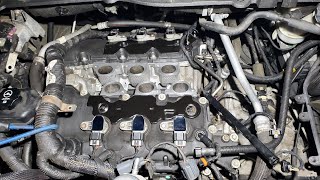
Typical fix: Replace the faulty fuel injector(s). It is often recommended to replace all injectors on that bank at the same time. For the 3.6L V6 (LLT engine, 2008-2011), the entire fuel rail assembly is often replaced.
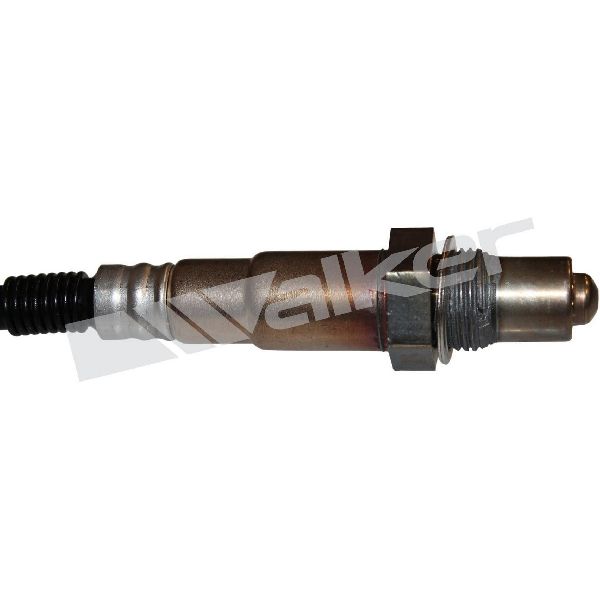
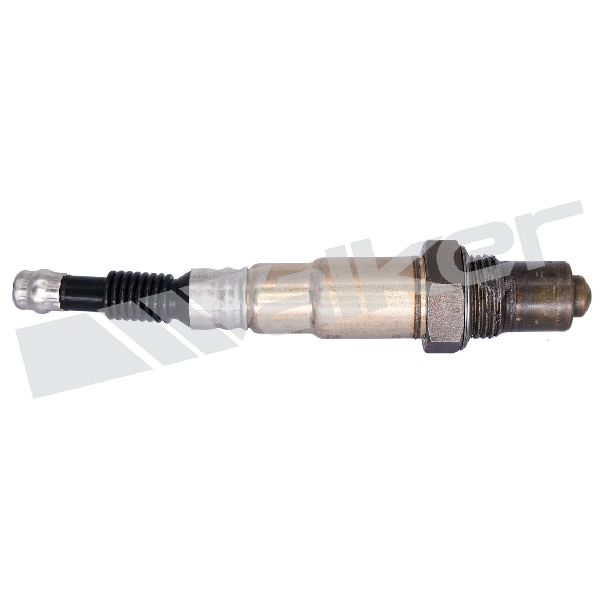
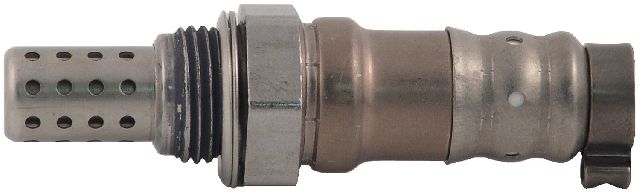
Est. part cost: $50-$150 per injector - Faulty Downstream Oxygen (O2) Sensor 🟡 Medium Probability → Shop Oxygen Sensor O2 sensors are a common failure item on all vehicles as they age and get contaminated by exhaust gases. They can send false rich signals when they fail.
How to confirm: Use a scan tool to monitor the voltage of the Bank 2, Sensor 2 (downstream) O2 sensor. If it reads consistently high (above 0.8V) even when the engine is not actually running rich, it is likely faulty. The easiest way to confirm is to swap the downstream sensors from Bank 1 and Bank 2. If the code changes to P2097 (Bank 1 rich), the sensor is bad.
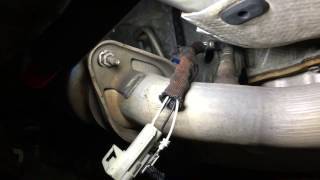
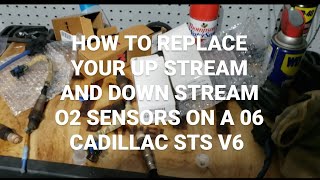
Typical fix: Replace the Bank 2 downstream oxygen sensor. These are typically located on the driver's side exhaust pipe, after the catalytic converter. 🎬 See this walkthrough for replacing your downstream O2 sensors.
Est. part cost: $40-$120 - Exhaust Leak ⚪ Low Probability TSB #PIP4964F notes that if injectors test normal, the next step should be to check for a small exhaust leak, particularly at the gasket/flange where the exhaust pipe meets the catalytic converter.
How to confirm: Visually inspect the exhaust manifold and piping on Bank 2 (driver's side) for cracks or gasket leaks. A shop can use a smoke machine to pressurize the exhaust and spot leaks. The TSB recommends applying low pressure (5-8 psi) air to the tailpipe and spraying a soapy solution on the gasket areas and O2 sensor boss; large bubbles indicate a significant leak.
Typical fix: Repair the leak by replacing the cracked component or failed gasket. The TSB suggests filing the mating surface of the pipe flange when replacing the gasket to ensure a good seal.
Est. part cost: $20-$300
Rare But Worth Checking
- High Fuel Pressure: A faulty fuel pressure regulator can cause a rich condition. This would typically affect both engine banks and set a P2097 code as well. Check fuel pressure at the fuel rail to confirm.
- Mass Airflow (MAF) Sensor Malfunction: A dirty or failing MAF sensor can send incorrect airflow data, causing the PCM to miscalculate the fuel mixture. This usually affects both banks and may set other codes.
- PCM/ECM Software or Hardware Fault: In rare cases, a software glitch, calibration error, or internal module fault can cause the PCM to command an incorrect fuel mixture, triggering the code. This is usually diagnosed after all other mechanical and sensor-related causes have been ruled out.
Diagnosis Steps
- Scan for all DTCs. Note any other codes, especially misfire or fuel trim codes for either bank.
- Inspect the exhaust system on the driver's side from the engine to the post-catalyst O2 sensor for any signs of cracks, rust, or black soot that would indicate a leak.
- Use a scan tool to view live data for the Bank 2, Sensor 2 (downstream) O2 sensor. A reading stuck high (e.g., >0.8 volts) confirms the rich signal being sent to the PCM.
- As per TSB #PIP4964F, the most critical step is to test the fuel injectors on Bank 2. This is best done with a professional injector balance test, which measures the output of each injector to find one that is leaking or over-fueling.
- If an injector test is not immediately possible, inspect the spark plugs on Bank 2. A dark, sooty, or fuel-fouled plug in one cylinder is strong evidence of a leaking injector in that cylinder.
- If injectors test normal, perform an exhaust leak test as described in TSB #PIP4964F. Use a smoke machine or low-pressure air and soapy water, focusing on the converter-to-pipe flange.
- If the injectors and spark plugs appear normal, and there are no exhaust leaks, the downstream O2 sensor itself becomes the primary suspect. Test it by swapping it with the Bank 1 sensor and see if the fault code follows.
Parts You'll Likely Need
- Fuel Injector
(OEM #12638530 (For 3.6L V6 LLT engine, 2008-2011))— A leaking fuel injector is the most probable cause for this code on this vehicle, as identified in a manufacturer TSB.
Trusted brands: ACDelco, Bosch, Standard Motor Products
OEM price range: $90-$150 per injector
Aftermarket price range: $40-$90 - Downstream Oxygen Sensor (Bank 2, Sensor 2)
(OEM #ACDelco 213-2823 (Cross-references to Bosch 16746 for many 2005-2009 models))— If the fuel system is confirmed to be operating correctly, a faulty O2 sensor is the next most likely cause, sending false 'rich' signals.
Trusted brands: ACDelco, Denso, NTK, Bosch
OEM price range: $80-$140
Aftermarket price range: $40-$90 - Fuel Injector Rail (Bank 2, Driver's Side)
(OEM #ACDelco 12623365 (Left/Bank 2 rail for 2008-2011 3.6L V6))— For the direct-injected 3.6L V6, injectors are often serviced as a complete rail assembly. This part includes the rail and three injectors for Bank 2.
Trusted brands: ACDelco
OEM price range: $140-$180
Aftermarket price range: N/A
Related Codes That Often Appear With This One
- P0175 — This code means 'System Too Rich Bank 2' based on the upstream O2 sensor. If both are present, it confirms a significant rich condition on the entire bank, strengthening the case for a fuel delivery issue like a leaking injector.
- P0302, P0304, P0306, P0308 — These are misfire codes for the individual cylinders on Bank 2. A severely leaking injector can foul the spark plug and cause a misfire in a specific cylinder, helping to pinpoint the faulty component. 🎬 Watch: Replacing injectors to fix a misfire and engine light.
Technical Service Bulletins (TSBs) & Recalls
- PIP4964F: In response to a P2097 or P2099 code, this bulletin instructs technicians to perform an injector balance test or use an Active Fuel Injector Tester (AFIT) before proceeding. It also details a procedure for checking for exhaust leaks using low-pressure air and soapy water if injectors are not the cause.
Platform-Specific Known Issues
- A General Motors Technical Service Bulletin (PIP4964F) specifically advises technicians to perform a fuel injector balance test when encountering a P2099 code, indicating that leaking injectors are a known diagnostic path on this platform.
- The same TSB also points to small exhaust leaks at the converter outlet flange as a secondary, but known, cause if the injectors test good.
Helpful Videos
We Have This Part in Stock

The information in this article is provided for general reference and educational purposes only. Vehicle specifications, procedures, and part compatibility can vary by production date, trim level, and region. Always consult your vehicle's factory service manual and verify part numbers before purchasing or performing repairs. Safety-critical components such as airbags, seat belts, and braking systems should be installed by a qualified professional.
- Cadillac STS:
- 🧭 Diagnostic Flowchart
- 🎬 Helpful Videos
- 🛍️ Shop This Part
- What's Unique About the 2005-2011 Cadillac STS
- Symptoms You May Notice
- Most Likely Causes
- Rare But Worth Checking
- Diagnosis Steps
- Parts You'll Likely Need
- Related Codes That Often Appear With This One
- Technical Service Bulletins (TSBs) & Recalls
- Platform-Specific Known Issues
- 🎟️ Get 5% Off