

P2099 on 2014 Dodge Challenger: Post-Catalyst Rich Fuel Trim (Bank 2) Causes and Fixes
For a 2014 Dodge Challenger, code P2099 often points to a needed Powertrain Control Module (PCM) software update, especially on models with a manual transmission, as noted in manufacturer TSBs. If a software update doesn't apply or resolve the issue, the most likely cause is a faulty downstream oxygen (O2) sensor on Bank 2. Checking for the TSB first can save significant time and money.
- For a 2014 Challenger, especially with a manual transmission, first check with a Dodge dealer for a required PCM software update per TSBs #18-039-15 REV-A and #18-037-14 REV. B.
- If no software update is needed, the most likely culprit is a failing downstream oxygen sensor on Bank 2 (driver's side for V6, passenger's side for V8).
- Do not replace the expensive catalytic converter unless all other possibilities, including exhaust leaks and fuel system problems, have been thoroughly ruled out.
- Driving with this code active can reduce fuel efficiency and eventually damage the catalytic converter, leading to a more costly repair.
What's Unique About the 2014-2014 Dodge CHALLENGER
For the 2014 Dodge Challenger, particularly those with a manual transmission, this code is specifically called out in Technical Service Bulletins. The issue is often not a faulty part but rather overly sensitive software in the Powertrain Control Module (PCM). Dodge released updates to correct this logic. Therefore, unlike many other vehicles where P2099 immediately points to a bad sensor or exhaust leak, the first step for these Challengers should be checking for an available PCM reflash.
Diagnostic Flowchart
Tap your situation to follow the diagnostic path that matches what you're seeing on this vehicle.
Symptoms You May Notice
- Check Engine Light illuminated
- Decreased fuel economy
- Poor or rough engine performance
- Engine hesitation or stalling
- Black smoke from the exhaust
- A strong smell of gasoline or rotten eggs from the exhaust
- Replacing the catalytic converter first. This is an expensive part that is rarely the cause of the P2099 code. The issue is usually an upstream problem or a faulty sensor.
- Replacing the upstream (Bank 2, Sensor 1) O2 sensor. While the upstream sensor affects fuel trim, P2099 is specifically set based on readings from the downstream sensor.
- Ignoring the TSB for a PCM reflash and immediately replacing parts. For this specific vehicle, the software update is a very common and documented fix.
Most Likely Causes
- Powertrain Control Module (PCM) Software Update Needed 🔴 High Probability → Shop Engine Control Module (ECM) Manufacturer TSBs #18-039-15 REV-A and #18-037-14 REV. B specifically identify a sensitive PCM logic issue for 2014 Challengers that can falsely trigger fuel trim codes like P2099. TSB 18-039-15 REV-A is particularly relevant for models with a 3.6L engine (sales code ESH) and a manual transmission (sales code DEC).
How to confirm: Contact a Dodge dealership with your vehicle's VIN to see if the software update mentioned in the TSBs applies to your vehicle and has not been performed. The dealer can check this via their VIP or TechCONNECT system.
Typical fix: A Dodge dealership will need to reprogram (reflash) the PCM with the updated software using the wiTECH diagnostic tool. 🎬 Watch: A guide on how to reflash a Chrysler PCM. This is typically a quick service.
Est. part cost: $0-$200 - Faulty Downstream Oxygen (O2) Sensor (Bank 2, Sensor 2) 🔴 High Probability → Shop Oxygen Sensor O2 sensors are wear items that degrade over time. The downstream sensor is critical for this code, as it's the one providing the rich reading to the PCM. Given the vehicle's age, sensor failure is a common occurrence after software issues are ruled out.
How to confirm: Use a scan tool to monitor the live voltage data from the Bank 2, Sensor 2. A healthy downstream sensor should show a relatively steady voltage (typically 0.5V-0.8V). If it's stuck high (above 0.8V) or fluctuating rapidly like an upstream sensor, it is likely faulty.
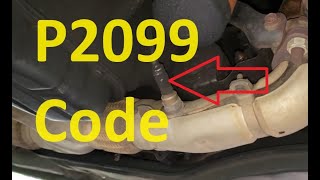
Typical fix: Replace the Bank 2, Sensor 2 oxygen sensor. Bank 2 is the driver's side on all 2014 Challenger engines. This is a DIY-friendly job for many, but the sensor can be seized in the exhaust pipe, requiring penetrating oil and a special O2 sensor socket. 🎬 See this video to locate all four O2 sensors.
Est. part cost: $30-$80 - Exhaust Leak 🟡 Medium Probability Exhaust manifold gaskets and bolts/studs on Hemi engines can sometimes be a point of failure, leading to leaks. Leaks can also occur at flange connections. An exhaust leak before or near the O2 sensor can introduce outside oxygen, confusing the sensor and leading to an incorrect fuel trim response that may trigger a rich code.
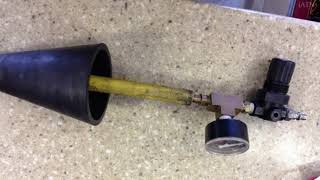
How to confirm: Visually inspect the exhaust system from the manifold to the catalytic converter on Bank 2 for cracks, rust, or loose connections. Listen for ticking or puffing sounds that are loudest on a cold start and may quiet down as the engine warms up. A smoke test or using soapy water on a cold exhaust while pressurizing it with a shop vac or leaf blower can pinpoint leaks.
Typical fix: Repair or replace the leaking component, such as an exhaust manifold gasket, a donut gasket, or a cracked pipe.
Est. part cost: $20-$300 - Fuel System Issues (Leaking Injectors, Faulty Fuel Pressure Regulator) ⚪ Low Probability
How to confirm: Check fuel pressure with a gauge to see if it's within spec. A leaking injector might be diagnosed by checking spark plugs on Bank 2 for signs of being wet with fuel or excessively black and sooty. A professional injector balance test is the most definitive method.
Typical fix: Replace the faulty fuel injector or fuel pressure regulator.
Est. part cost: $50-$400
Rare But Worth Checking
- Clogged or Failing Catalytic Converter: → Shop Catalytic Converter While this code points to a condition *after* the converter, a failing converter can sometimes cause erratic readings that lead to a rich code. This is usually a last resort after all other causes have been ruled out.
- Damaged Wiring or Connectors to O2 Sensor: → Shop Oxygen Sensor The wiring harness for the O2 sensor is located under the vehicle and can be susceptible to damage from road debris, heat from the exhaust, or corrosion. A visual inspection of the harness and connector is crucial.
Diagnosis Steps
- Use an OBD-II scanner to confirm the P2099 code and check for any other stored codes. Freeze frame data can provide valuable context about when the code was set.
- Check for TSBs: This is the most critical first step. Contact a Dodge dealership with your VIN to check if TSB #18-039-15 REV-A or #18-037-14 REV. B apply to your vehicle. If an update is available and has not been performed, this should be your primary course of action.
- Inspect the Exhaust System: With the engine cold, visually and audibly inspect the exhaust manifold and pipes on the driver's side for any signs of leaks, such as black soot trails, cracks, or a ticking/puffing noise. A smoke test is a highly effective method for finding small leaks.
- Analyze O2 Sensor Data: → Shop Oxygen Sensor Use a scan tool to observe the live data stream for the Bank 2, Sensor 2 (downstream) oxygen sensor. The voltage should be relatively stable, generally between 0.5V and 0.8V. If it is stuck high (e.g., >0.8V) or mirroring the upstream sensor's rapid fluctuations, the sensor is likely faulty.
- Inspect O2 Sensor and Wiring: → Shop Oxygen Sensor Visually inspect the downstream O2 sensor on the driver's side and its wiring for any signs of physical damage, corrosion, or melting from contact with the exhaust.
- Test Fuel System: If sensor and exhaust issues are ruled out, check the fuel pressure to ensure it is within the manufacturer's specifications. Inspect the spark plugs on Bank 2 (cylinders 2, 4, 6) for heavy carbon fouling, which indicates a rich condition.
- Consider Catalytic Converter: → Shop Catalytic Converter Only after all other possibilities have been exhausted should the catalytic converter be considered as the potential cause.
Parts You'll Likely Need
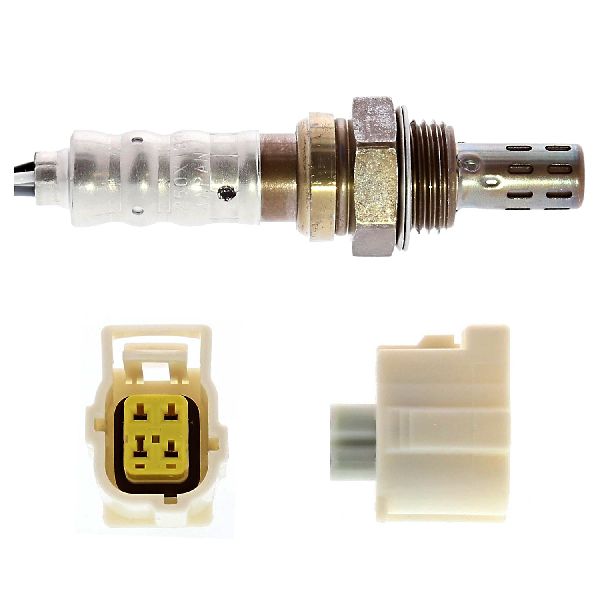
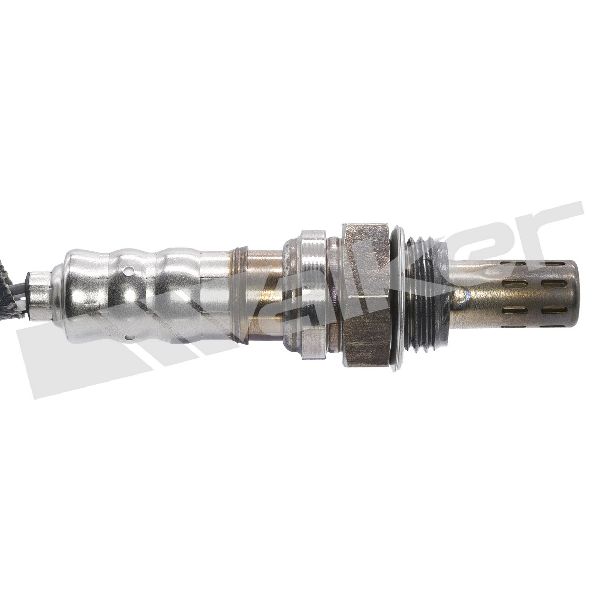
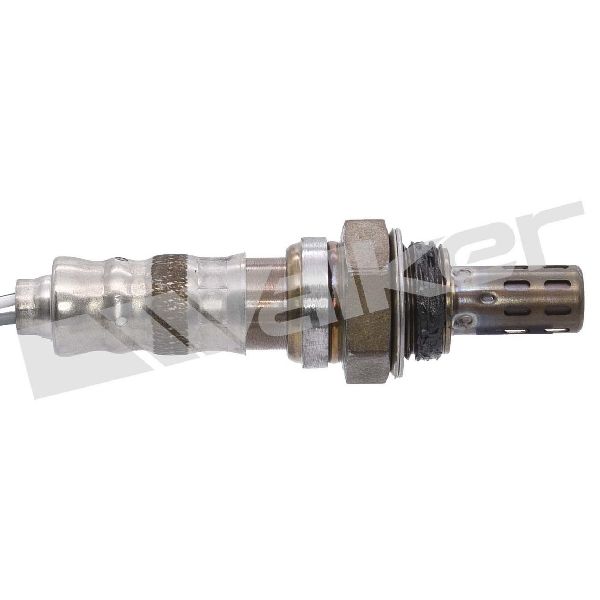
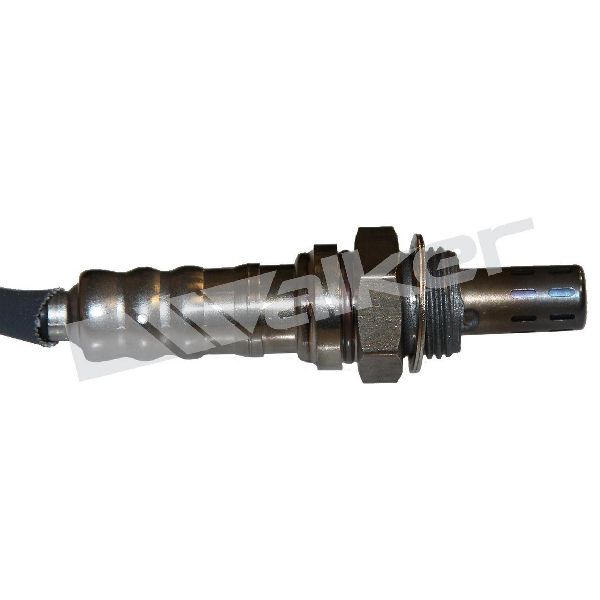
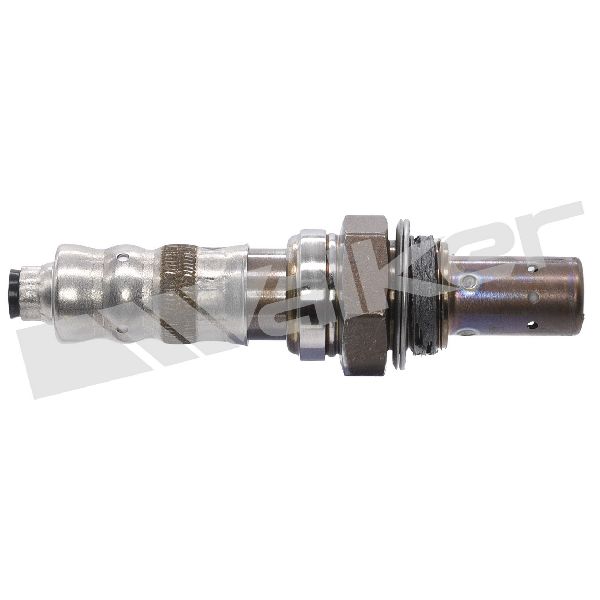
- Downstream Oxygen Sensor (Bank 2)
(OEM #5149171AA, 5149171AB (for 3.6L V6); 56029049AA (for 5.7L/6.4L V8))— This sensor is the most common hardware failure to cause P2099 after a PCM software update has been ruled out. Always verify part number with VIN.
Trusted brands: Mopar, NTK, Denso
OEM price range: $60-$120
Aftermarket price range: $30-$80
Related Codes That Often Appear With This One
- P0300 — A rich fuel condition can lead to incomplete combustion, causing random or multiple cylinder misfires. This code is also mentioned alongside P2099 in the manufacturer TSBs as being resolved by the same PCM update.
- P2097 — This is the equivalent code for Bank 1 ('Post Catalyst Fuel Trim System Too Rich Bank 1'). If both P2097 and P2099 are present, it strongly suggests a systemic issue like high fuel pressure or a faulty MAF sensor affecting both engine banks, rather than a single component on Bank 2.
- P0302, P0304, P0306 — If the rich condition is caused by a leaking fuel injector, you may also get a misfire code for one of the specific cylinders on Bank 2 (which are cylinders 2, 4, and 6).
Technical Service Bulletins (TSBs) & Recalls
- 18-039-15 REV-A: Addresses P2099 on 2014 models with 3.6L engine (ESH) and manual transmission (DEC), recommending a PCM software update.
- 18-037-14 REV. B: Also lists P2099 as part of a list of codes that could be resolved with a PCM reflash for powertrain diagnostic and system improvements.
Platform-Specific Known Issues
- TSB #18-039-15 REV-A and TSB #18-037-14 REV. B indicate that a PCM software update is a primary fix for this code on 2014 models, especially those with a manual transmission, due to overly sensitive diagnostic logic.
- Owner experiences frequently confirm the TSB reflash as the first and most effective solution. When the TSB does not apply or has been done, the downstream O2 sensor is the next most common culprit.
Mechanic-Grade Diagnostic Values
- Downstream O2 Sensor (B2S2) Voltage — expected: Relatively stable voltage between 0.5V and 0.8V when the engine is in closed loop and at operating temperature.. Failure: A voltage stuck high (above 0.8V), stuck low, or fluctuating rapidly like an upstream sensor (0.1V - 0.9V).
- Upstream O2 Sensor (B2S1) Voltage — expected: Rapidly fluctuating voltage between approximately 0.1V and 0.9V at idle.. Failure: A lazy, non-responsive, or stuck voltage reading.
- O2 Sensor Heater Circuit Resistance — expected: Typically between 2 and 16 ohms, depending on the specific sensor. Check a repair manual for exact specs.. Failure: An open circuit (infinite resistance) or a reading significantly outside the specified range indicates a failed heater element.
- Fuel Pressure — expected: Approximately 40-60 PSI for many port-injected systems. This must be verified against the specific service manual for the engine (3.6L, 5.7L, 6.4L).. Failure: Pressure significantly higher than spec can cause a rich condition. Pressure lower than spec would typically cause a lean code.
Scan Tool Commands That Help
- wiTECH (Dodge Dealer Tool): PCM Flash/Reprogram — Used to perform the software updates outlined in TSBs #18-039-15 REV-A and #18-037-14 REV. B, which is a primary fix for this code on 2014 Challengers.
- wiTECH (Dodge Dealer Tool): Reset Fuel Trim Adaptations — After replacing a component like an O2 sensor or fuel injector, resetting the PCM's learned fuel adjustments can help it adapt to the new part more quickly and confirm the fix.
Wiring & Ground Locations
- G304 — Located at the left rear of the engine compartment.. This is a major engine compartment ground point. A poor connection here could potentially affect sensor readings or PCM function, leading to various electrical issues.
- G104 — Located on the right side of the engine.. Another critical engine ground. The Powertrain Control Module (PCM) and various sensors rely on solid ground connections to function correctly.
- O2 Sensor Fuses (Front Fuse Box) — In the fuse box on the passenger side of the engine compartment. Check fuses F31, F34, F35, and F37.. These fuses are related to engine management and may supply power to the O2 sensor heater circuits. A blown fuse will cause the sensor to operate incorrectly, especially during warm-up.
- O2 Sensor Relays (Rear Fuse Box) — In the fuse box in the trunk, behind the battery. Check relays R14 and R29.. These relays may control power to the O2 sensor heater circuits. A faulty relay can prevent the heaters from activating.
- O2 Sensor Wiring Harness — Runs underneath the vehicle along the exhaust system to each sensor. The Bank 2 (driver's side) downstream sensor is located after the catalytic converter.. The 4-wire harness contains two wires for the heater circuit (often the same color), a signal wire, and a ground wire. Damage from heat or road debris can cause shorts or open circuits, directly leading to sensor-related codes.
Real Owner Repair Stories
- ChallengerTalk.com forum user (2014 Dodge Challenger R/T (5.7L Hemi)) — Check Engine Light with code P2099.
❌ Tried (didn't work) Initially, the owner was concerned about major issues like a bad catalytic converter or fuel system problems.
✅ What actually fixed it The dealership performed a PCM software update (reflash) as per the TSB. The code did not return after the update. This confirms the TSB as a primary and effective solution.
OEM Part Supersession History
5149171AA→5149171AB— Part revision or update by manufacturer.
Heads up: 5149171AB is the correct replacement for 5149171AA. Using the older part number, if found, is not recommended.68066160AA→5149171AB— Part consolidation and supersession.
Heads up: 5149171AB replaces this part number as well.
Helpful Videos
![What is P2099 Engine Code [Quick Guide]](https://img.youtube.com/vi/R-7ET0YPDPE/mqdefault.jpg)

We Have This Part in Stock


The information in this article is provided for general reference and educational purposes only. Vehicle specifications, procedures, and part compatibility can vary by production date, trim level, and region. Always consult your vehicle's factory service manual and verify part numbers before purchasing or performing repairs. Safety-critical components such as airbags, seat belts, and braking systems should be installed by a qualified professional.
- Dodge CHALLENGER:
- 🧭 Diagnostic Flowchart
- 🎬 Helpful Videos
- 🛍️ Shop This Part
- What's Unique About the 2014-2014 Dodge CHALLENGER
- Symptoms You May Notice
- Most Likely Causes
- Rare But Worth Checking
- Diagnosis Steps
- Parts You'll Likely Need
- Related Codes That Often Appear With This One
- Technical Service Bulletins (TSBs) & Recalls
- Platform-Specific Known Issues
- Mechanic-Grade Diagnostic Values
- Scan Tool Commands That Help
- Wiring & Ground Locations
- Real Owner Repair Stories
- OEM Part Supersession History
- 🎟️ Get 5% Off